
Graphics: Wiktor Lingo
“Warsaw Uprising – Prison Strategy Game” is an innovative educational and cultural project addressed to a group of 20 incarcerated men. The goal of the project is to foster social inclusion through artistic and educational activities, as well as to create an original strategy game inspired by the realities of the Warsaw Uprising.
The game, which will remain in the prison’s recreation room, will serve future inmates of the Warsaw-Służewiec Remand Prison as an educational and creative tool.
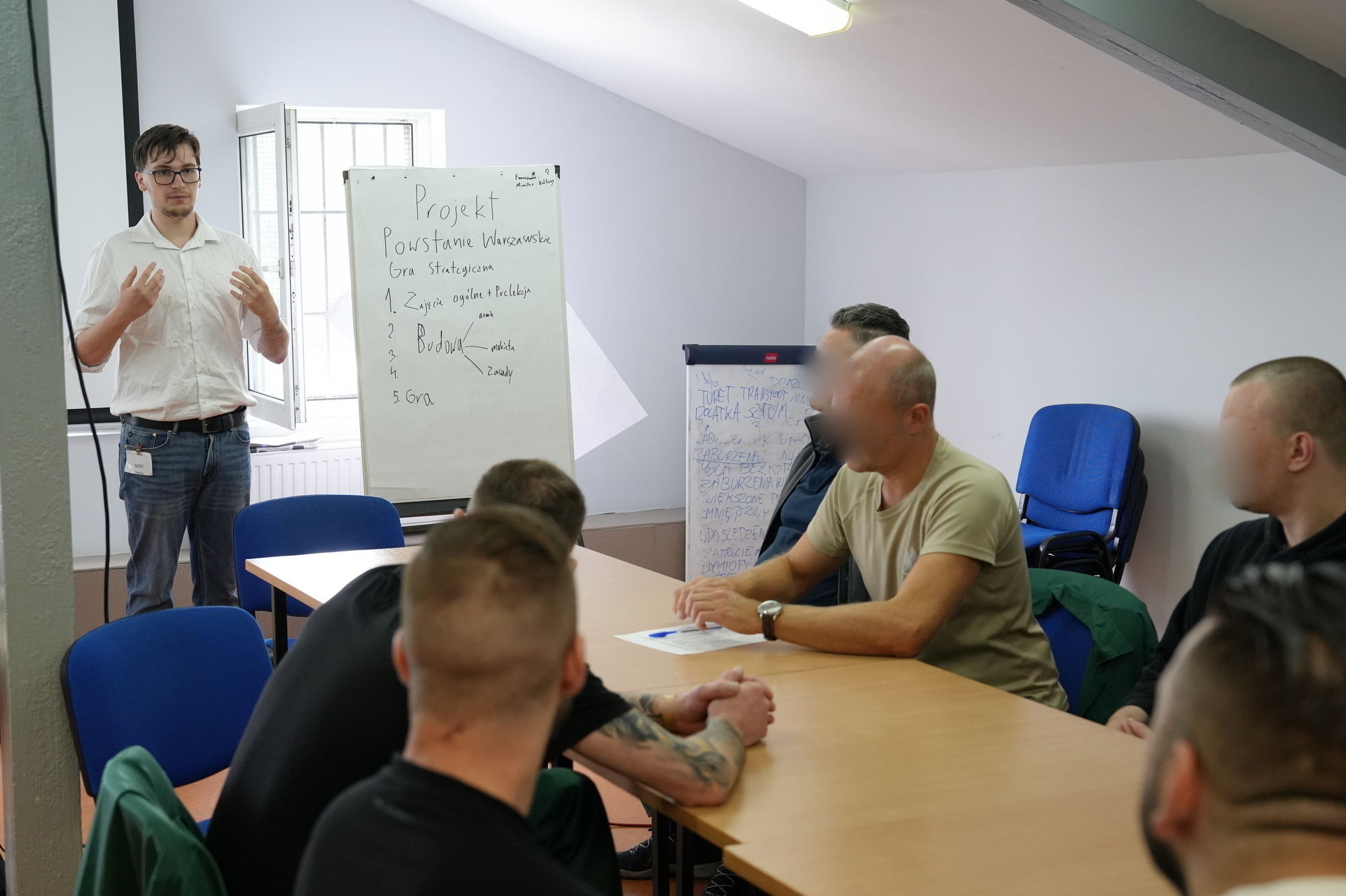
The project program included a series of interdisciplinary workshops combining historical knowledge, model-making, art, and teamwork.
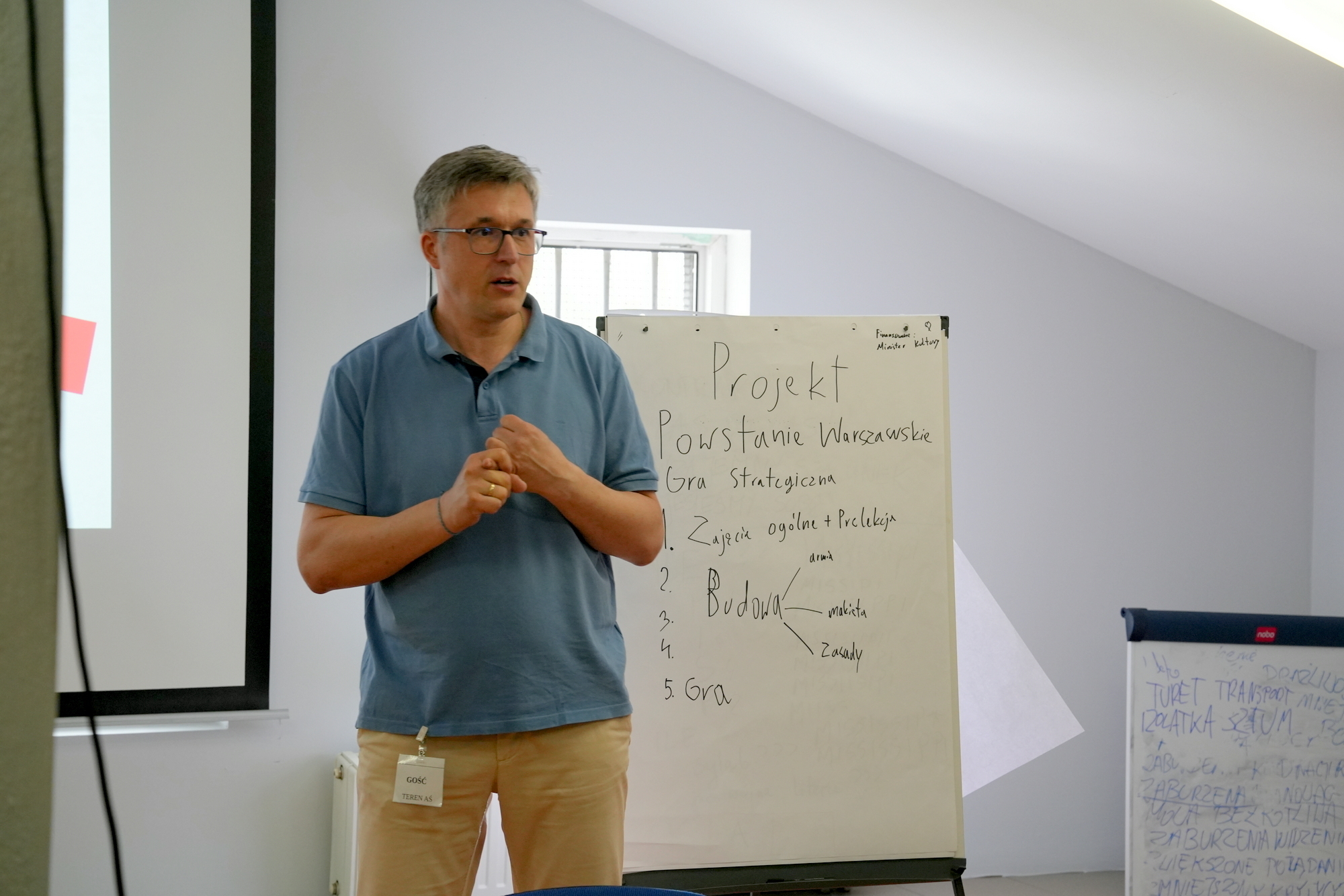
1. Historical Lectures
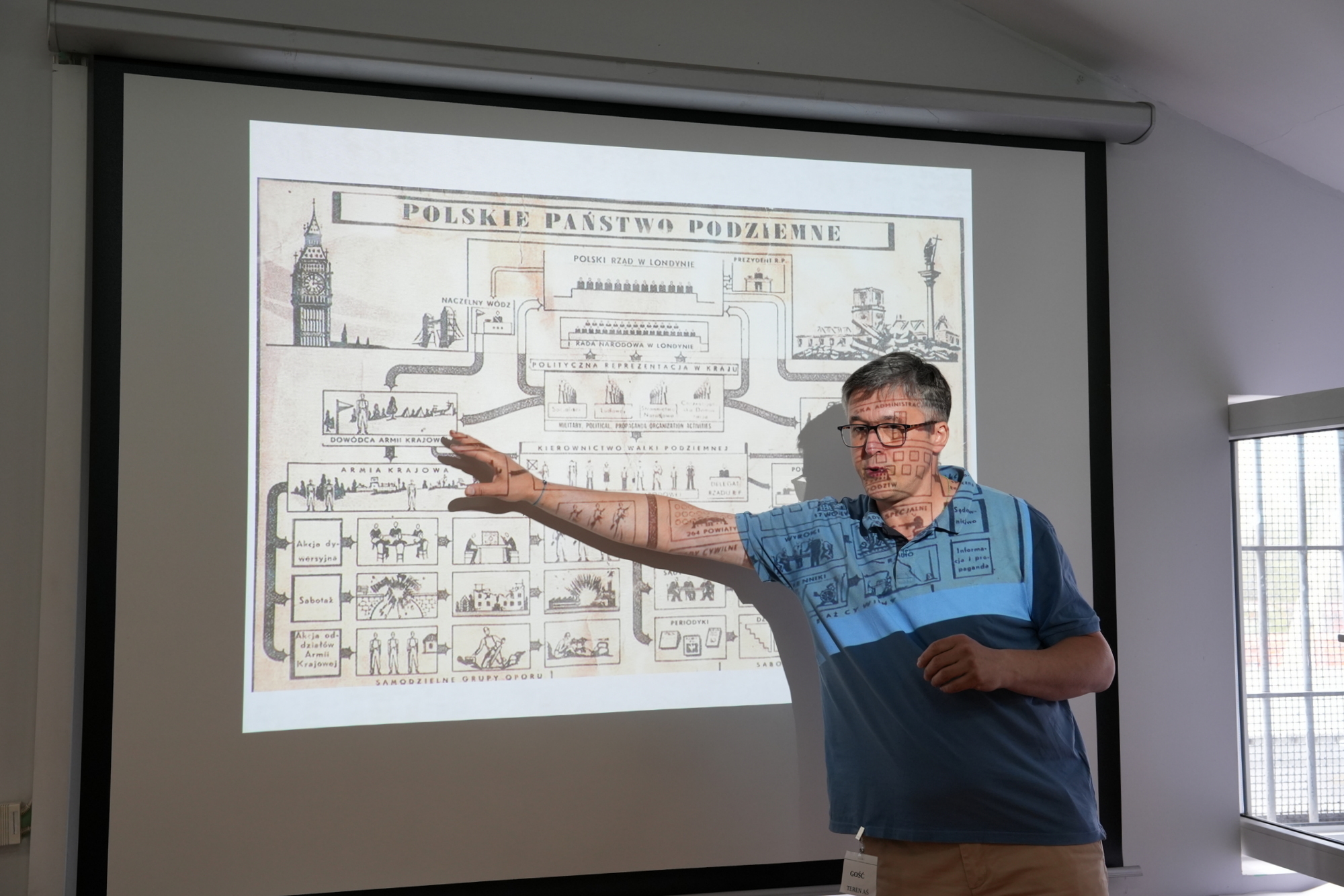
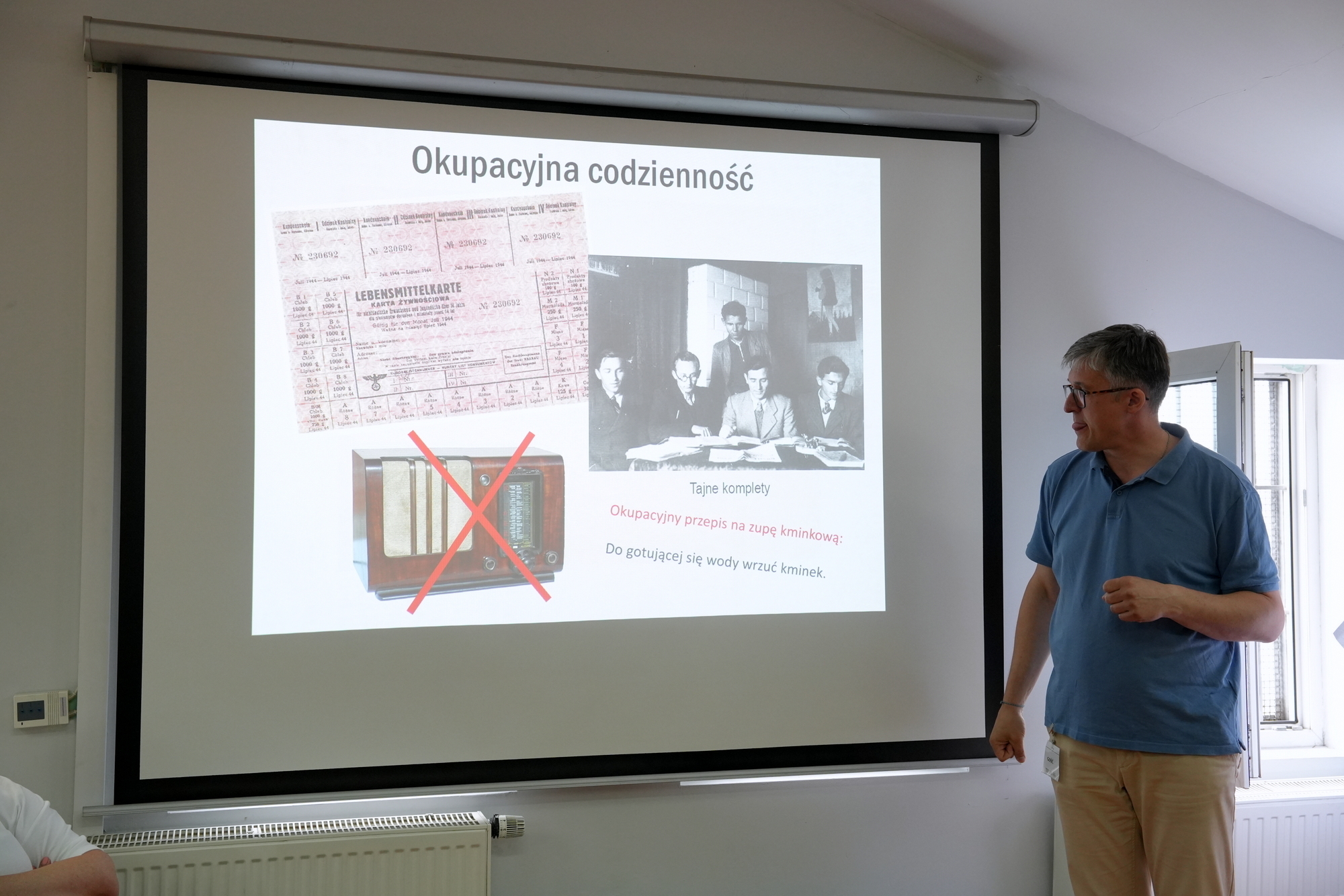
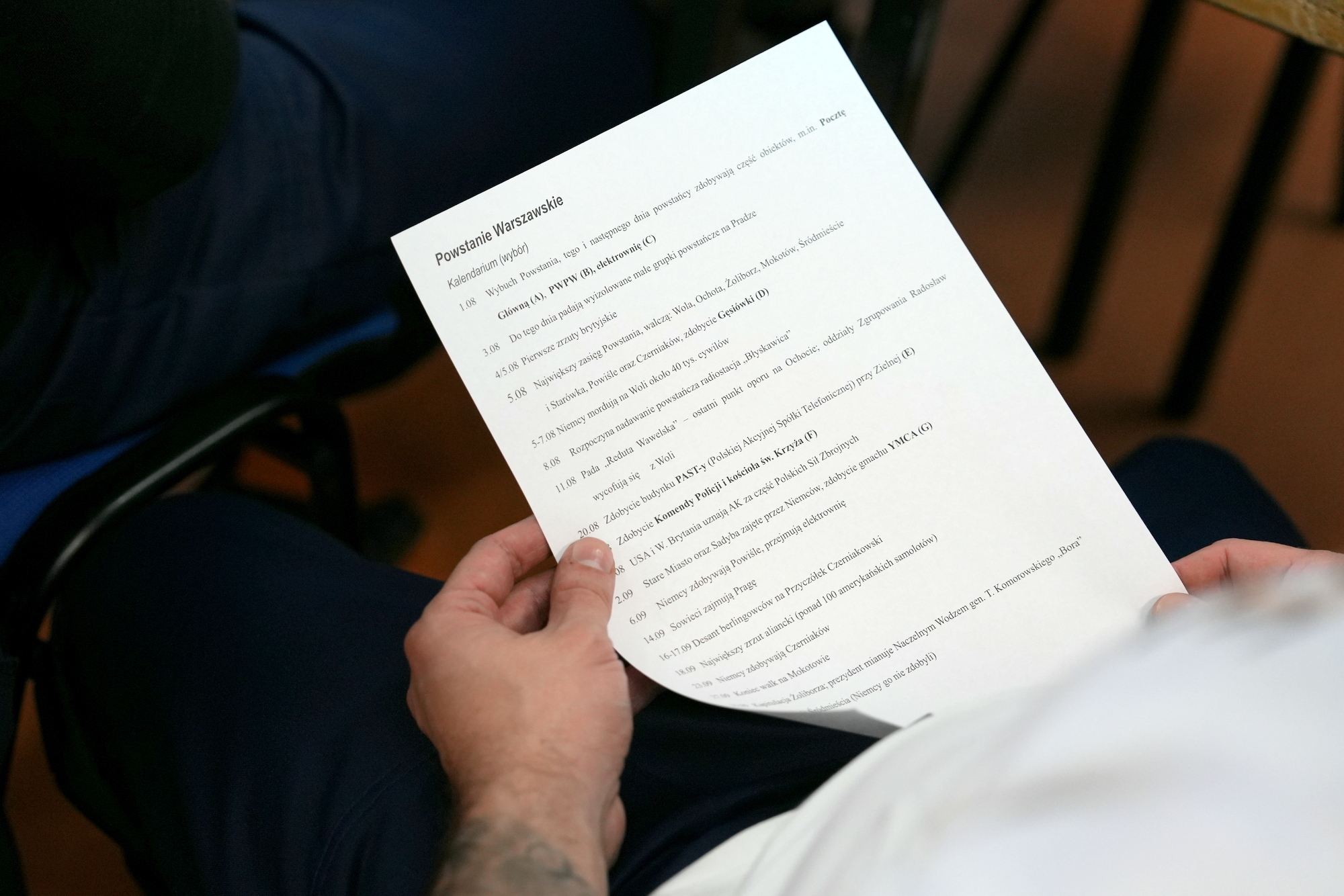
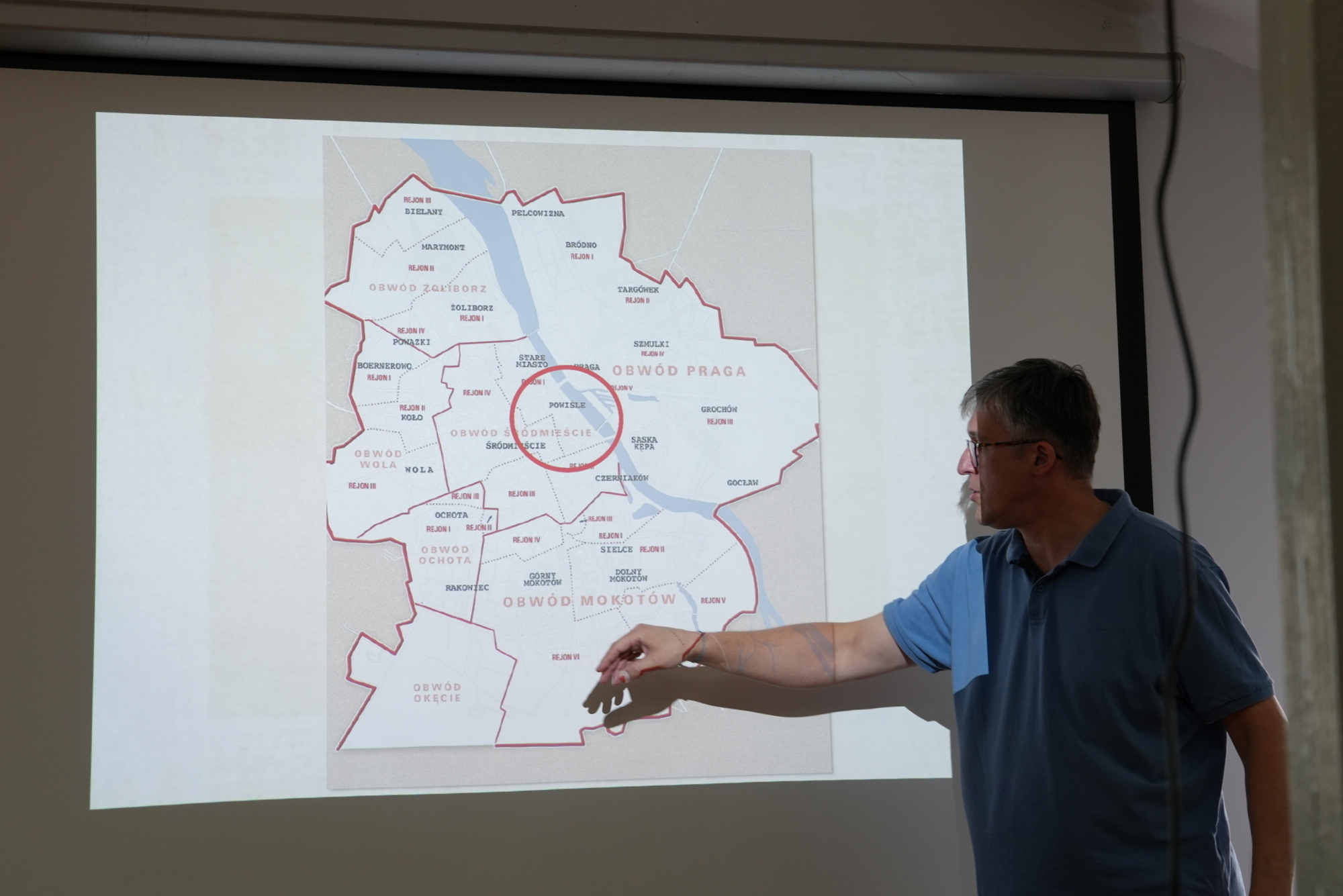
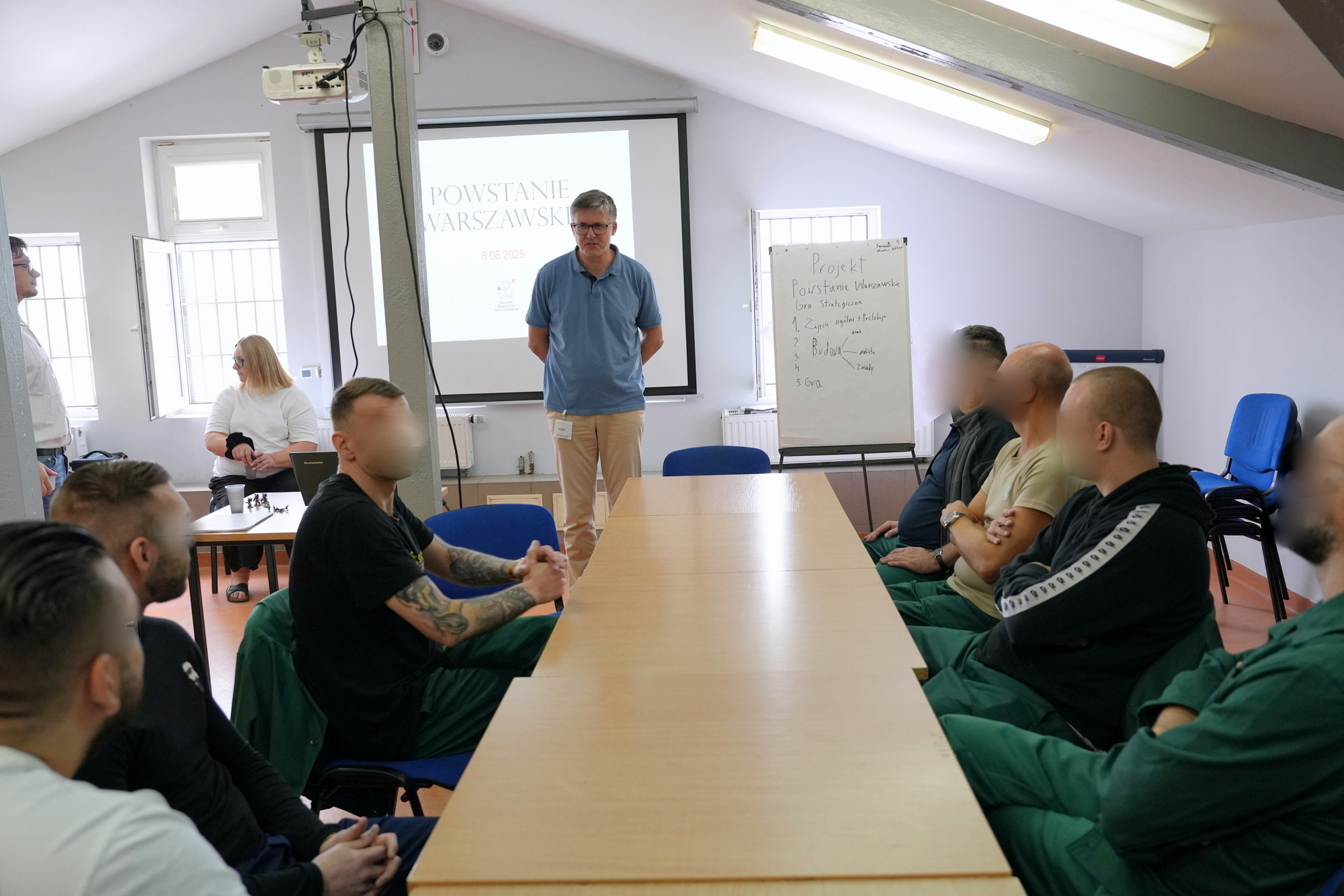
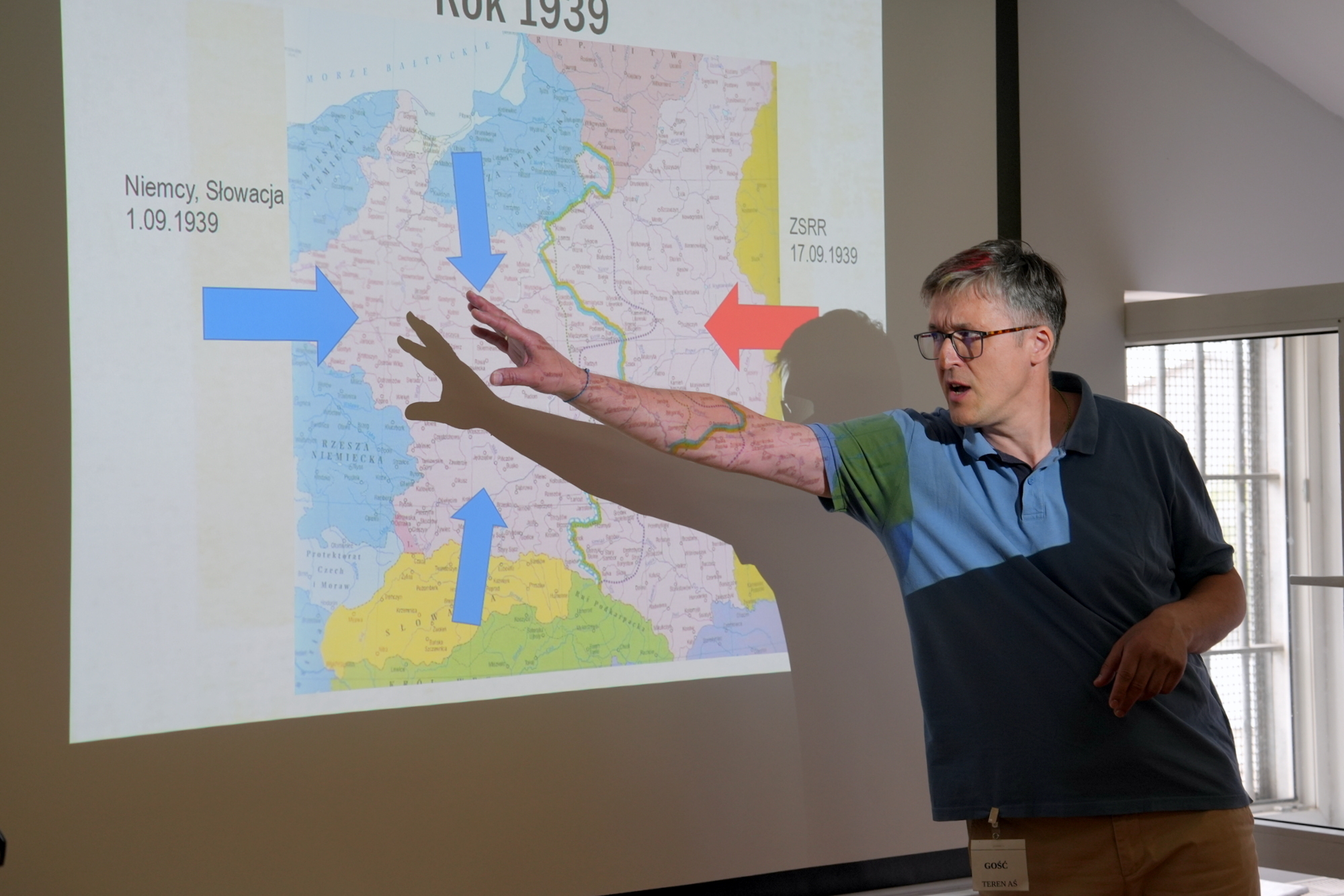
The series of workshops began with educational meetings conducted by Marcin Miros, an educator from the Warsaw Uprising Museum.
Participants learned about the course and significance of the 1944 events, the fate of civilians, and the crucial role of the Powiśle Power Plant — a site that supplied electricity to the fighting city for 36 days.









2. Model-Making and Art Workshops
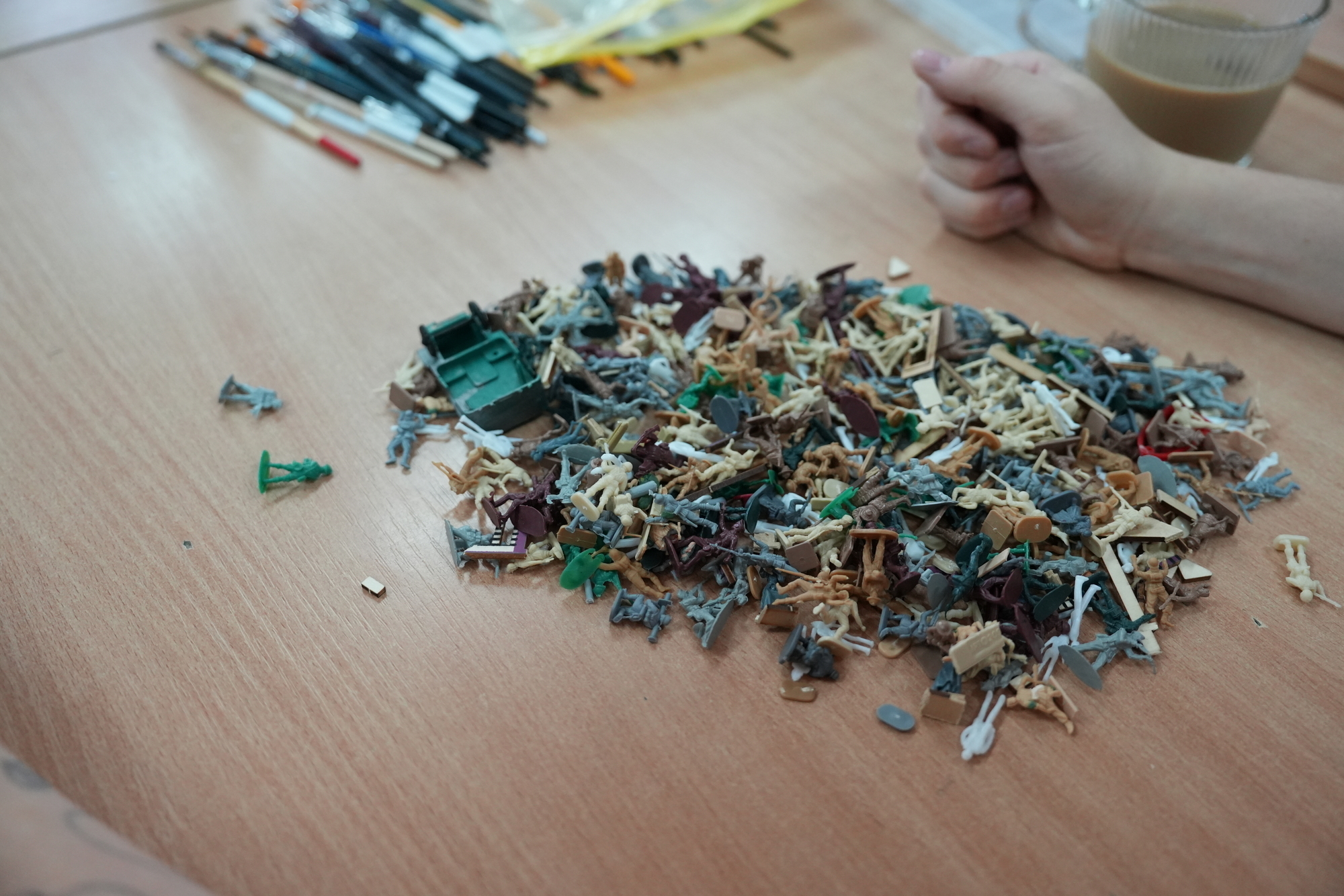
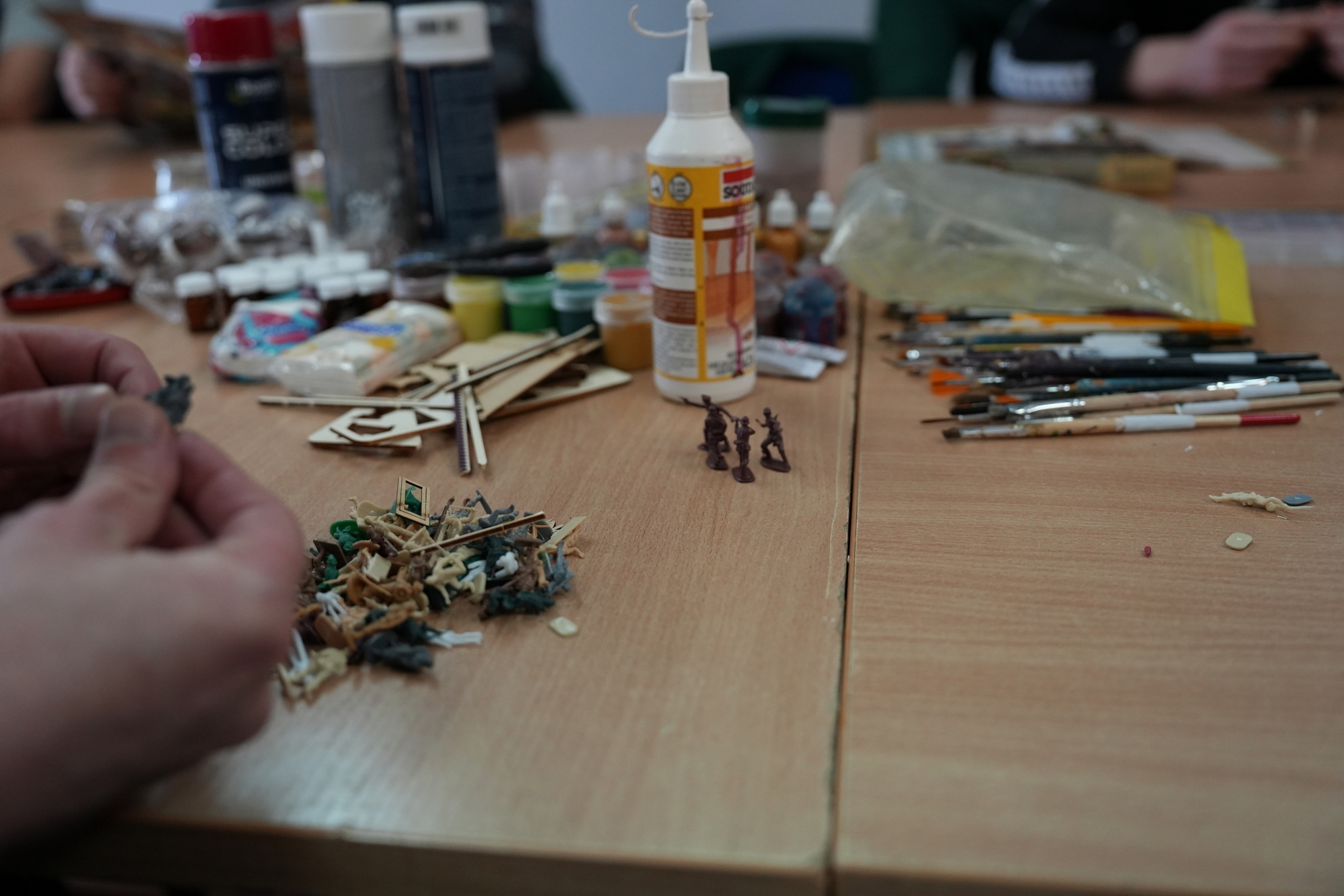
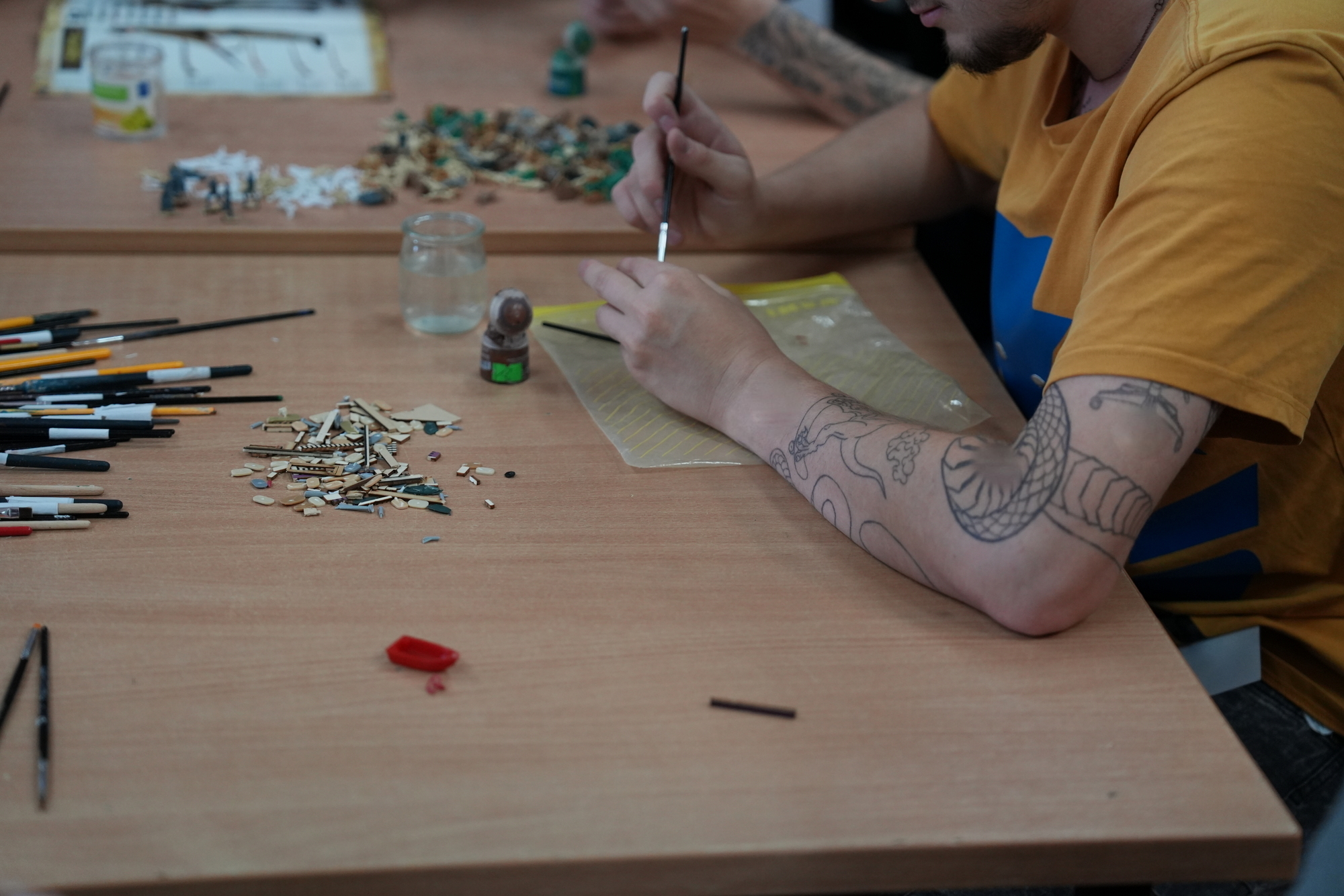
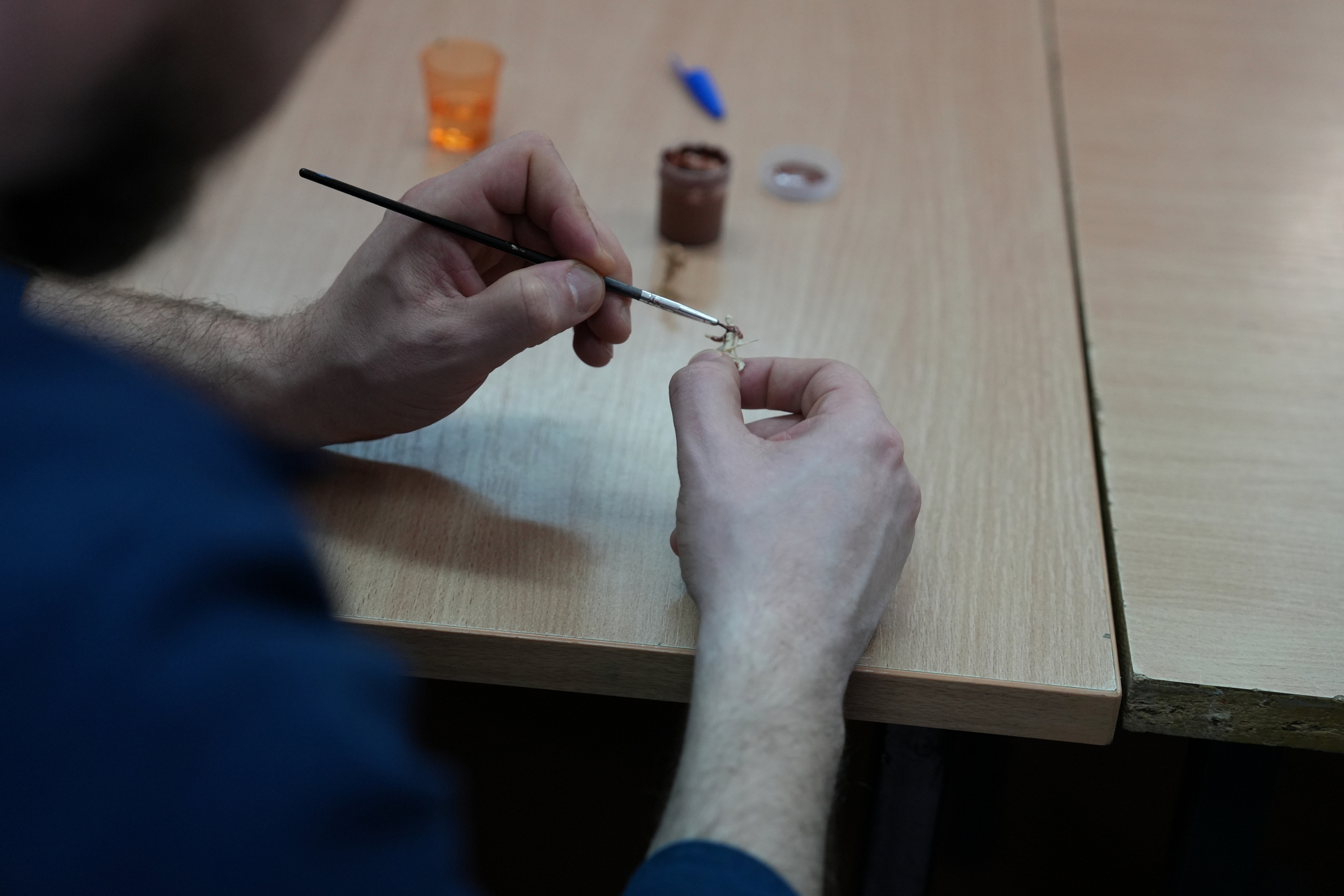
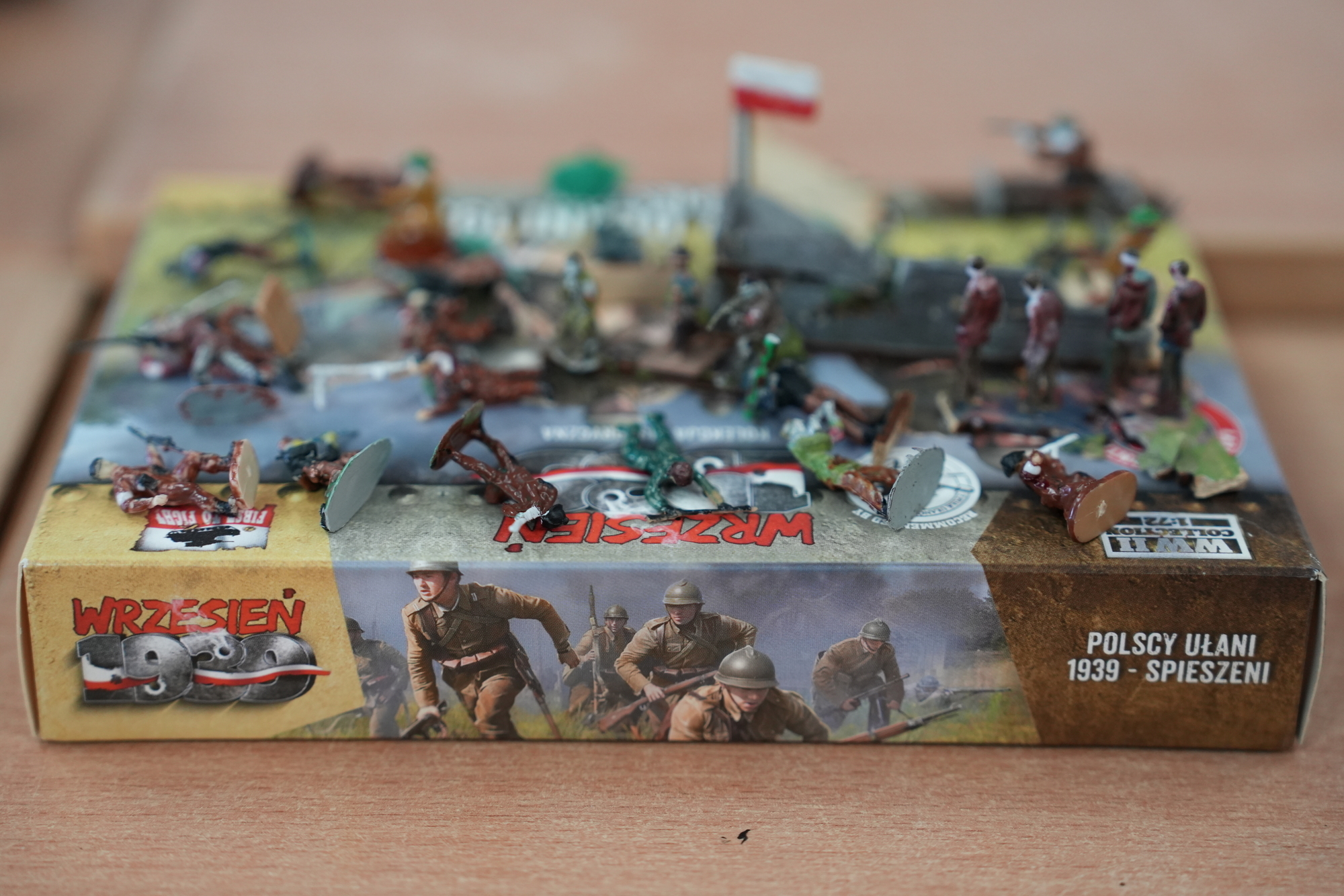
Under the guidance of Waldemar Petryk, a visual artist, and Krzysztof Nessel, a model-maker and co-author of the project, participants created a scale model of the Powiśle Power Plant and hand-painted figurines representing soldiers, civilians, and medical personnel.
The workshops developed focus, precision, and teamwork skills while also having a therapeutic and integrative character.






3. Designing the Strategy Game
Based on the completed model and figurines, the participants – with the support of the instructors – developed the rules of an original strategy game inspired by the Warhammer 40,000 system, yet adapted to the historical context of the Warsaw Uprising.
From the outset, the game was conceived as an educational and reflective tool – it does not focus on military victory but rather on cooperation, strategy, decision-making, and understanding consequences.
Its message is anti-war and humanistic, encouraging dialogue about responsibility, solidarity, and the human cost of conflict.
A comprehensive game manual was created, which also serves as a guide to good practices – it can be used in other penitentiary facilities as a model for educational and artistic activities. The rules were written clearly and accessibly, enabling future participants to replay and further develop the game.
In addition, character cards and weapon cards were produced, carefully designed in terms of both content and graphics. Each card contains detailed descriptions of skills, equipment, and missions, all reflecting the historical realities of the Warsaw Uprising with respect for the facts and those who lived through them.
All graphic designs – including boards, cards, symbols, and the visual identity of the game – were created by Wiktor Lingo, a graphic design student at SWPS University in Wrocław, who gave the game a coherent and distinctive visual style.
4. Game Test and Summary
The final playtest allowed participants to evaluate their work and experience history through interactive engagement.
The completed model, figurines, and finalized game manual were donated to the prison’s recreation room so that future groups of inmates could use them in educational and creative activities.
Through this project, a replicable model of educational and artistic practice was developed, one that can successfully be implemented in other penitentiary institutions.
The graphic materials accompanying the project were also designed by Wiktor Lingo, a student of graphic design at SWPS University in Wrocław.

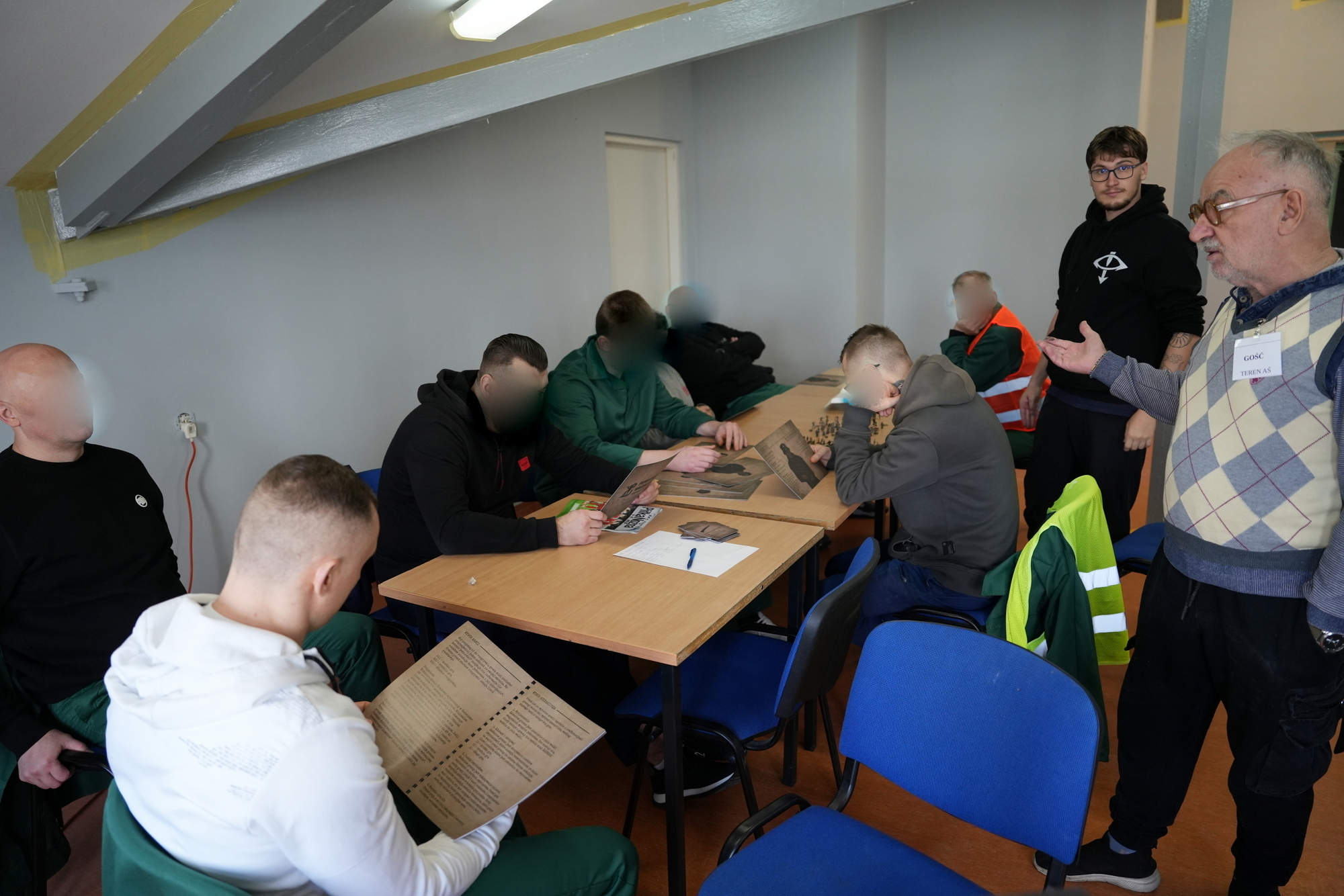
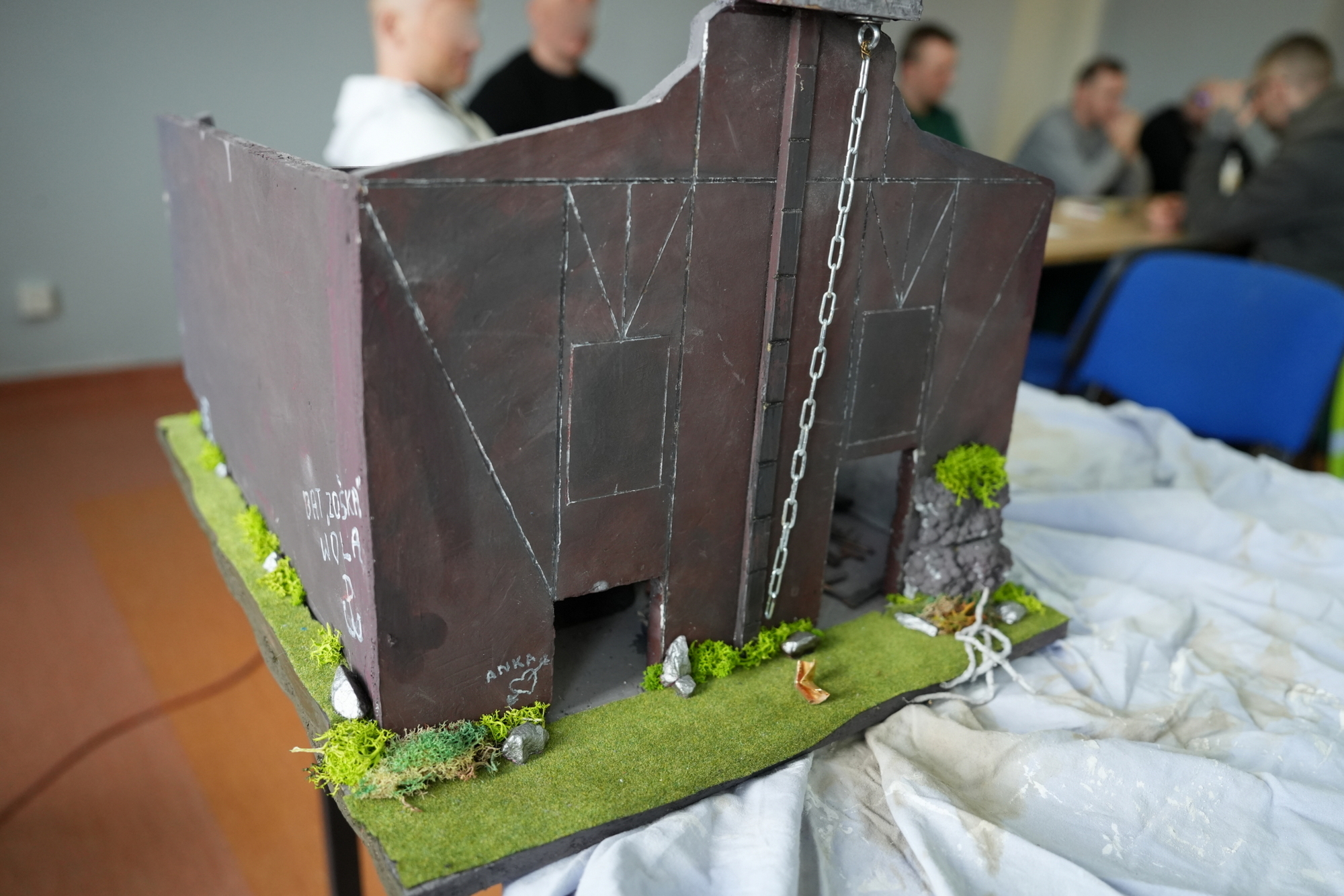
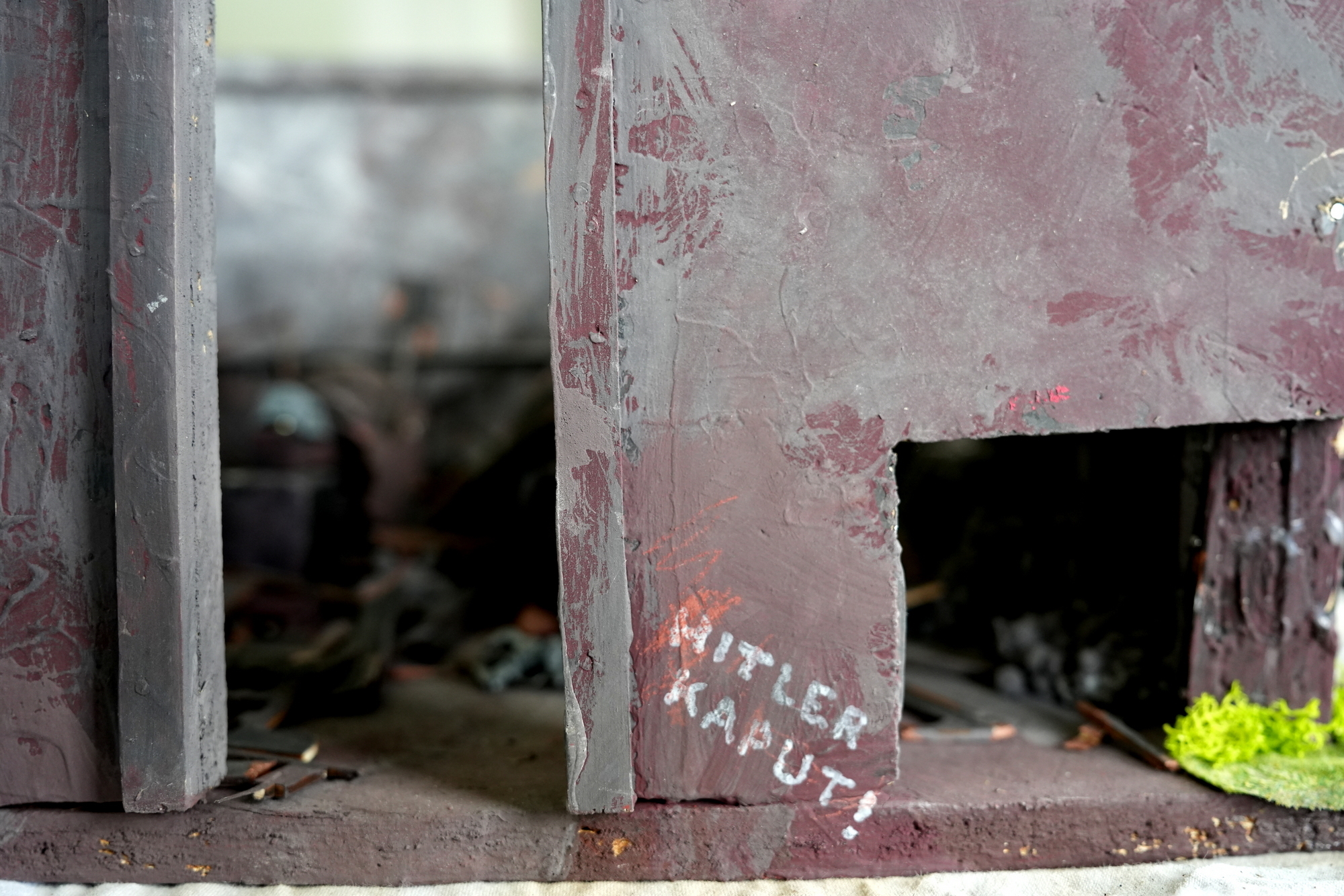
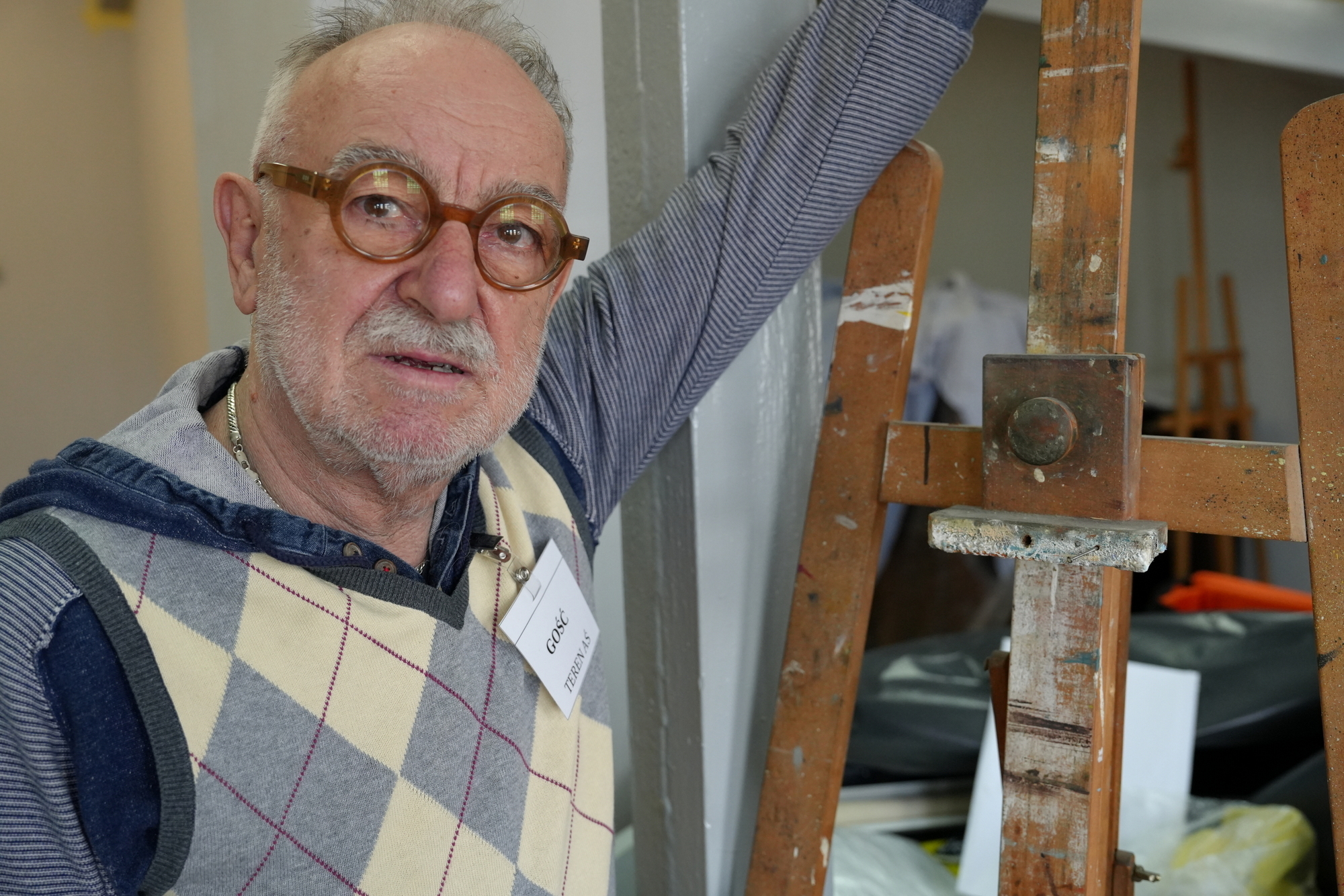


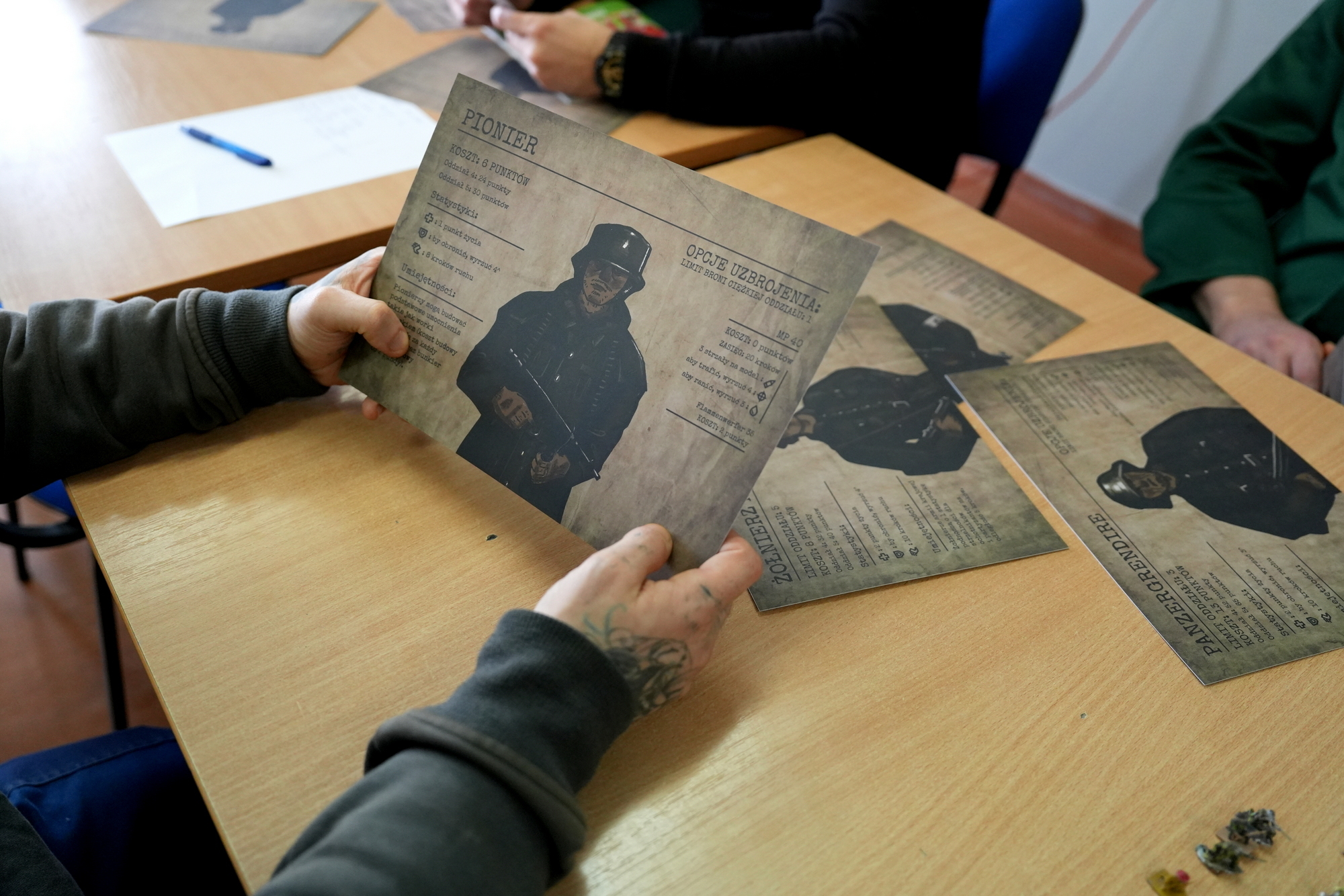
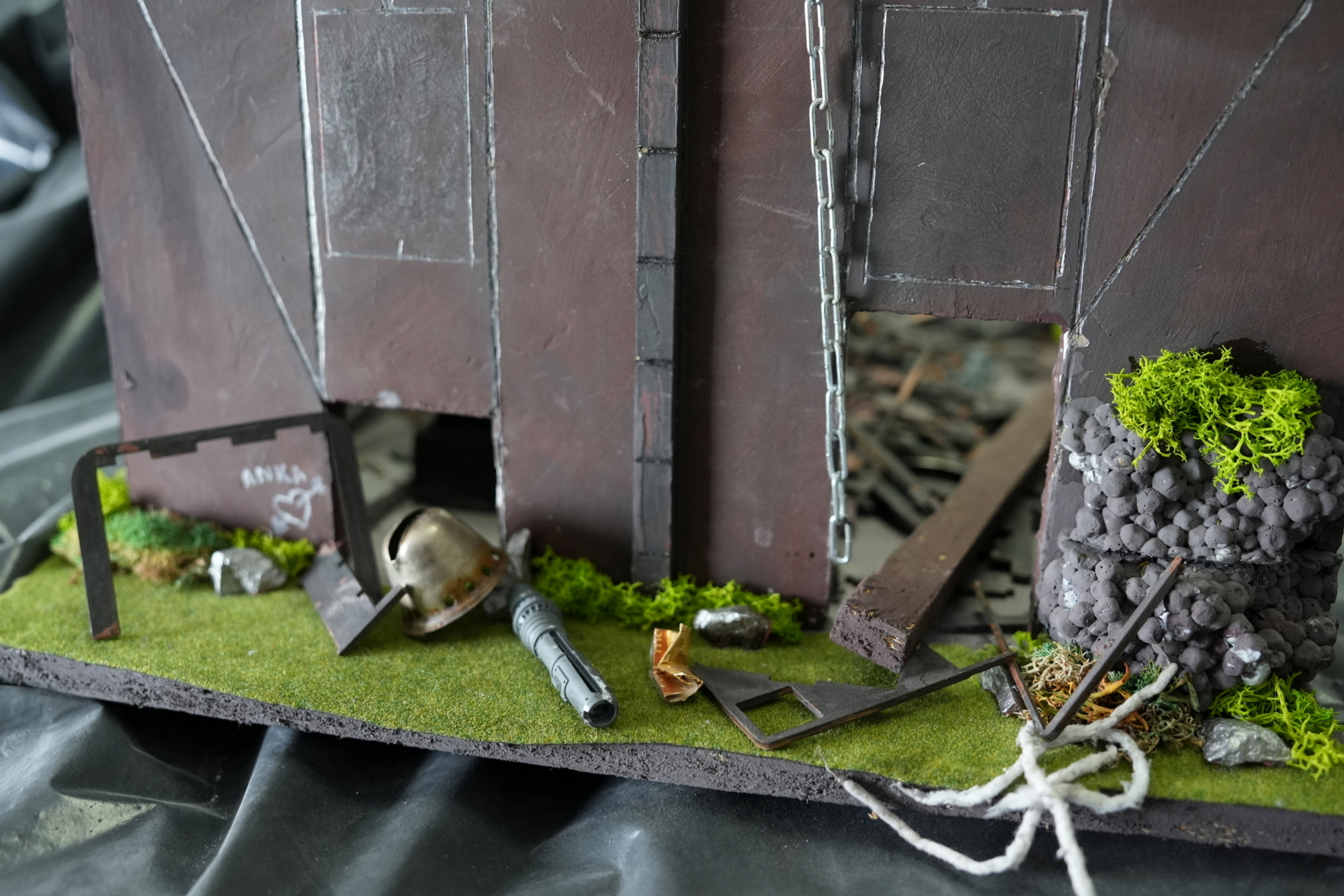
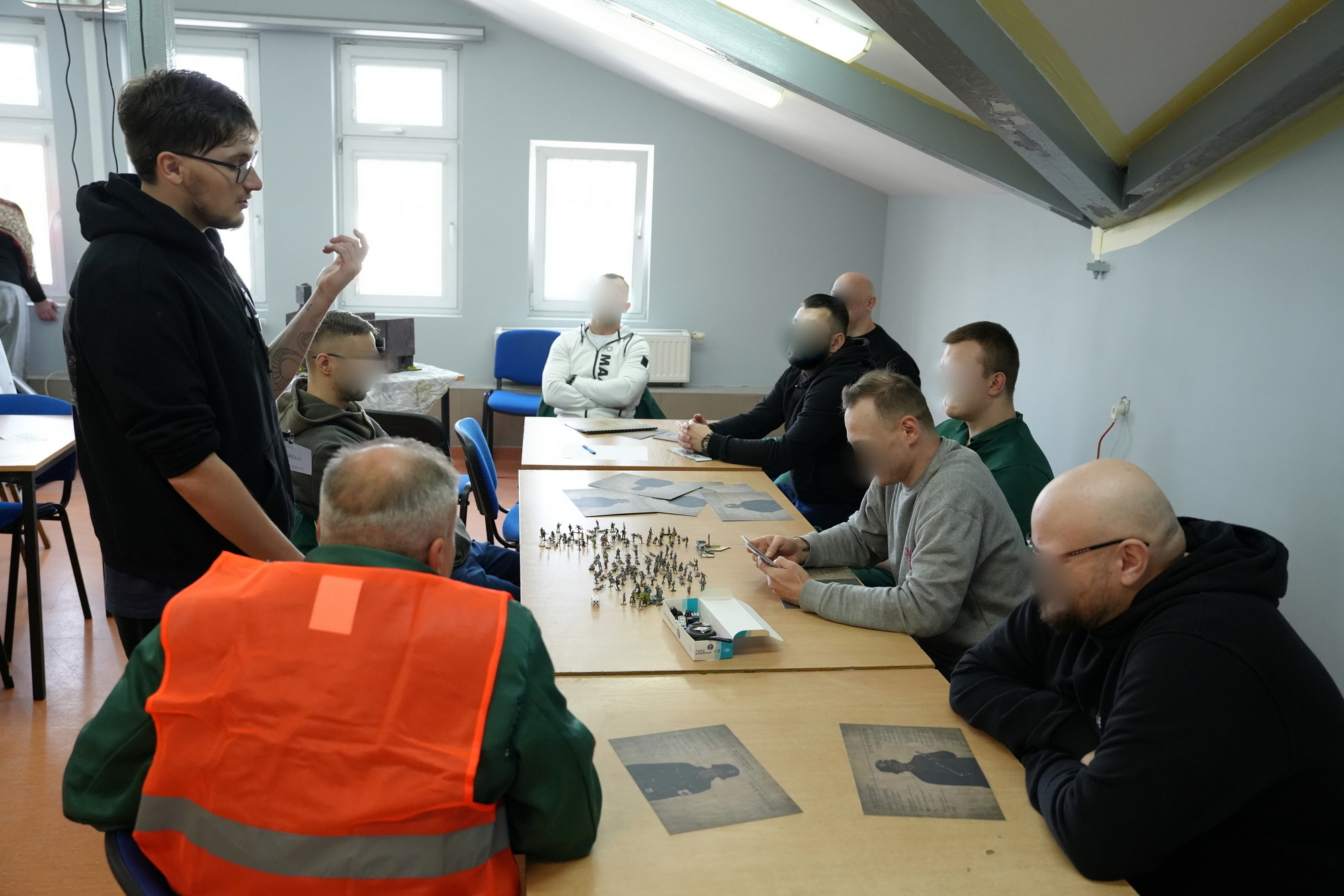

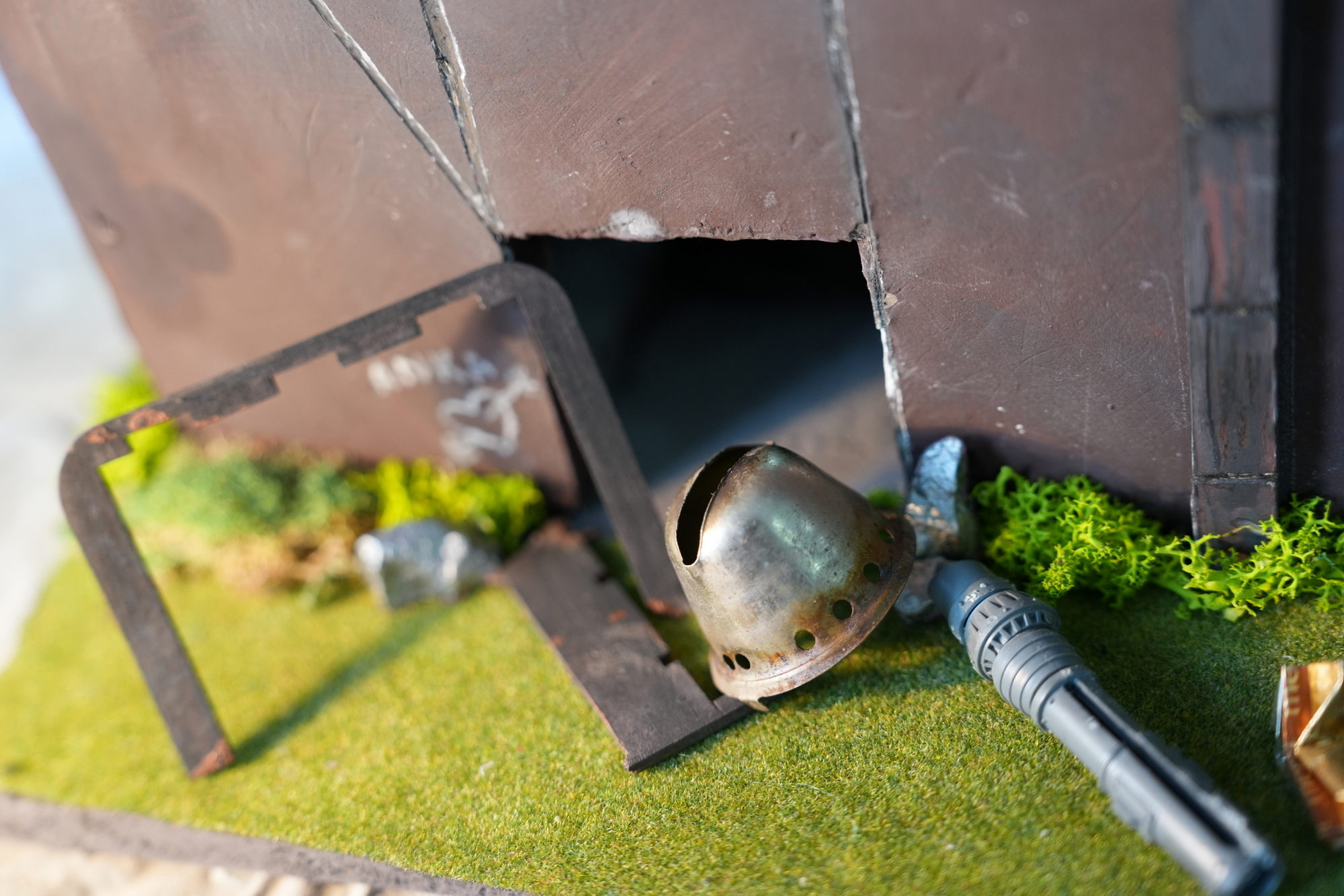
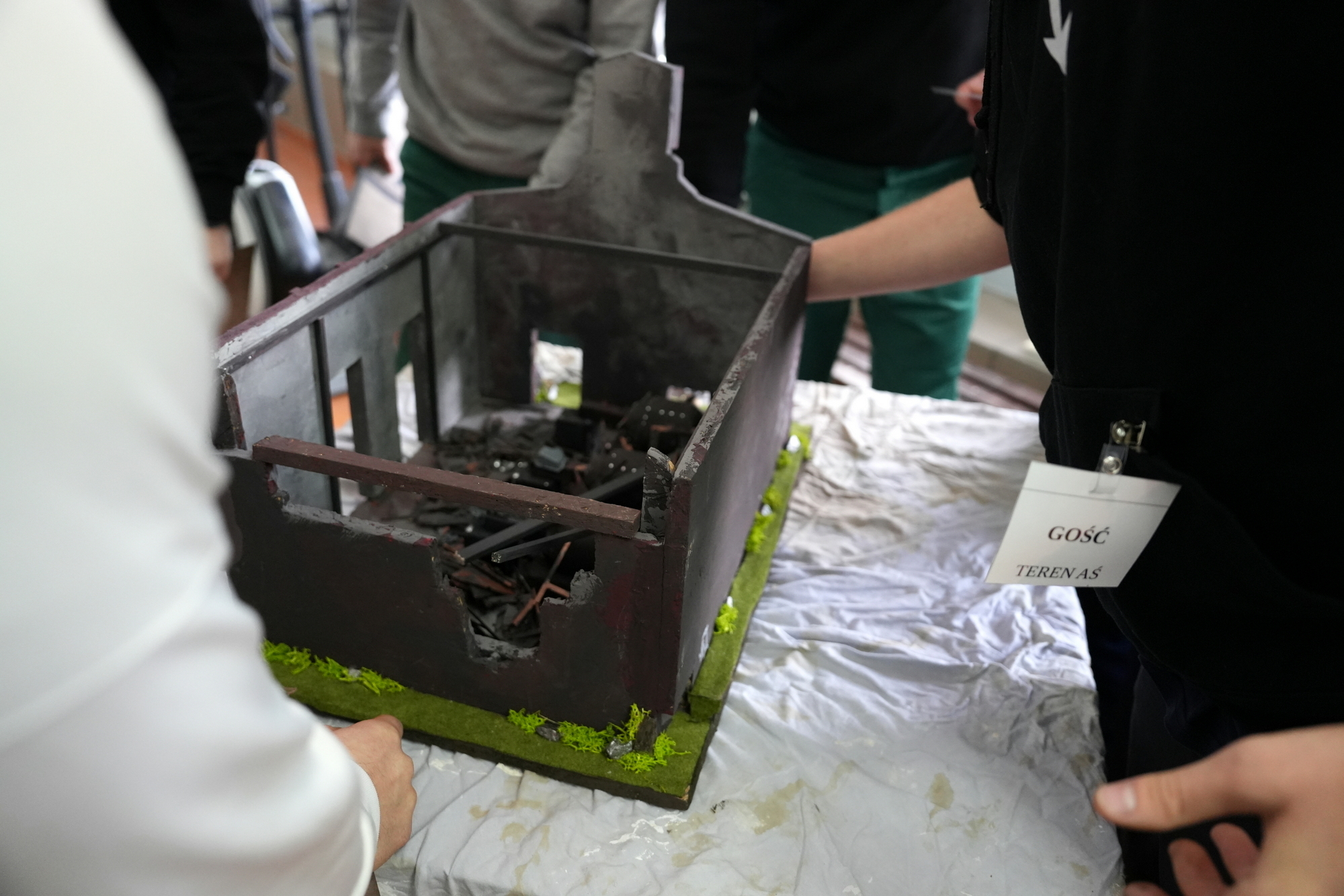

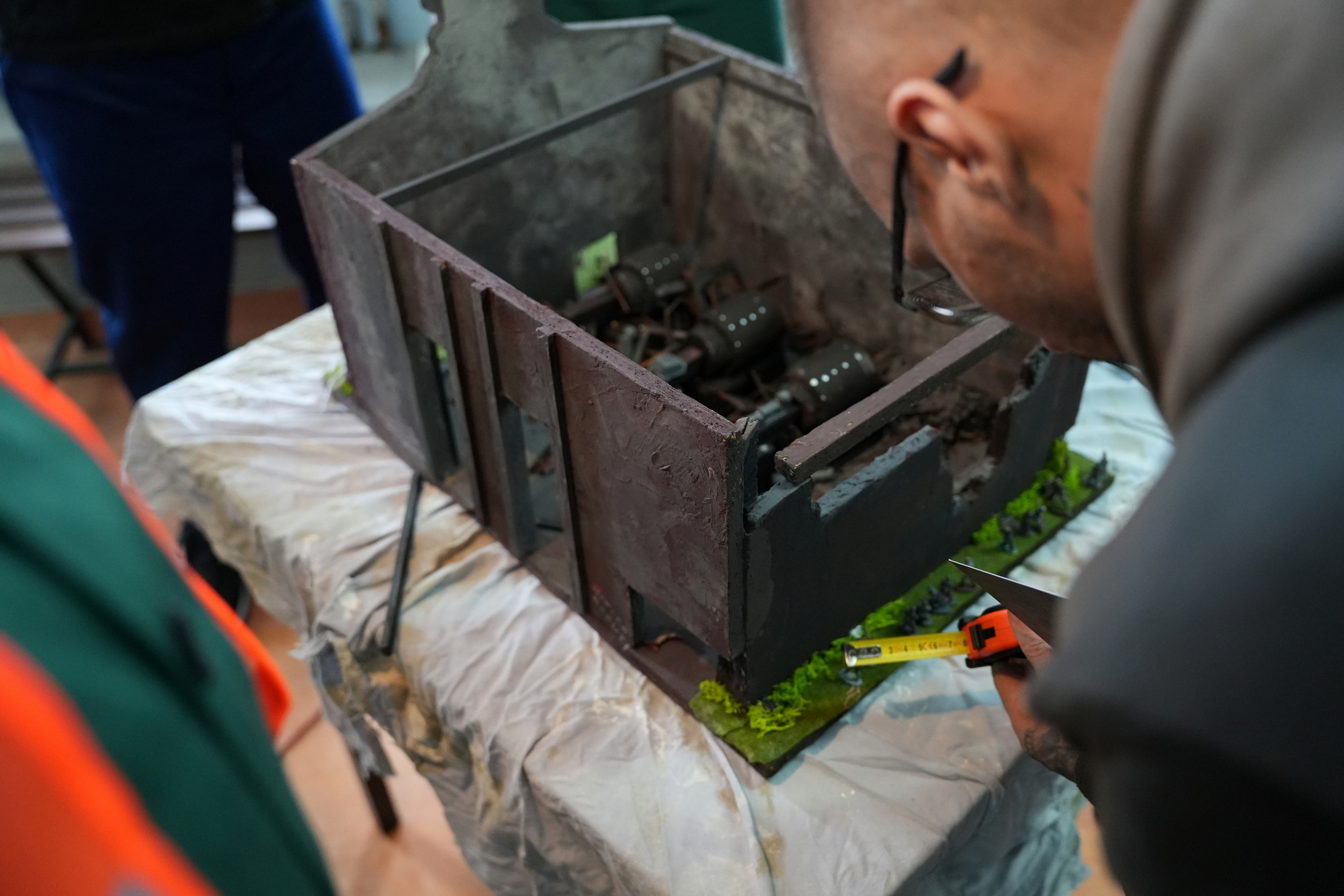


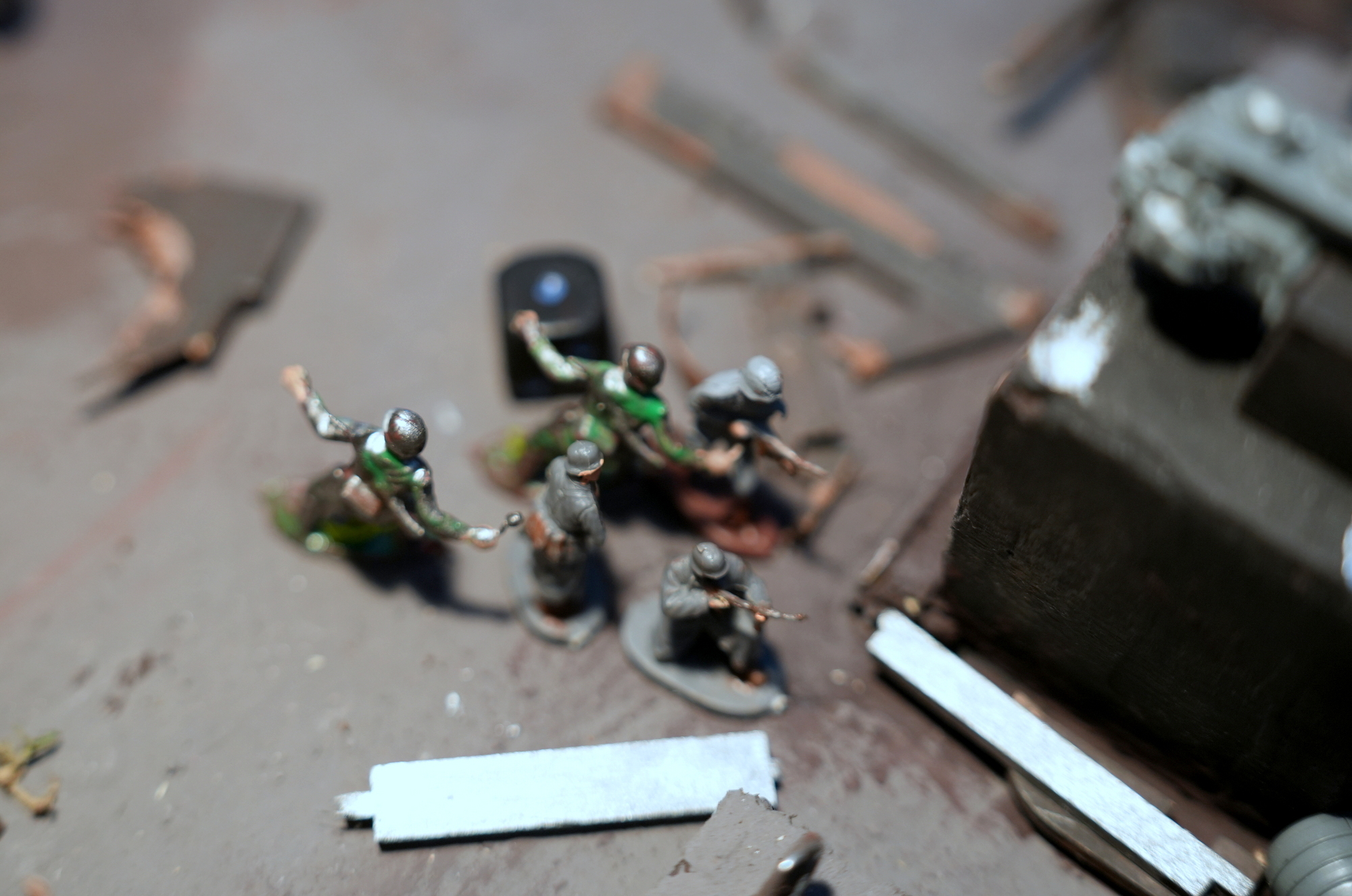
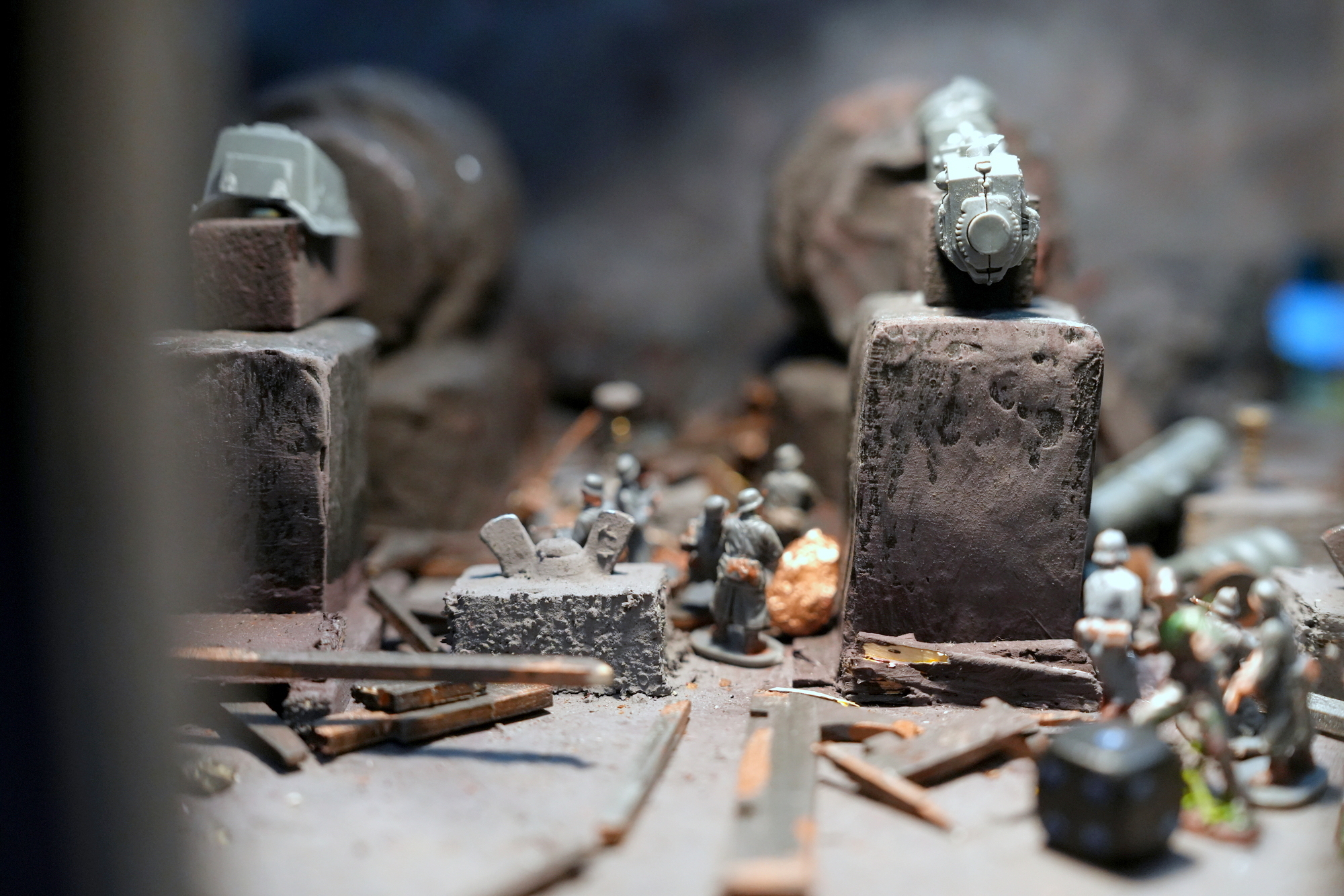
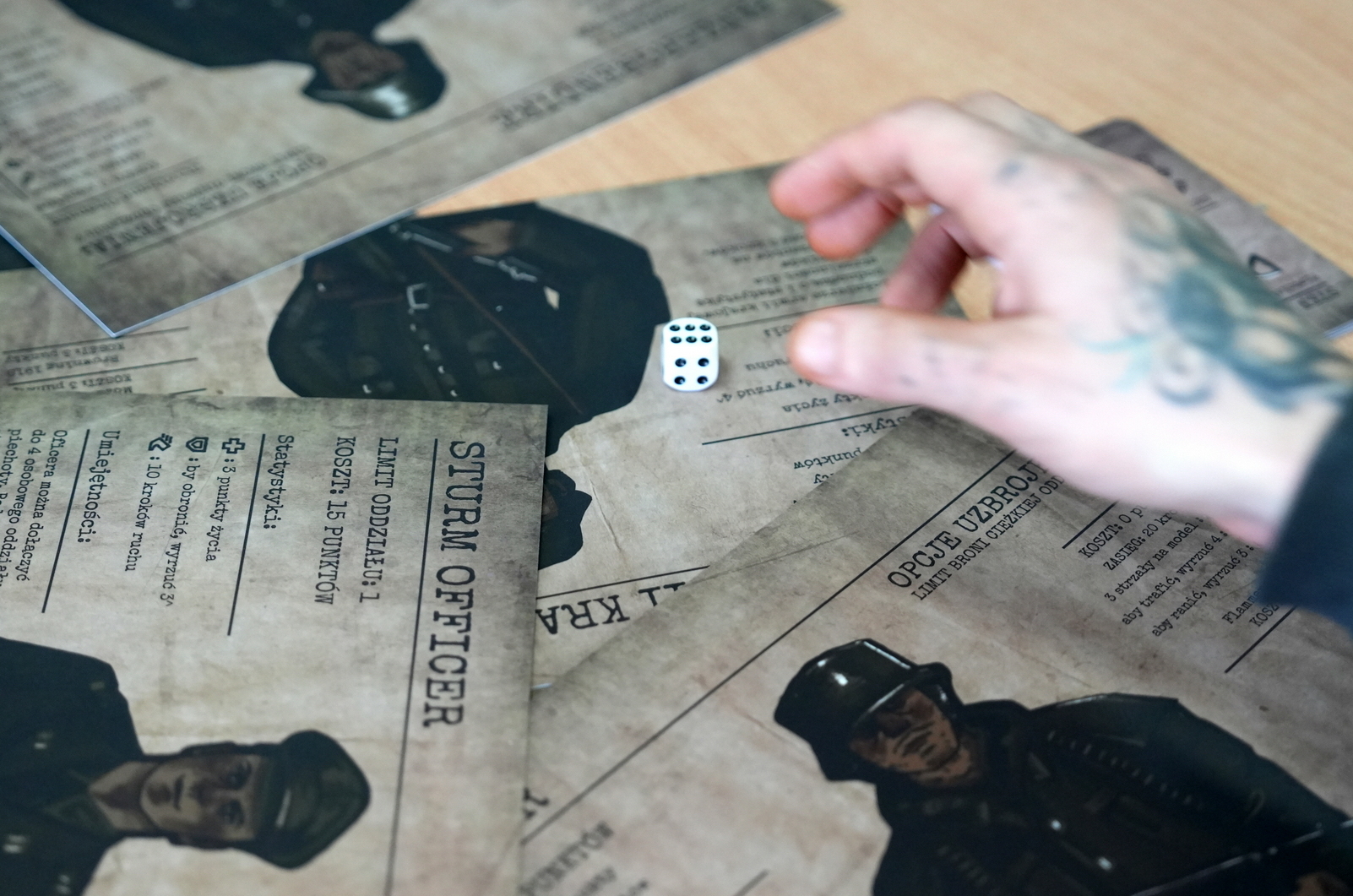


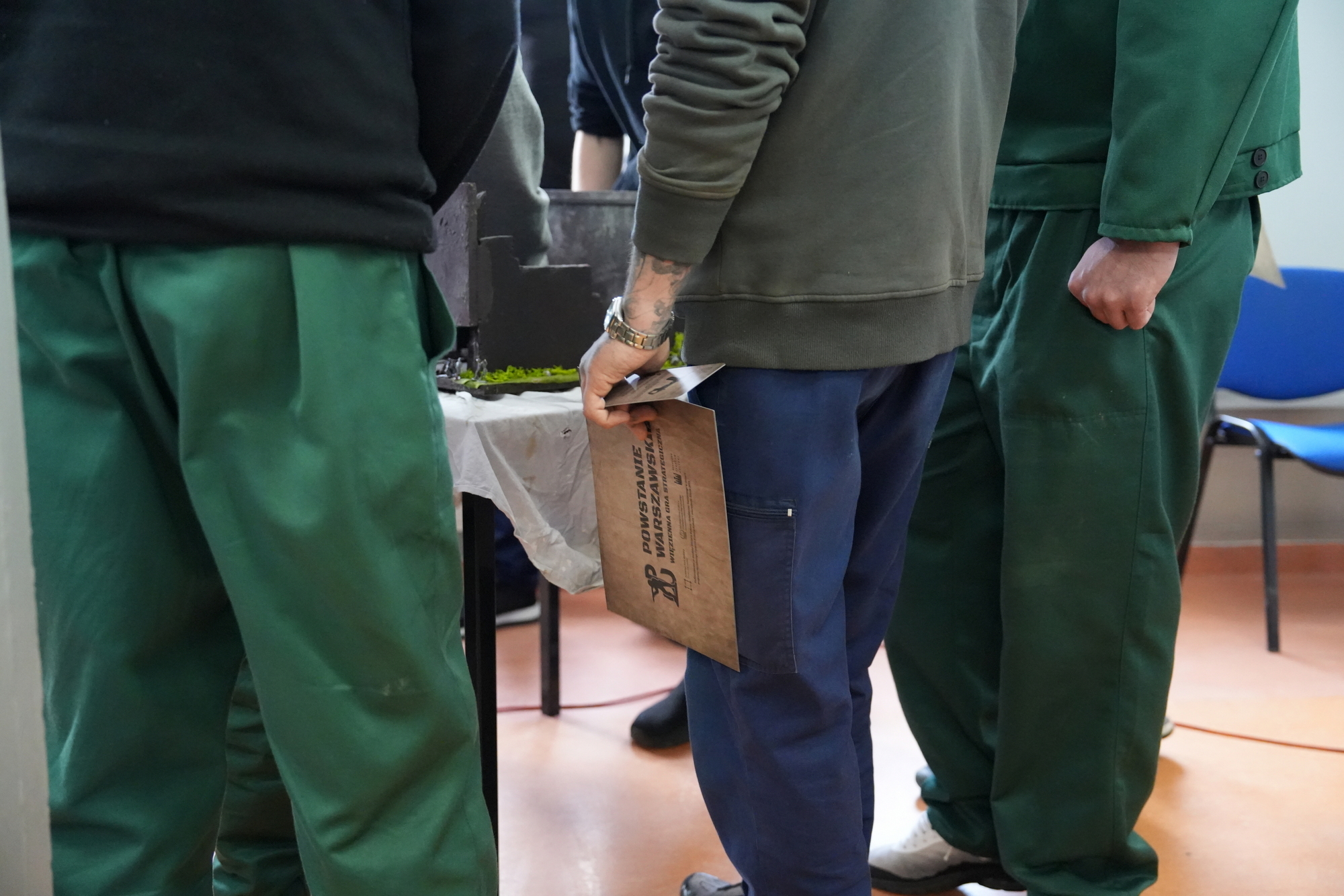
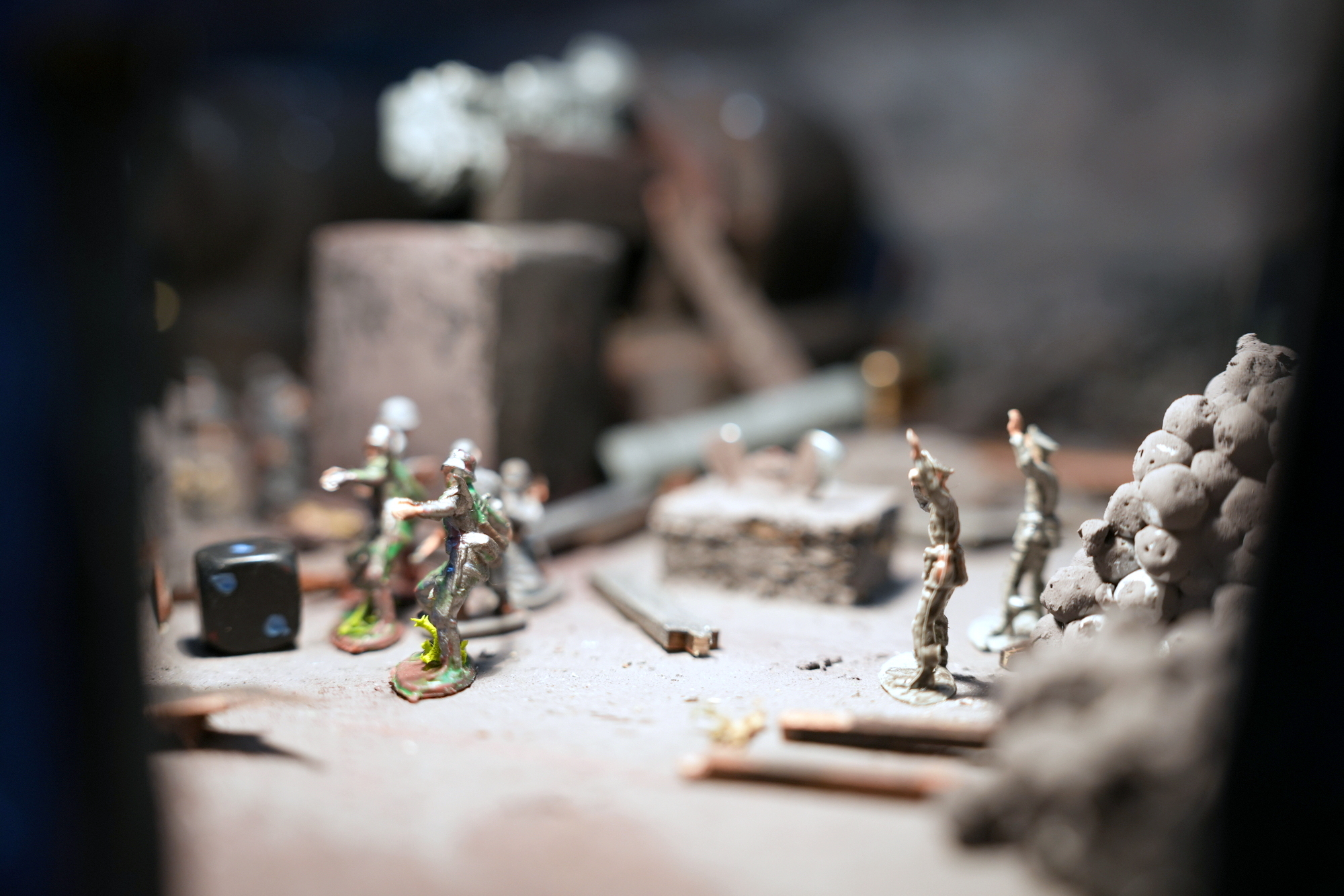
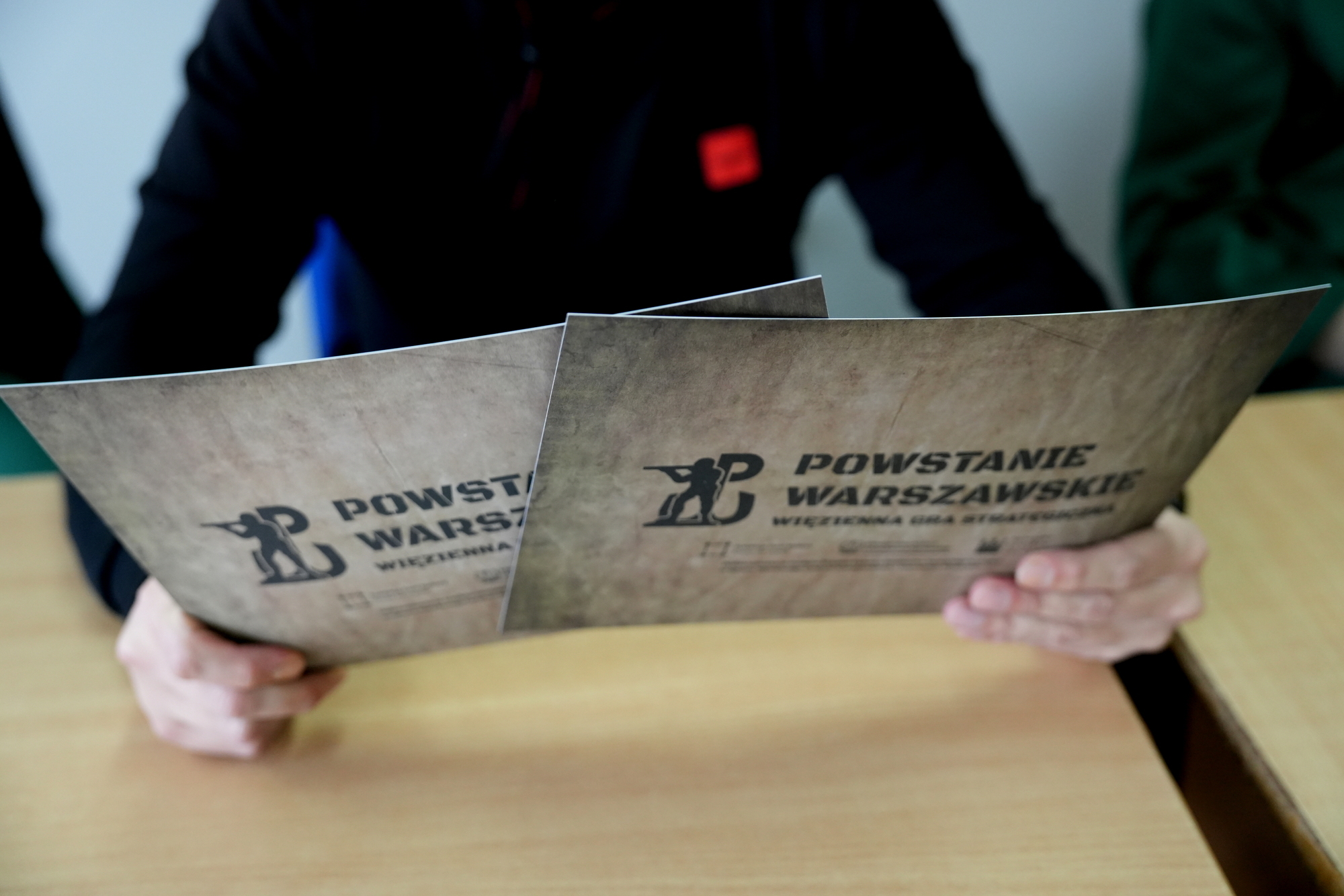
Photo: Archive Fundacja Dom Kultury
The project was implemented by the Dom Kultury Foundation with funding from the Minister of Culture and National Heritage under the program of the National Centre for Culture: Culture – Interventions. 2025 Edition.

