

The first edition of Summer Worshop Camp, or a summer of excitement!
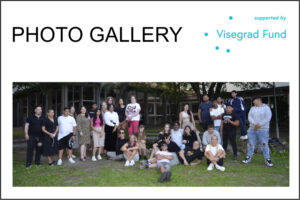
The Summer Worshop Camp was designed so that young people from most of the Visegrad countries would have the opportunity to learn about some of the important history that just happens to have left a significant mark in our part of Europe. This year, this history was followed by young people, participants and participants of the summer workshops, which were organized by the Dom Kultury (Culture House) Foundation in partnership with the organizations: Vzájemné soužití o.p.s. from the Czech Republic and ETP Slovakia and cooperation with the Cultural and Educational Association "Ros Harangos" from Krakow. Young Roma and Roma women from Poland, the Czech Republic and Slovakia met from July 29 to August 4 at the International Youth Meeting Center in Oświęcim (Auchwitz), to spend a week not only getting to know each other and integrating, but also to look back at the 79-year history of the extermination of the Roma people during World War II.
When carrying out such projects, the question always arises: how to convey to young people the knowledge of the tragic past that affected previous generations, and often people from their family? How to tell teenagers, about the fact that their ancestors were doomed to total annihilation, so as not to traumatize them once again? Finally, how do we commemorate the murdered, listen to the speeches of the survivors, so that at the same time we can get to know each other better, spend our free time having fun and integrating? These topics, despite the passing of almost eight decades after the war, will all the time appear among those involved in the historical education of children and young people. New generations come and right at the start they receive knowledge, about the past, which is actually a baggage of tragic experiences. For how to talk about the past of a nation that was doomed by the Nazis to total annihilation for its ethnicity alone? Therefore, the program of the summer camp was prepared for education, reflection, but also for joint educational and integrative games that helped to better understand the difficult history, but also to focus attention on the future. This future can be created by the next generation of young social activists and activists, just entering adulthood.
High on the camp's agenda, therefore, were presentations of the activities of each of the organizations and opportunities to look at how the Roma community is supported in neighboring countries, including mainly what is organized for children and young people. Learning about educational methods, interesting solutions from different countries, i.e. integration day care centers, workshops, cultural and sports activities, supporting children and youth in difficult family situations, refugees from Ukraine, as well as the opportunity to get to know activists and social activists from different experiences, their history and achievements
In turn, other parts of the workshop asked about identity, both individual and social. Who am I? How do others see me? What is important to me? Who do I want to be? These are probably the questions most often asked in the teenage years, and we wanted to answer this question together, together with our participants and participants, to learn about their way of looking at history and the present and, in the process, support the development of social competence. Agnieszka Caban and Iza Jaskowiak, trainers and long-time social activists, were helpful in this.
The strategic point of the program, however, was to prepare for a visit to the former Auchwitz-Birkenau concentration camp and to participate in events commemorating the 79th anniversary of the extermination of Roma and Sinti on August 2. A trainer from the International Youth Meeting Center prepared for this event.
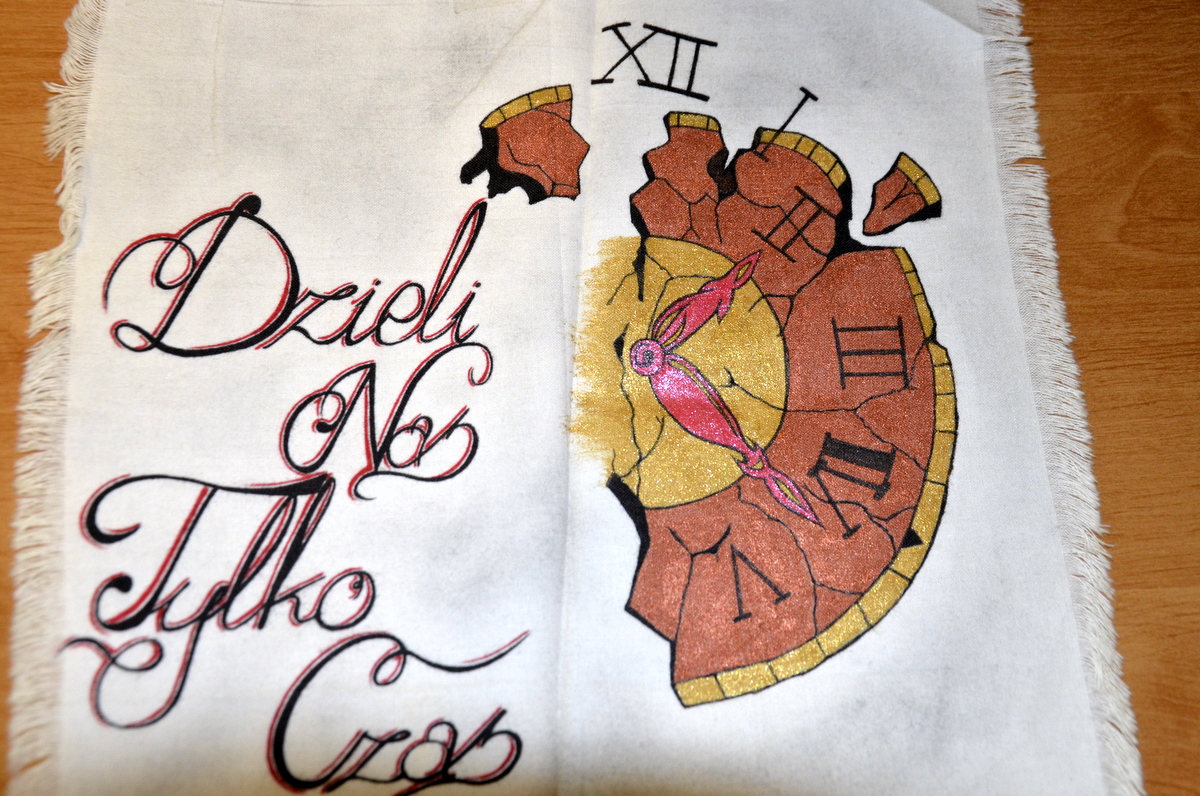
On the penultimate day of the workshop, we found ourselves in Krakow, where we were guided by male and female guides, but we also went to Nowa Huta, where a painting workshop for young people led by one of the most interesting artists of the younger generation, Marcin Janusz, took place at Utopia Home - International Empathy Center. On the other hand, at the end of our meeting, a music workshop was conducted by Sinto Valentin, a musician and composer, and unofficially the best uncle to the participants and participants of the camp.
All the activities were led by an experienced team: female trainers and coaches, as well as artists, whose knowledge and expertise brought out important reflections, but also spent time in a safe, almost family atmosphere. This year's Summer Wokshop Camp brought a lot of emotions, both difficult ones that brought sadness, but also positive ones, in which joy prevailed with mutual curiosity and ideas for the future. We will share them in the next installment of our Summer Workshop Camp news!
Agnieszka Caban
Agnieszka Caban: cultural studies scholar, doctoral student at the University of Warsaw at the Doctoral School of Cultural and Religious Studies, researcher of national and ethnic minority cultures, specialist in multiculturalism. Lecturer and trainer in intercultural communication, anti-discrimination, self-advocacy and others. Social activist and human rights defender. President of the Dom na Pograniczu Foundation, member of the Programme Council of the Dom Kultury Foundation.

The International Visegrad Fund is a donor organization established in 2000 by the governments of the Visegrad Group countries – Czechia, Hungary, Poland and Slovakia.
The project is co-financed by the Governments of Czechia, Hungary, Poland and Slovakia through Visegrad Grants from International Visegrad Fund. The mission of the fund is to advance ideas for sustainable regional cooperation in Central Europe.