Volunteering Donations of goods  Student internships Donate 23 pln for our activities
We raise funds to carry out our statutory activities on an ongoing basis, including resocialisation activities in prisons, educational activities in Youth Centres and running the eWKartke.pl blog.
Account number: 28 1600 1462 1821 2325 1000 0001 Close

Warsaw Uprising – Prison Strategy Game

Graphics: Wiktor Lingo


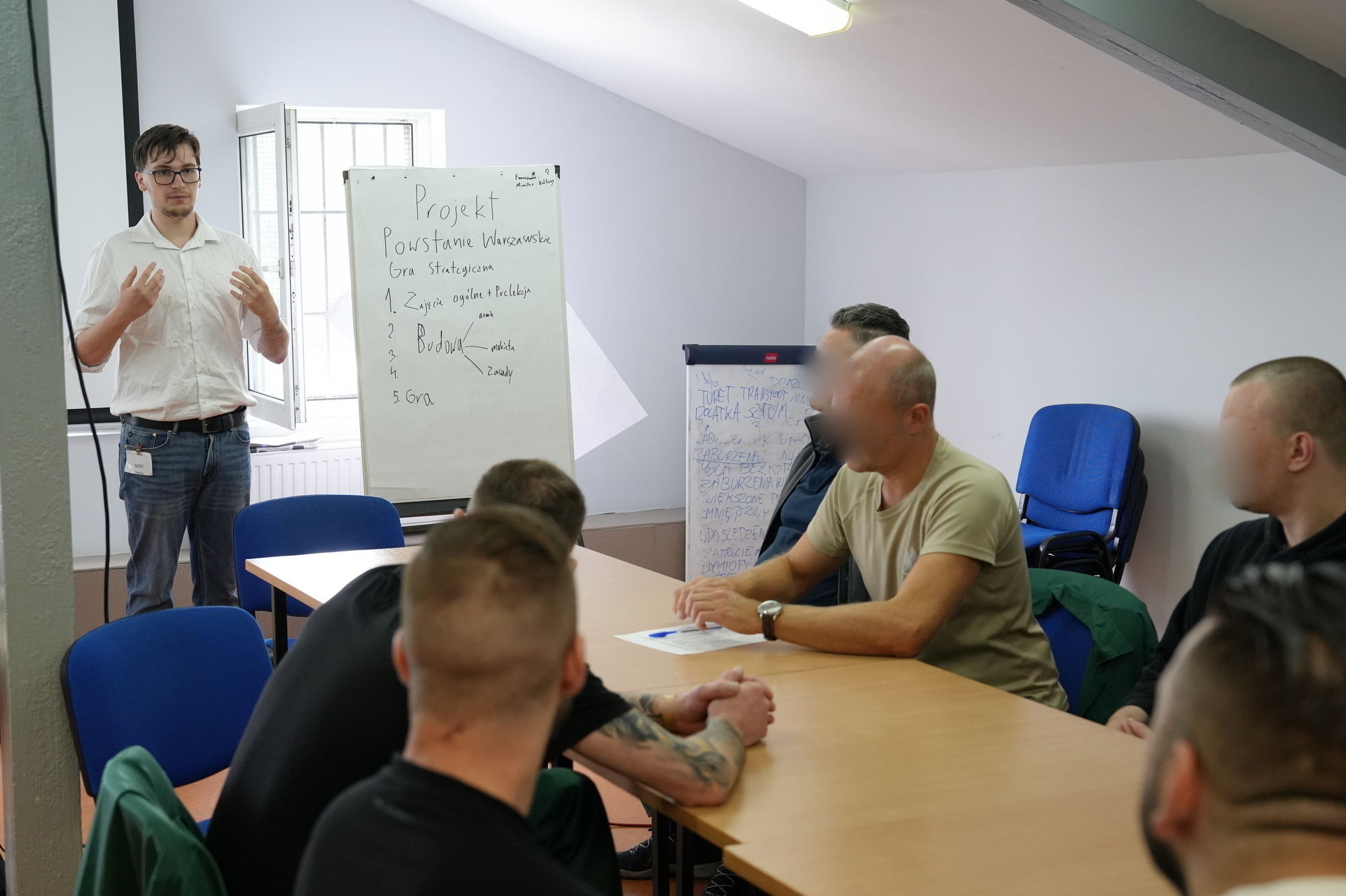
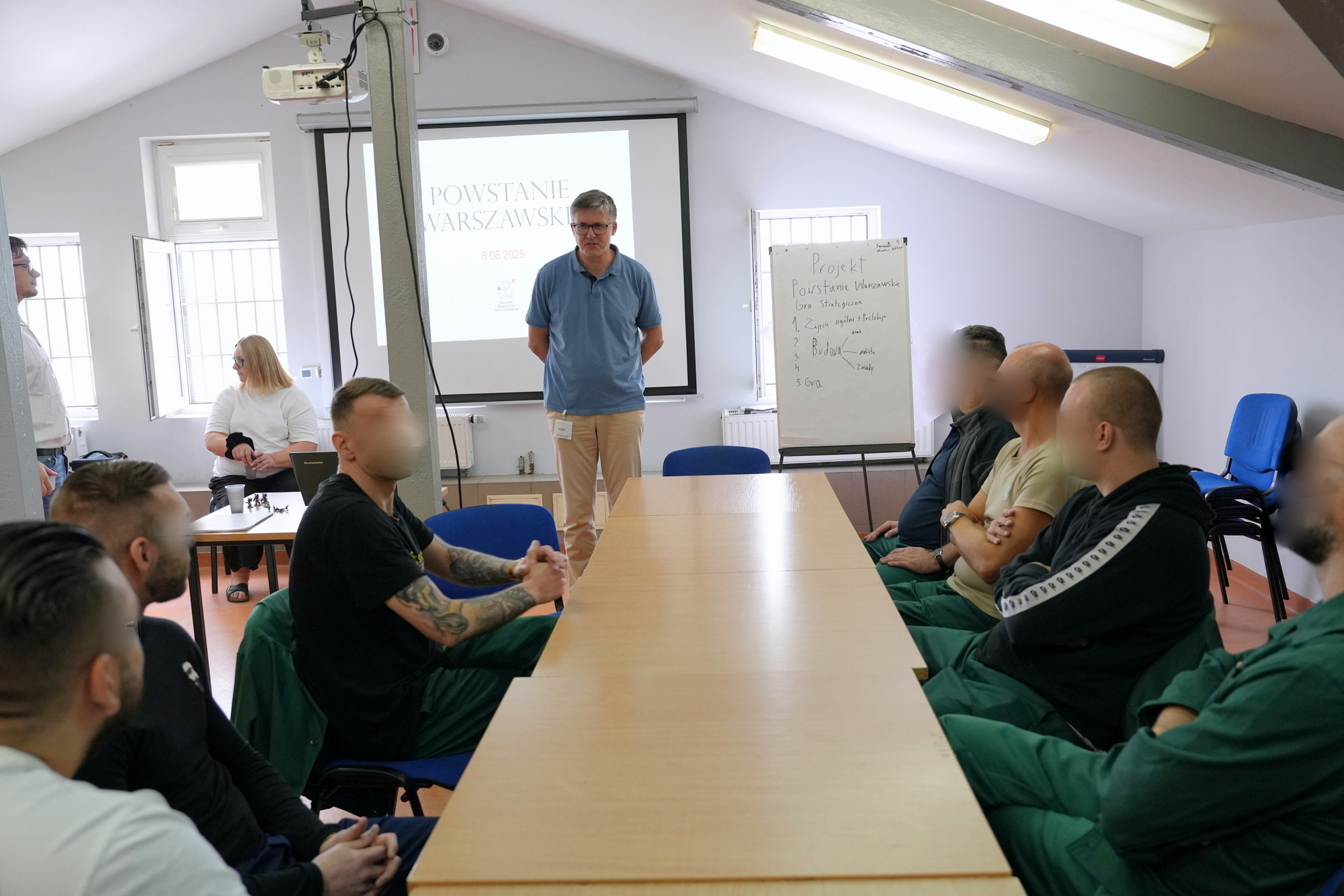
“Warsaw Uprising – Prison Strategy Game” is an innovative educational and cultural project addressed to a group of 20 incarcerated men. The goal of the project is to foster social inclusion through artistic and educational activities, as well as to create an original strategy game inspired by the realities of the Warsaw Uprising.
The game, which will remain in the prison’s recreation room, will serve future inmates of the Warsaw-Służewiec Remand Prison as an educational and creative tool.

The project program included a series of interdisciplinary workshops combining historical knowledge, model-making, art, and teamwork.

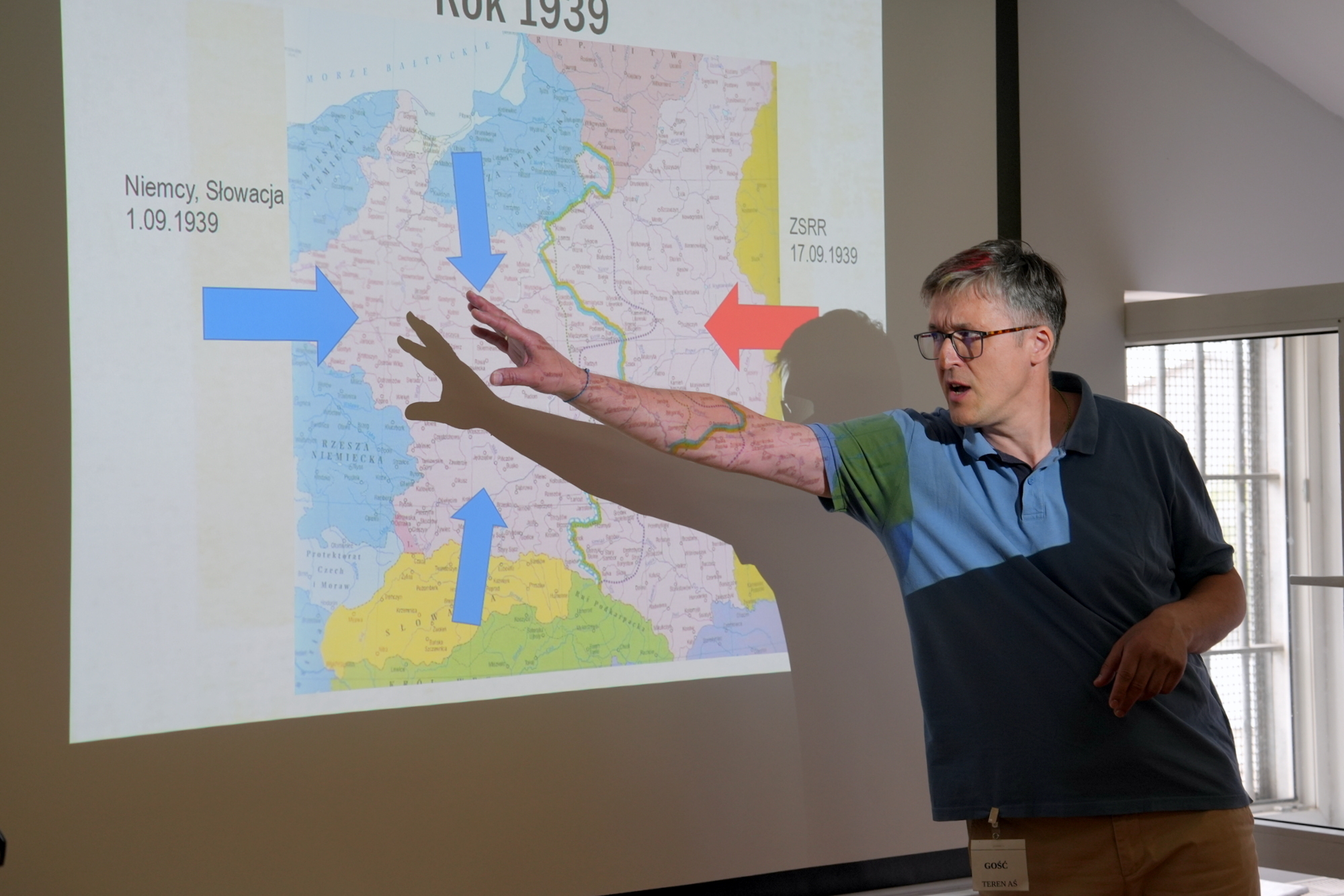
1. Historical Lectures

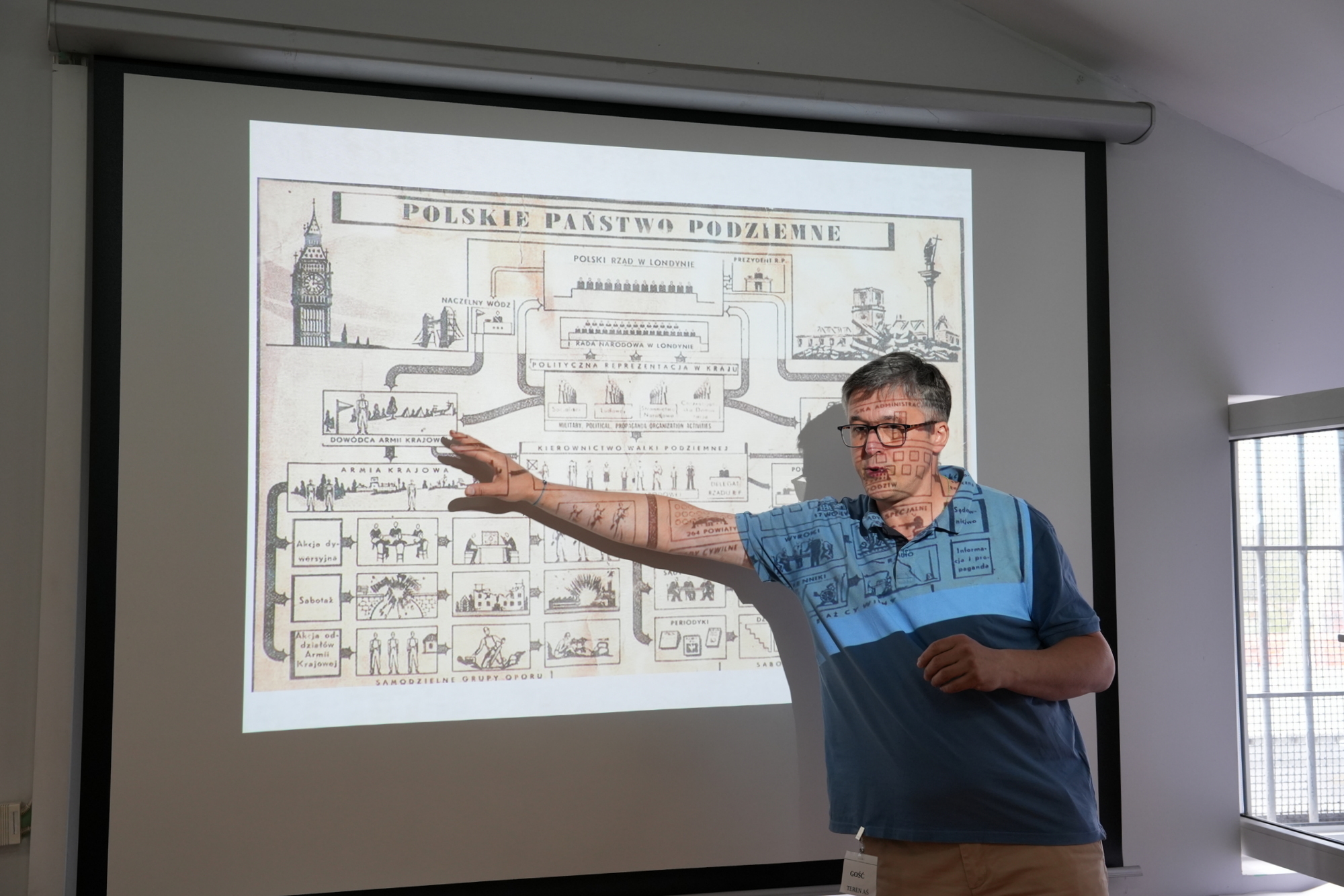
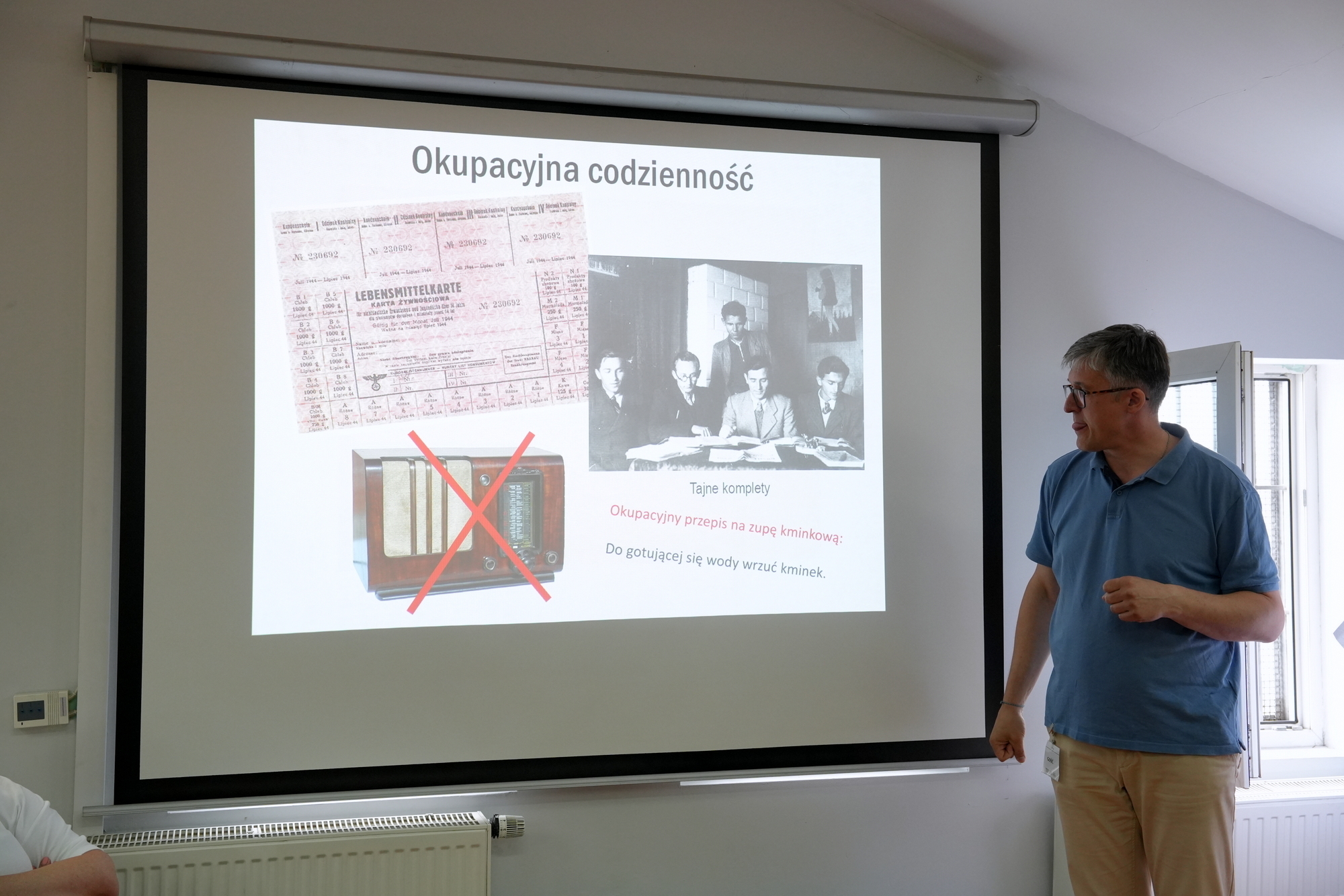
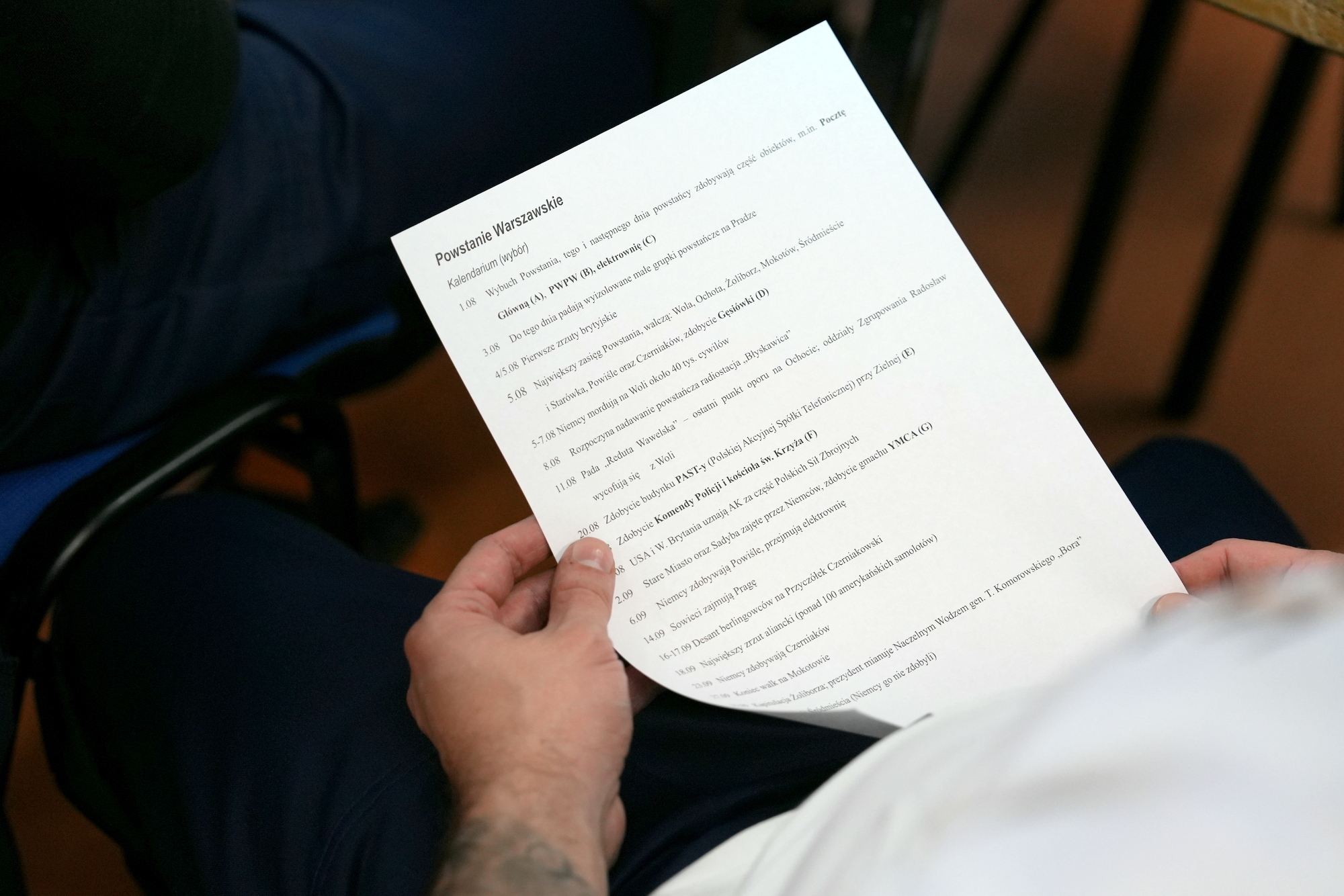
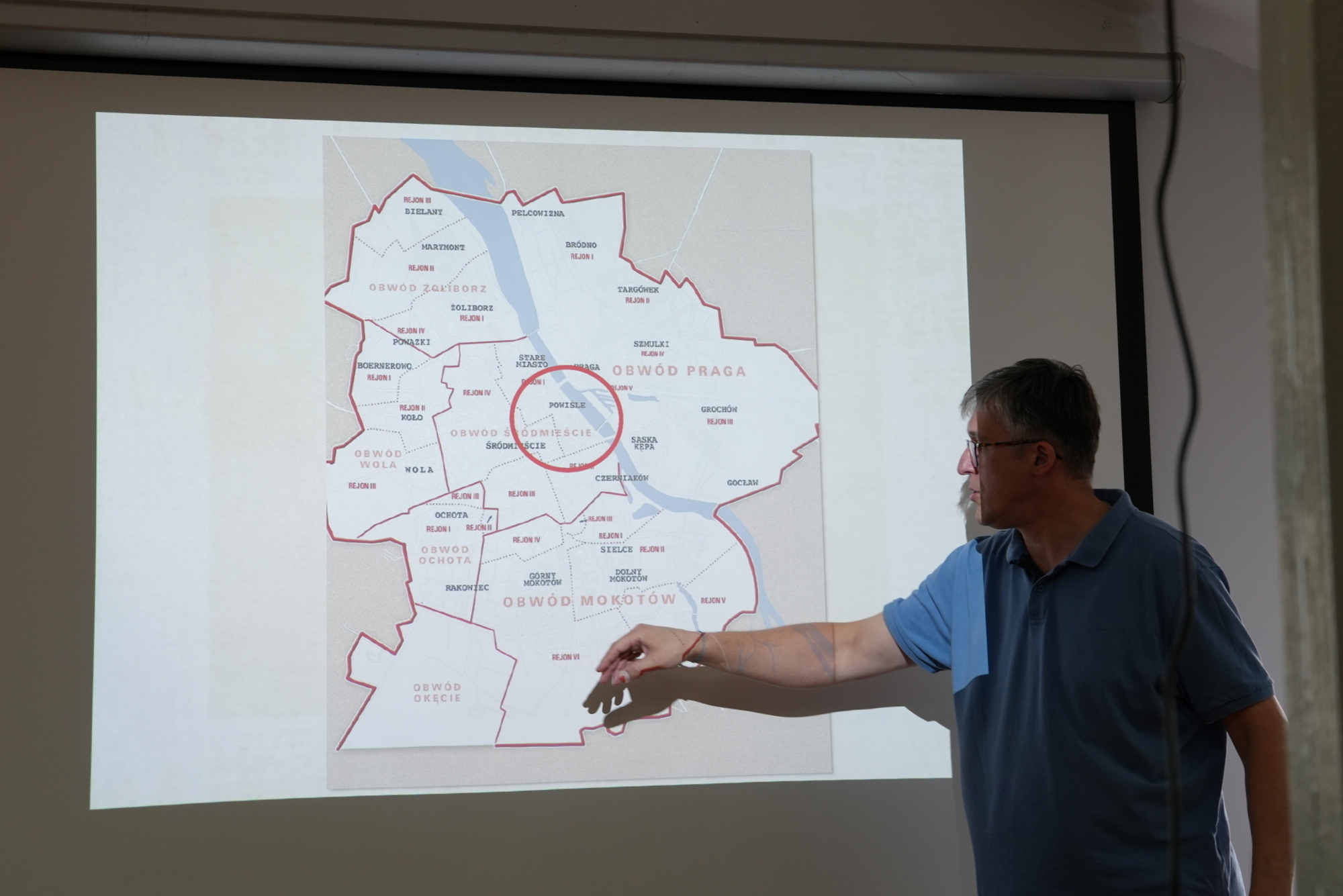
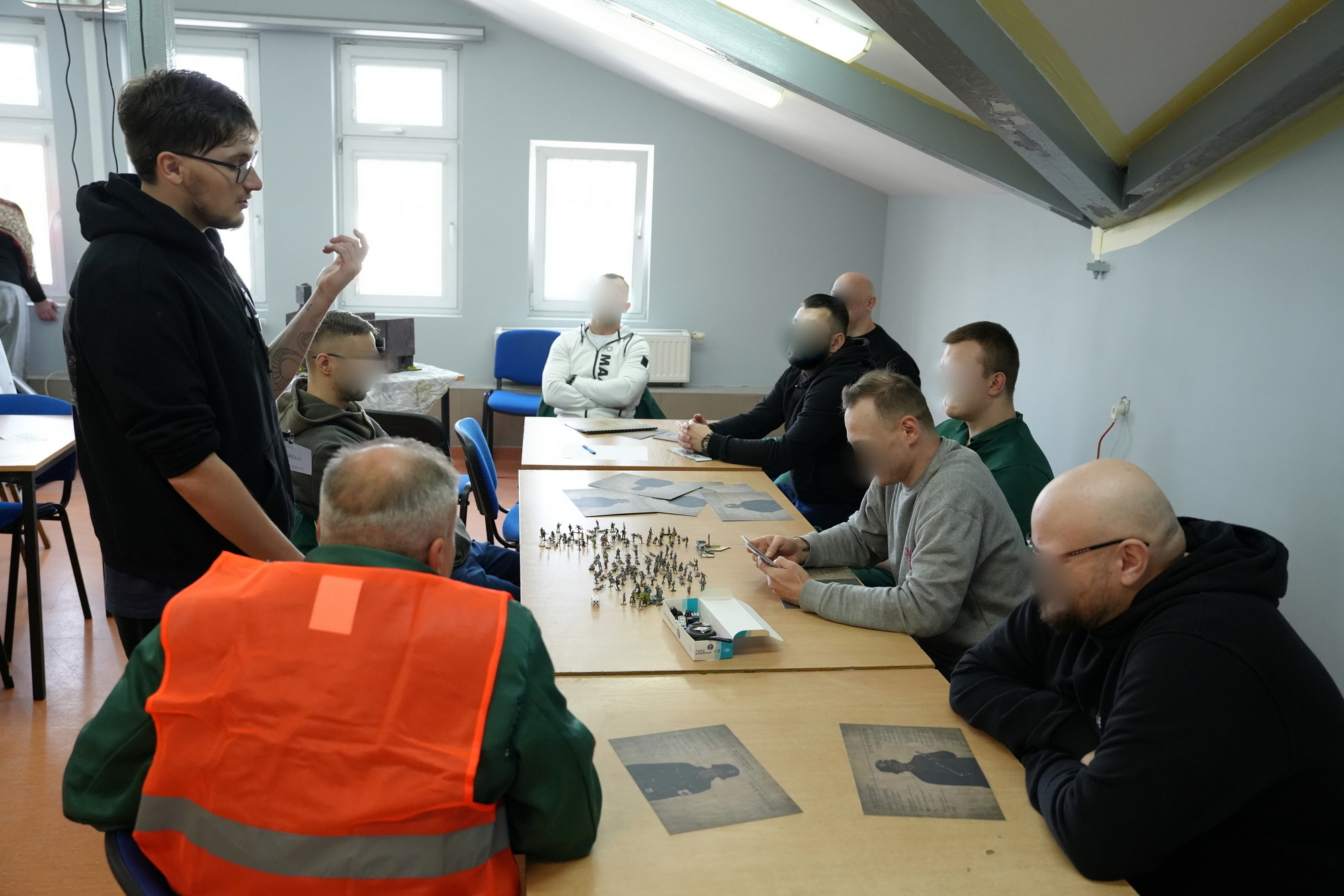
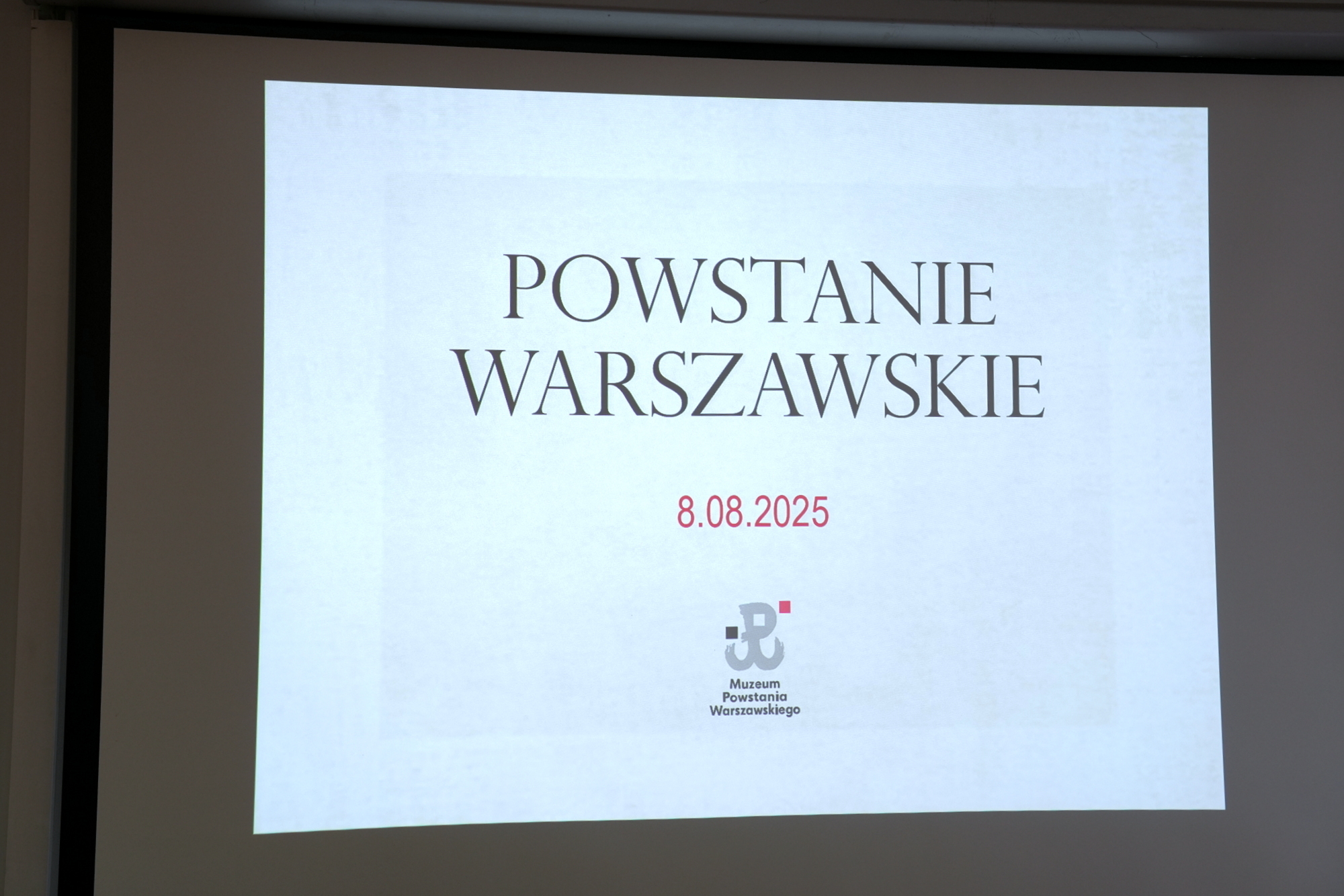
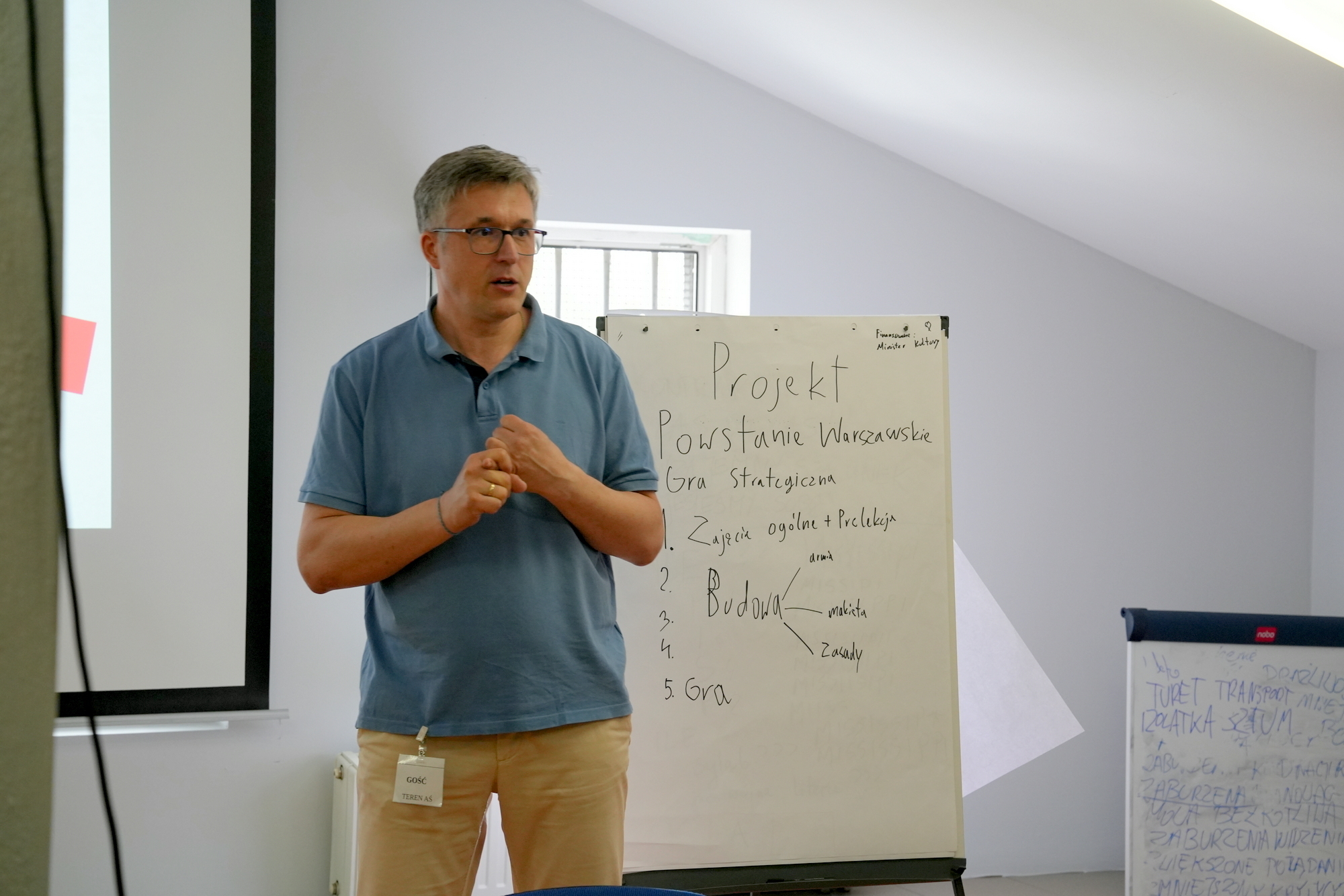
The series of workshops began with educational meetings conducted by Marcin Miros, an educator from the Warsaw Uprising Museum.
Participants learned about the course and significance of the 1944 events, the fate of civilians, and the crucial role of the Powiśle Power Plant — a site that supplied electricity to the fighting city for 36 days.
2. Model-Making and Art Workshops

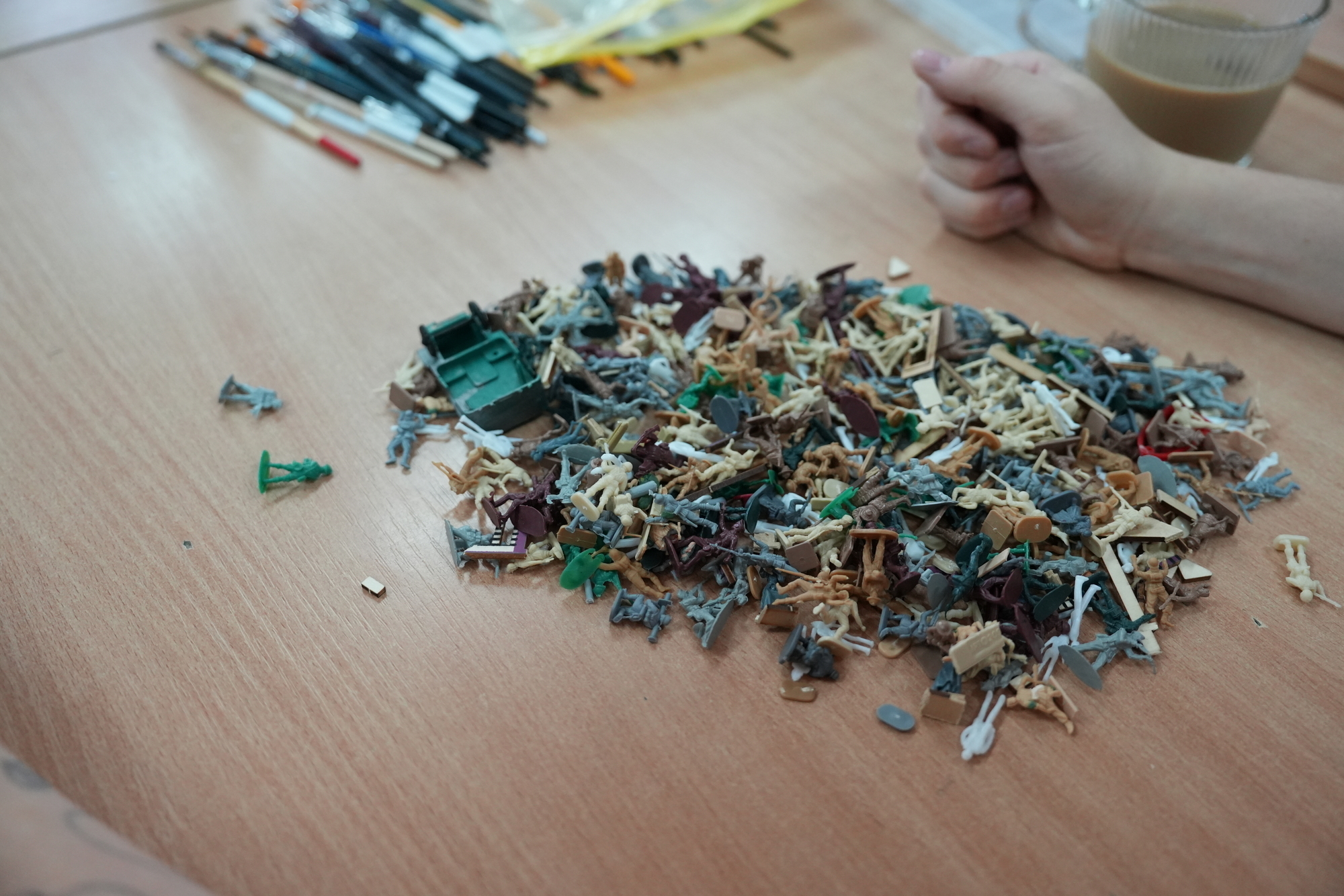
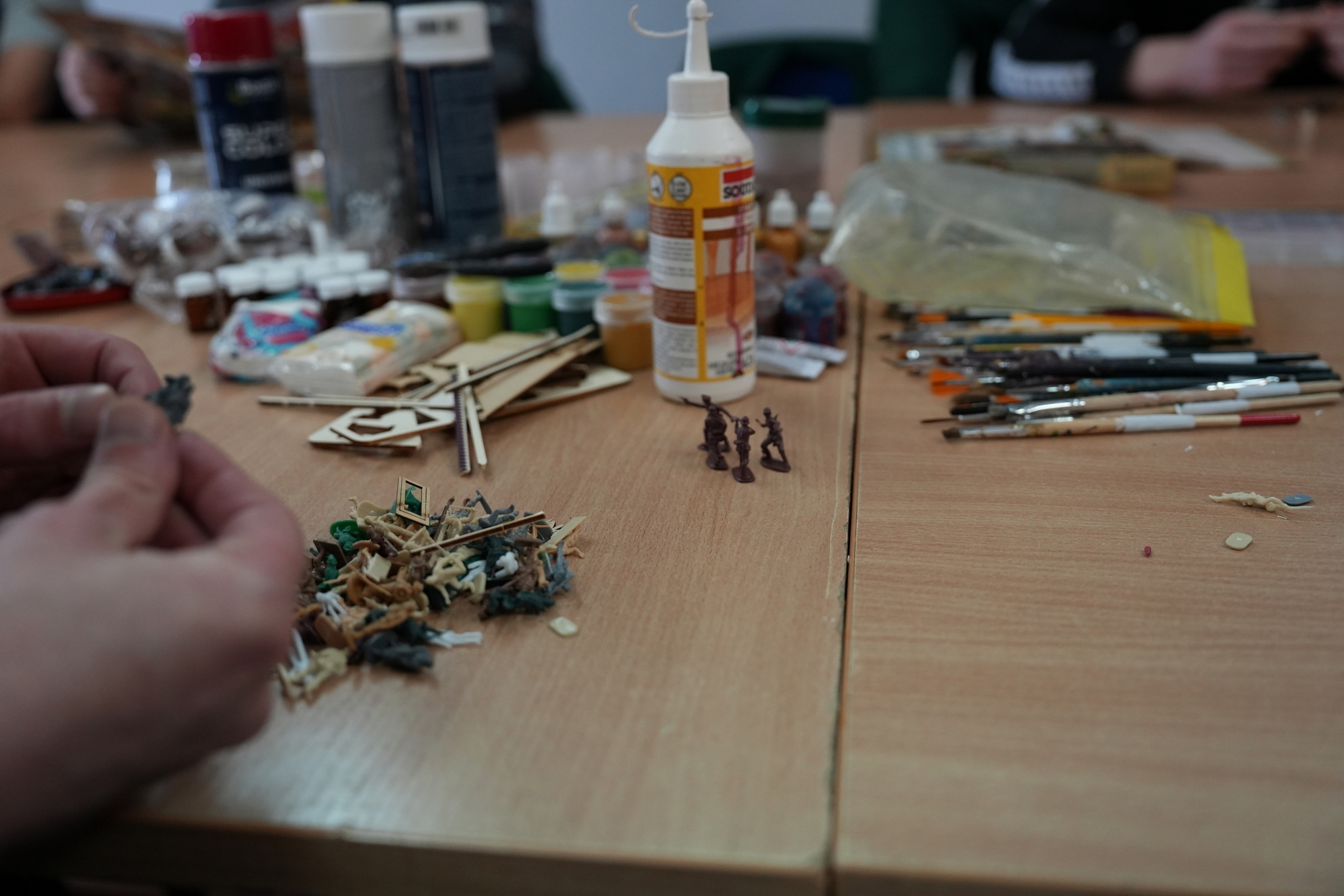
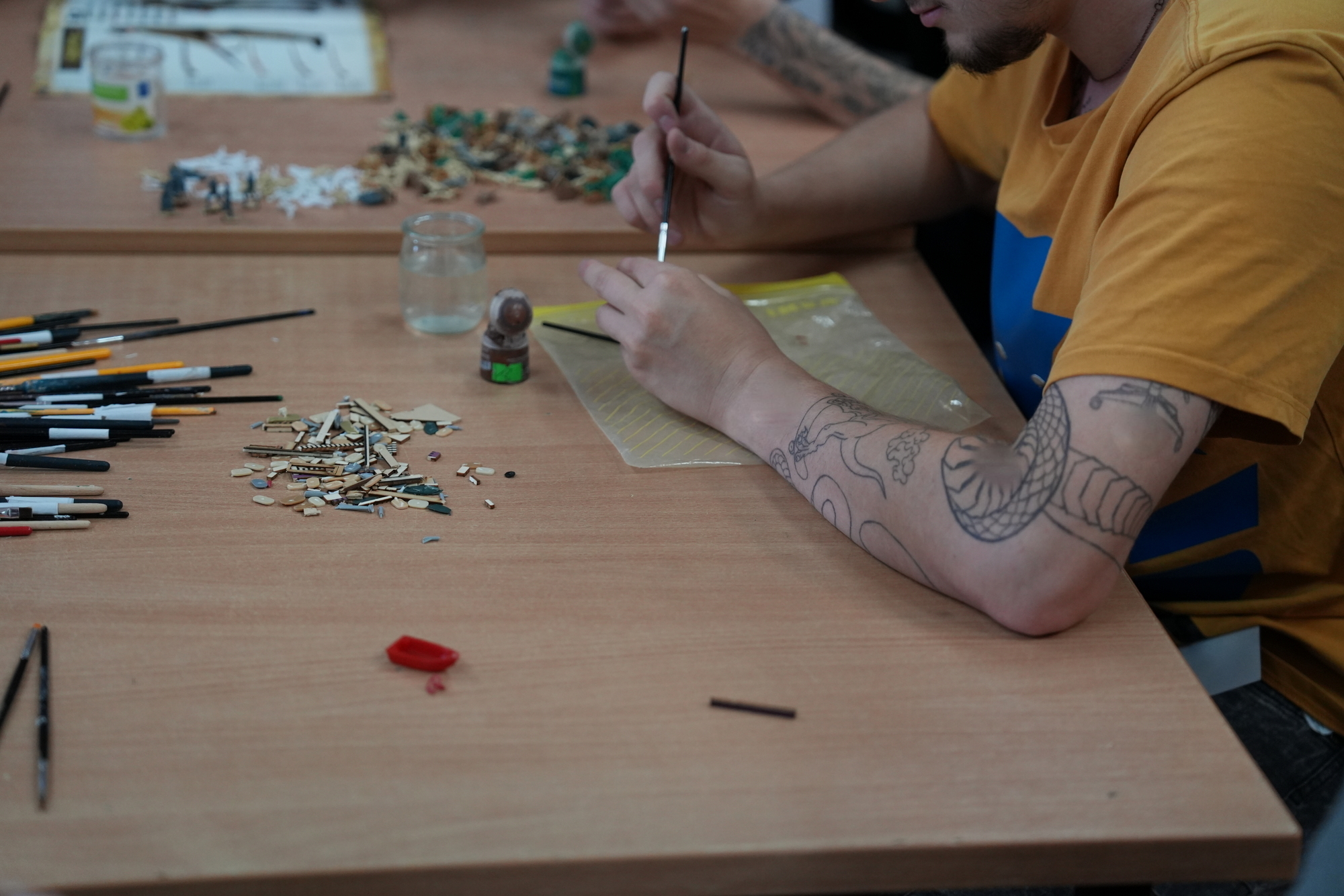
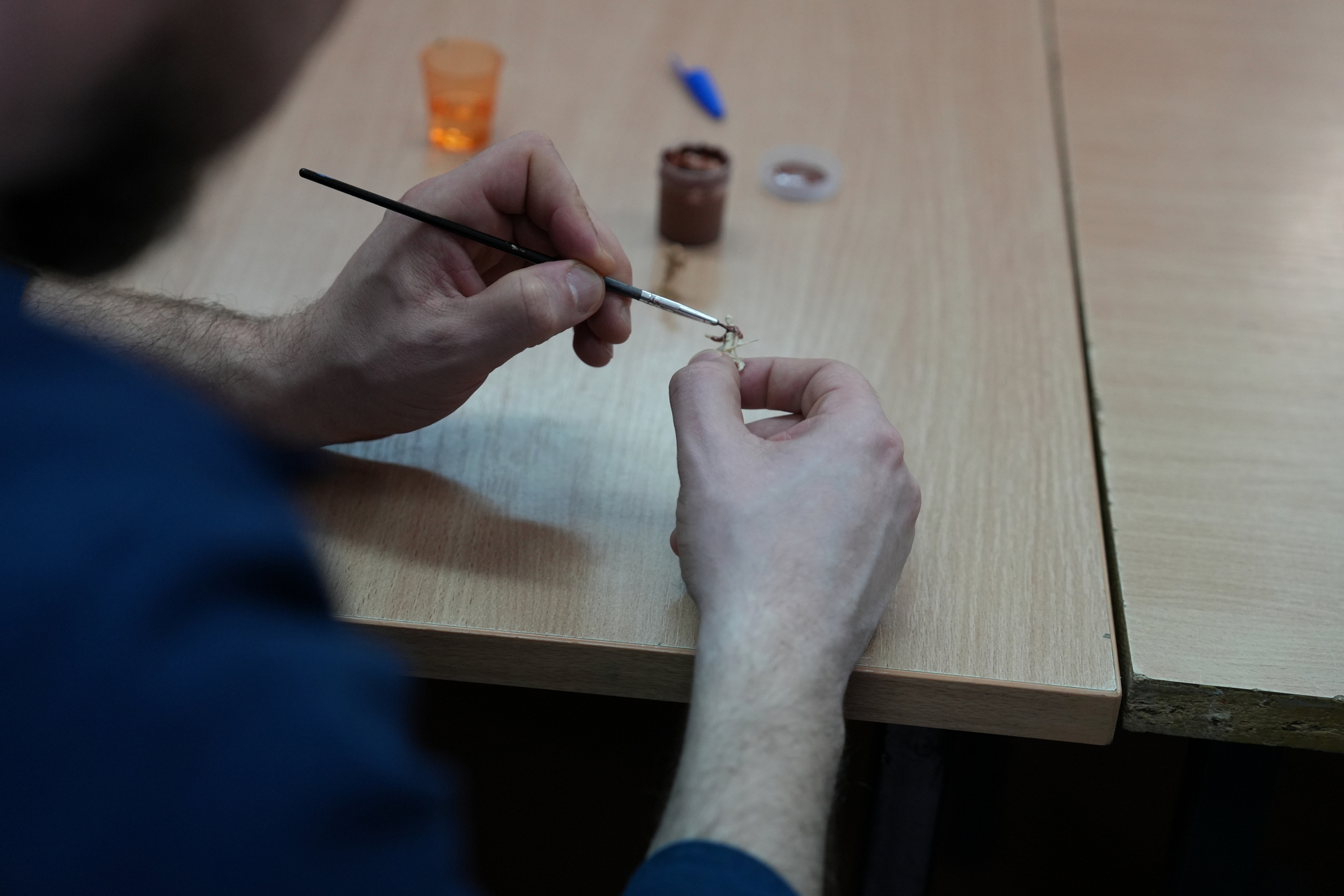
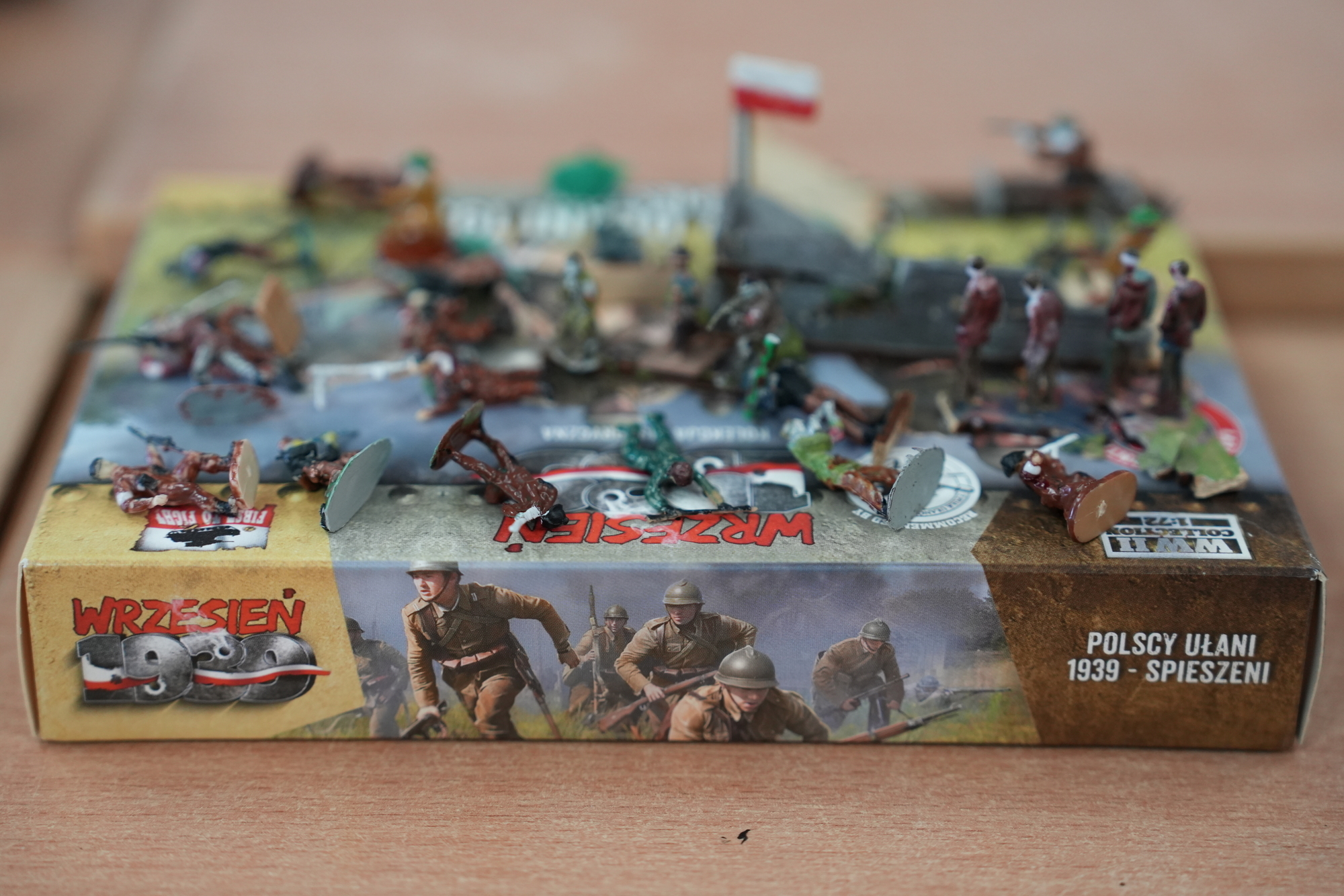
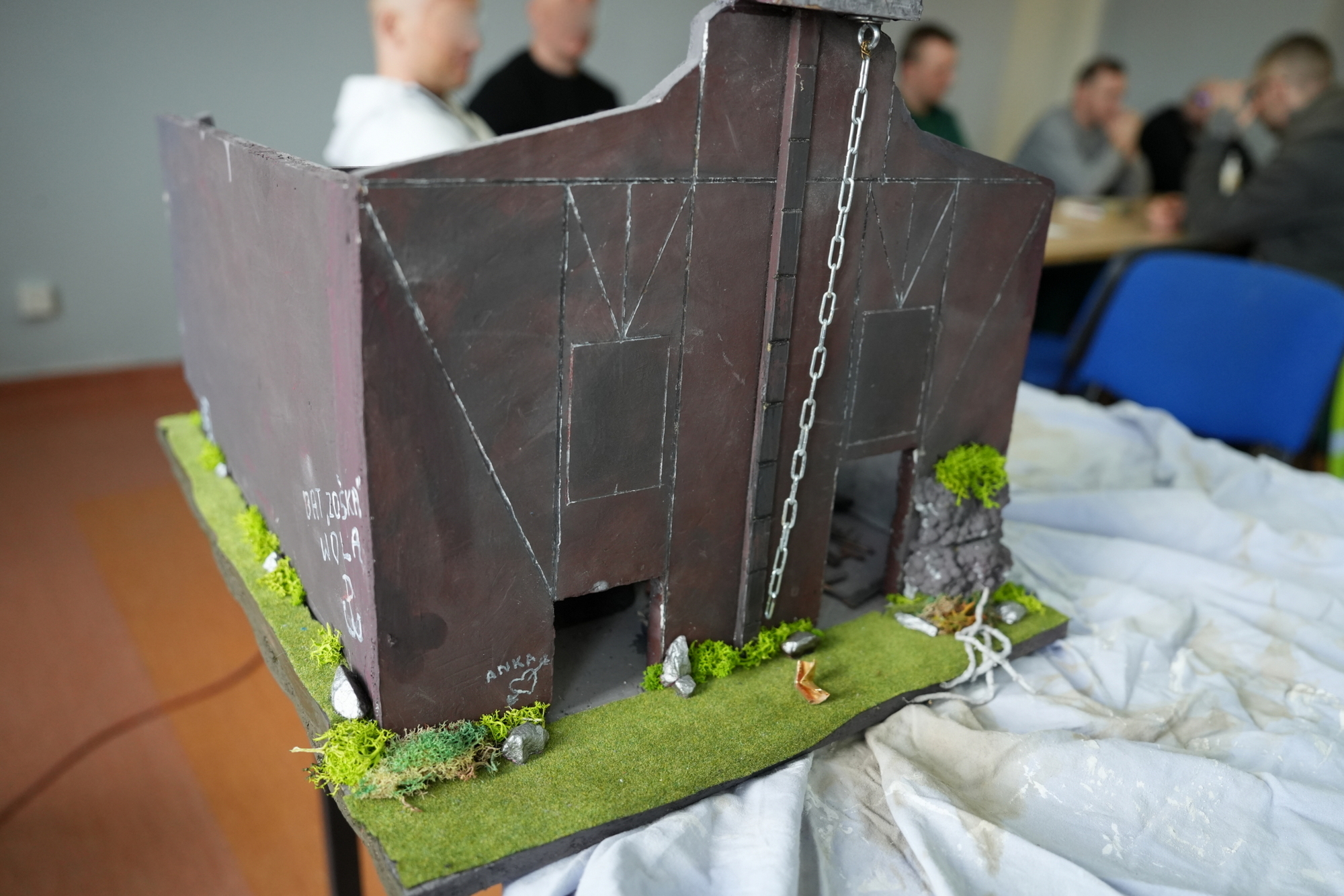
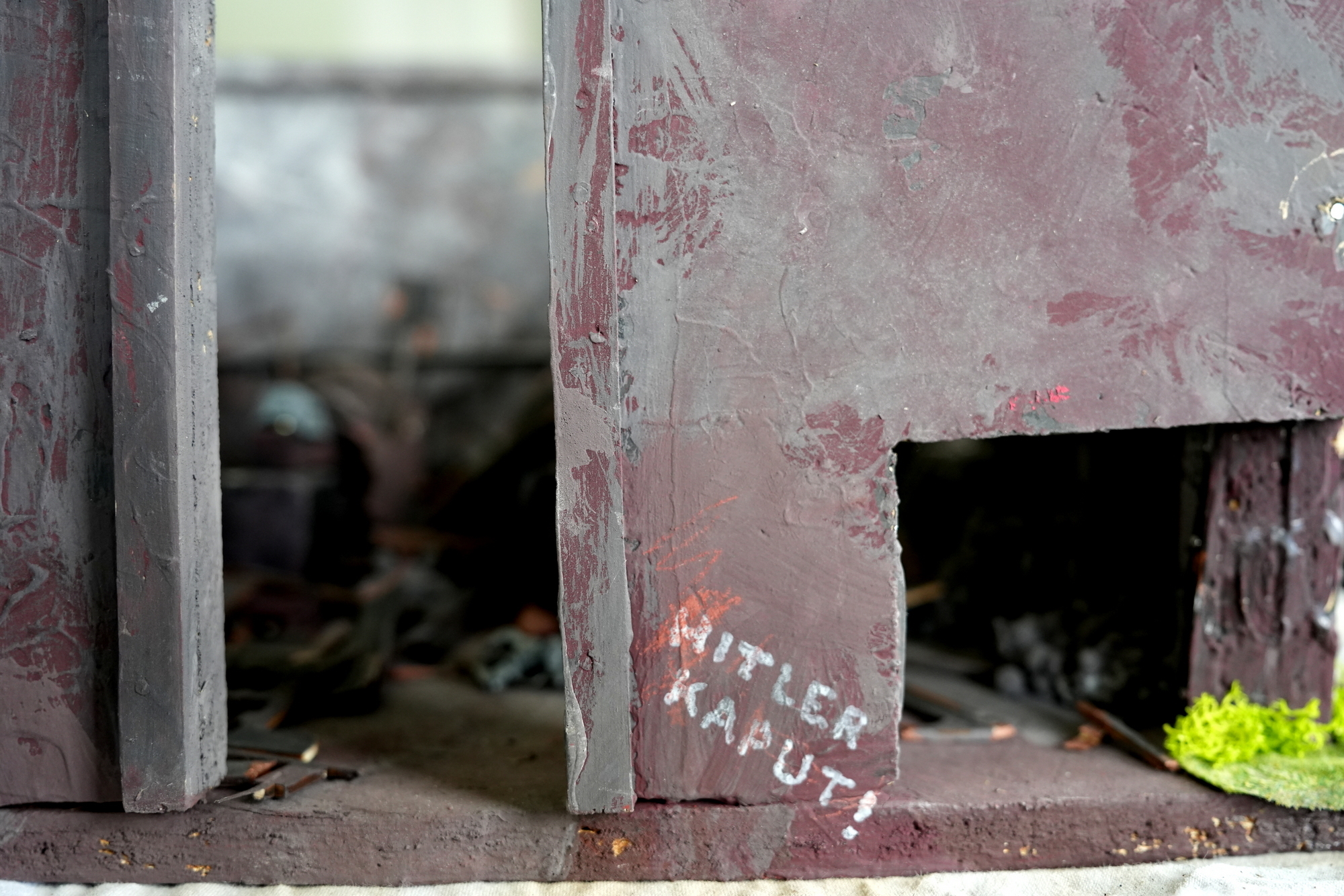
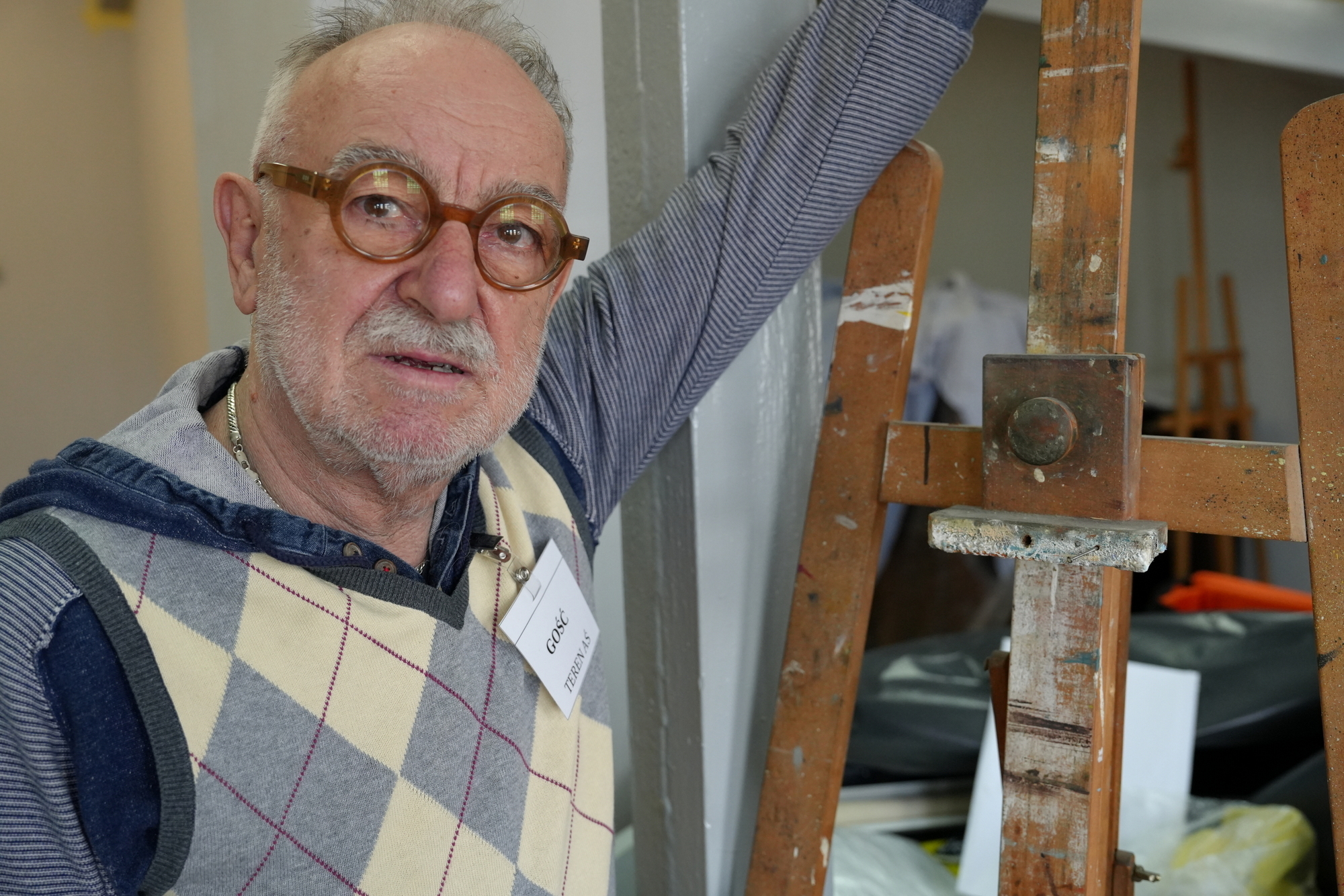
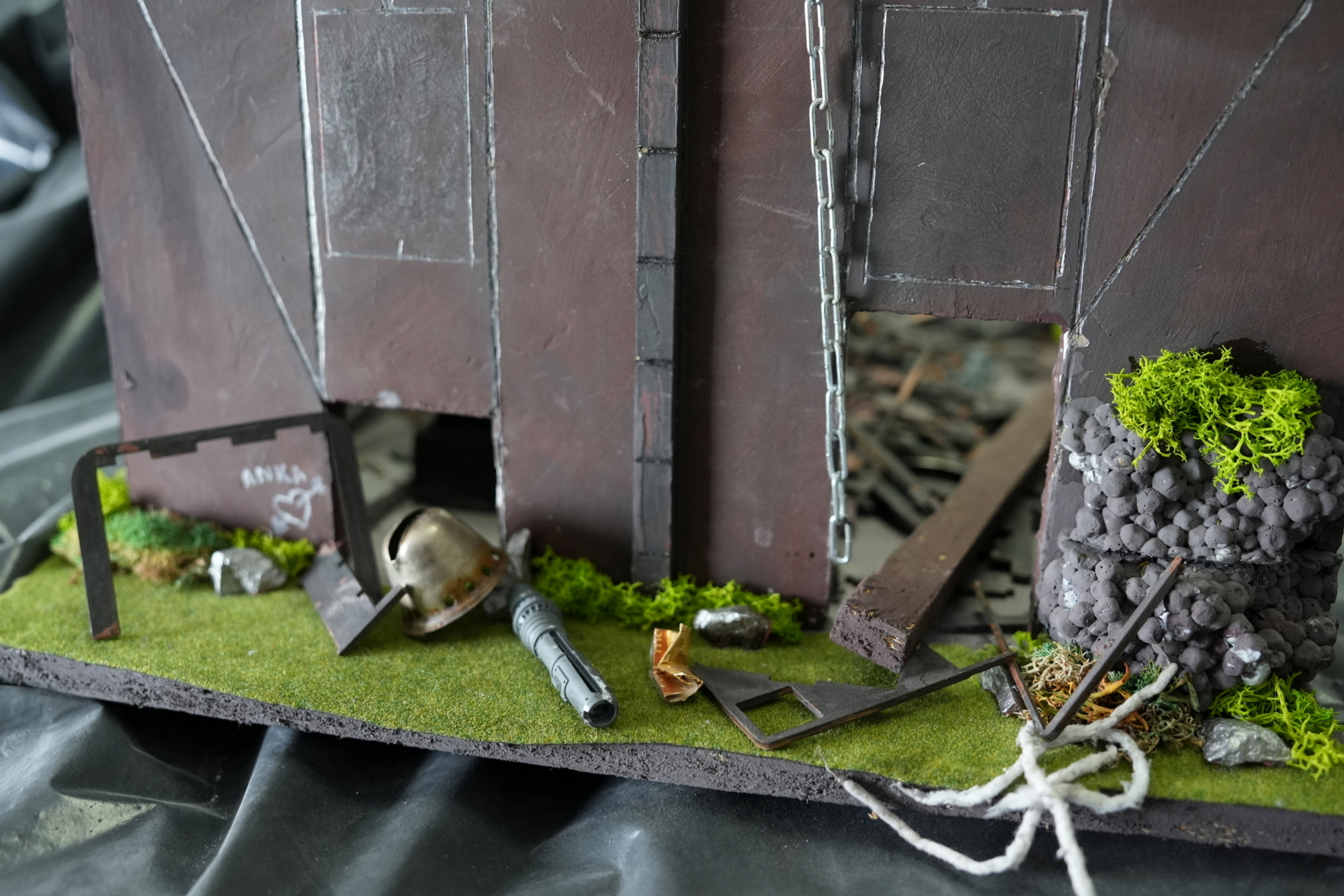
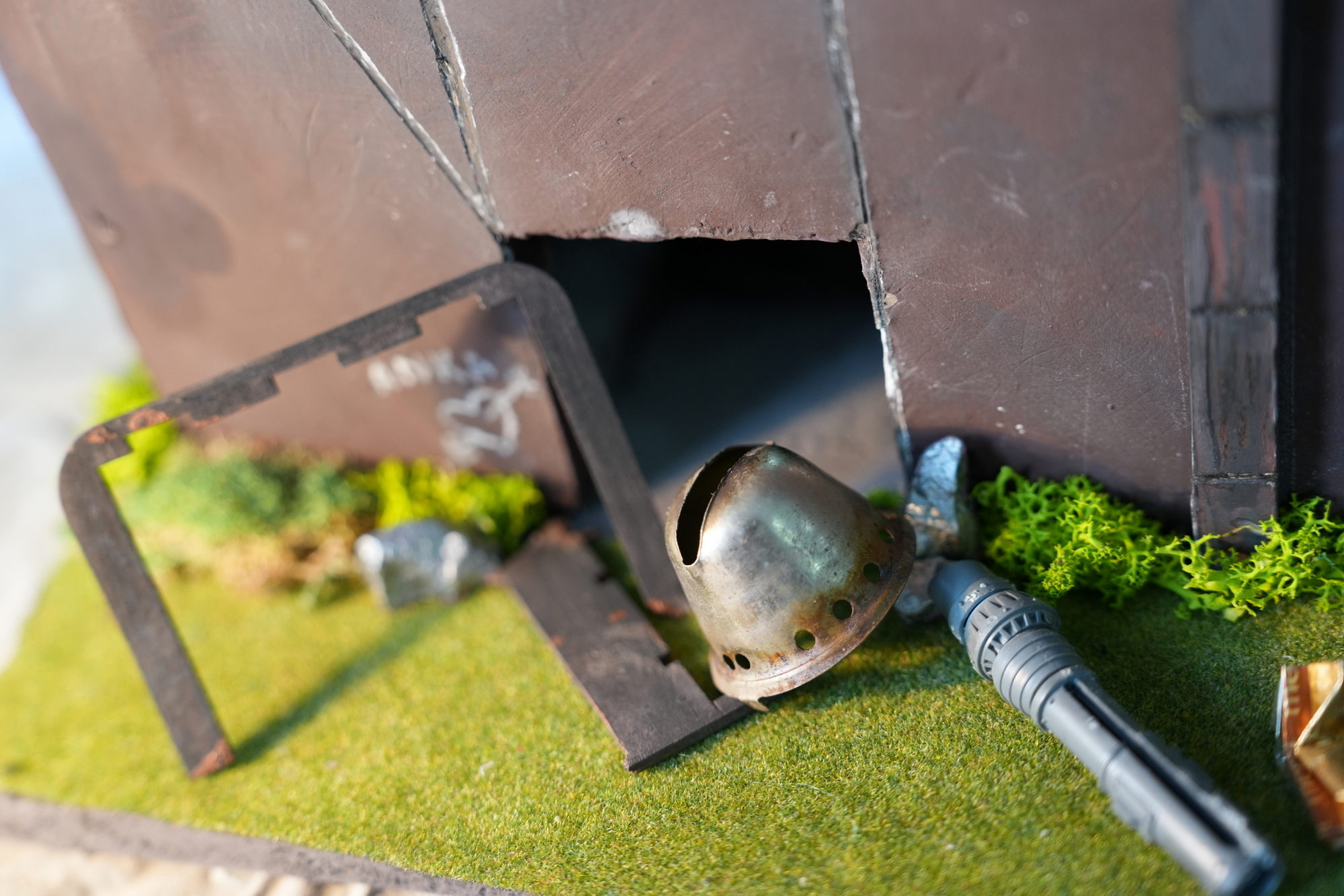
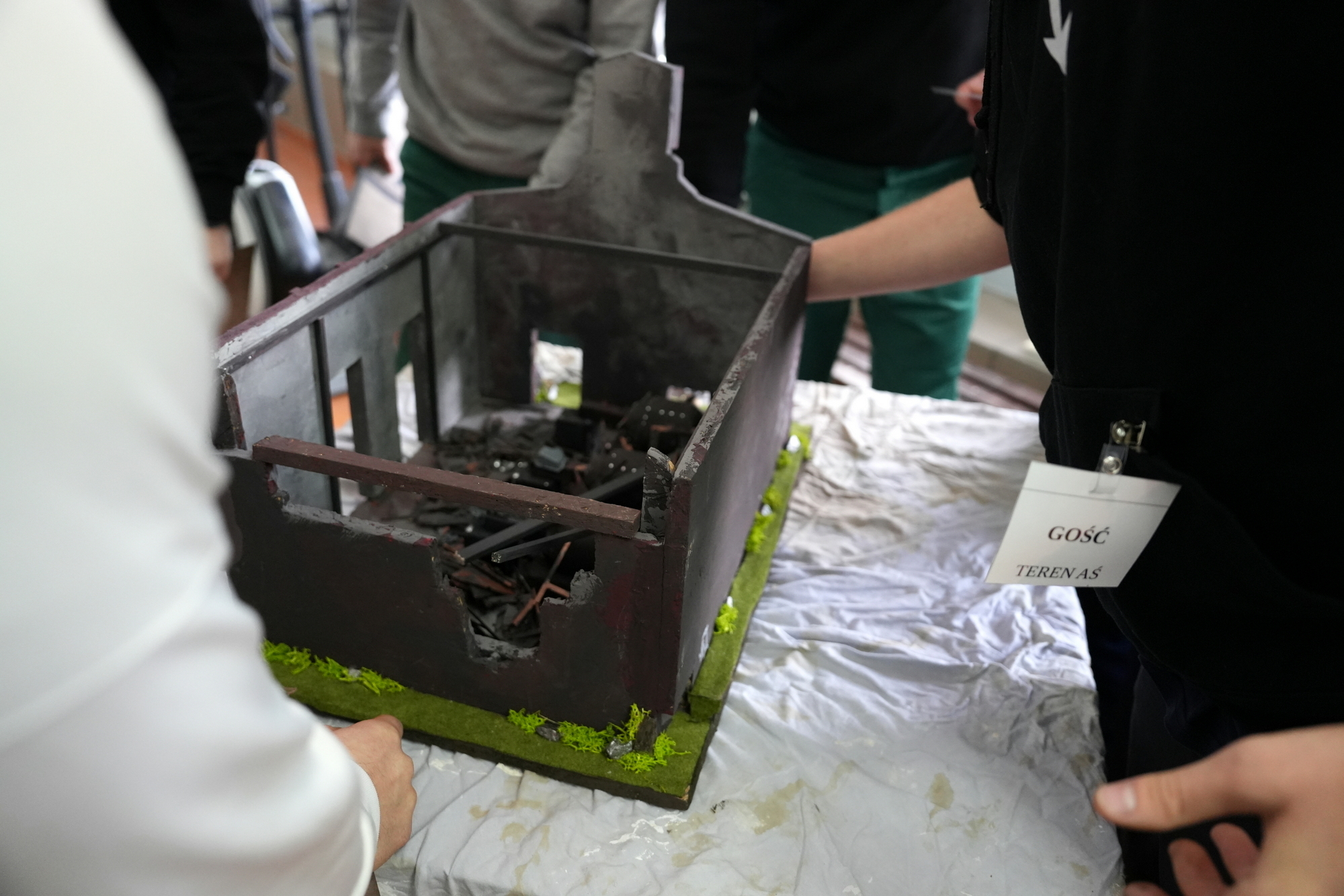
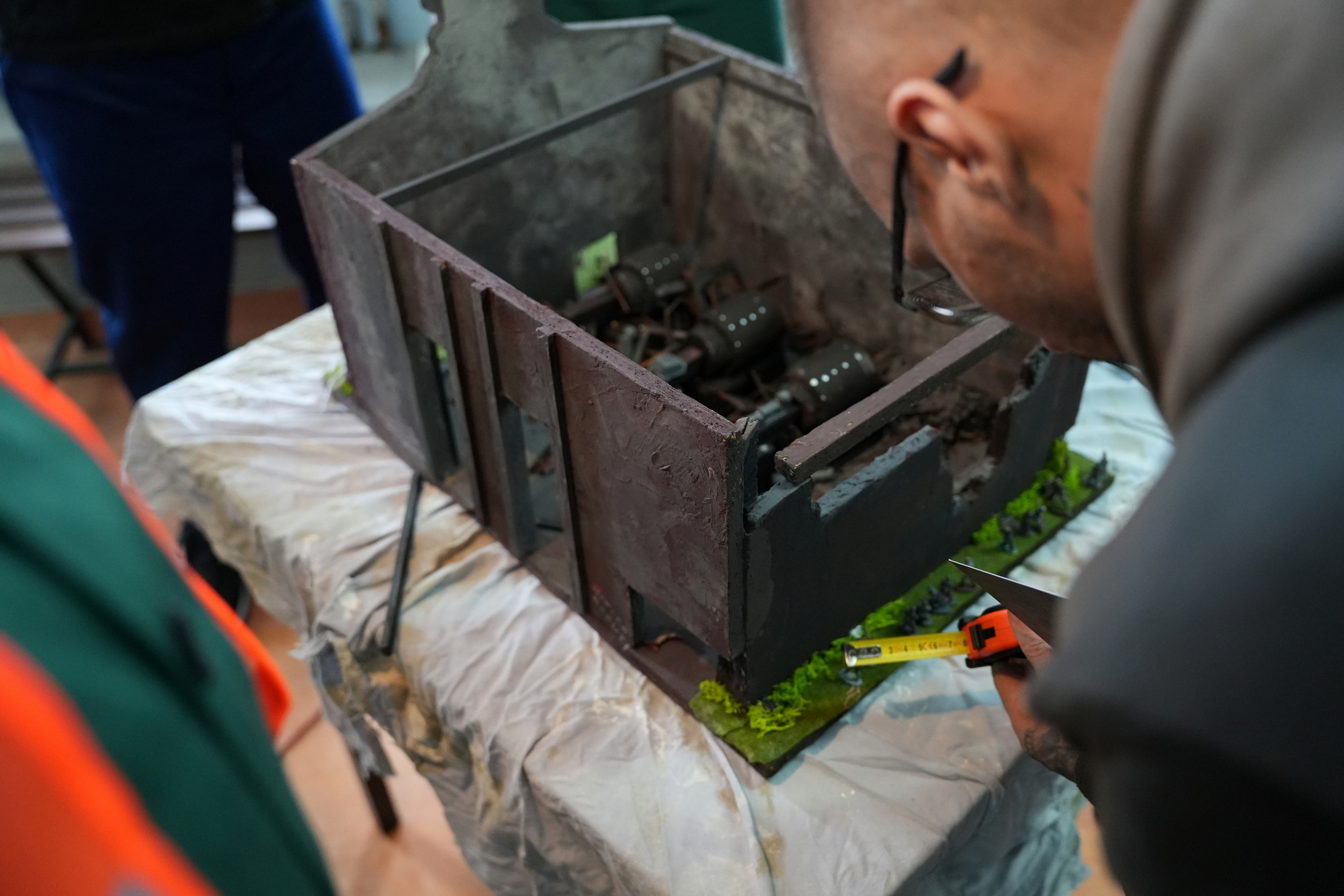
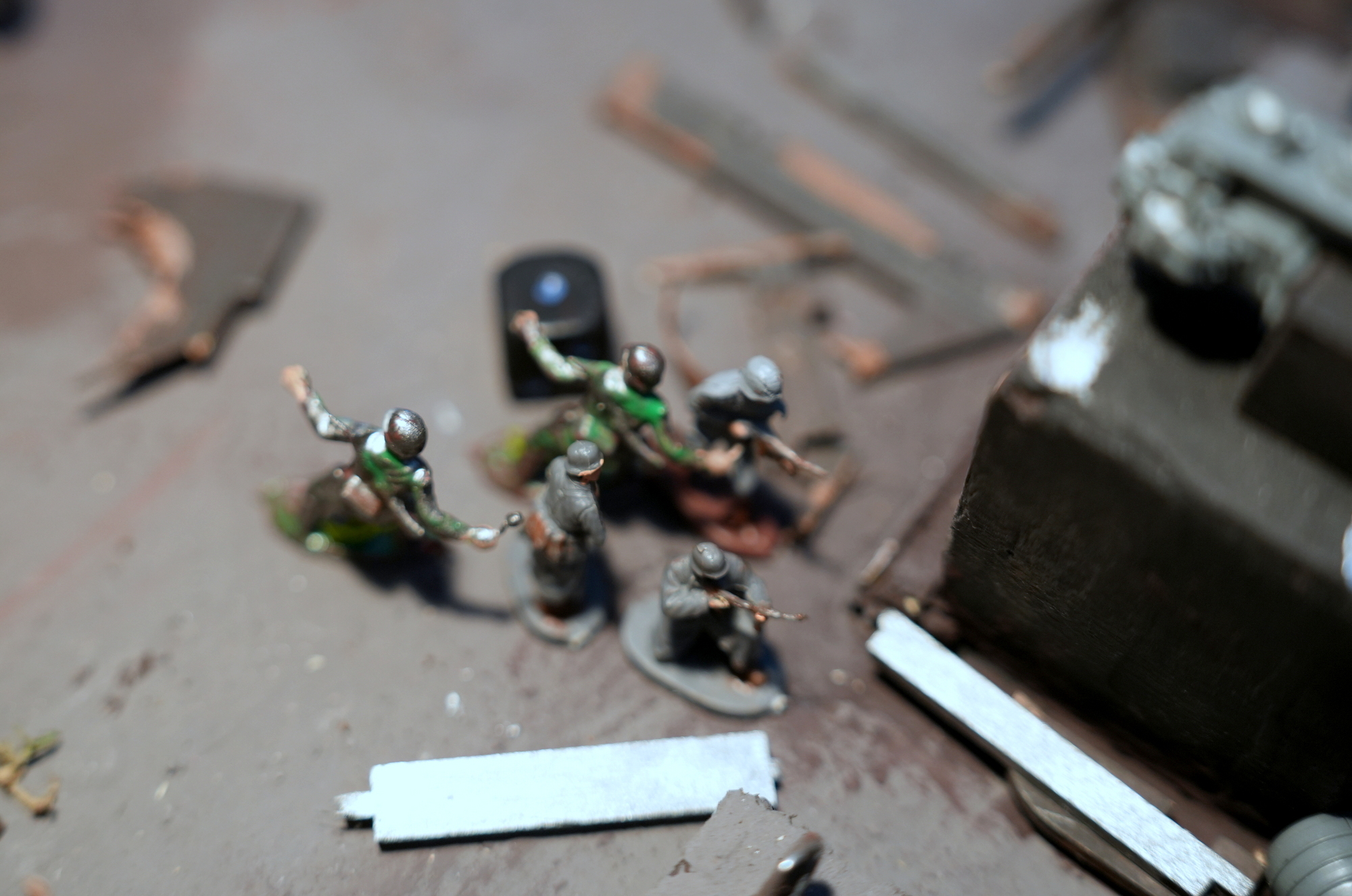
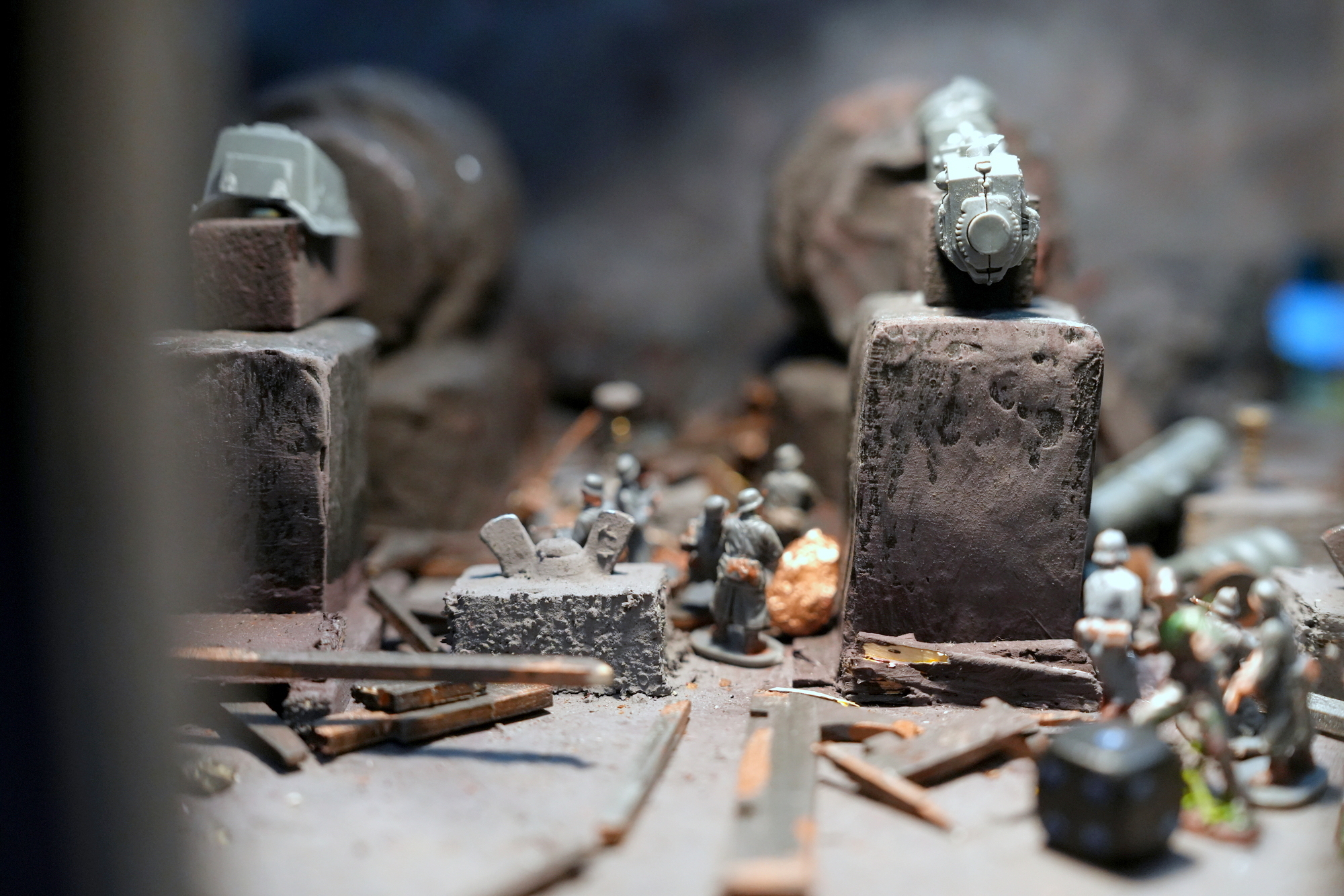
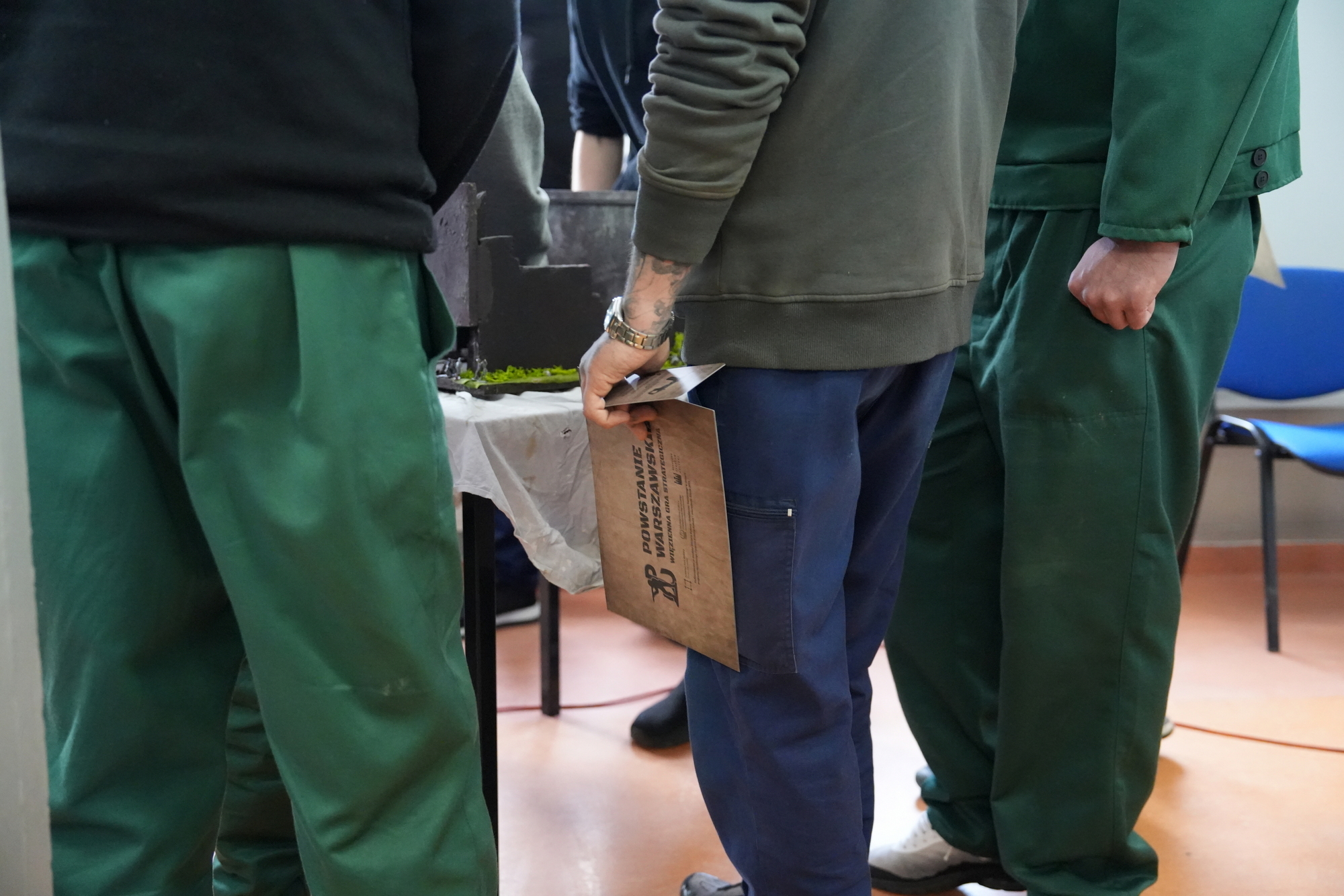
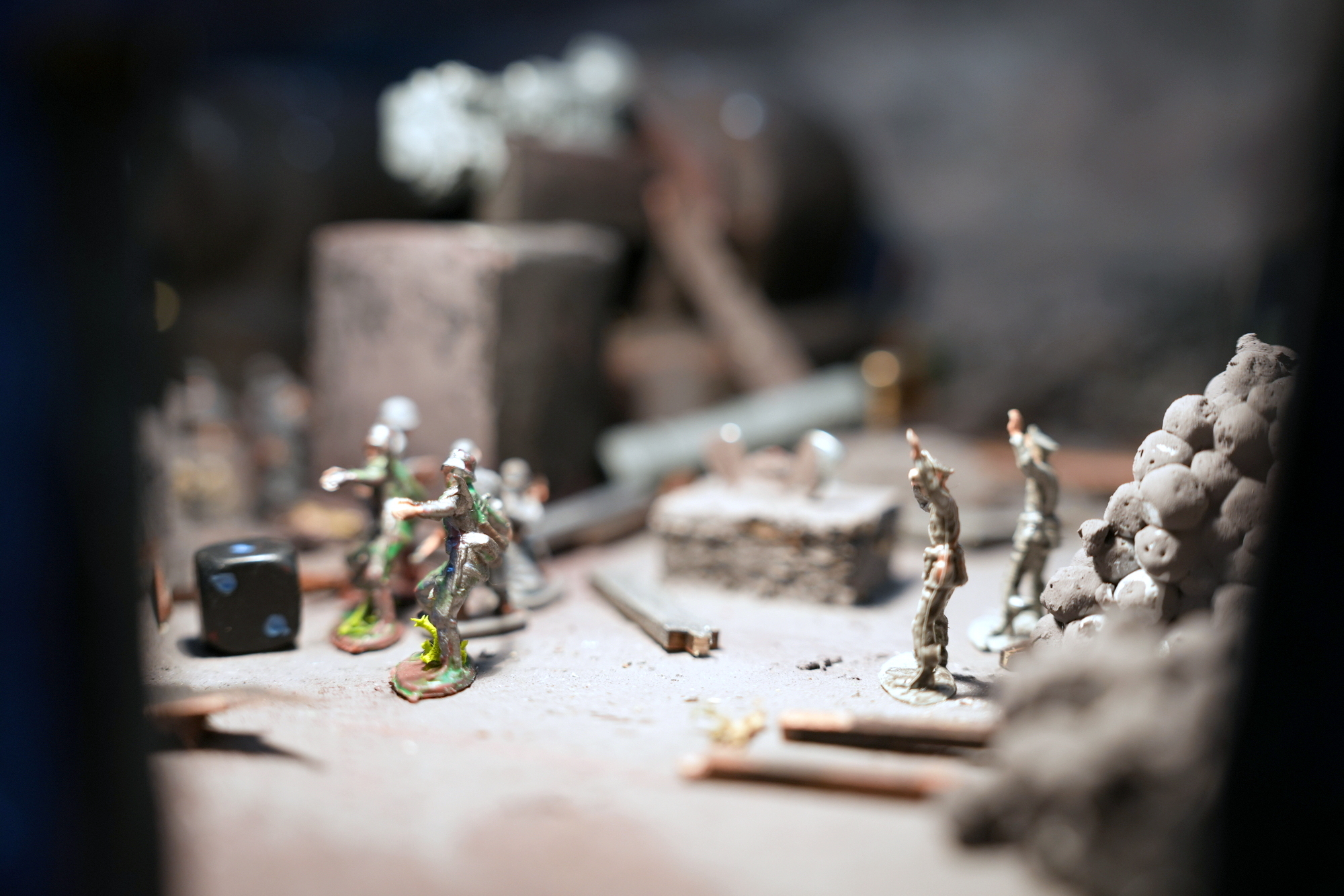
Under the guidance of Waldemar Petryk, a visual artist, and Krzysztof Nessel, a model-maker and co-author of the project, participants created a scale model of the Powiśle Power Plant and hand-painted figurines representing soldiers, civilians, and medical personnel.
The workshops developed focus, precision, and teamwork skills while also having a therapeutic and integrative character.

3. Designing the Strategy Game

Based on the completed model and figurines, the participants – with the support of the instructors – developed the rules of an original strategy game inspired by the Warhammer 40,000 system, yet adapted to the historical context of the Warsaw Uprising.

From the outset, the game was conceived as an educational and reflective tool – it does not focus on military victory but rather on cooperation, strategy, decision-making, and understanding consequences.
Its message is anti-war and humanistic, encouraging dialogue about responsibility, solidarity, and the human cost of conflict.

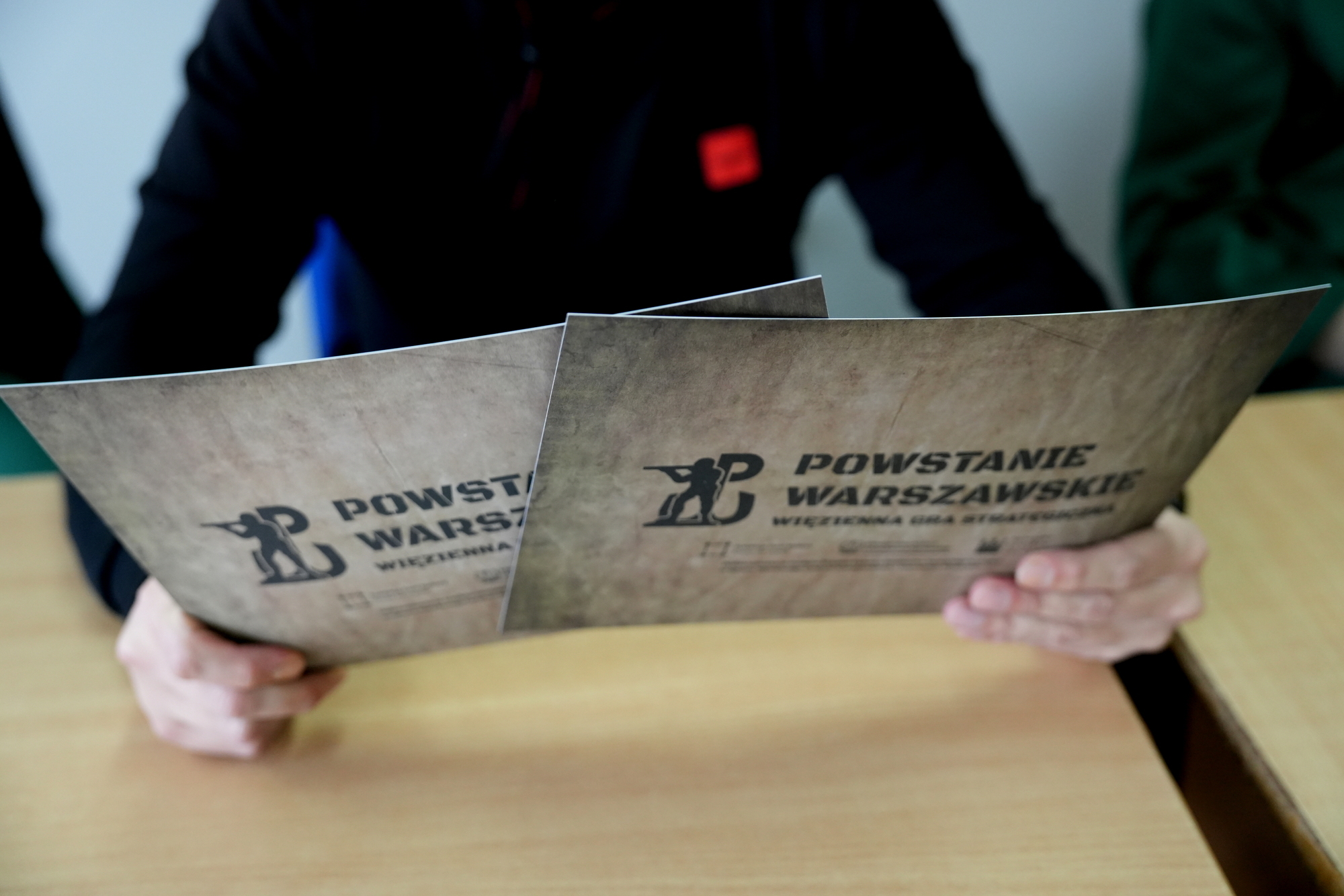
A comprehensive game manual was created, which also serves as a guide to good practices – it can be used in other penitentiary facilities as a model for educational and artistic activities. The rules were written clearly and accessibly, enabling future participants to replay and further develop the game.

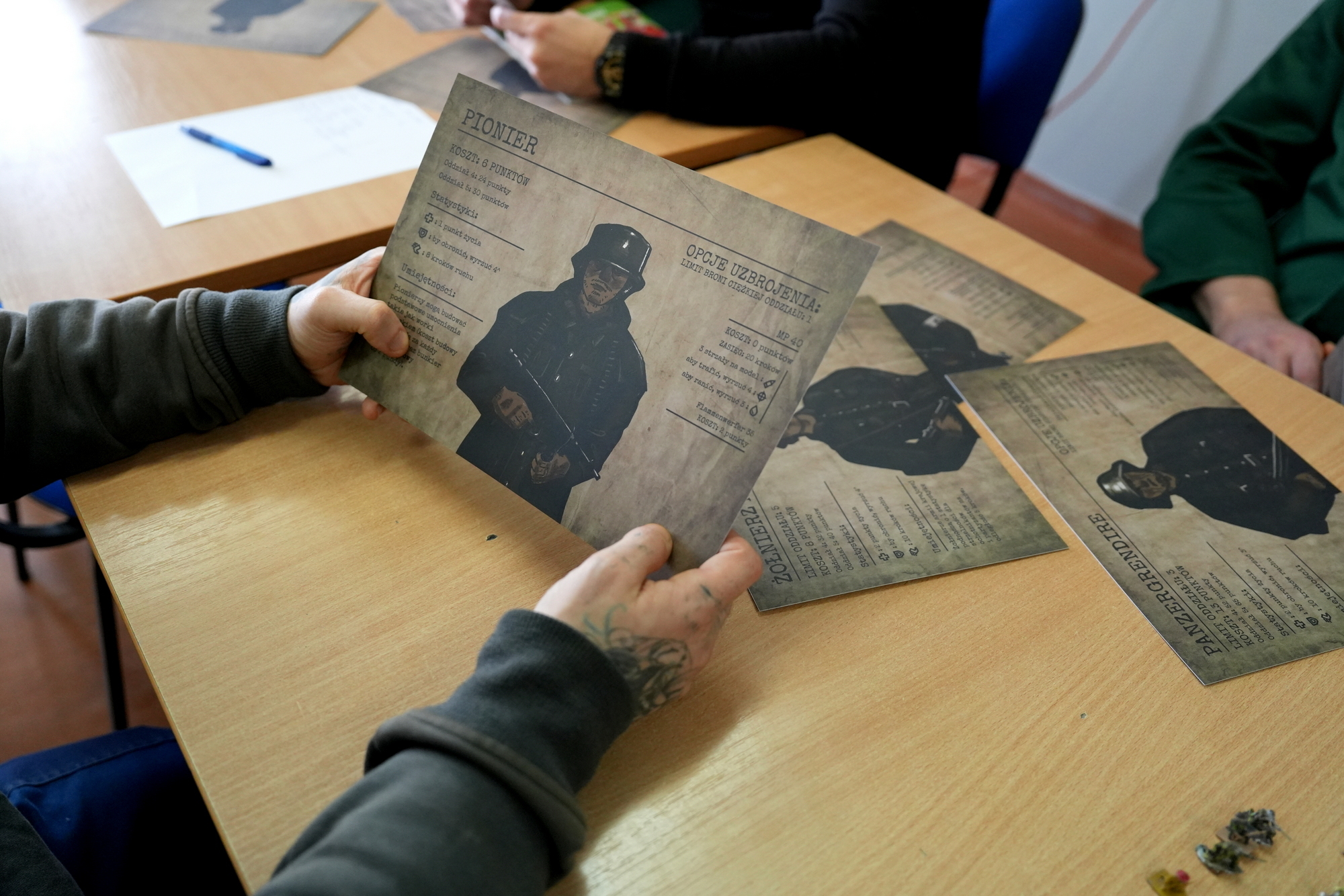
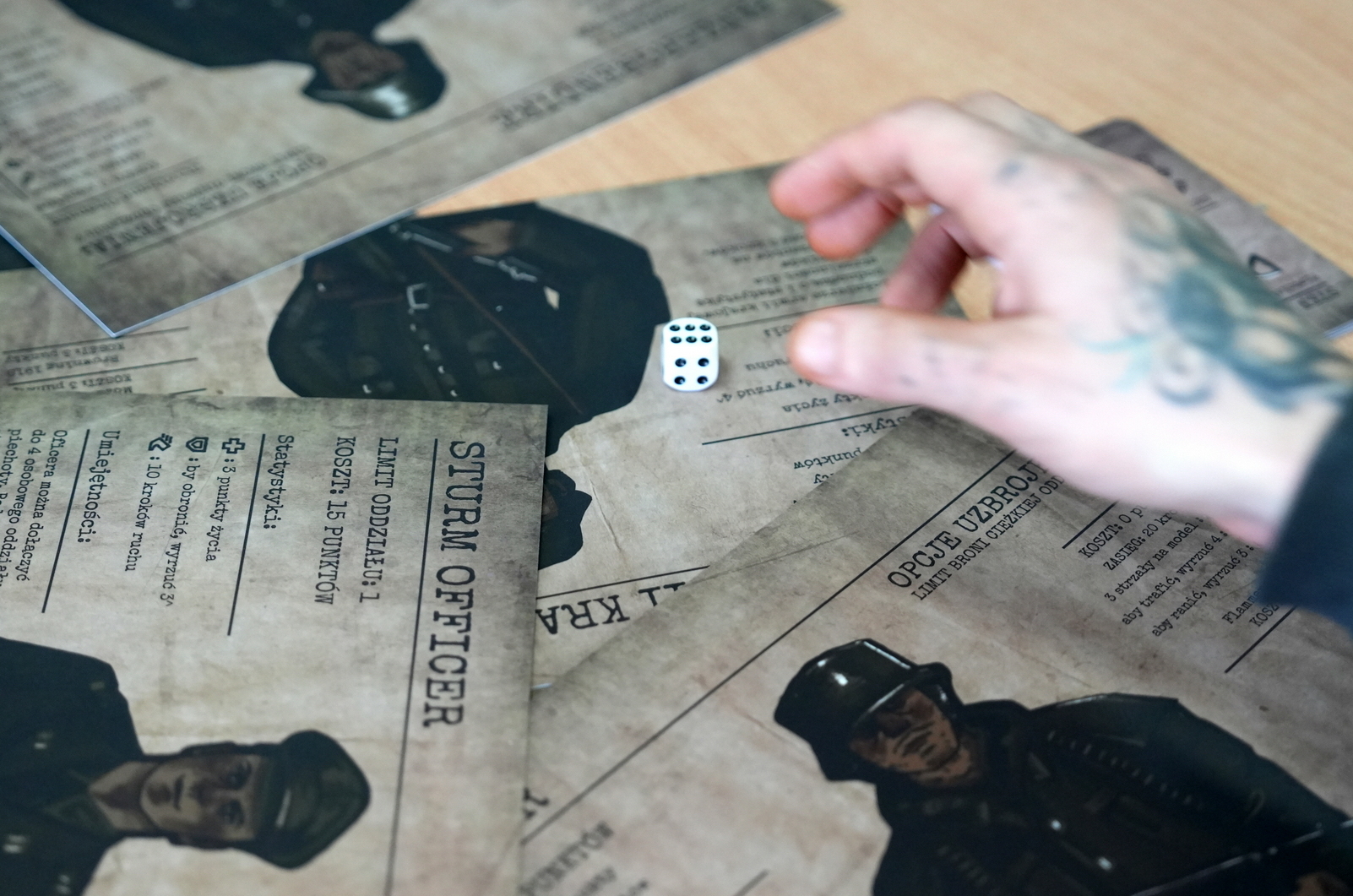
In addition, character cards and weapon cards were produced, carefully designed in terms of both content and graphics. Each card contains detailed descriptions of skills, equipment, and missions, all reflecting the historical realities of the Warsaw Uprising with respect for the facts and those who lived through them.

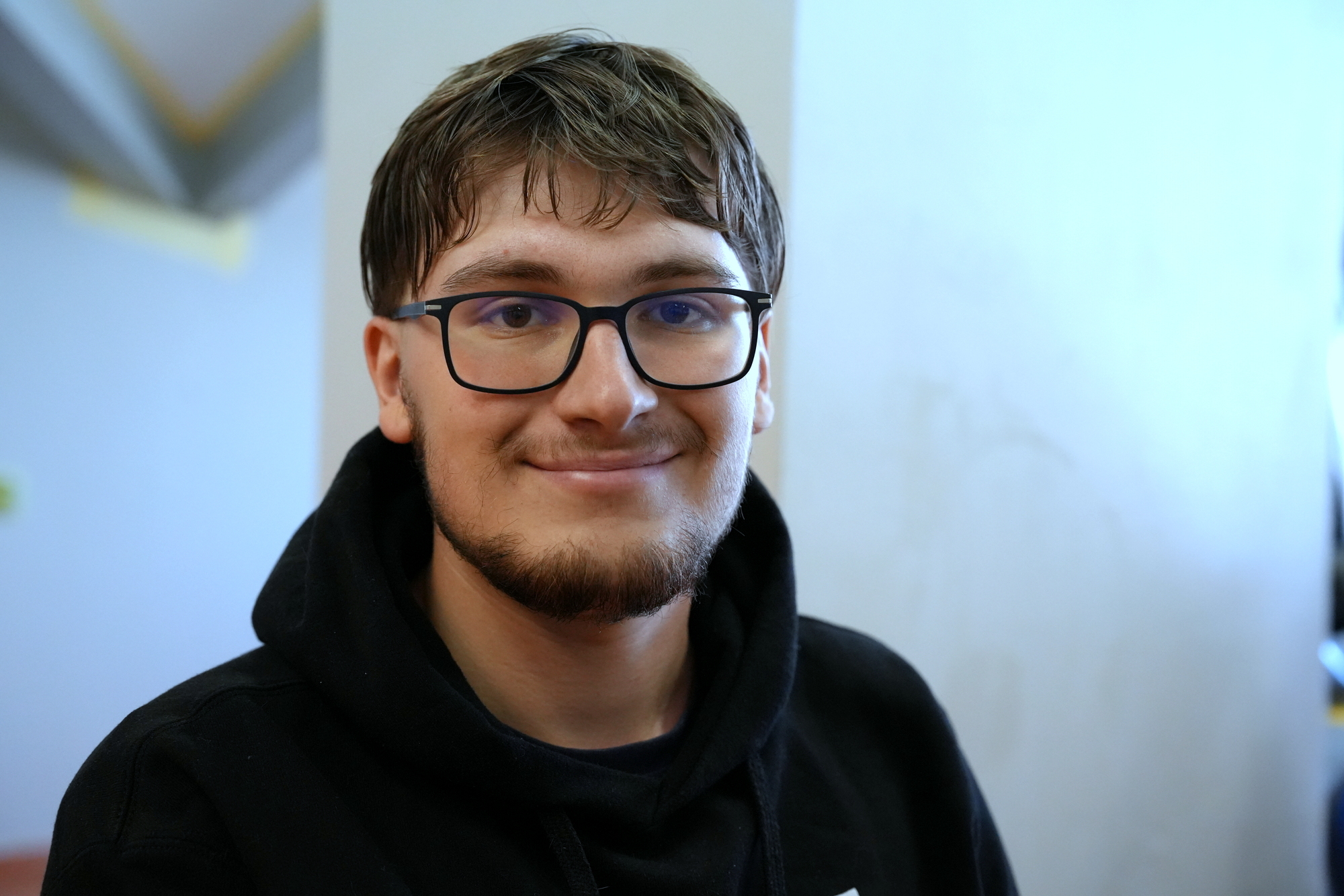
All graphic designs – including boards, cards, symbols, and the visual identity of the game – were created by Wiktor Lingo, a graphic design student at SWPS University in Wrocław, who gave the game a coherent and distinctive visual style.

4. Game Test and Summary

The final playtest allowed participants to evaluate their work and experience history through interactive engagement.
The completed model, figurines, and finalized game manual were donated to the prison’s recreation room so that future groups of inmates could use them in educational and creative activities.

Through this project, a replicable model of educational and artistic practice was developed, one that can successfully be implemented in other penitentiary institutions.

The graphic materials accompanying the project were also designed by Wiktor Lingo, a student of graphic design at SWPS University in Wrocław.

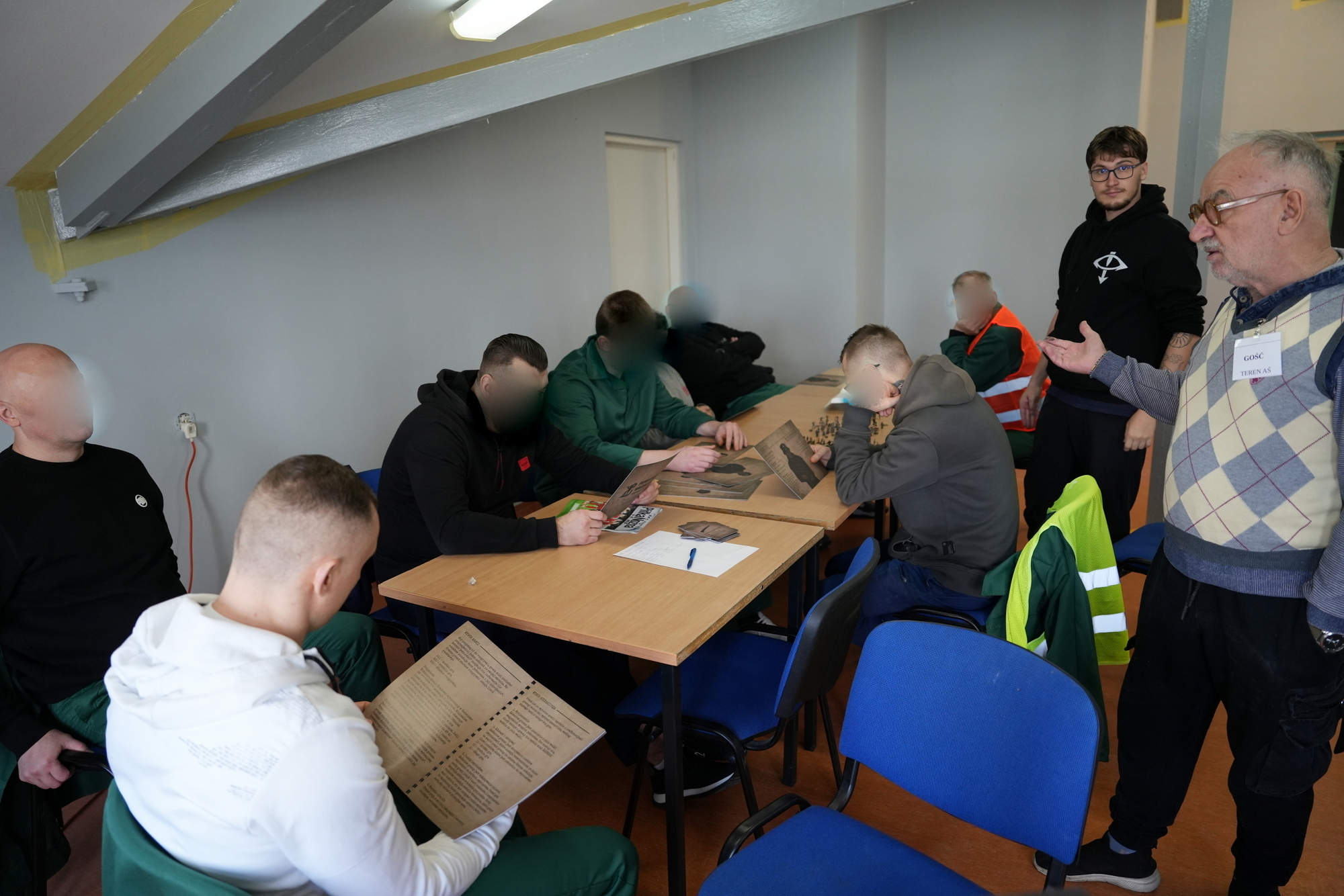
 Photo: Archive Fundacja Dom Kultury


The project was implemented by the Dom Kultury Foundation with funding from the Minister of Culture and National Heritage under the program of the National Centre for Culture: Culture – Interventions. 2025 Edition.


How to Work Effectively with Young People – Training for Educators Working with Youth

Graphics: Alexander Bidermann

Erasmus+ Project

How to Work Effectively with Young People – a Training Course for Youth Educators

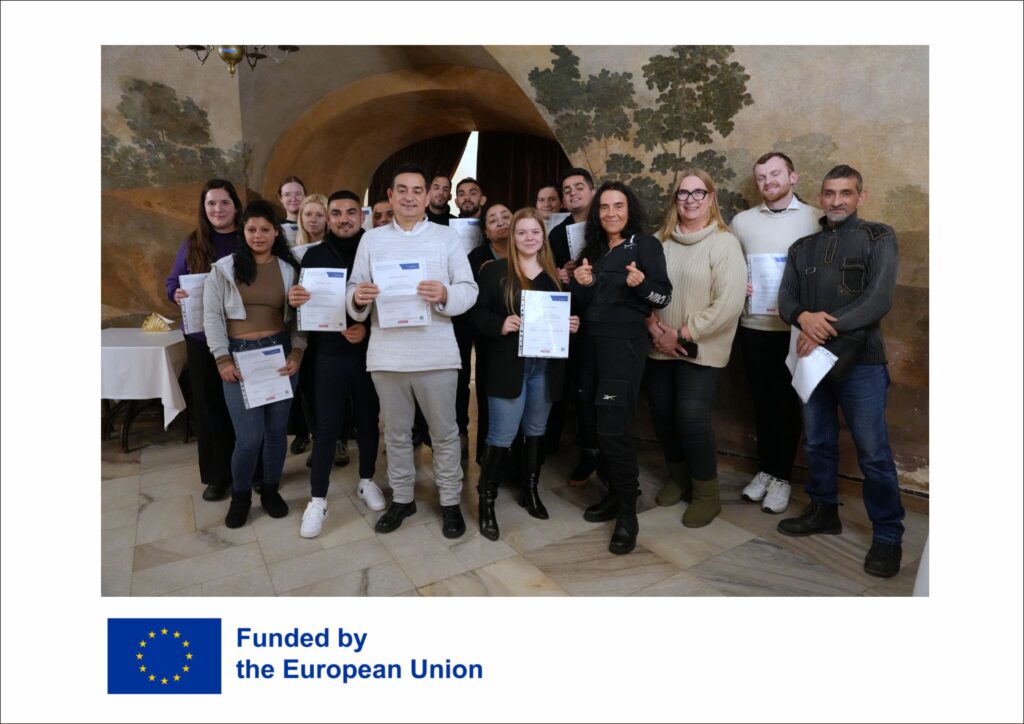
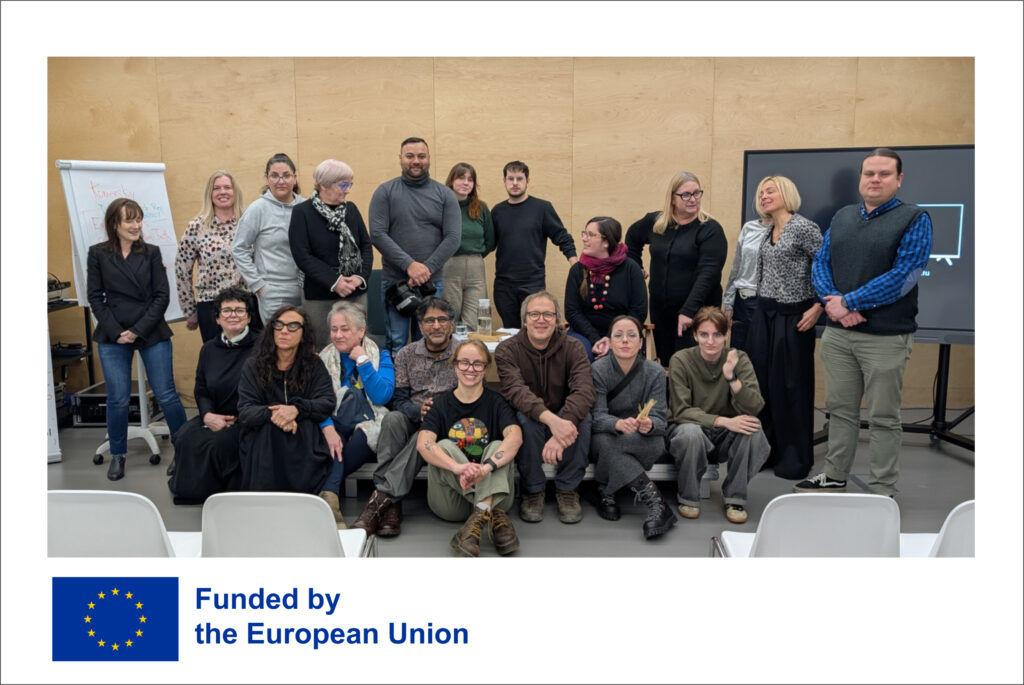
Between 12 and 15 January 2026, a four-day training course entitled “How to Work Effectively with Young People”took place. It was addressed to people working with young people in various contexts: educational, social, and cultural. The training was the culminating point of a ten-month educational project, previously prepared in an online format. It was organised in cooperation with ETP Slovensko, an organisation with which we have been working in partnership for several years.

The project was implemented within the Erasmus+ KA153-YOU (Youth Participation Activities) programme, which supports non-formal education, learning through experience, and the active participation of young people in social life.

From the very beginning, the project focused not on “ready-made solutions” but on inspiration. Our aim was to present participants with a variety of places, methods, and approaches to working with young people—ones that can later be creatively transferred into their own professional practice. All activities were designed to spark curiosity, encourage asking questions, and support participants in finding their own paths in educational work.


Day 1 – Monday, 12 January 2026

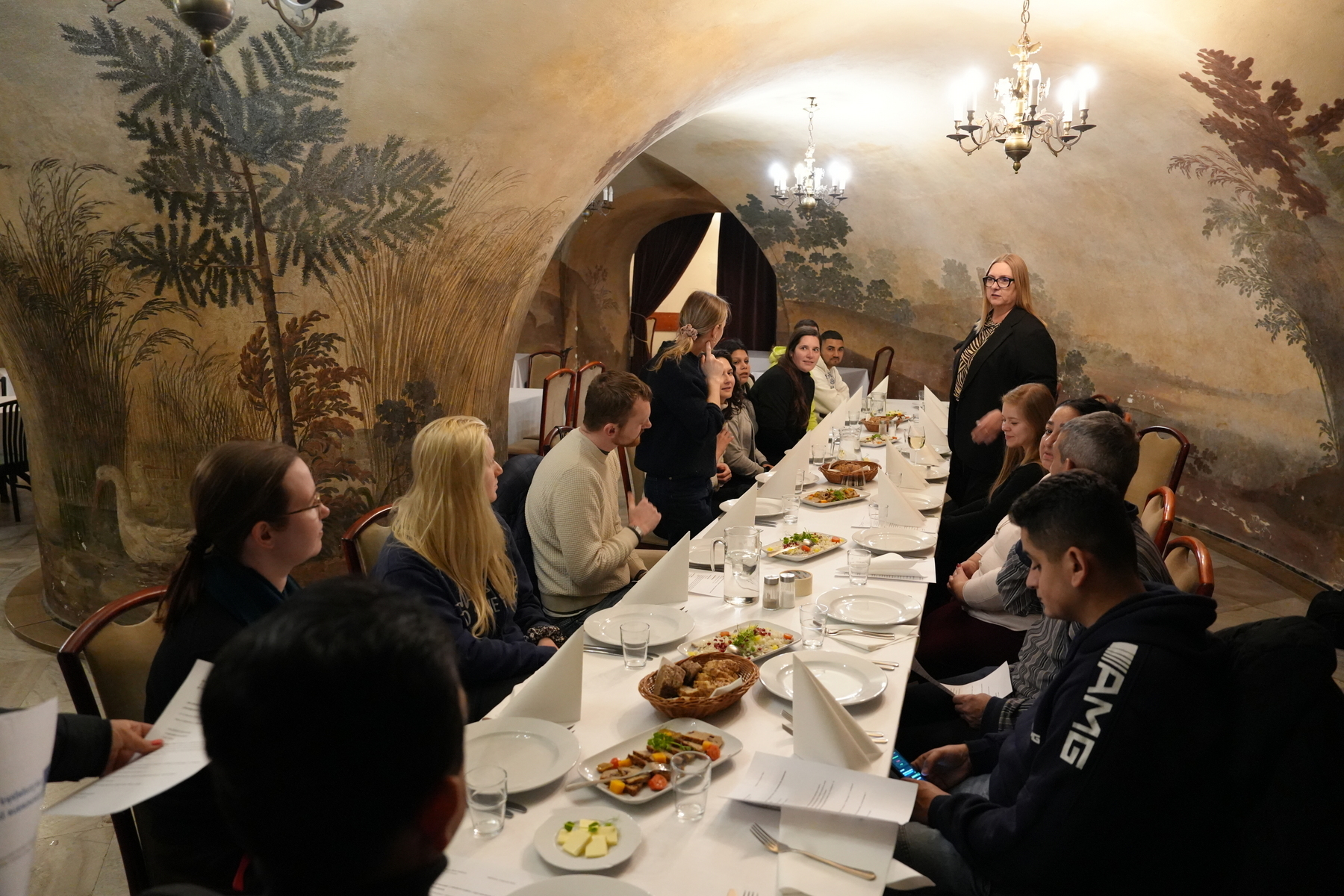
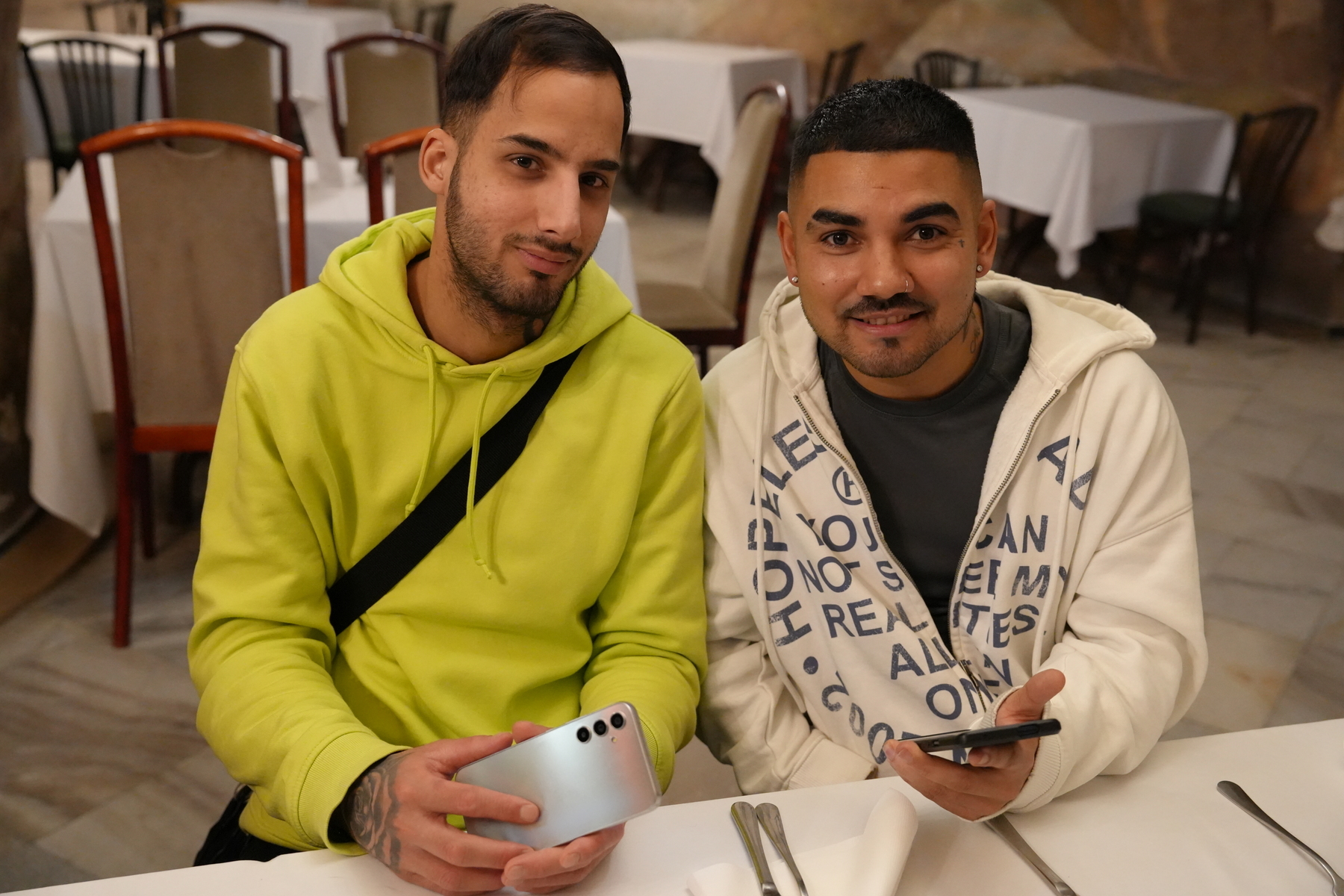
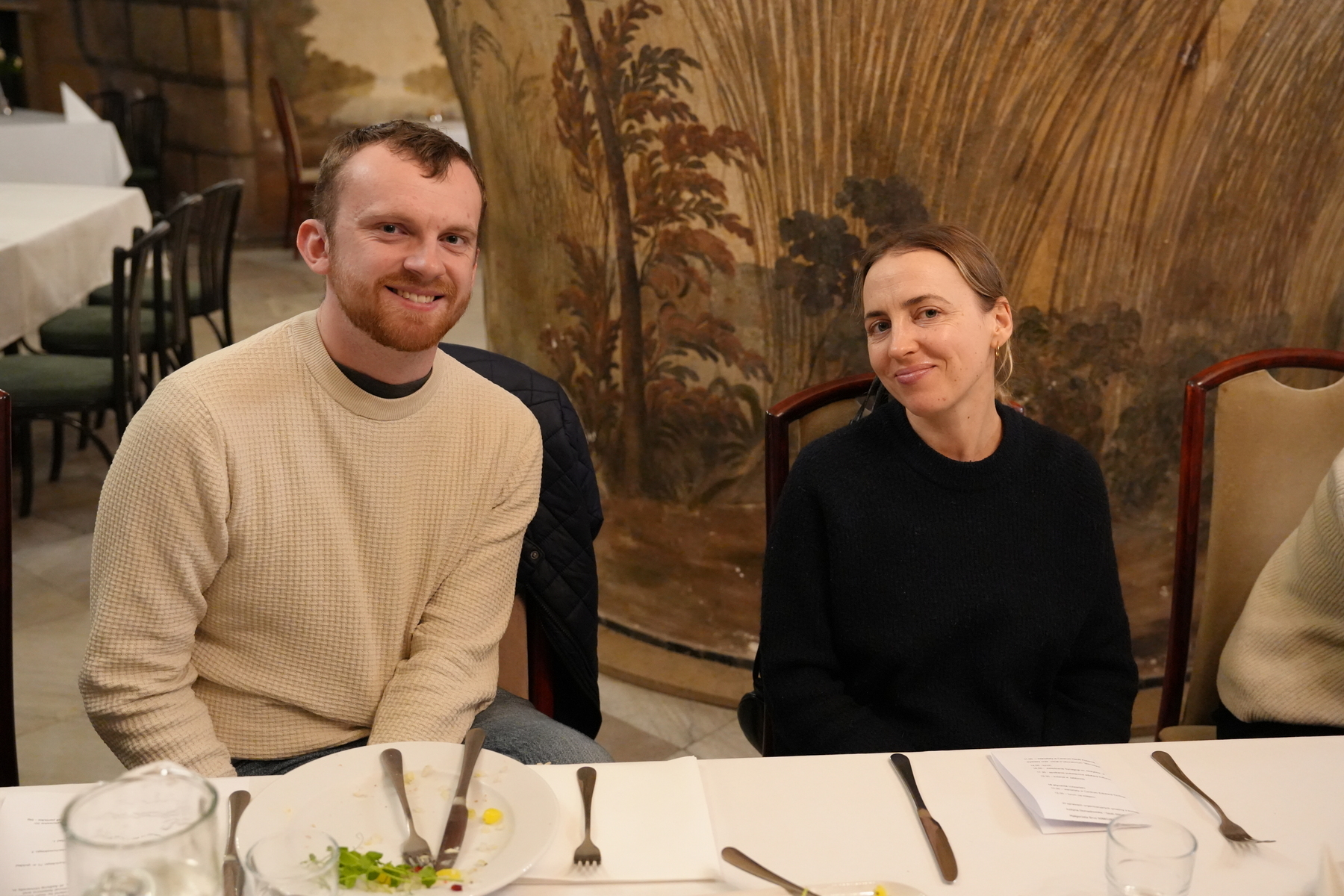
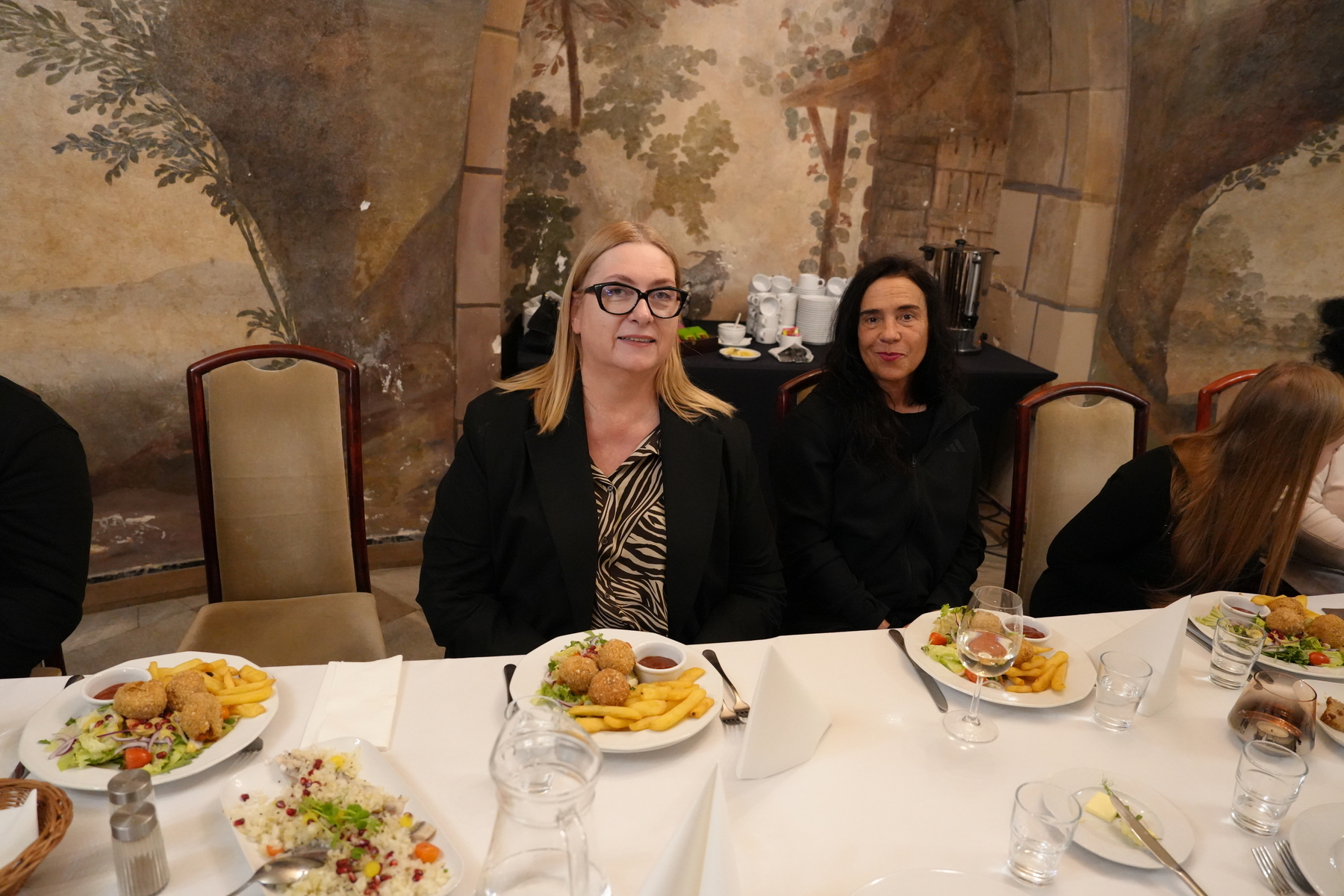
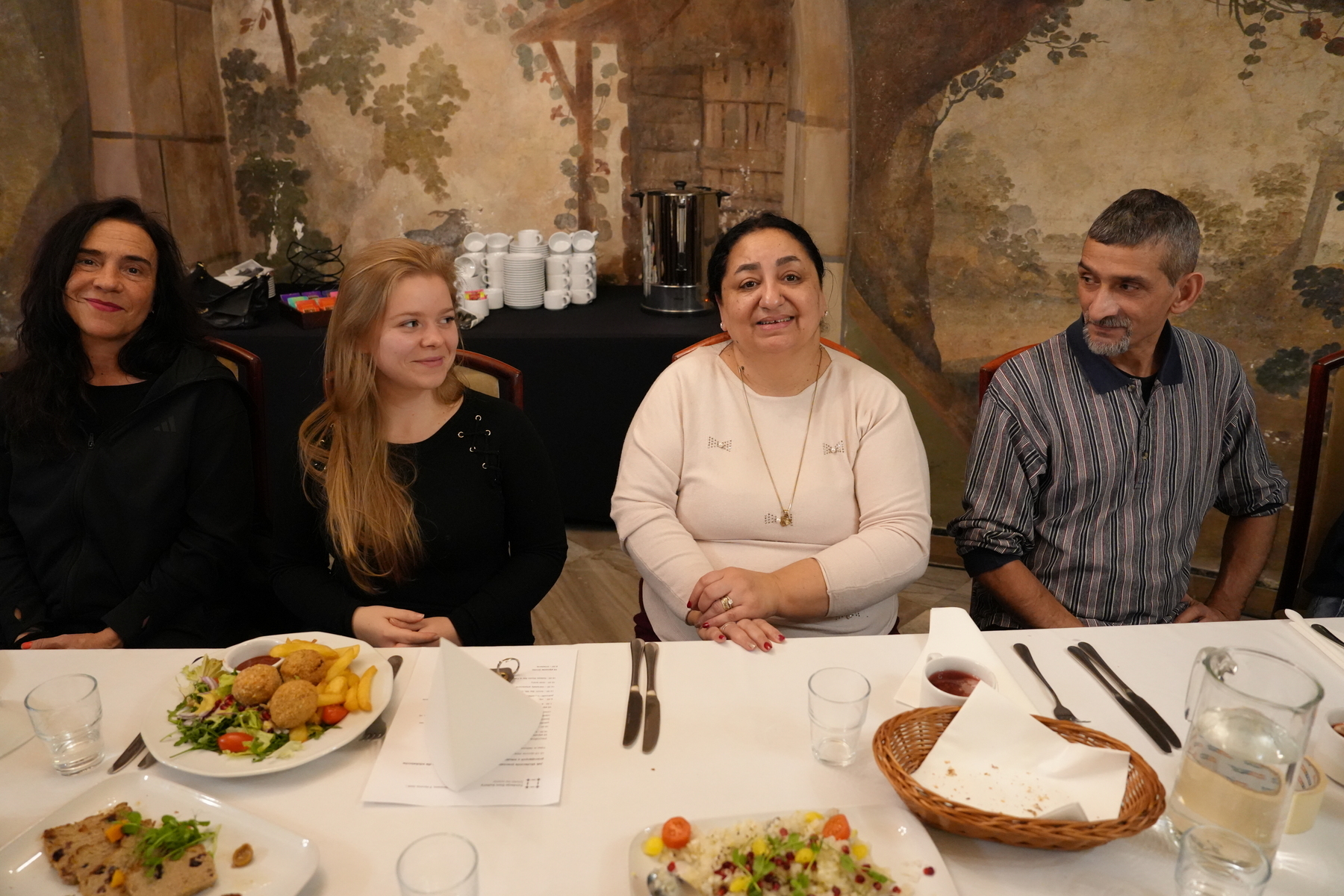
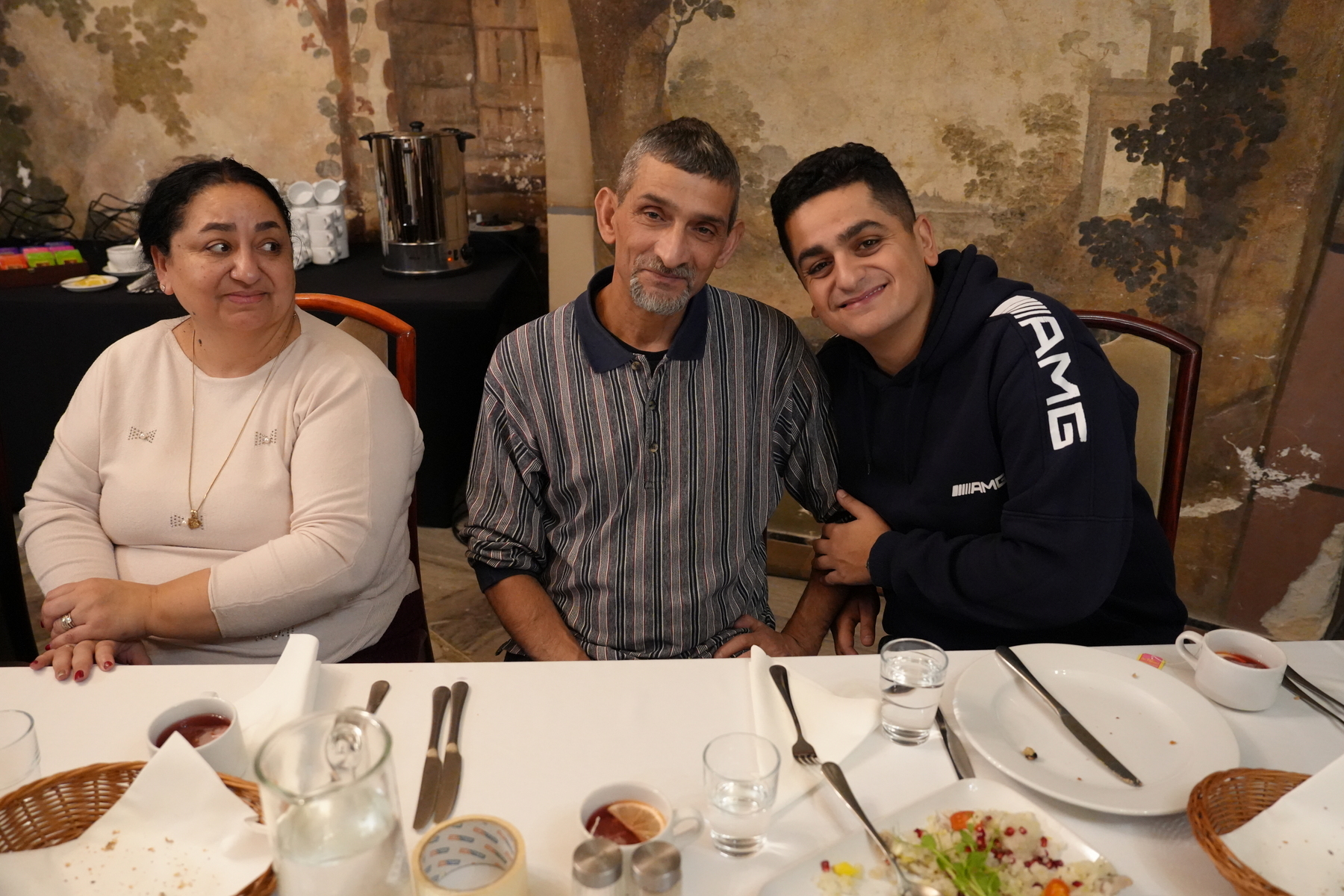
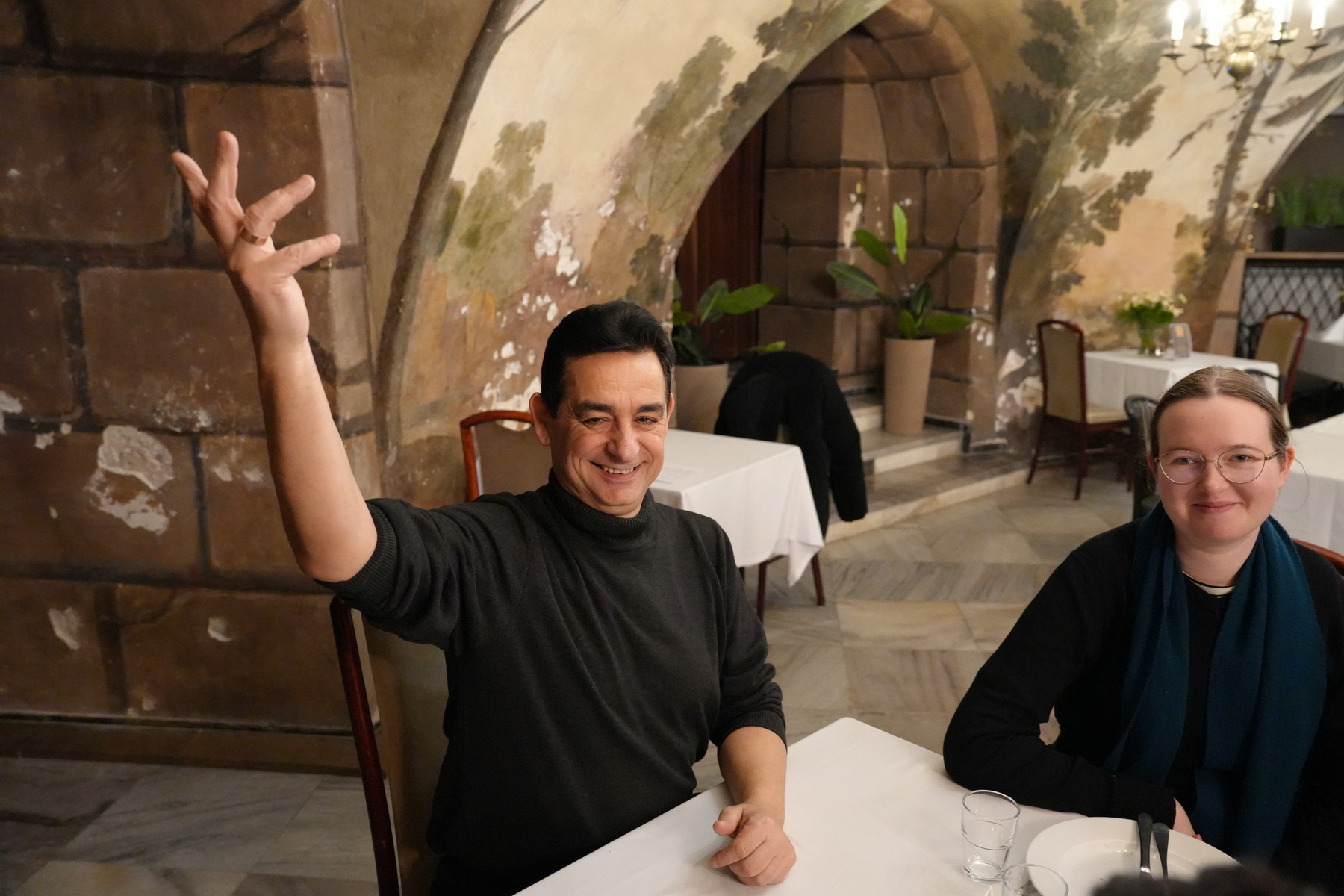
The training process began in the evening during a shared dinner at Jabłonna Palace

Introductory workshops created space for the first meeting of the entire group, mutual acquaintance, and an introduction to the themes of the training.

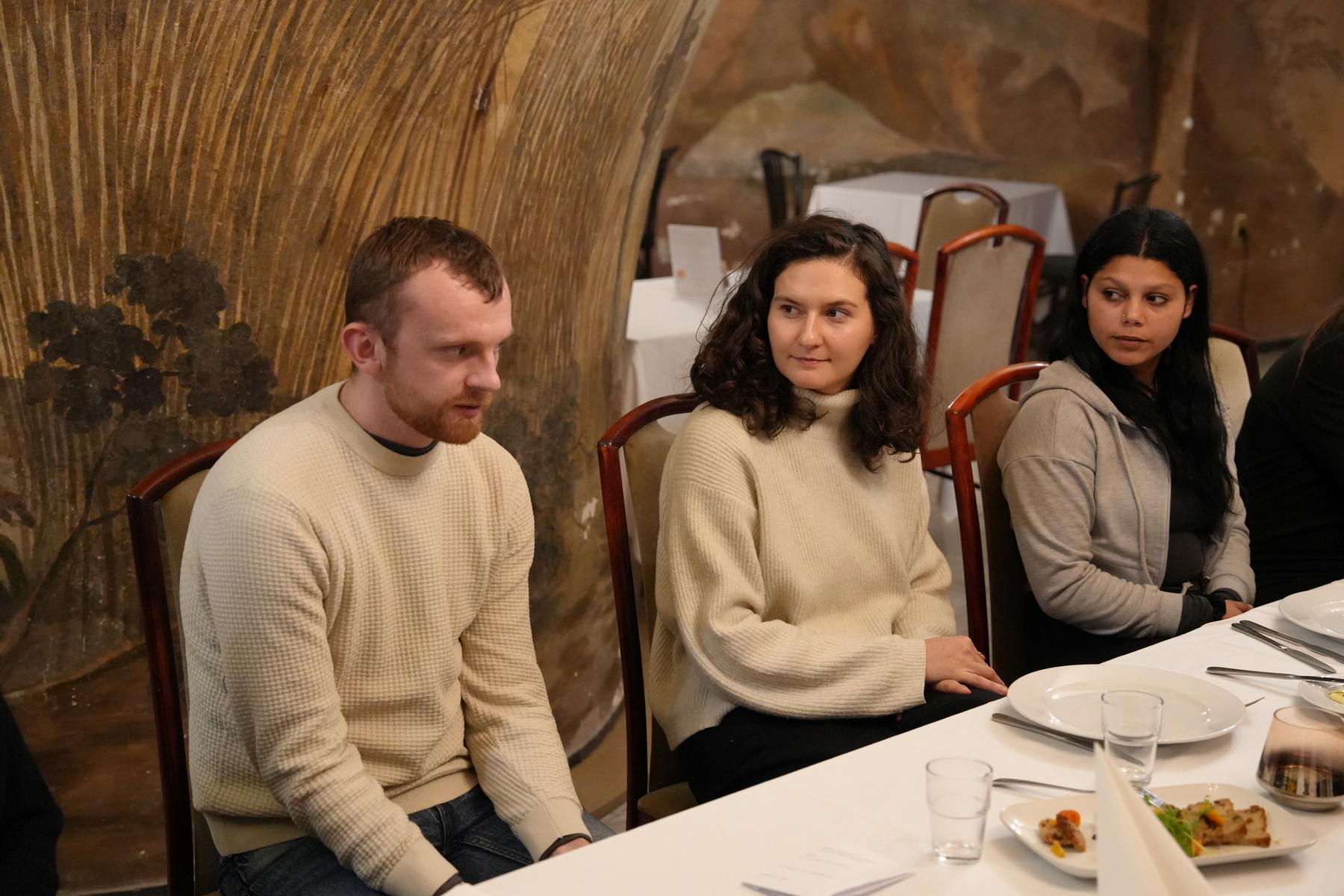
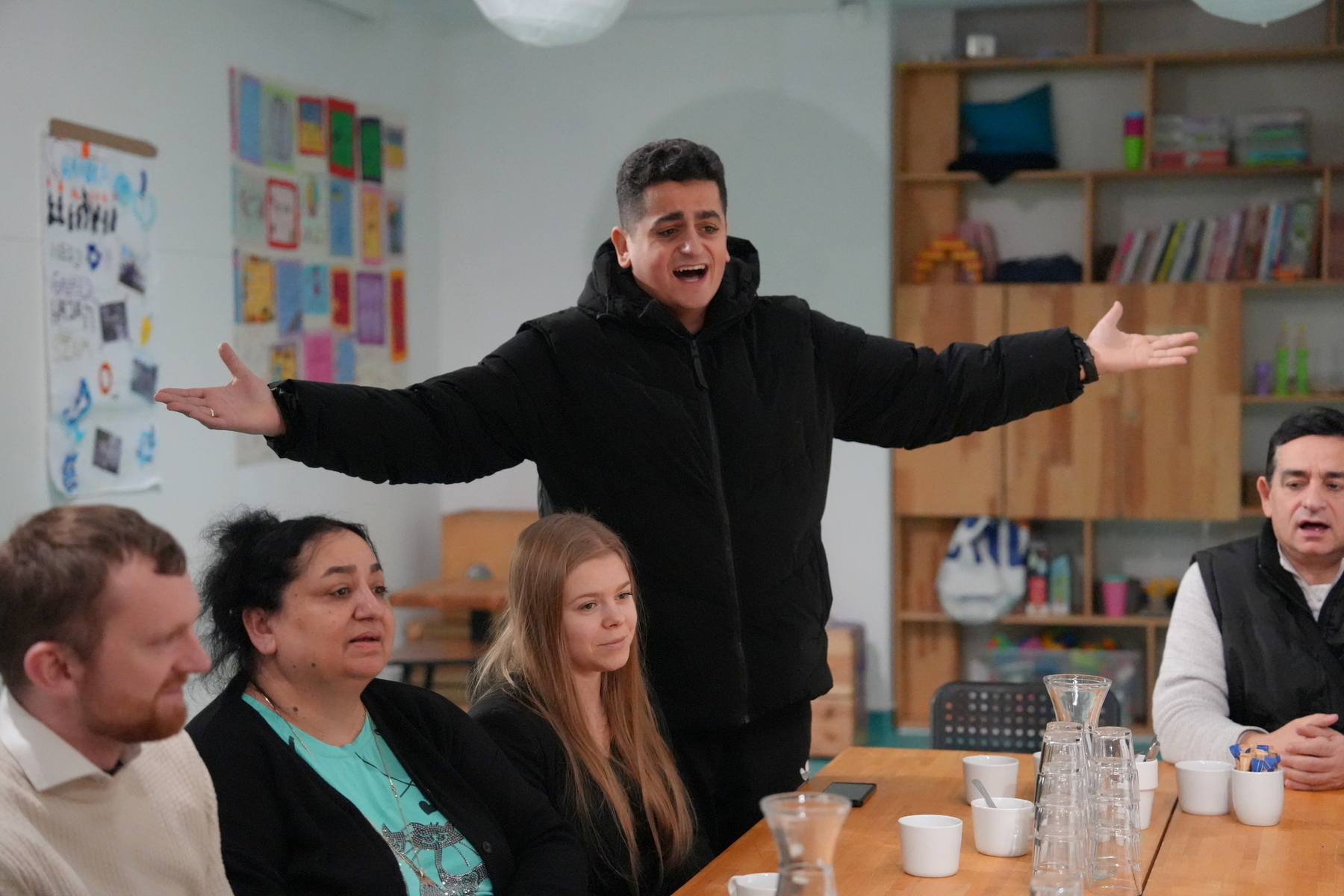
That day also featured a guest lecture by Sean Carolan, an intern at the Fundacja Dom Kultury and a student of International Relations and Development at Aalborg University in Denmark. His talk on Roma communities in Ireland became a starting point for discussions on intercultural education, social sensitivity, and the role of the educator as someone accompanying young people in their development.


Day 2 – Tuesday, 13 January 2026

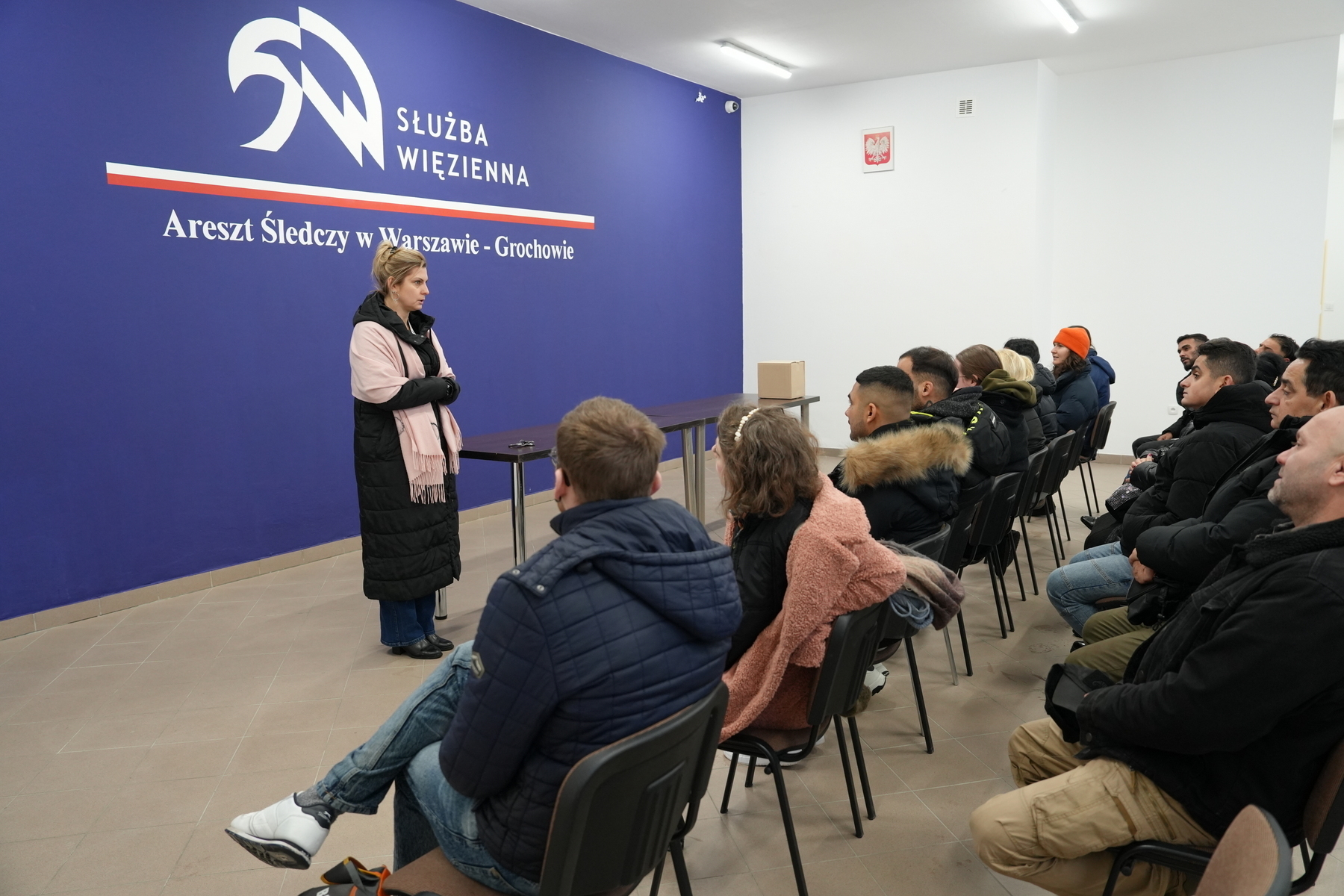
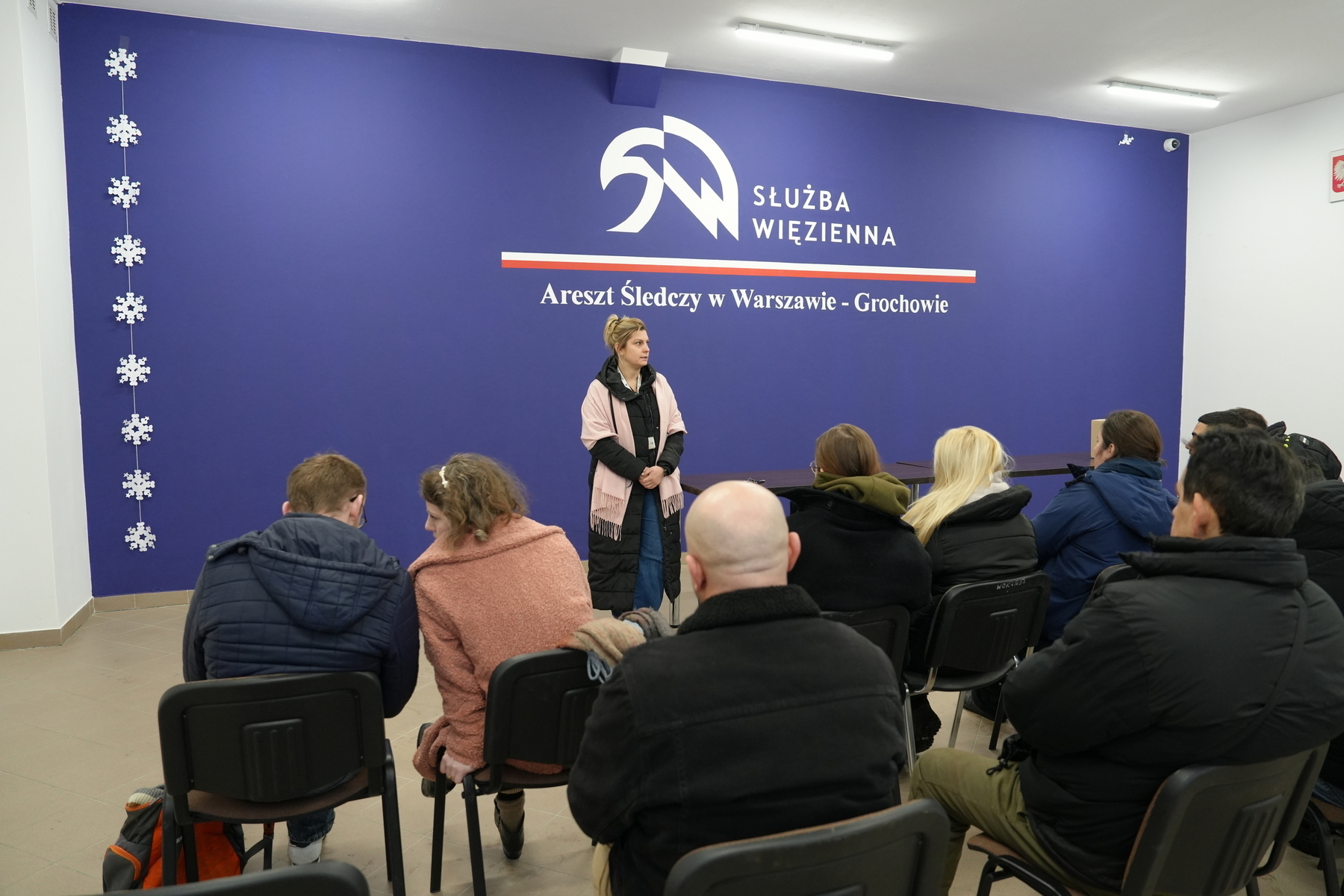
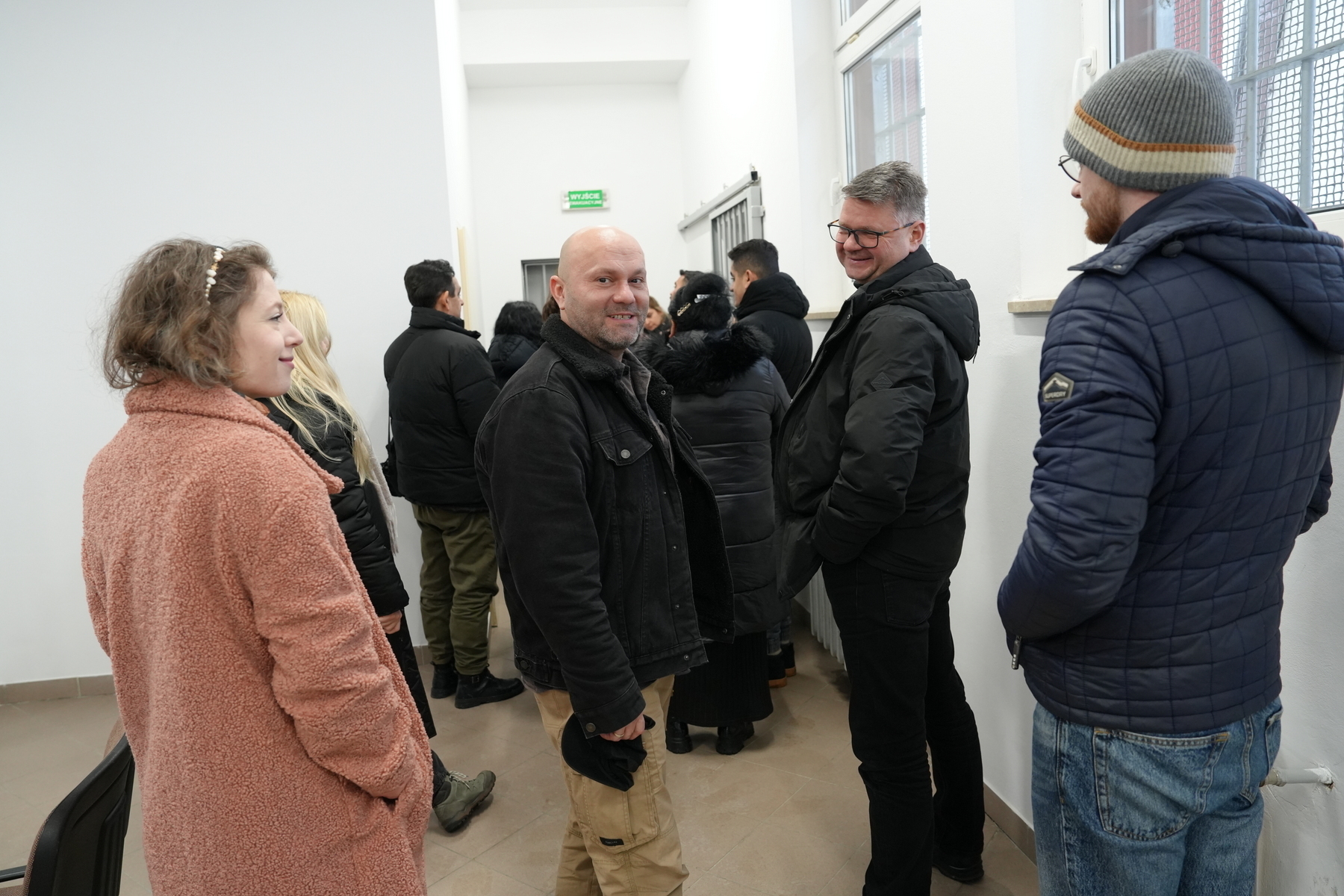
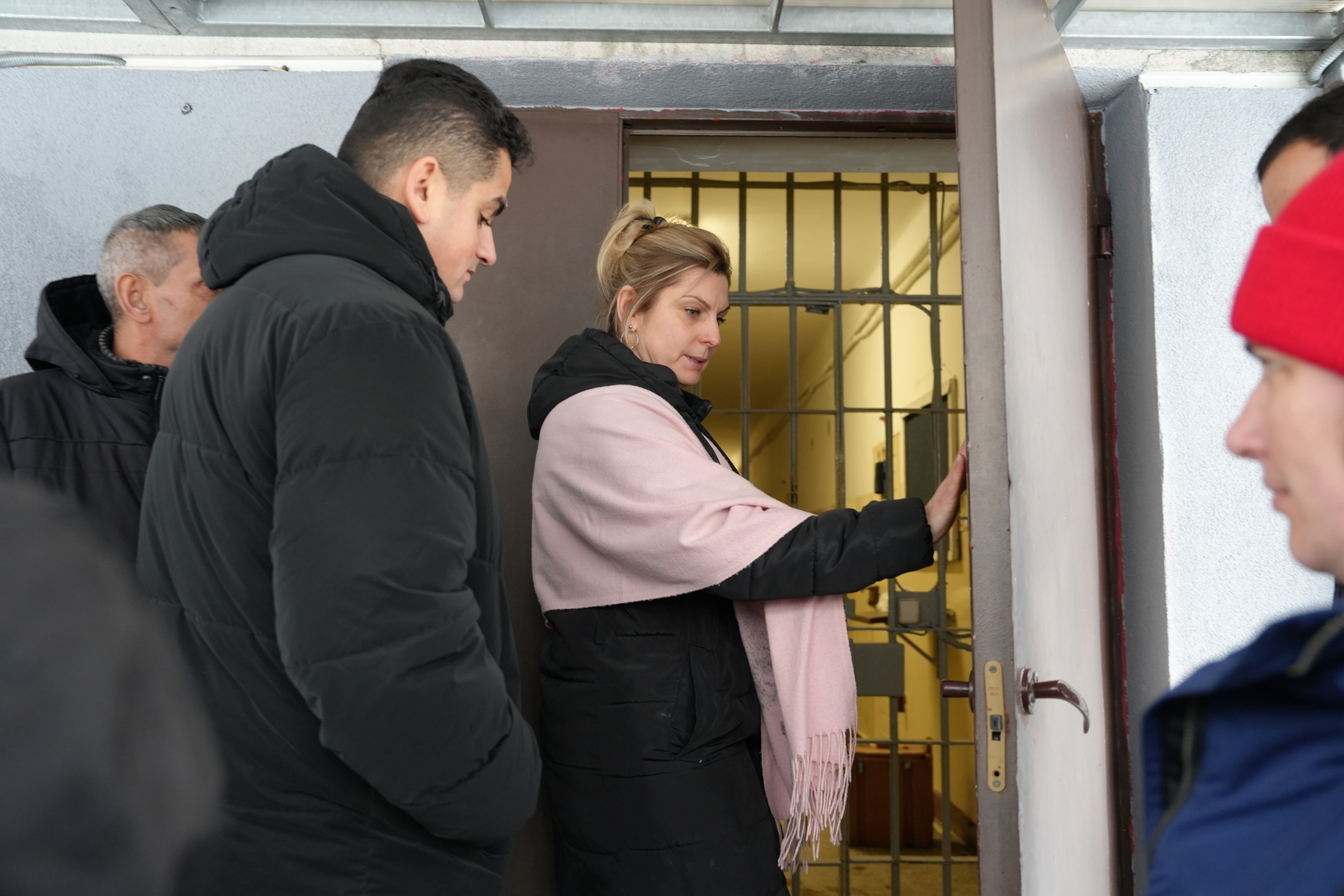
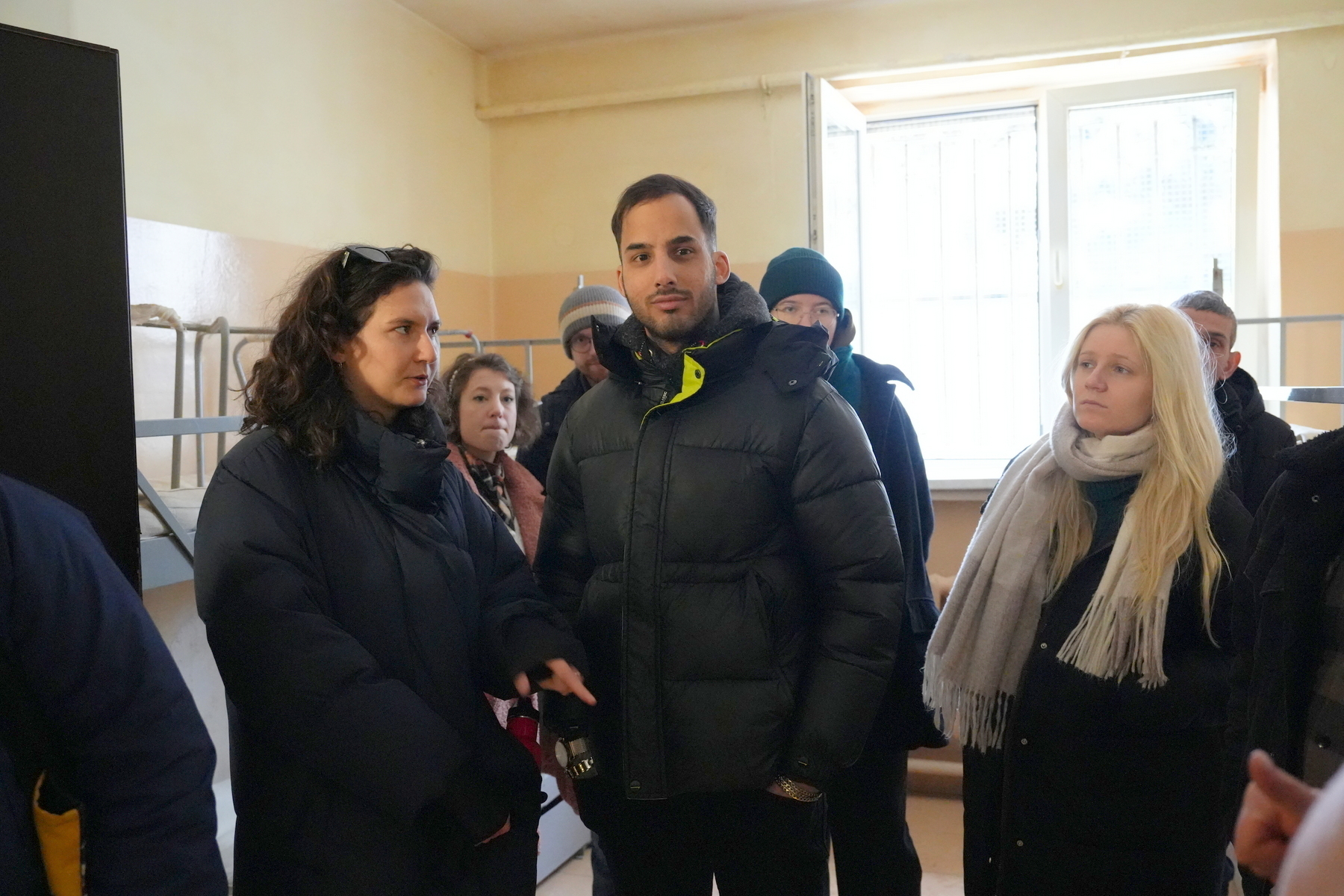
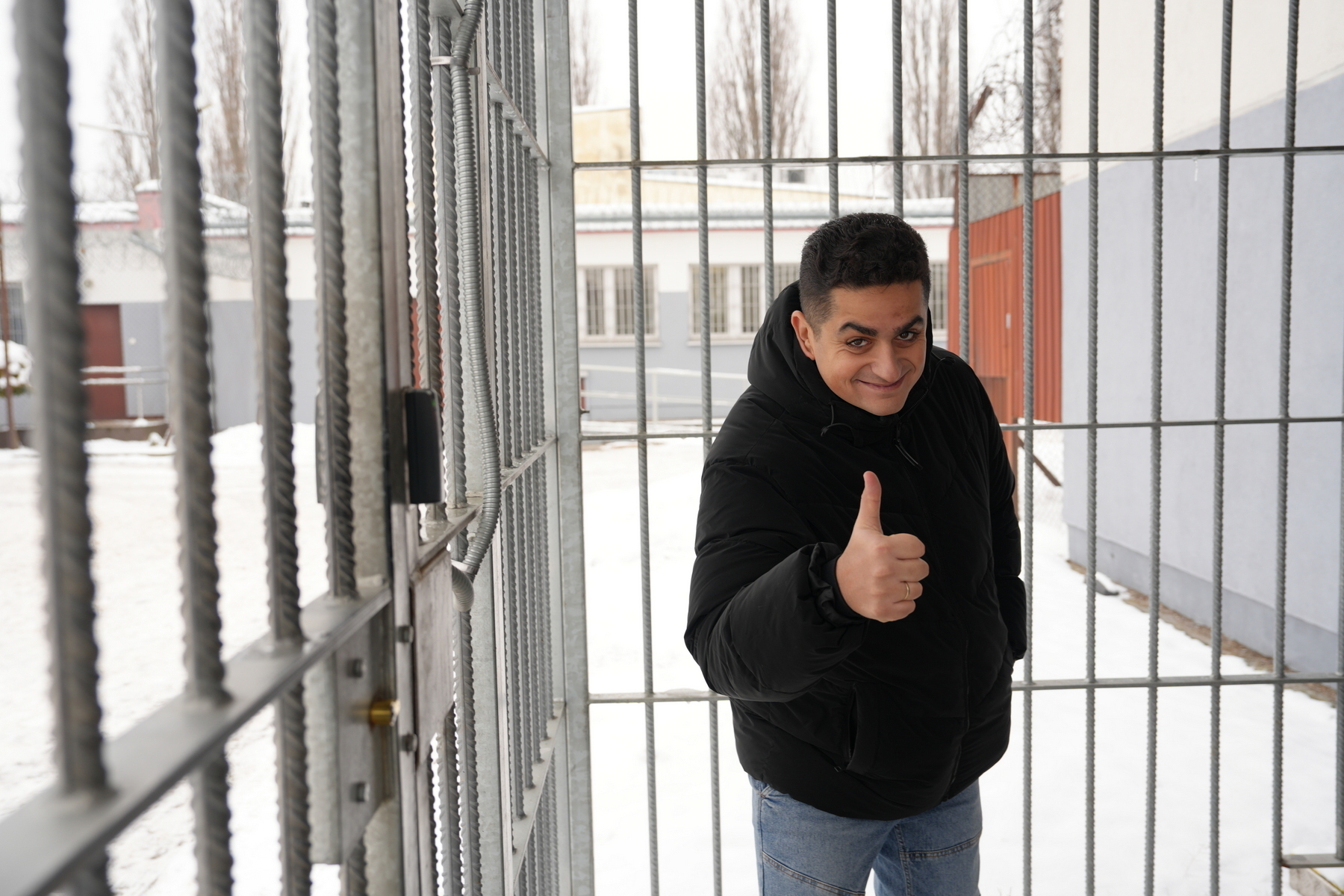
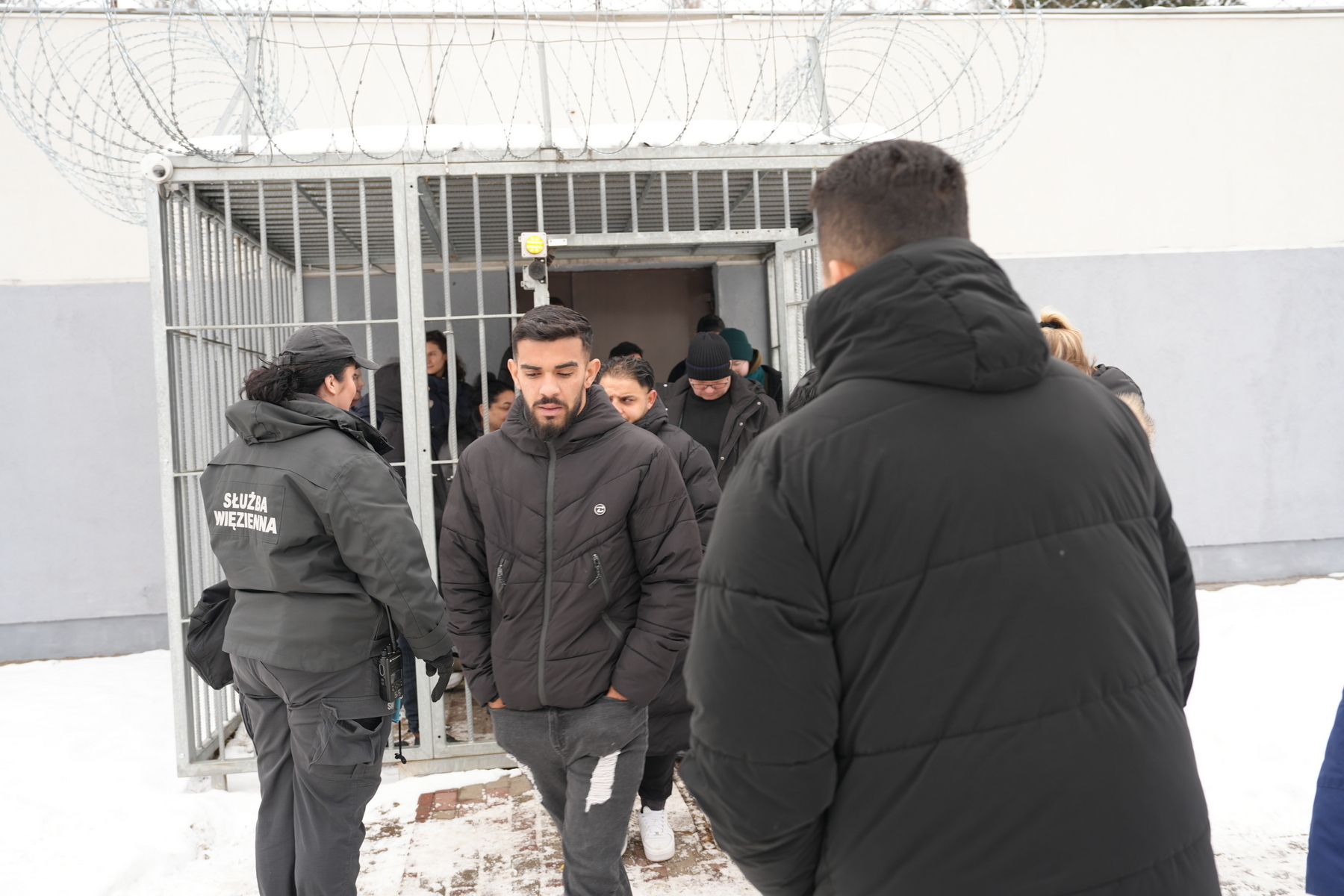
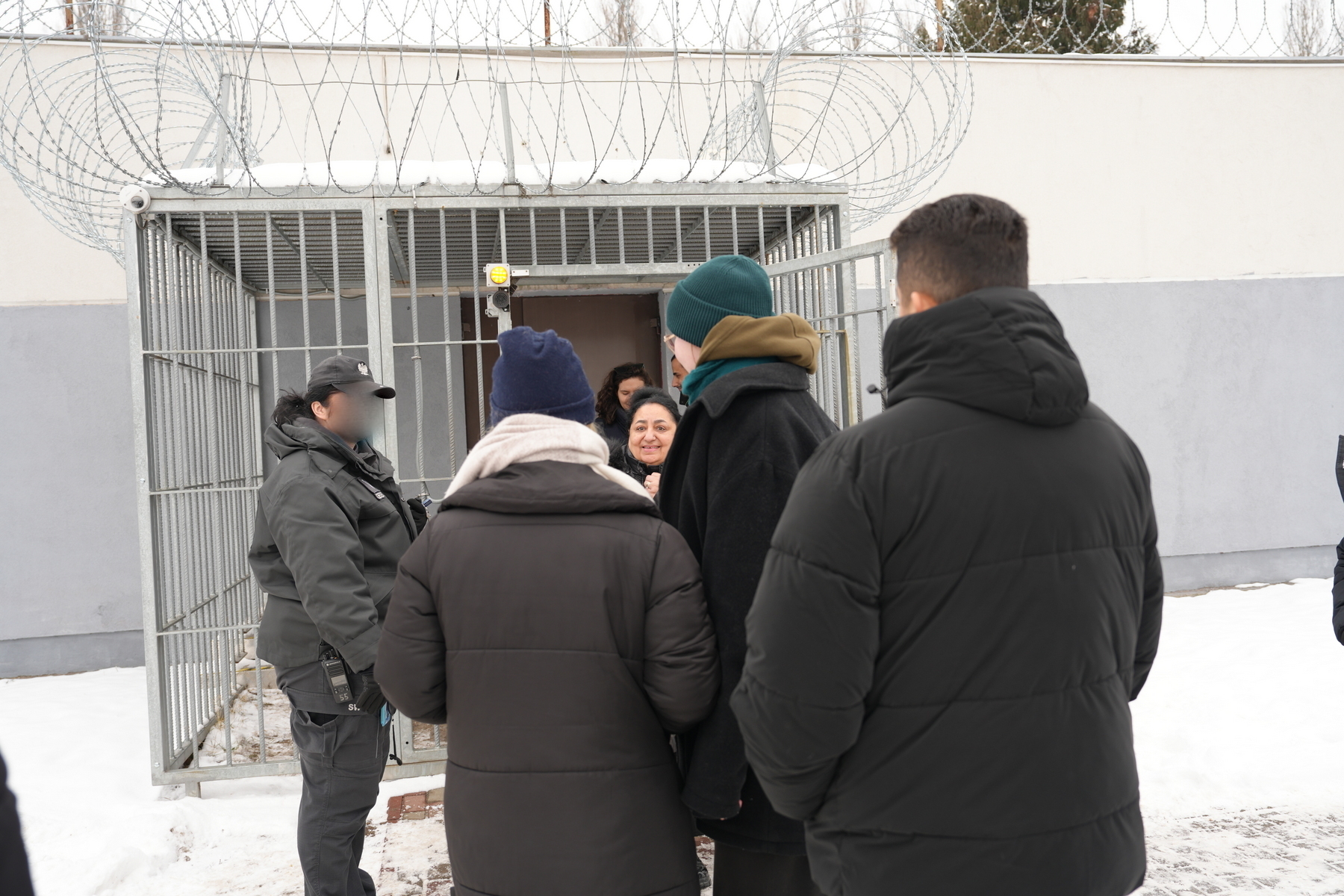
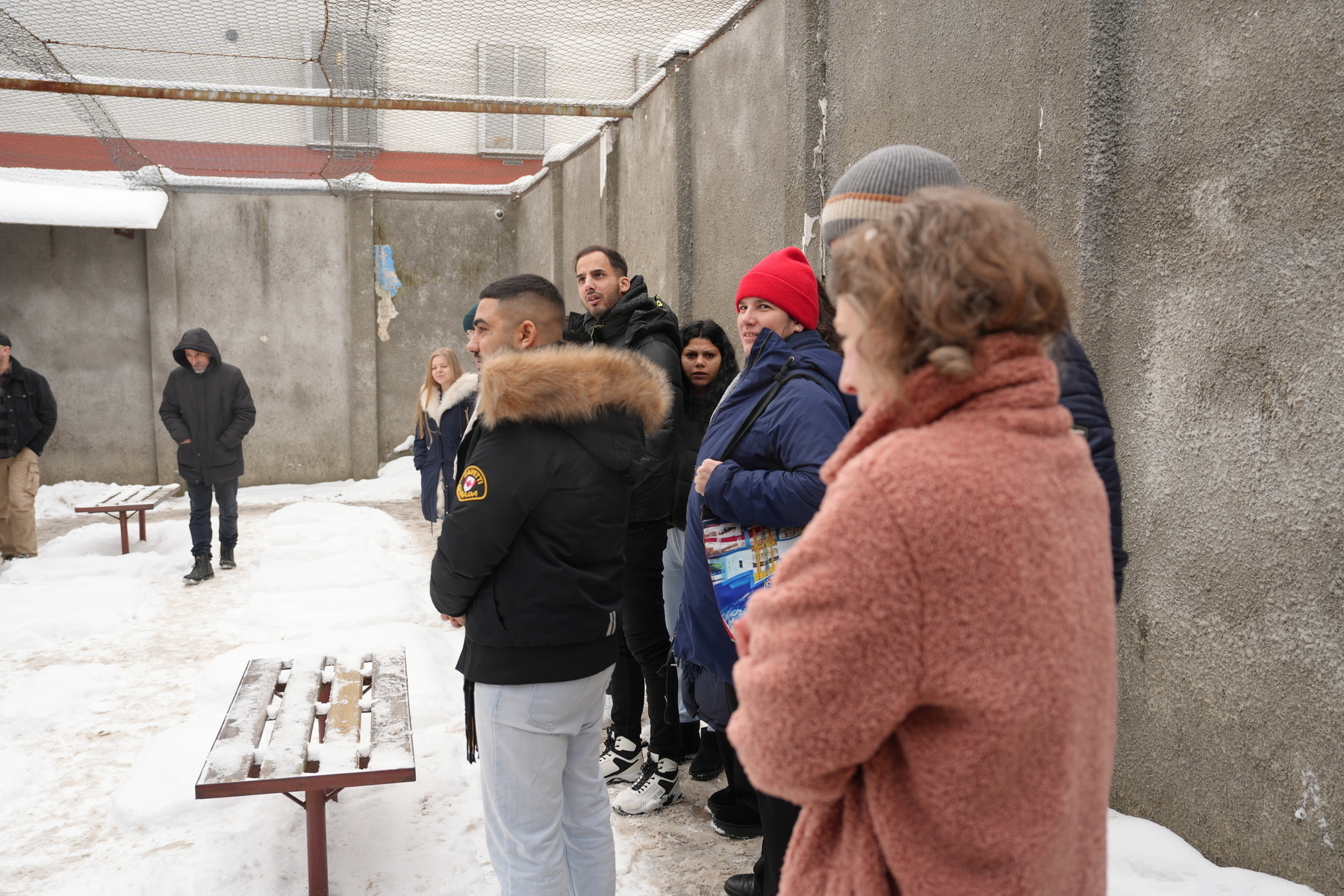
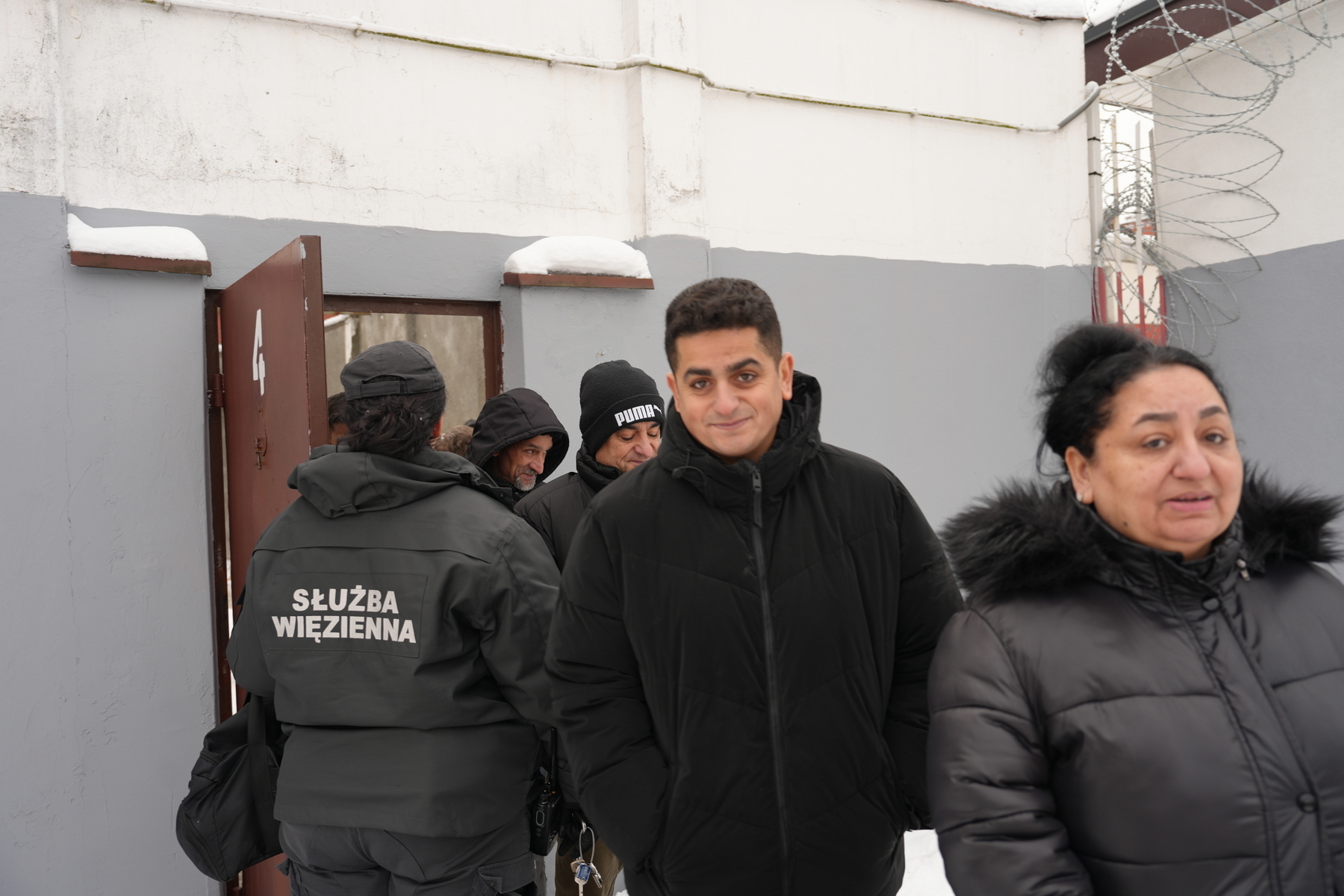
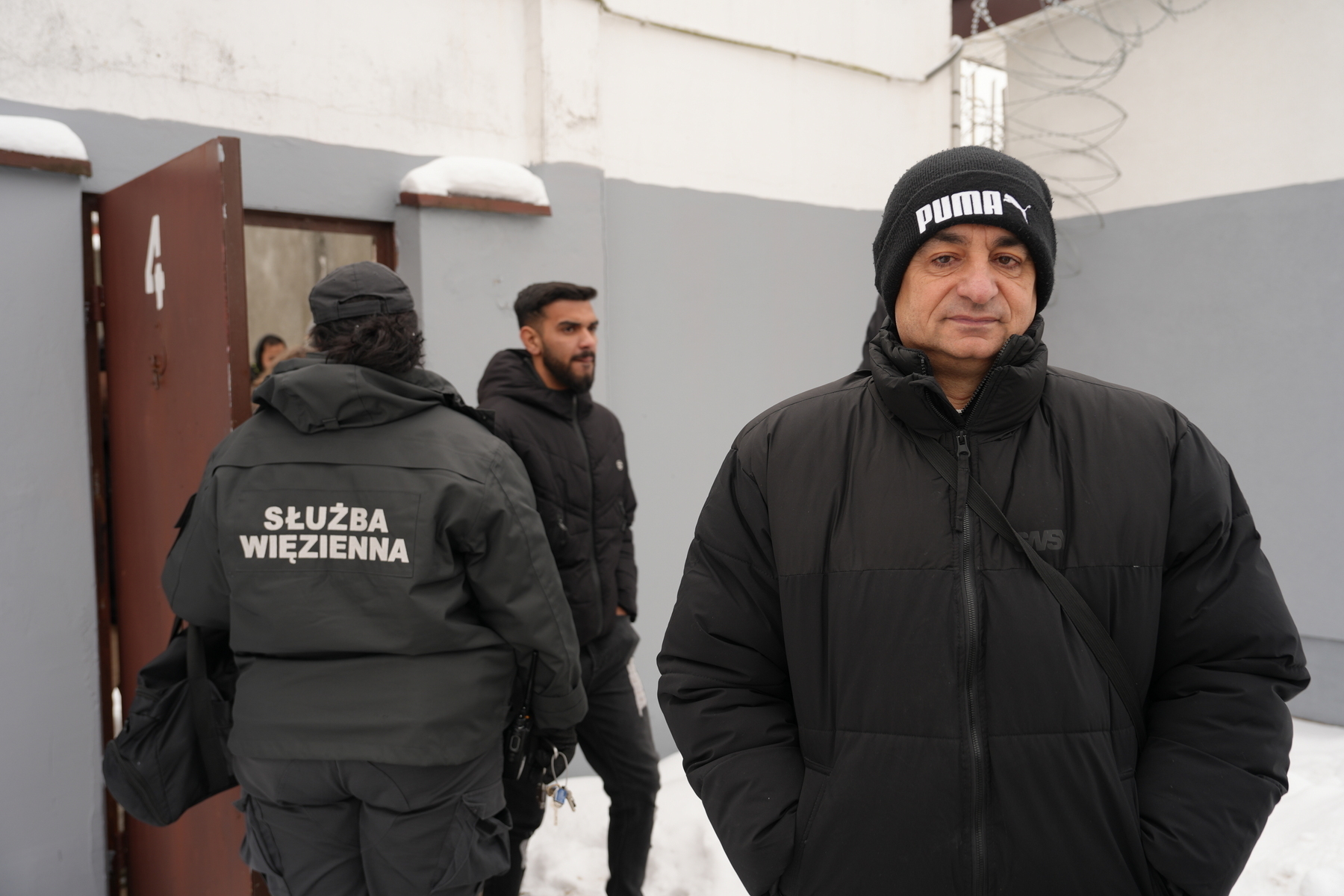
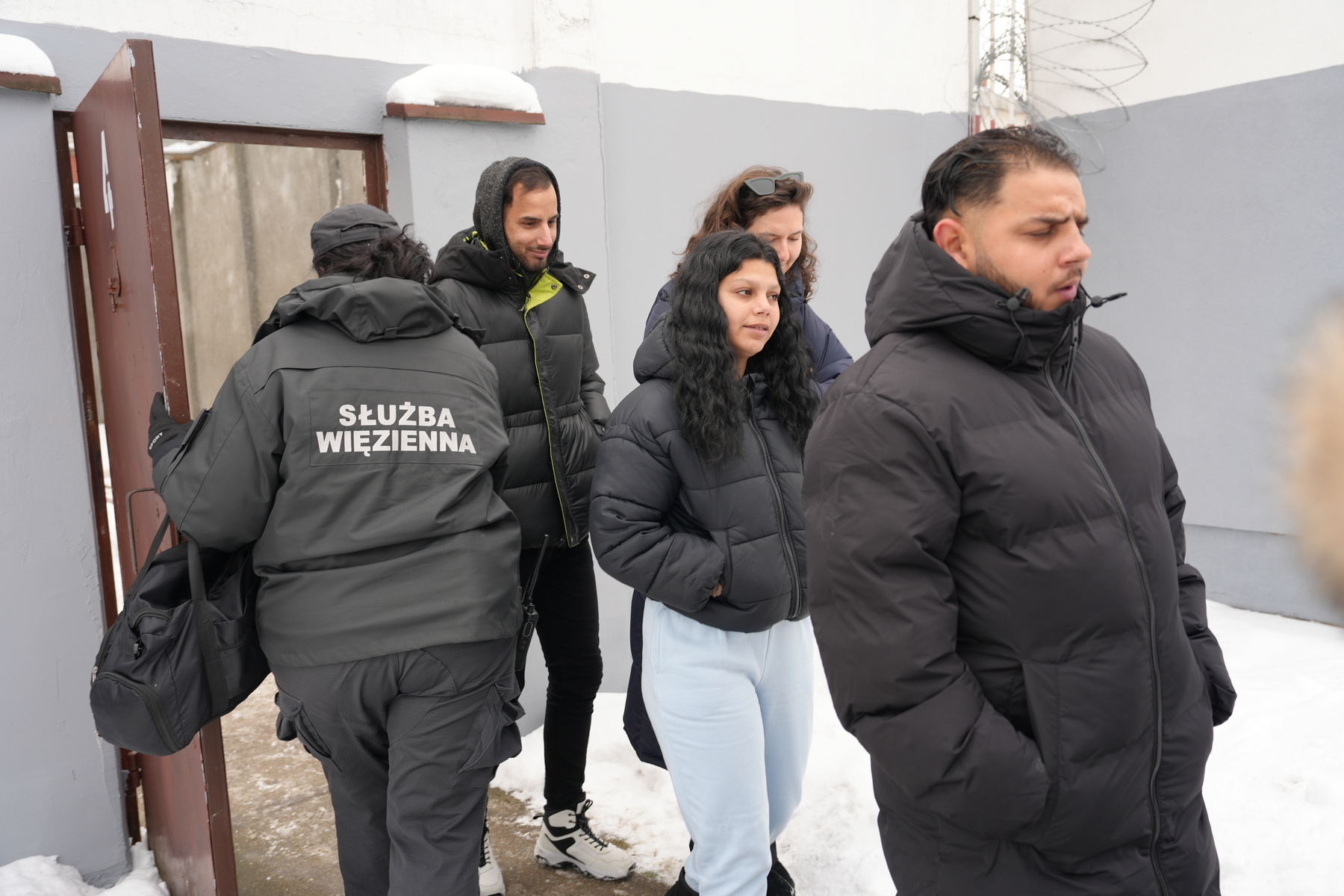
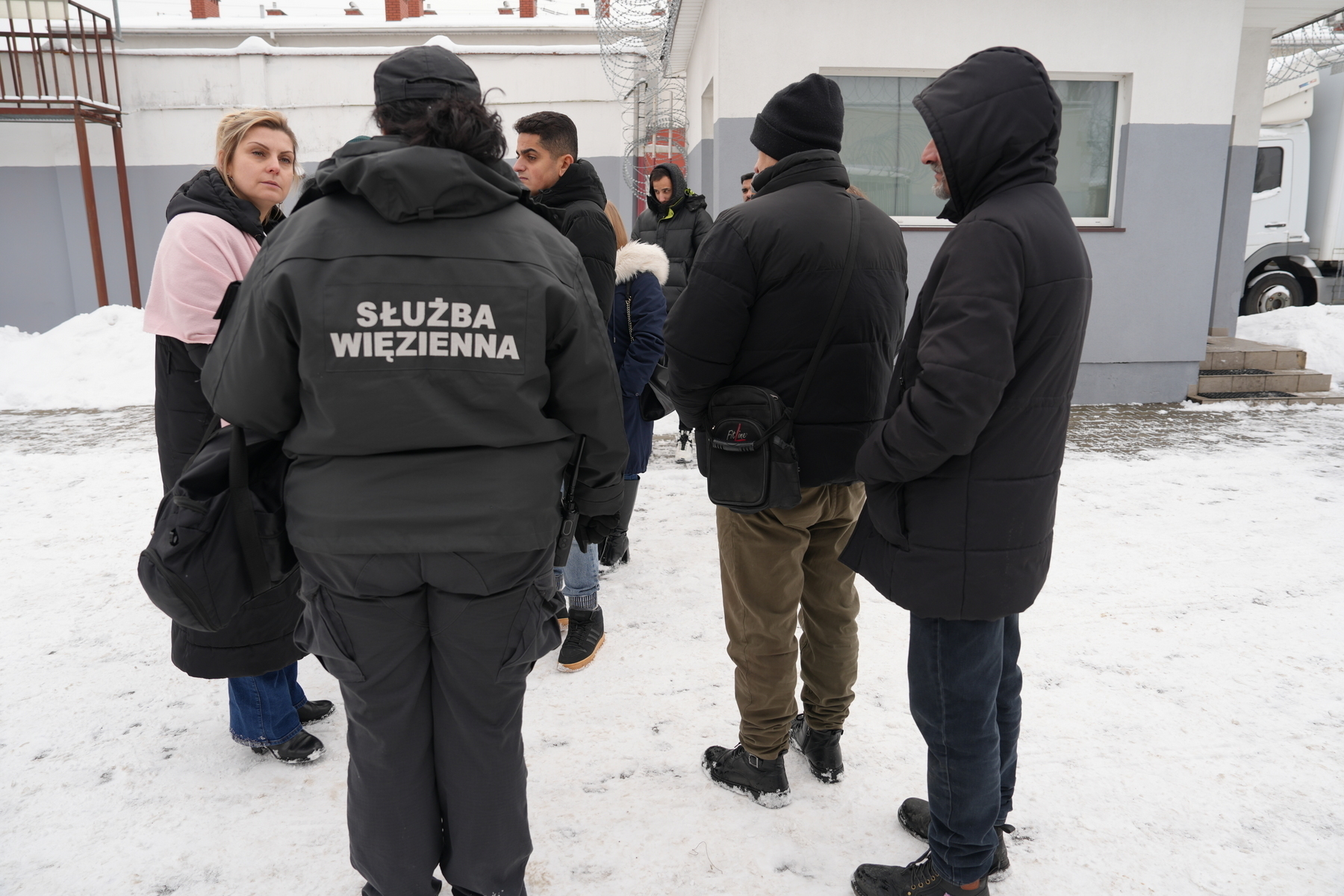
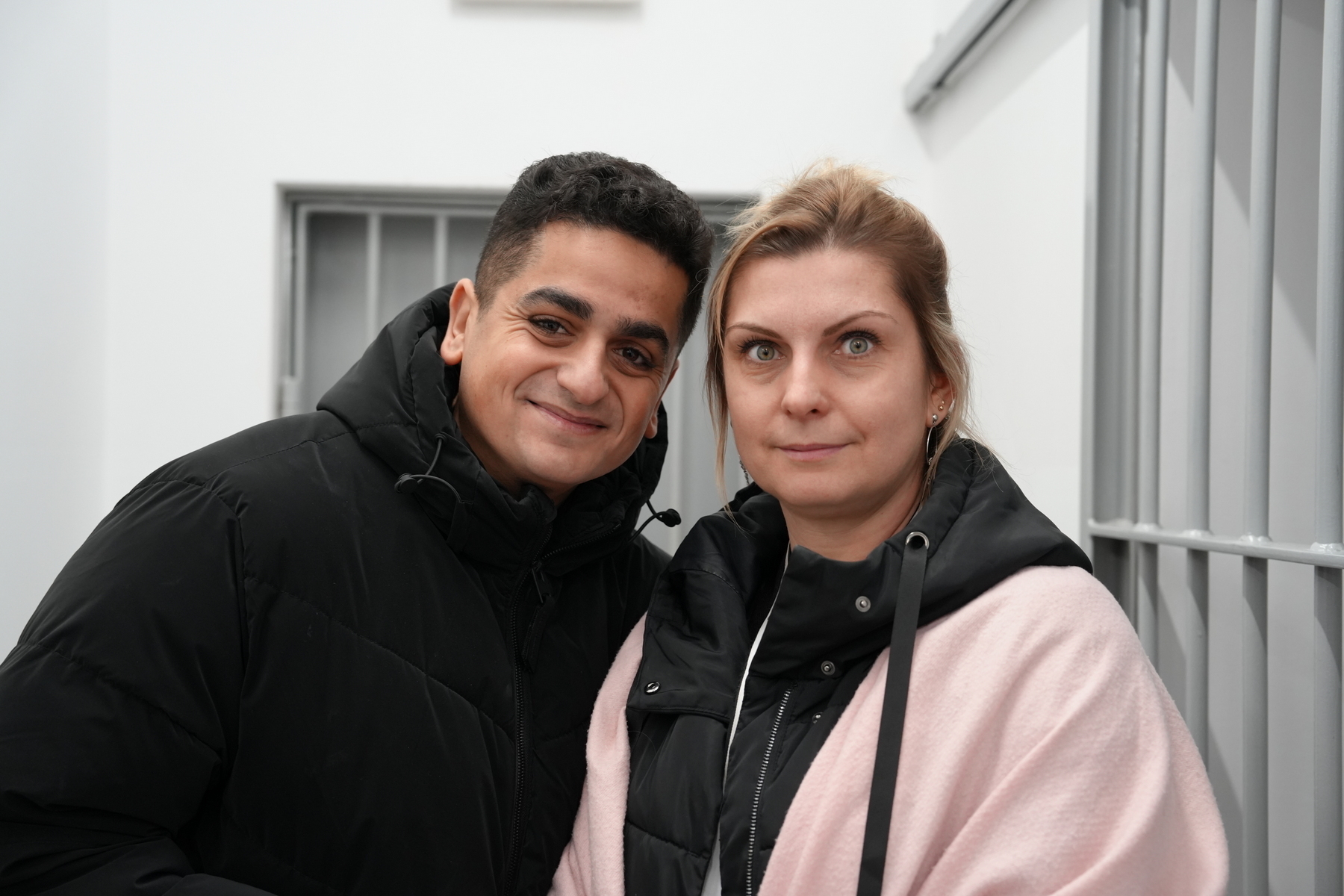
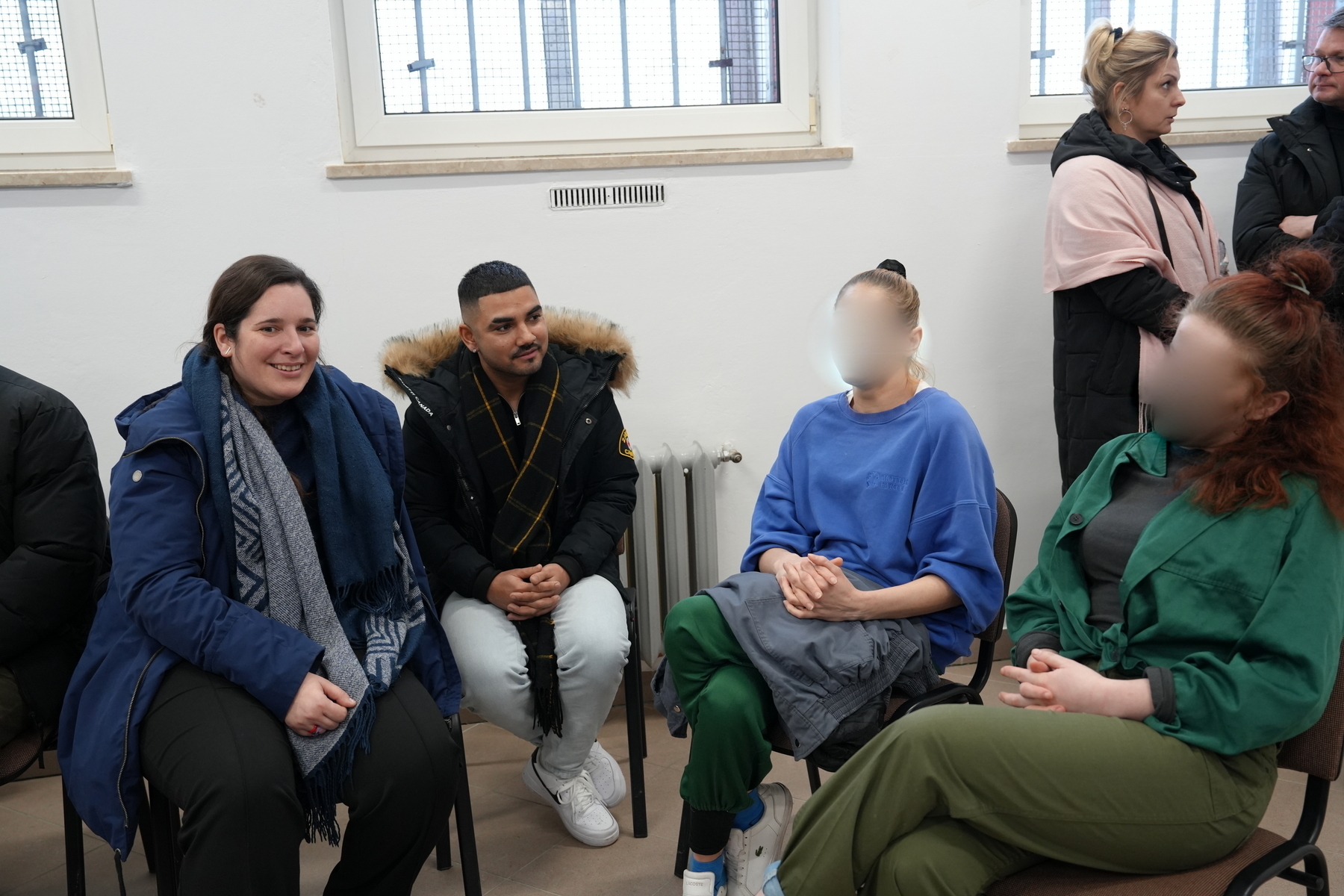
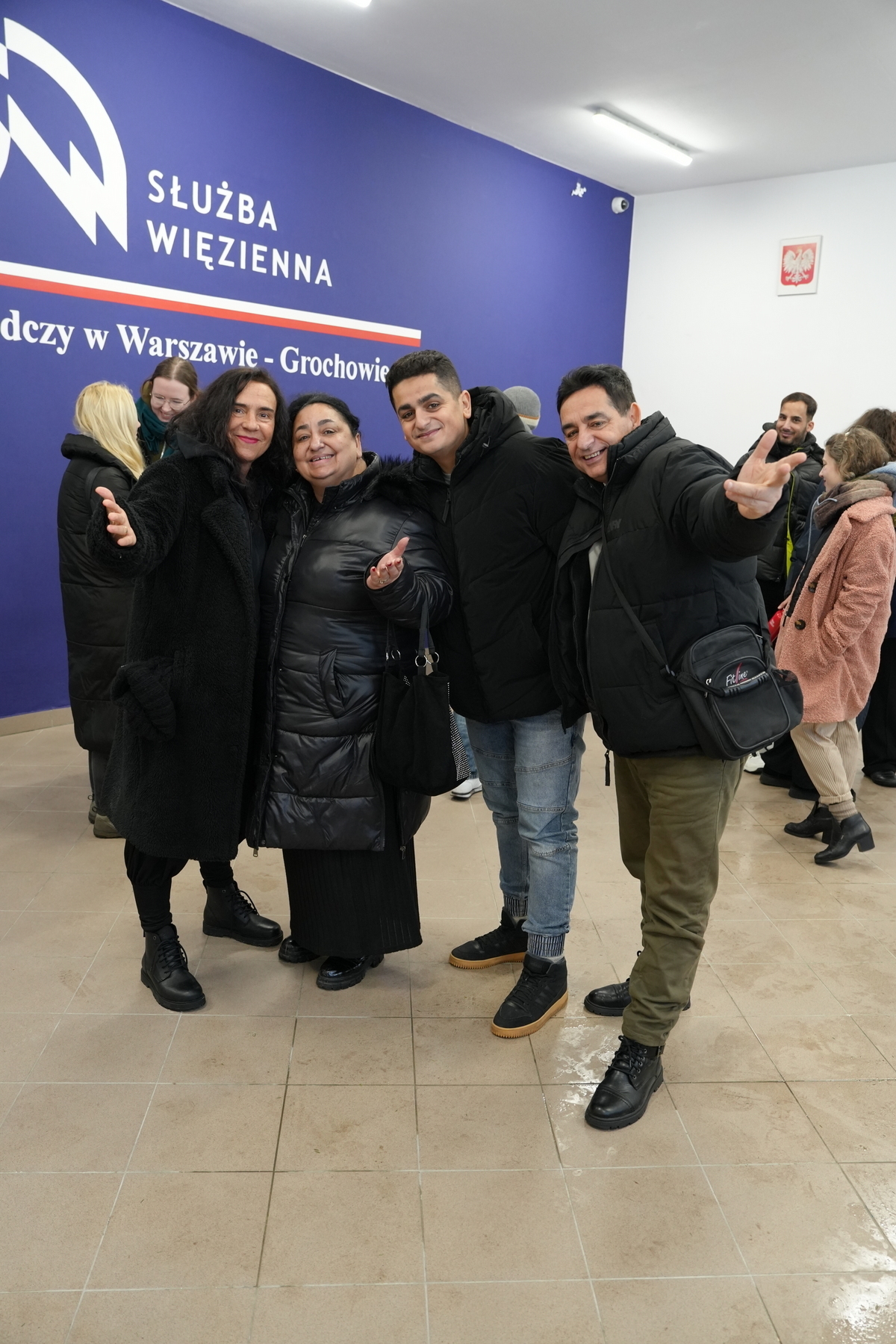
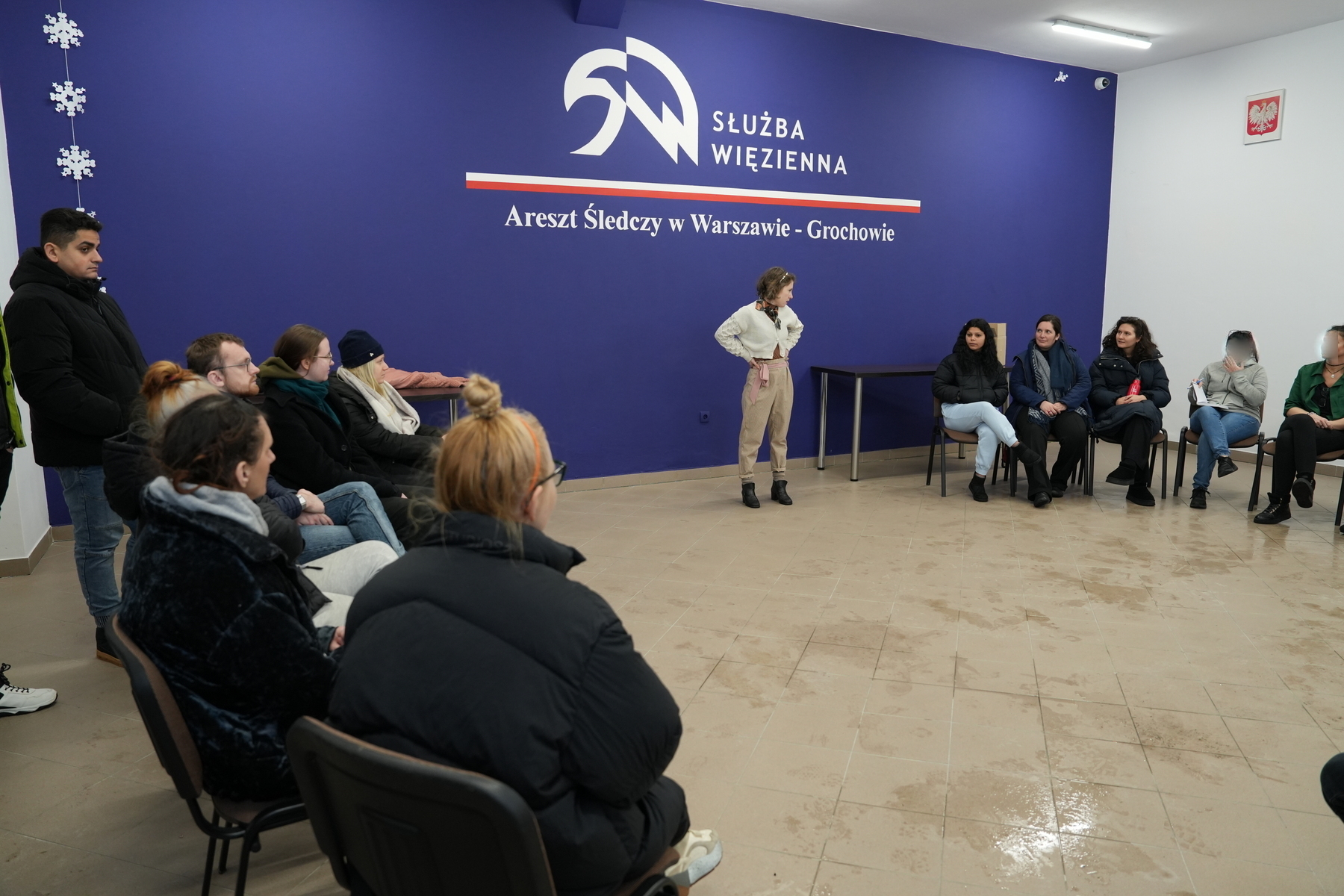
The second day took the form of an intensive study visit and was one of the strongest points of the programme. The morning was spent at the Warsaw-Grochów Remand Prison, where participants became familiar with the realities of educational work in a penitentiary institution and took part in communication workshops. The sessions highlighted how crucial creativity, attentiveness, openness to others, and the willingness to devote time and attention are in working with young people.

The study visit was led by Staff Sergeant Iga Kuśmierek, a cultural and educational officer at the Warsaw-Grochów Remand Prison, while the communication workshops were conducted by trainer Agata Maczkowska.

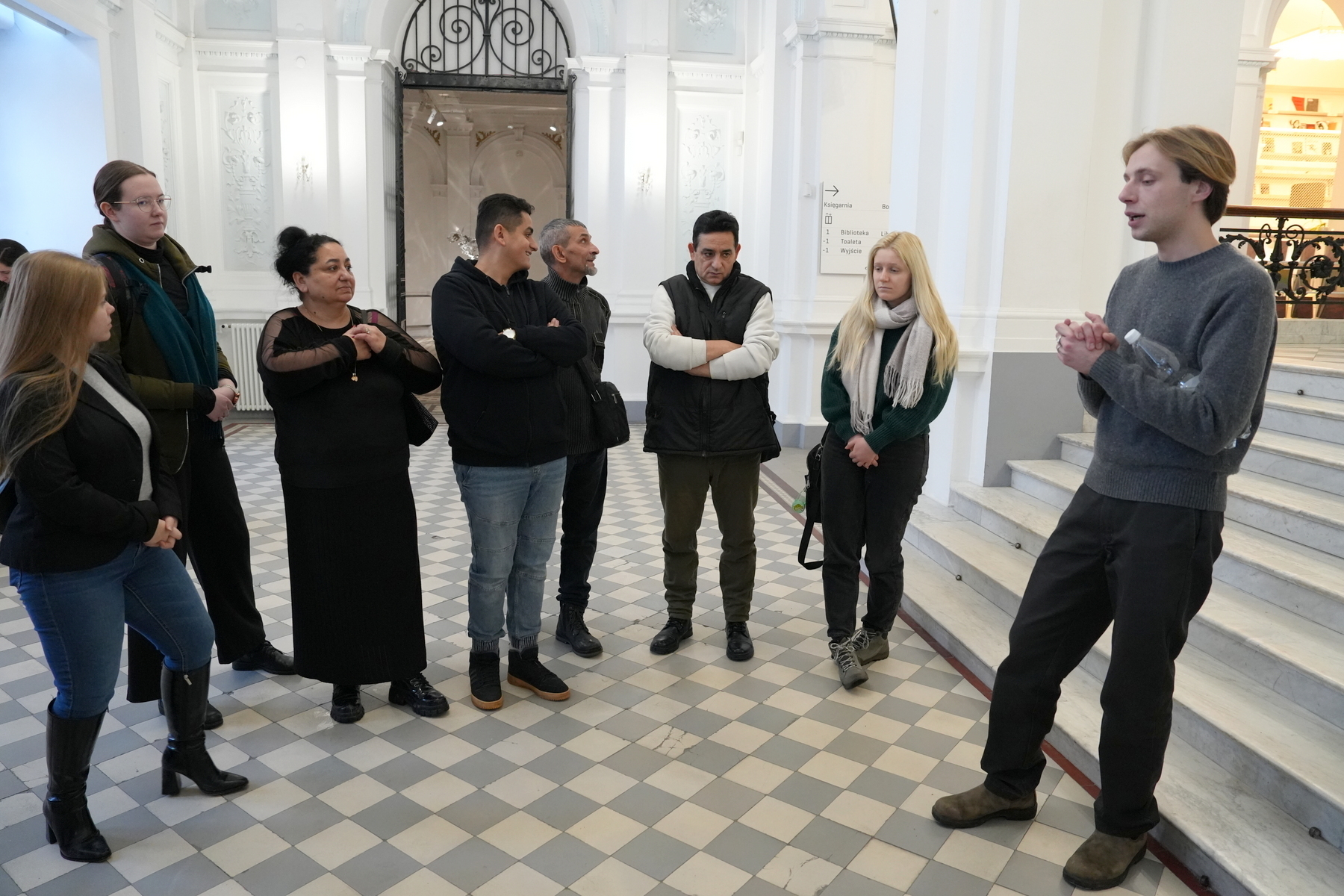
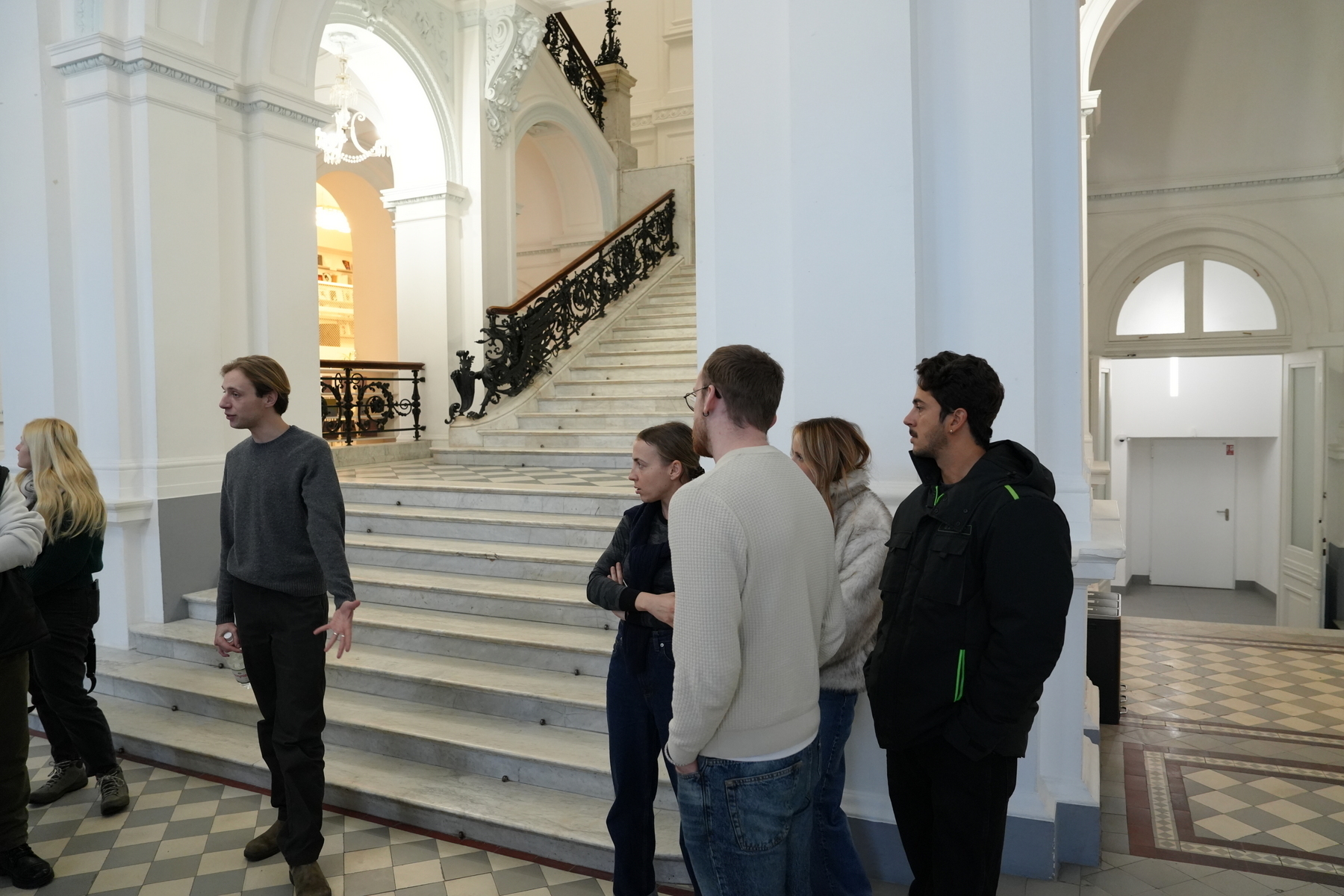
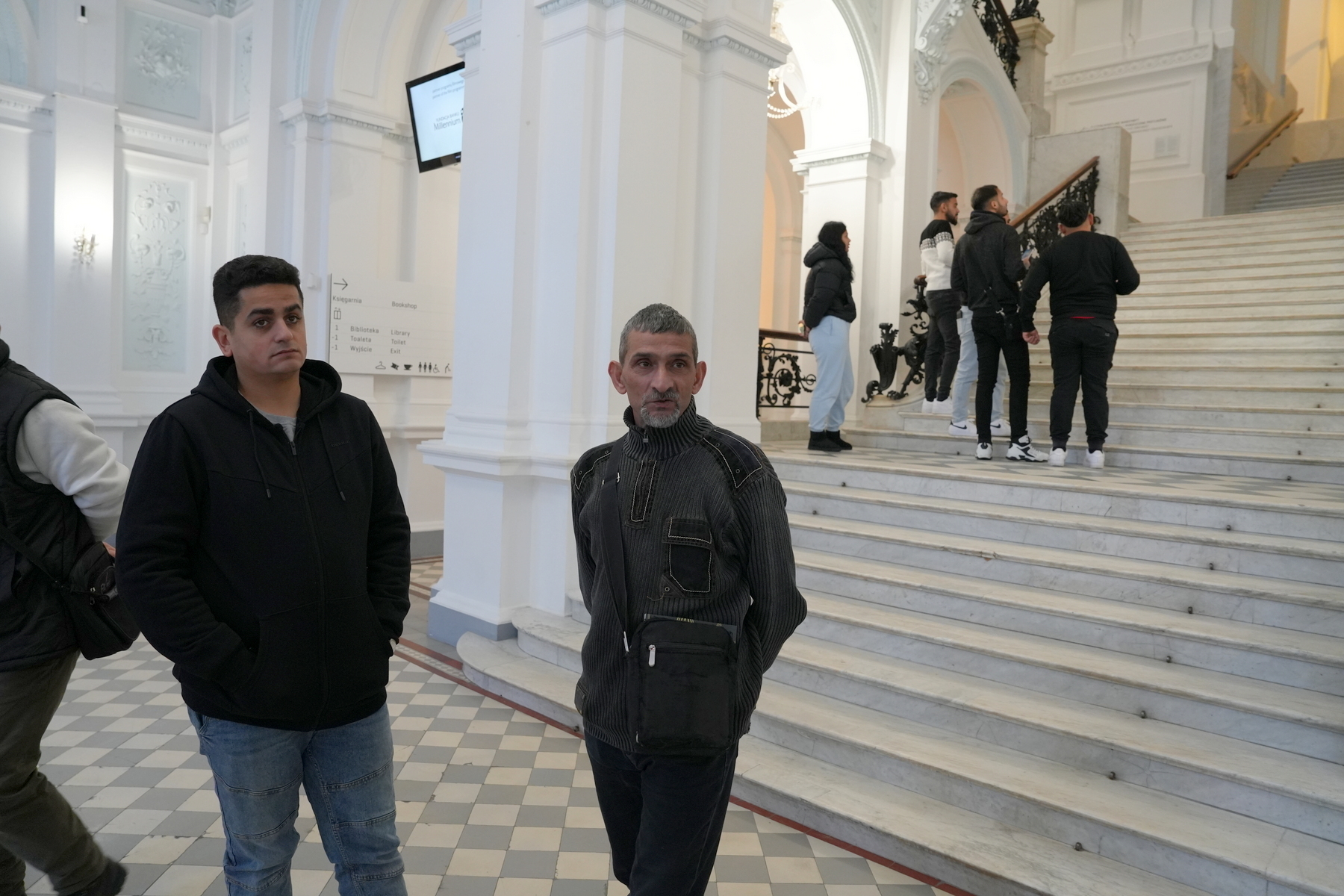
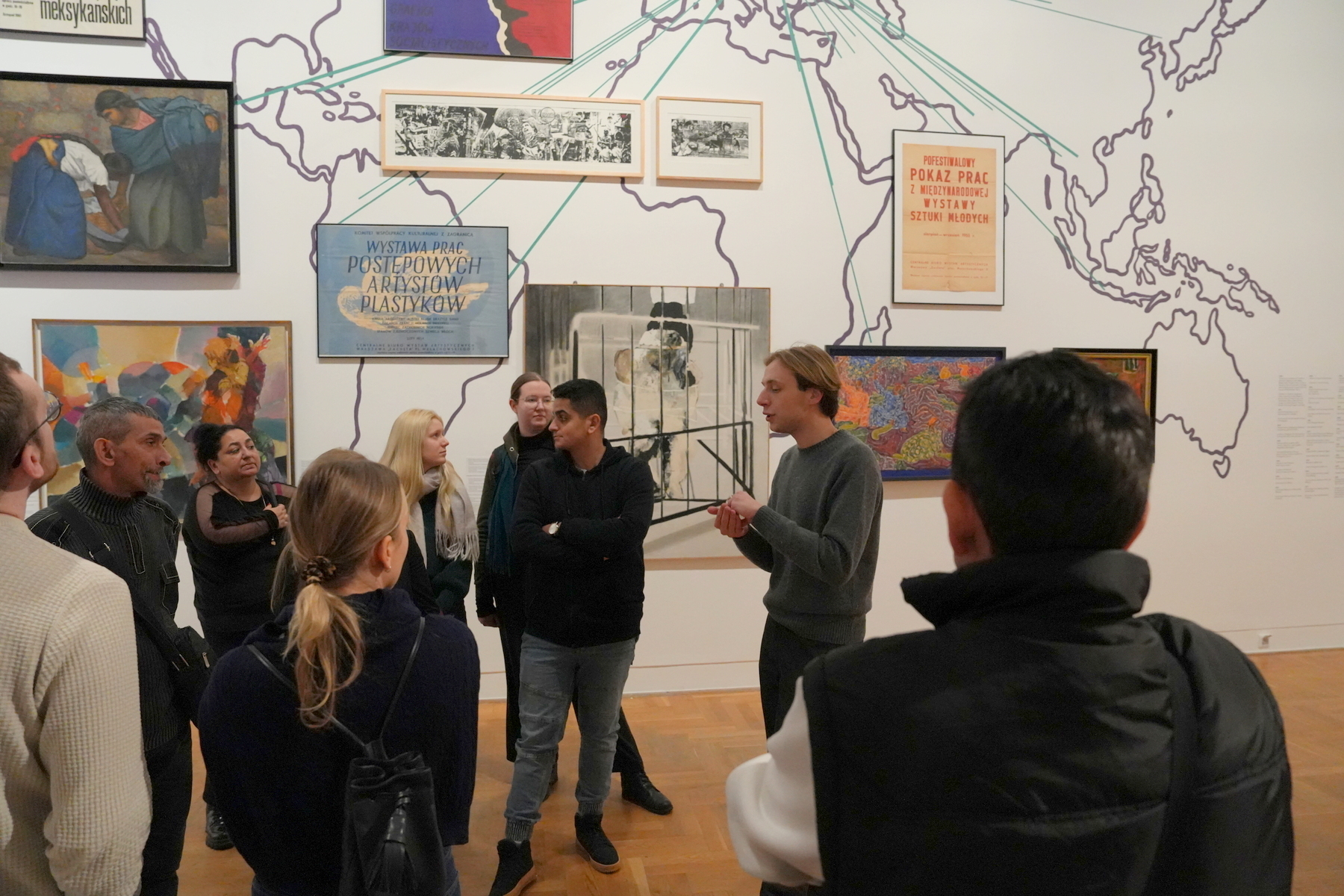
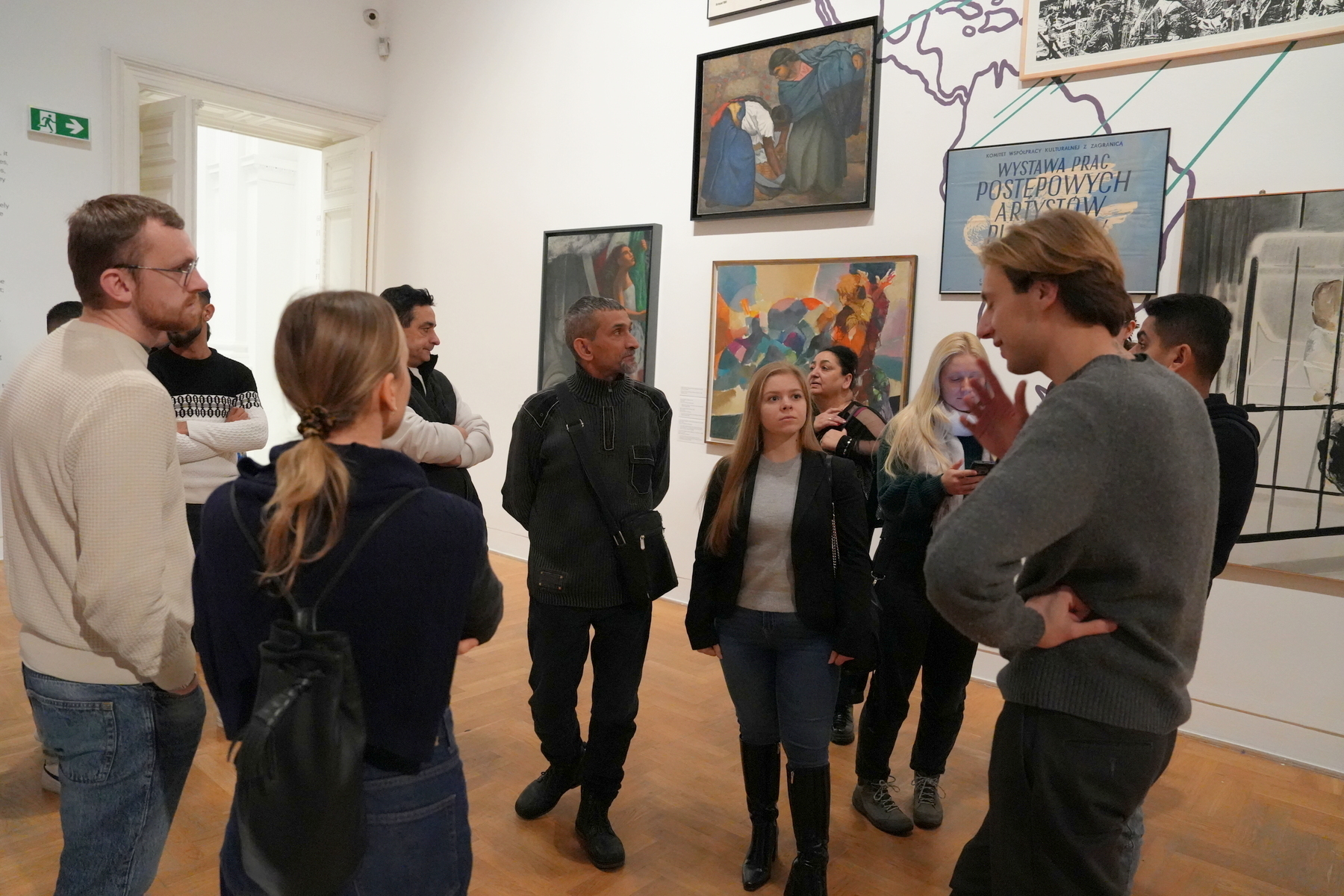
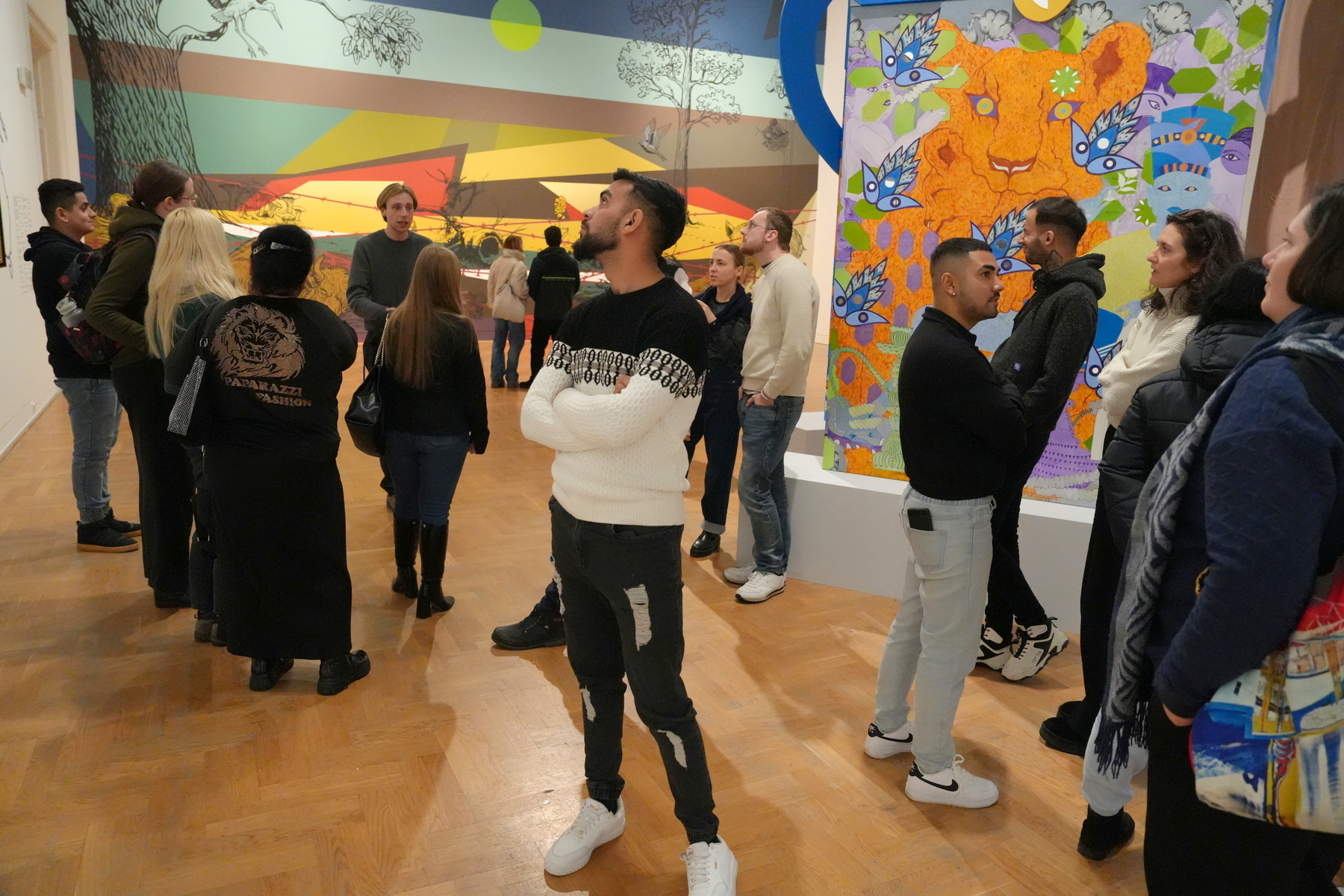
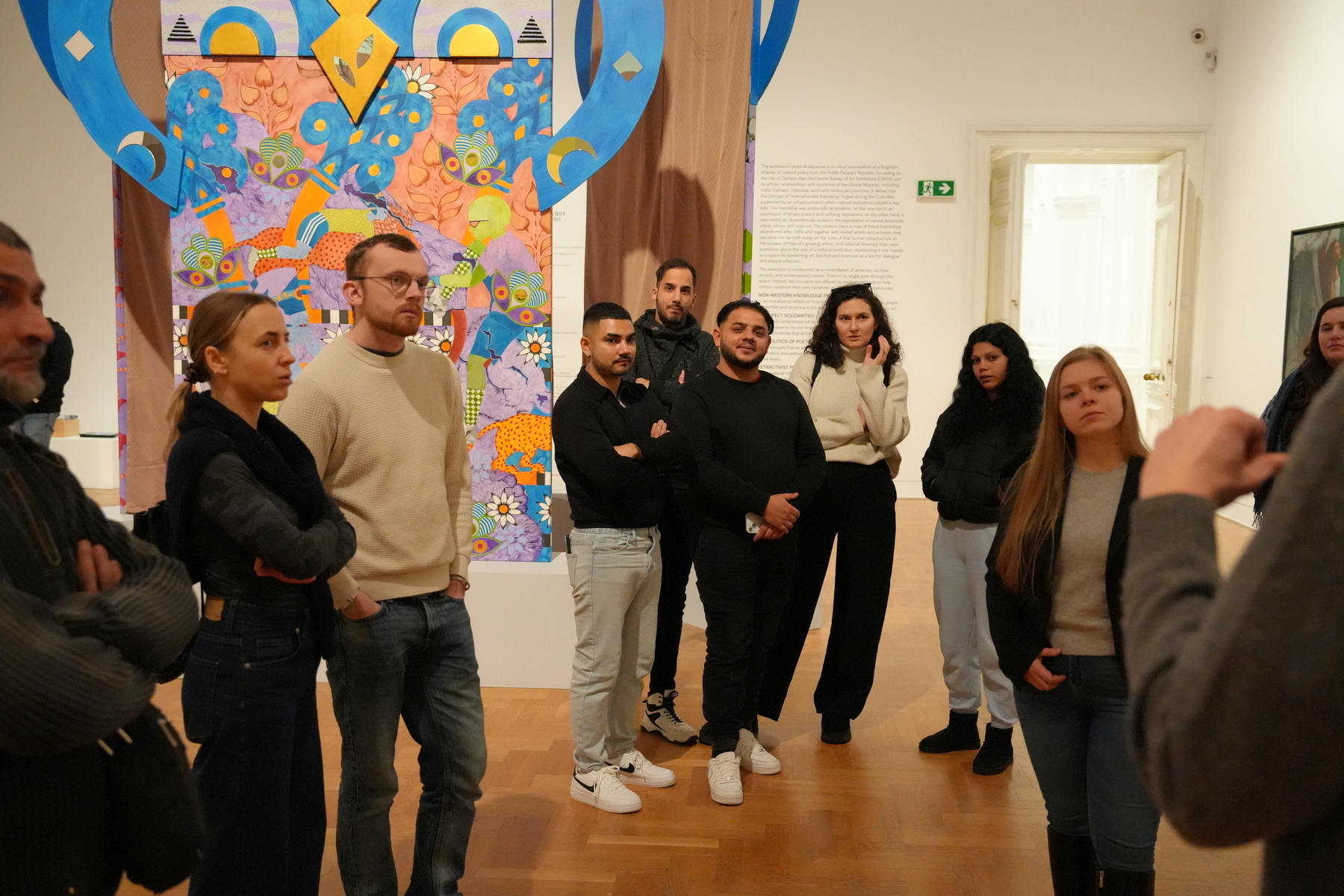
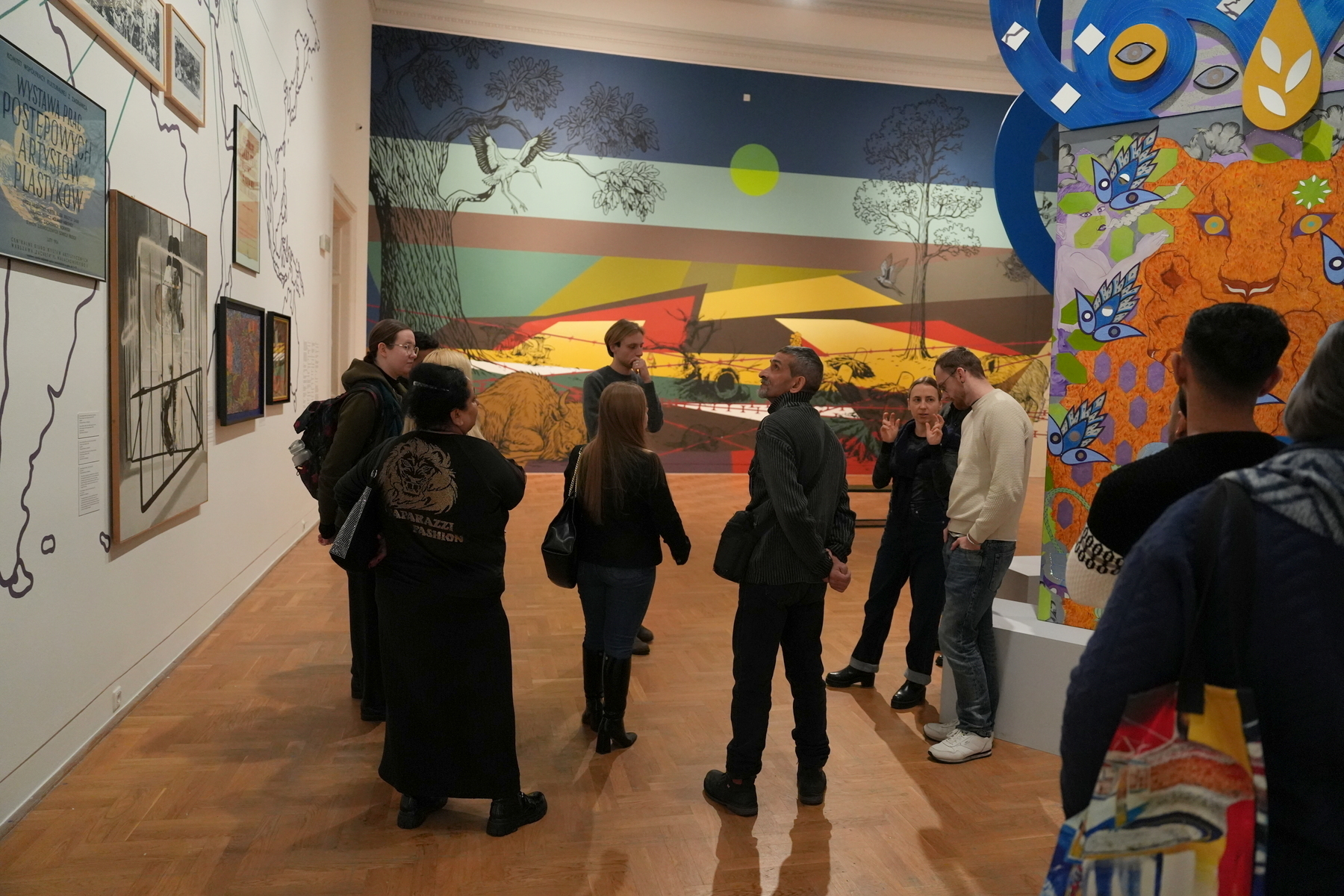
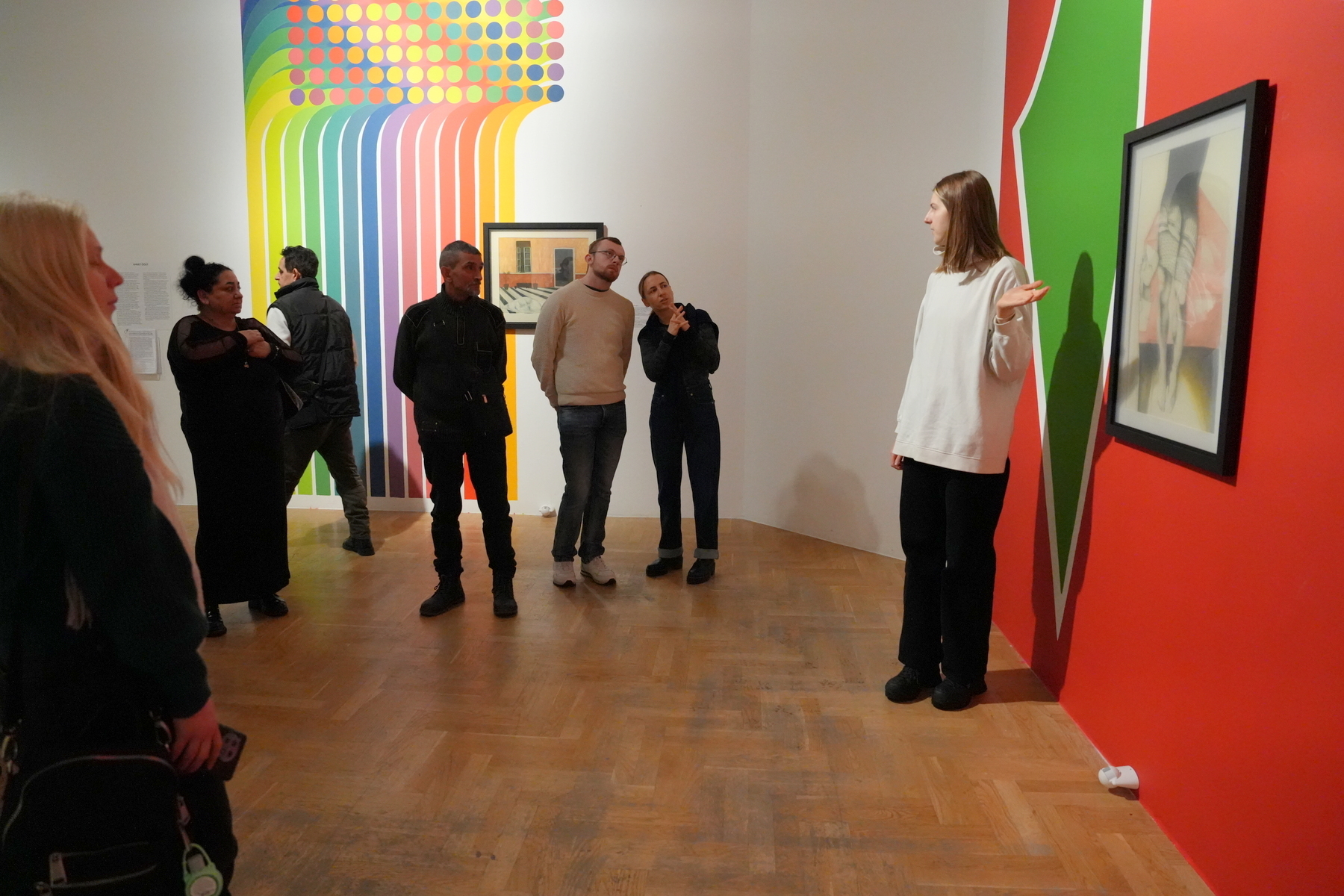
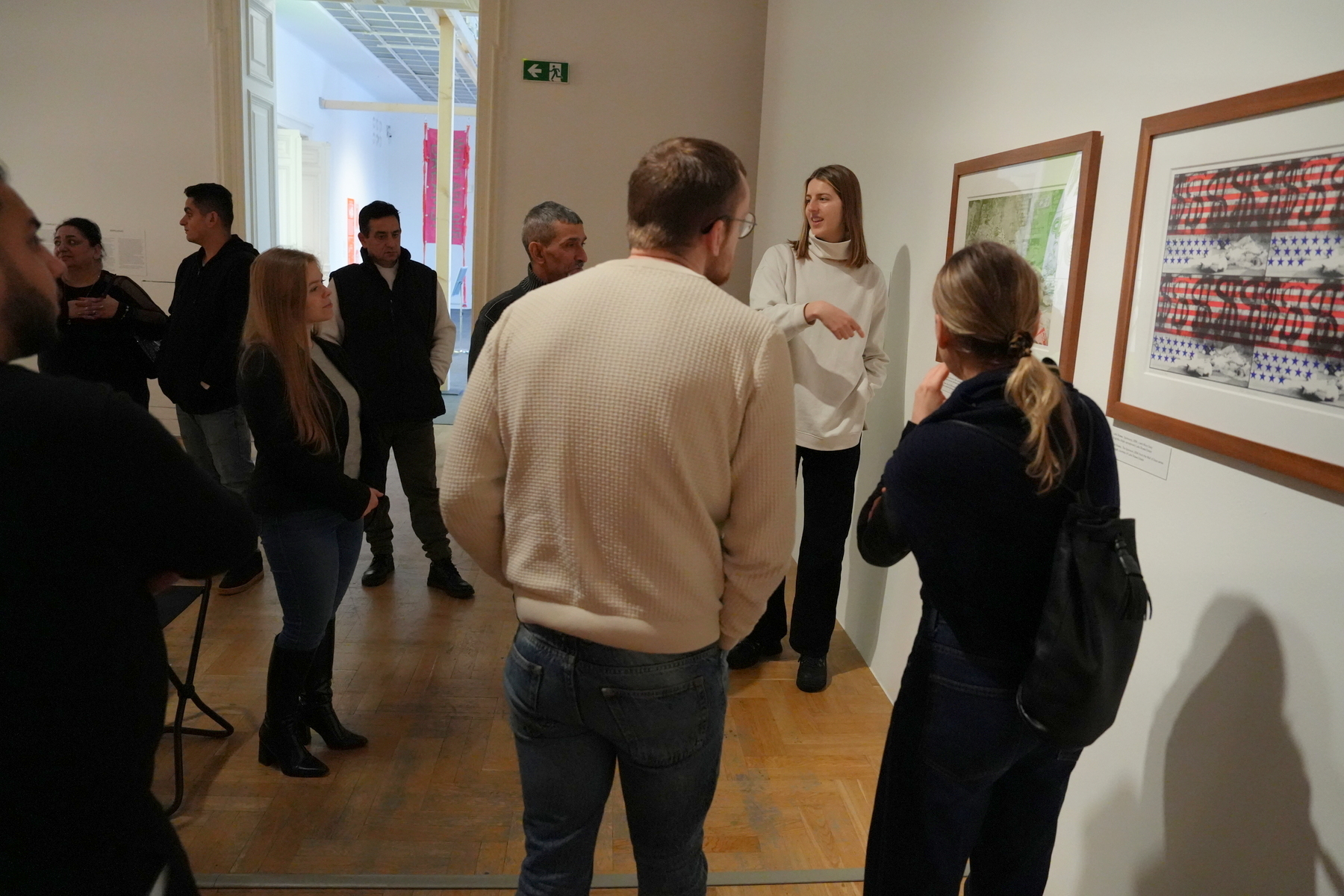
In the afternoon, the group visited Zachęta – National Gallery of Art,
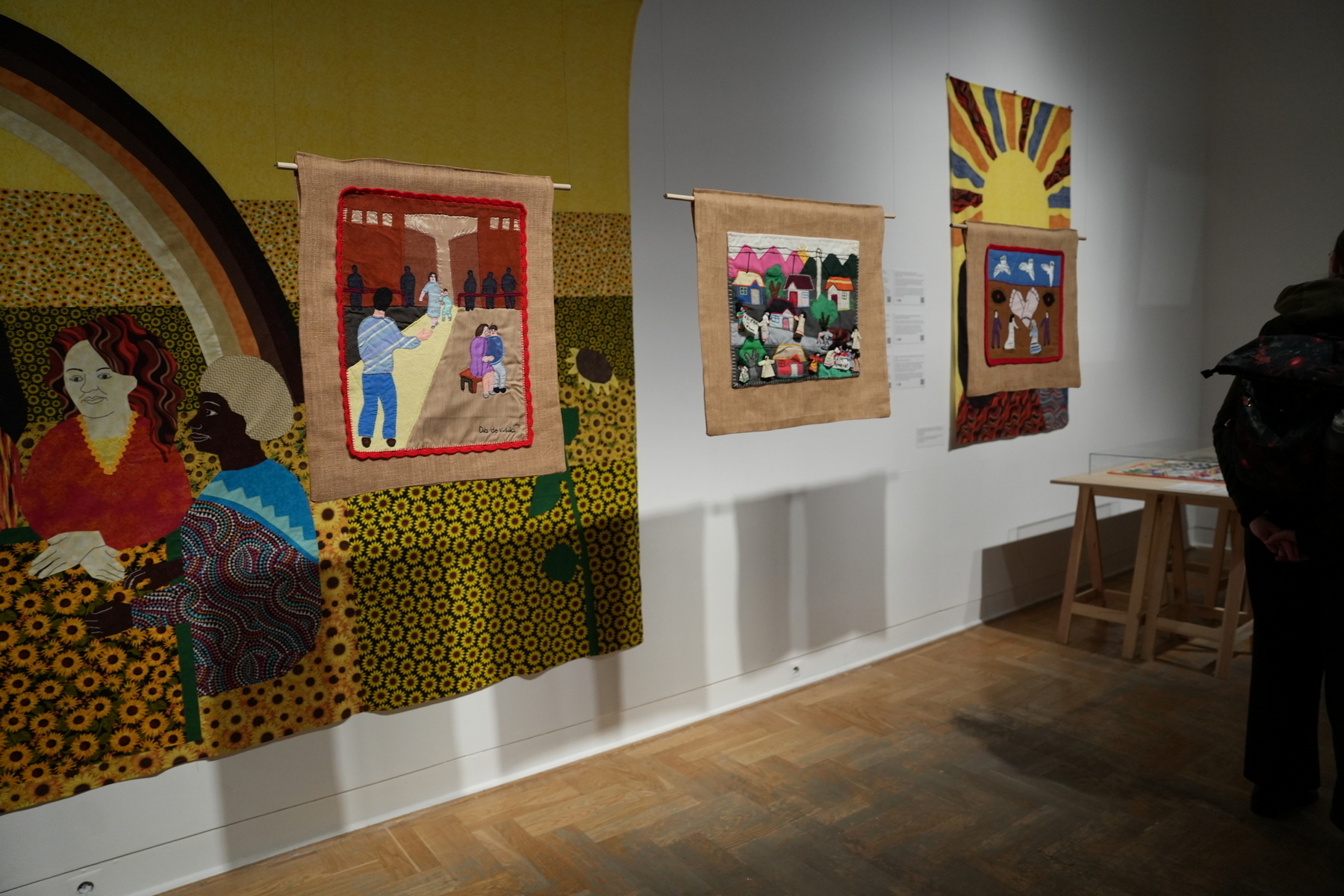
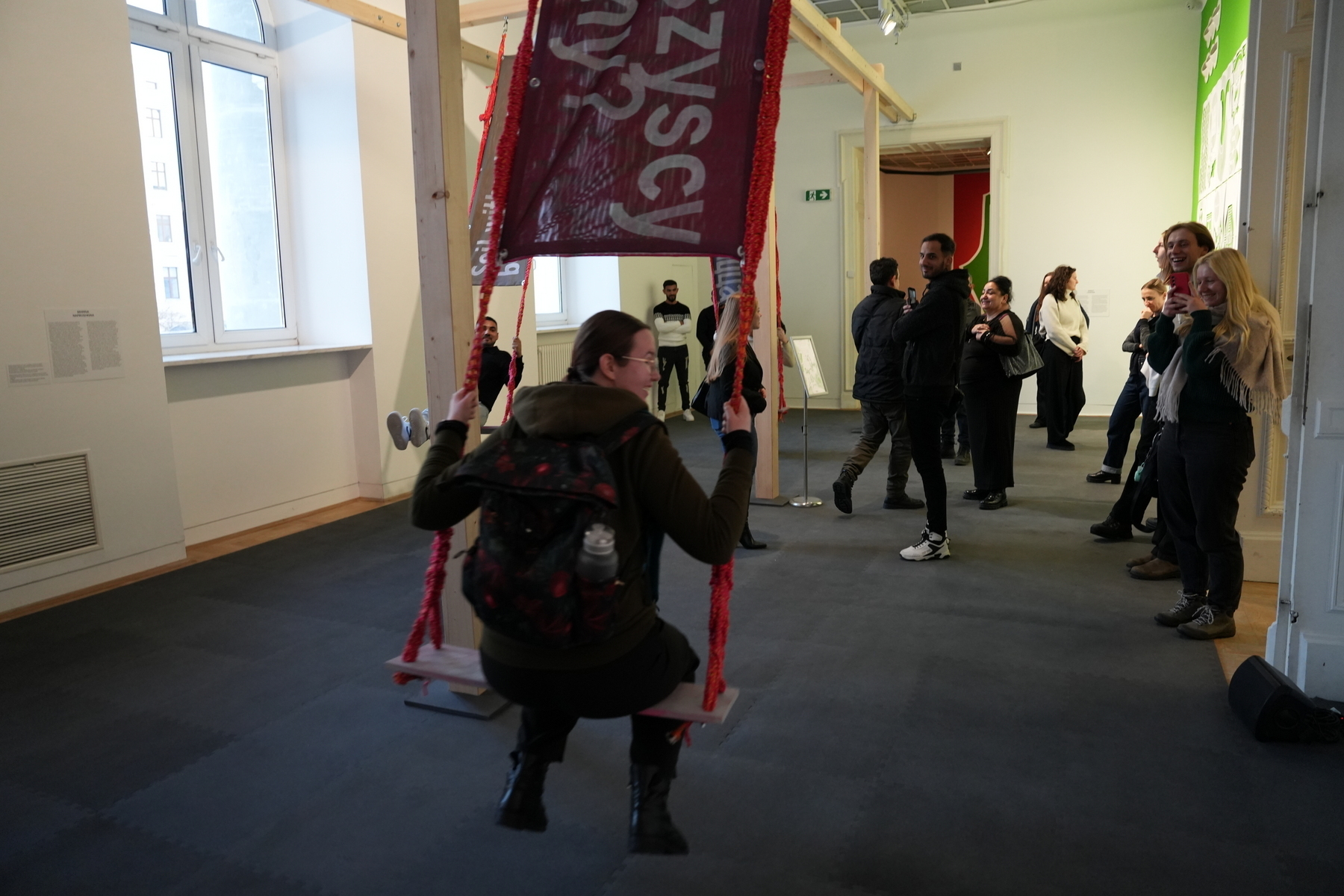
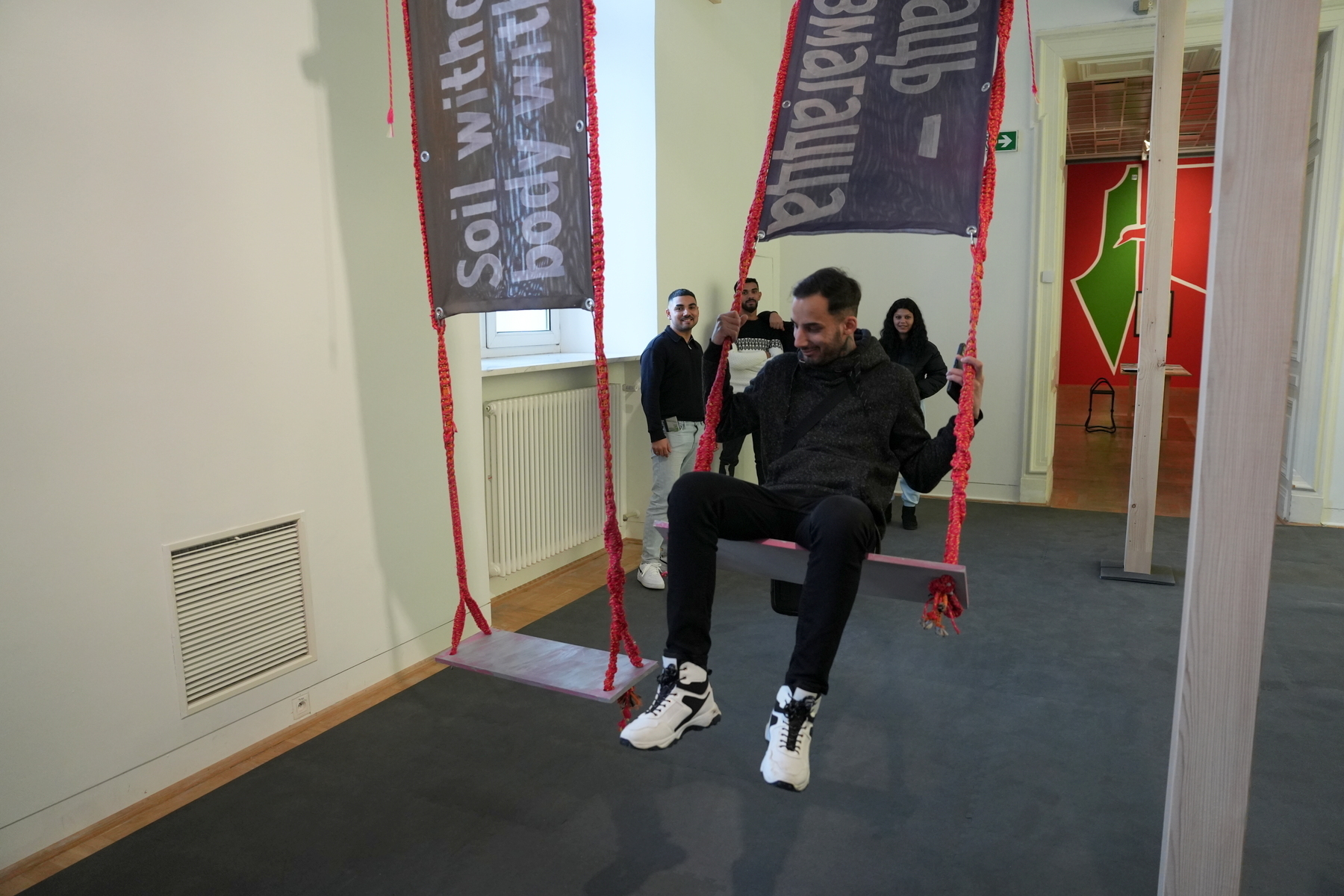
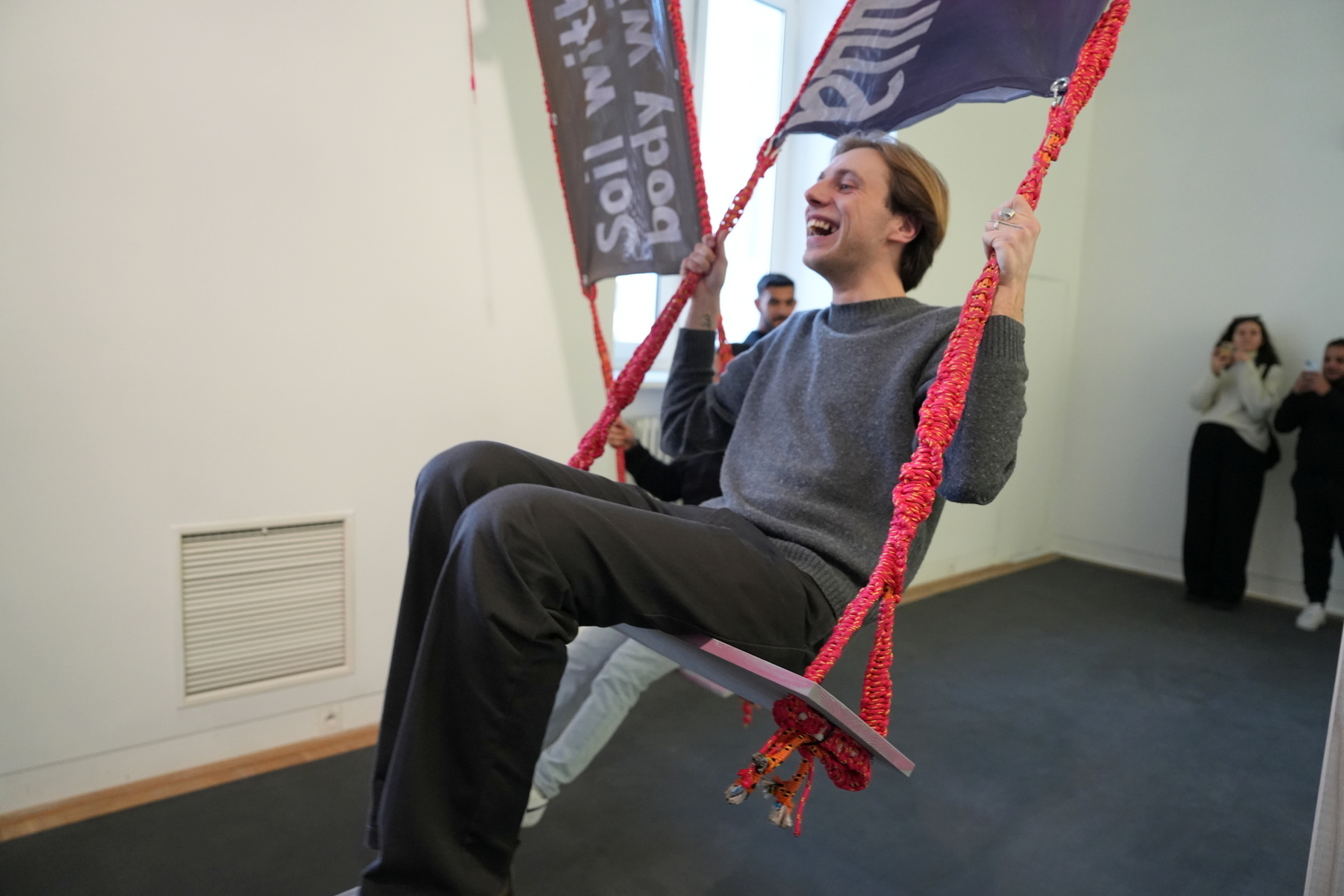
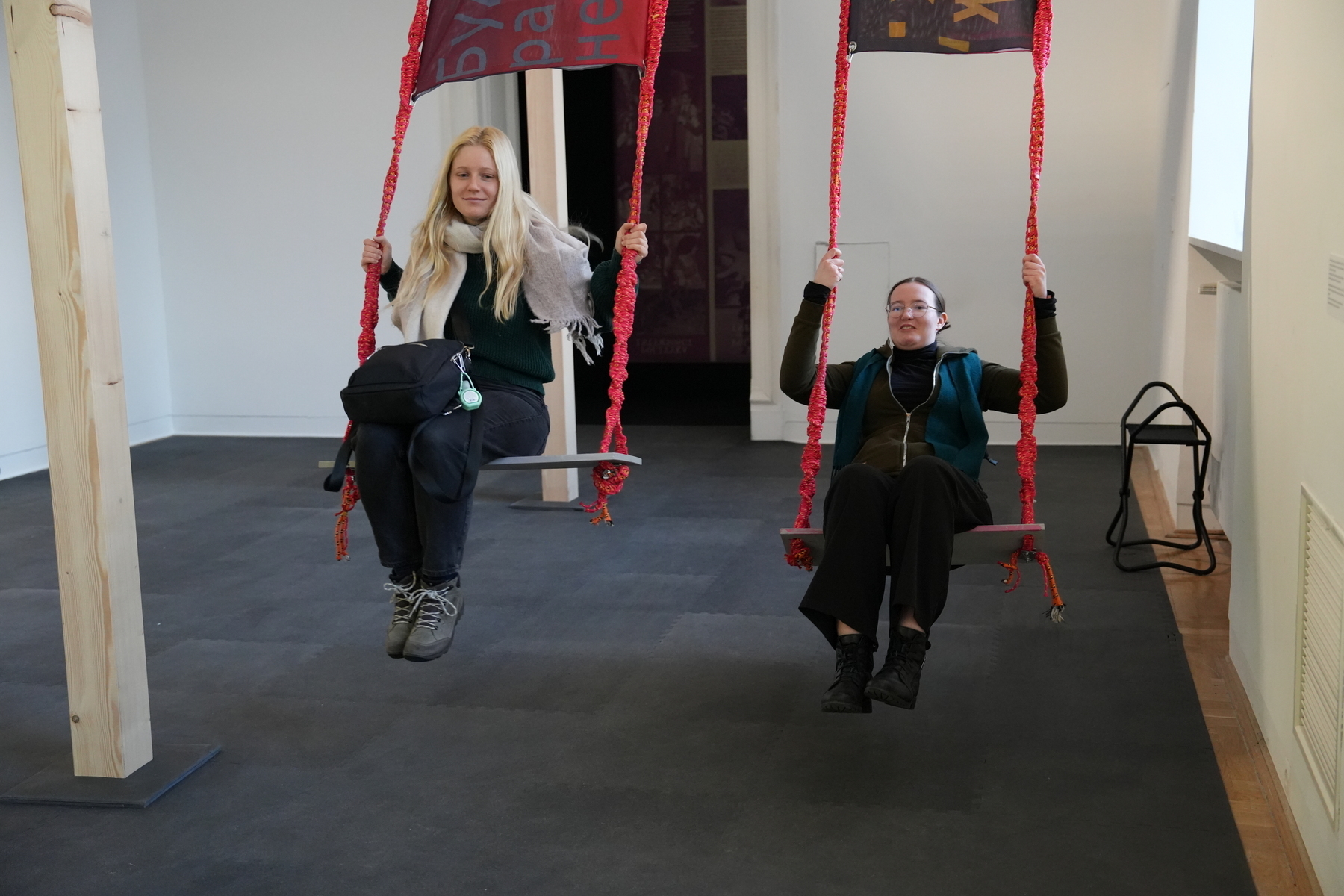
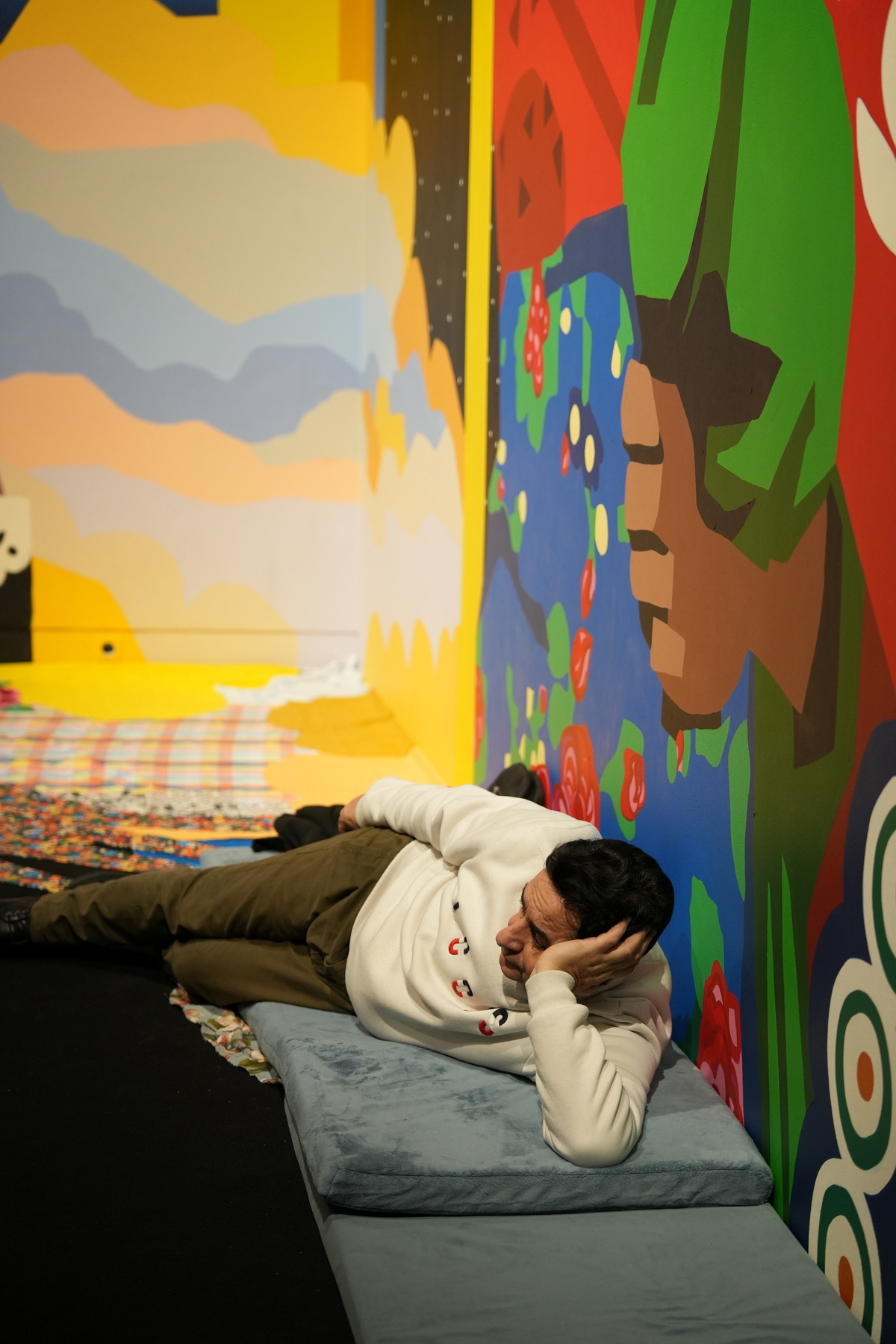
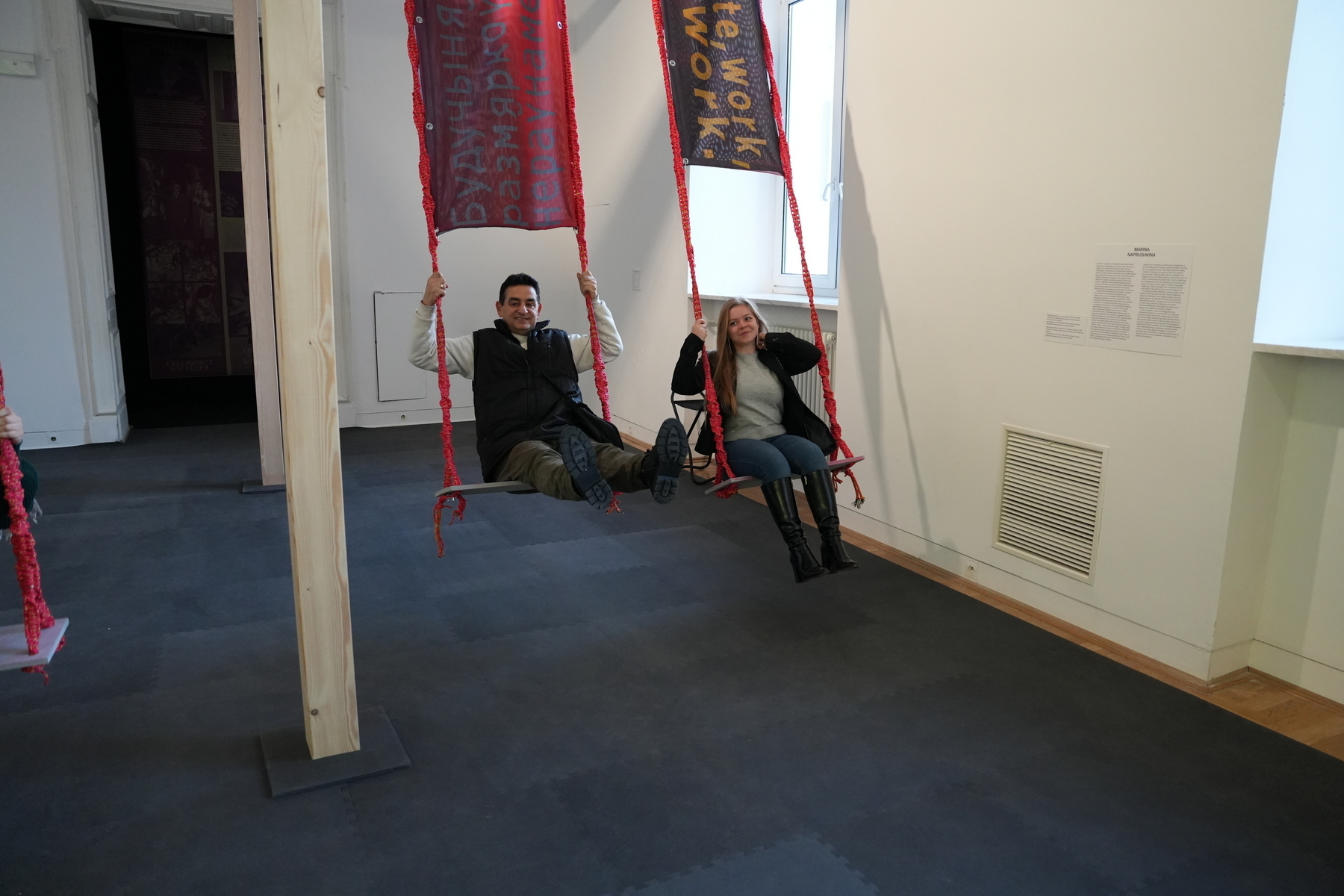
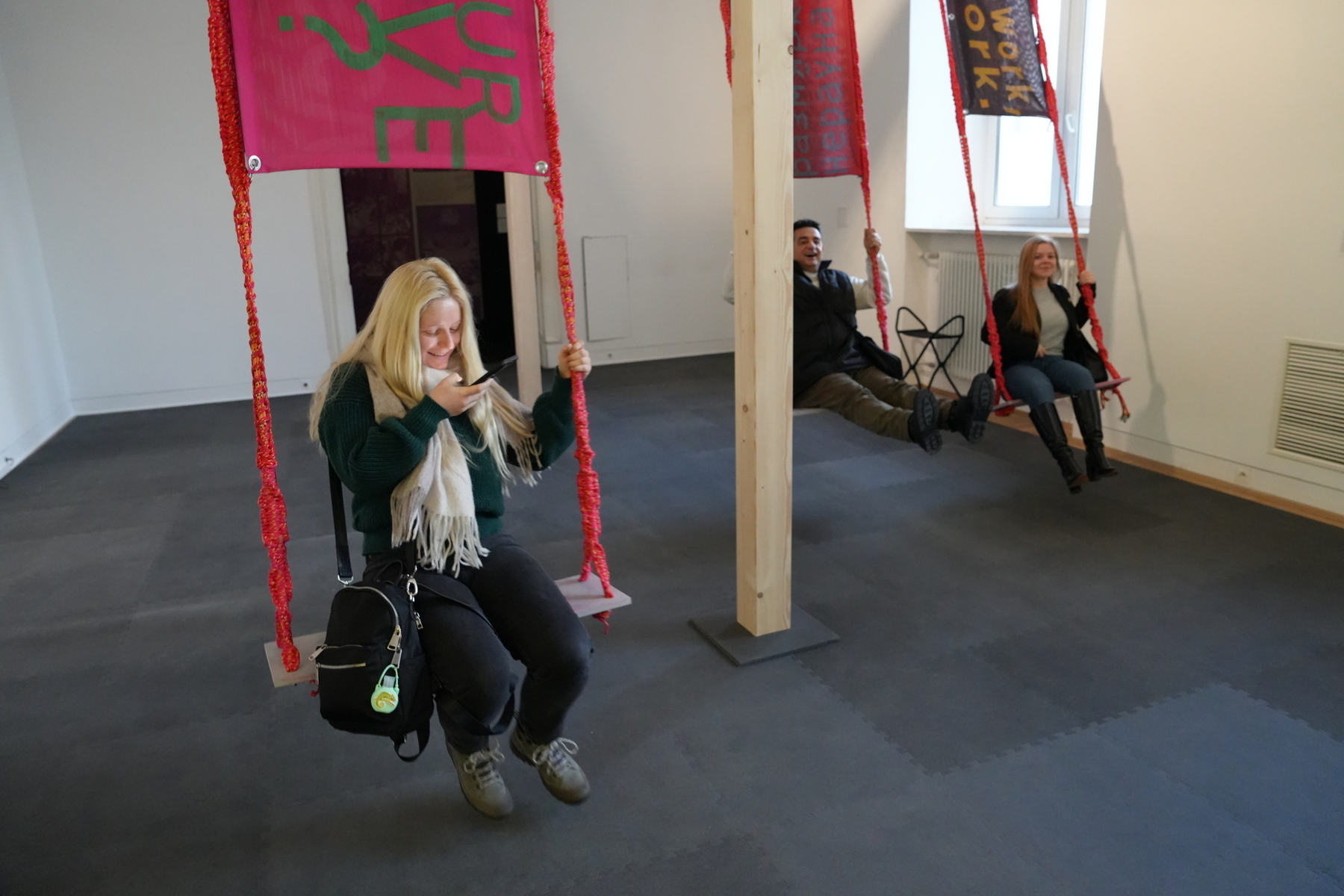
where artistic workshops based on working with exhibitions and contemporary art took place. It was a time for conversations about interpretation, dialogue, and using culture as an educational tool. The workshops, referring to contemporary migration and multiculturalism, were led by curator and artist Taras Gembik.


Day 3 – Wednesday, 14 January 2026

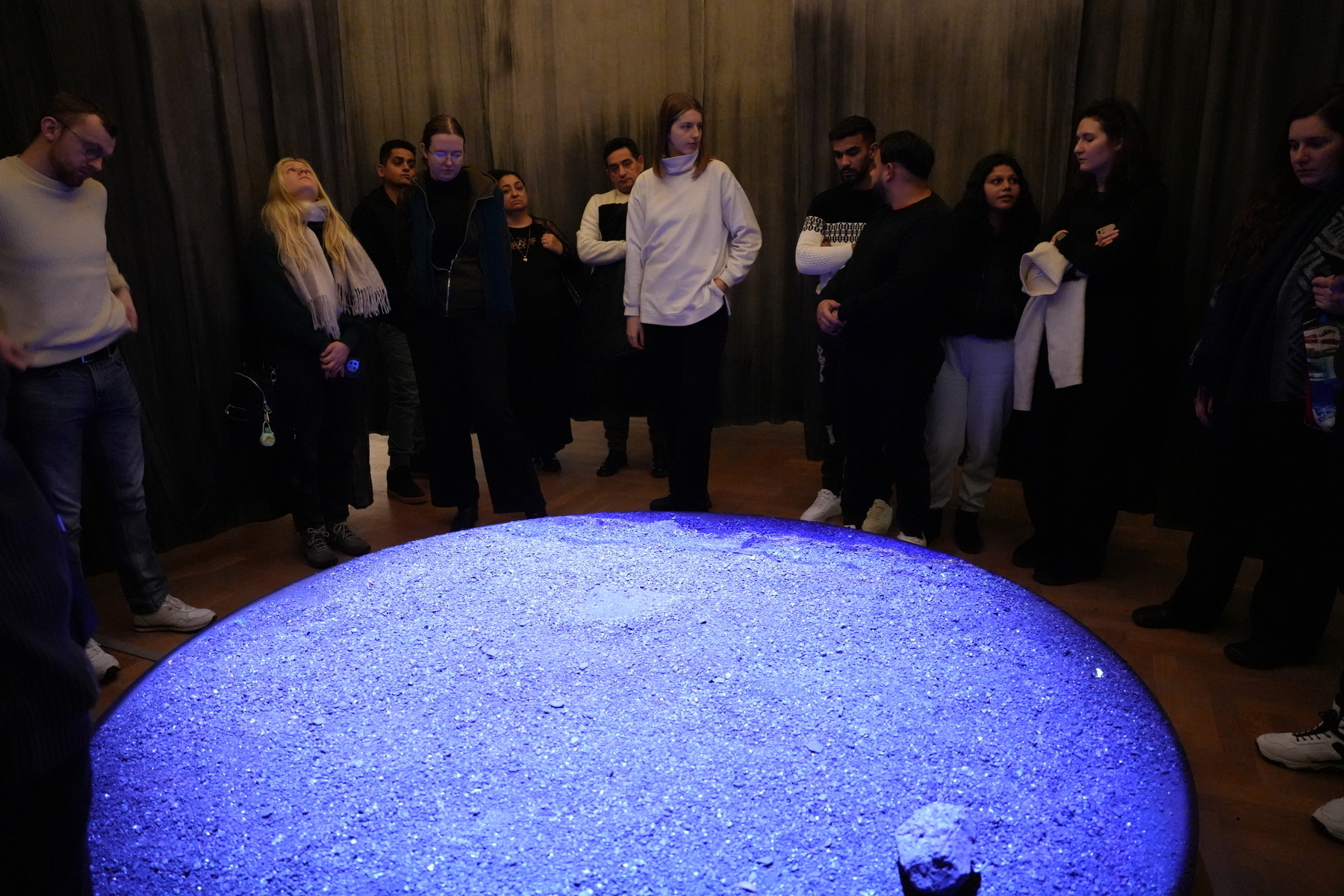
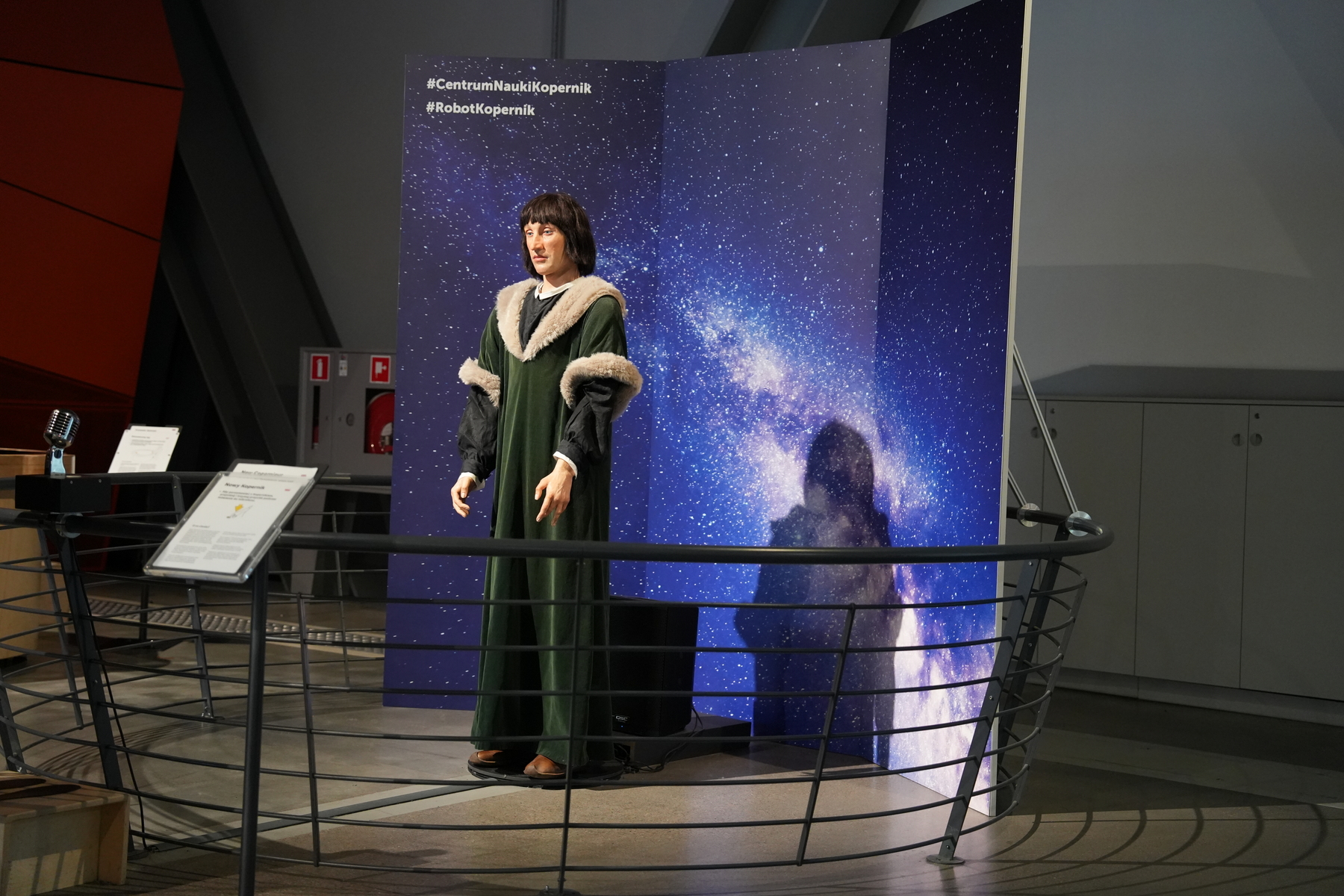
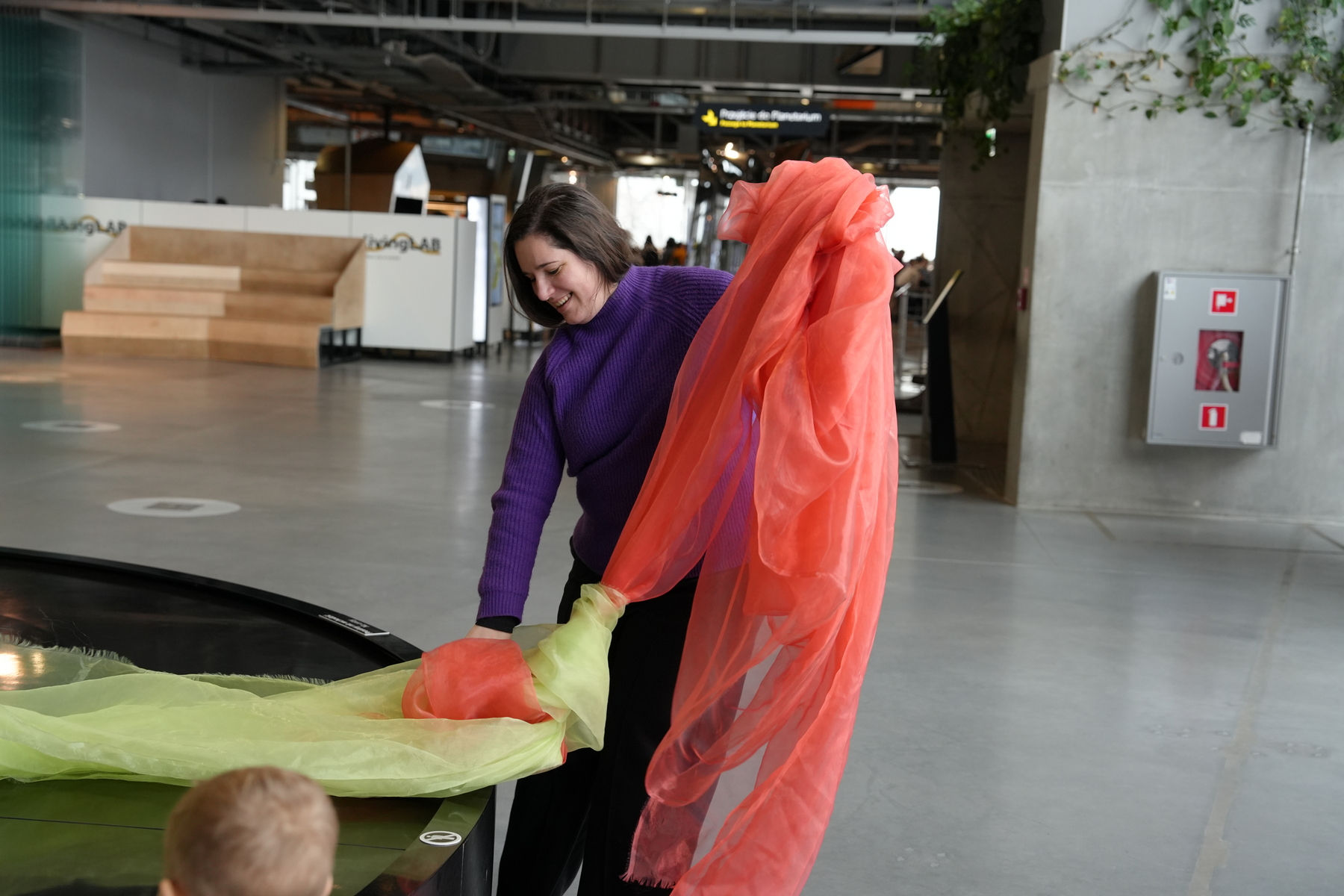
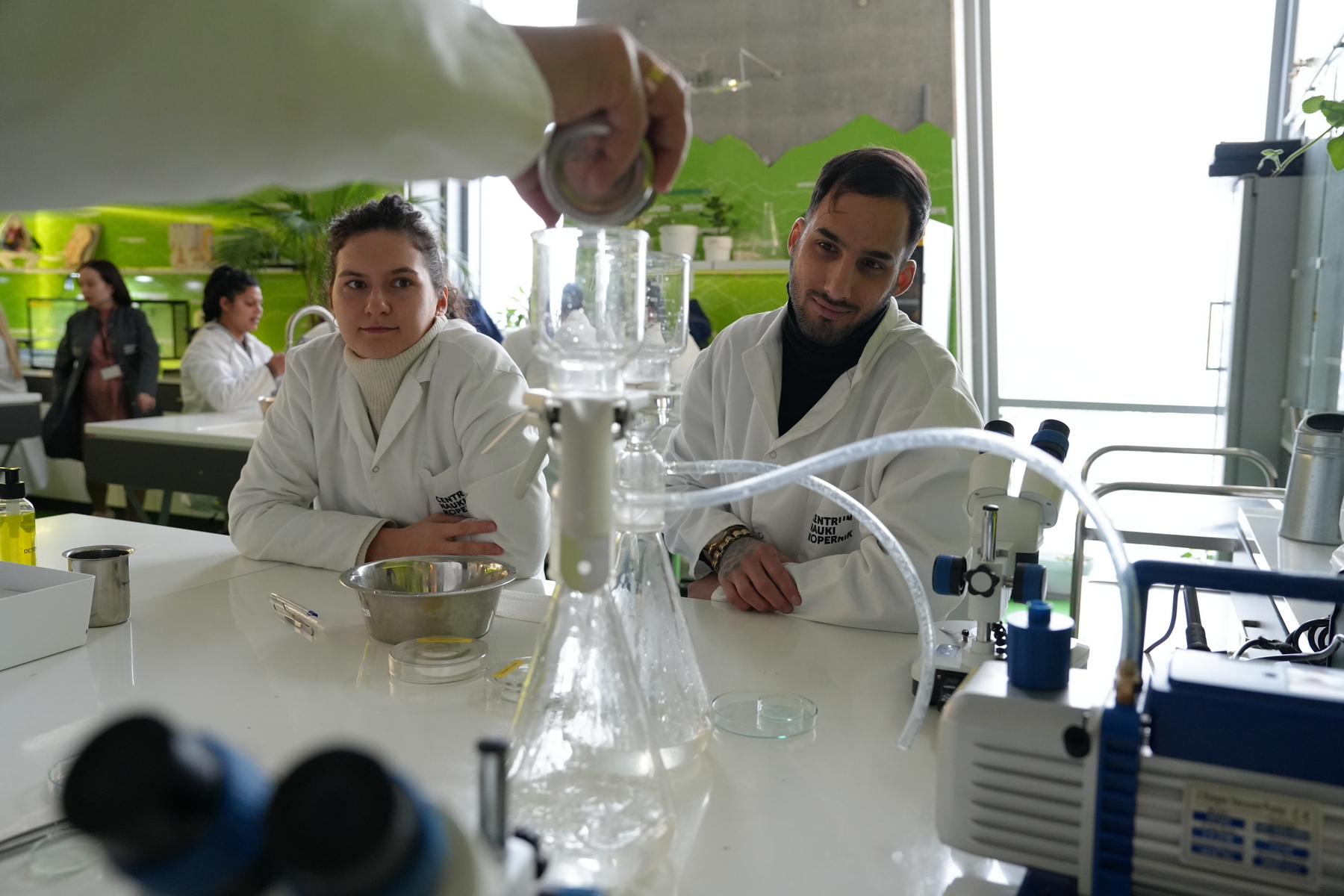
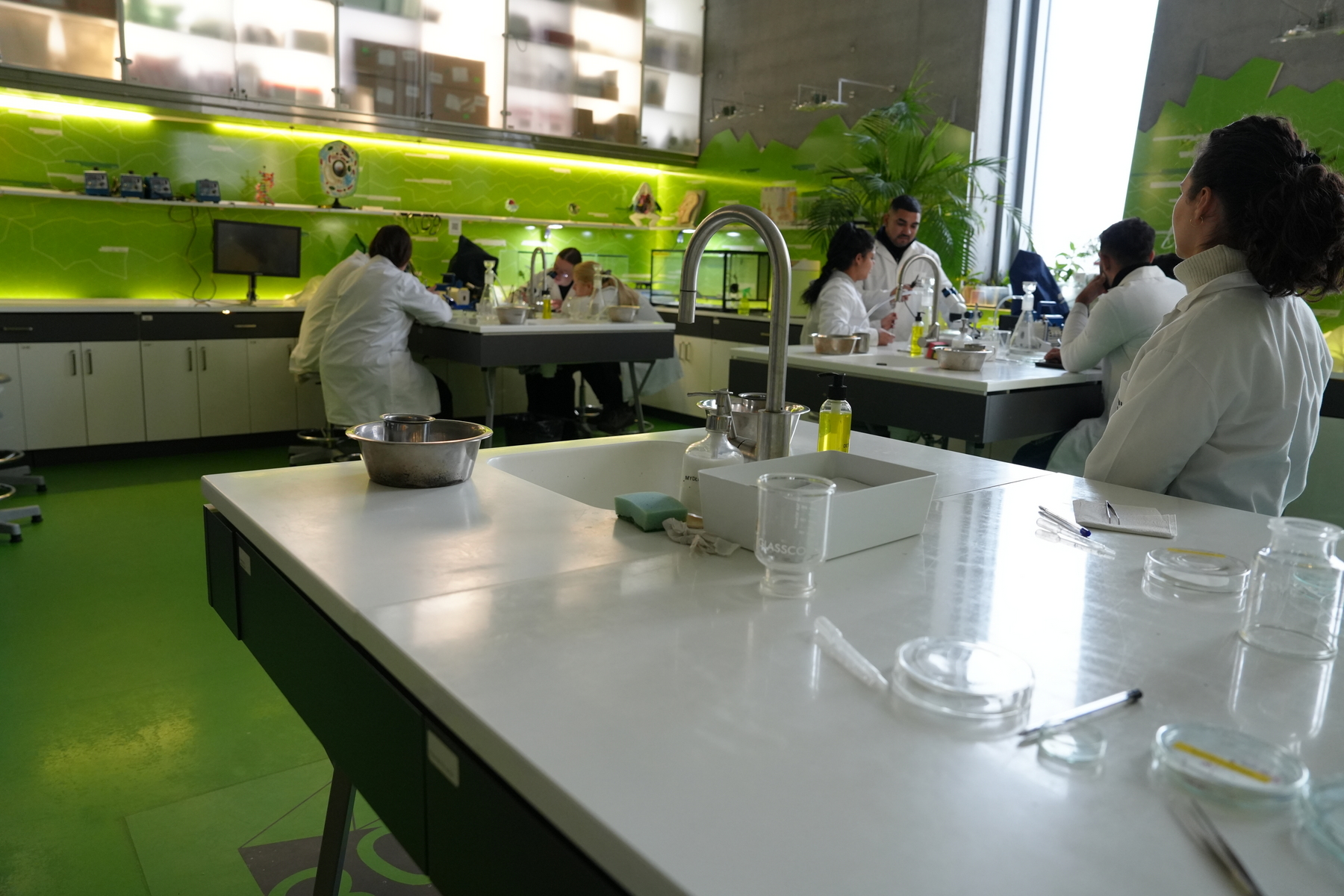
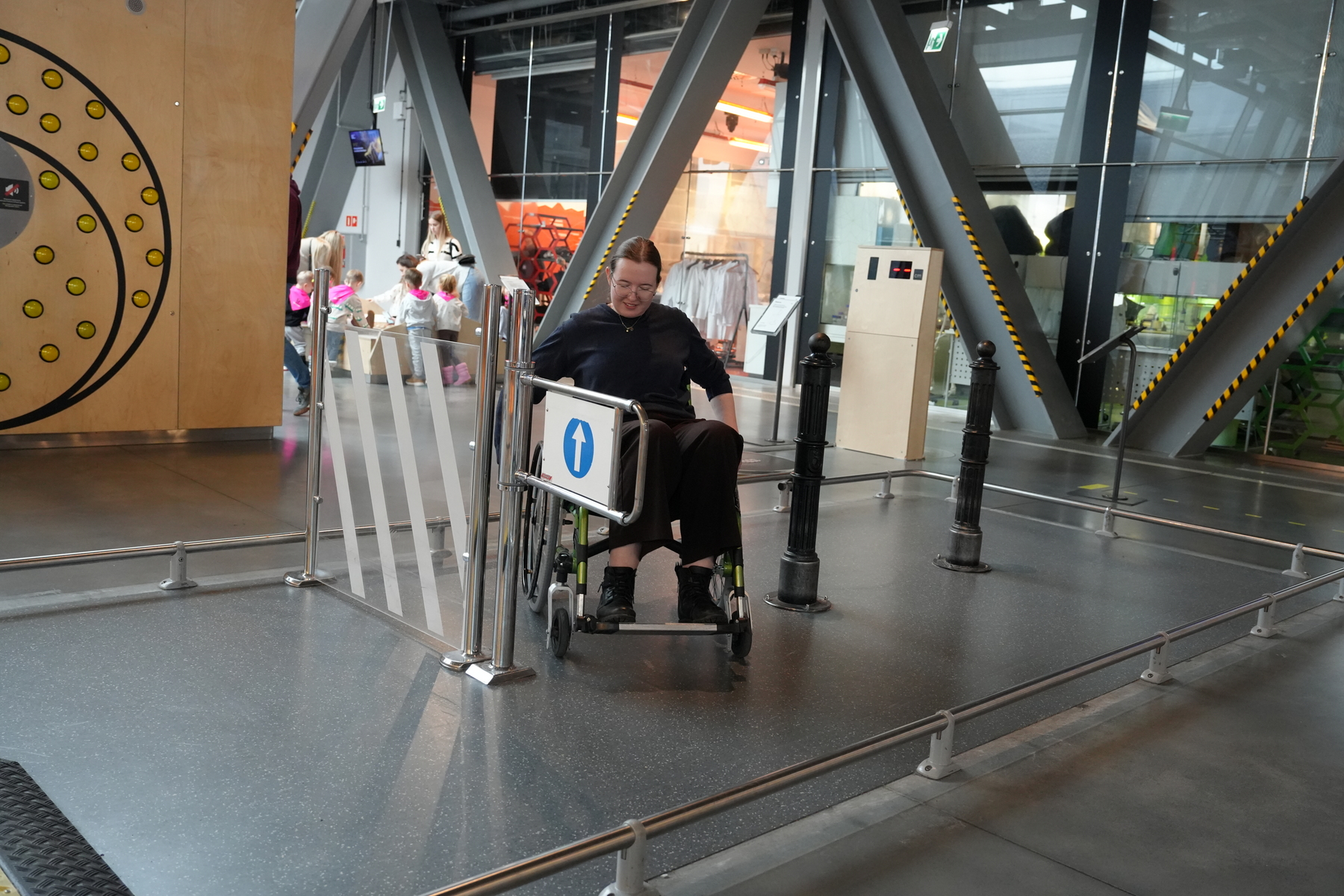
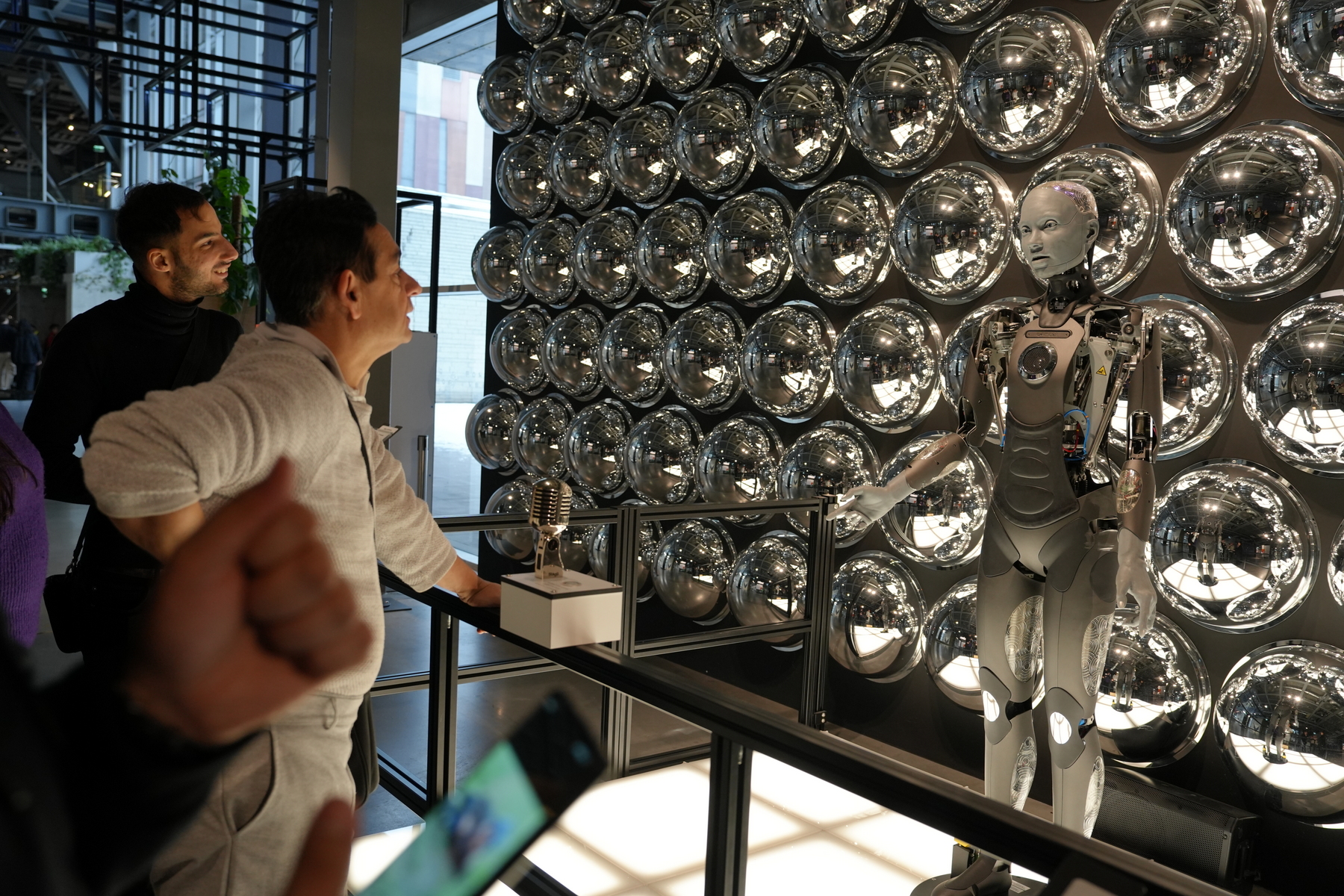
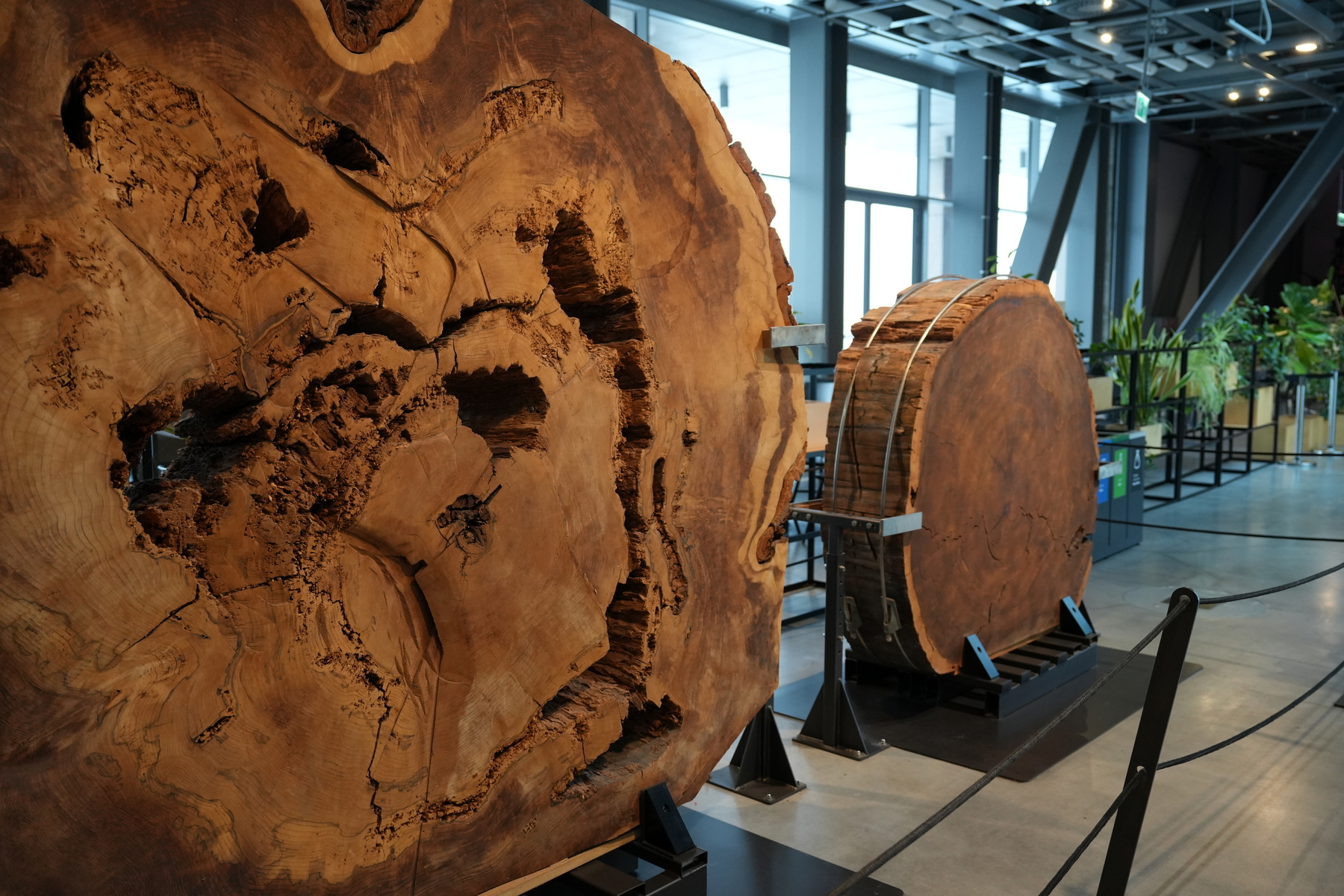
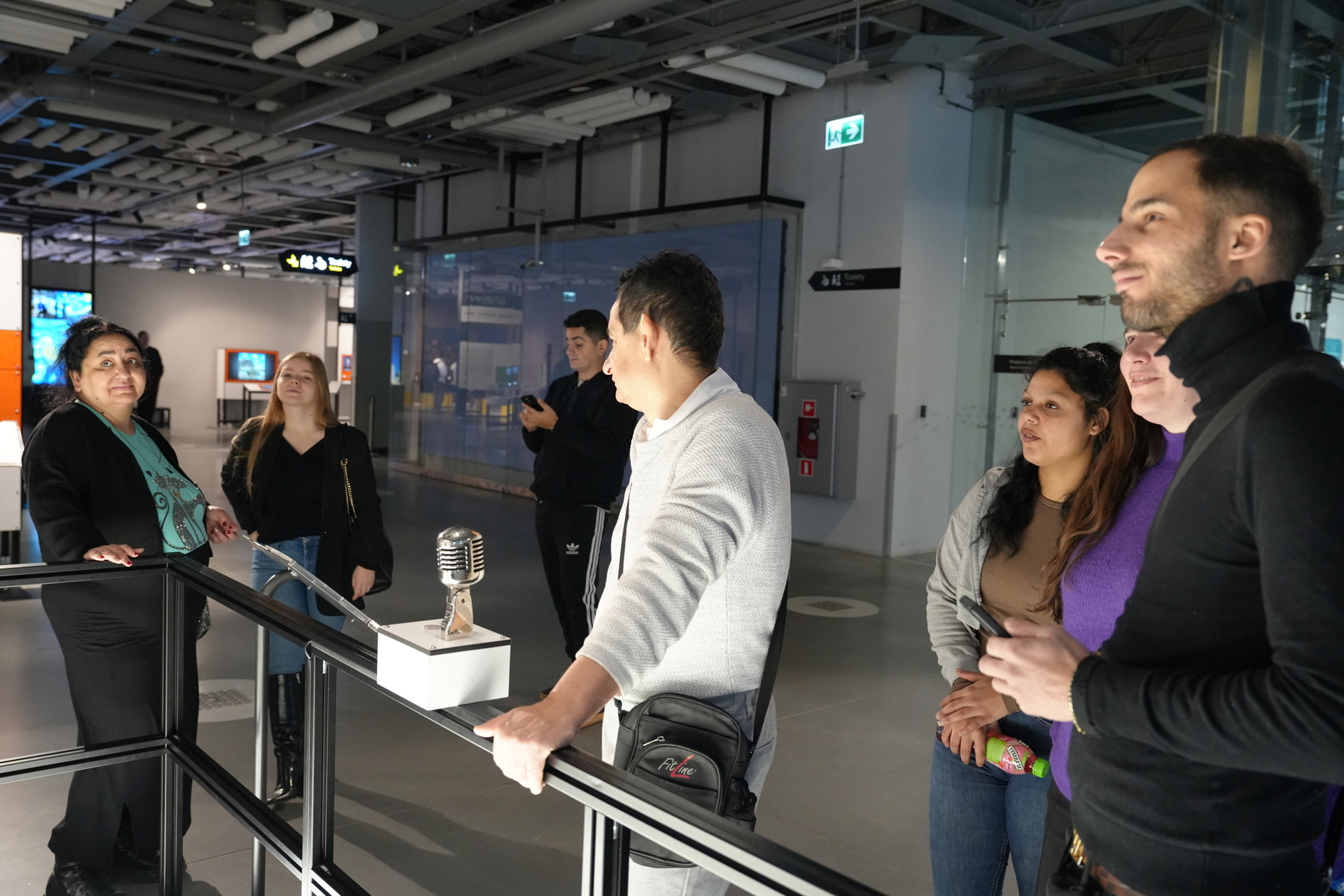
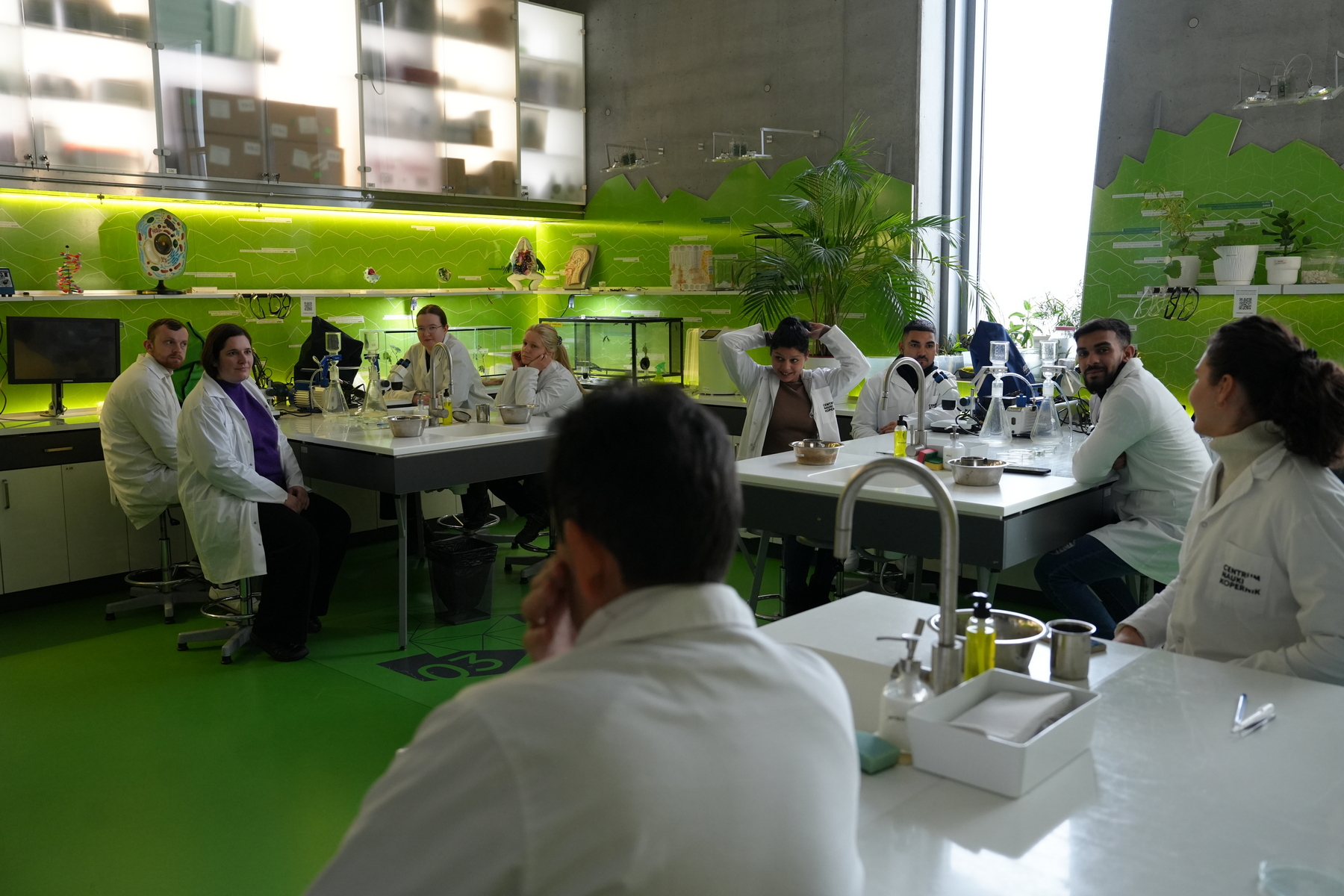
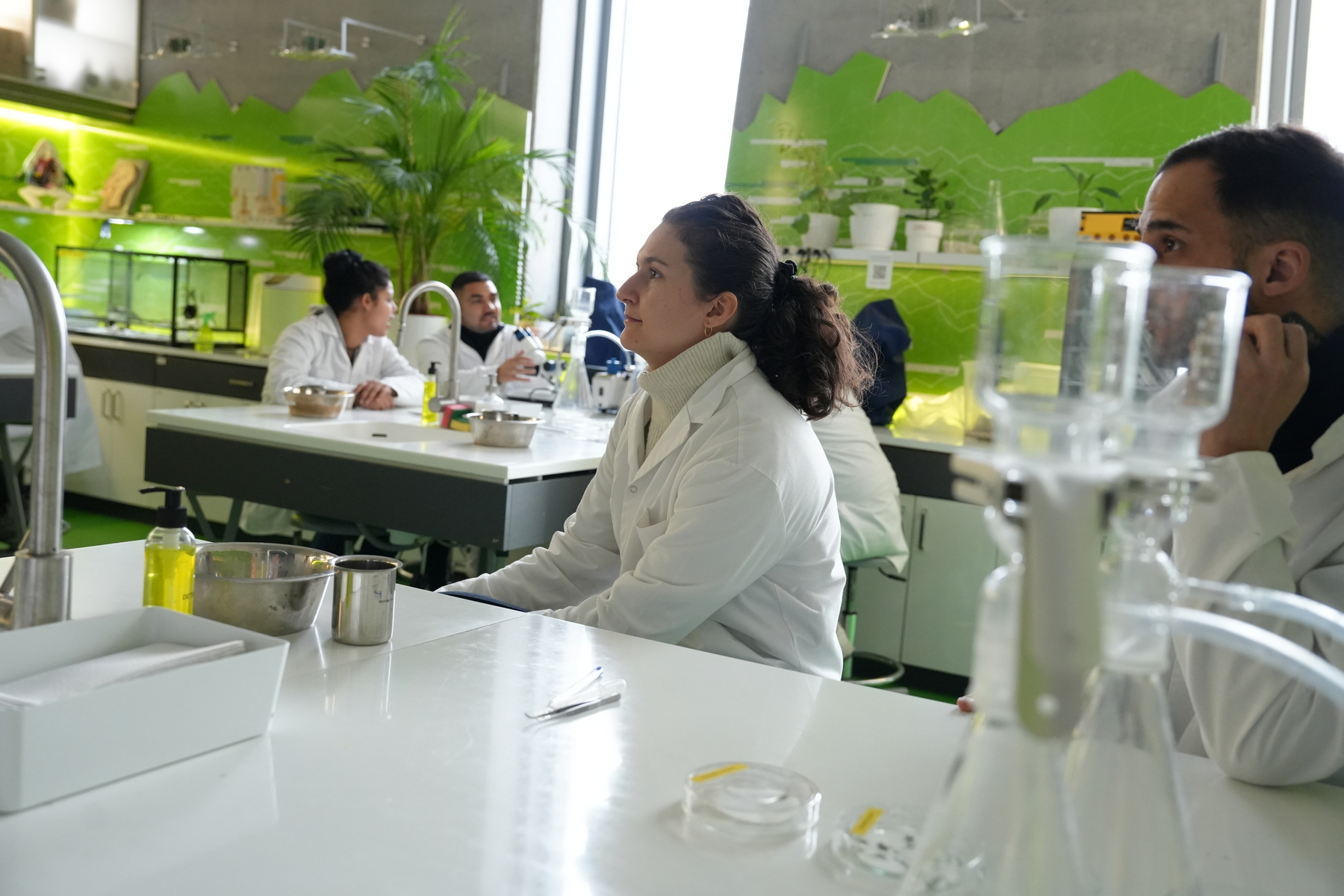
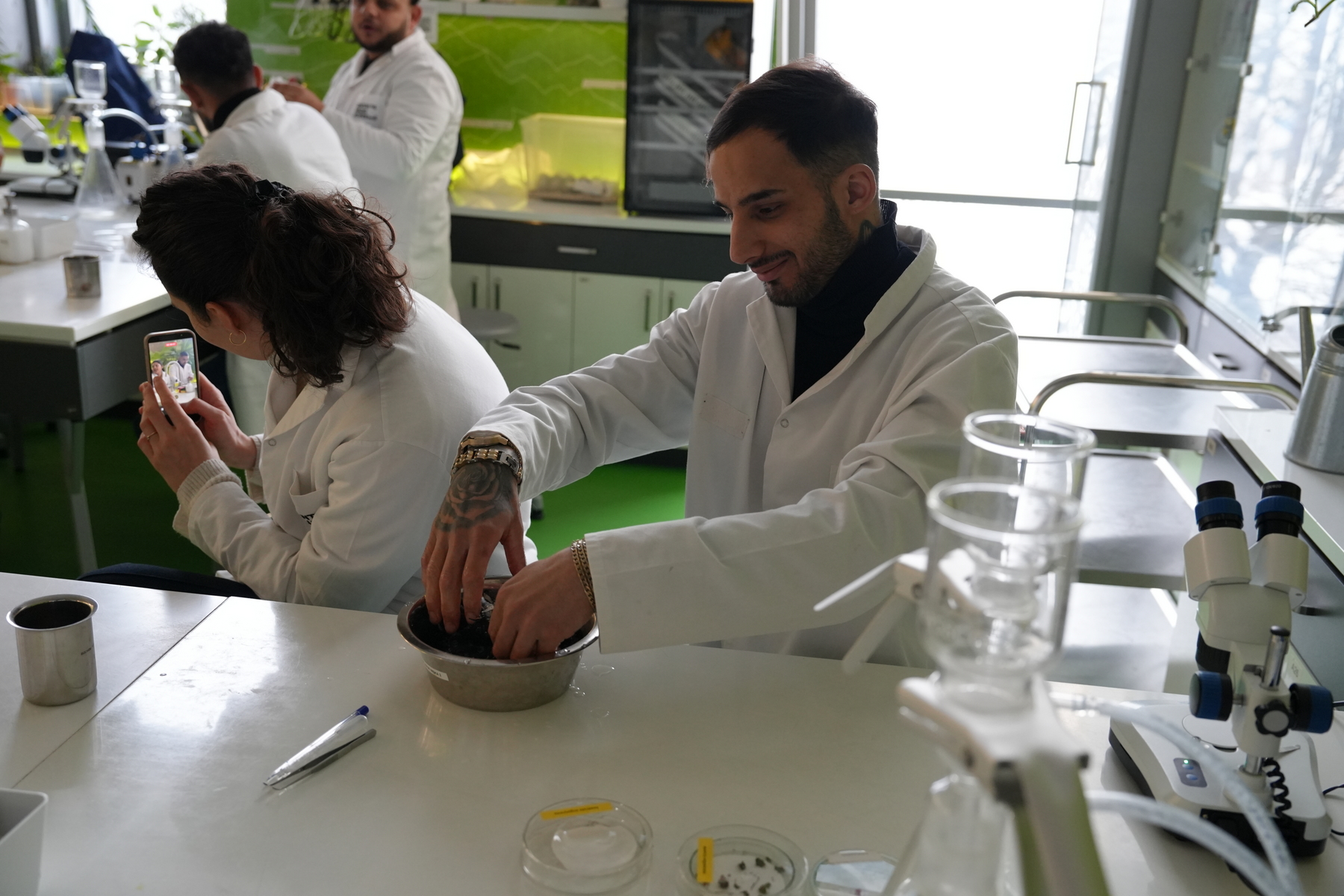
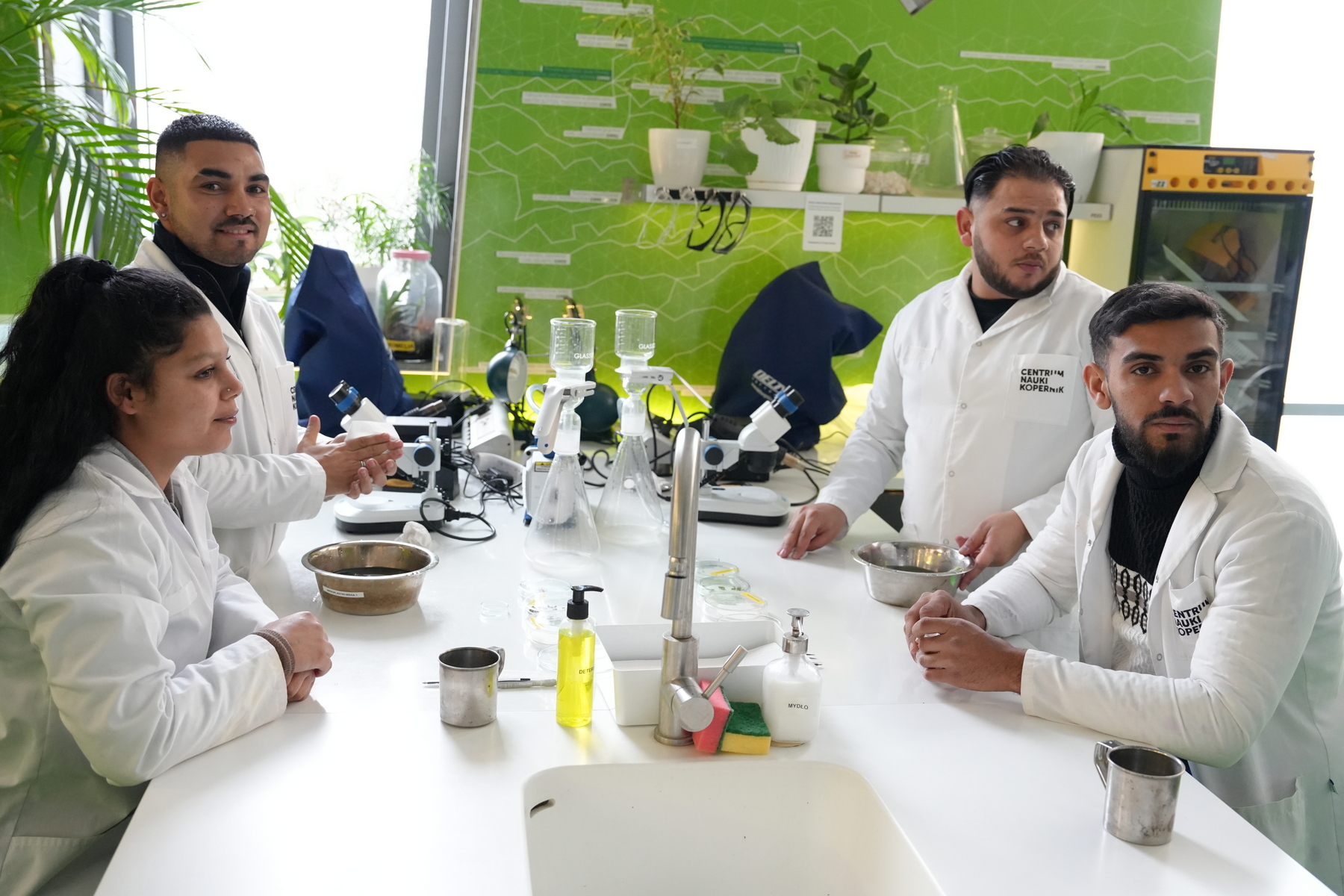
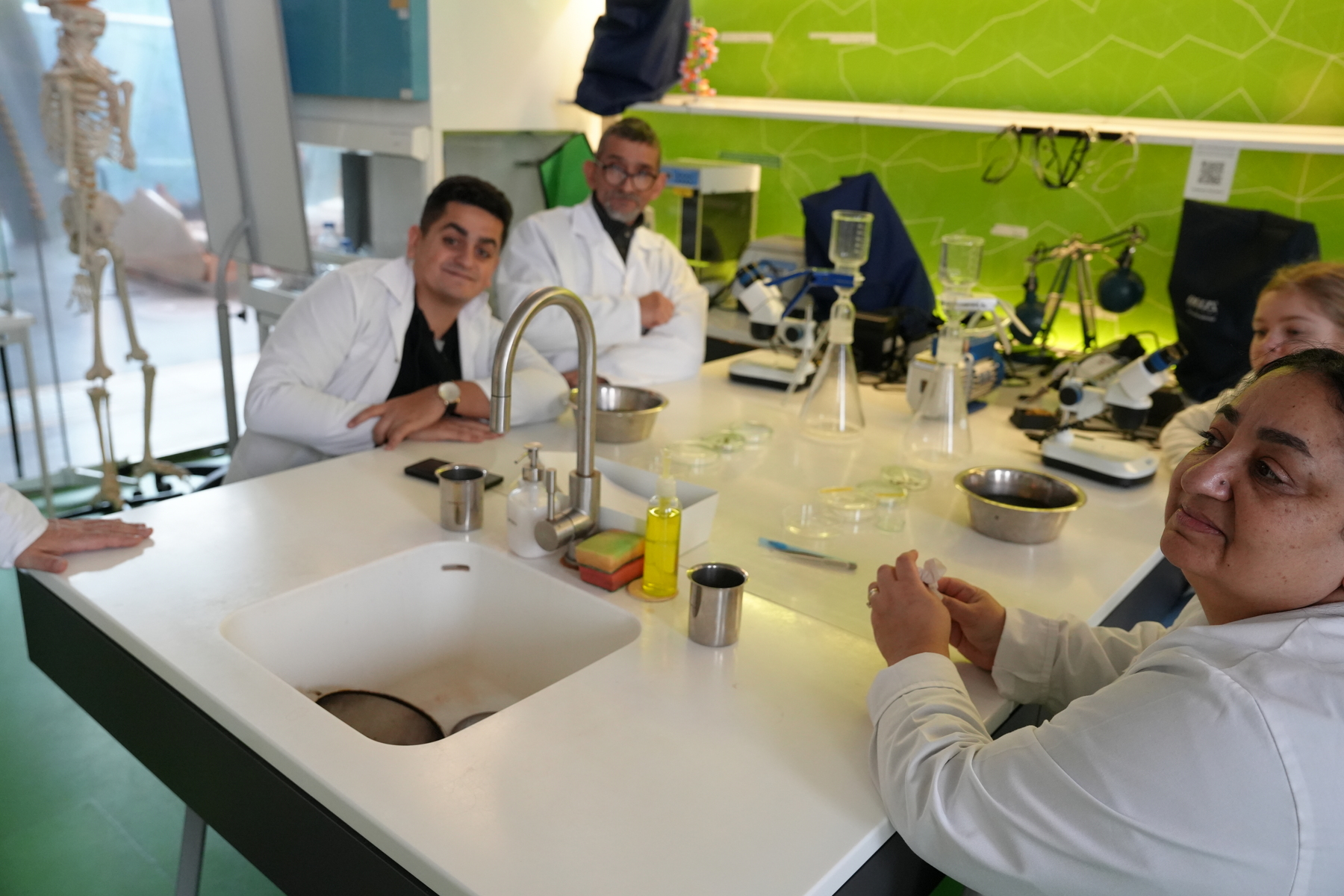
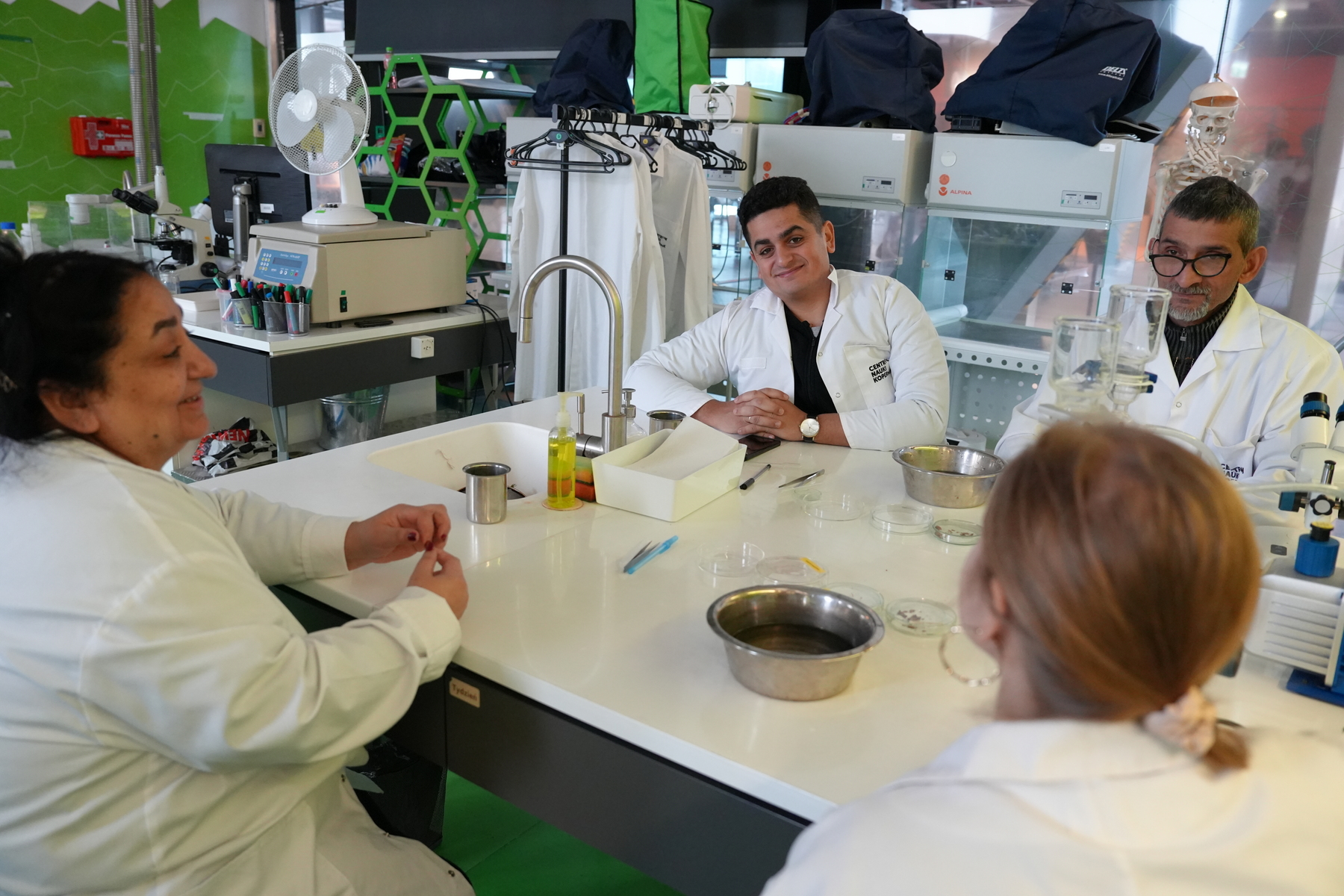
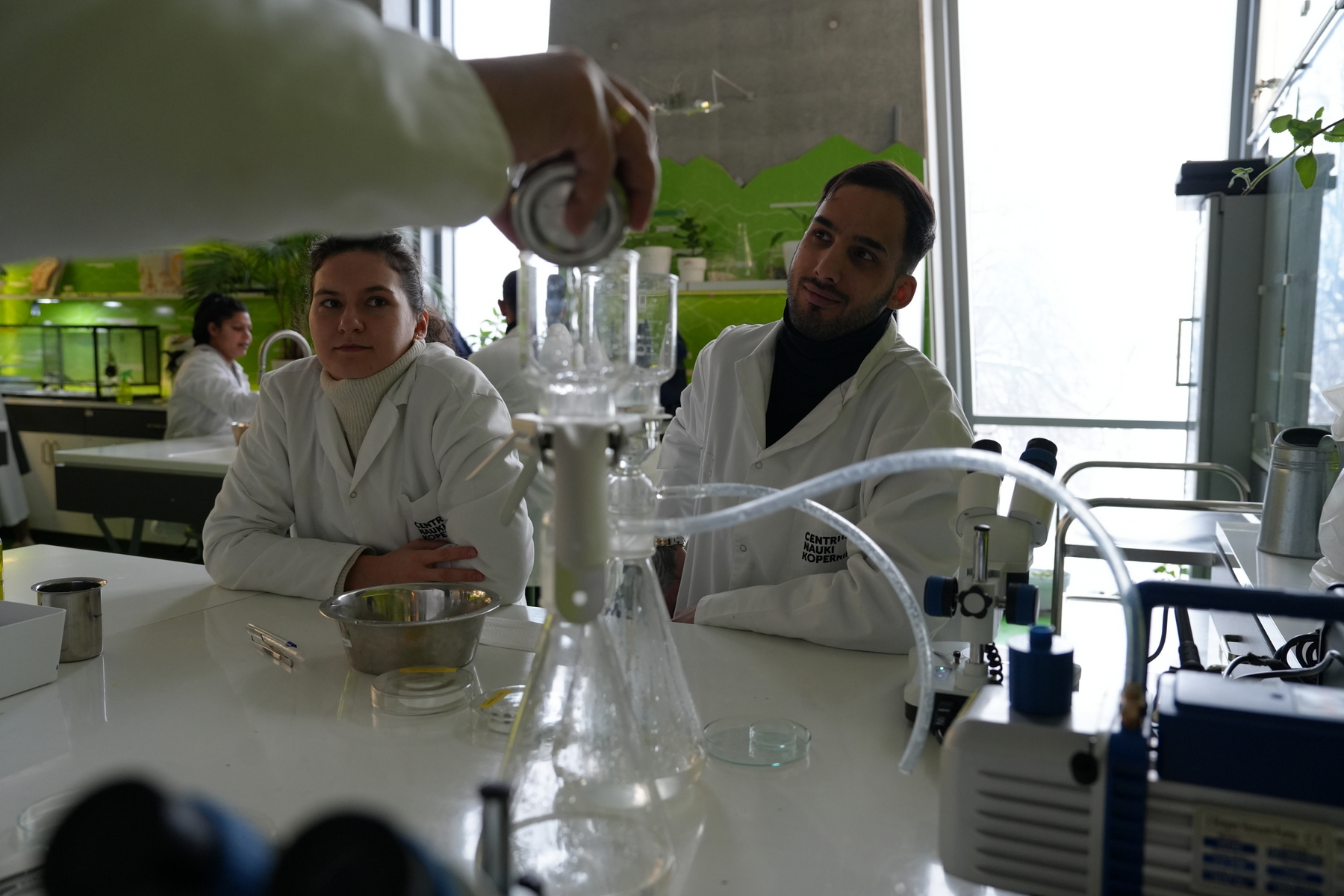
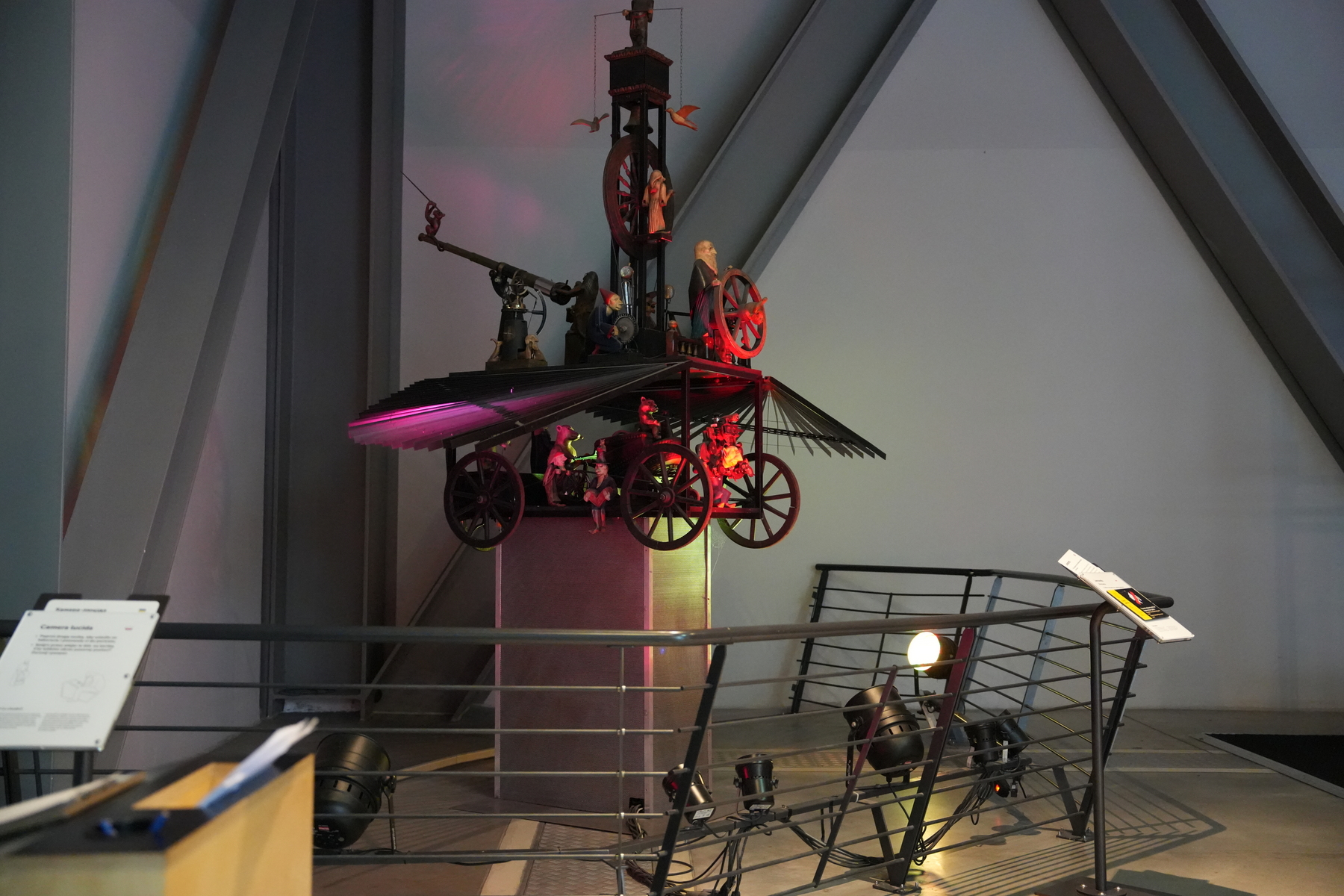
The third day was dedicated to combining knowledge with experience. At the Copernicus Science Centre, participants visited an exhibition and took part in the educational laboratory “Microplastics: Small Particles – Big Consequences”. The activities demonstrated how to talk with young people about responsibility, ecology, and contemporary global challenges in an engaging and accessible way, using science and hands-on experience.

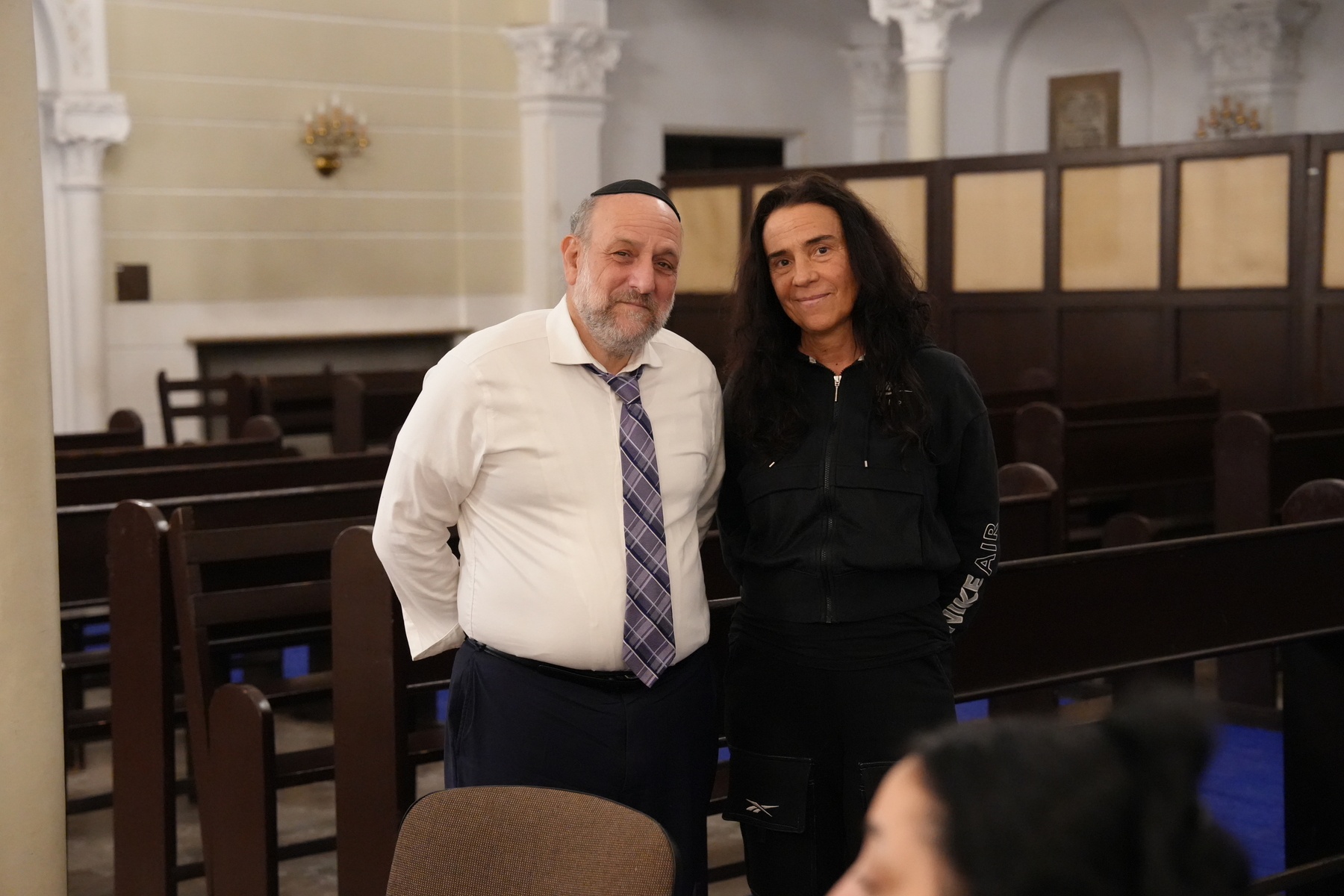
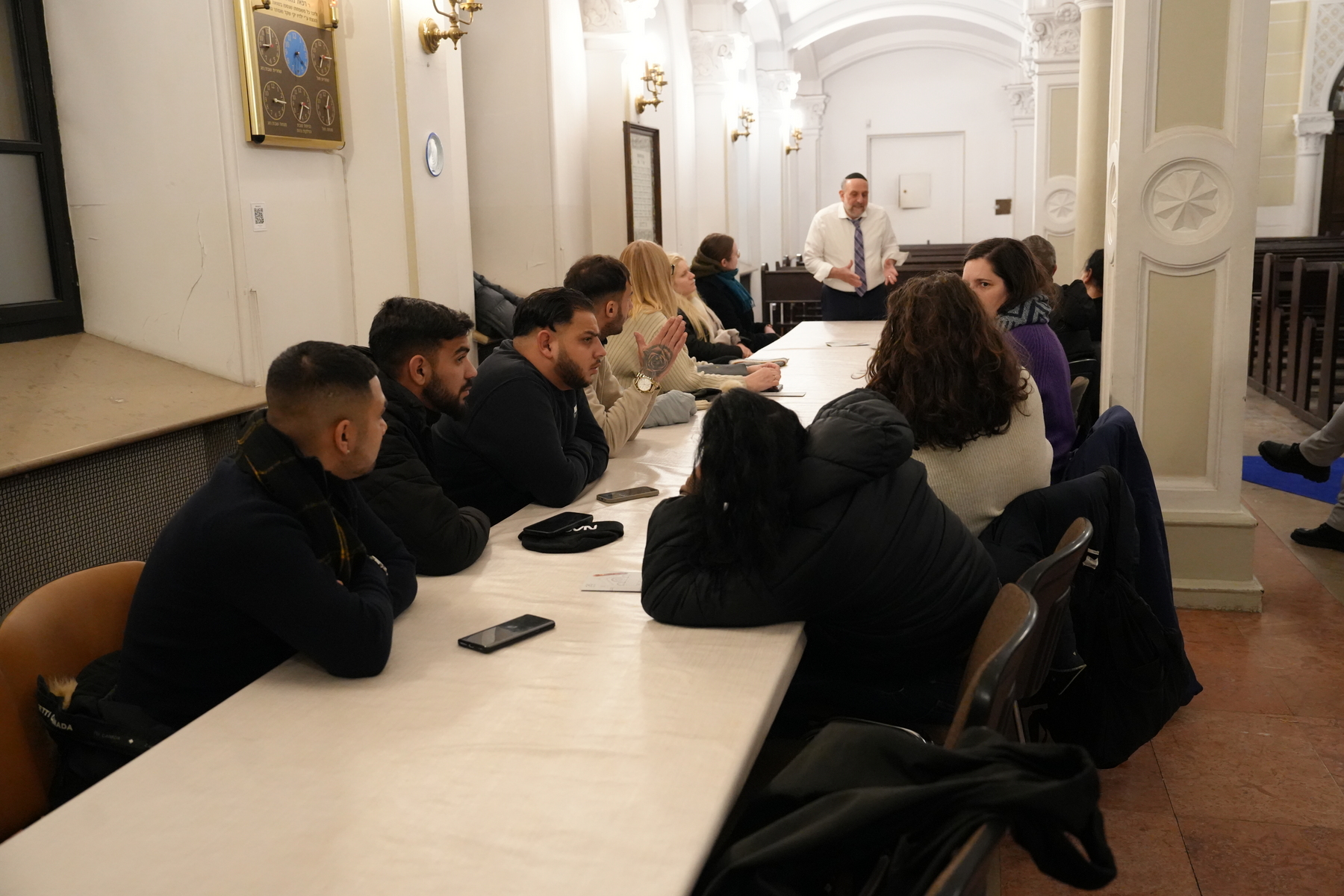
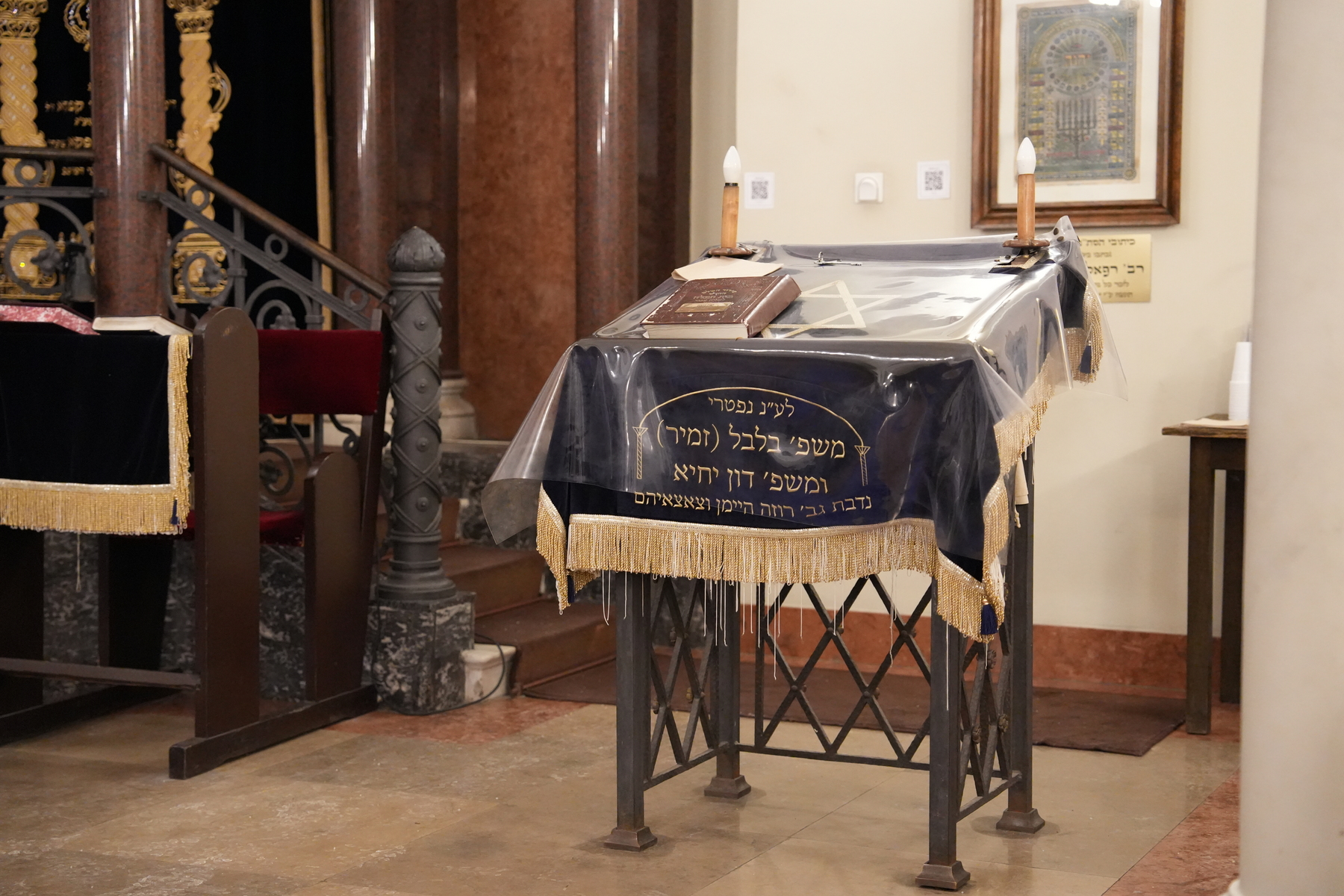
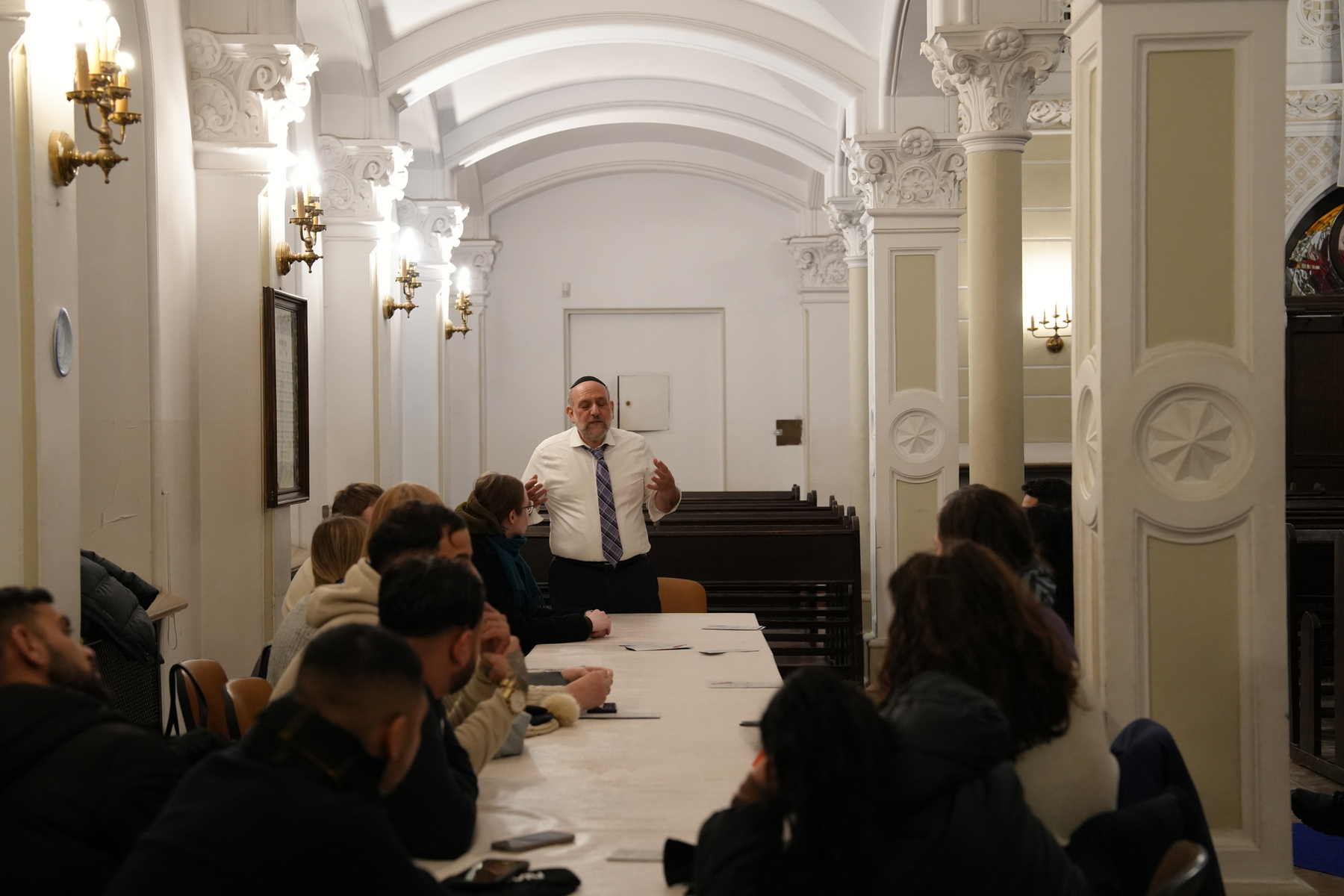
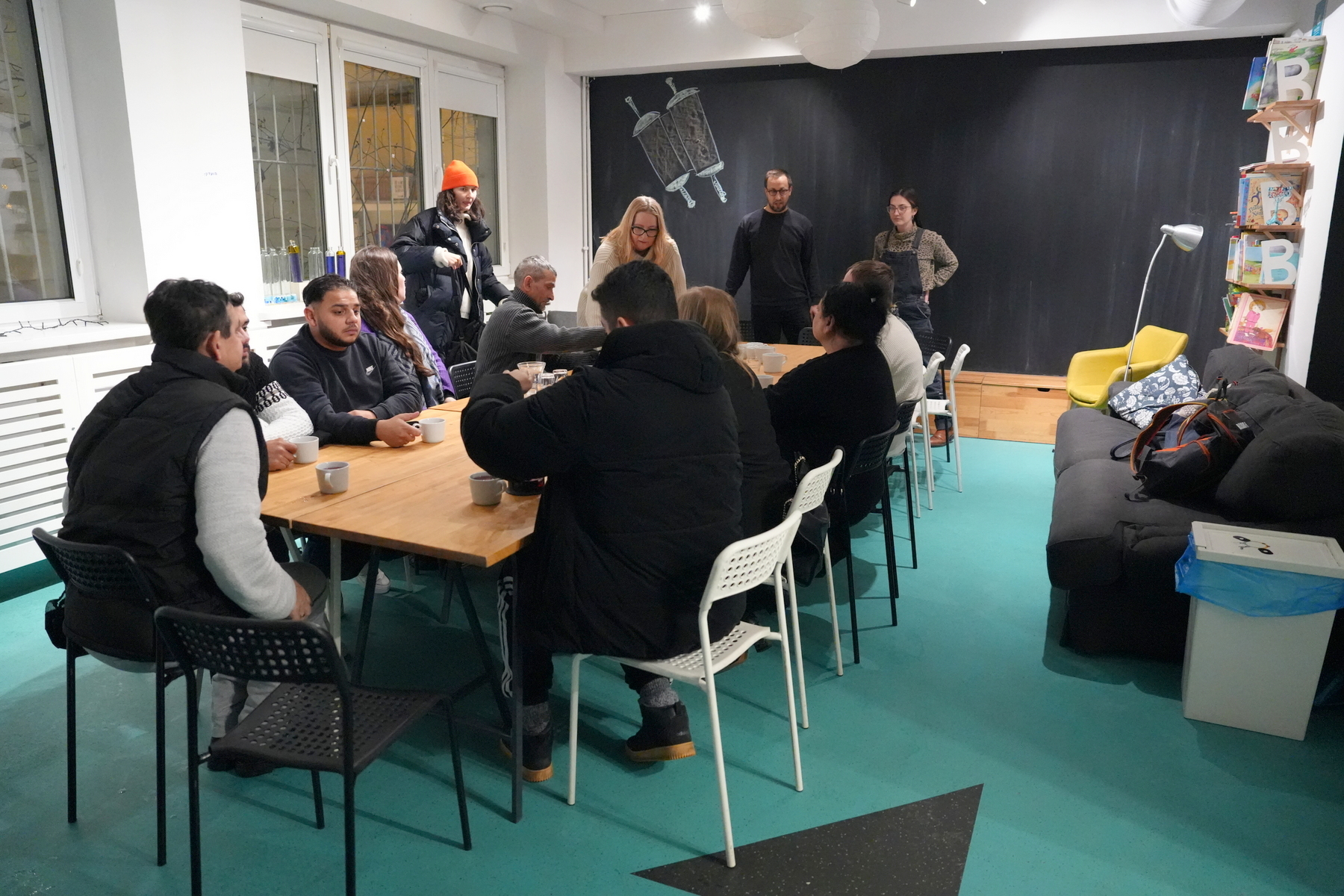
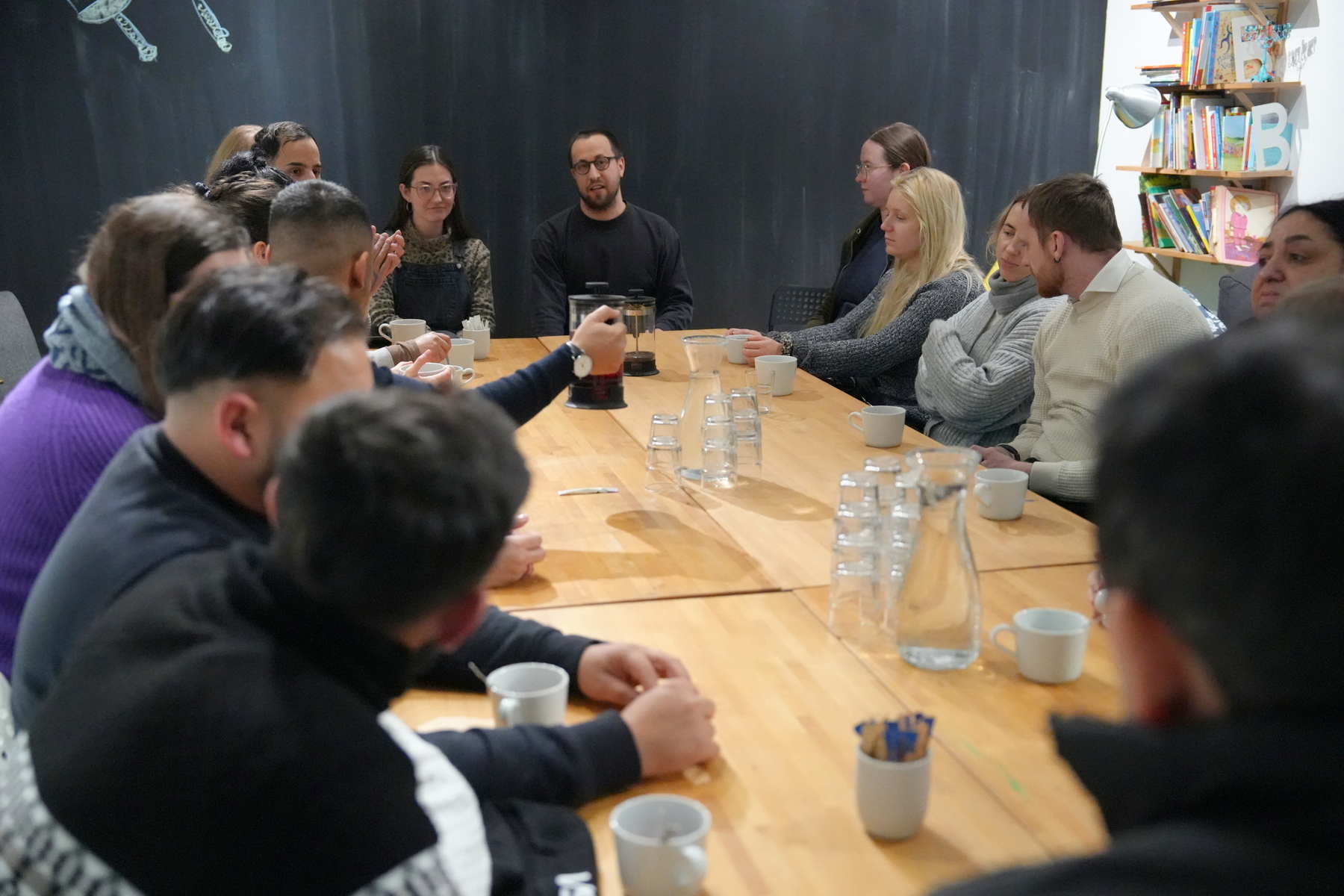
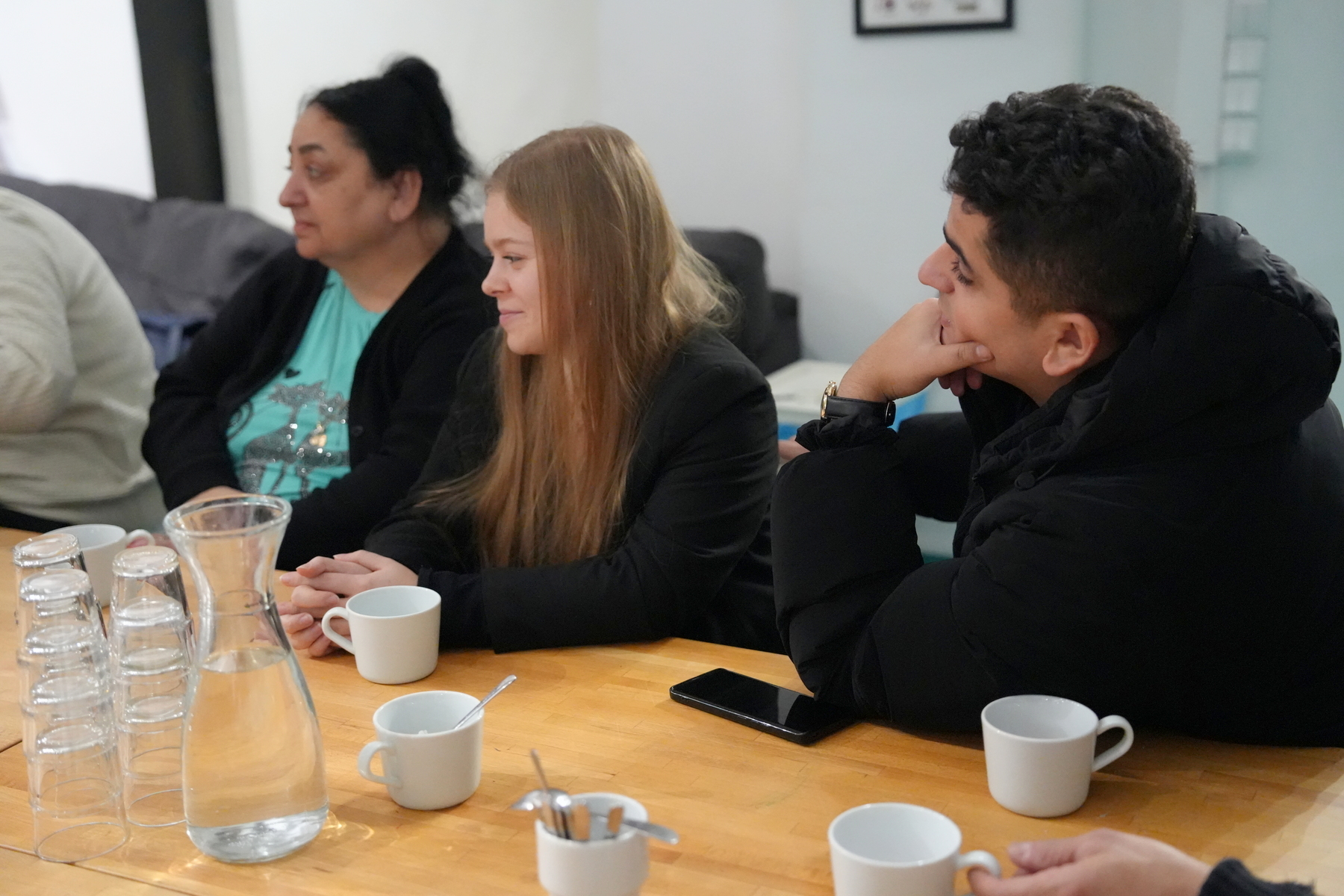
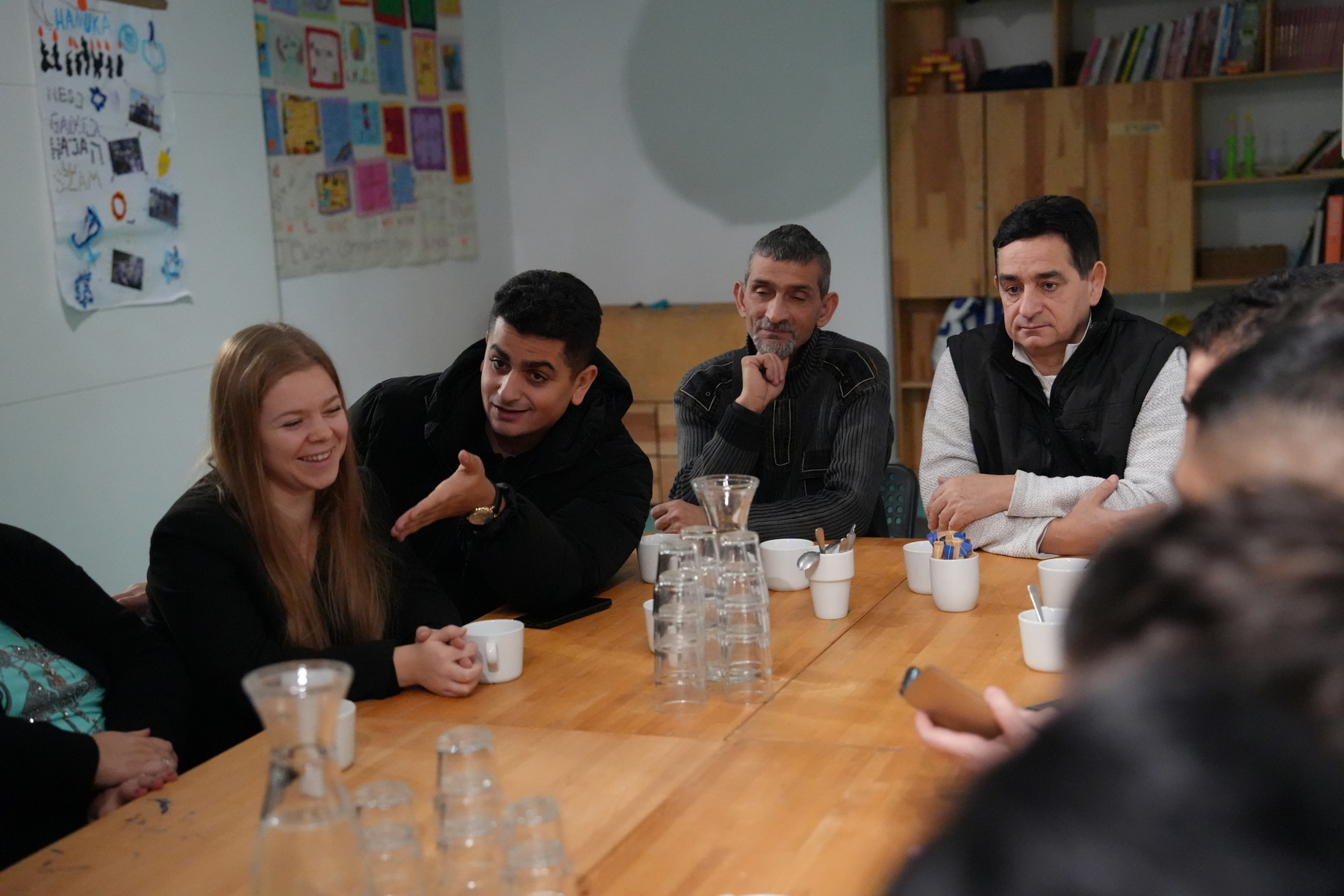
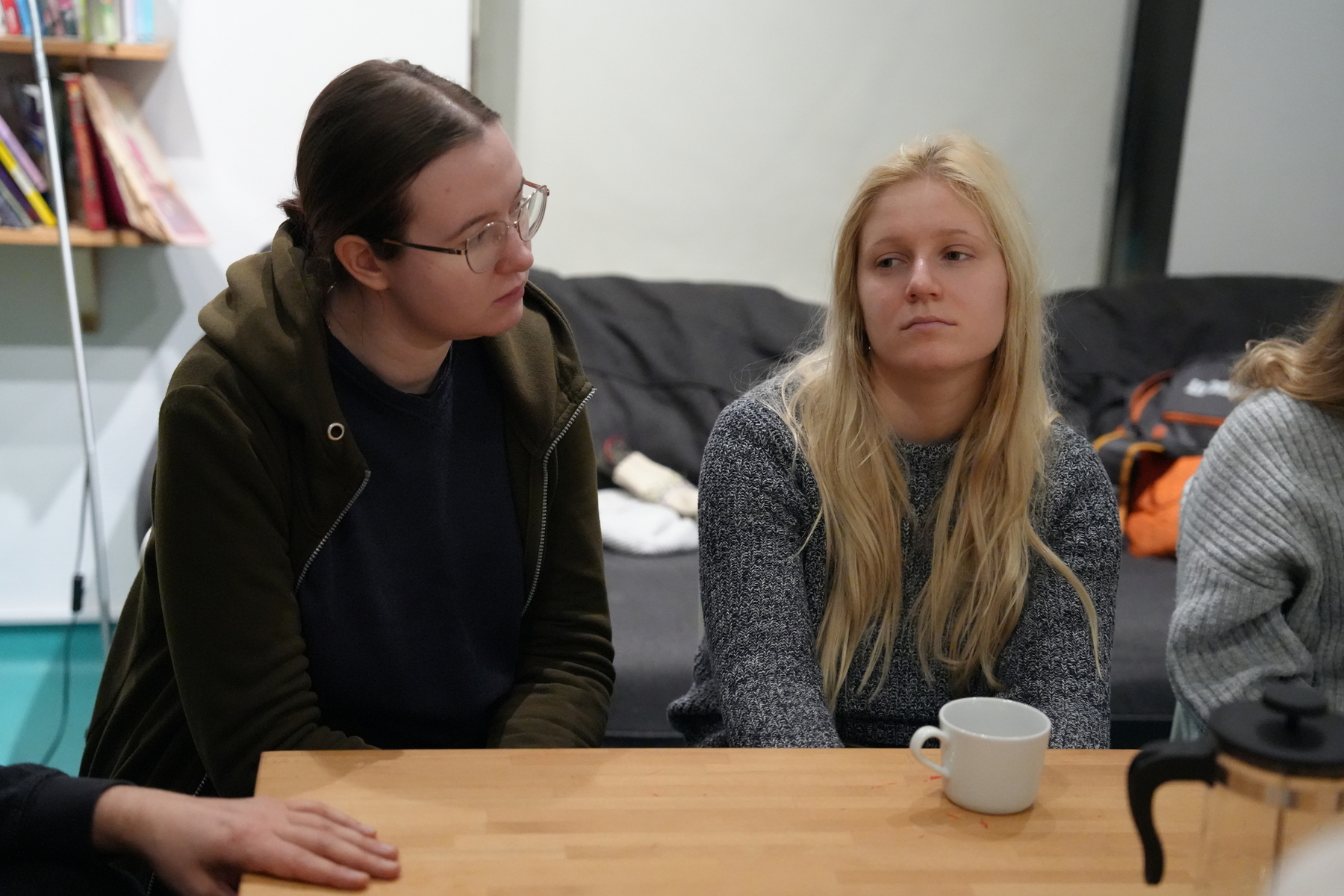
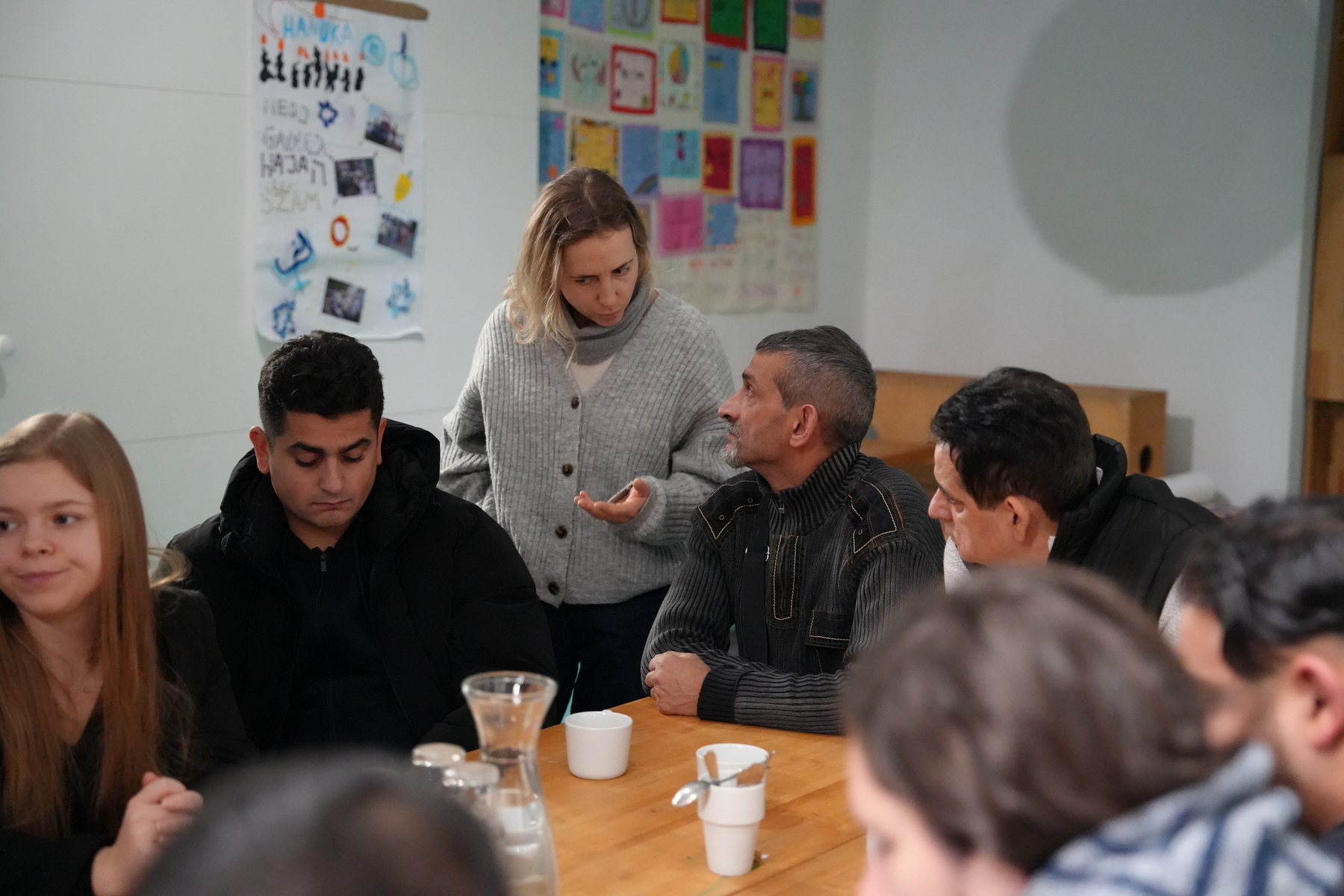
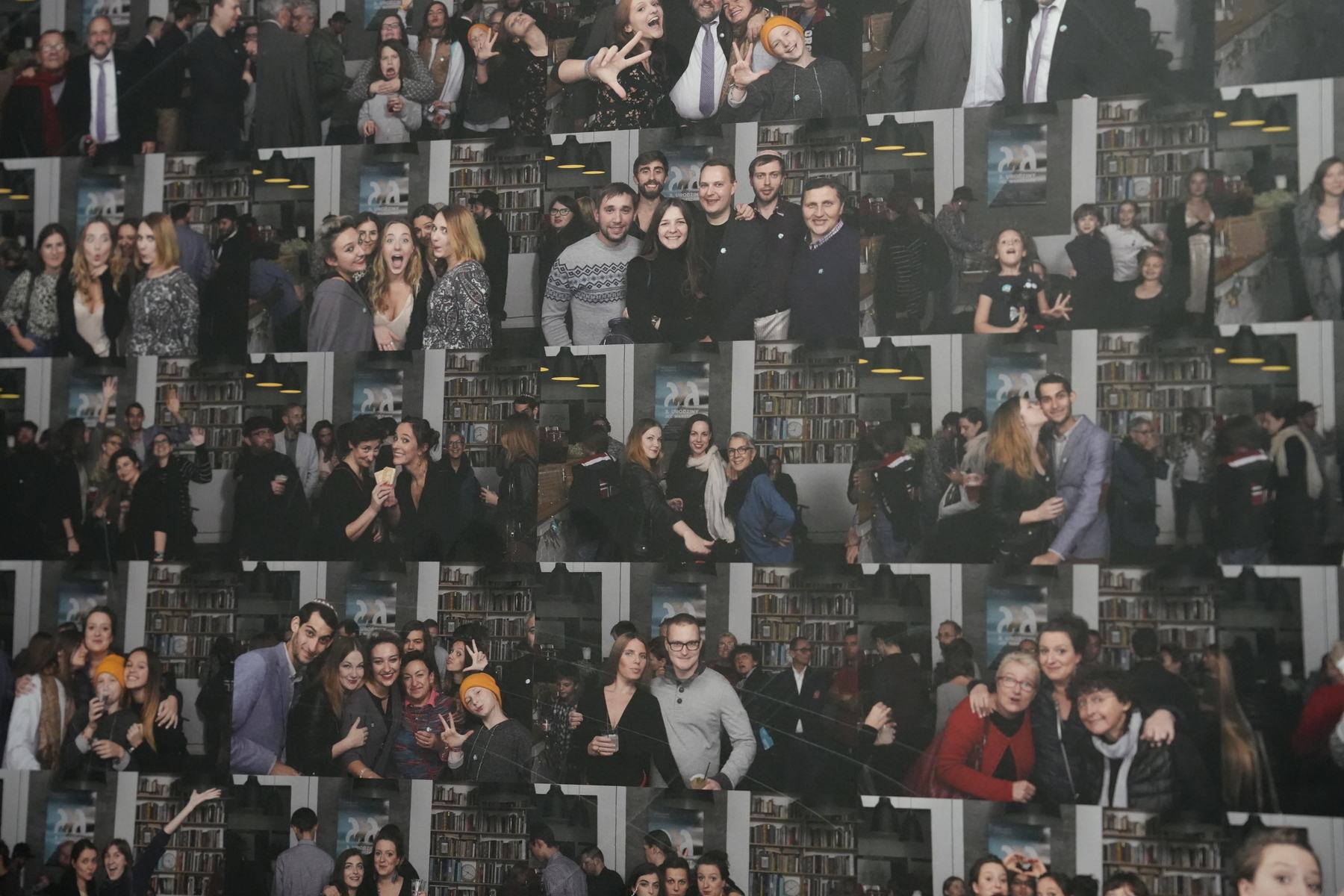
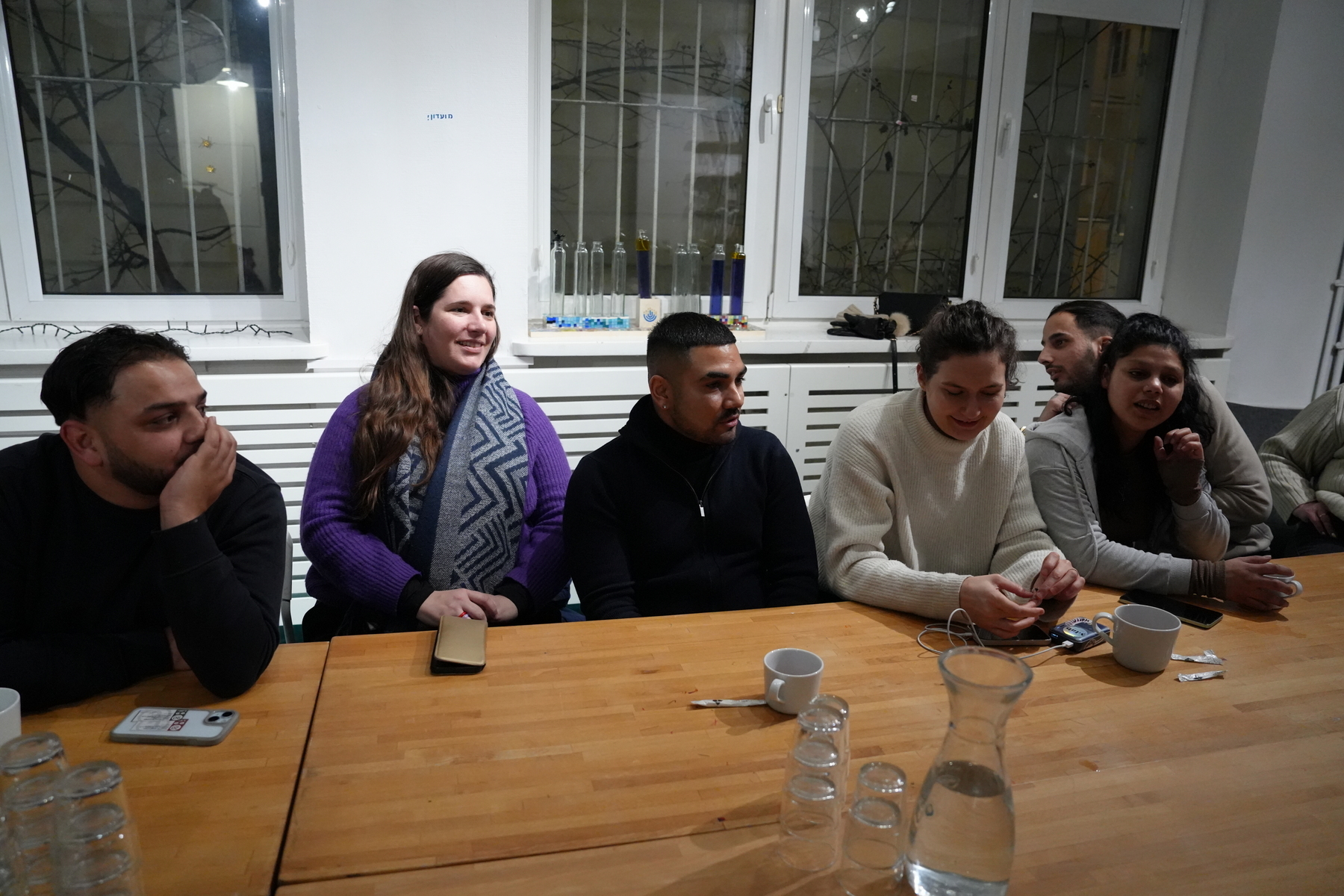
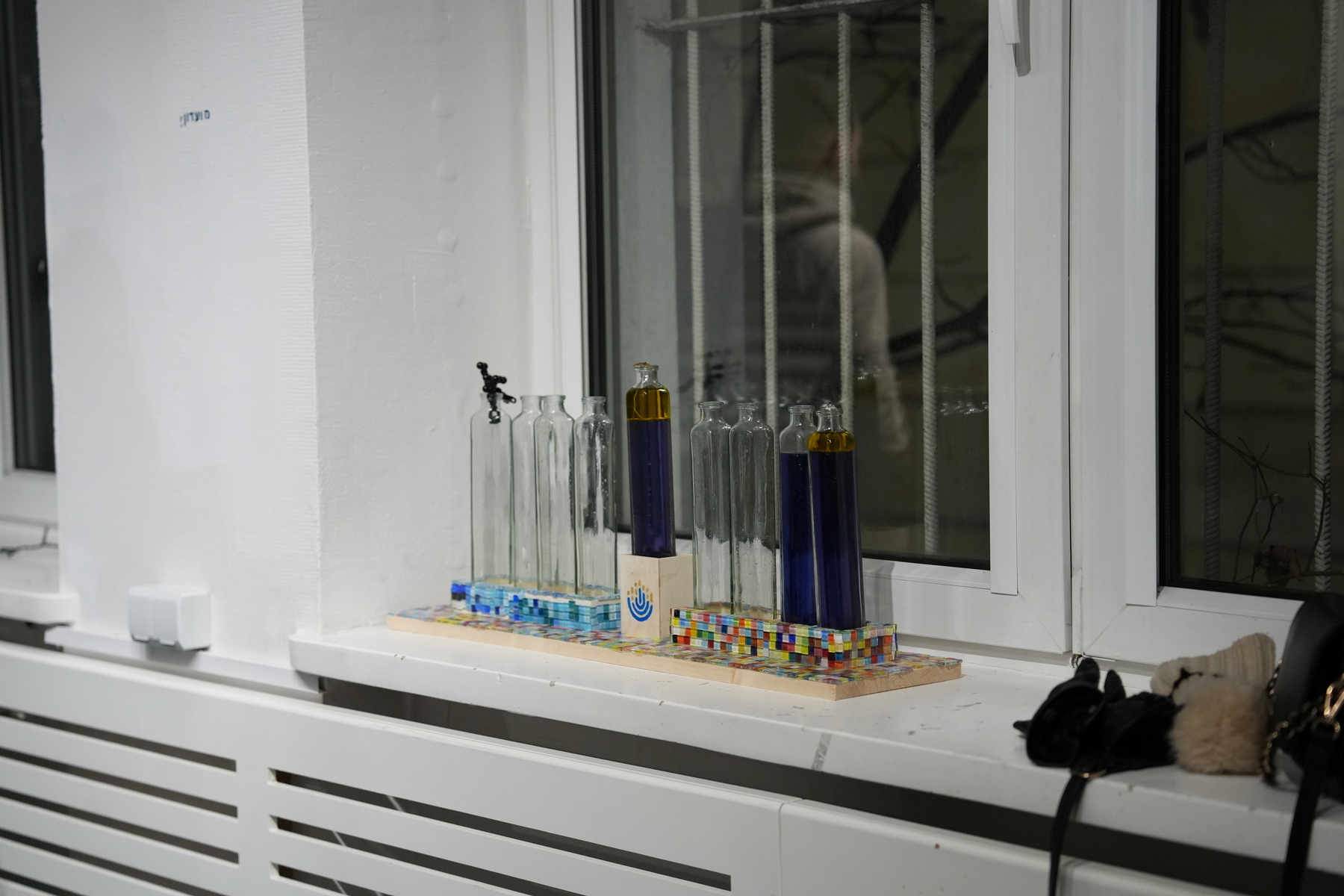
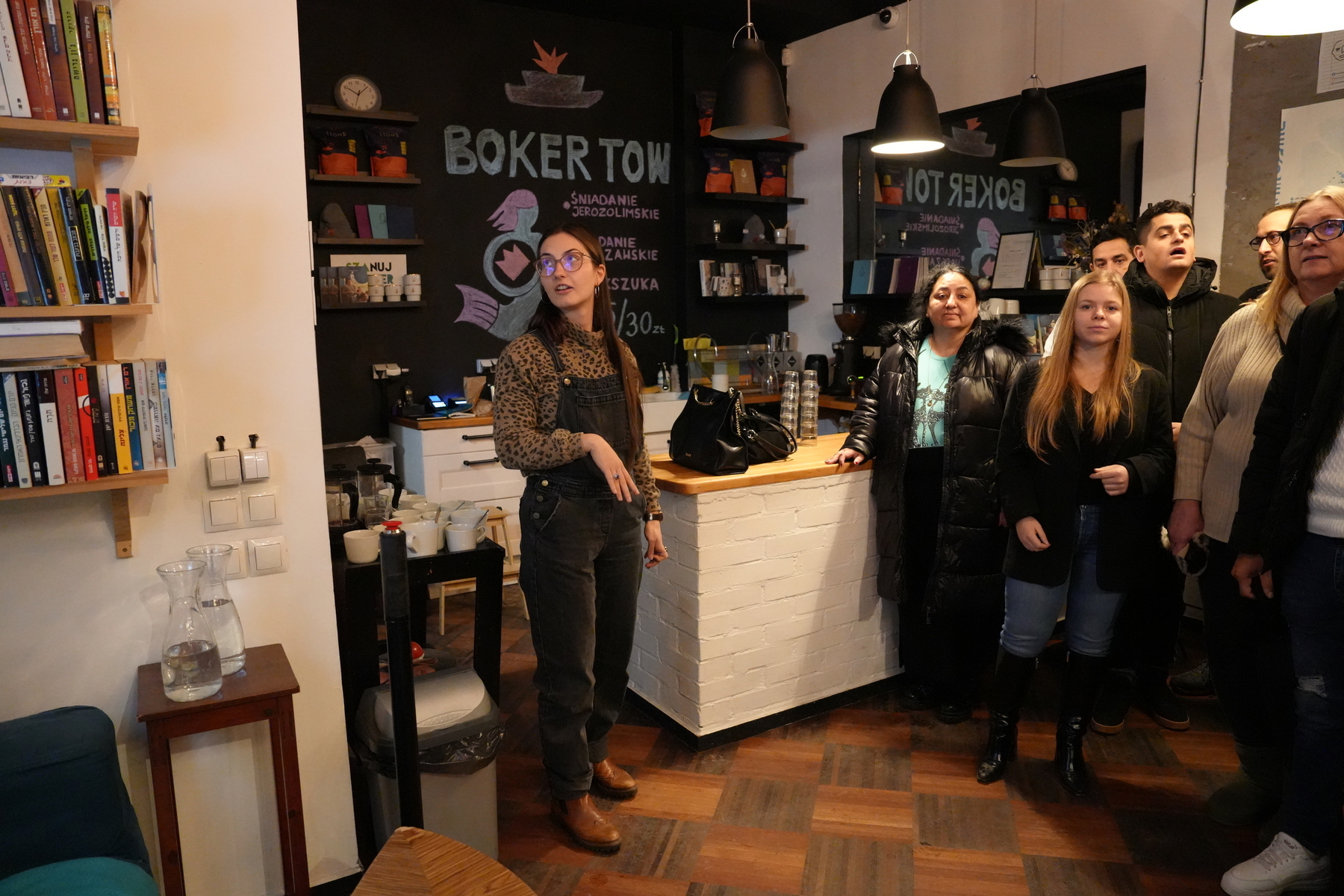
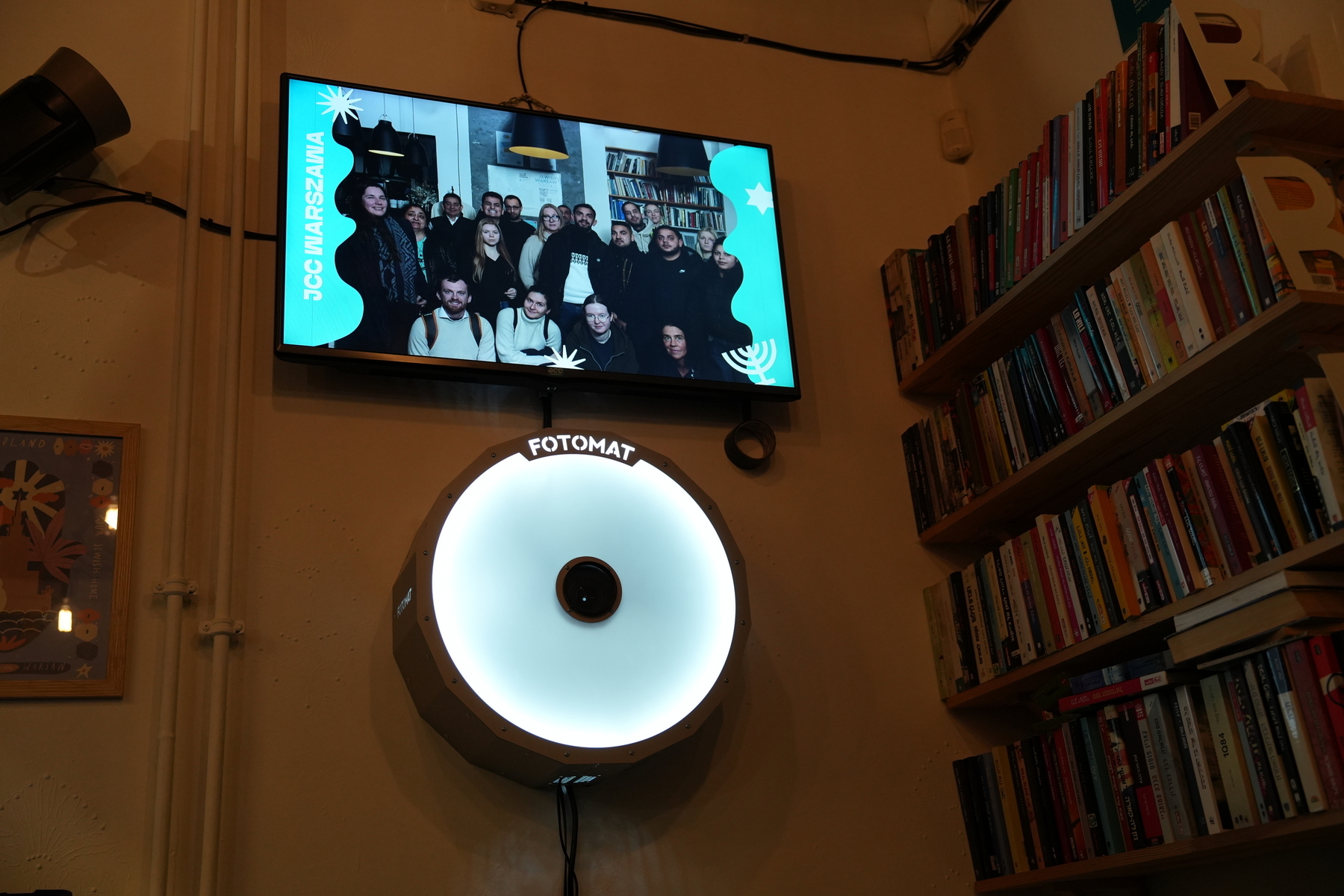
Next, the group visited the Nożyk Synagogue, where they were welcomed by Chief Rabbi of Poland Michael Schudrich. He spoke about the history of the Jewish community in Poland, its contemporary life, and the role of home, tradition, and community in building social bonds. The day concluded with a meeting focused on intercultural education at the Jewish Community Centre, run by the JCC Warsaw Foundation.
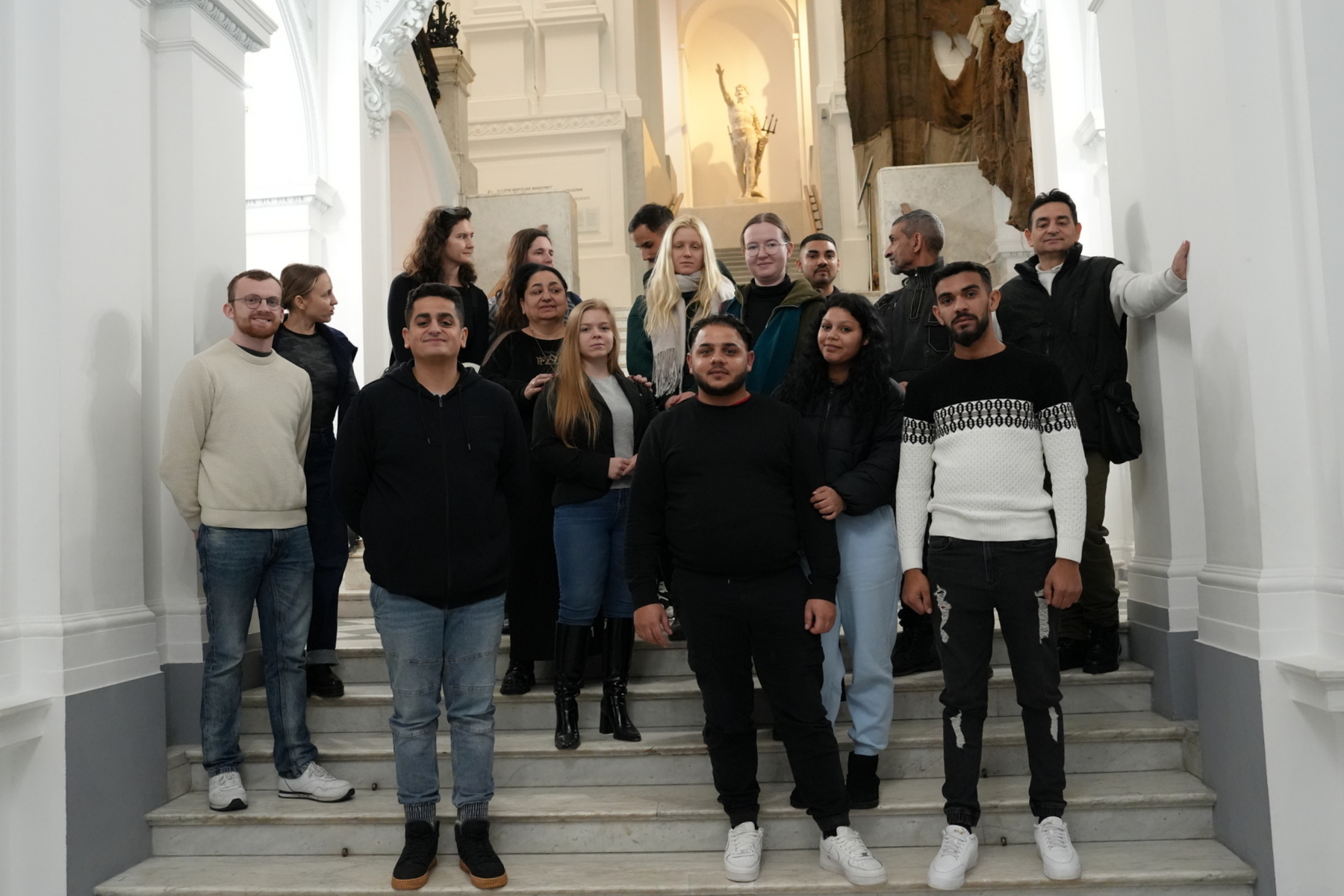
These experiences became a starting point for discussions on memory, identity, intercultural dialogue, openness to otherness, and mutual support in educational work.
Day 4 – Thursday, 15 January 2026

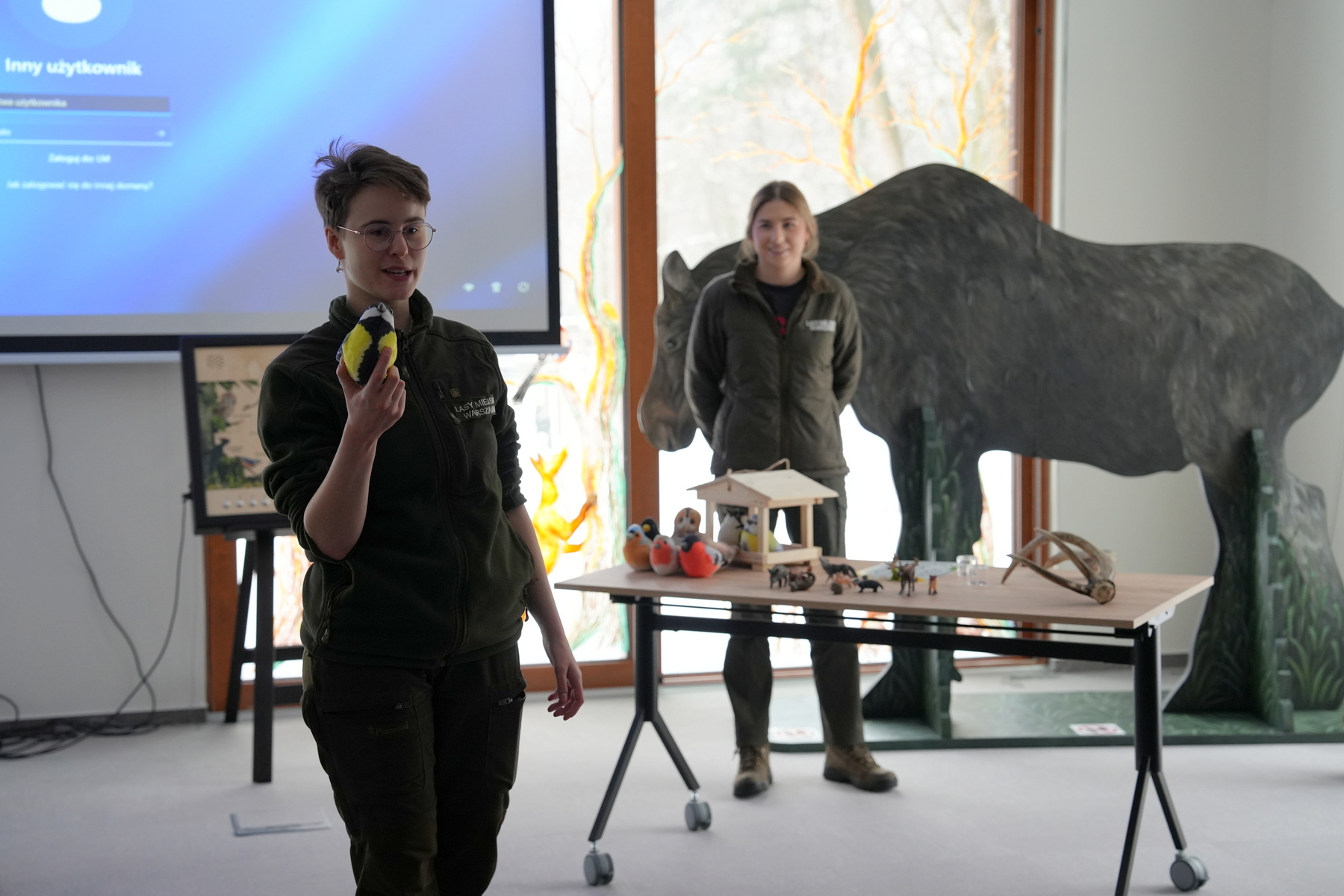
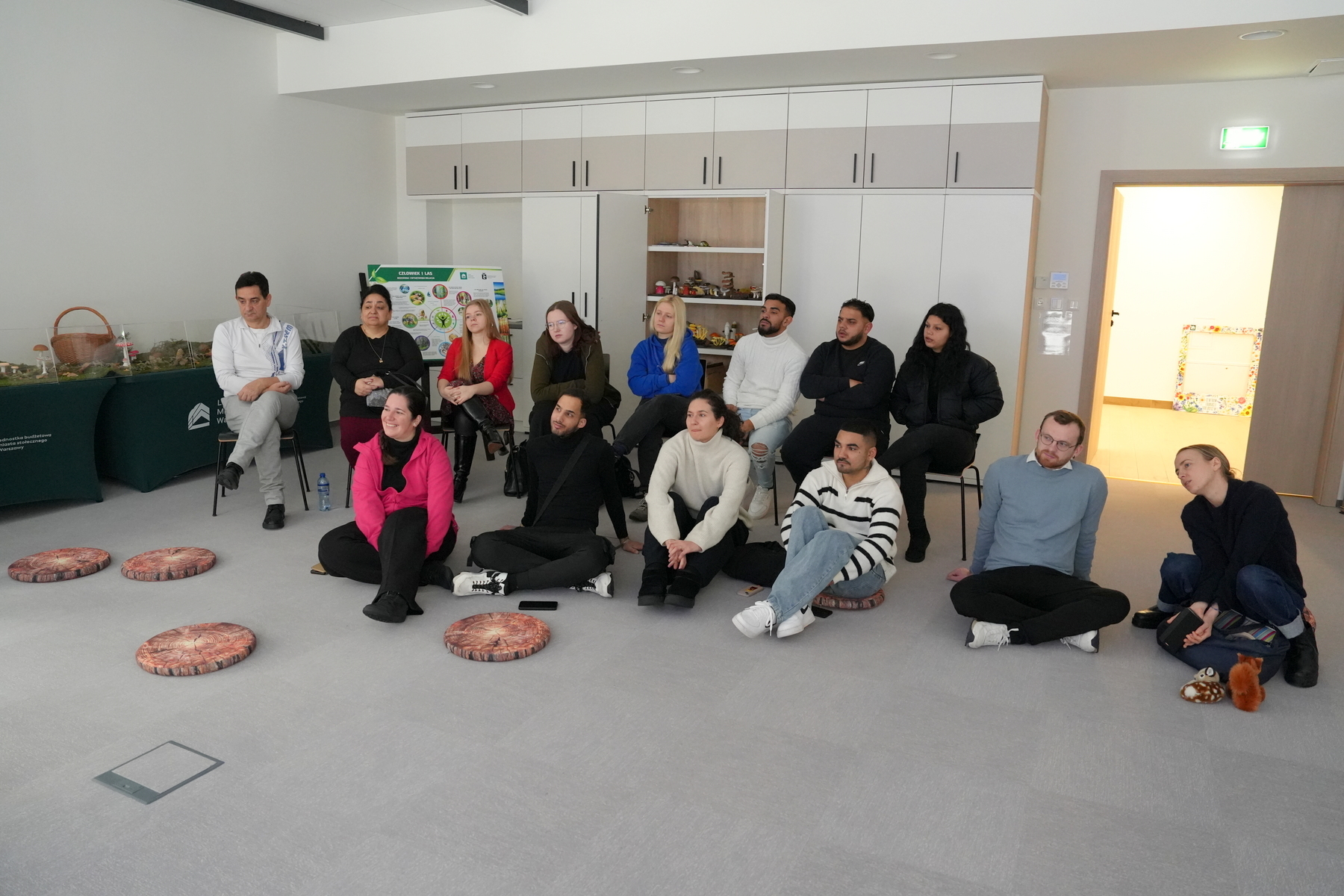
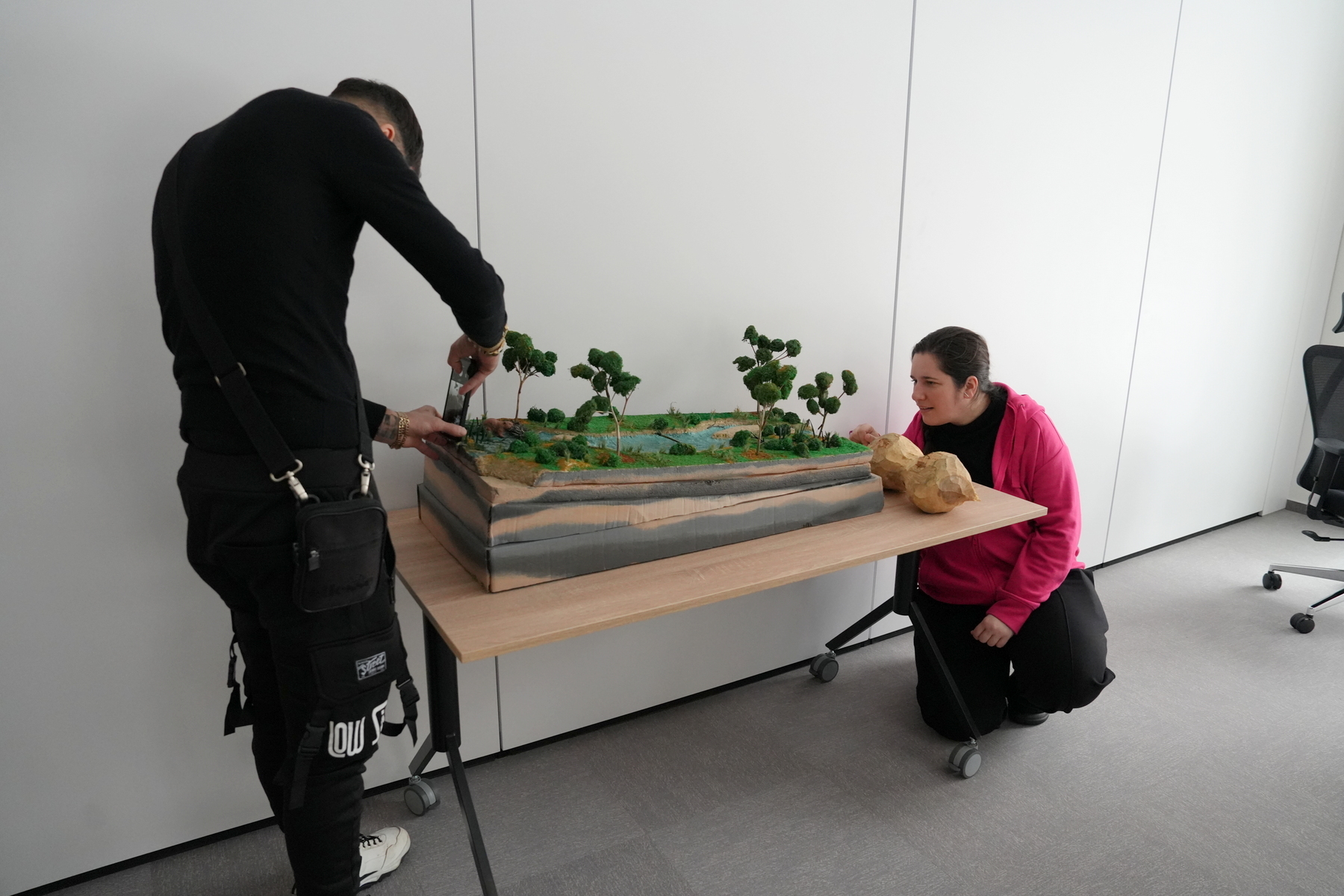
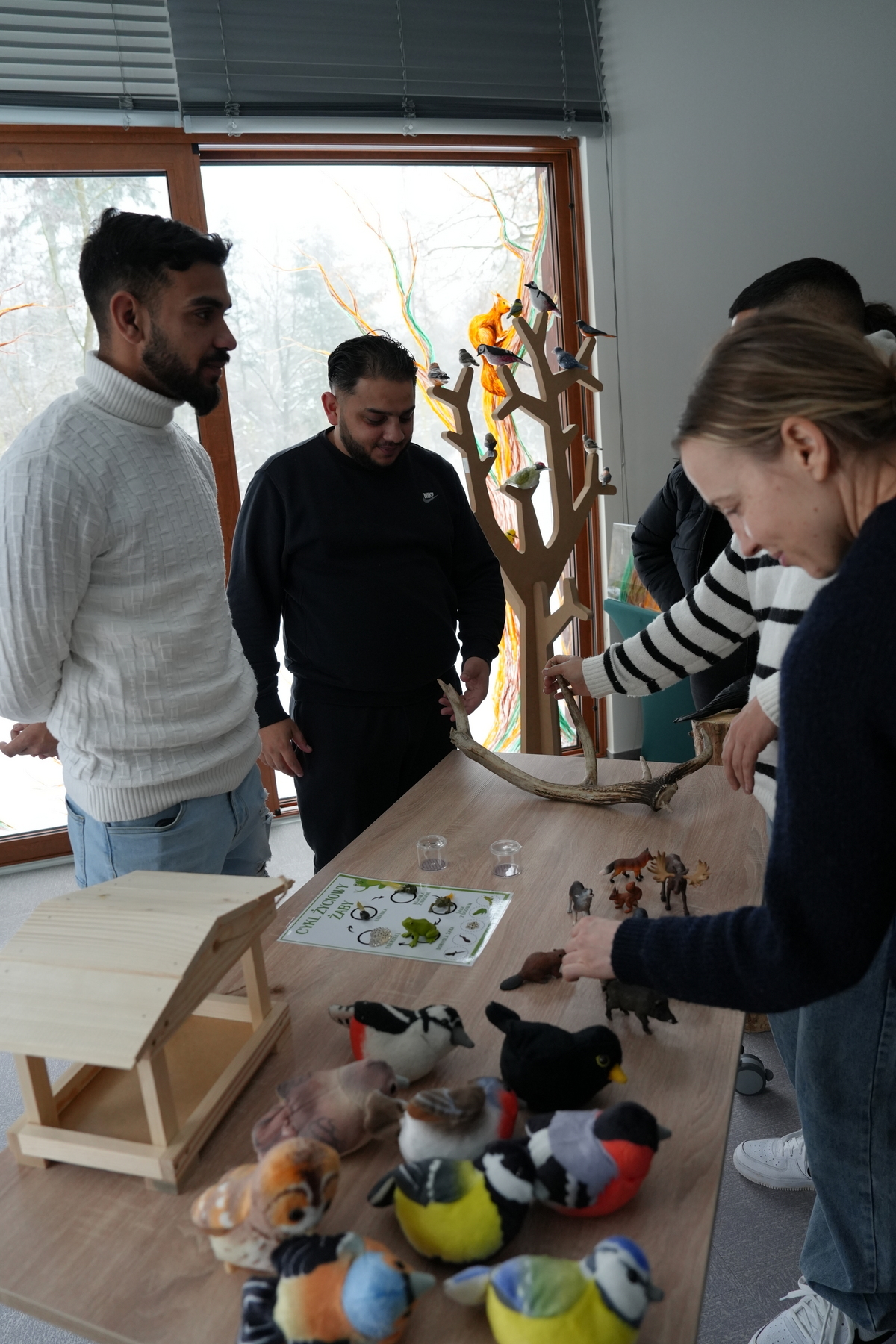
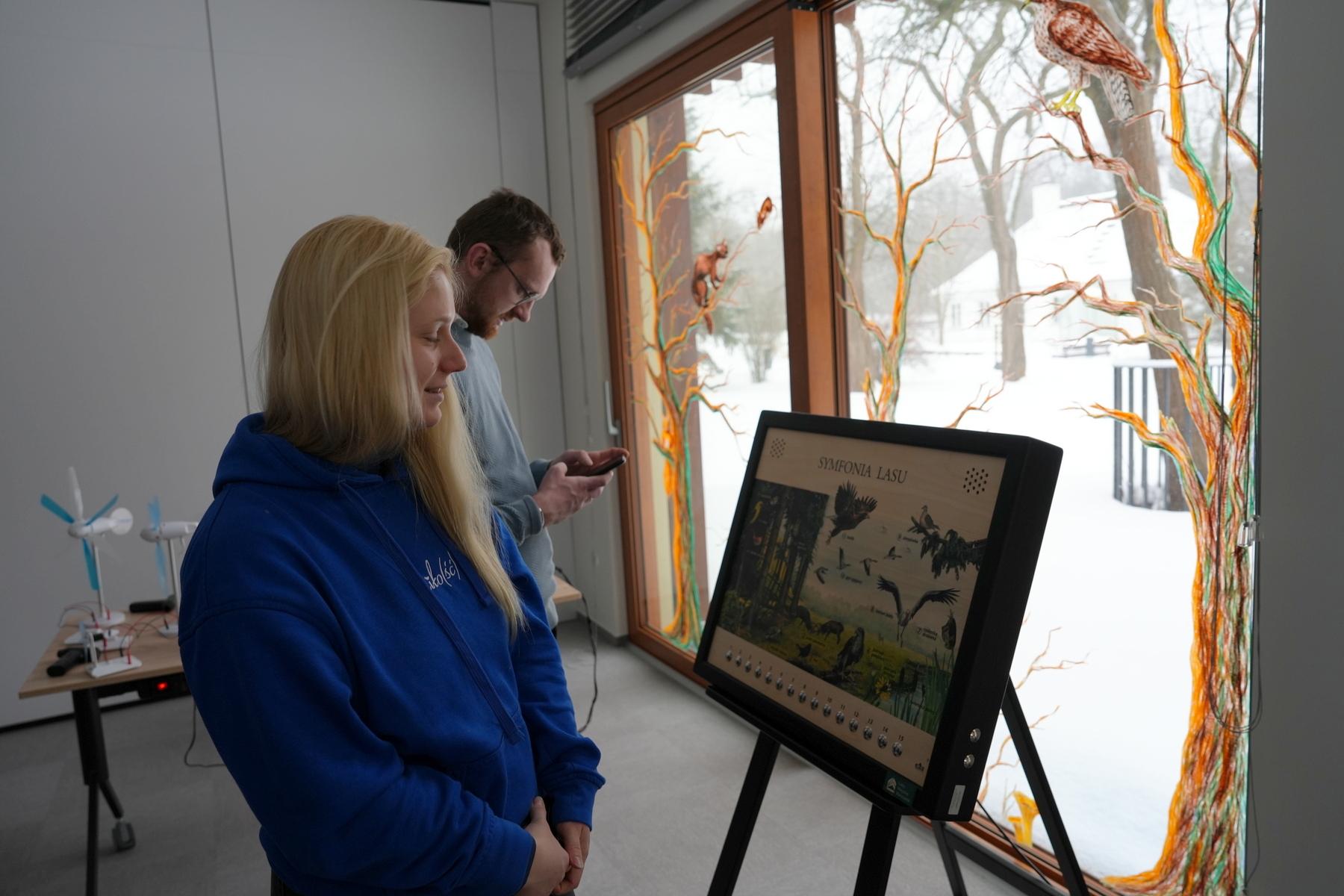
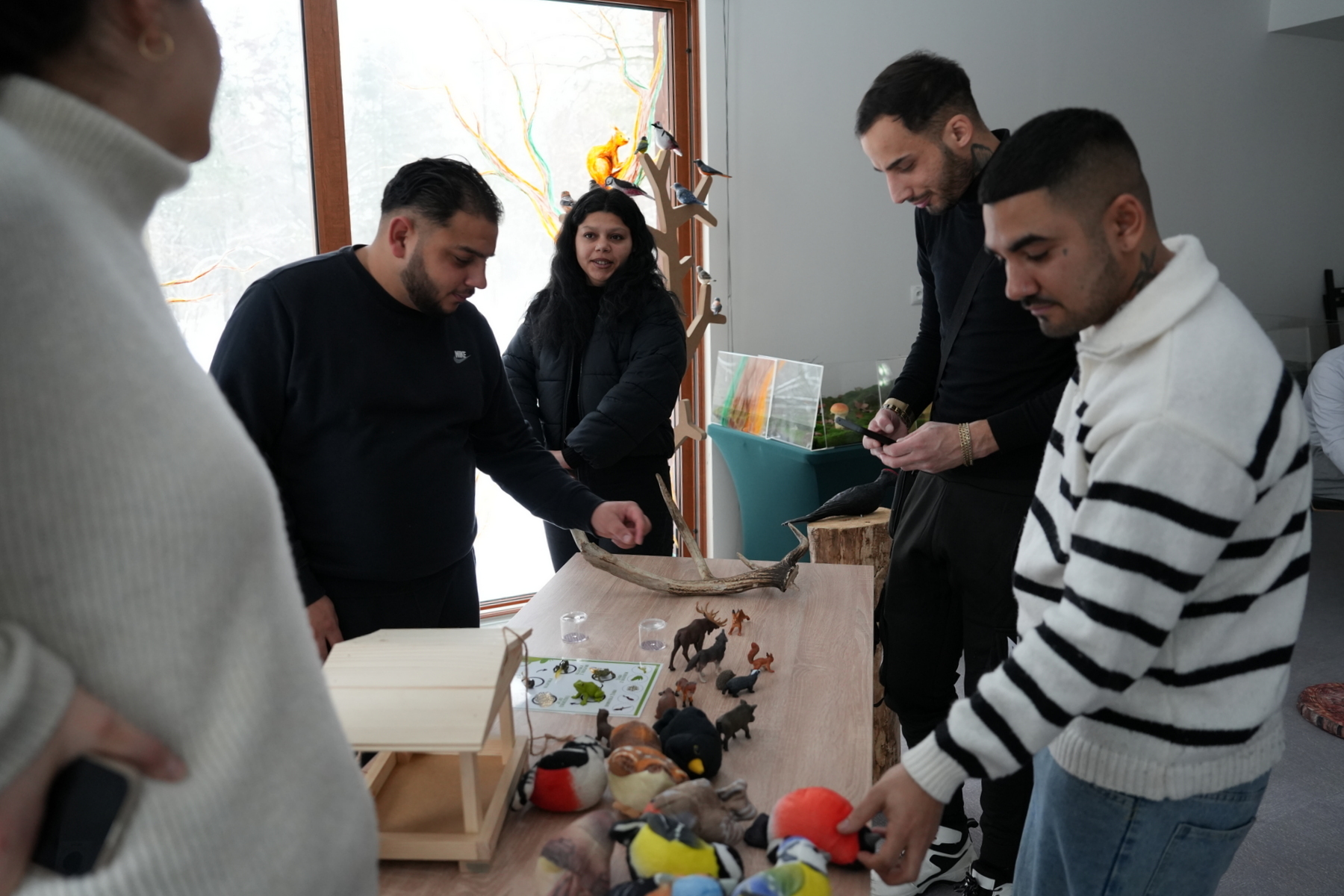
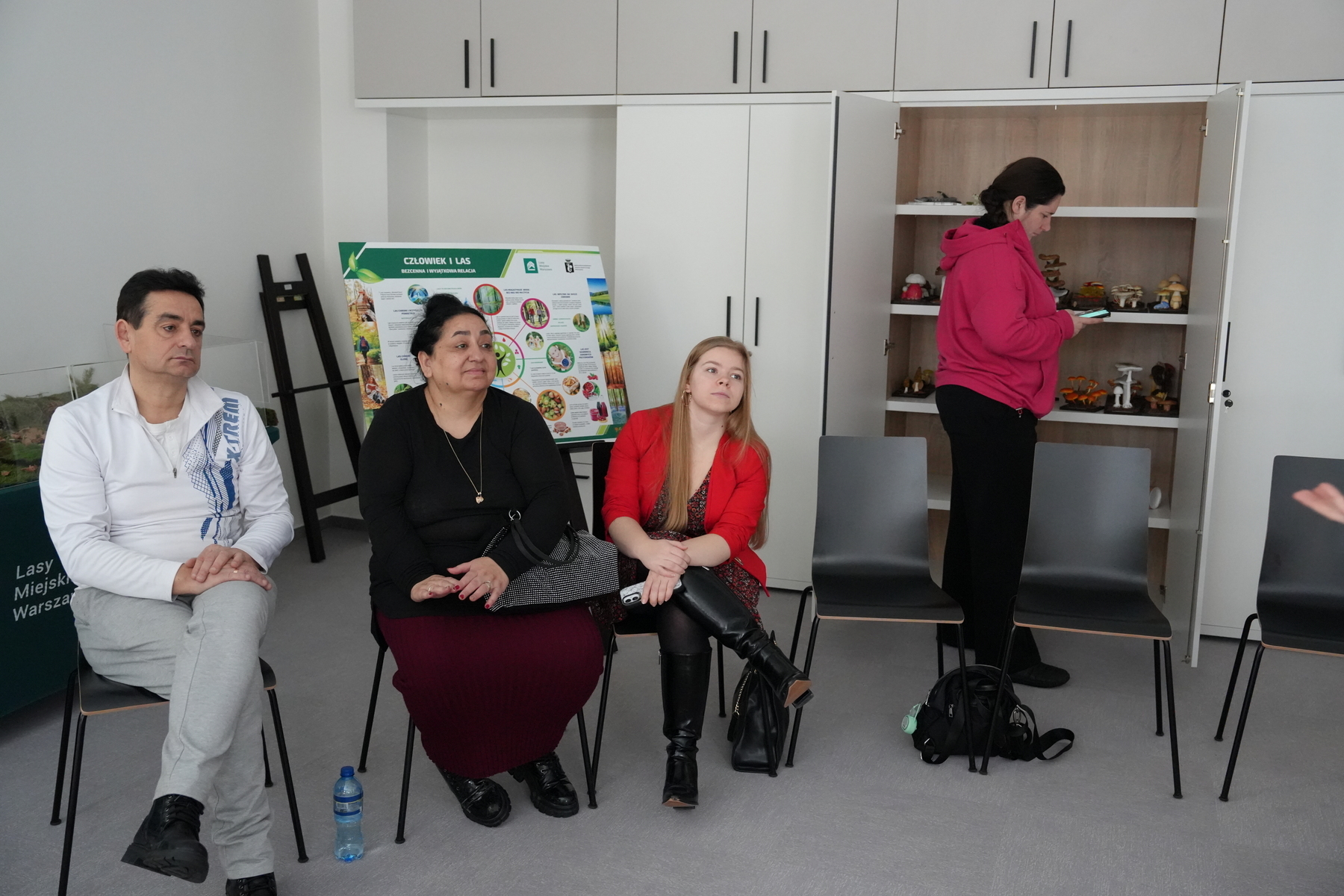
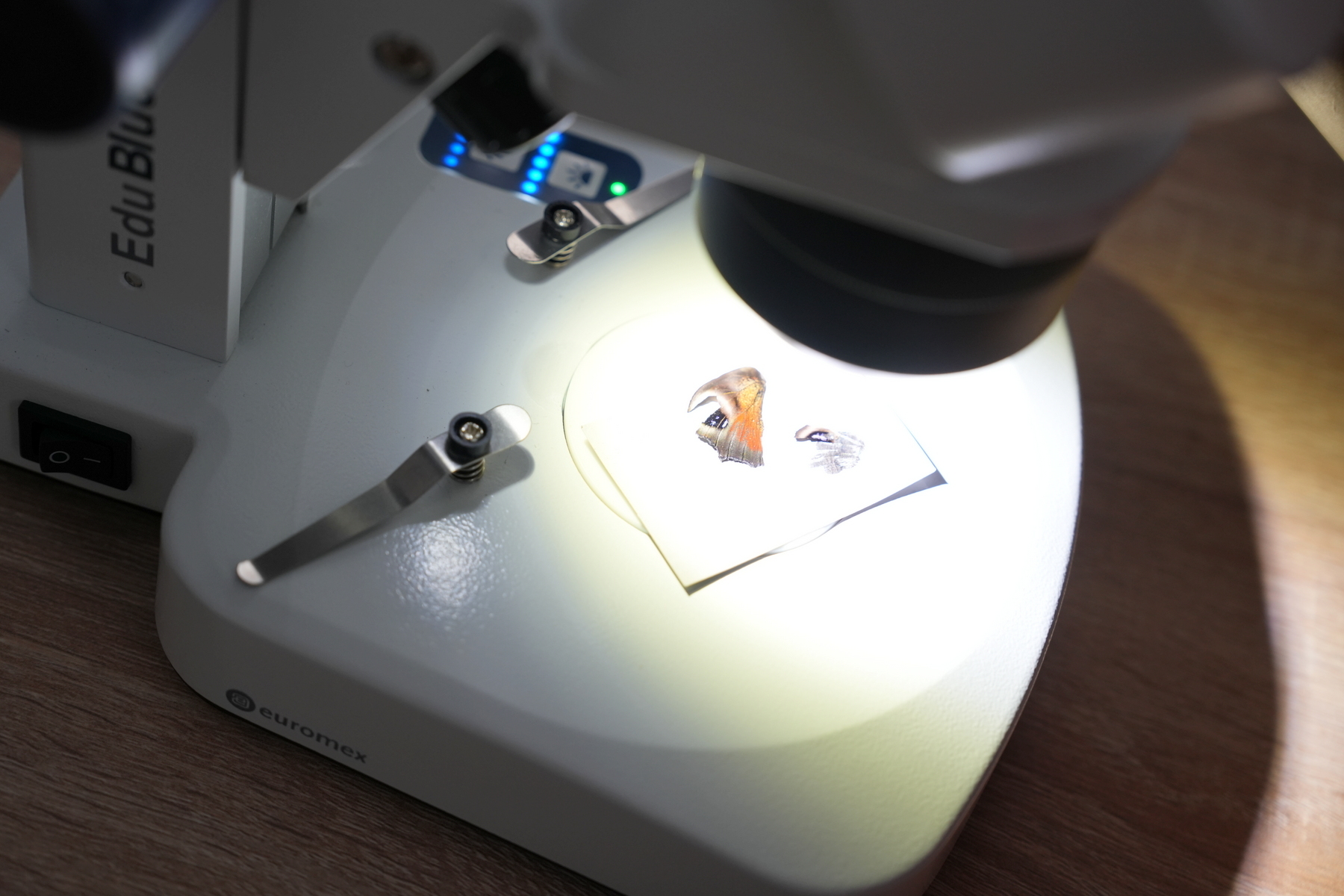
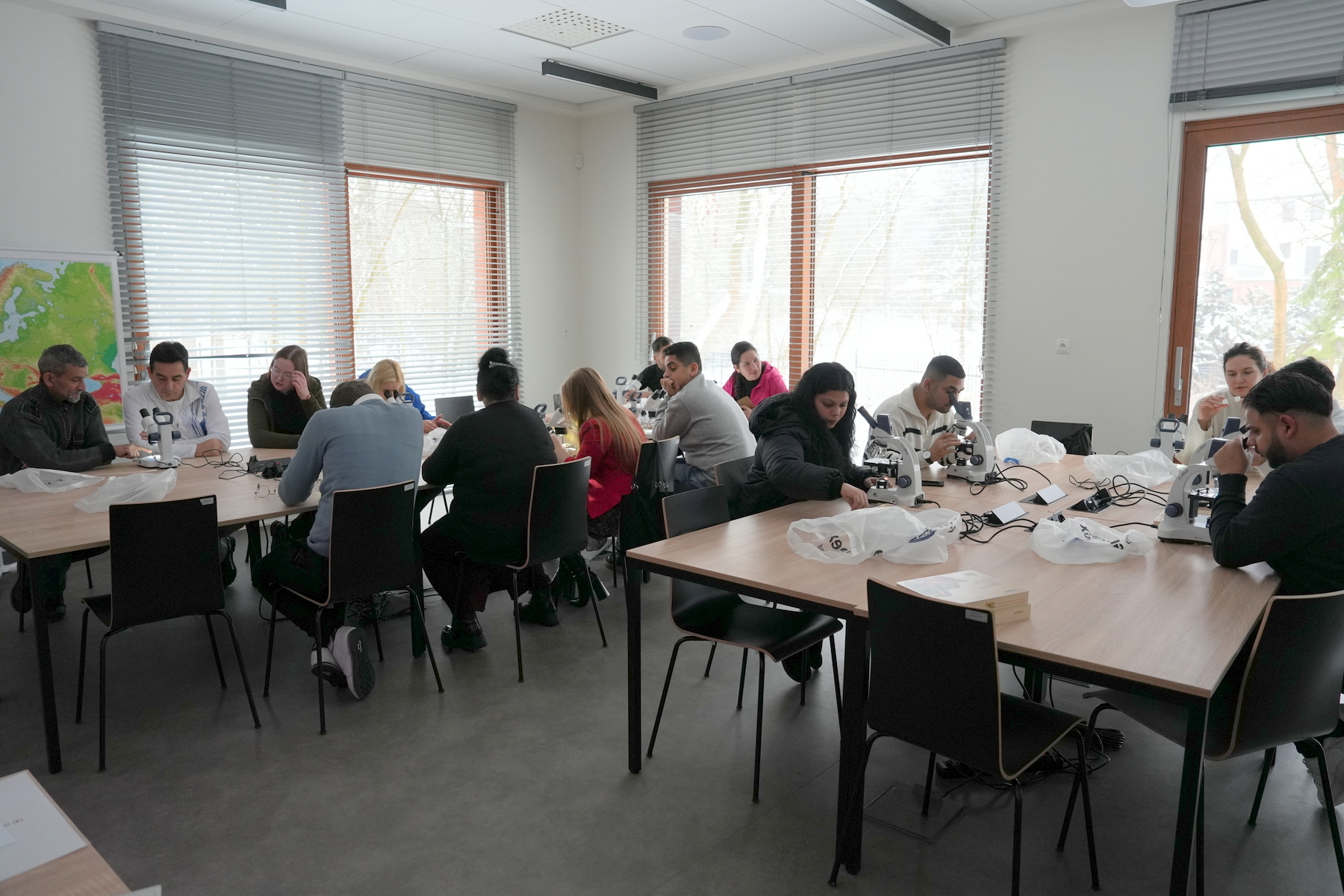
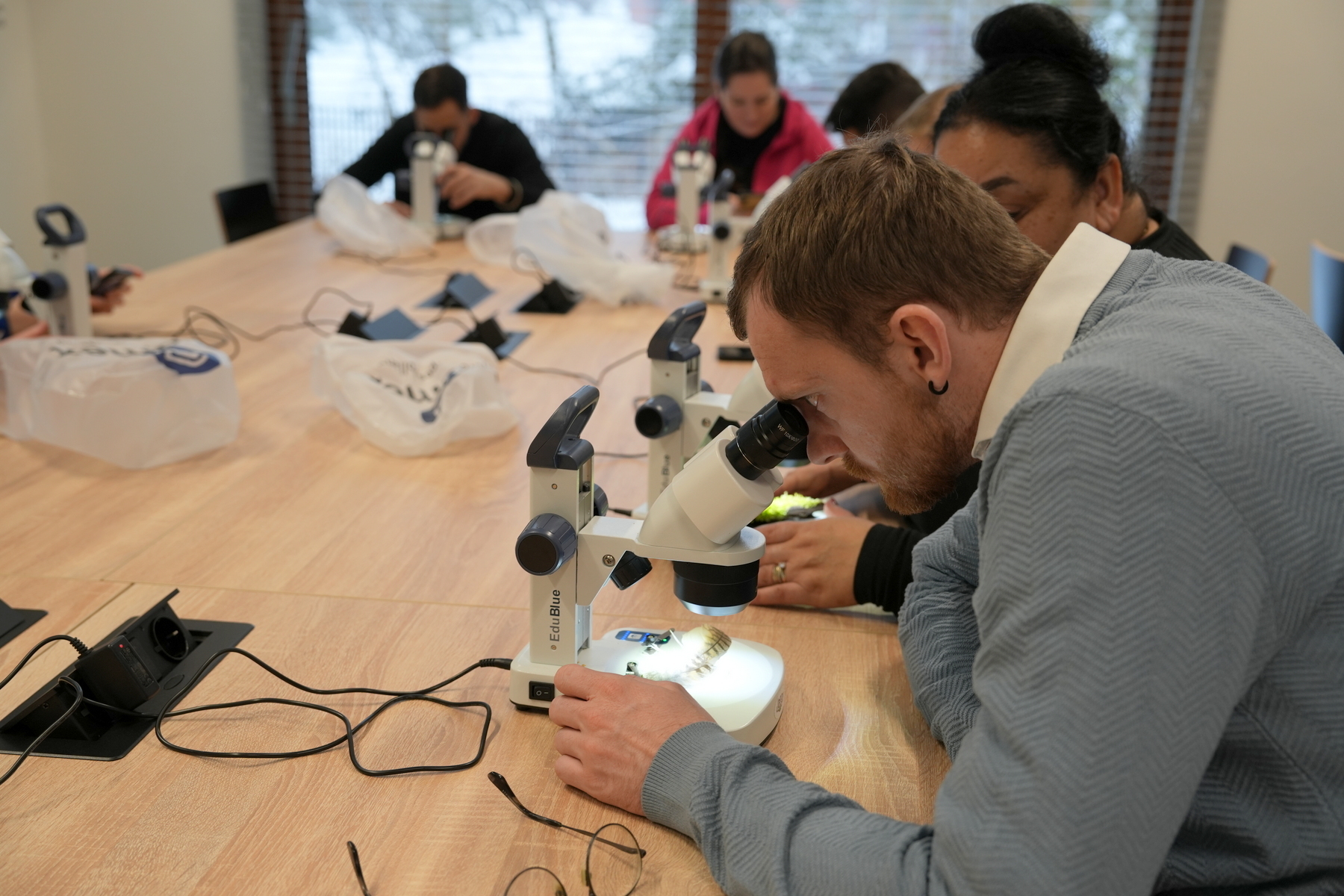
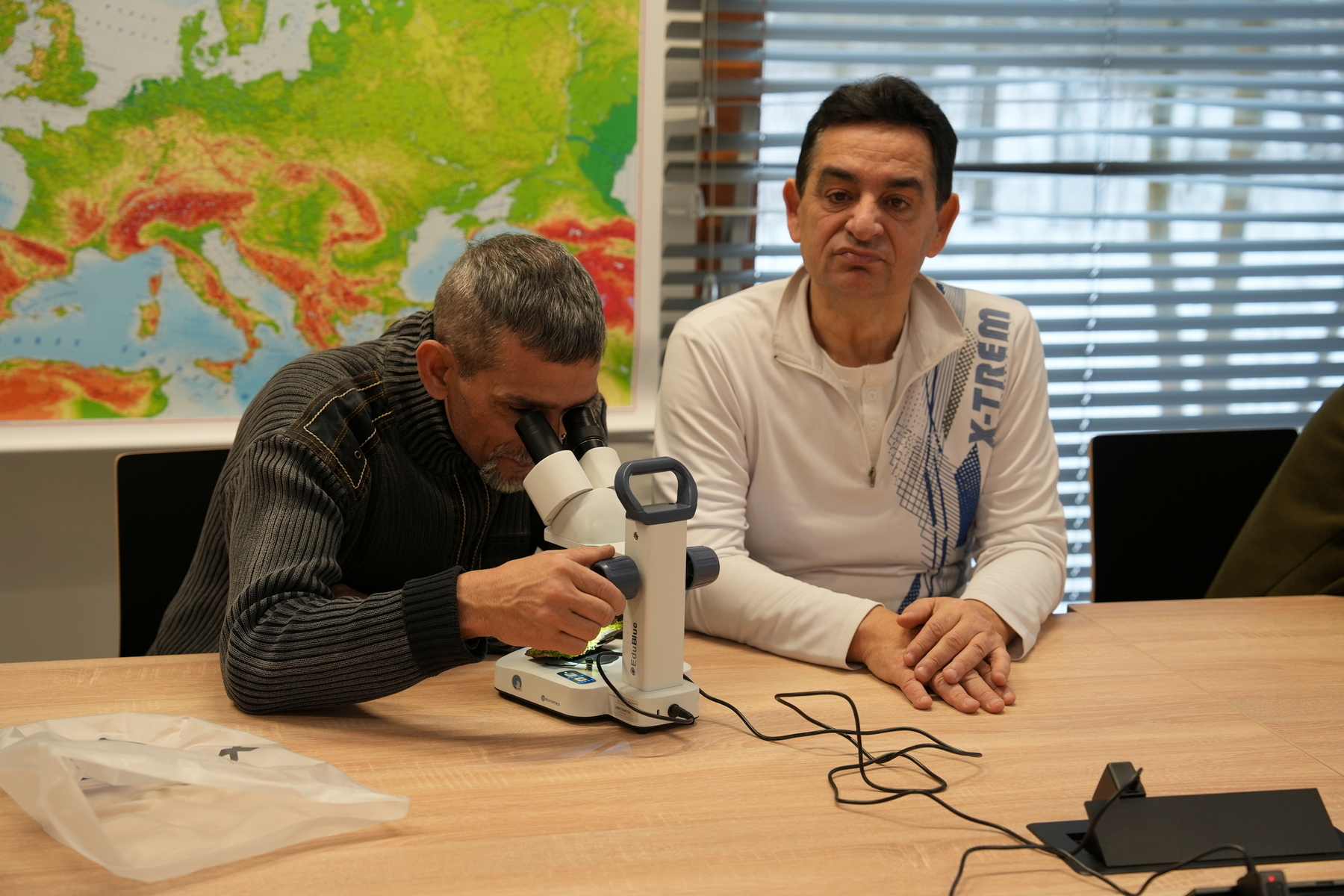
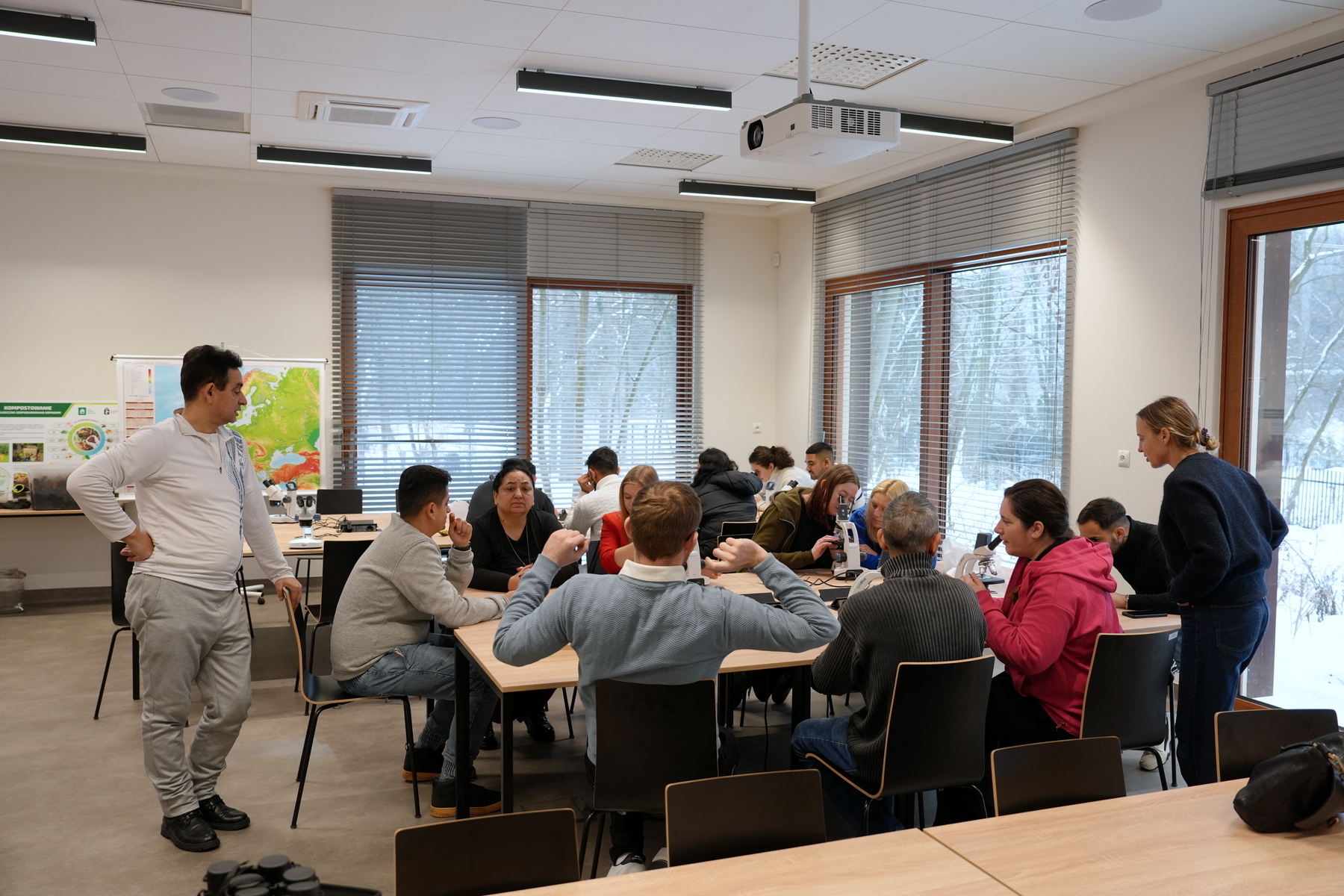
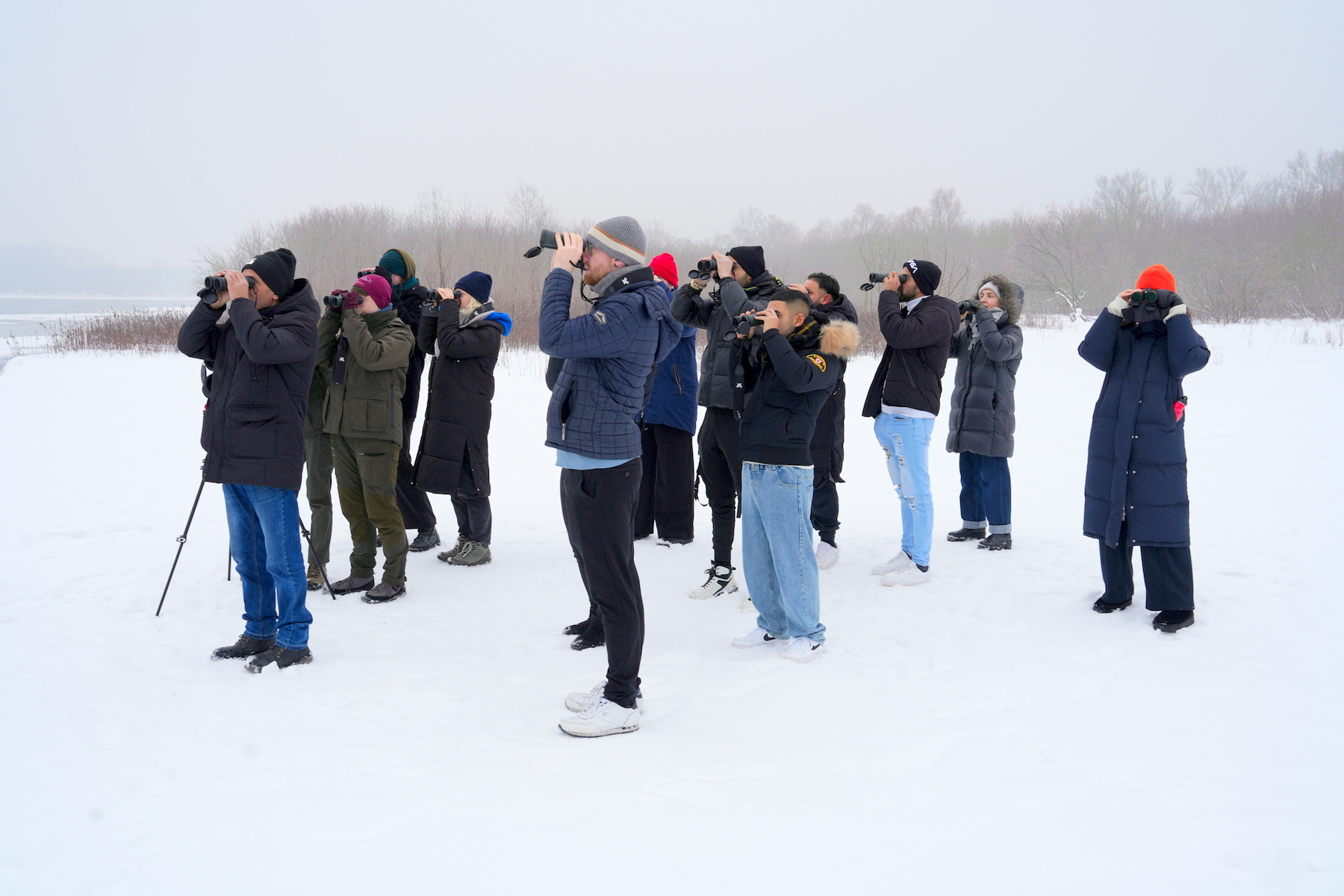
The final day of the training took place at the Centre for Ecological Education,
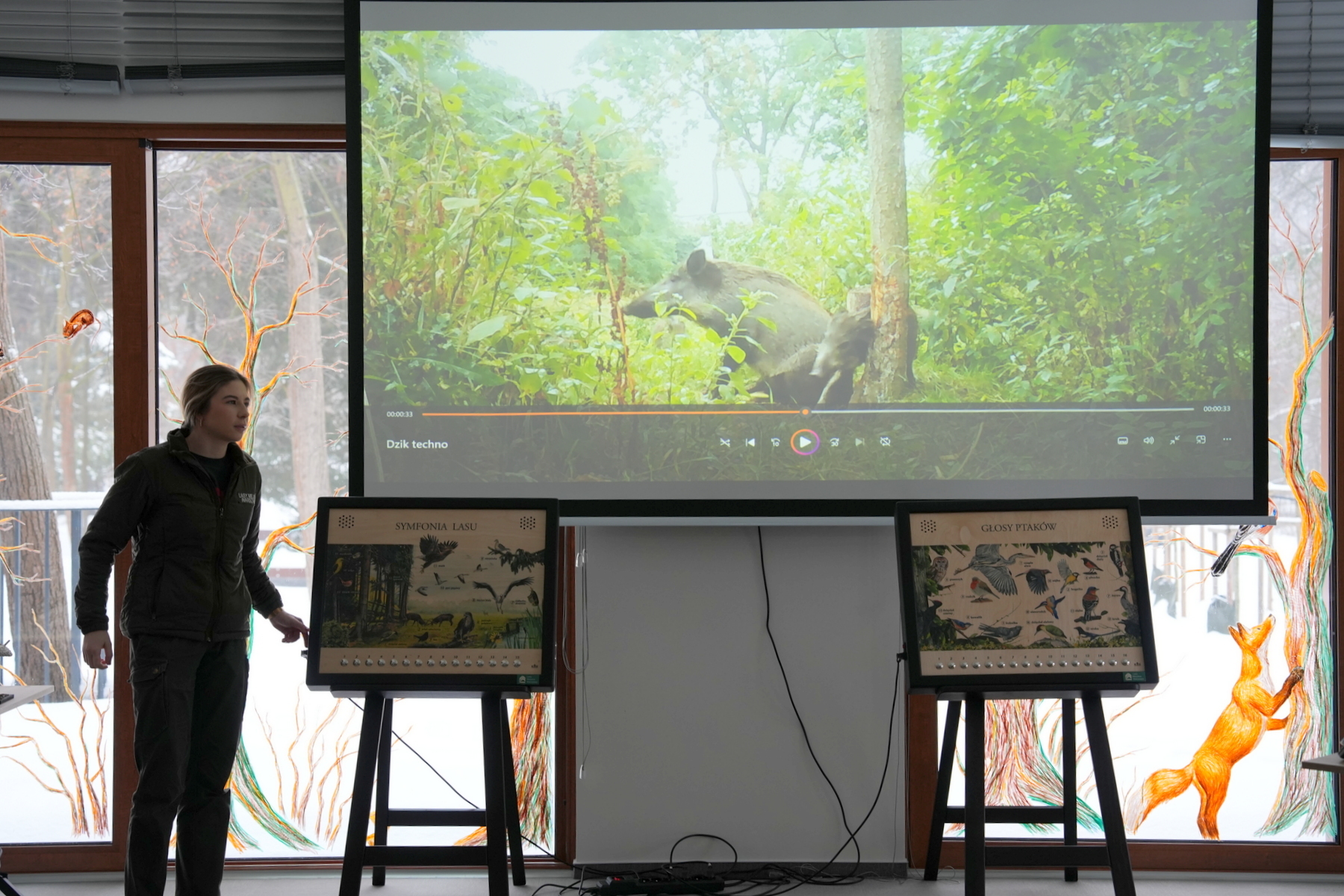
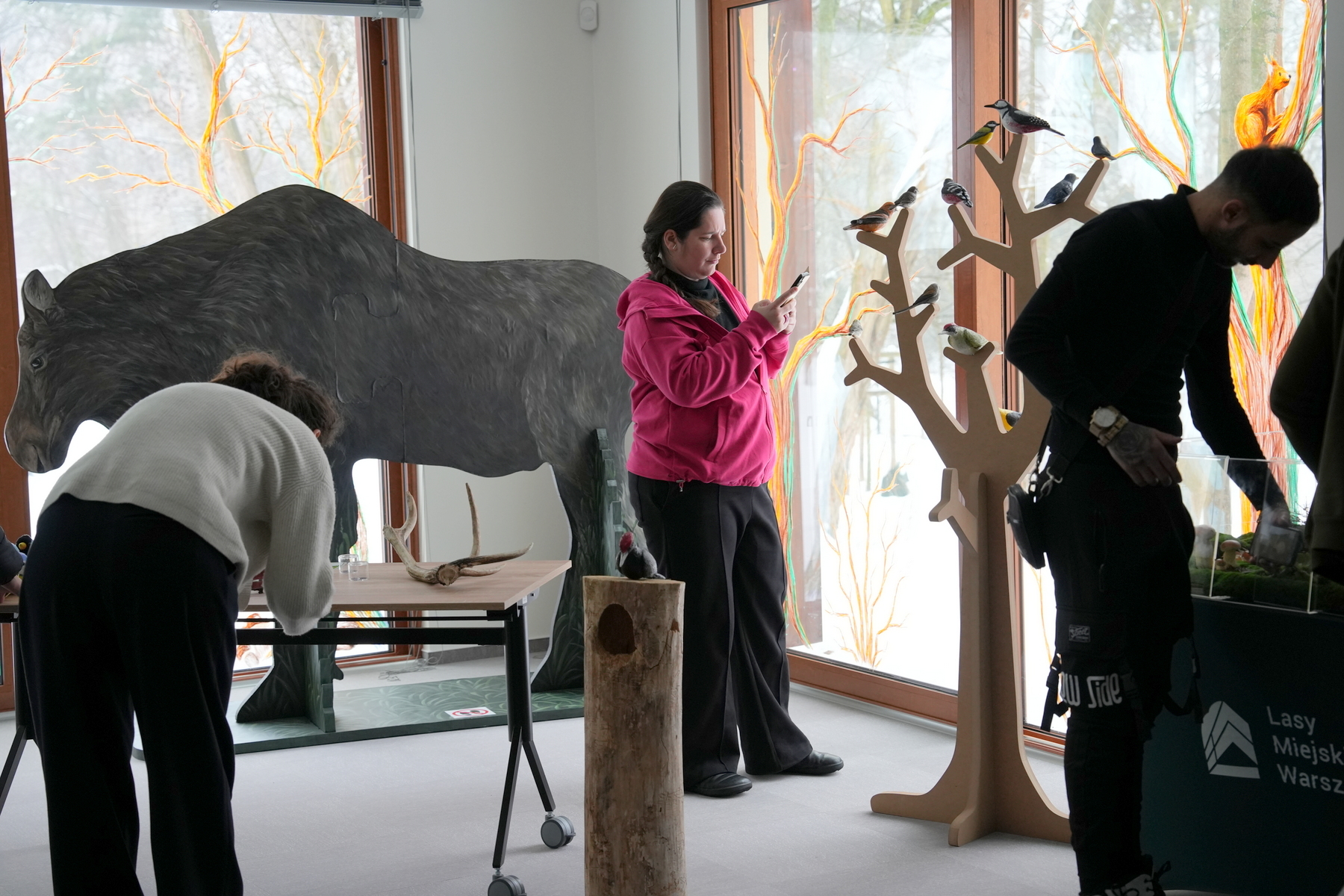
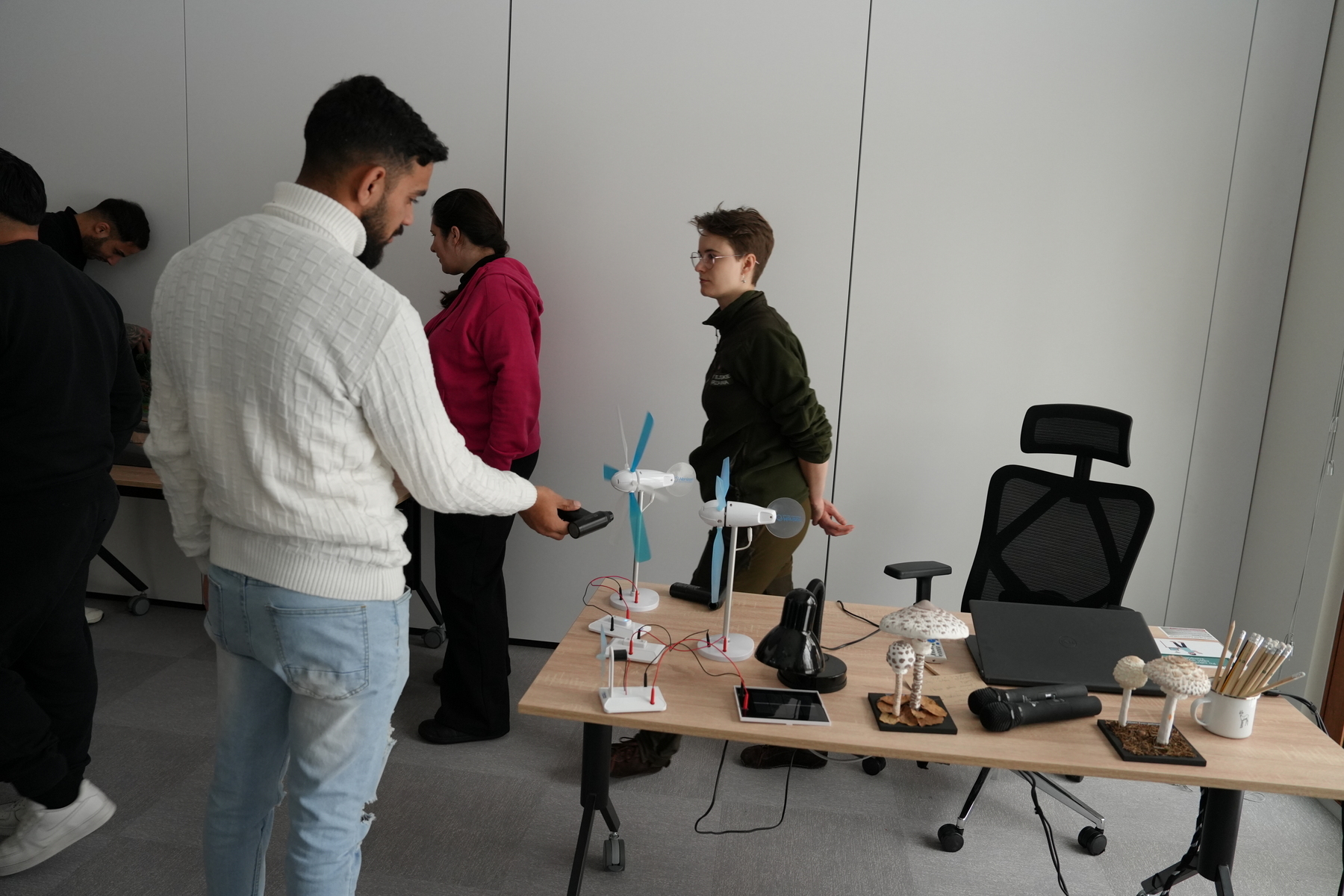
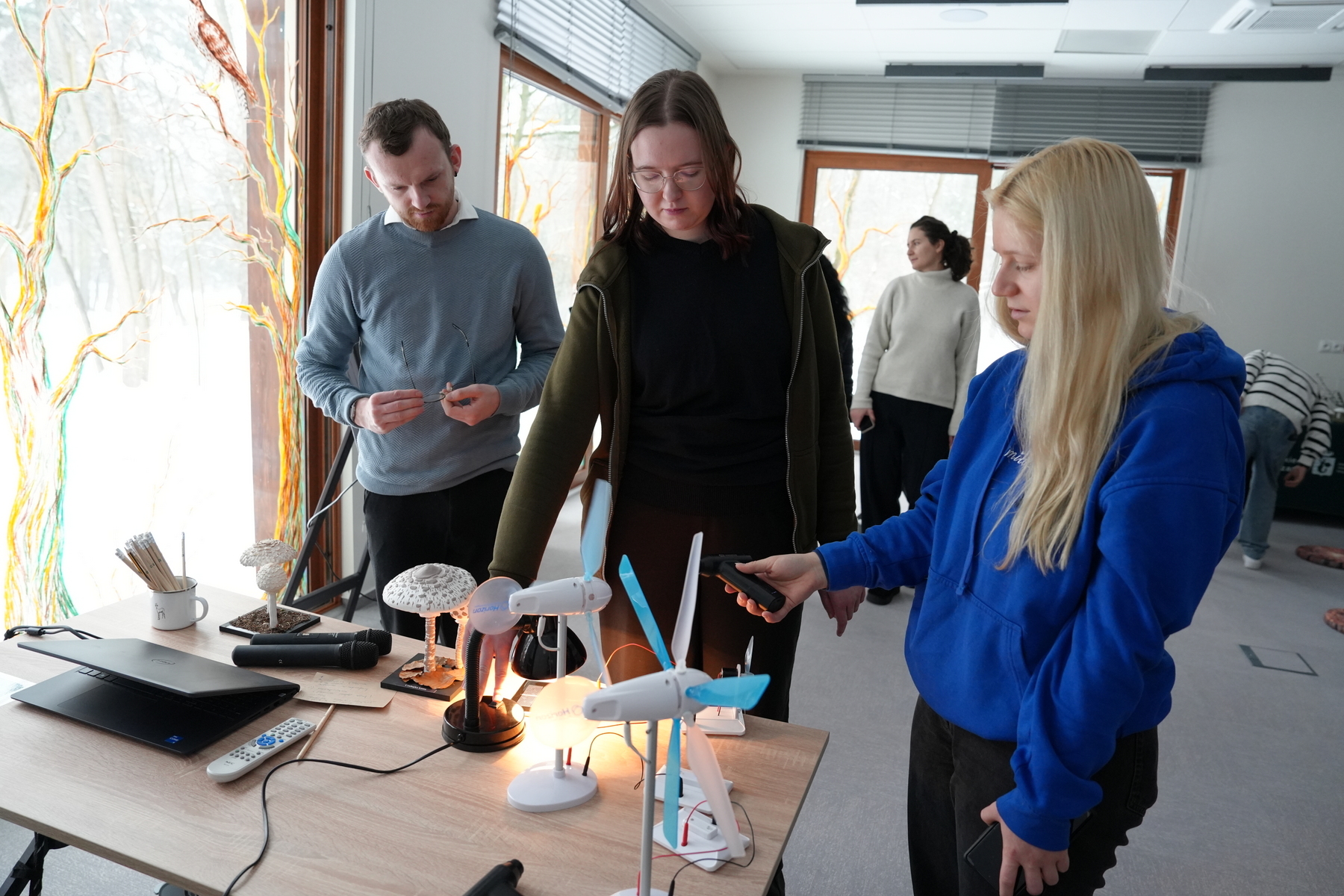
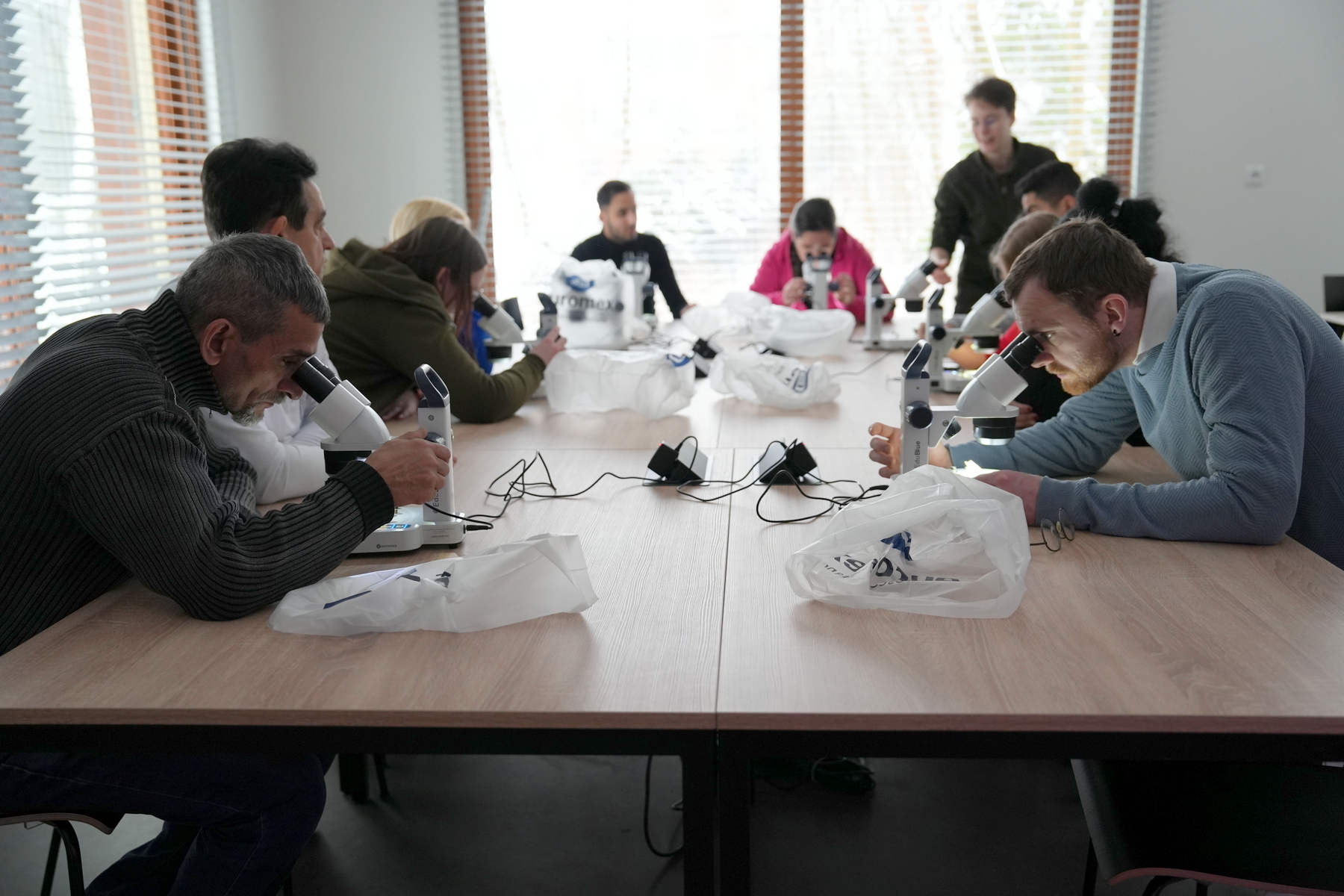
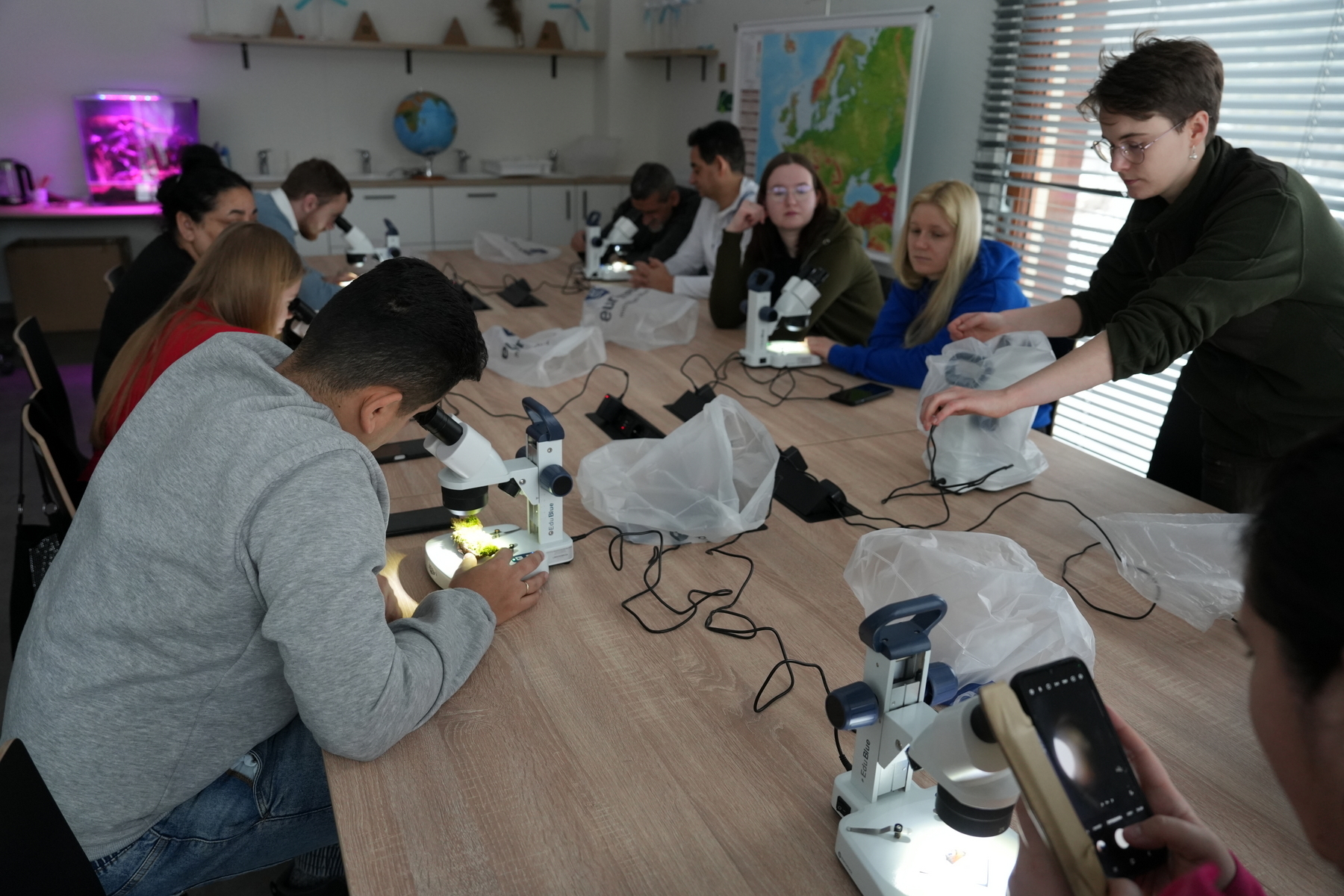
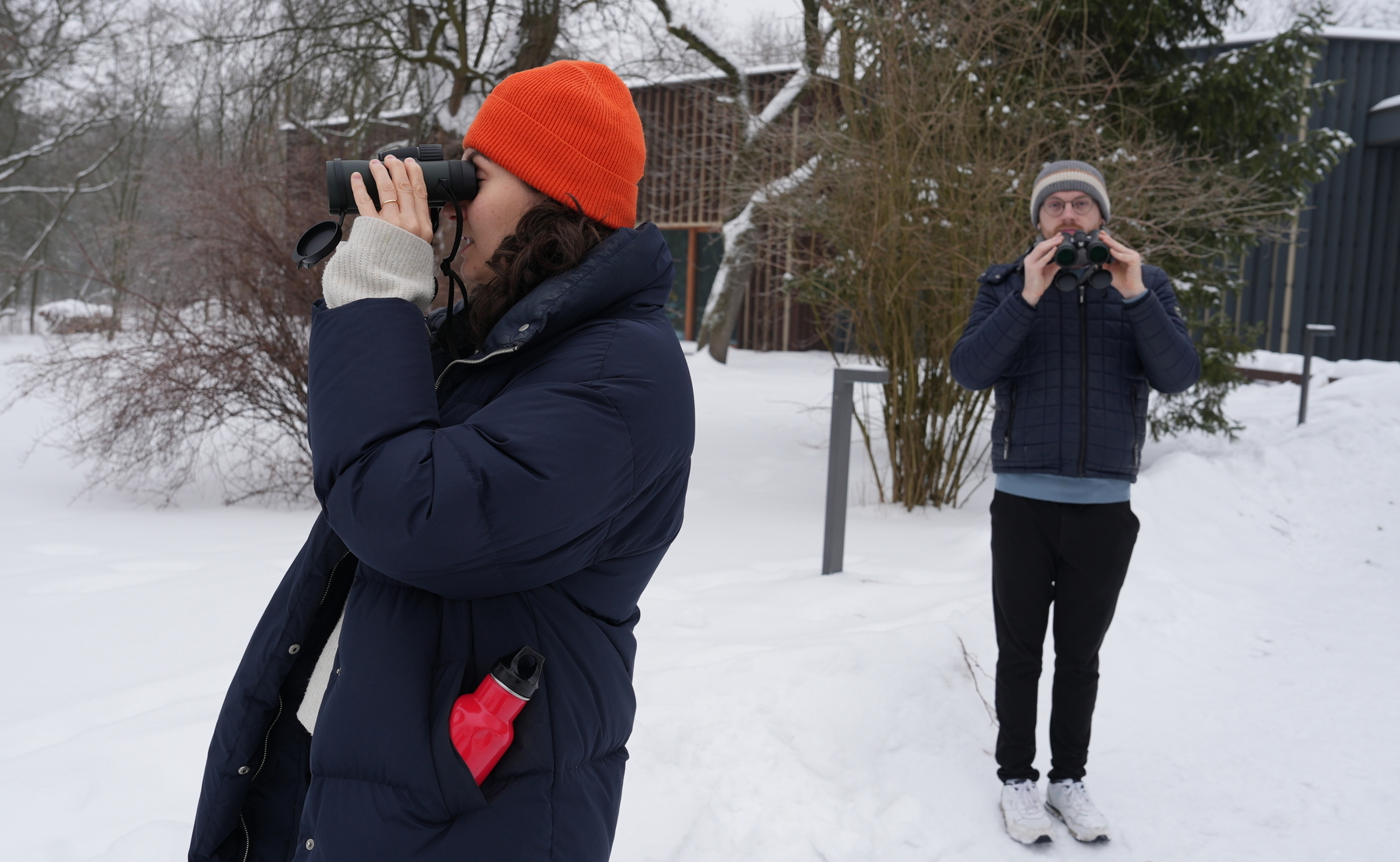
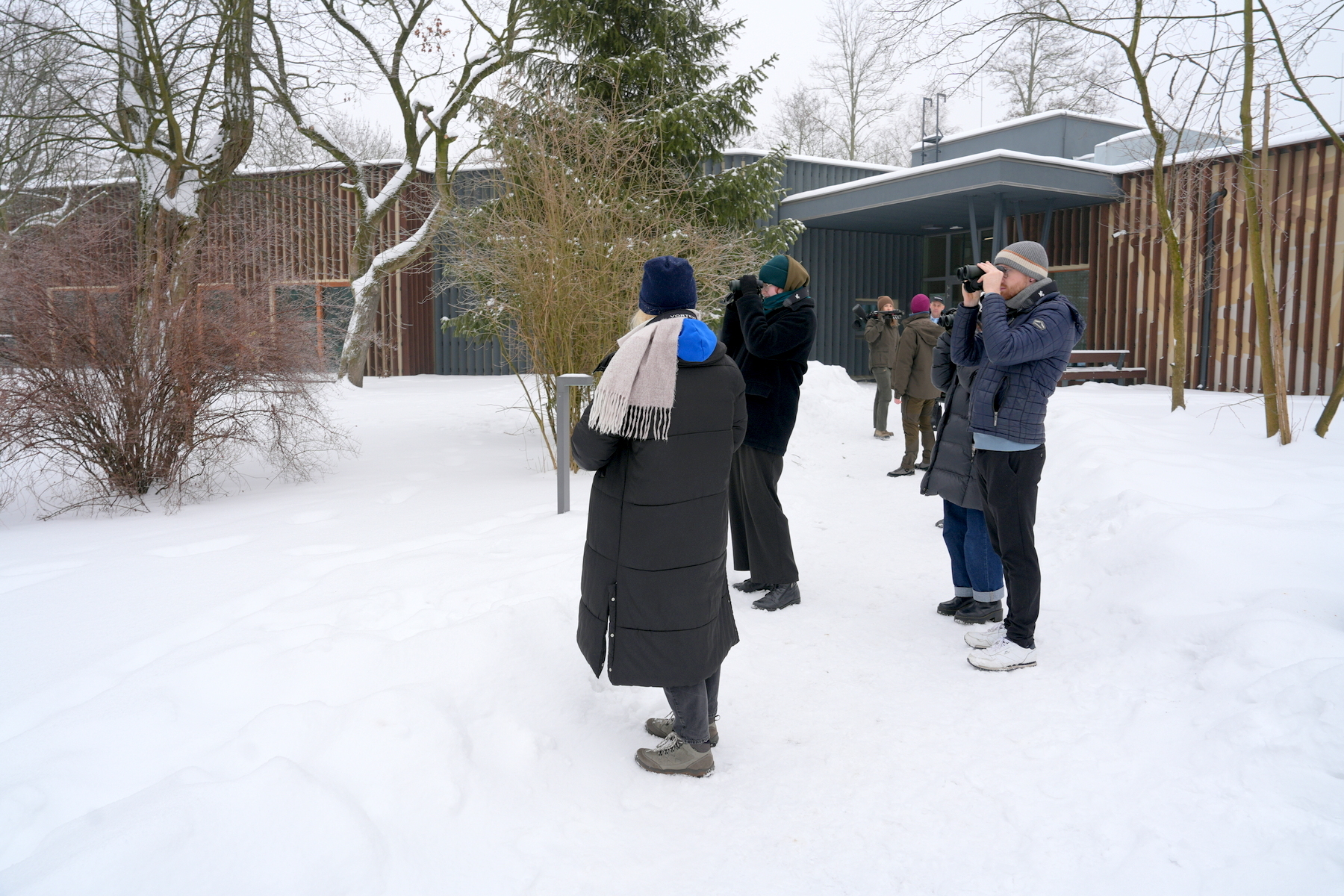
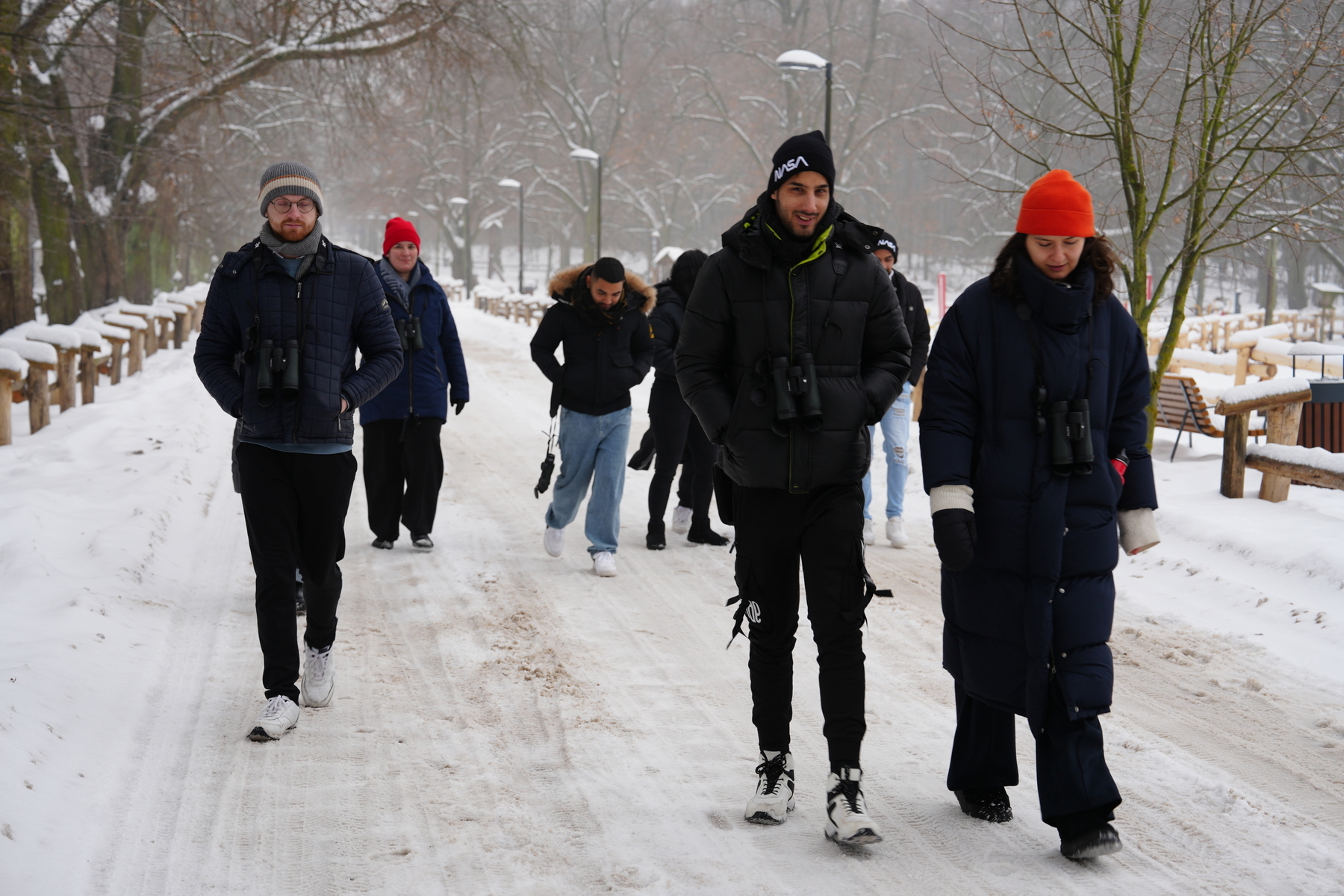
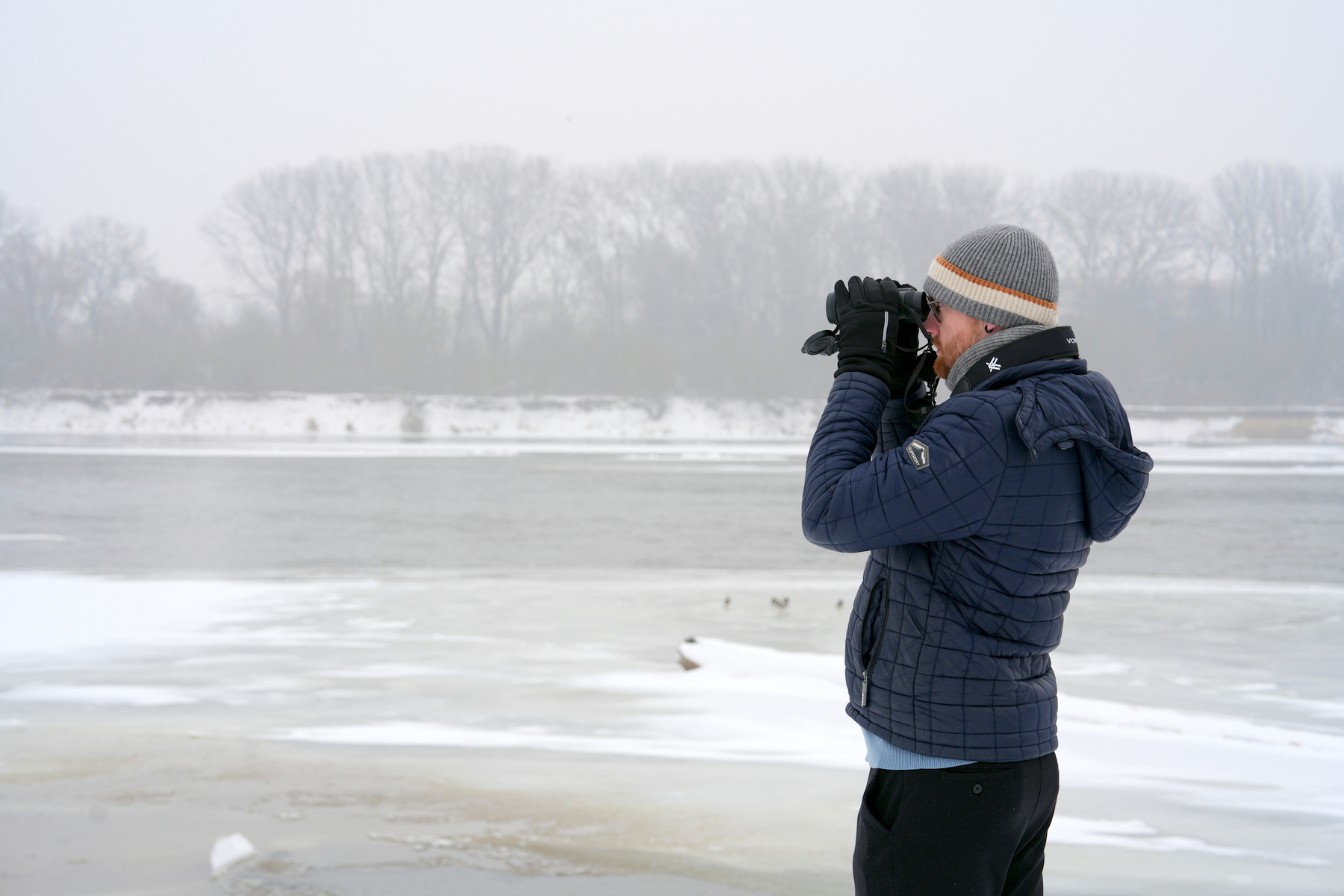
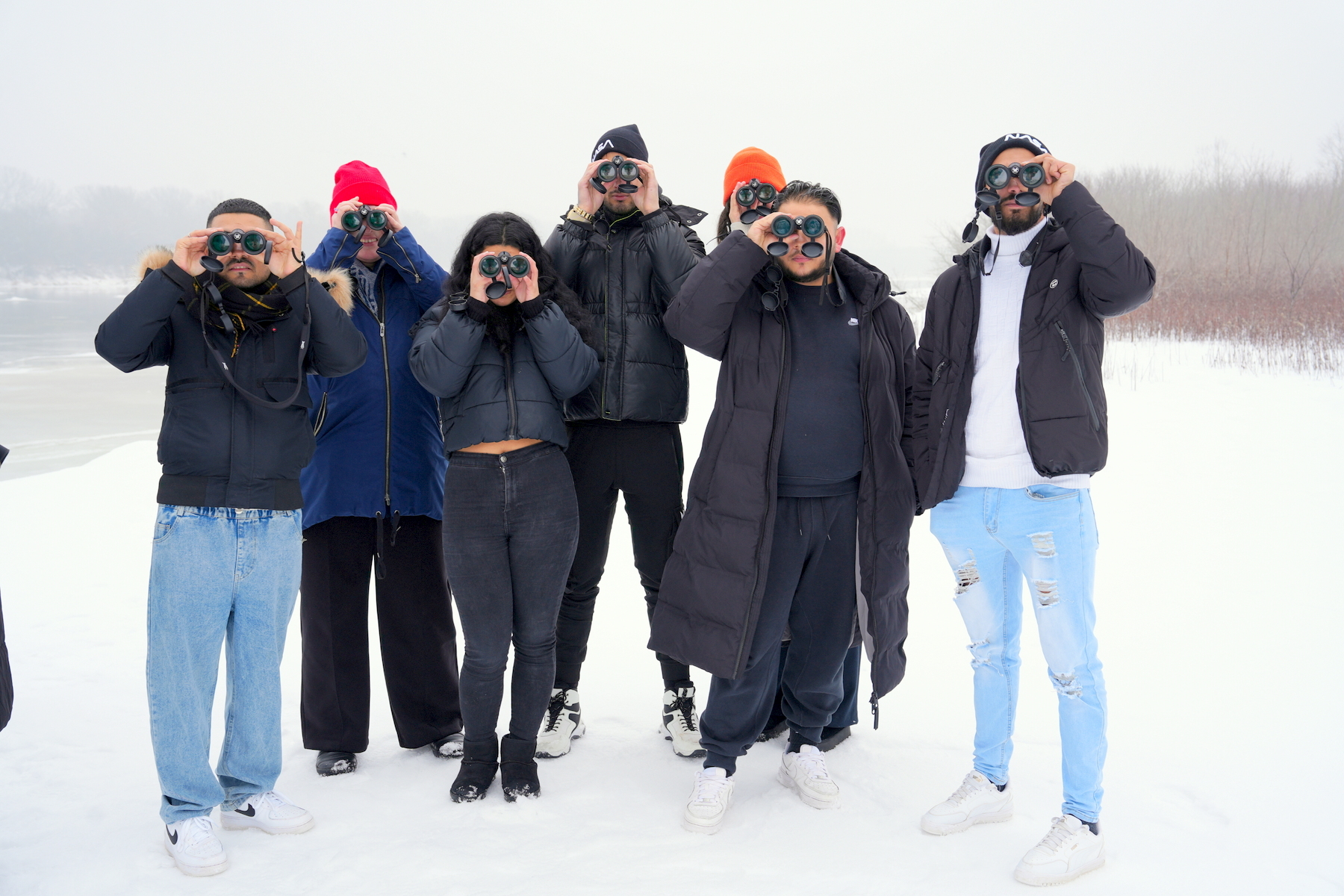
which operates within the structures of Warsaw Municipal Forests, near the Młociński Forest. Outdoor activities demonstrated the enormous educational potential of nature and how effectively it can be used in work with young people.

Observing nature, carrying out independent activities using specialist equipment, and learning about local fauna and flora—despite the cold, wintry weather—became an important part of the learning process. It was also a time for calmly closing the entire training process through conversations, summaries, and sharing what each participant would take forward into their future work.

From the outset, we were guided by one main goal: to inspire. To show that working with young people can—and should—be diverse, flexible, and based on relationships. We wanted to encourage participants to experiment, search for their own methods, and have the courage to step beyond familiar patterns.

The aim was not to “teach everything”, but rather to spark curiosity, provide impulses for further development, and demonstrate that non-formal education truly works when it is grounded in experience, dialogue, observation, and mutual trust.

The project was implemented thanks to funding from the European Union under the Erasmus+ KA153-YOU programme, which supports initiatives aimed at improving the quality of youth work and developing educators’ competences.

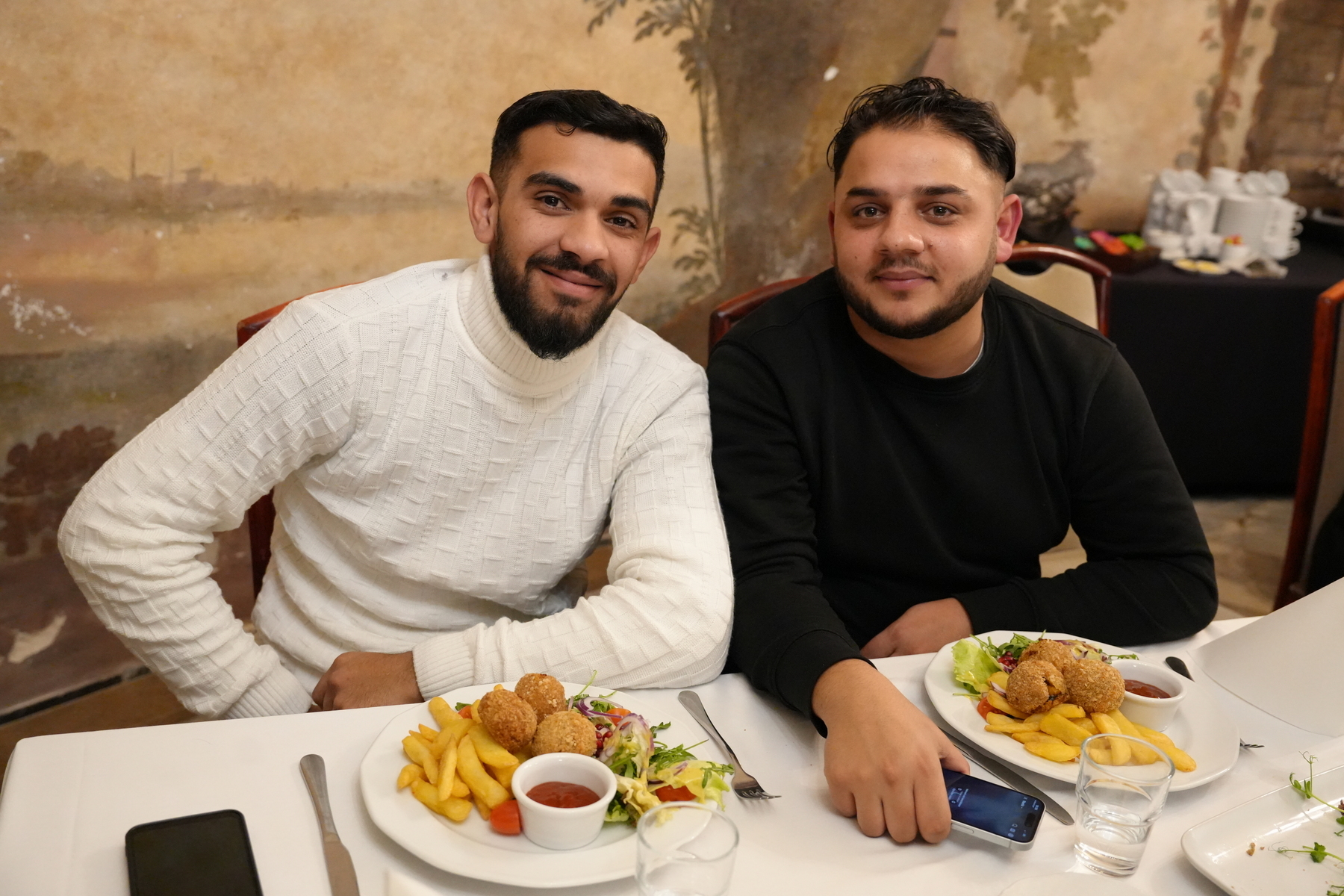
Finally, we would like to sincerely thank the following venues for providing delicious meals at affordable prices: Bar MiR,
Bar Studio, the Palace Restaurant at Jabłonna Palace,
and Bistro u Lekarzy.

Photo: Archive Fundacja Dom Kultury


How to work effectively with young people in an unusual way? – 2025