Graphics: Alexander Bidermann
Erasmus+ Project
How to Work Effectively with Young People – a Training Course for Youth Educators
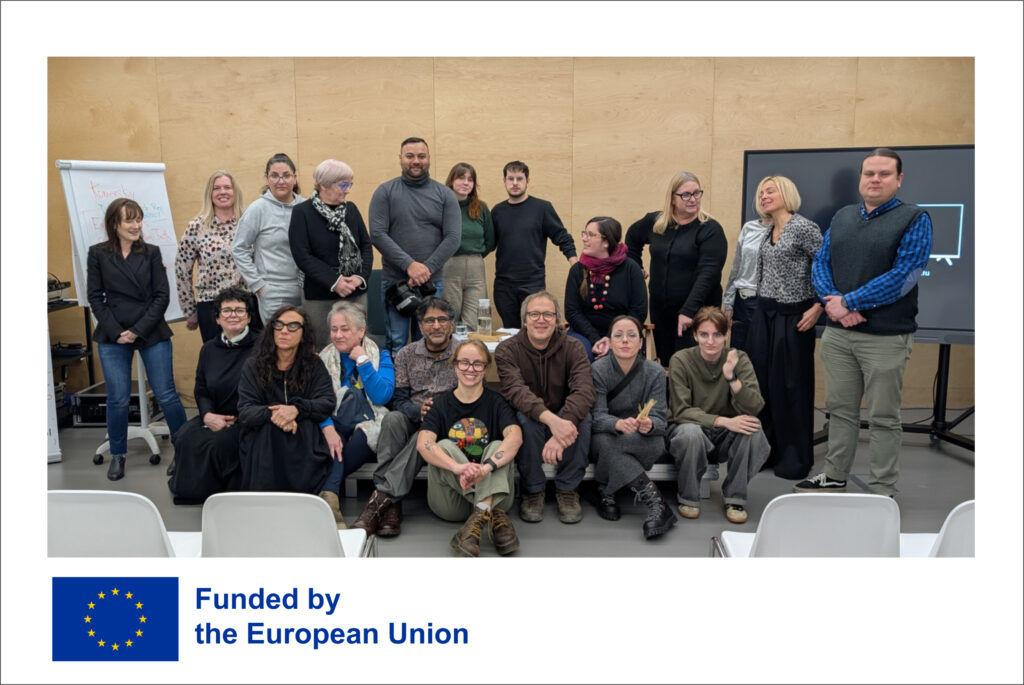
Between 12 and 15 January 2026, a four-day training course entitled “How to Work Effectively with Young People”took place. It was addressed to people working with young people in various contexts: educational, social, and cultural. The training was the culminating point of a ten-month educational project, previously prepared in an online format. It was organised in cooperation with ETP Slovensko, an organisation with which we have been working in partnership for several years.
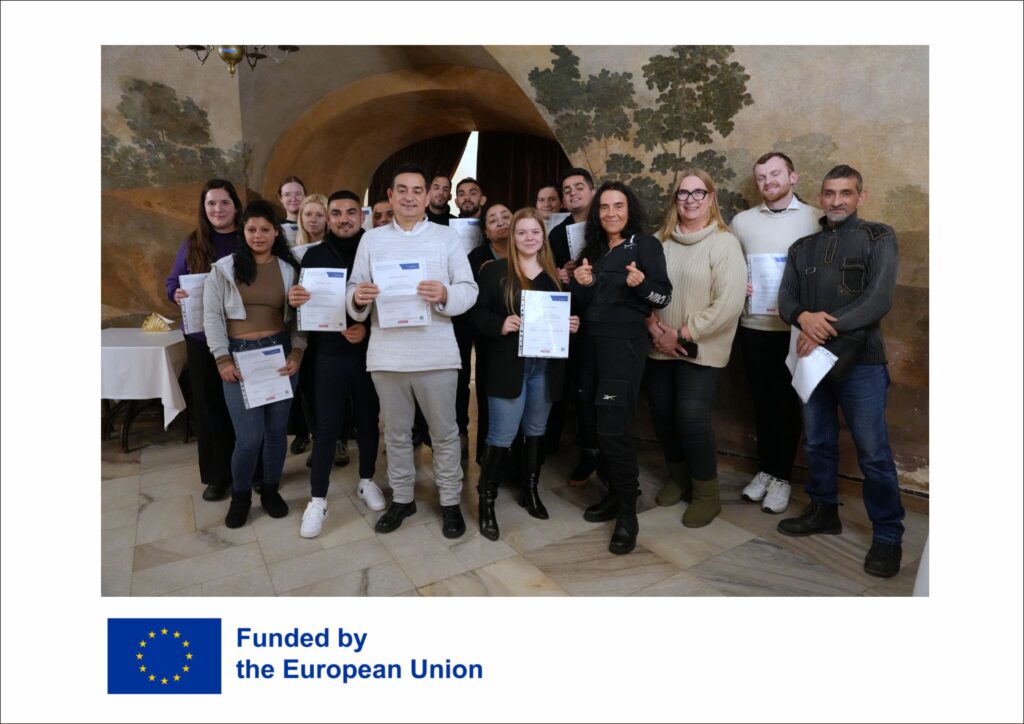
The project was implemented within the Erasmus+ KA153-YOU (Youth Participation Activities) programme, which supports non-formal education, learning through experience, and the active participation of young people in social life.
From the very beginning, the project focused not on “ready-made solutions” but on inspiration. Our aim was to present participants with a variety of places, methods, and approaches to working with young people—ones that can later be creatively transferred into their own professional practice. All activities were designed to spark curiosity, encourage asking questions, and support participants in finding their own paths in educational work.
Day 1 – Monday, 12 January 2026
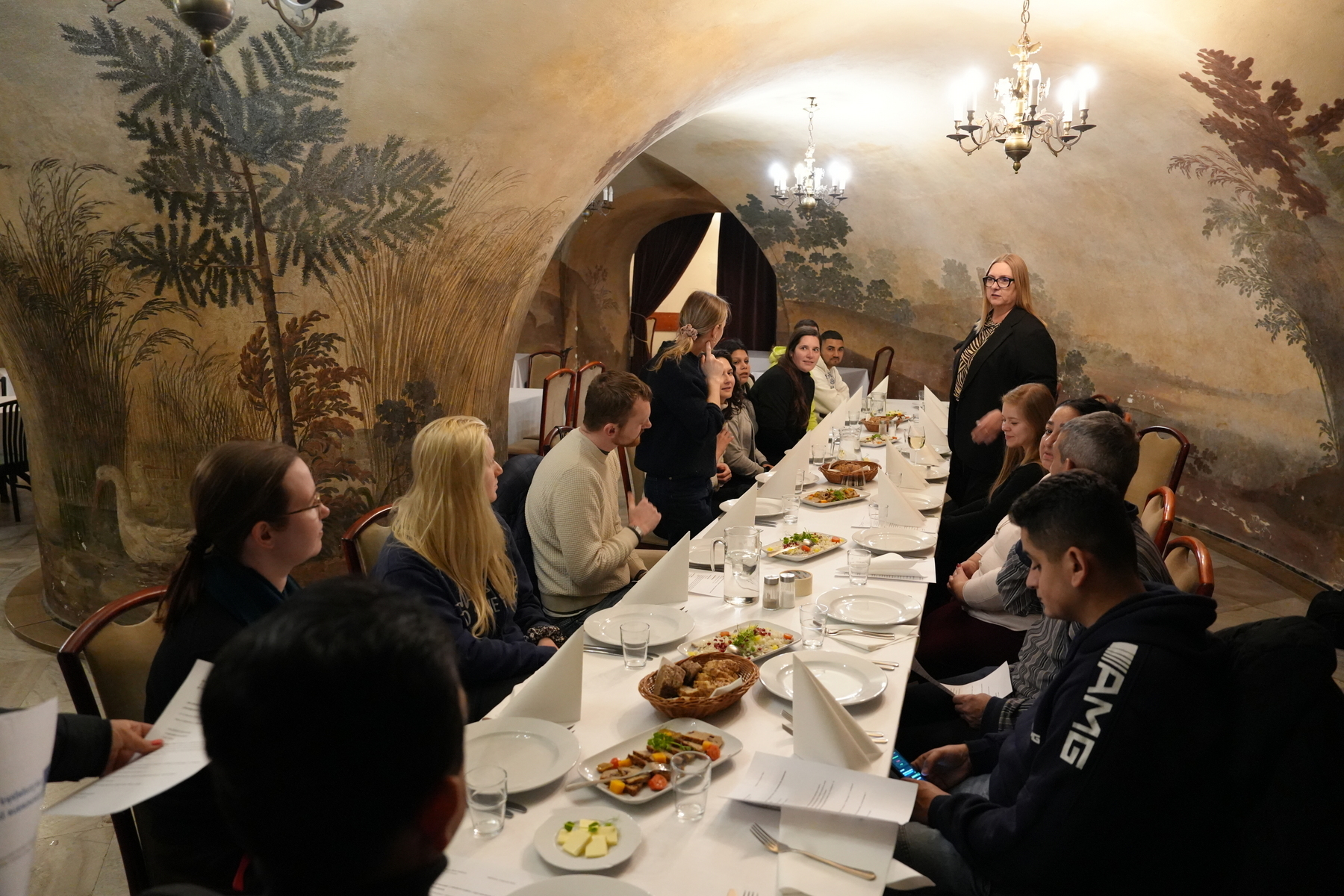
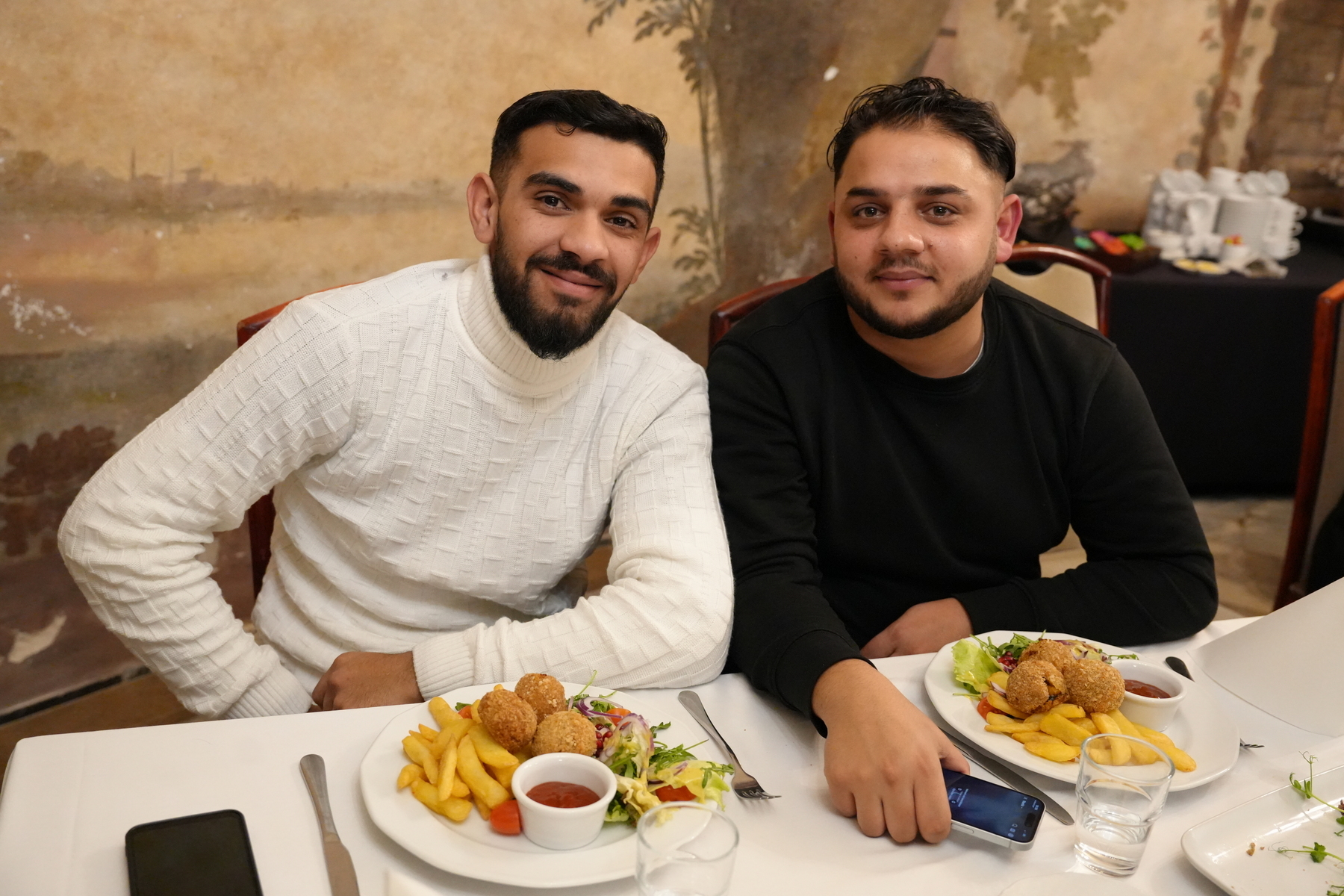
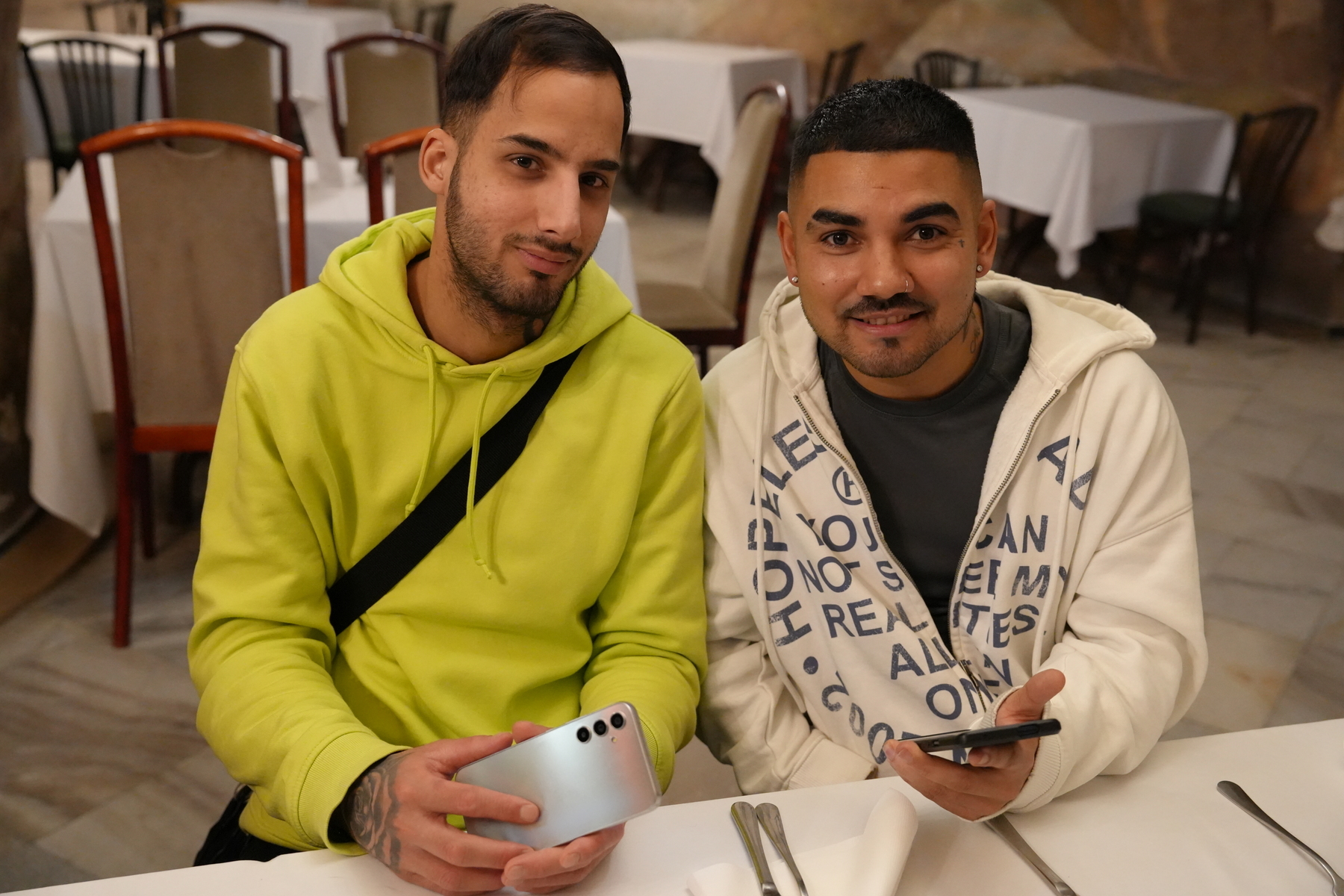
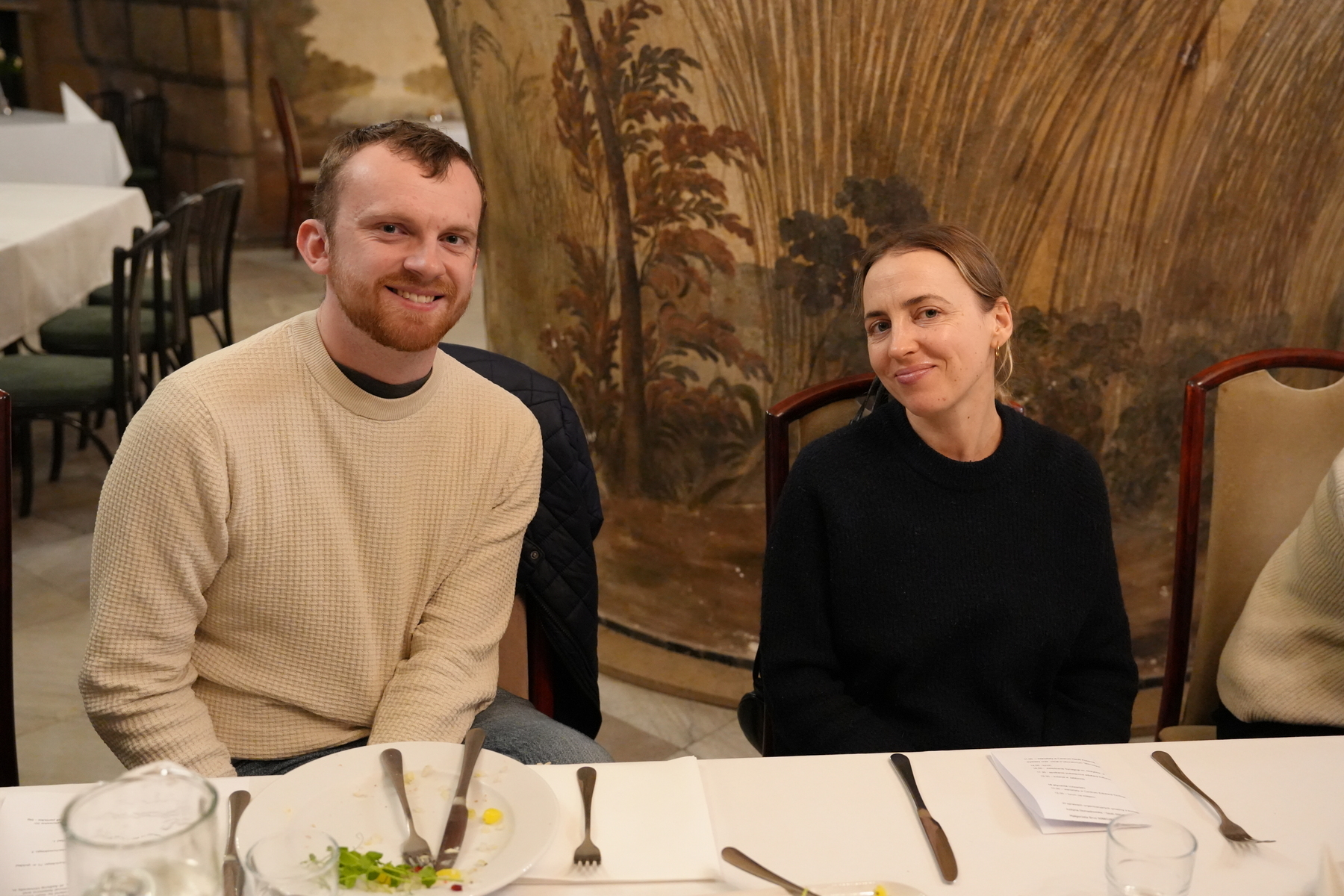
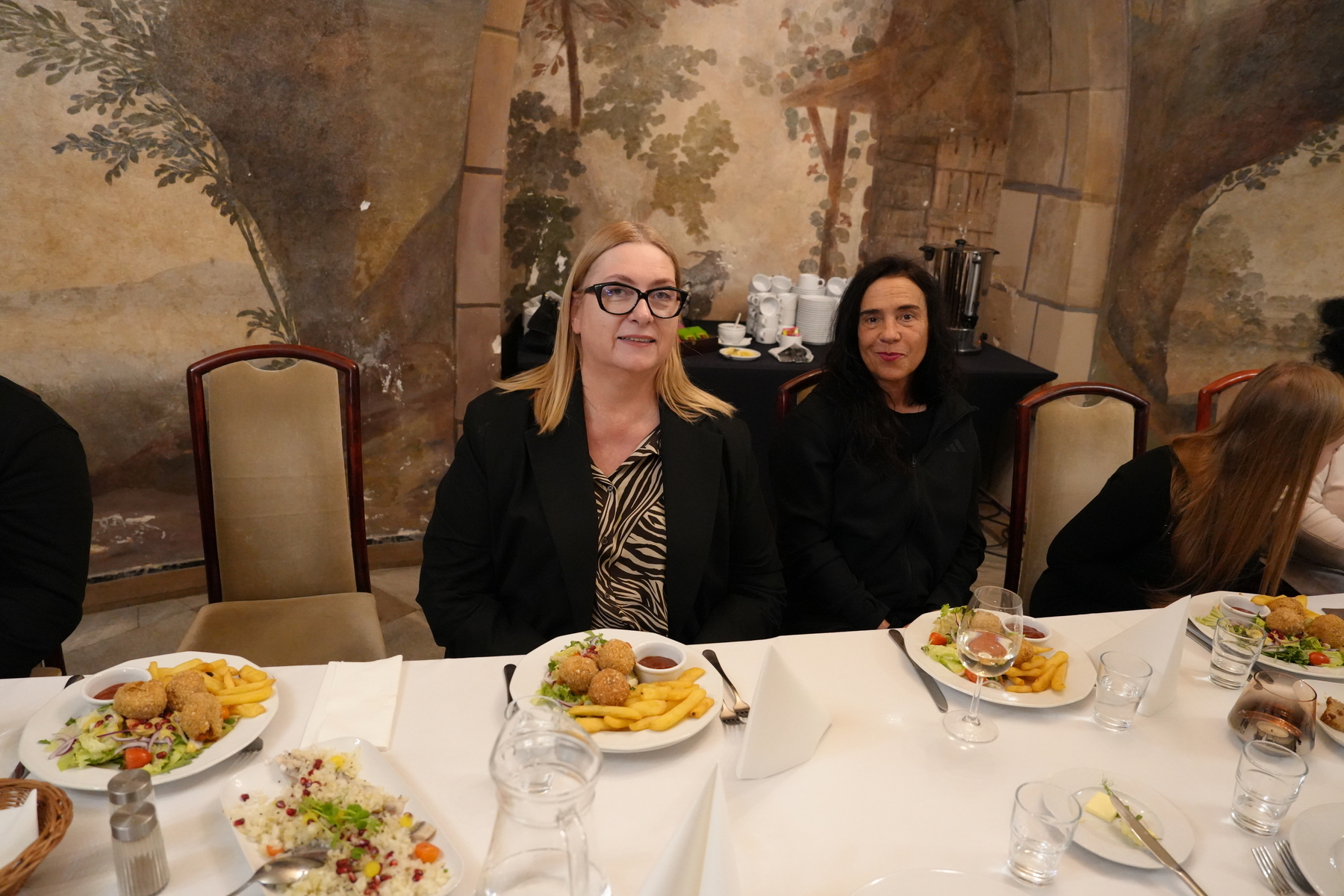
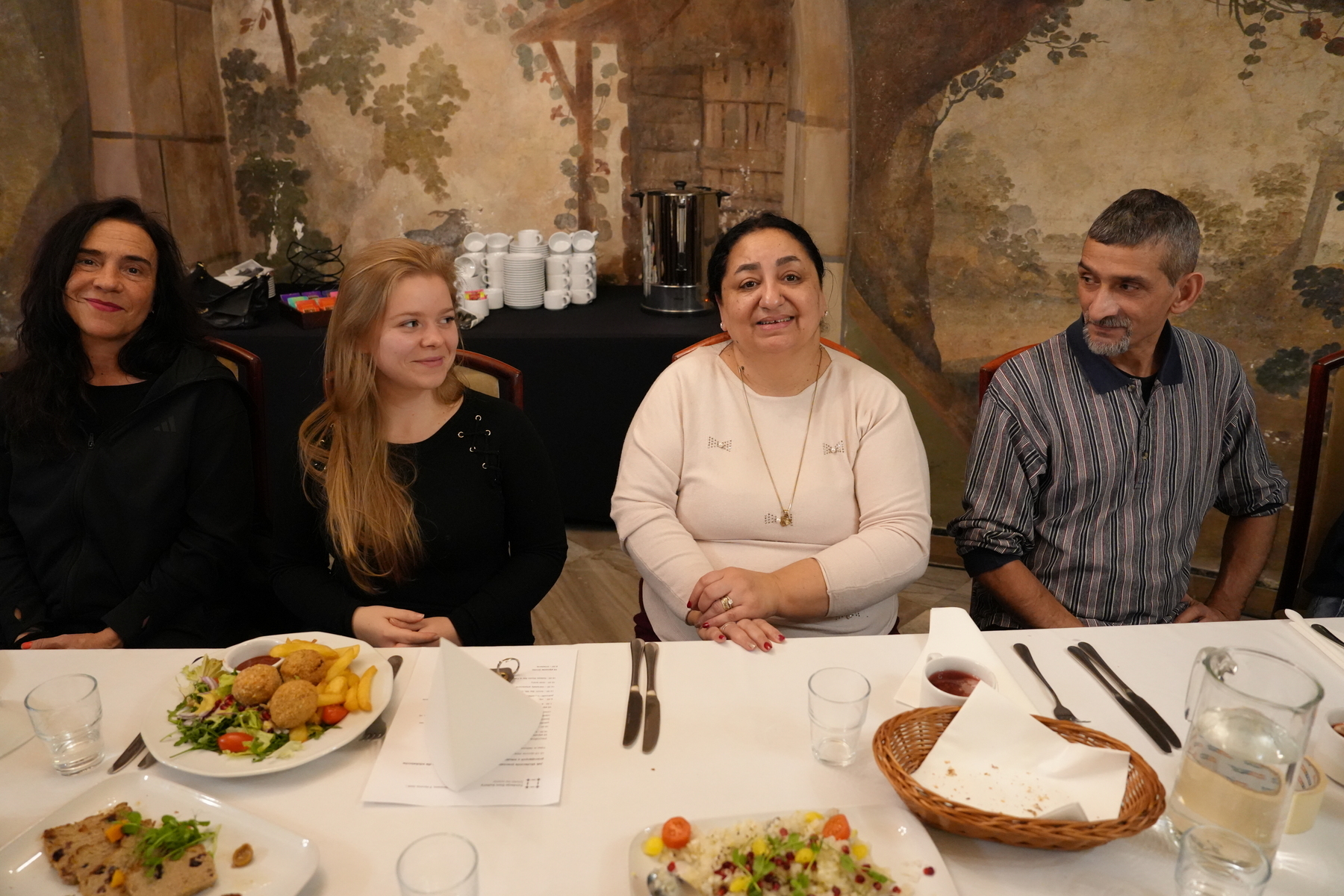
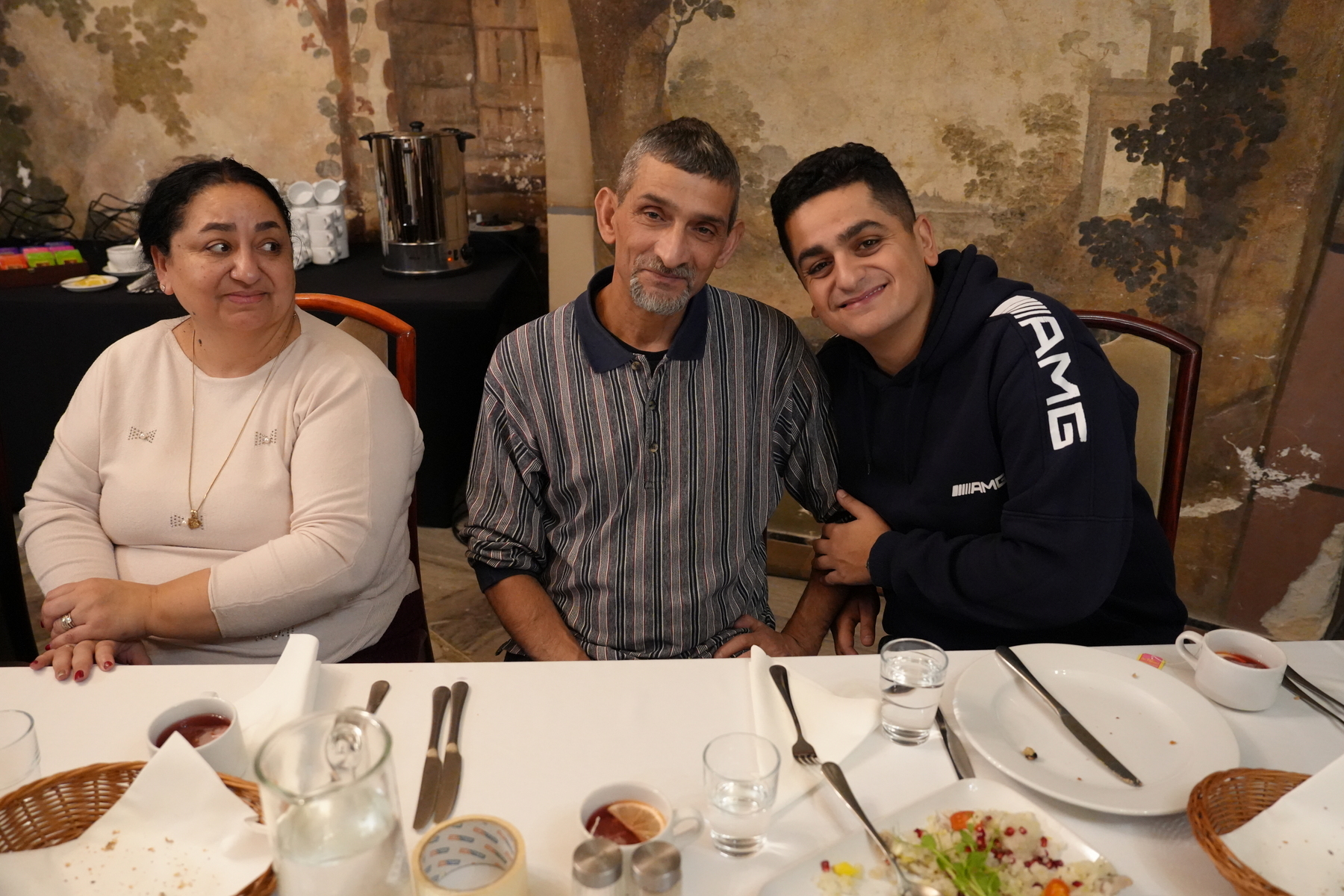
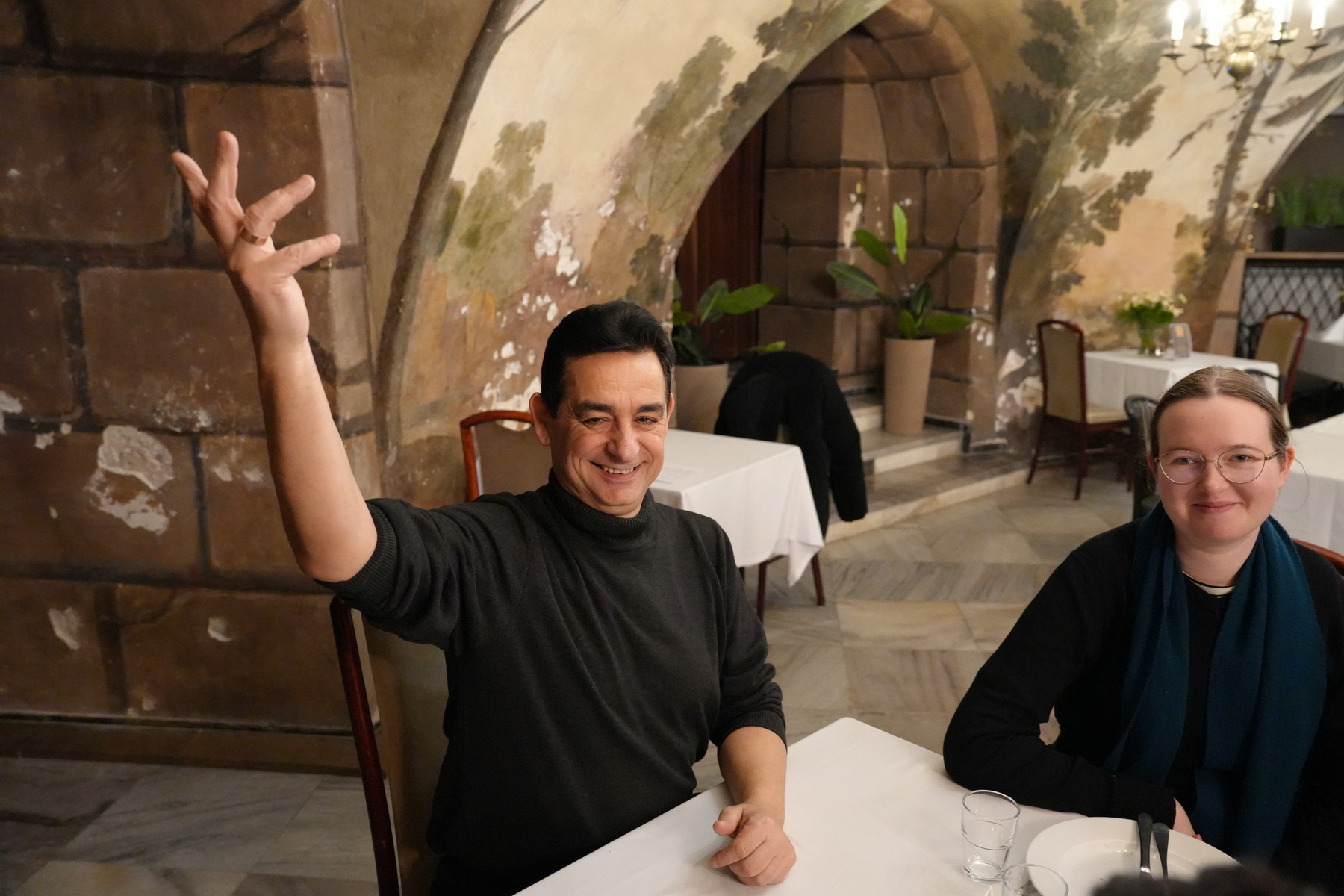
The training process began in the evening during a shared dinner at Jabłonna Palace
Introductory workshops created space for the first meeting of the entire group, mutual acquaintance, and an introduction to the themes of the training.
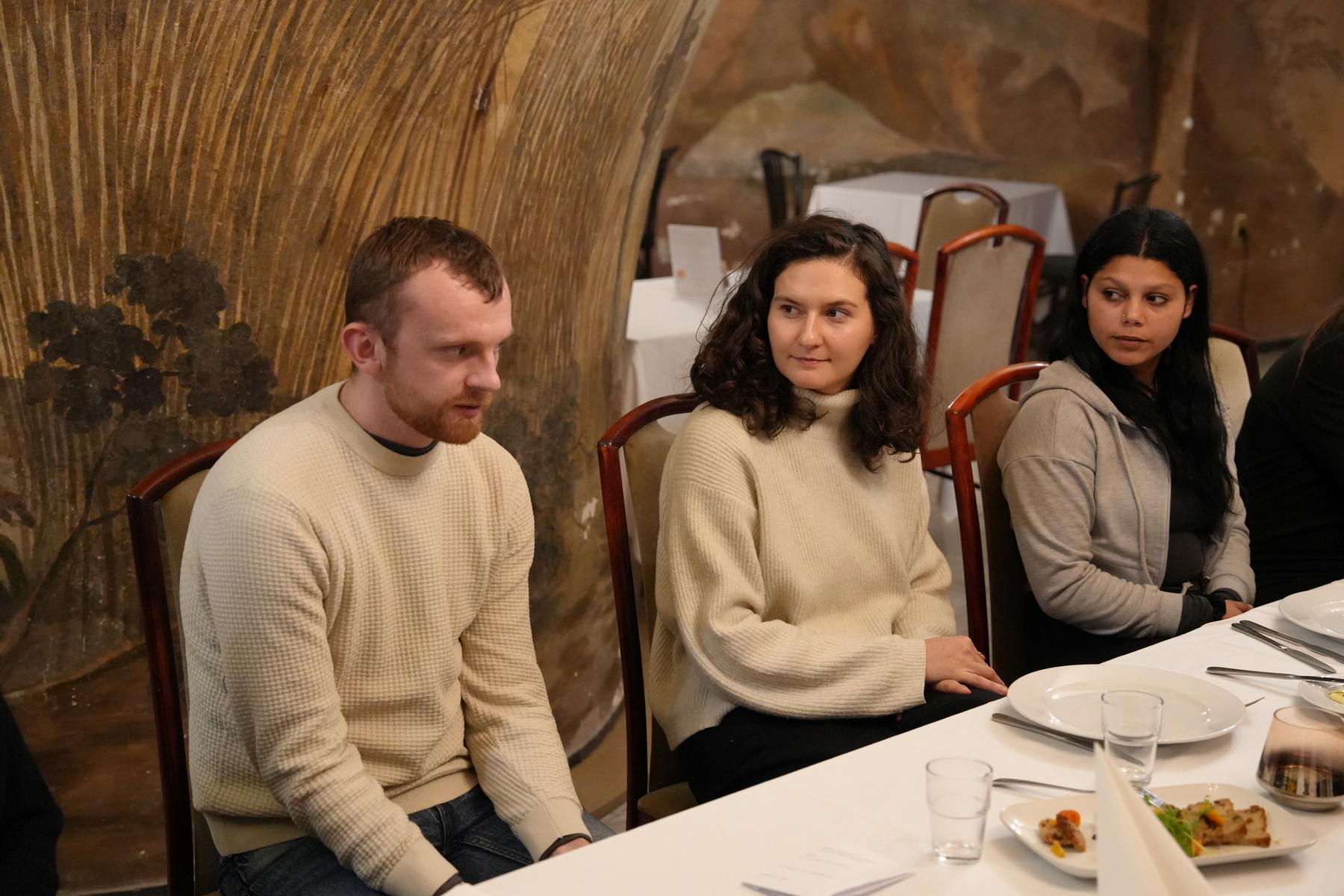
That day also featured a guest lecture by Sean Carolan, an intern at the Fundacja Dom Kultury and a student of International Relations and Development at Aalborg University in Denmark. His talk on Roma communities in Ireland became a starting point for discussions on intercultural education, social sensitivity, and the role of the educator as someone accompanying young people in their development.


Day 2 – Tuesday, 13 January 2026
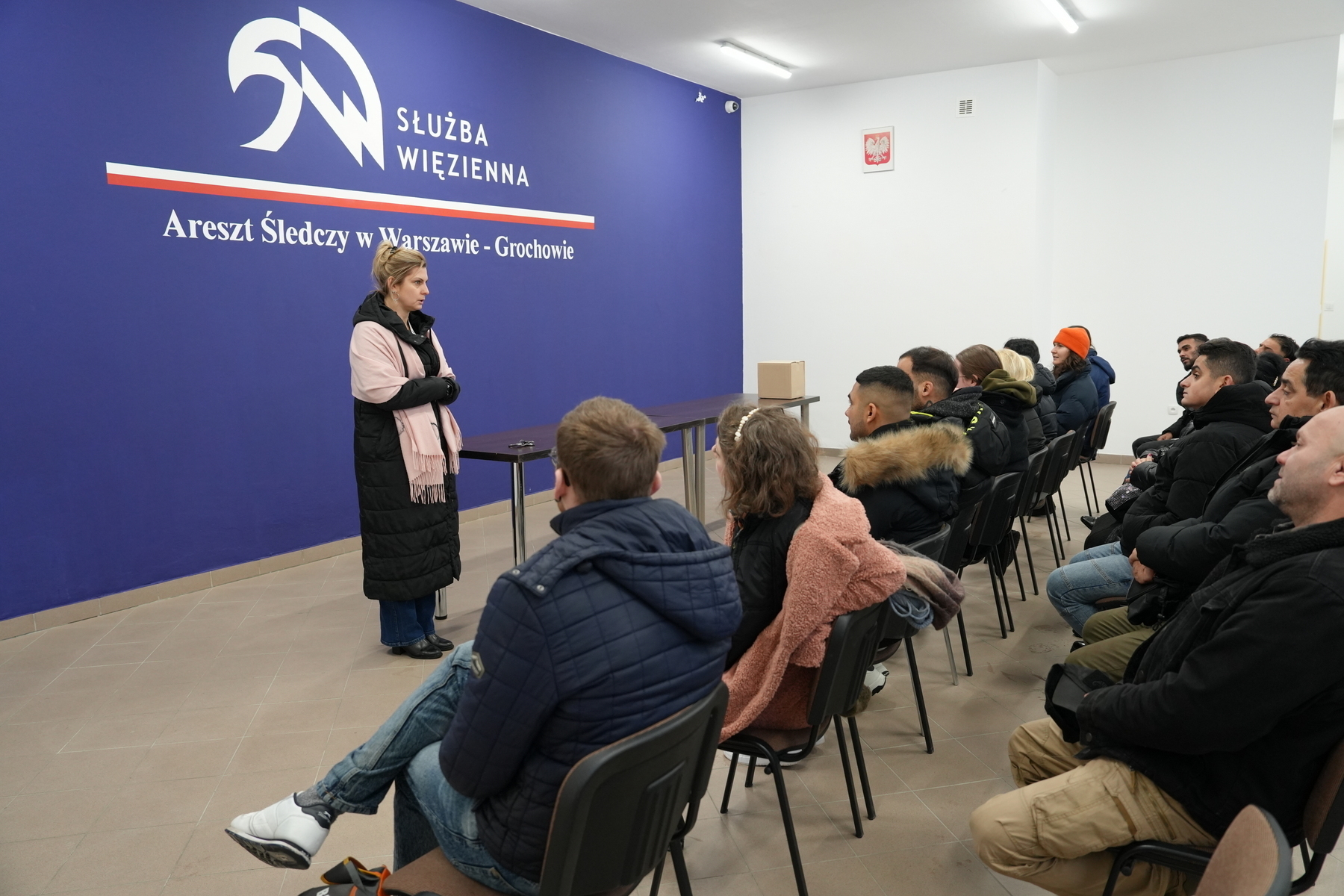
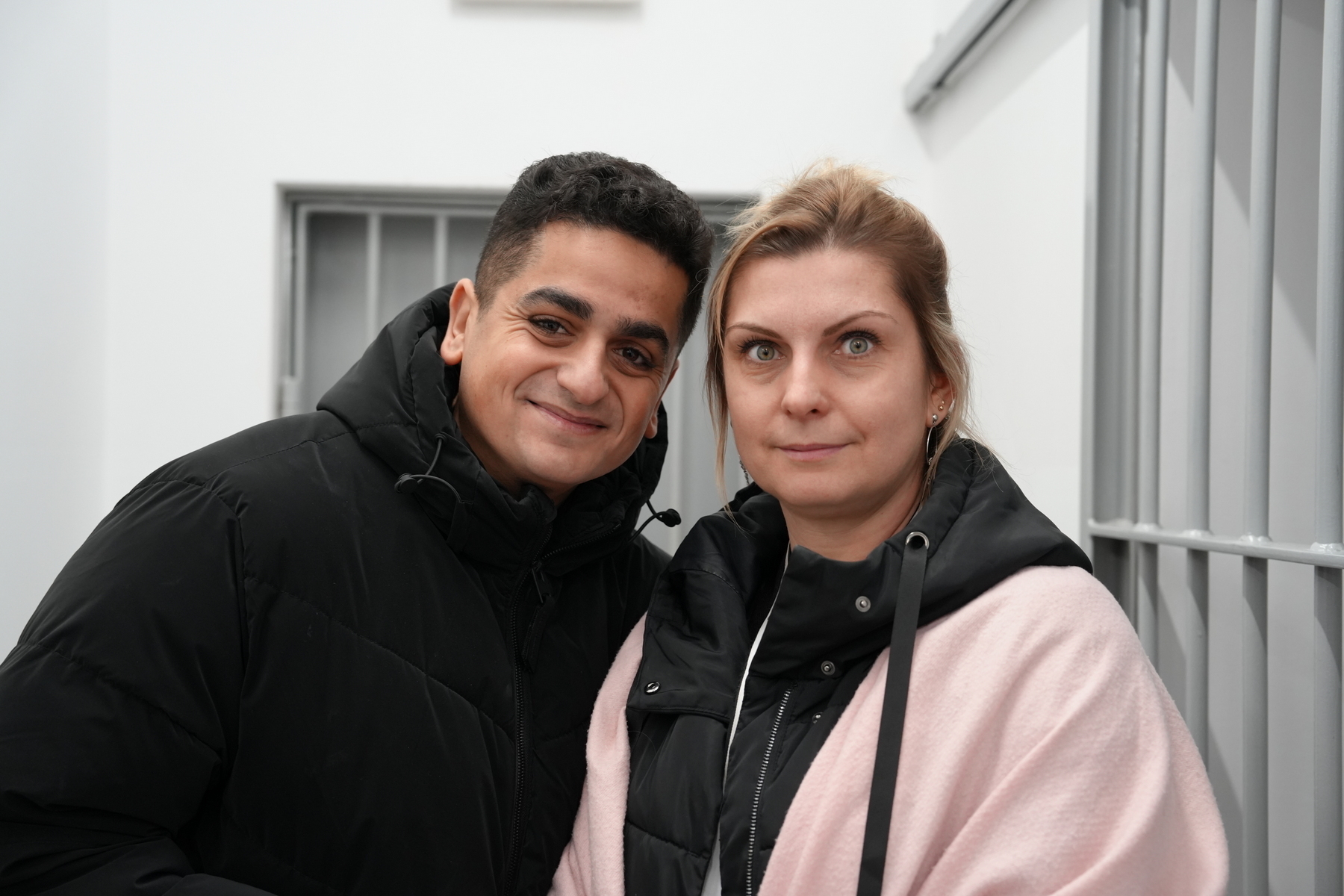
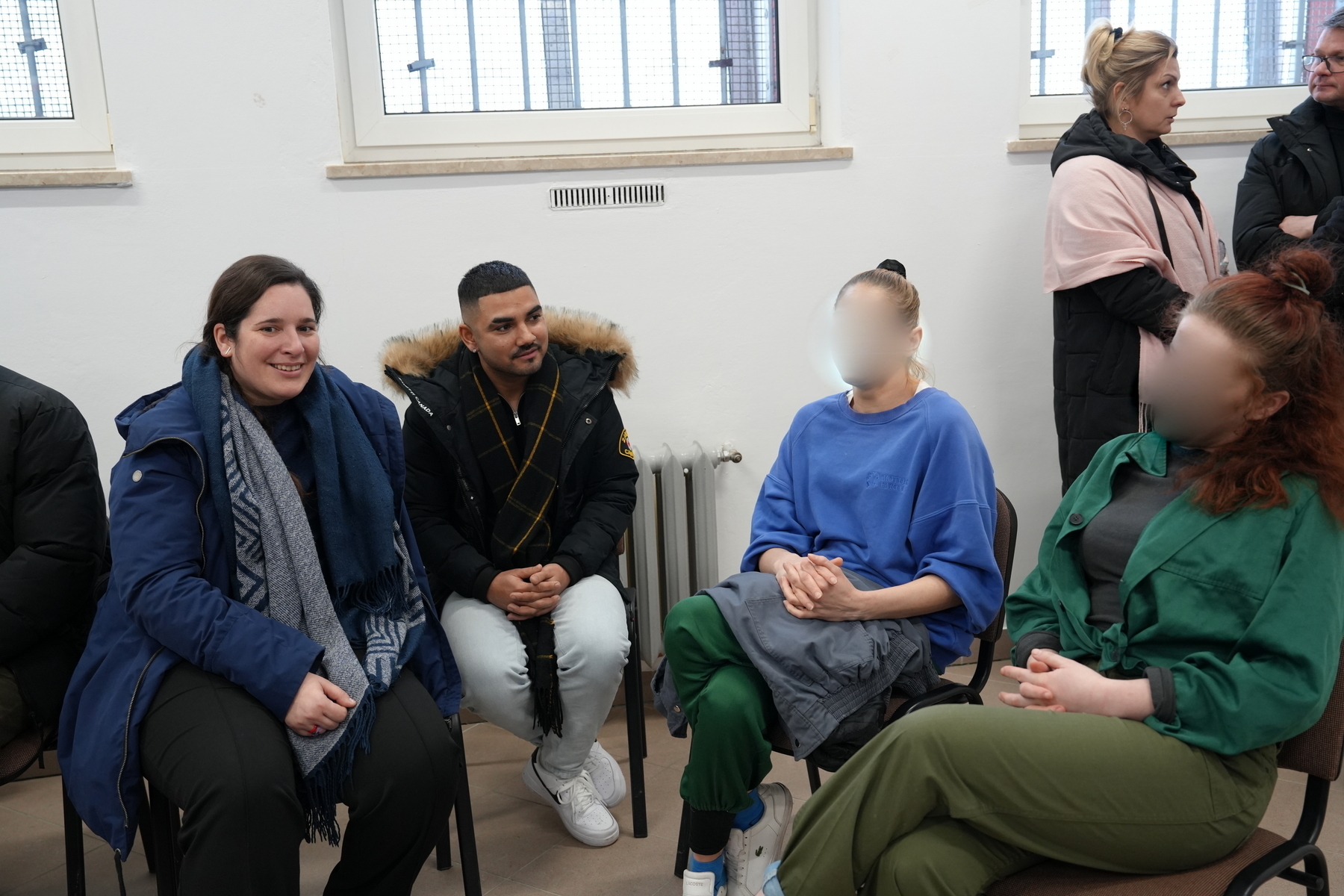
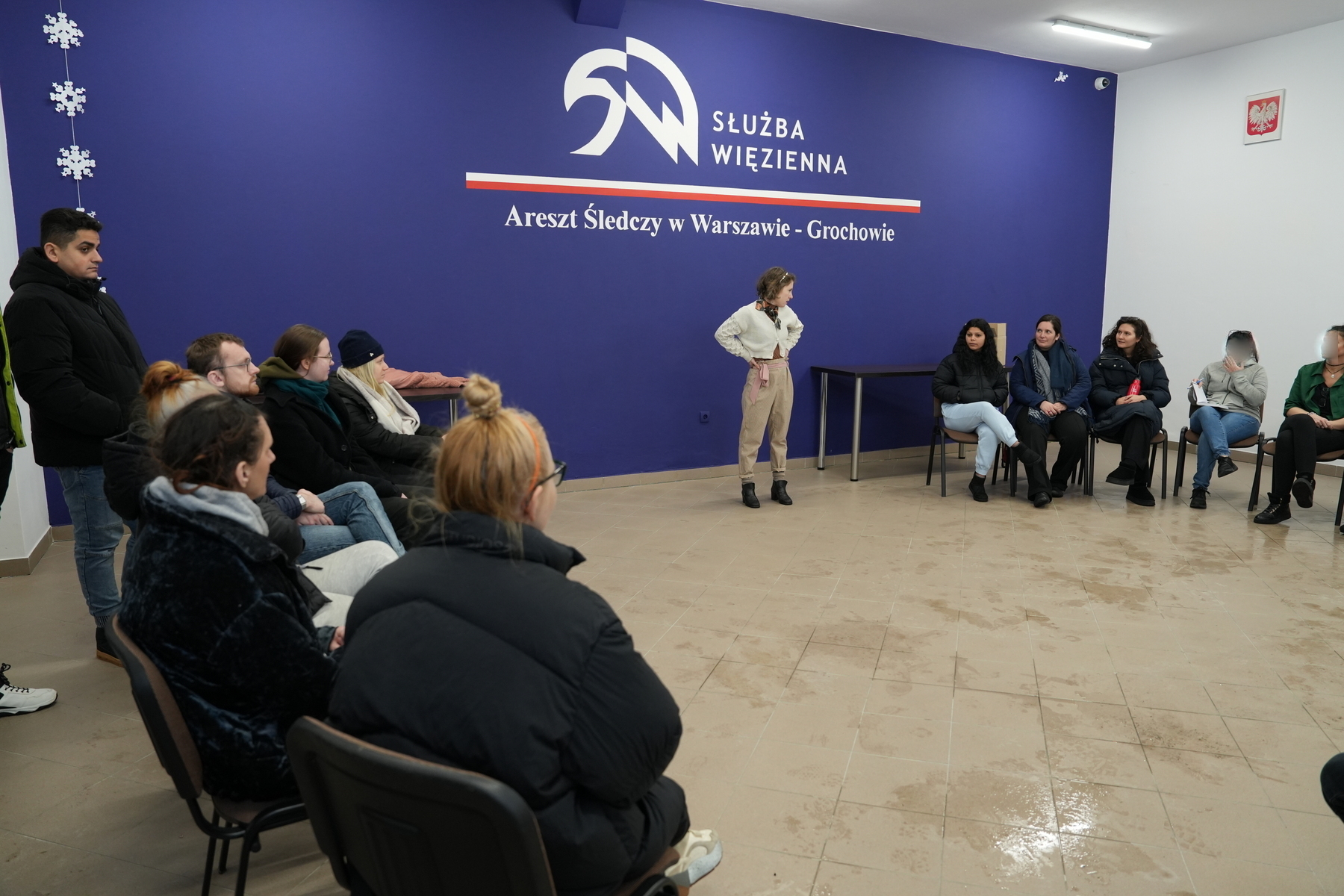
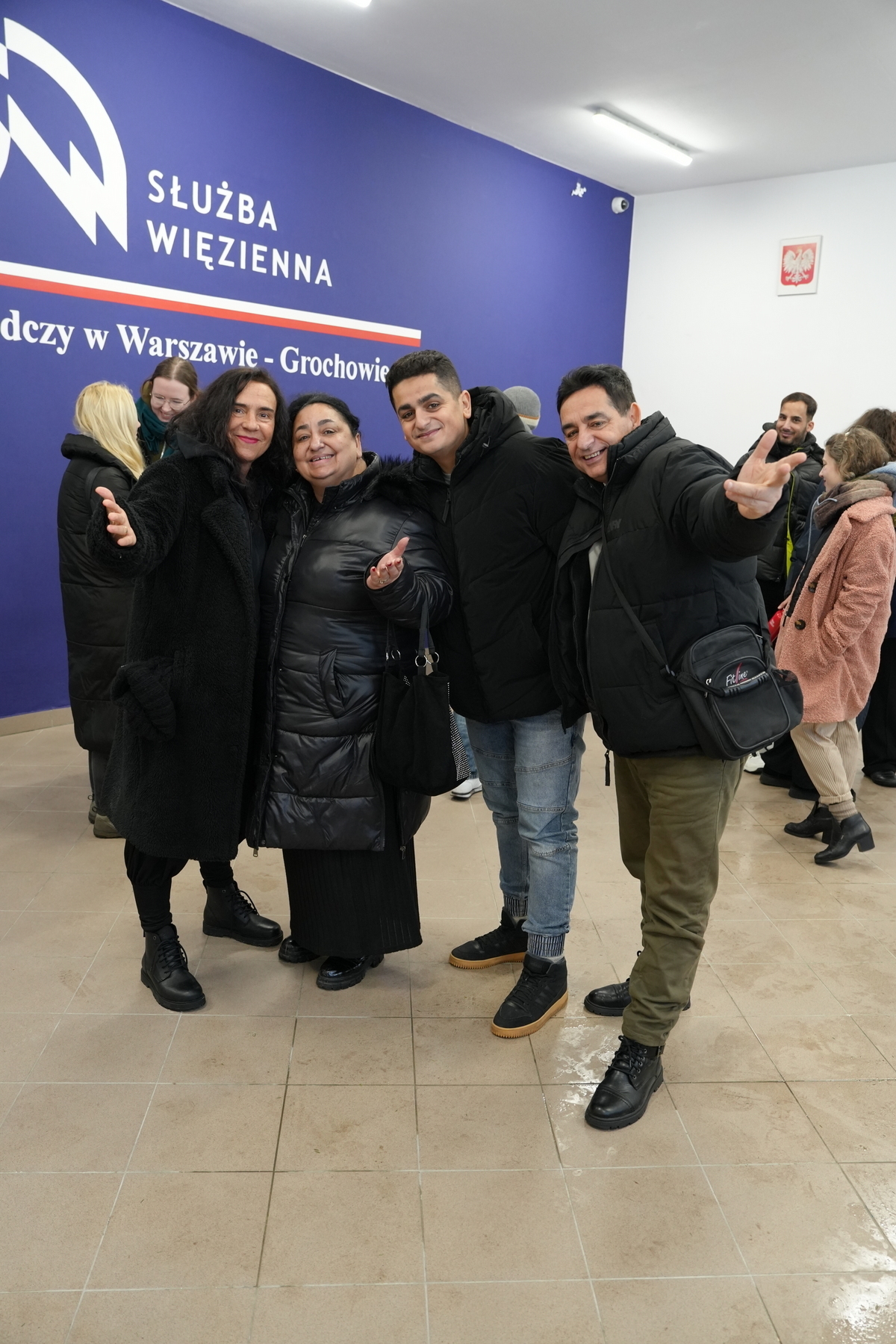
The second day took the form of an intensive study visit and was one of the strongest points of the programme. The morning was spent at the Warsaw-Grochów Remand Prison, where participants became familiar with the realities of educational work in a penitentiary institution and took part in communication workshops. The sessions highlighted how crucial creativity, attentiveness, openness to others, and the willingness to devote time and attention are in working with young people.
The study visit was led by Staff Sergeant Iga Kuśmierek, a cultural and educational officer at the Warsaw-Grochów Remand Prison, while the communication workshops were conducted by trainer Agata Maczkowska.
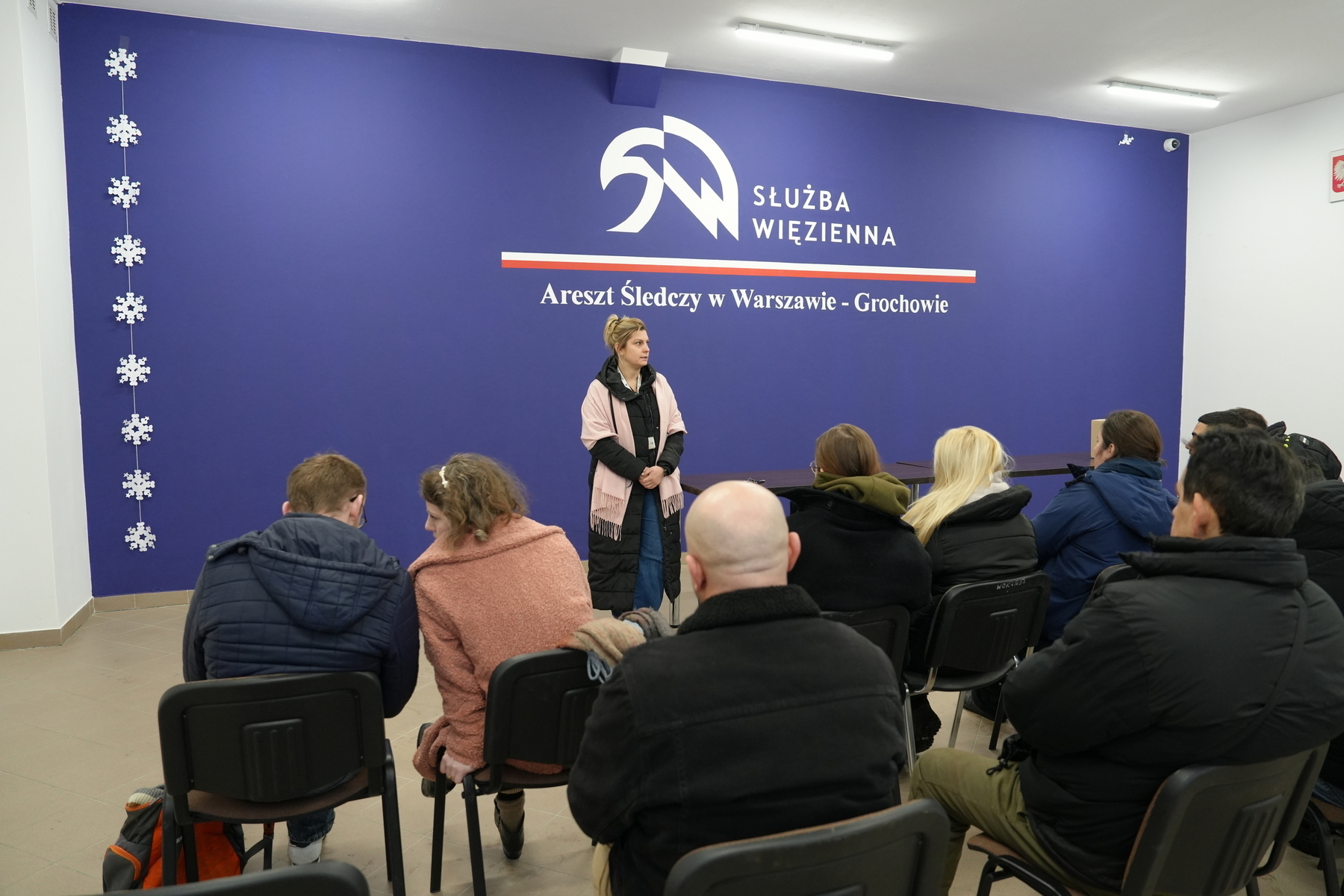

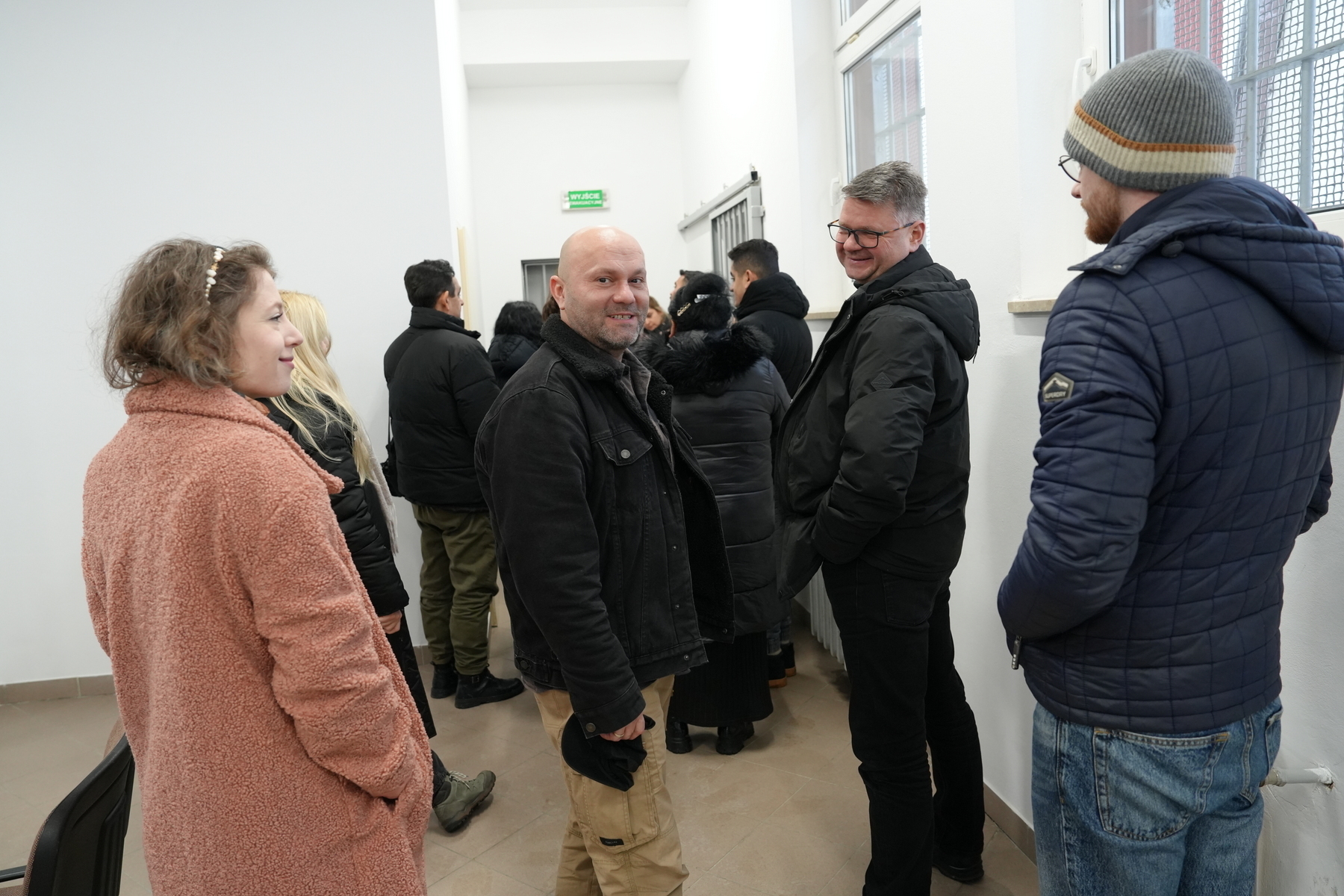

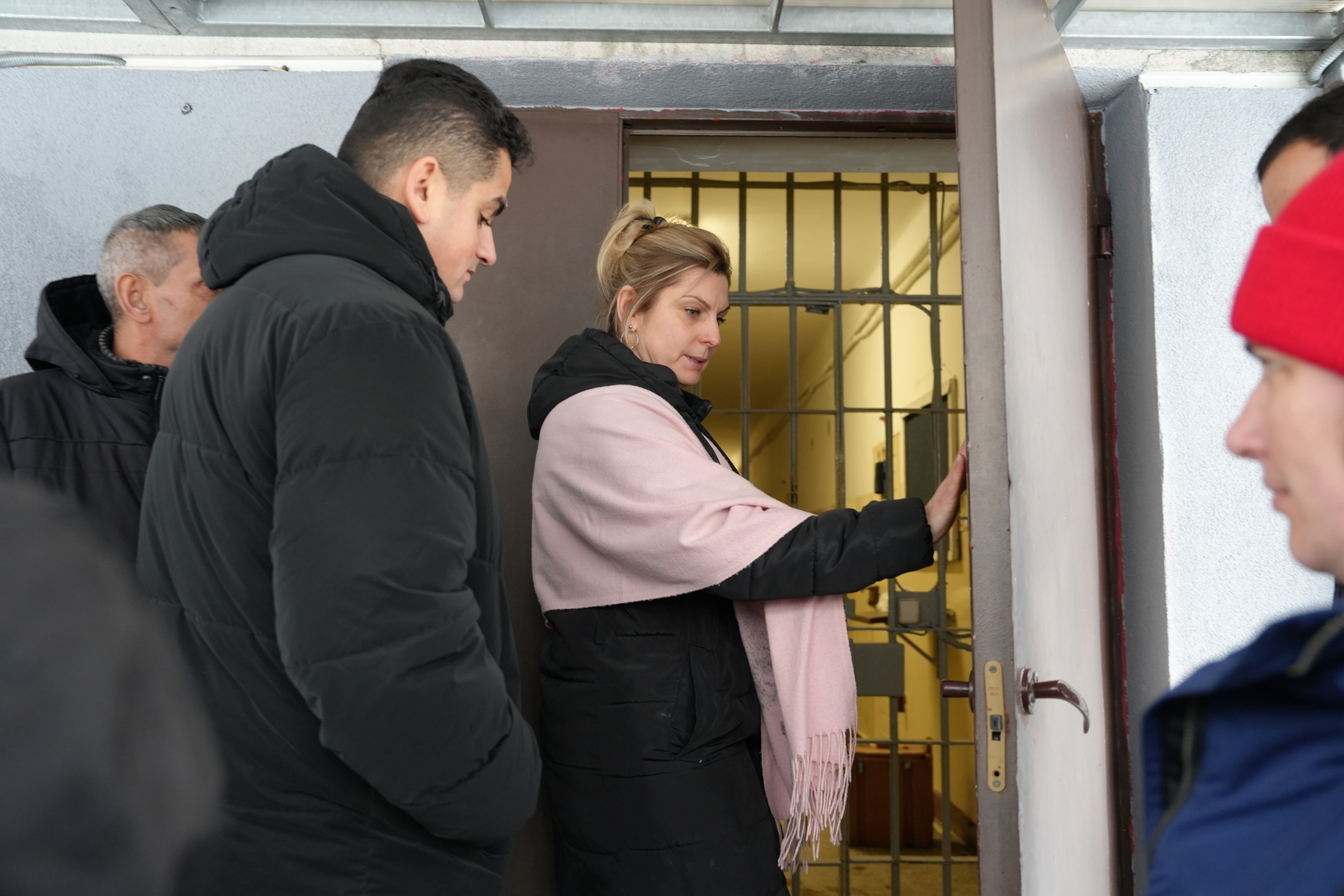
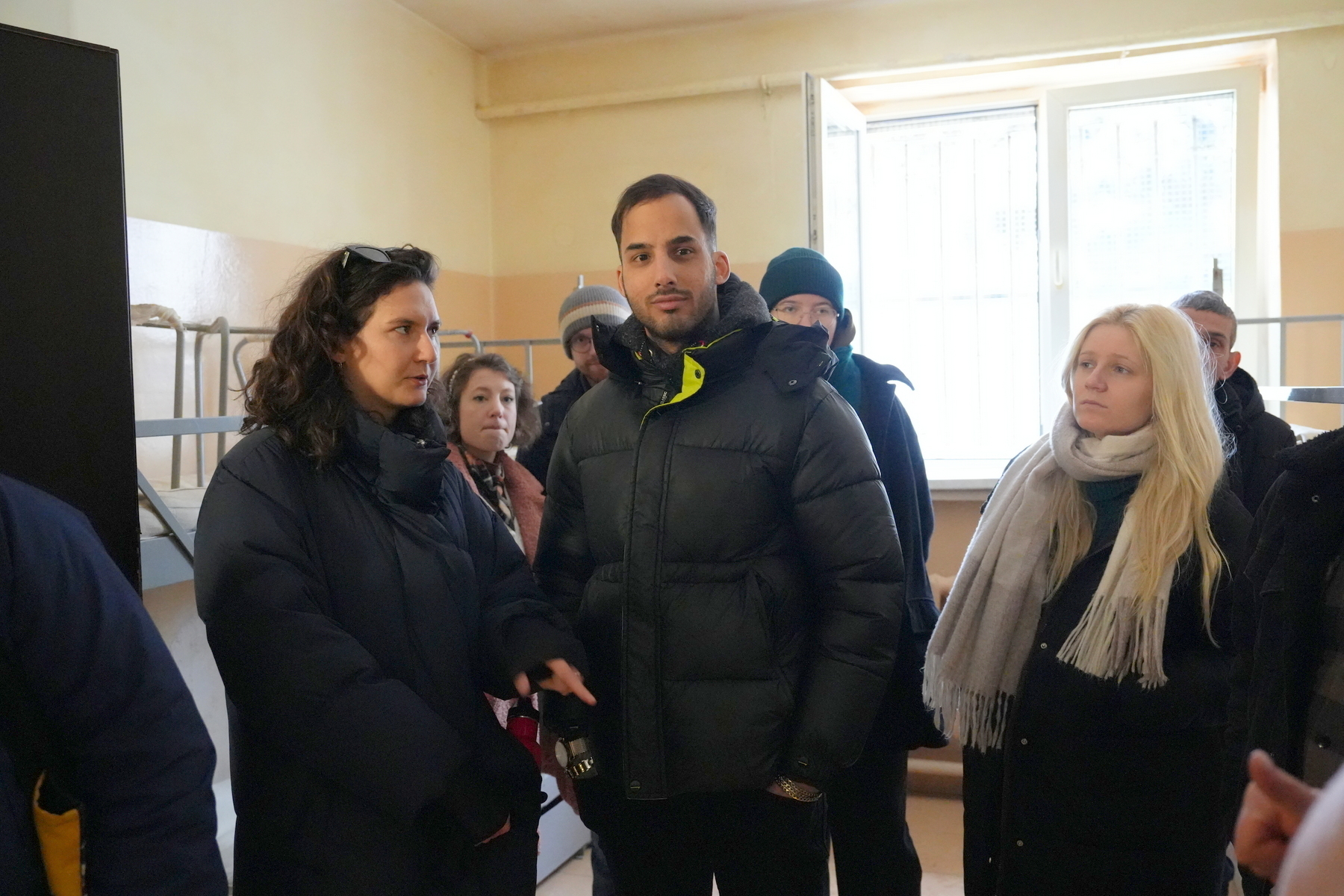
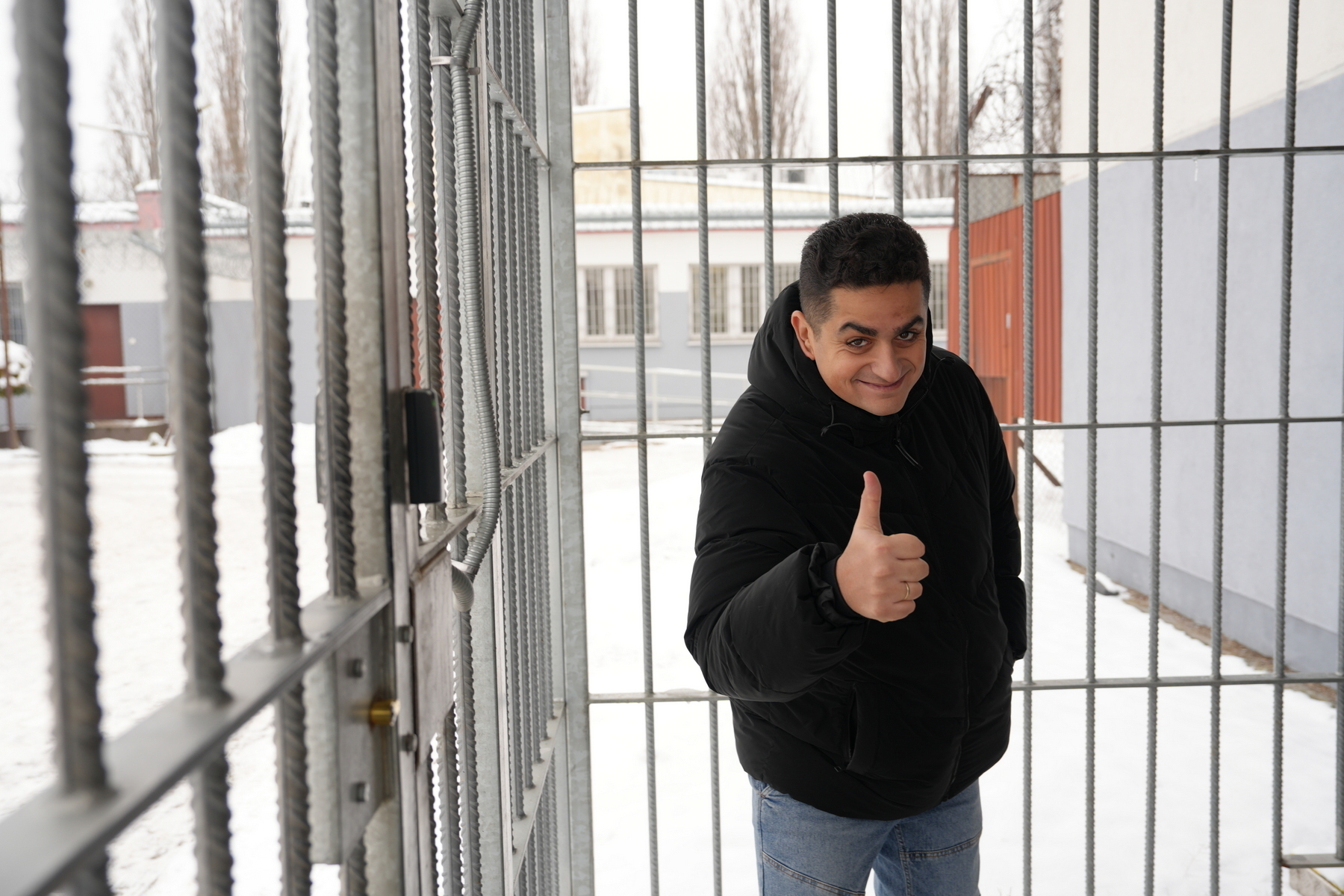
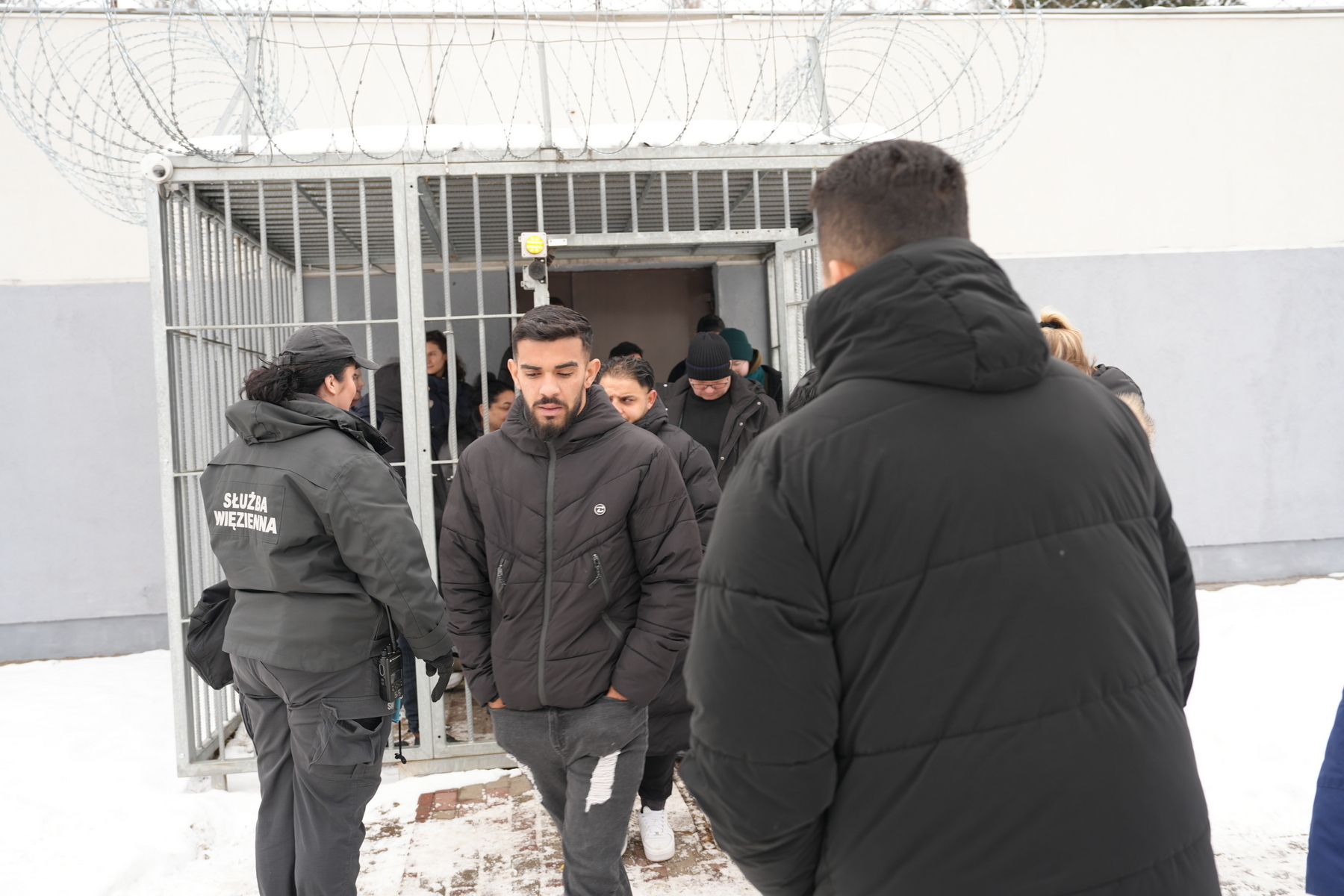
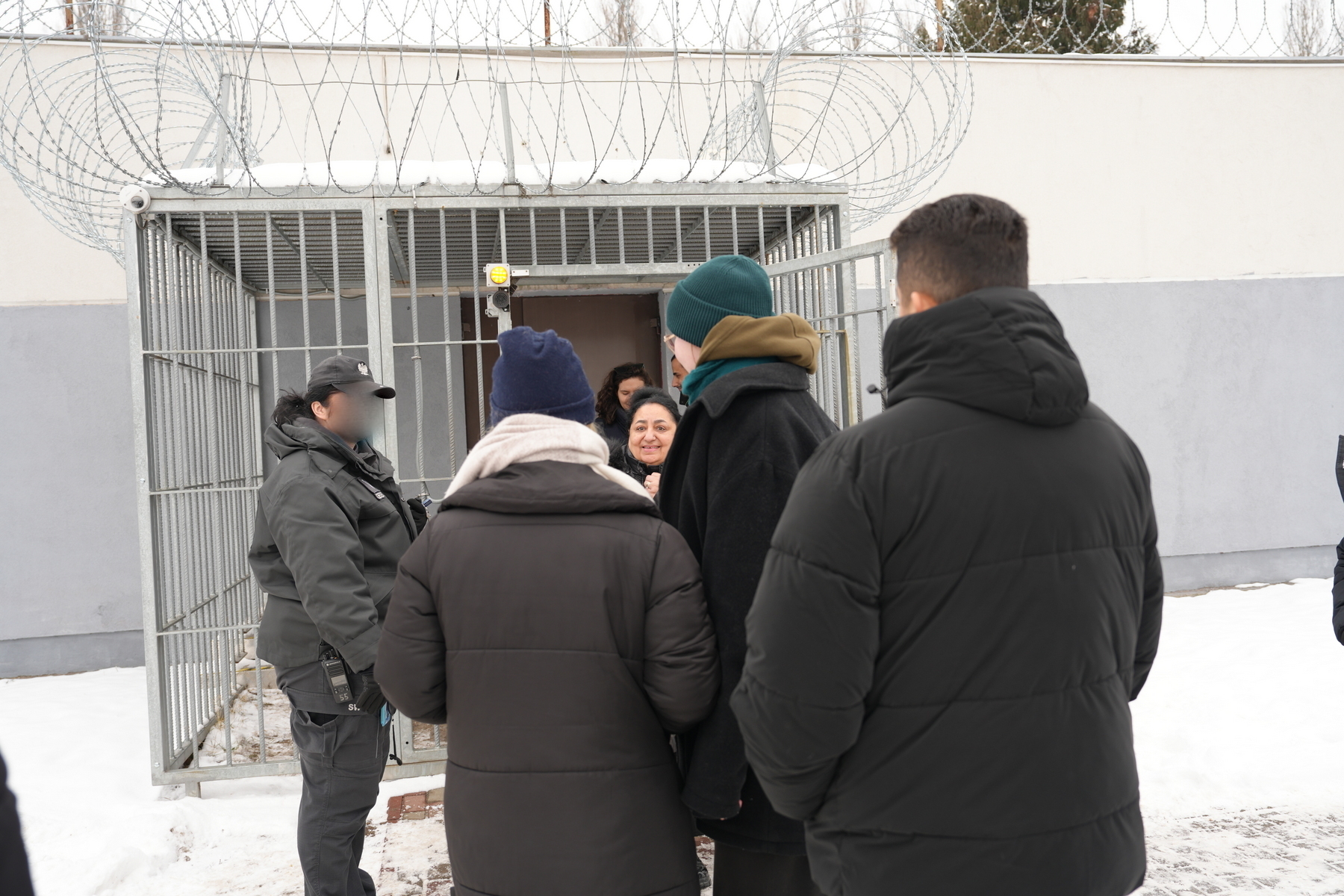
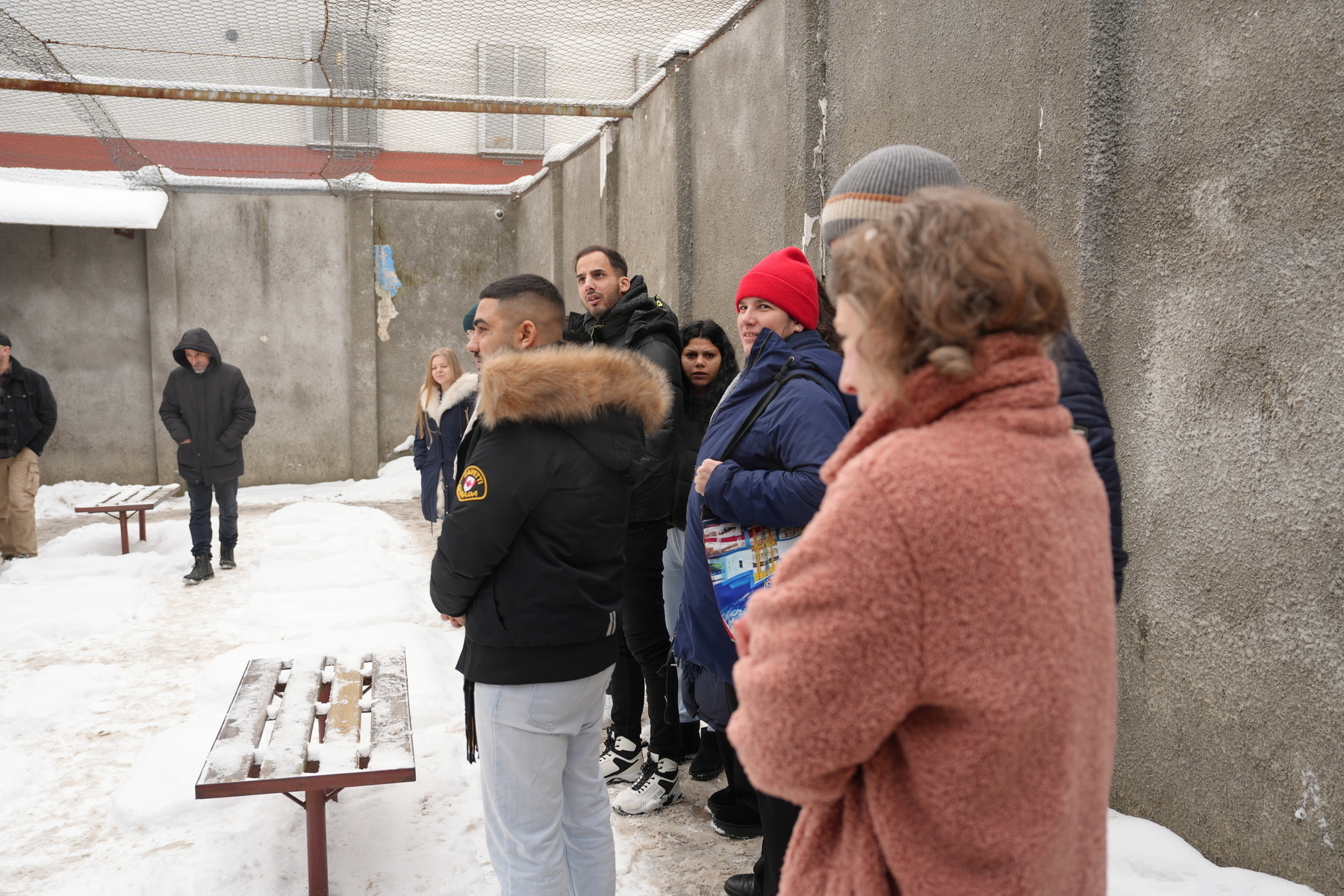
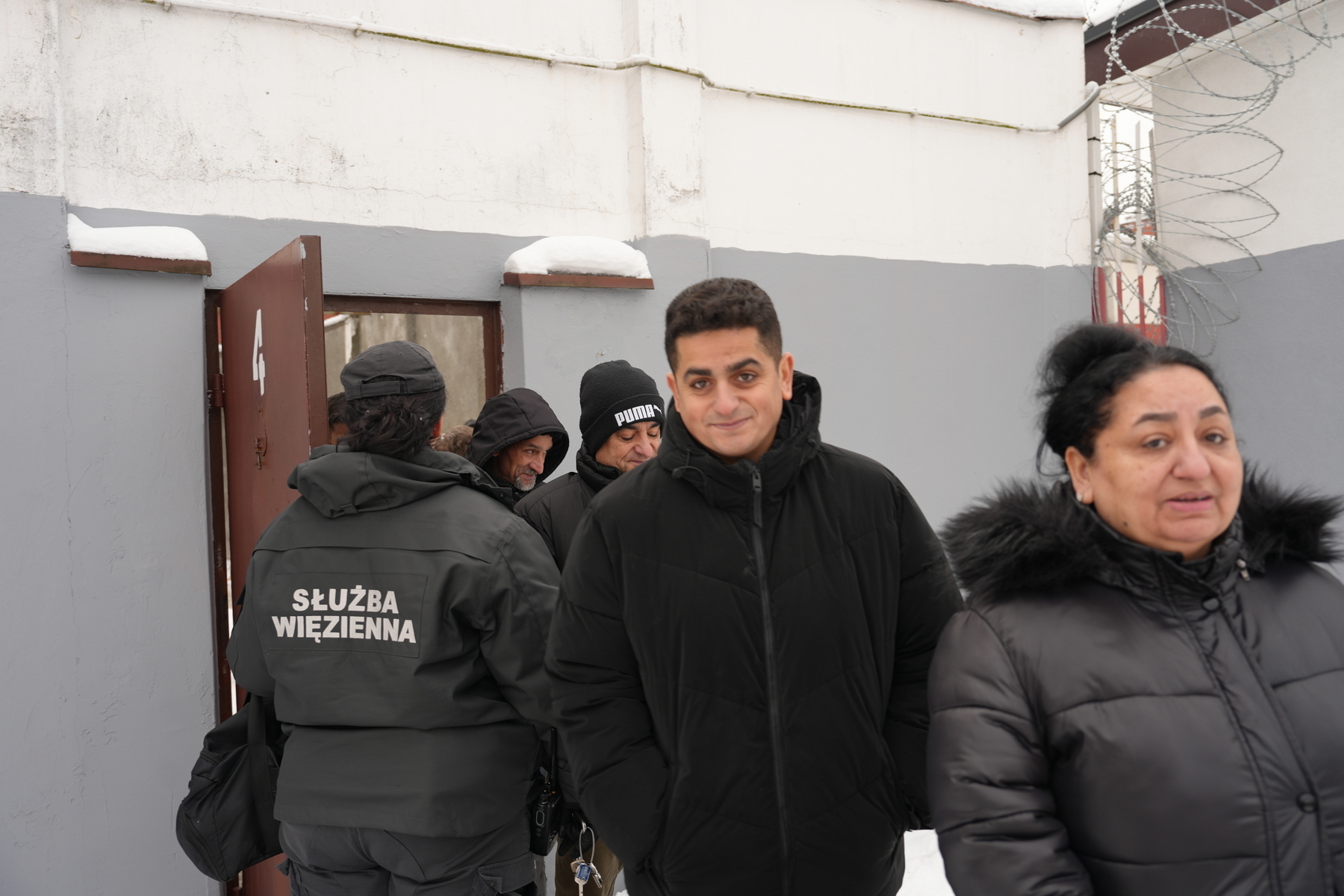
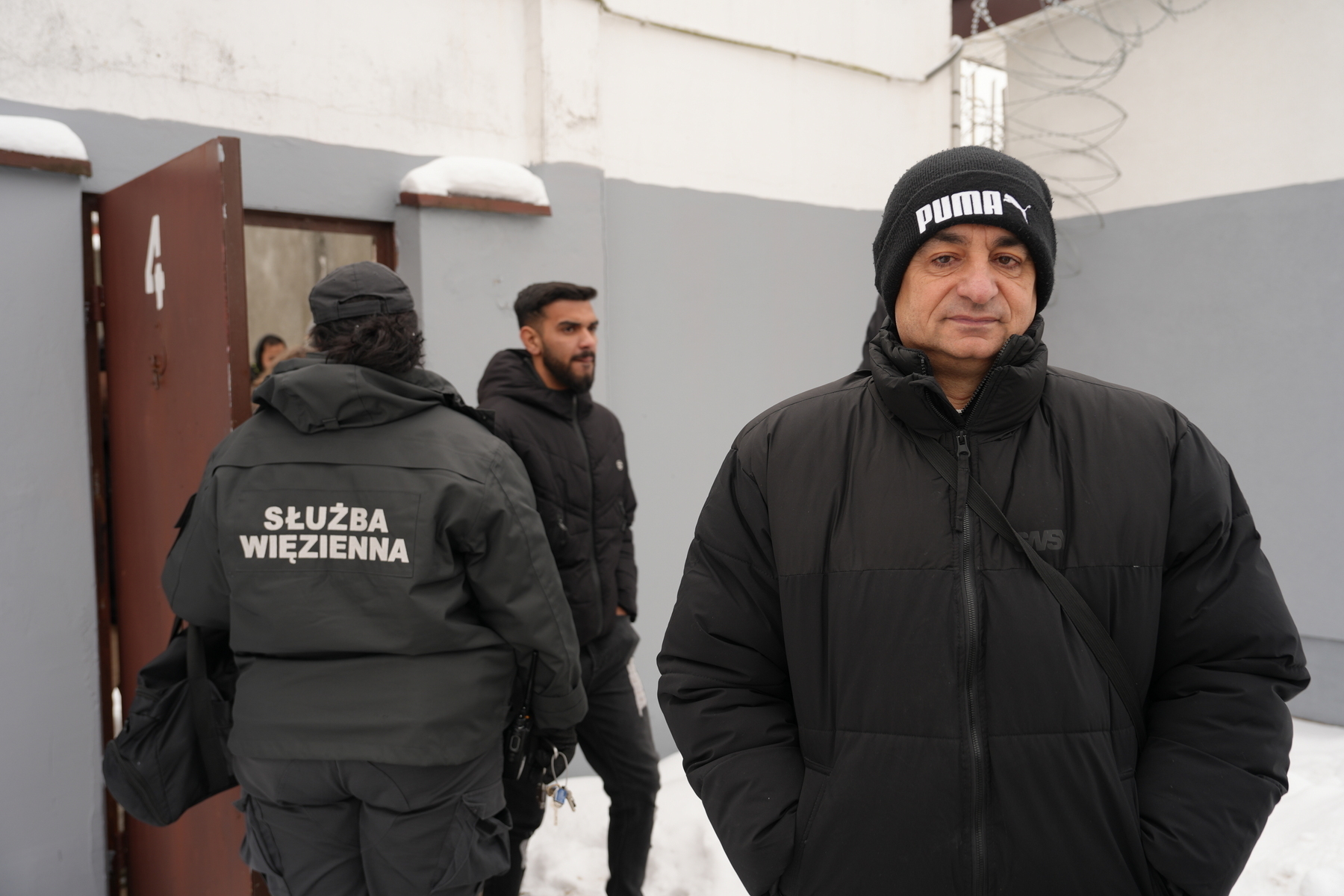

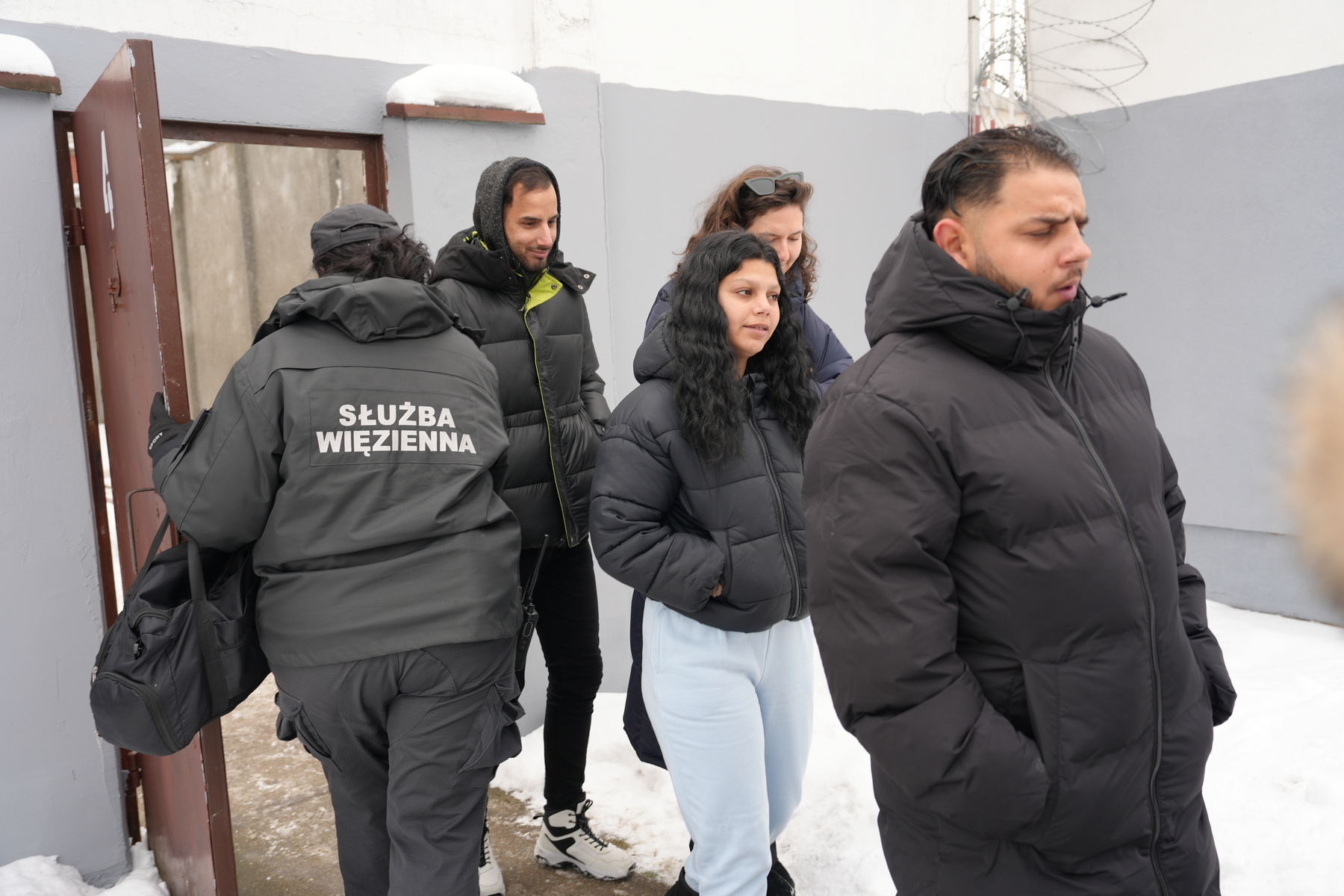
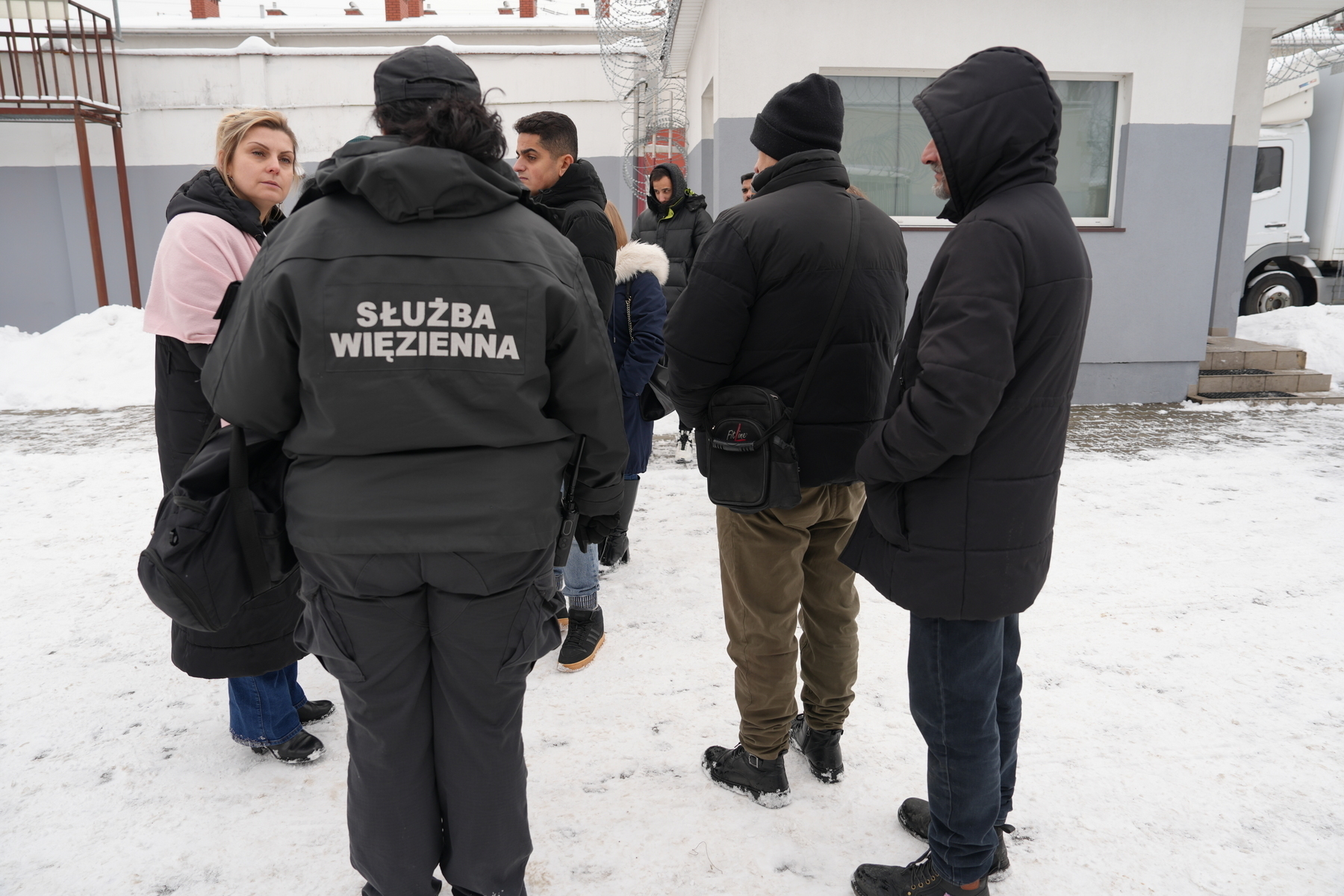




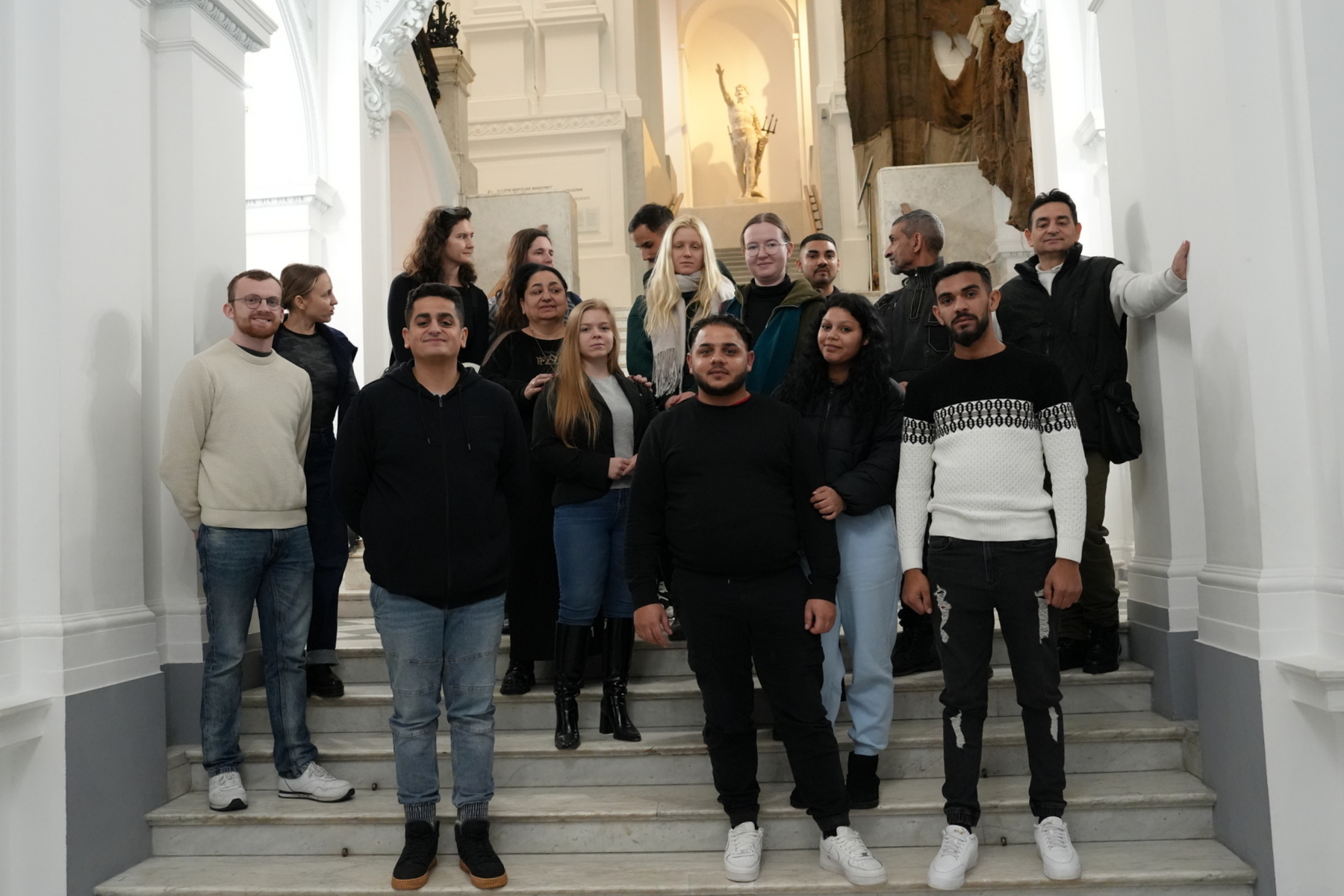
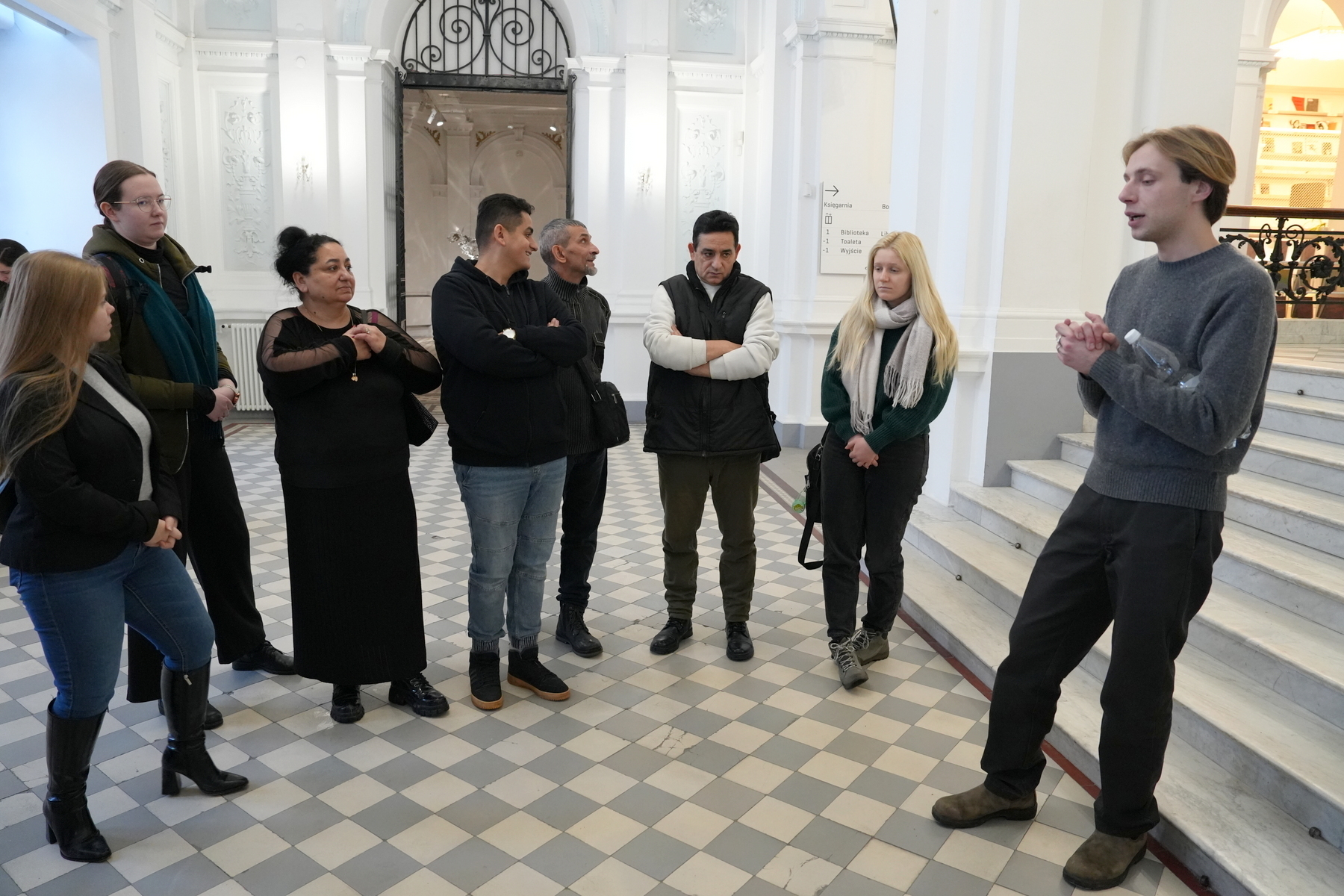
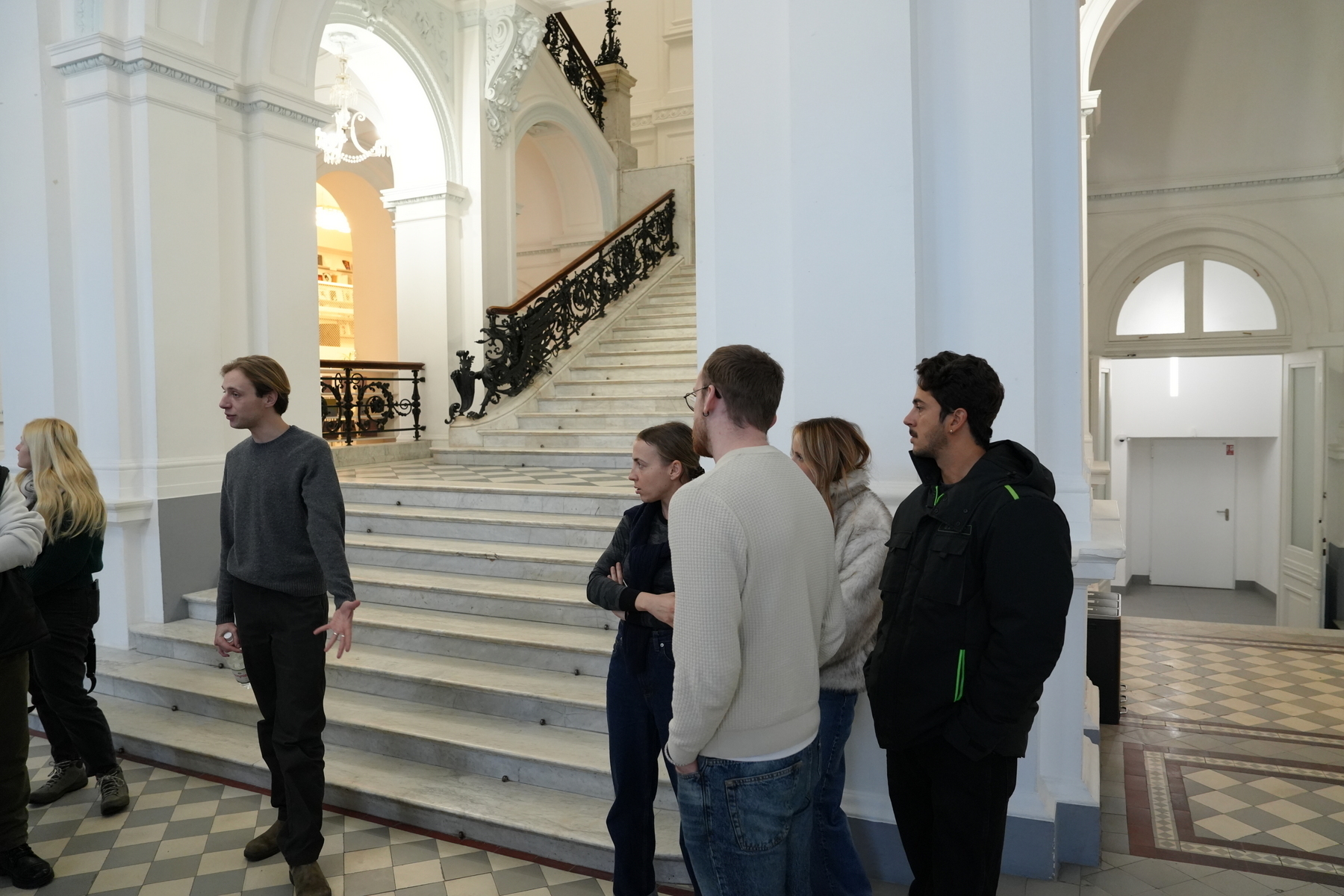
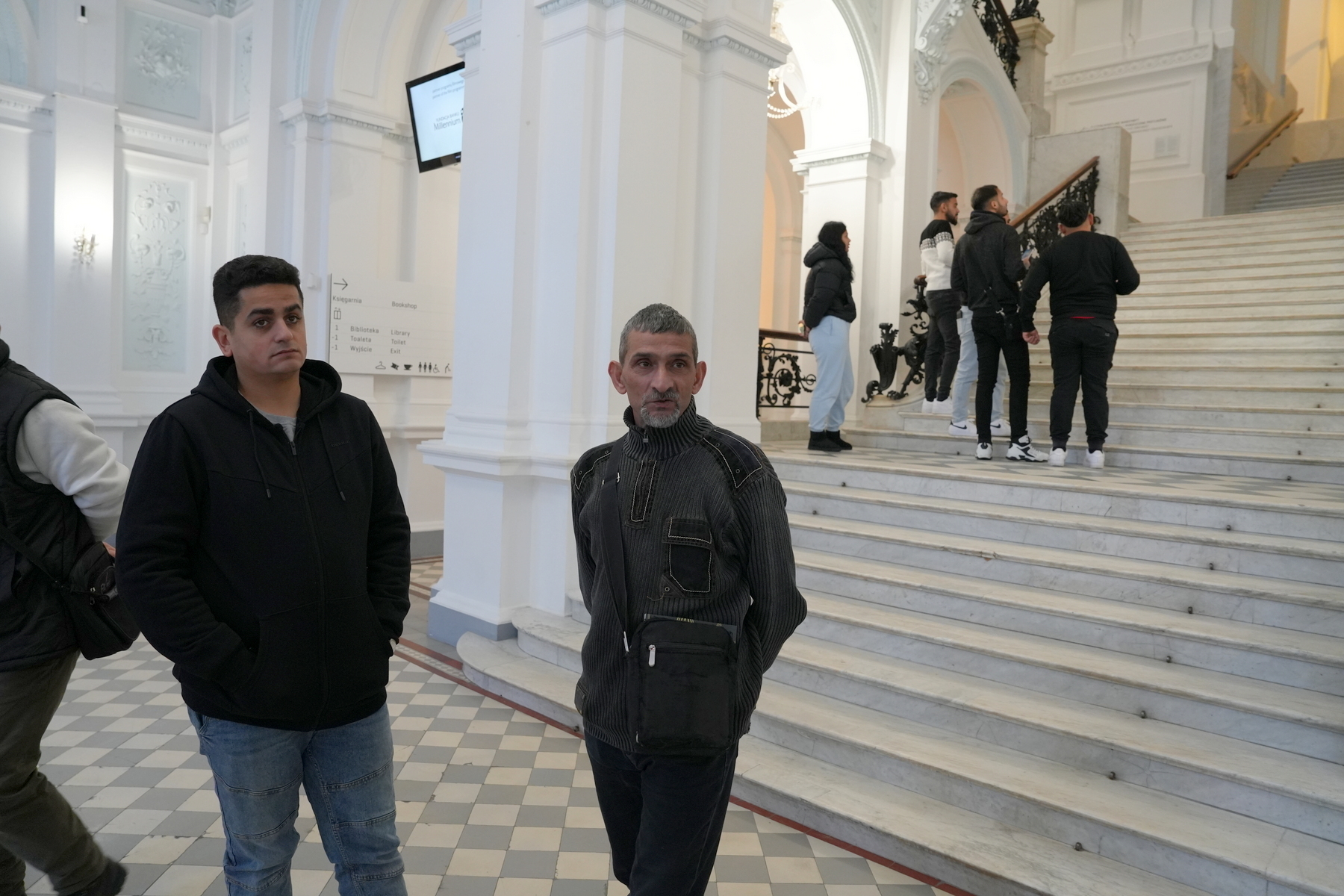
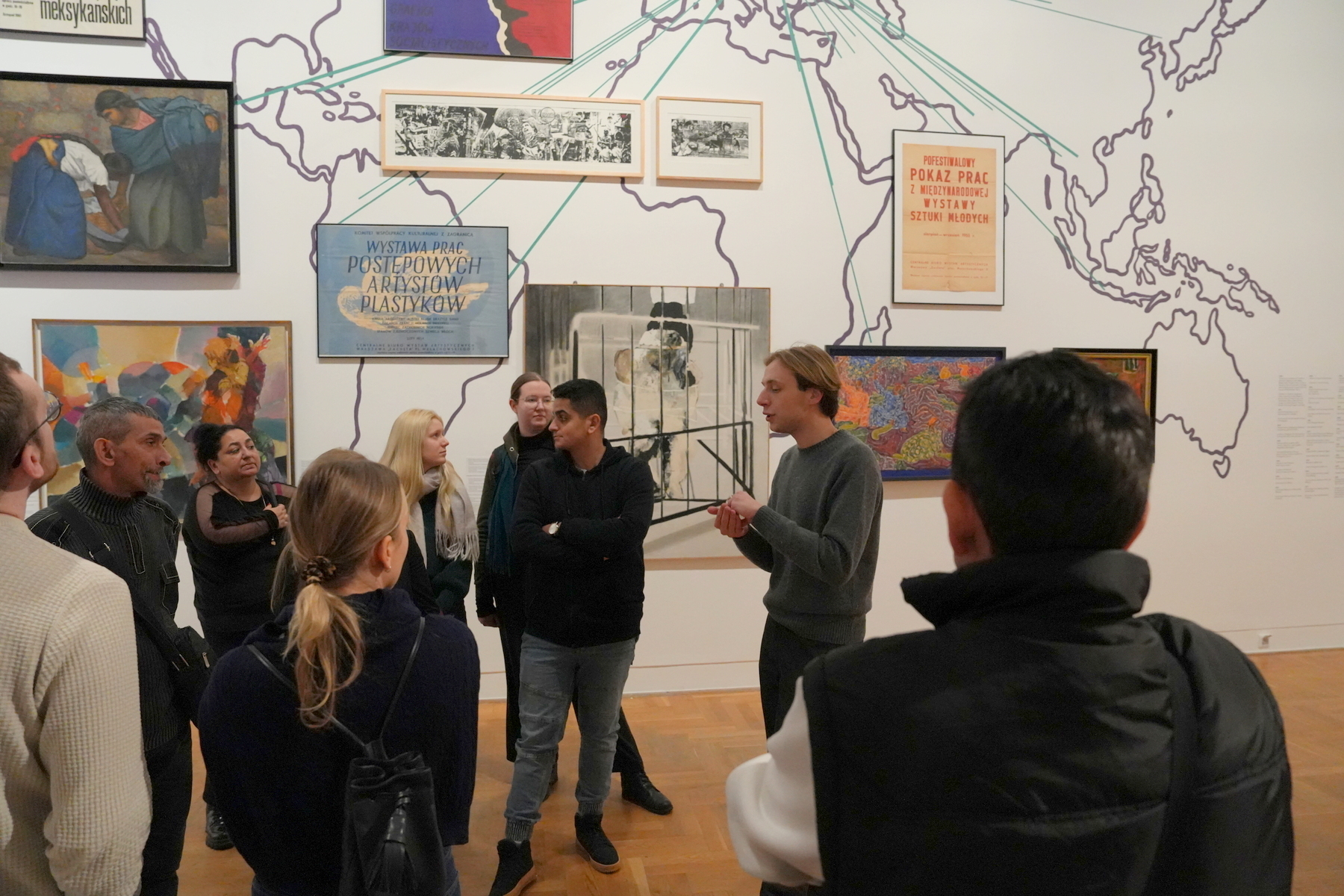
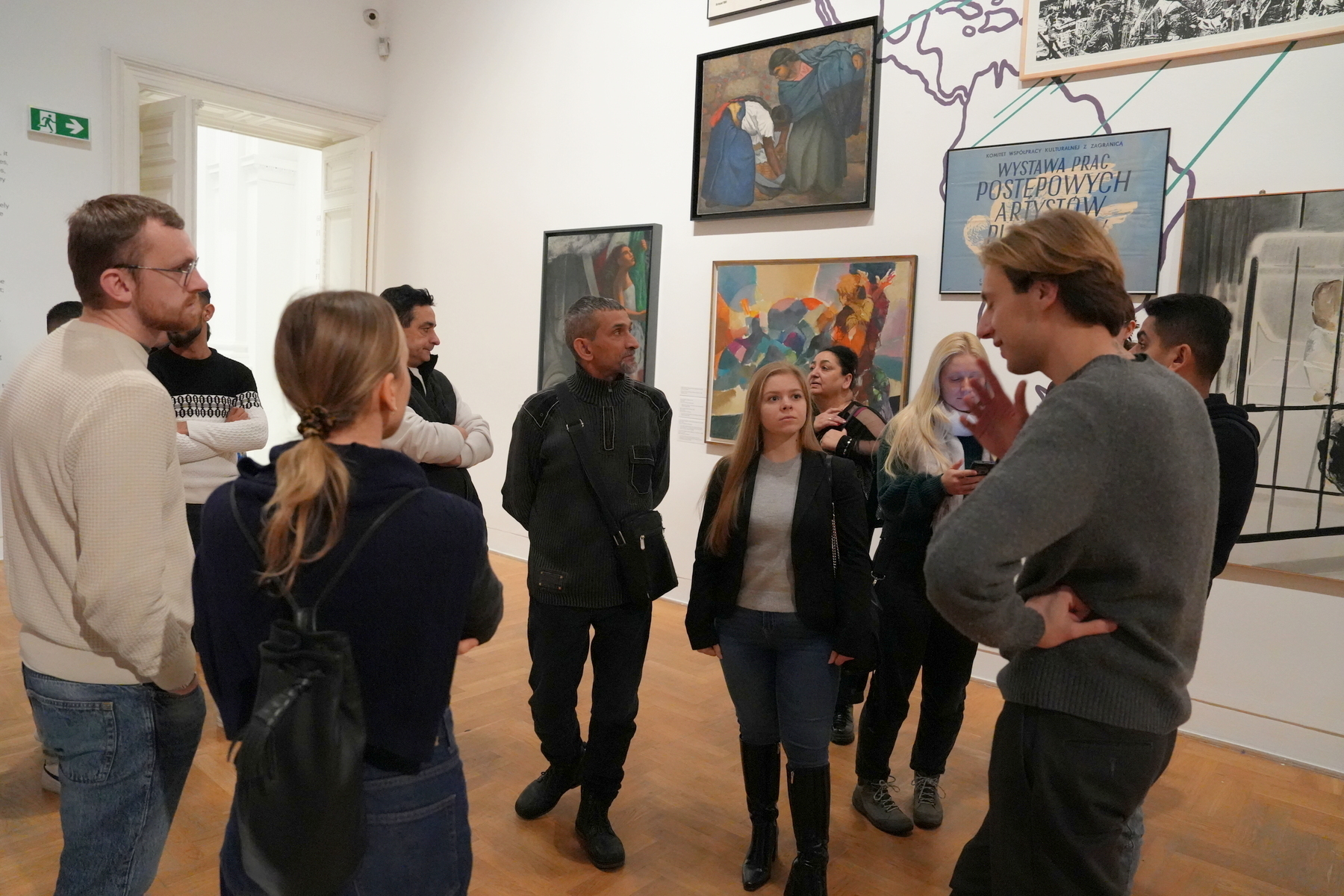
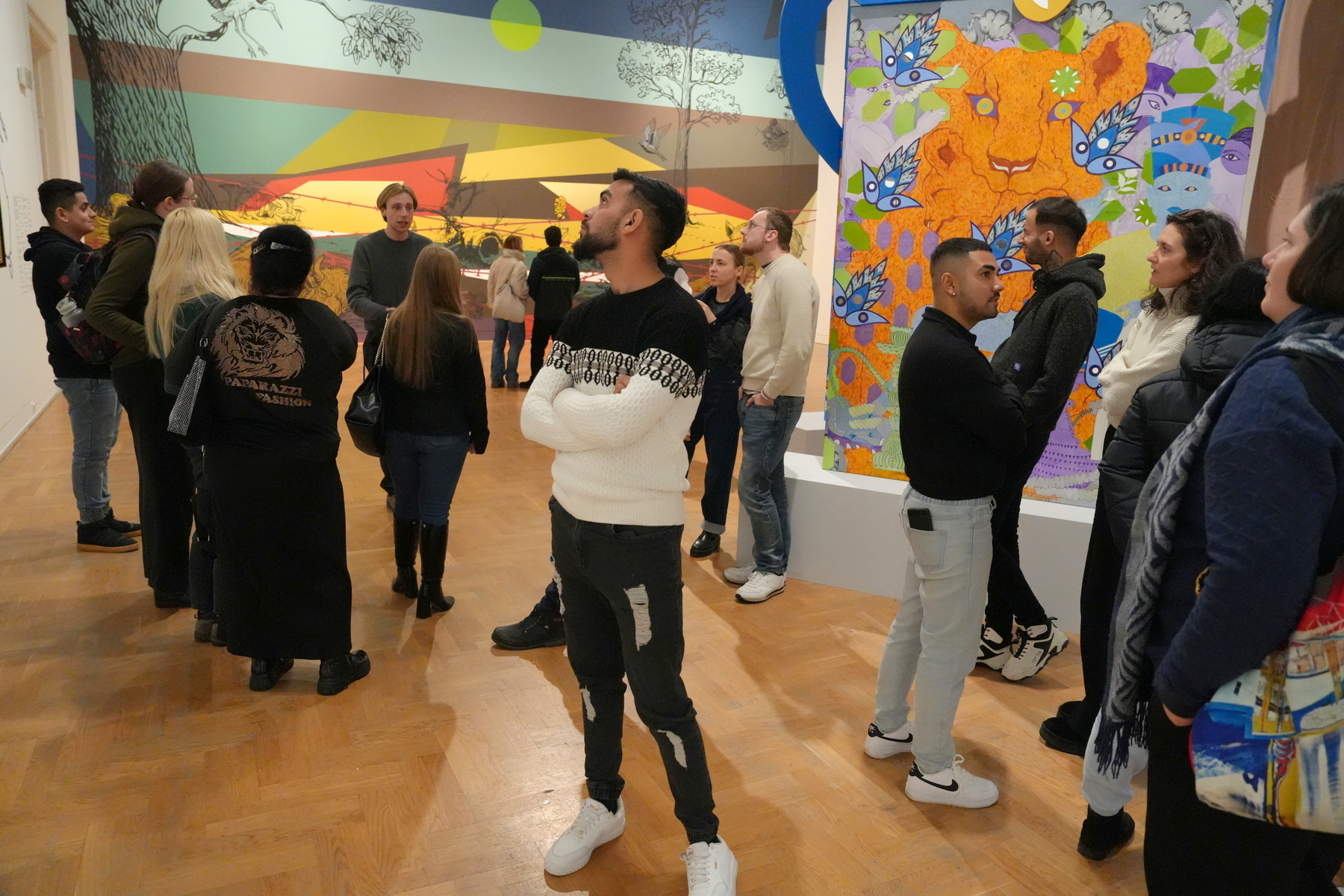
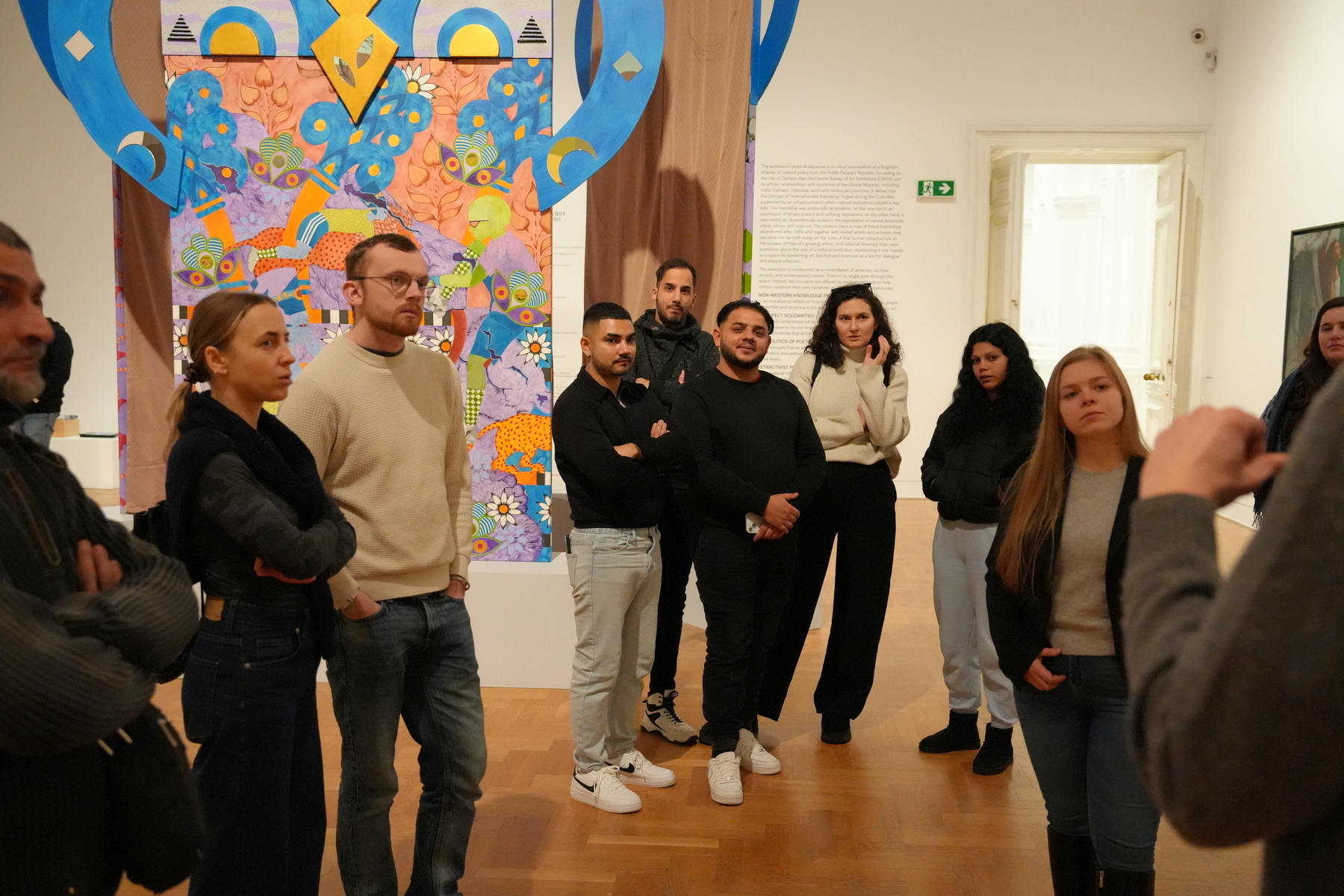
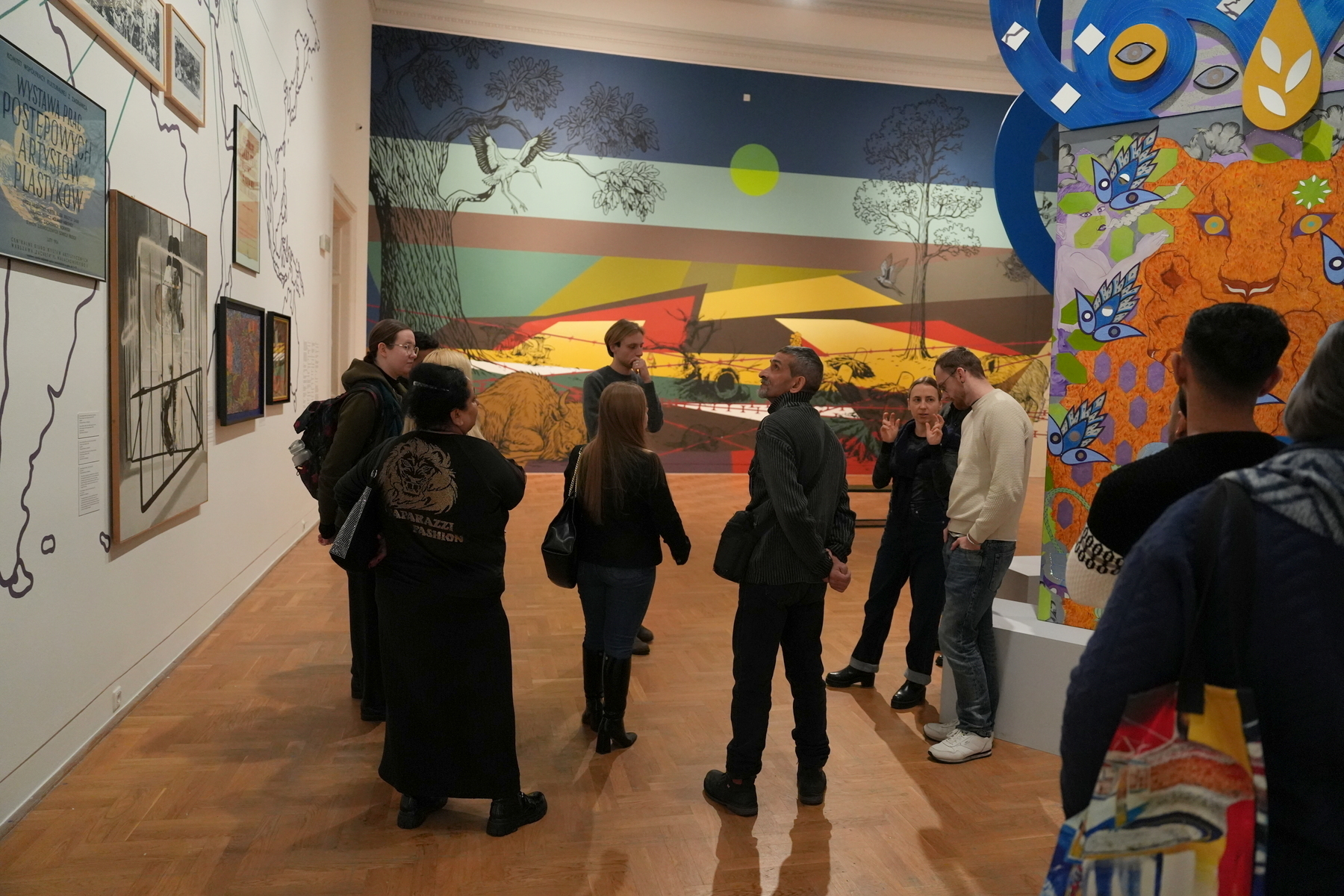
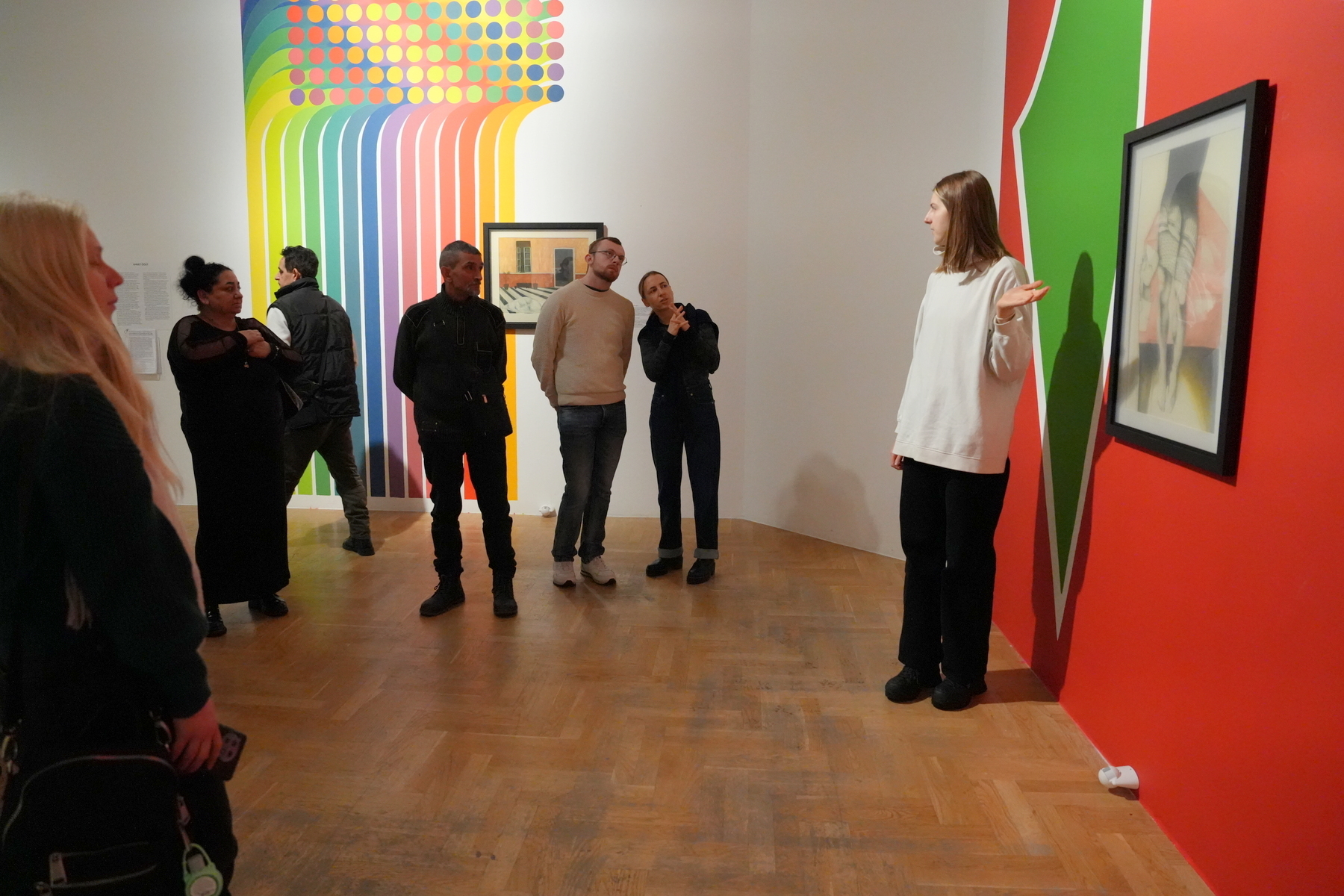
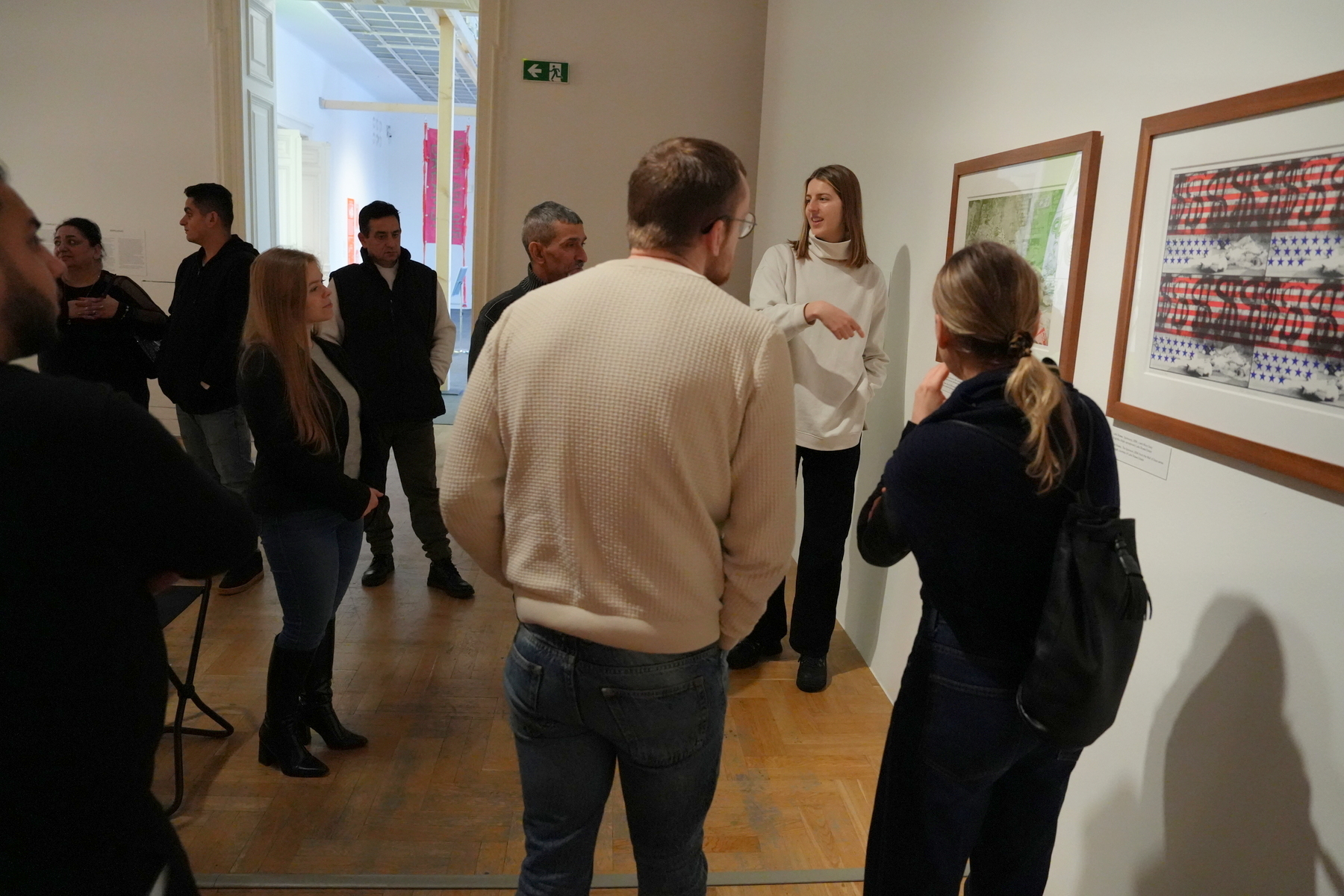
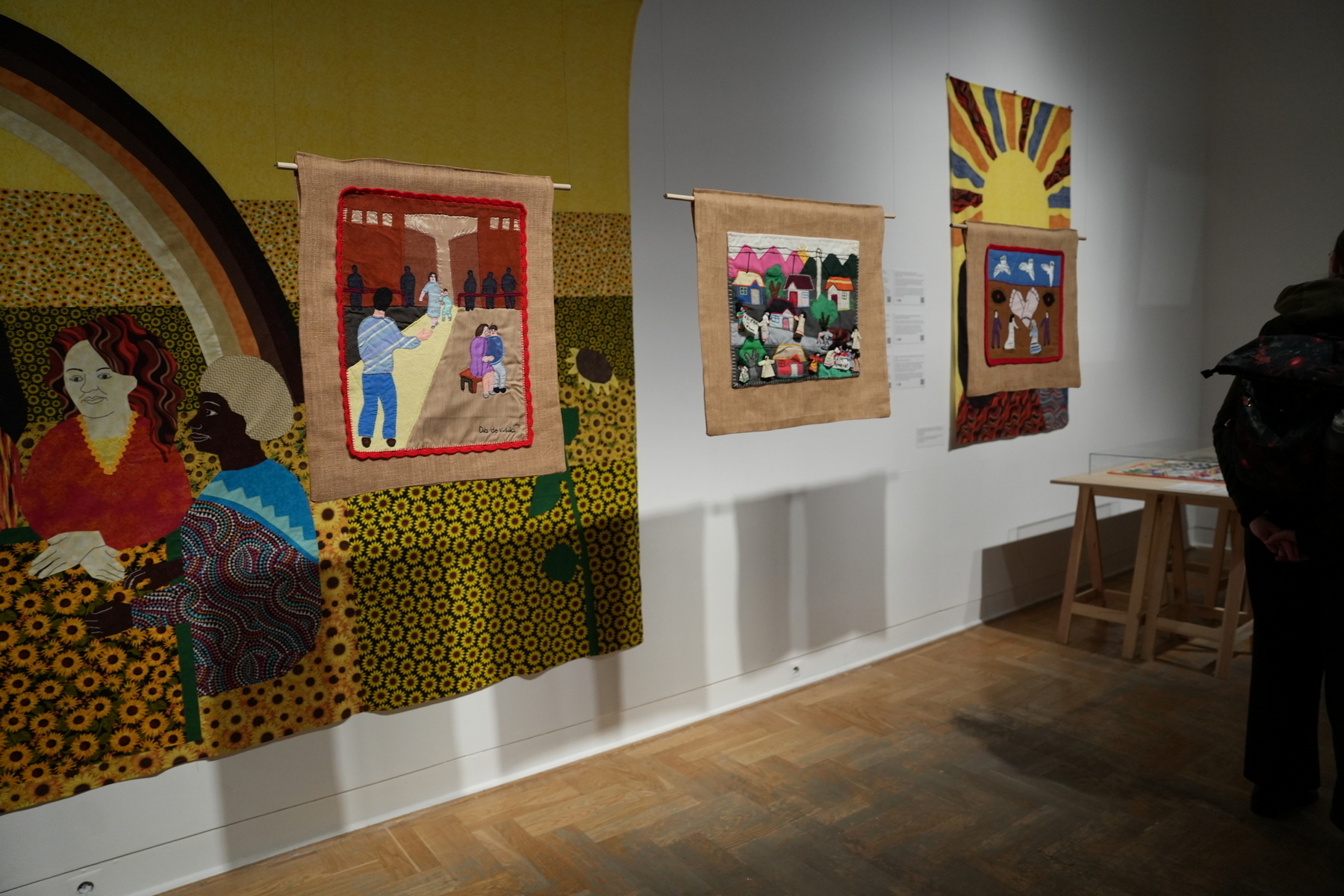
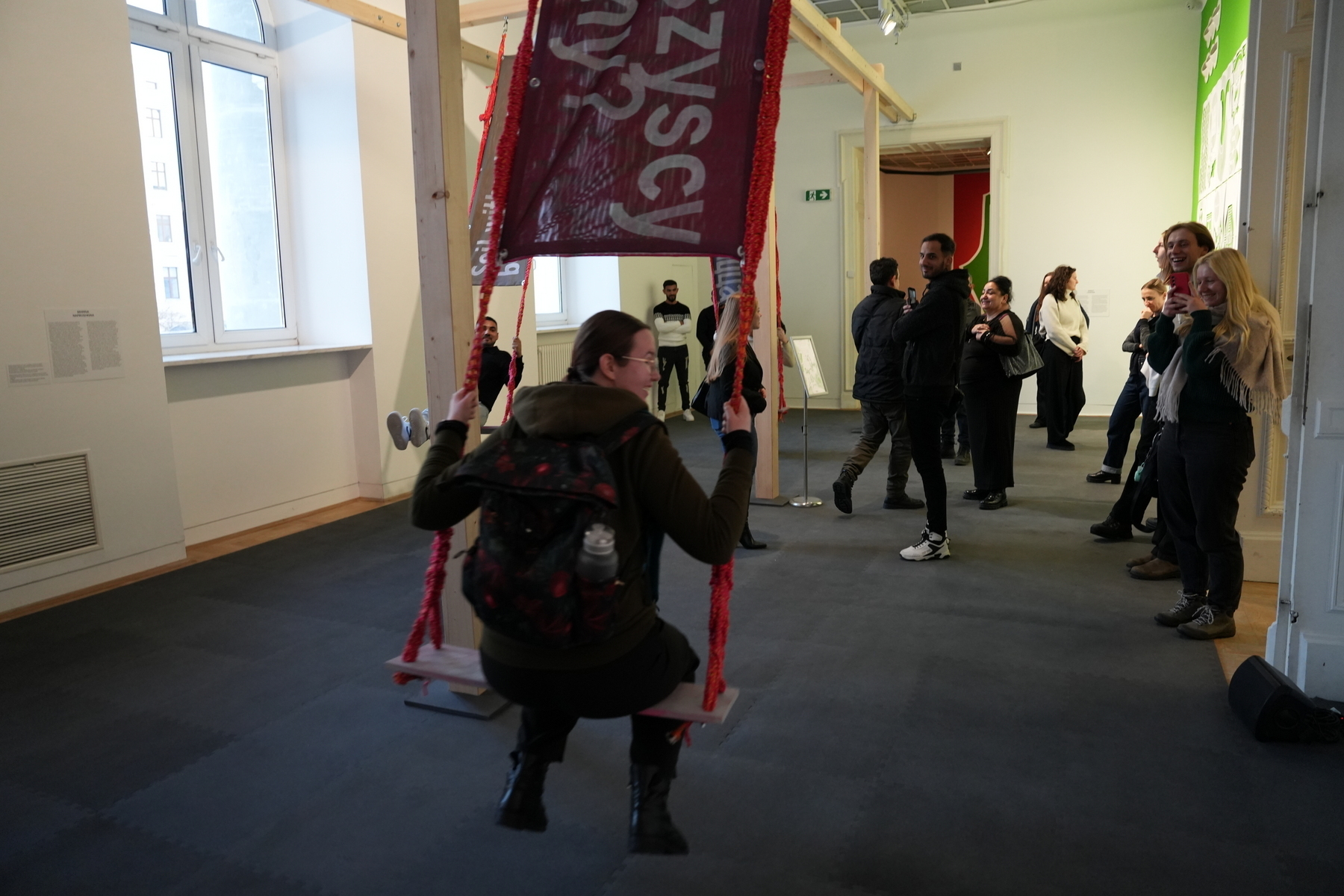
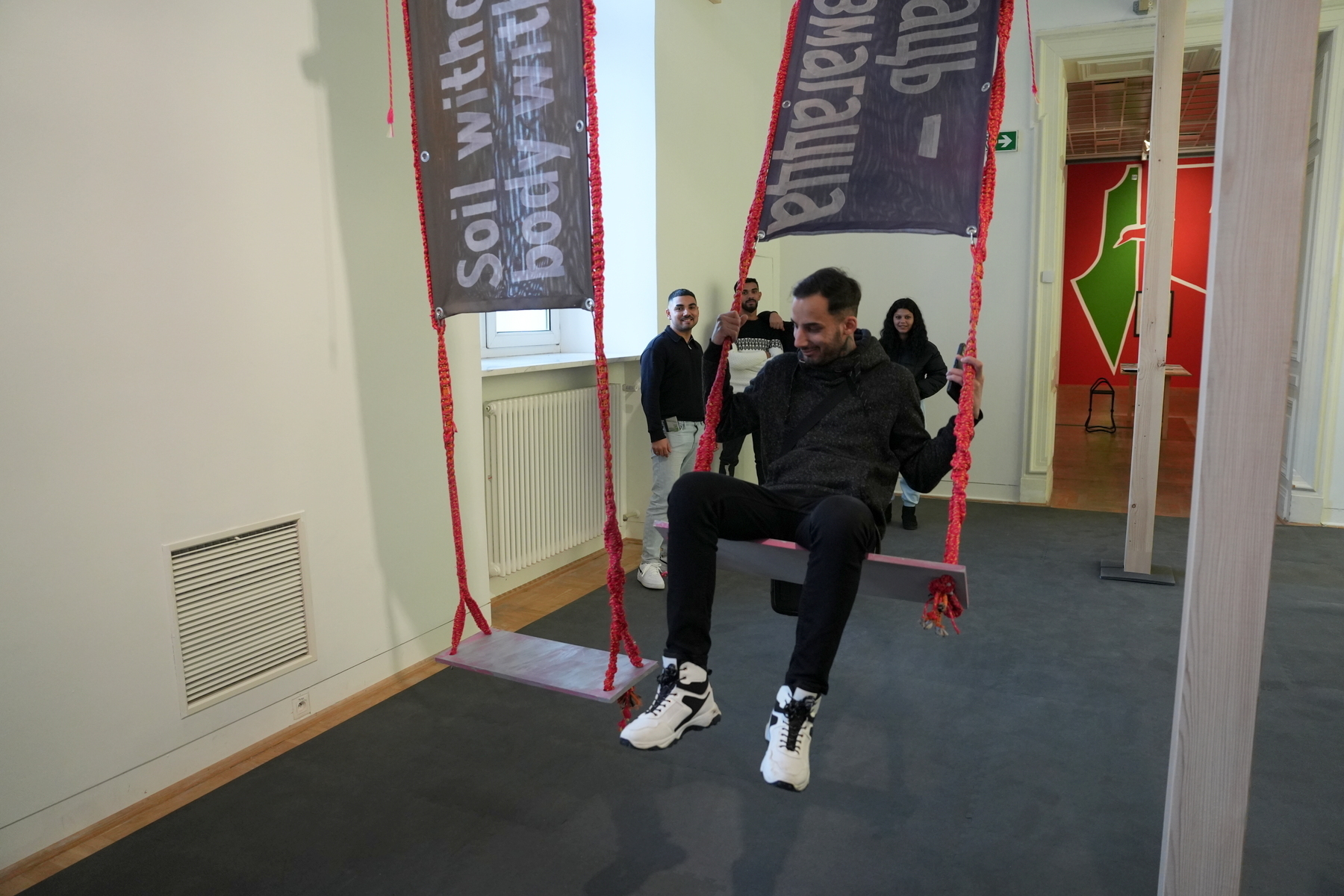
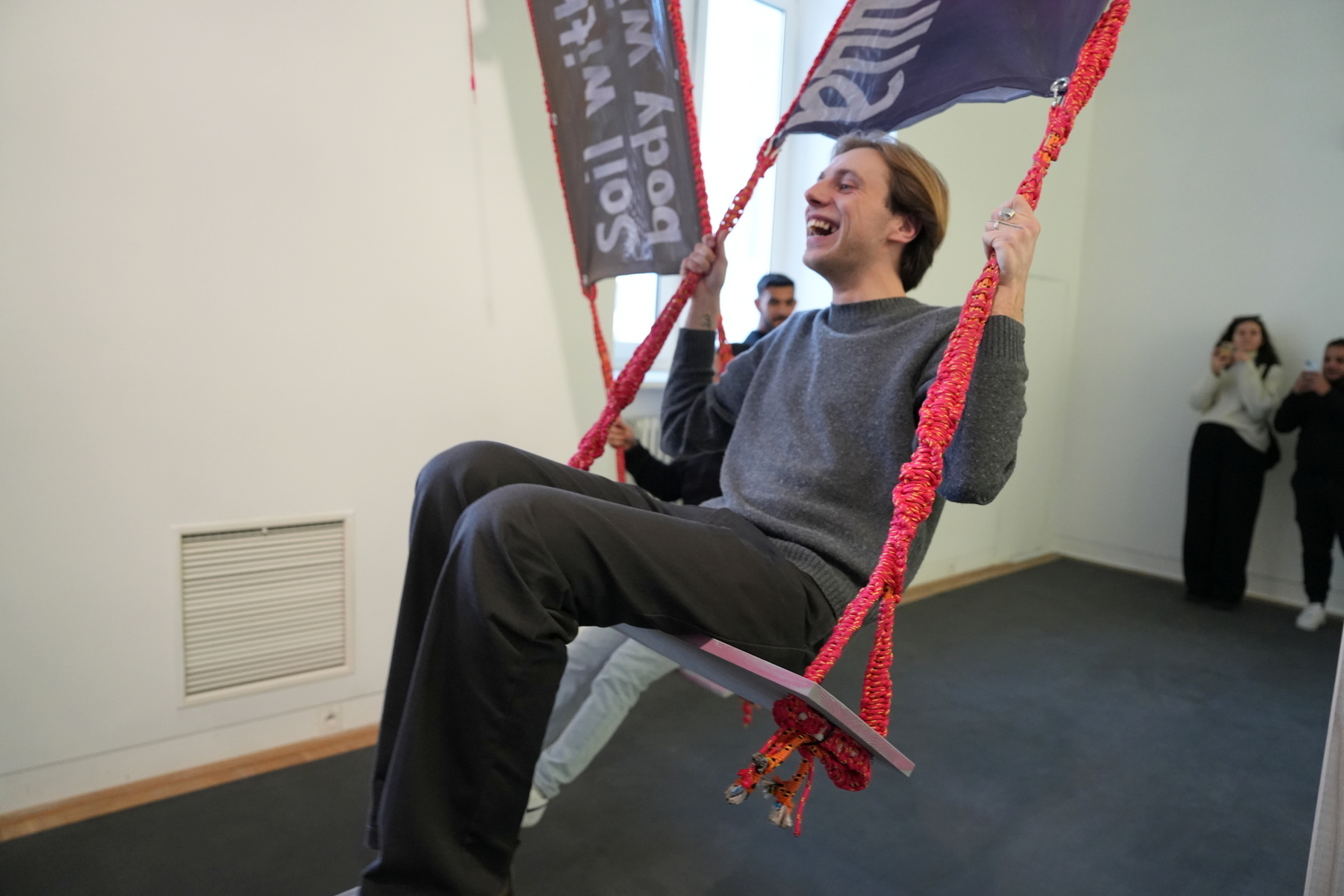
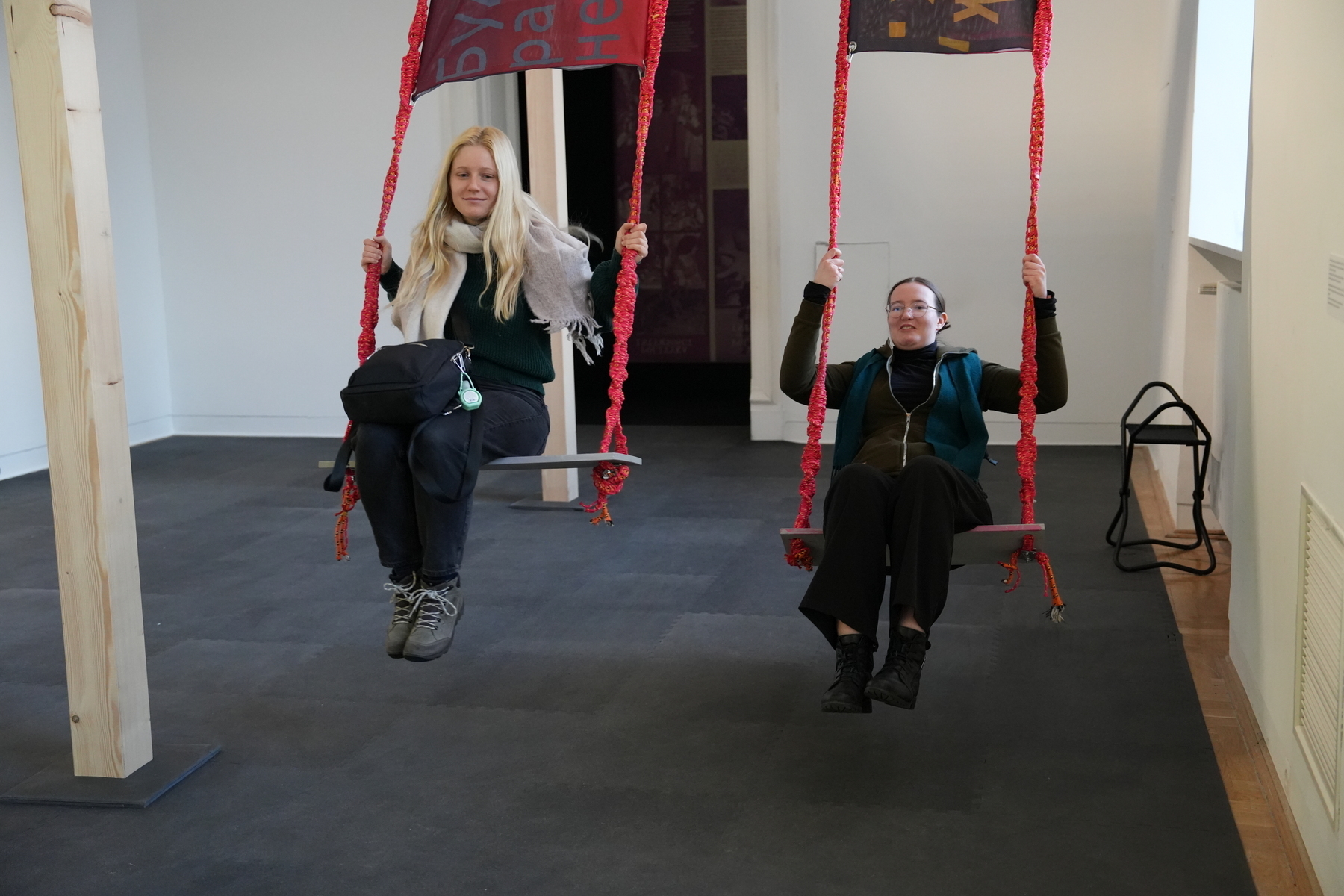
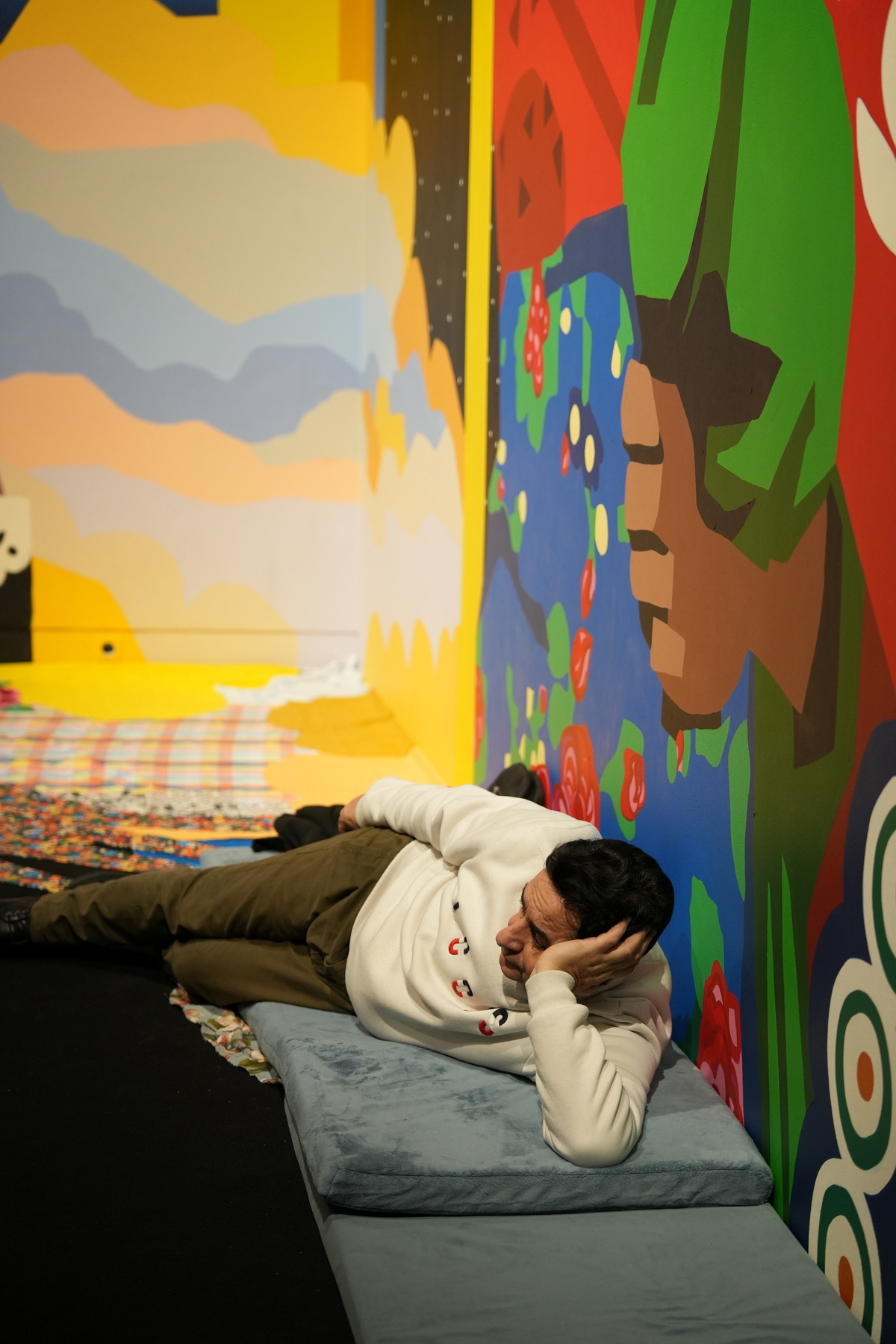
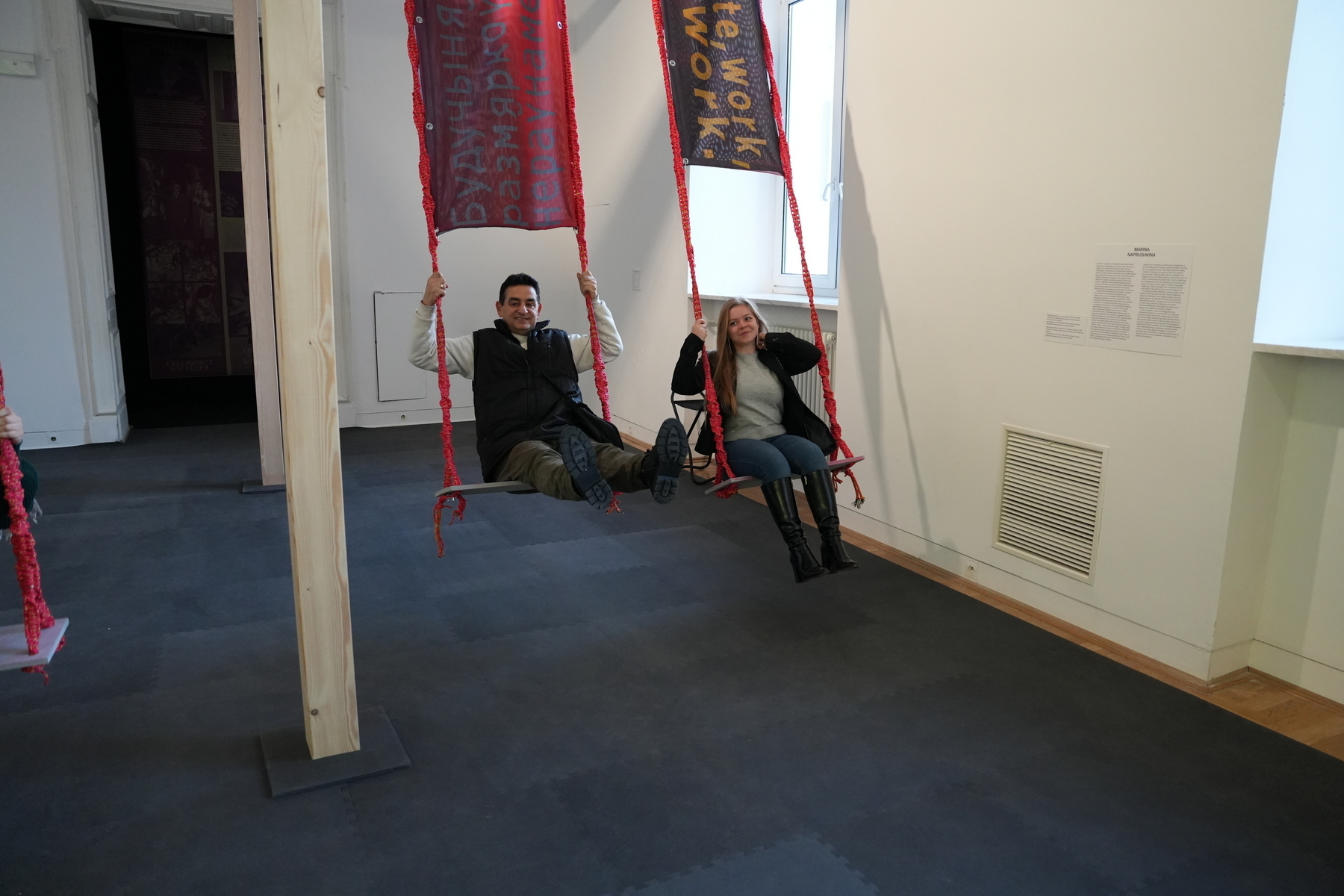
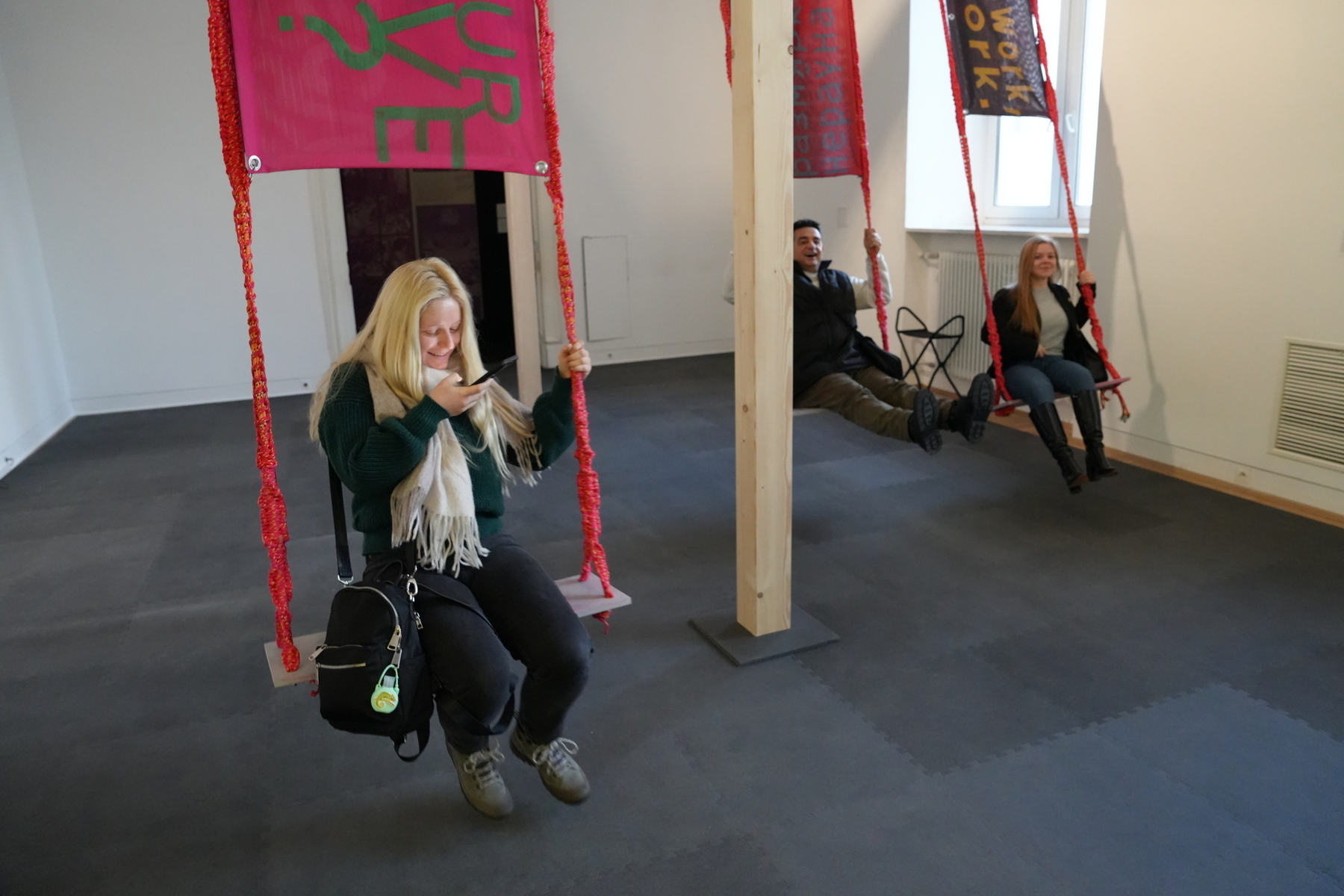
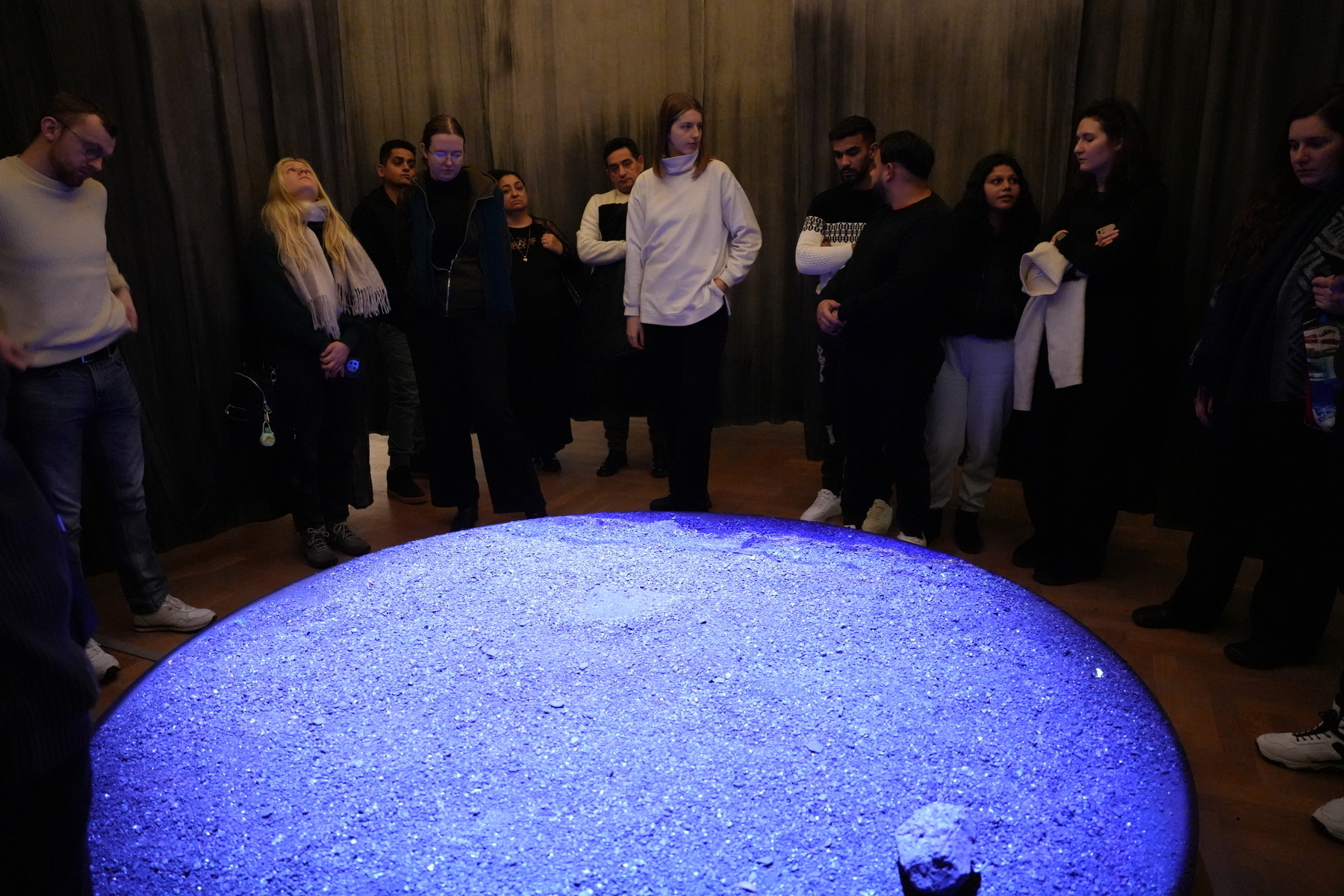
In the afternoon, the group visited Zachęta – National Gallery of Art,
where artistic workshops based on working with exhibitions and contemporary art took place. It was a time for conversations about interpretation, dialogue, and using culture as an educational tool. The workshops, referring to contemporary migration and multiculturalism, were led by curator and artist Taras Gembik.











Day 3 – Wednesday, 14 January 2026
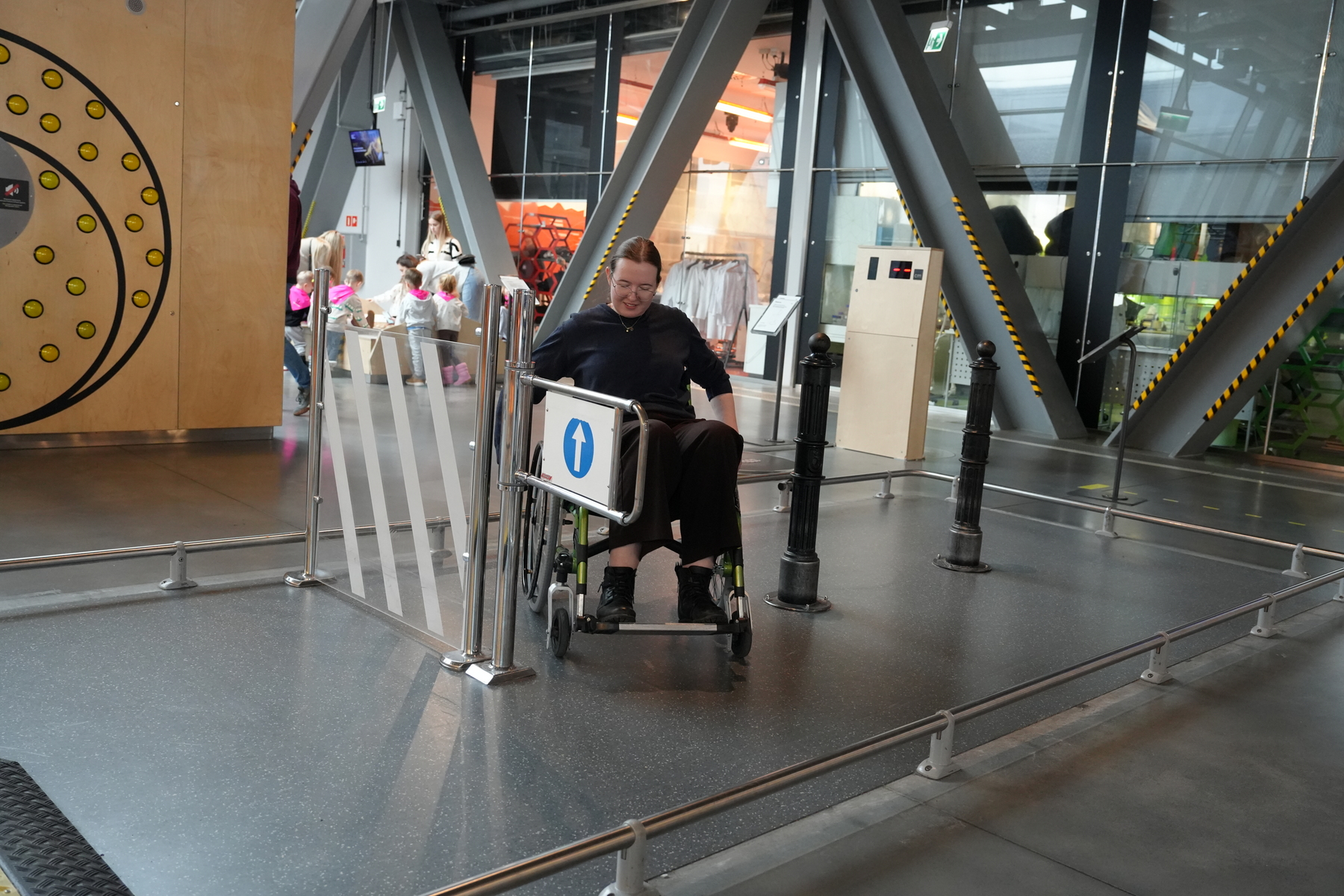
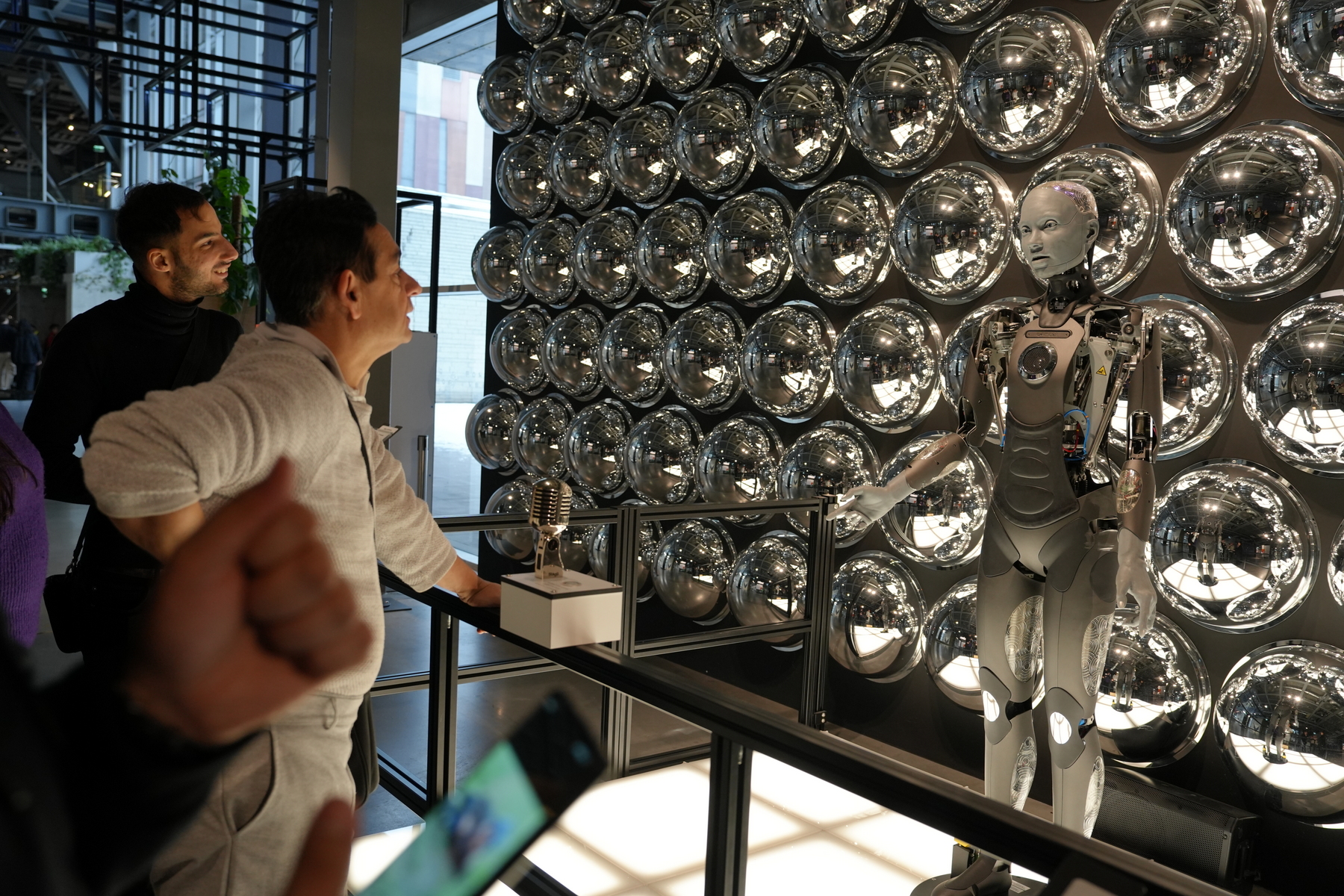
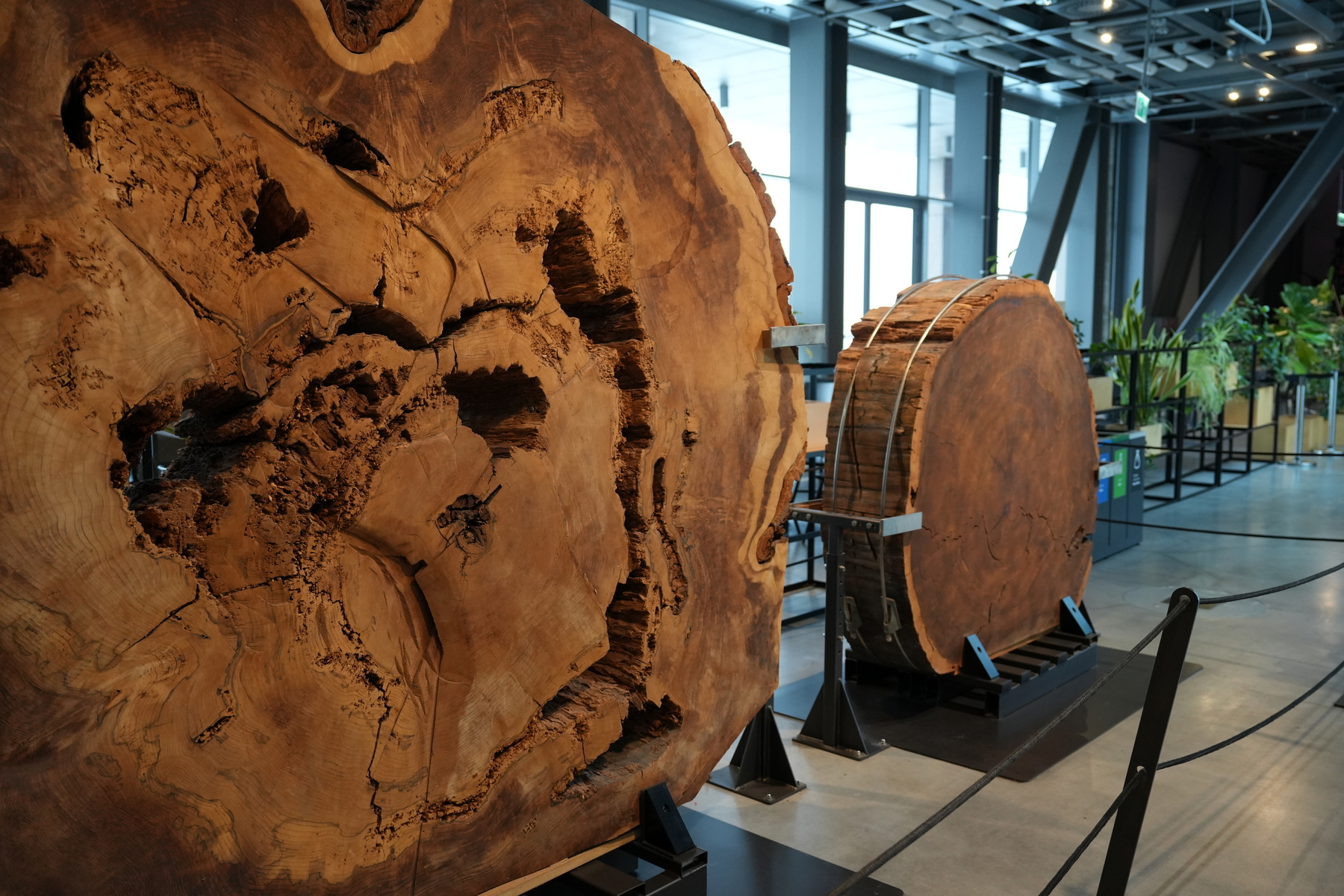
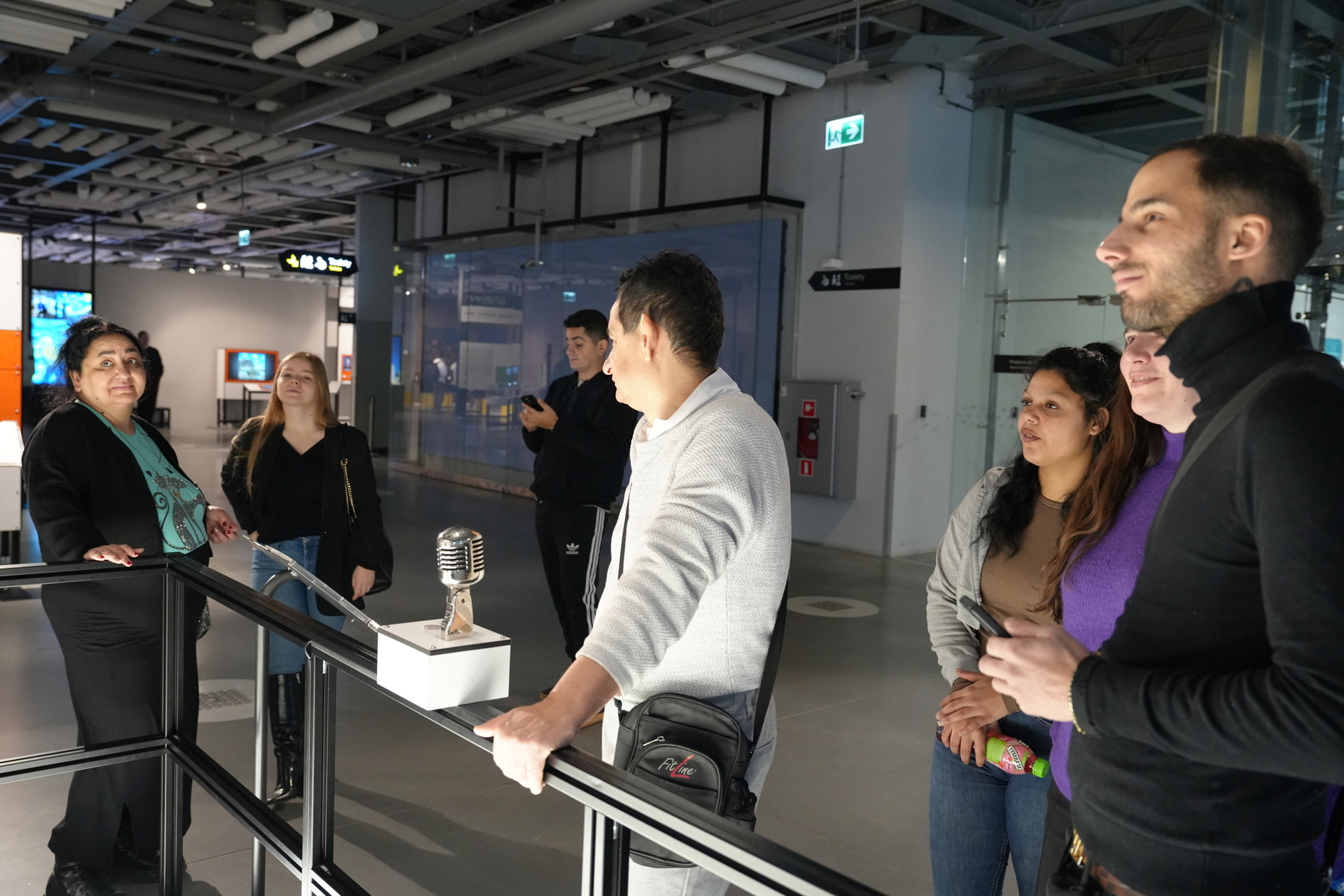
The third day was dedicated to combining knowledge with experience. At the Copernicus Science Centre, participants visited an exhibition and took part in the educational laboratory “Microplastics: Small Particles – Big Consequences”. The activities demonstrated how to talk with young people about responsibility, ecology, and contemporary global challenges in an engaging and accessible way, using science and hands-on experience.
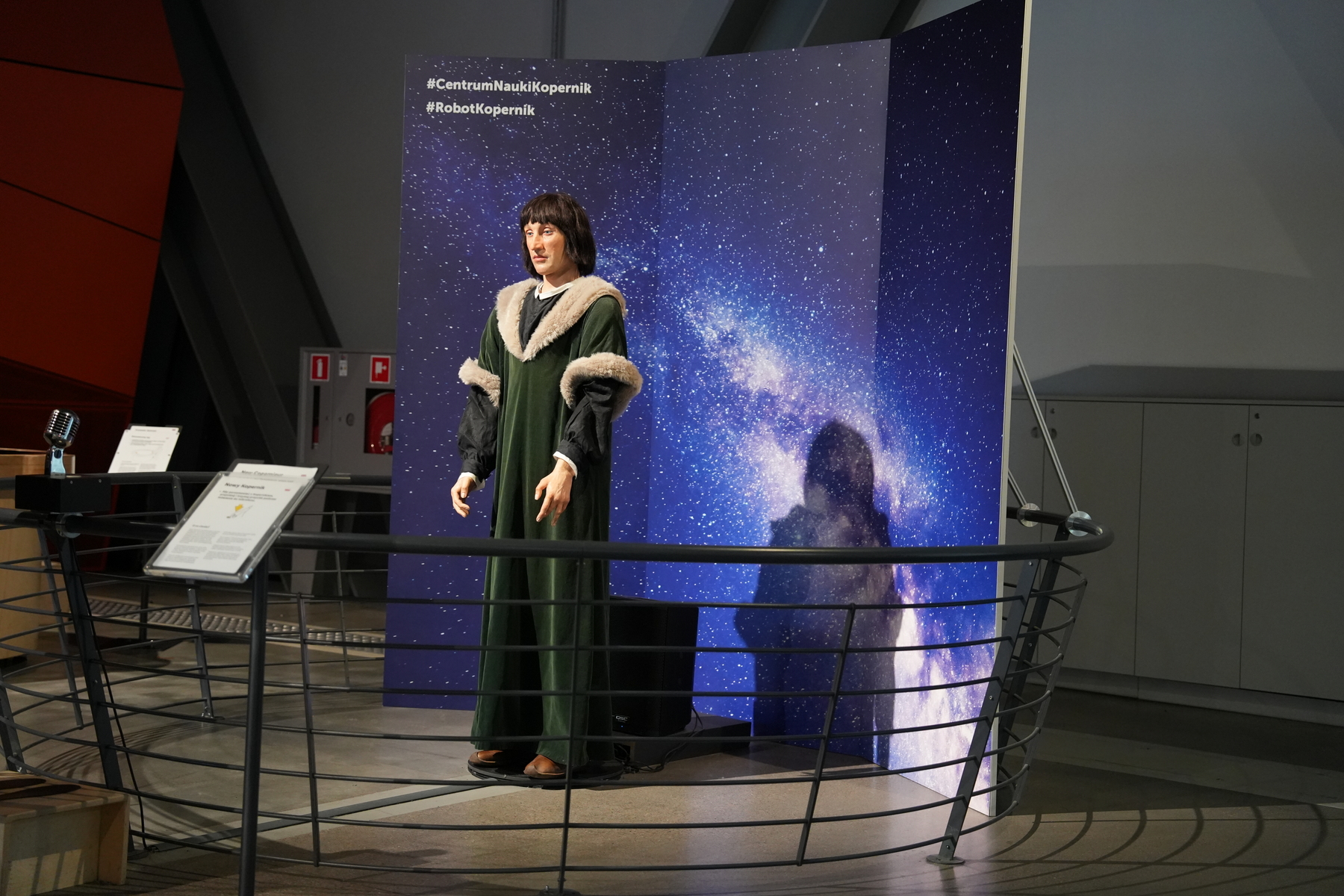
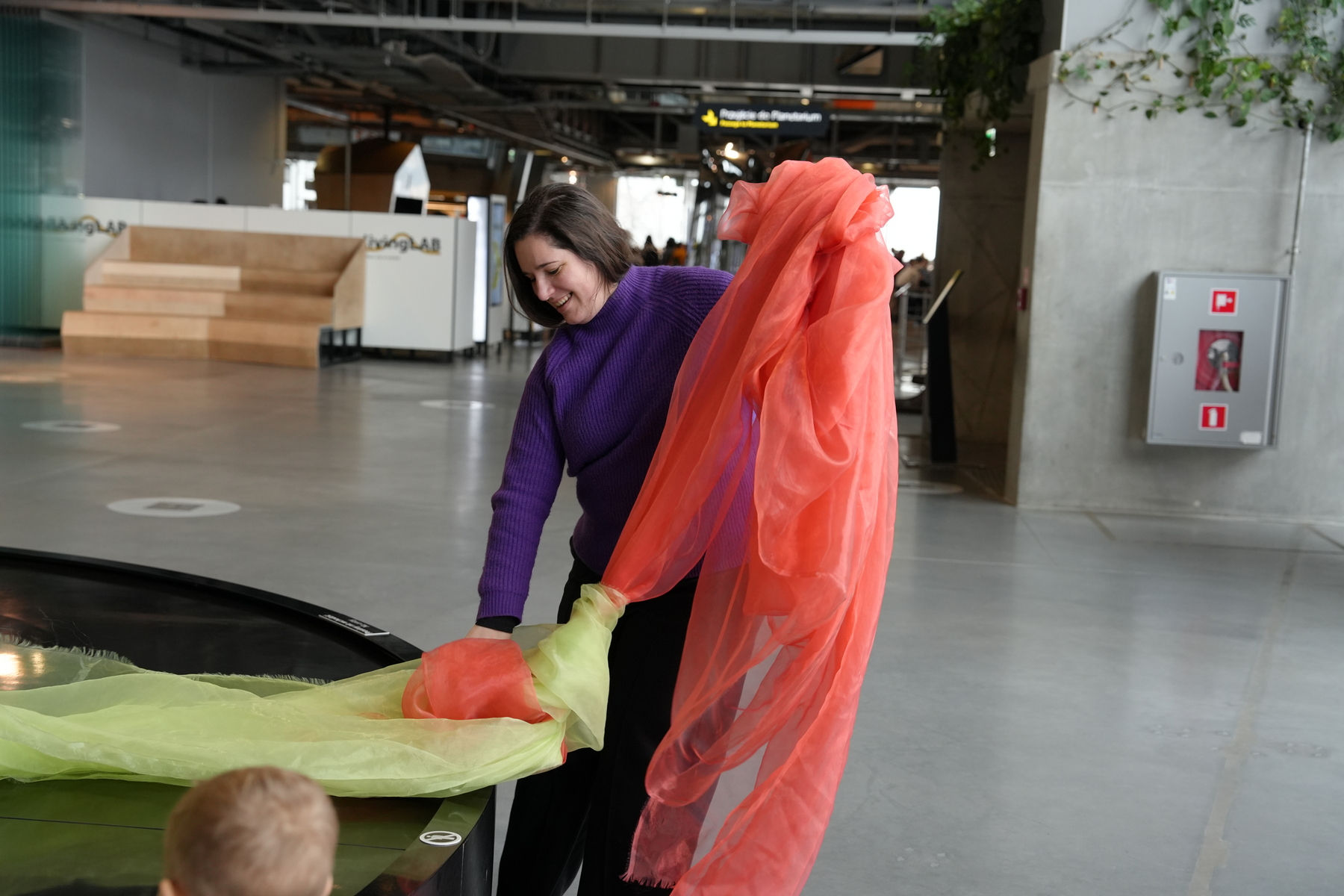

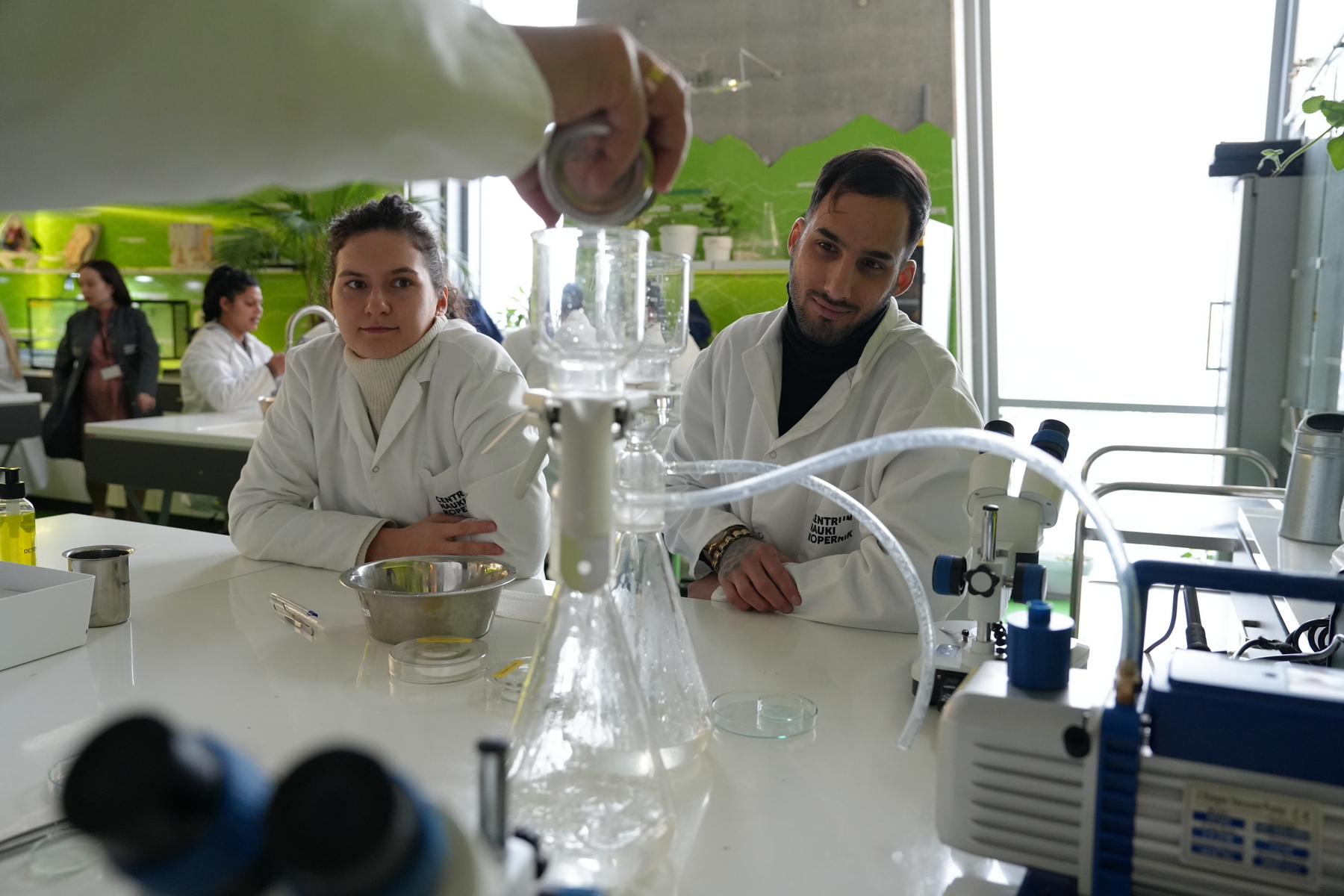
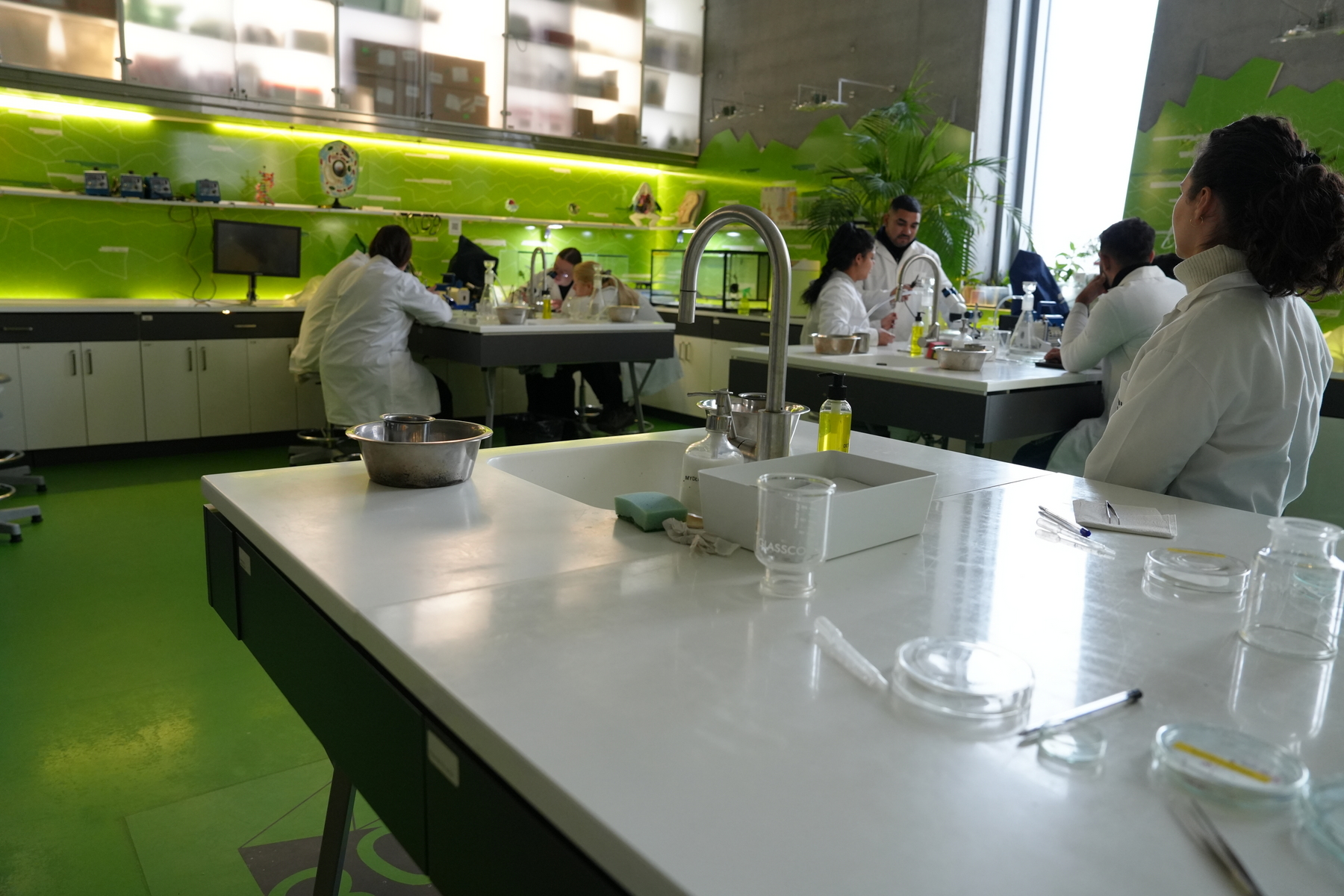


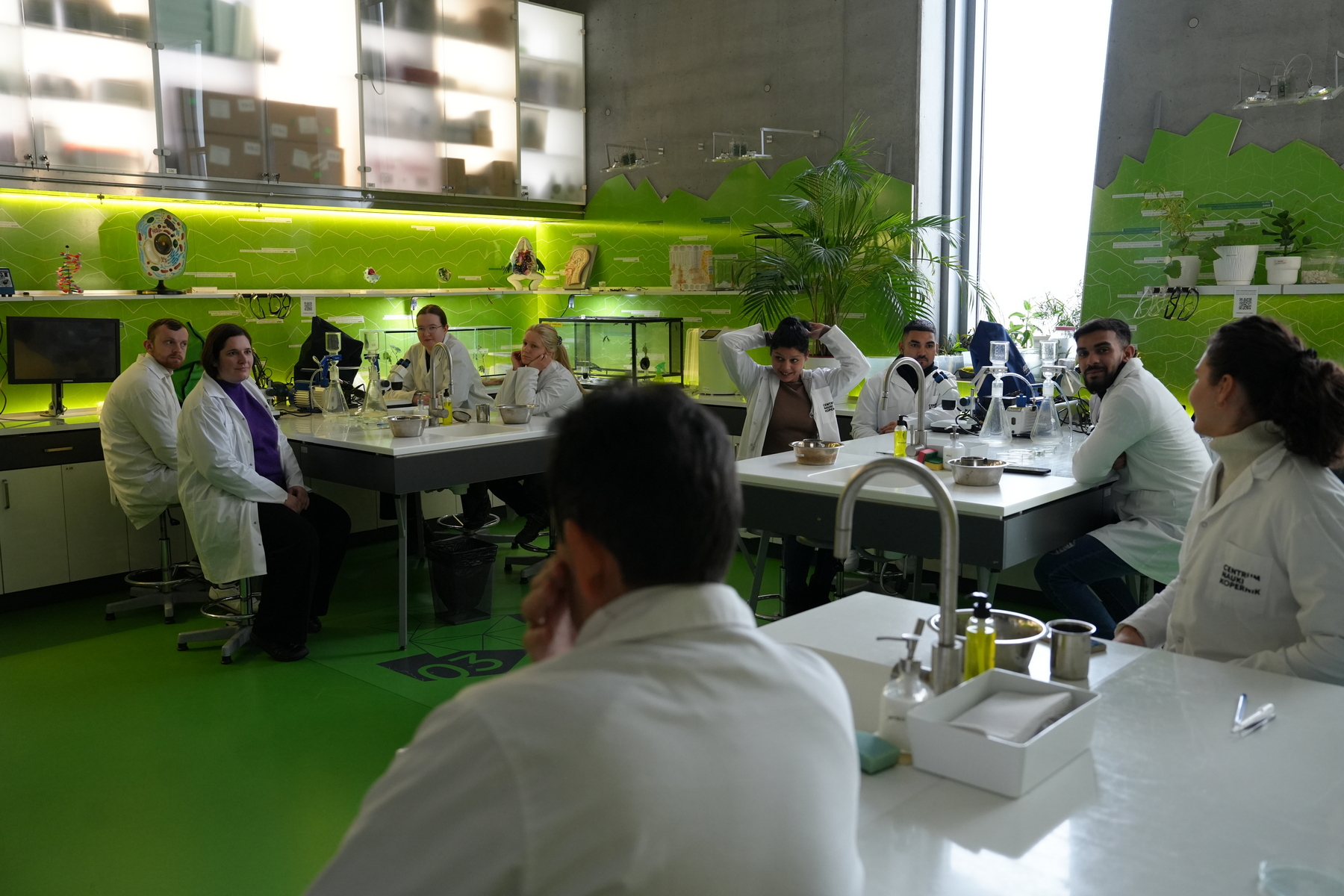

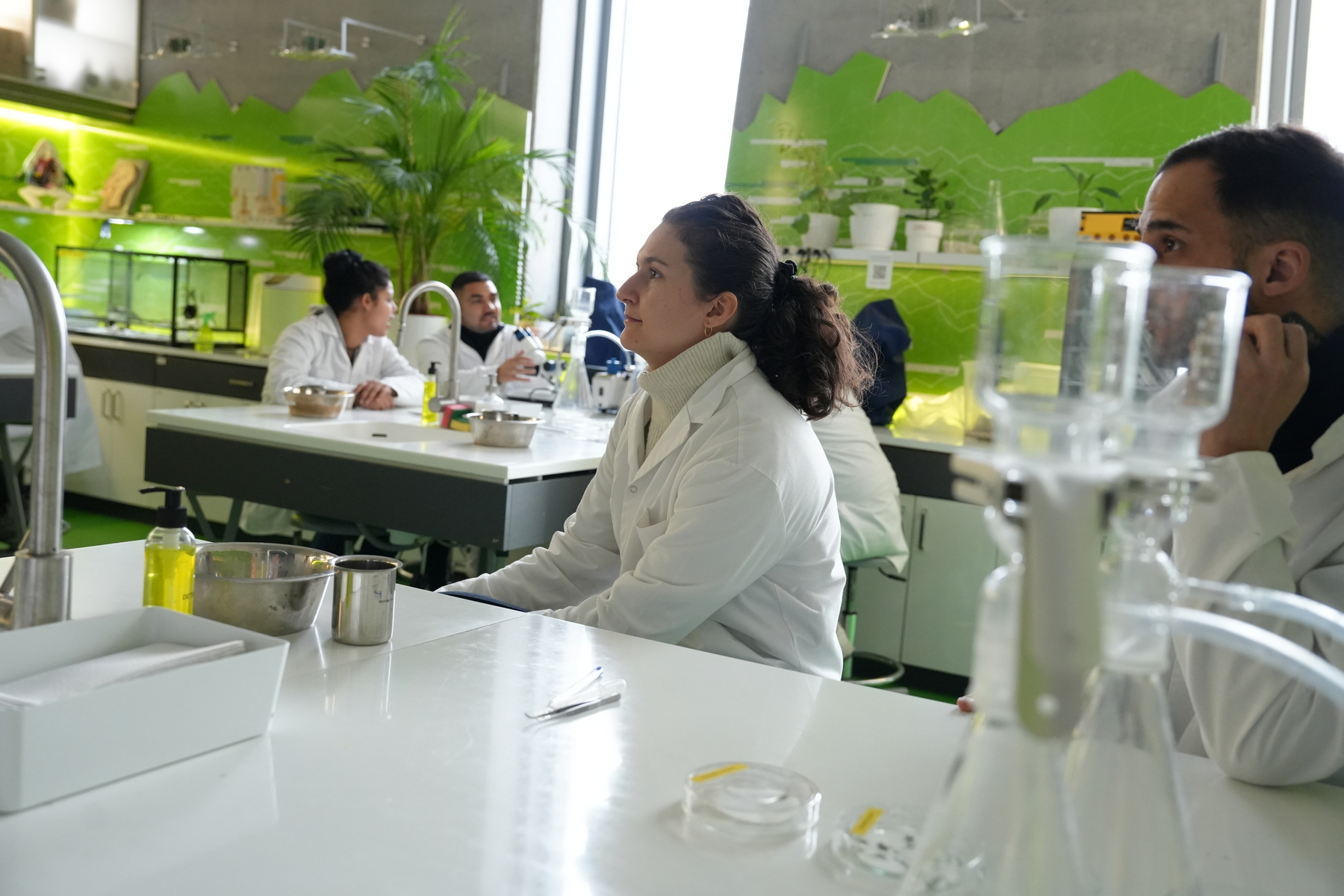
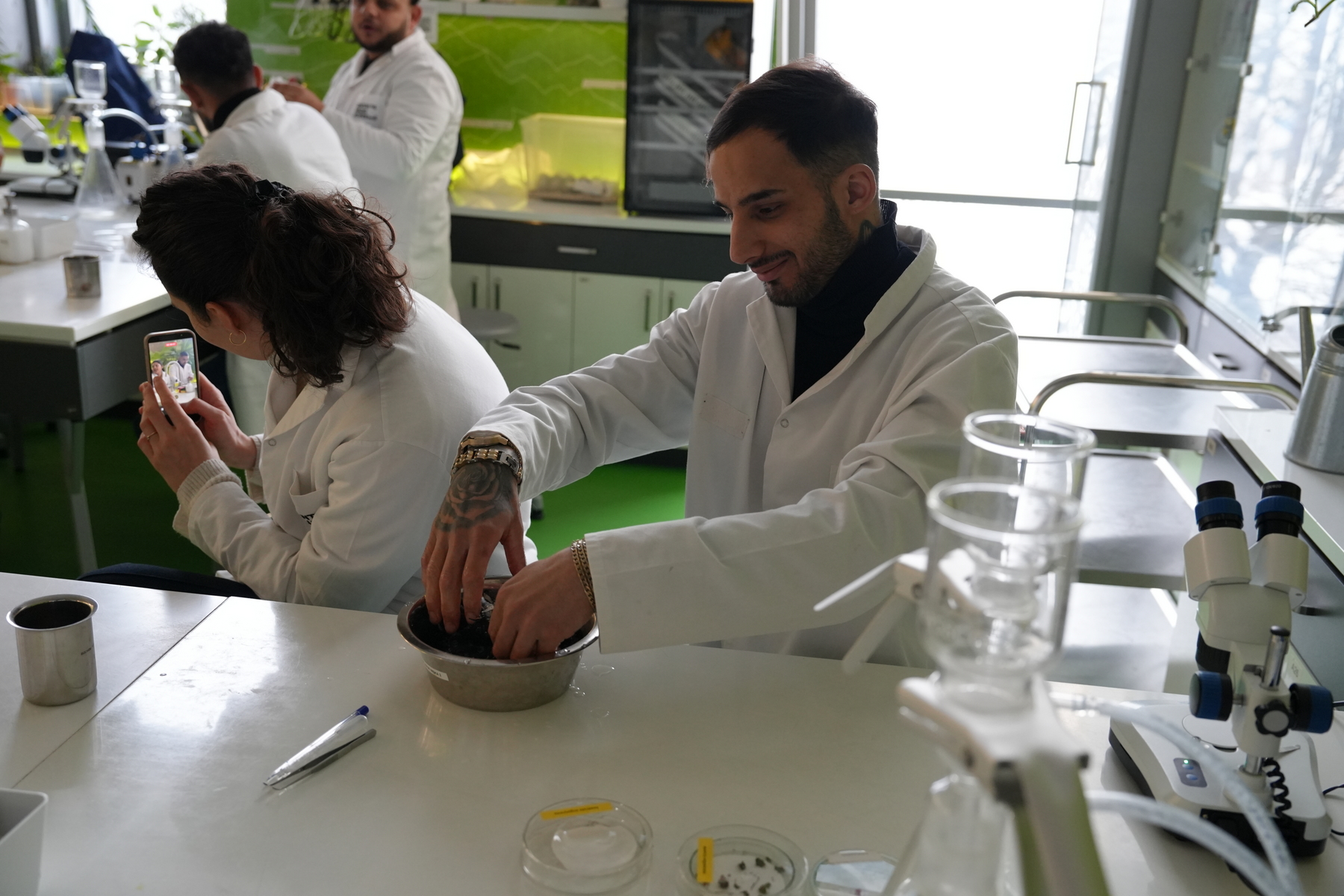
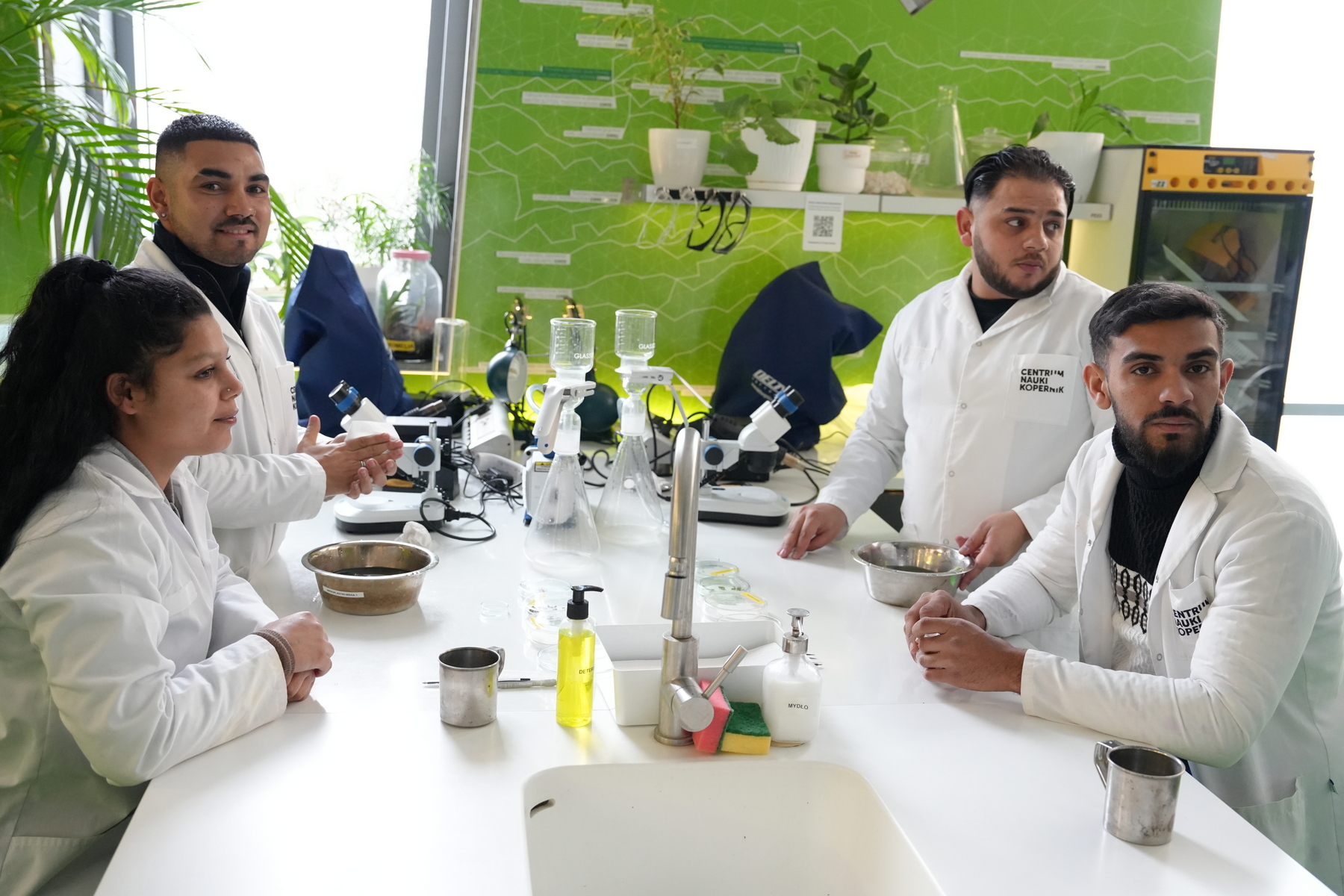


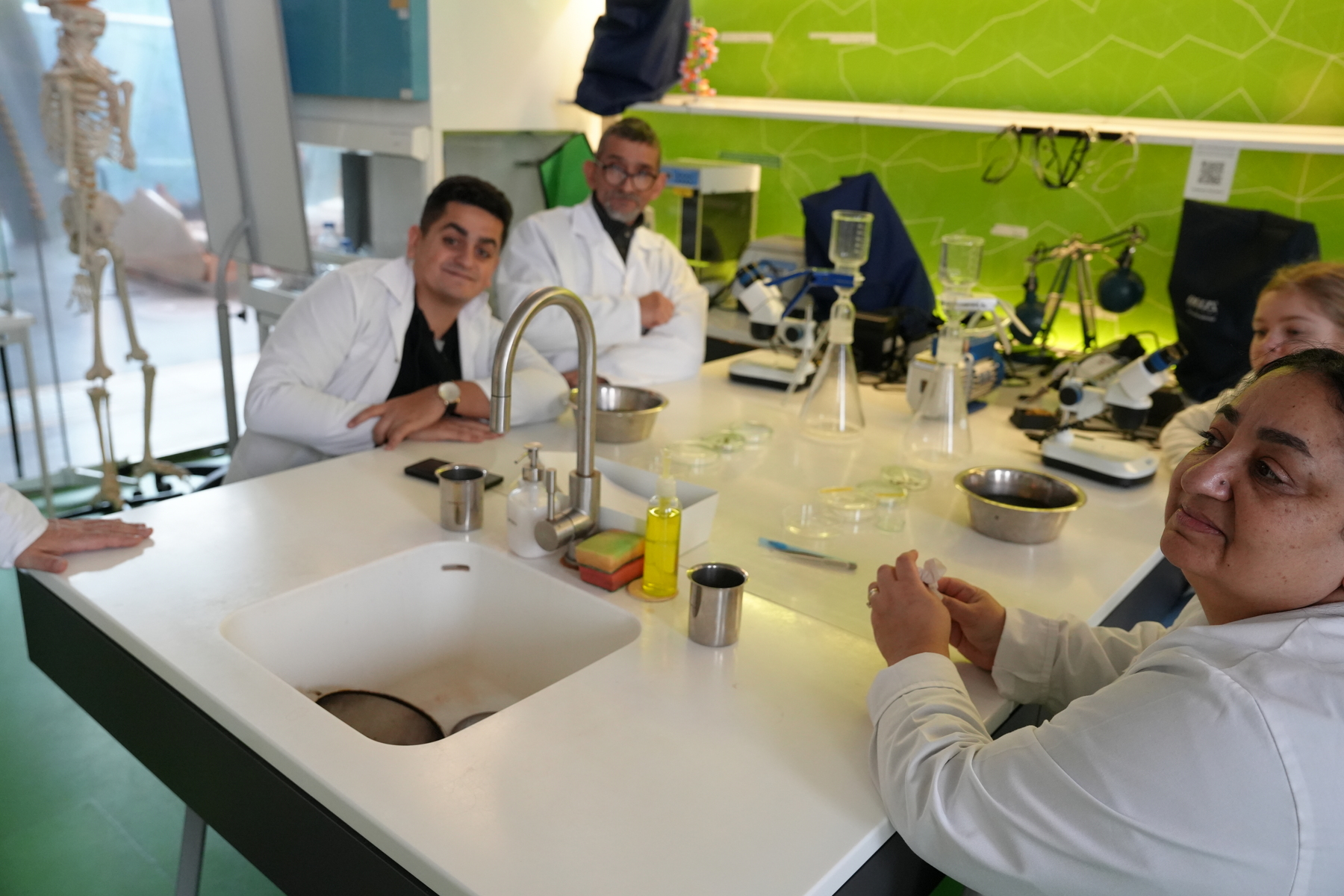
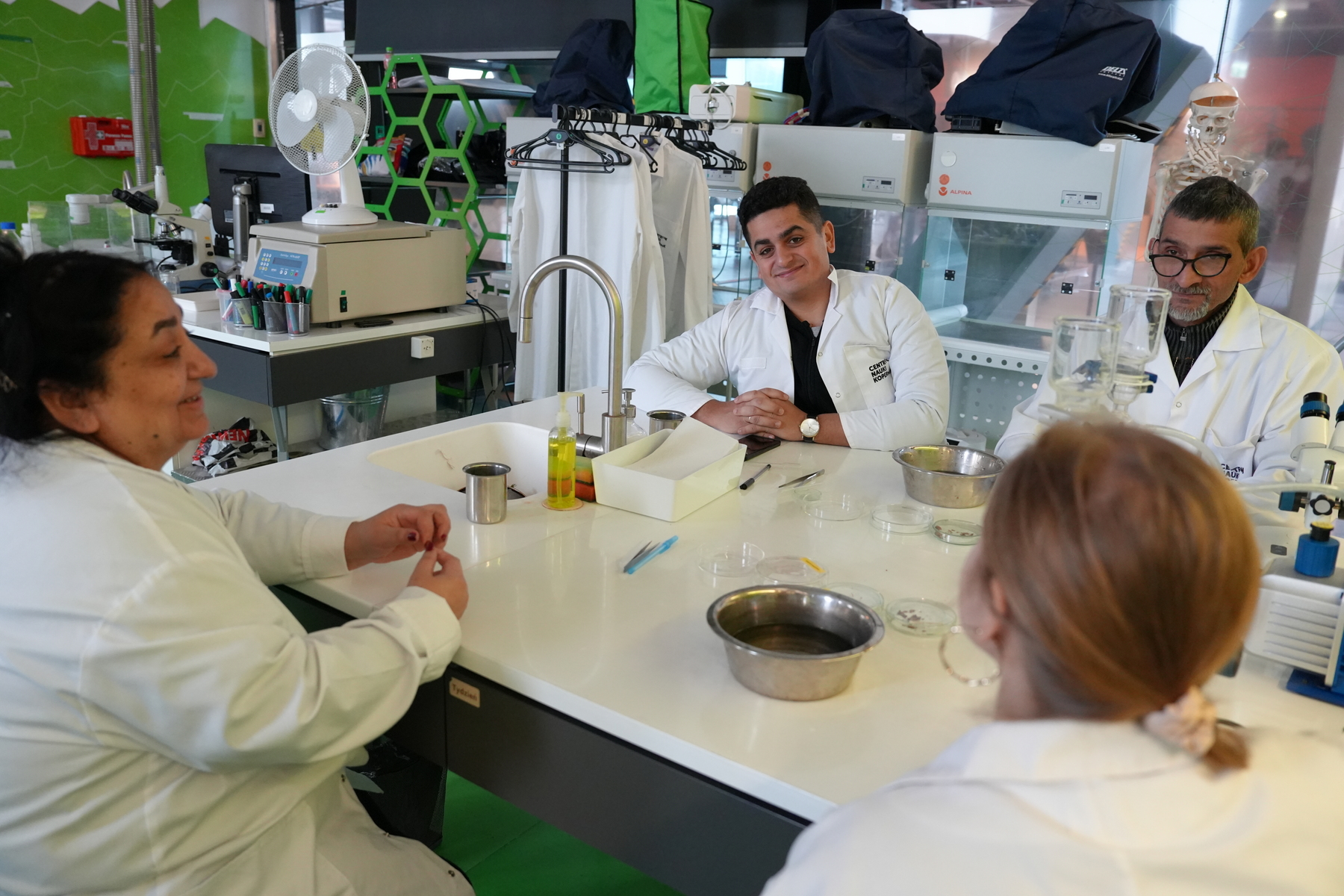
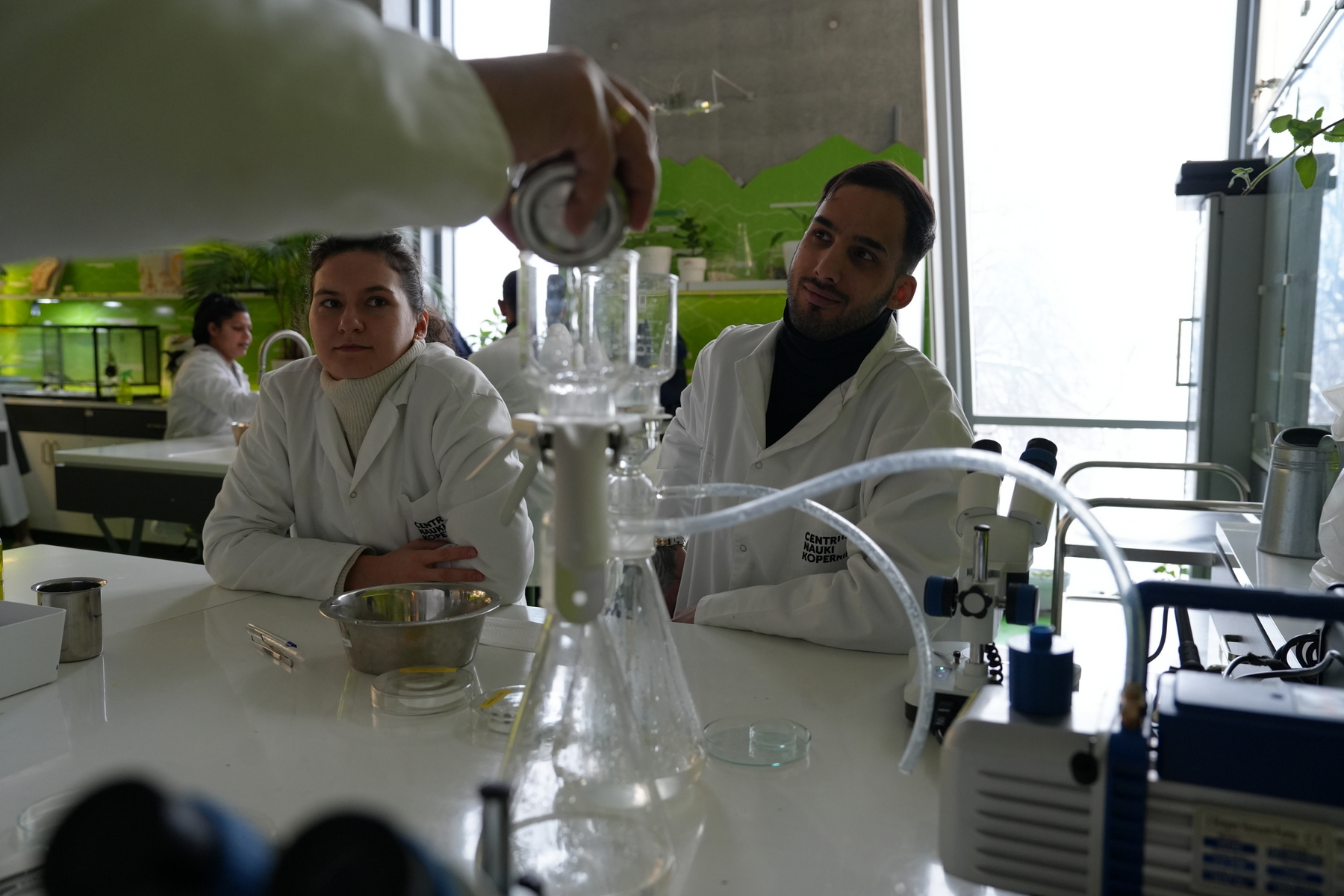
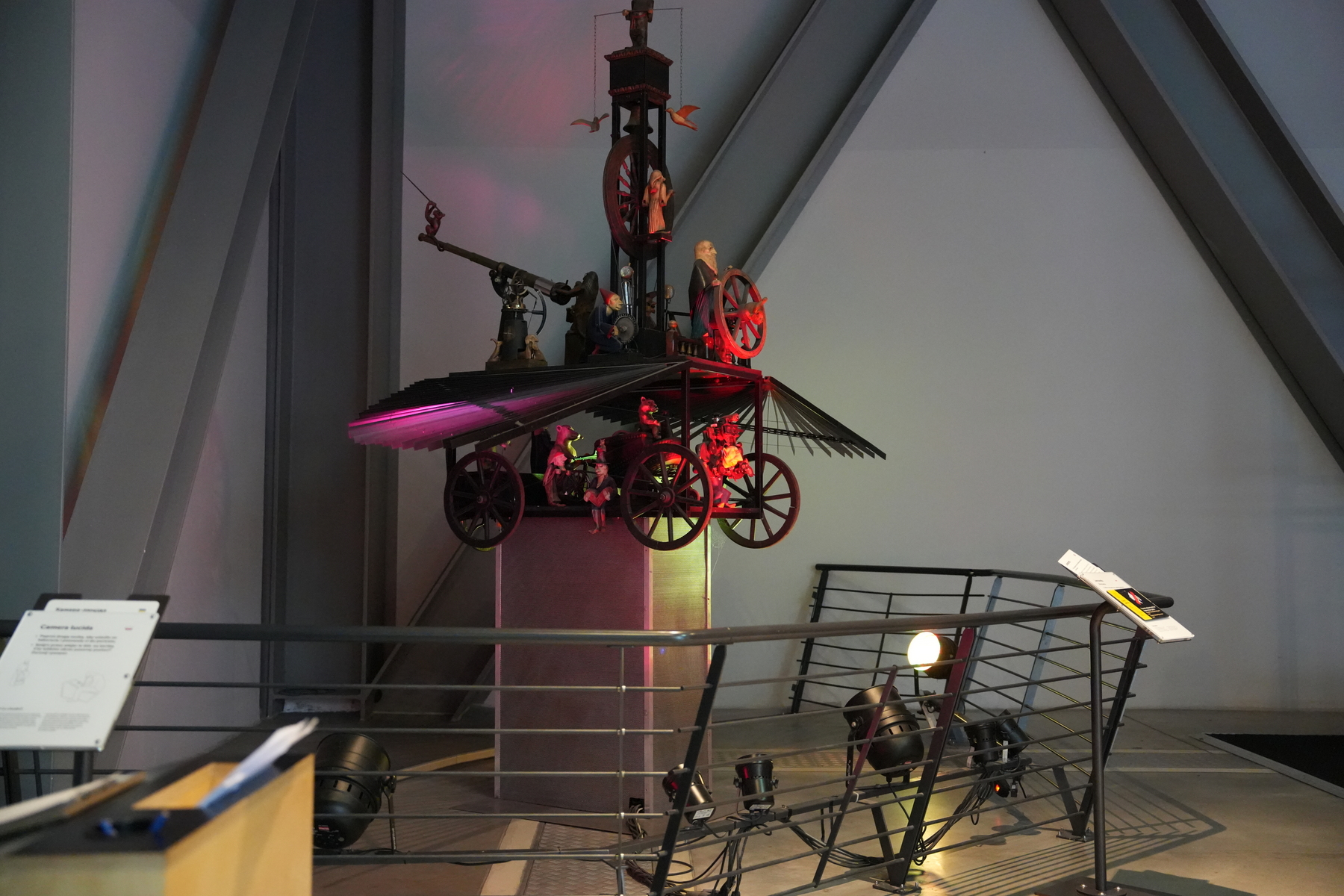
Next, the group visited the Nożyk Synagogue, where they were welcomed by Chief Rabbi of Poland Michael Schudrich. He spoke about the history of the Jewish community in Poland, its contemporary life, and the role of home, tradition, and community in building social bonds. The day concluded with a meeting focused on intercultural education at the Jewish Community Centre, run by the JCC Warsaw Foundation.
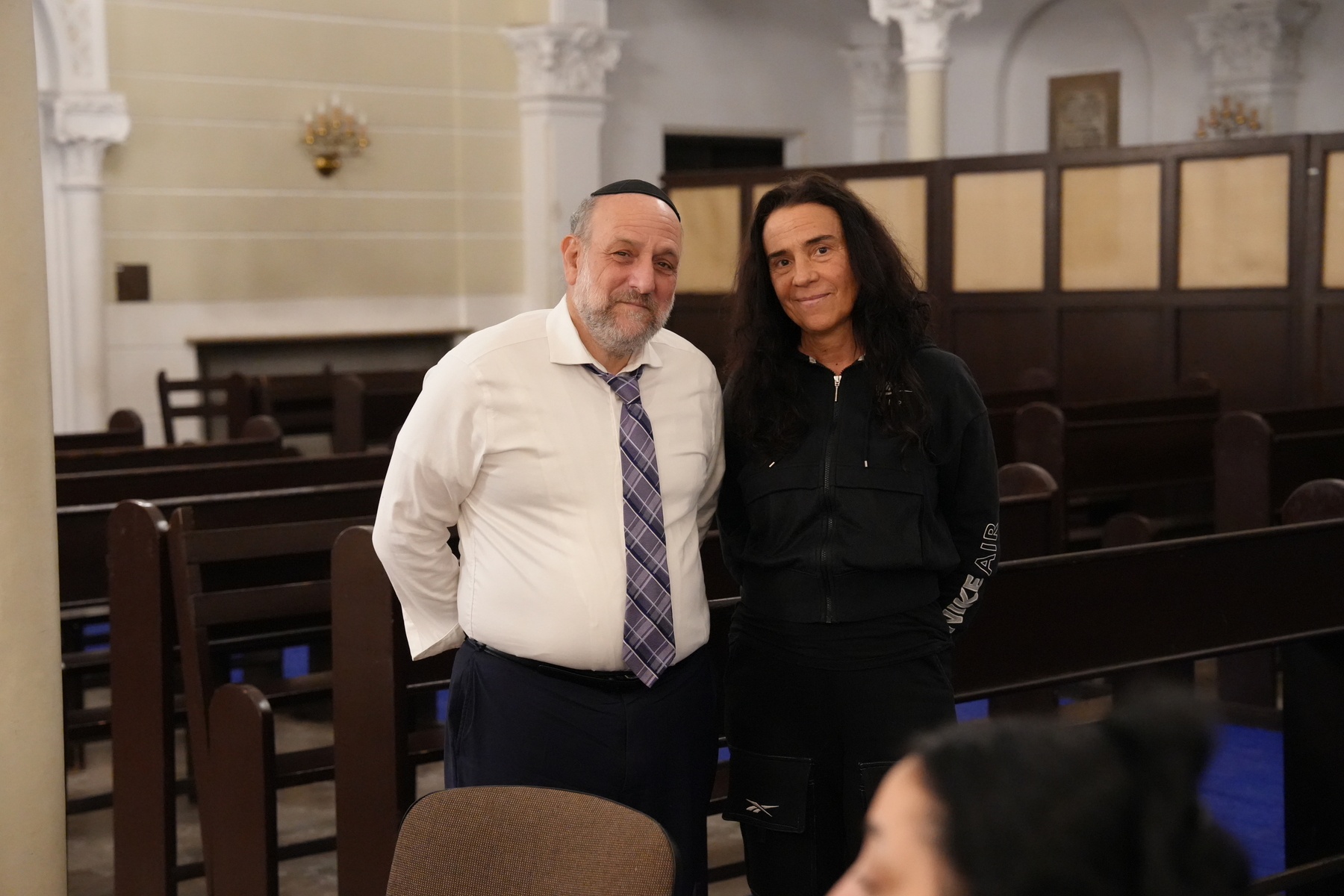
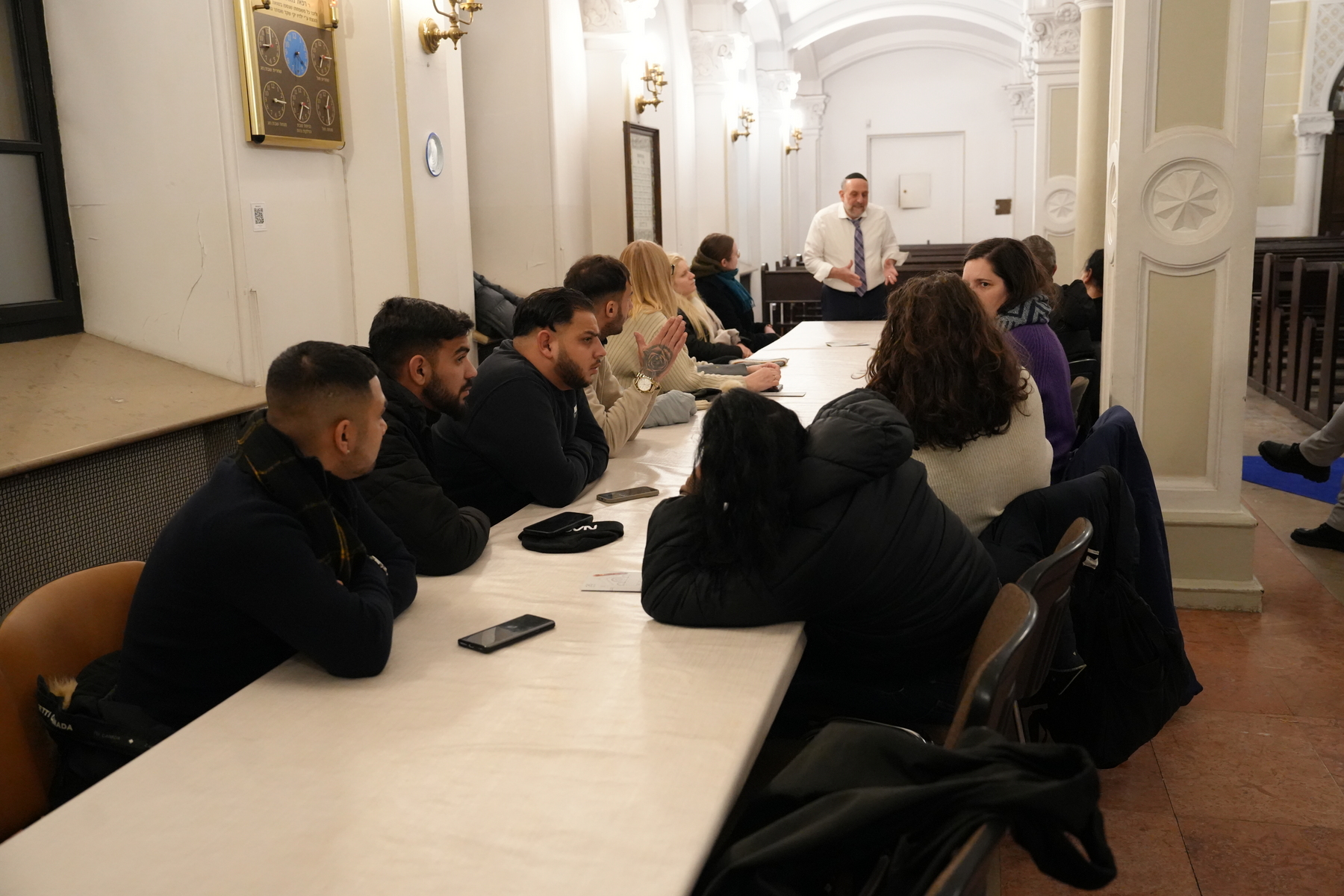
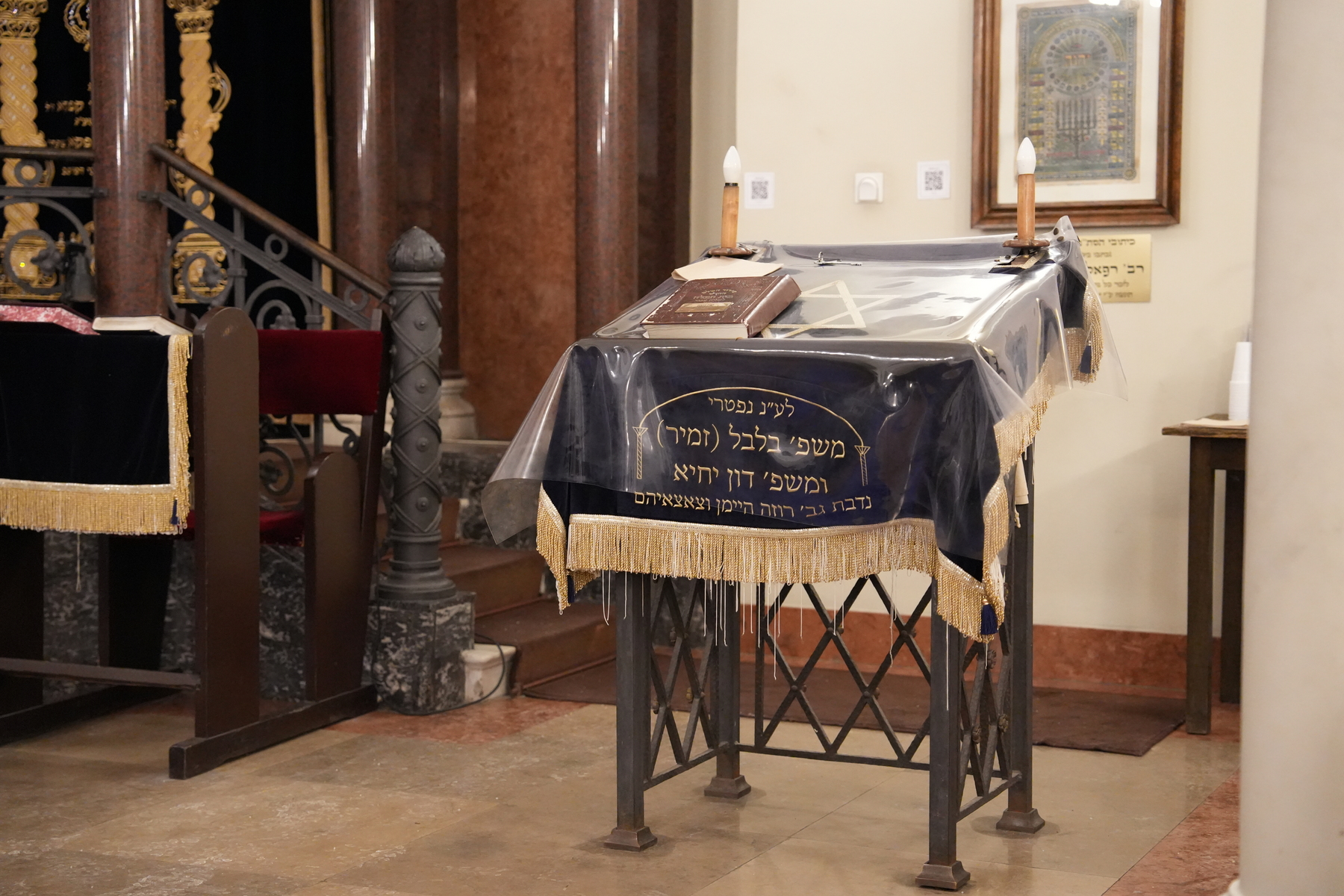
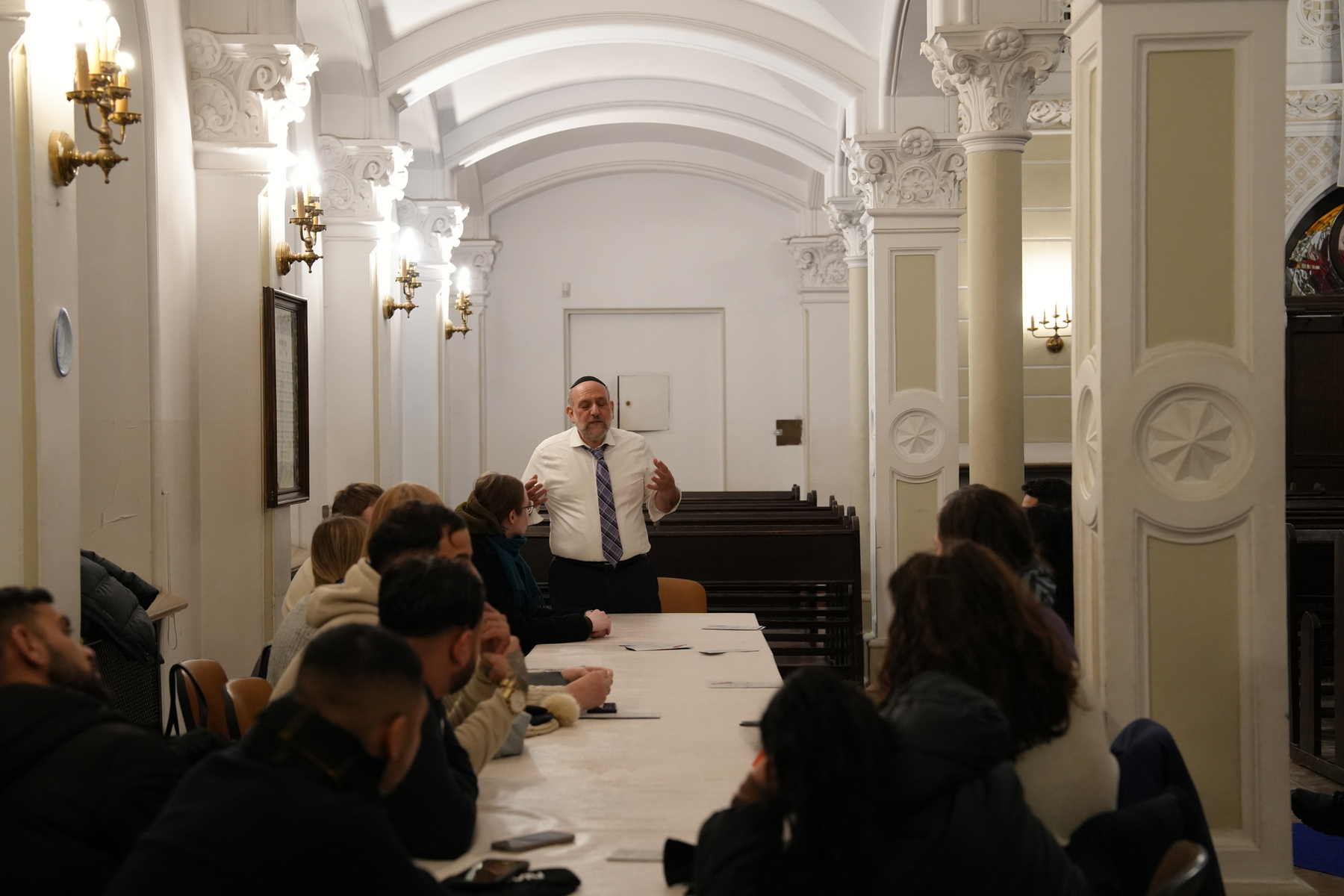
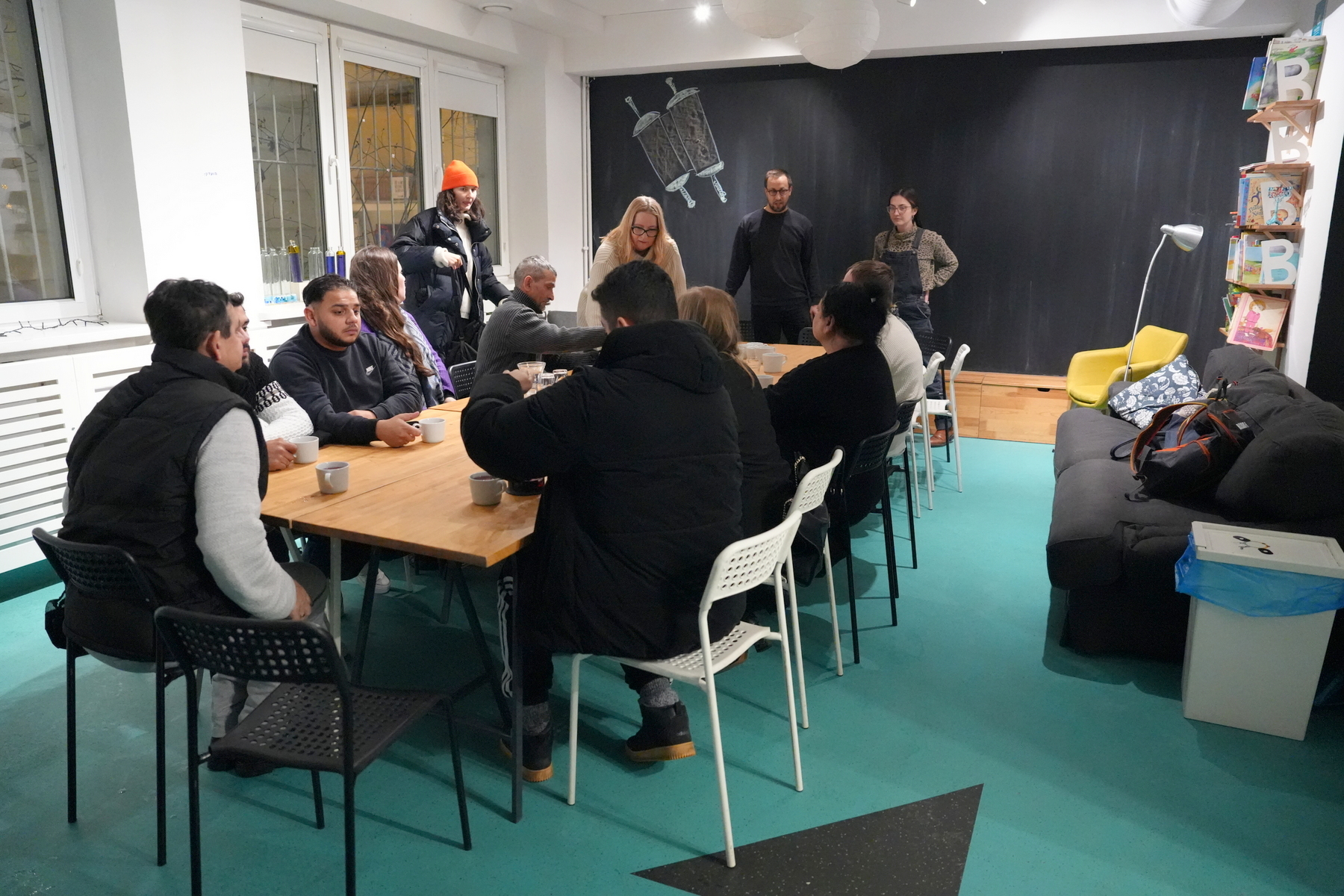
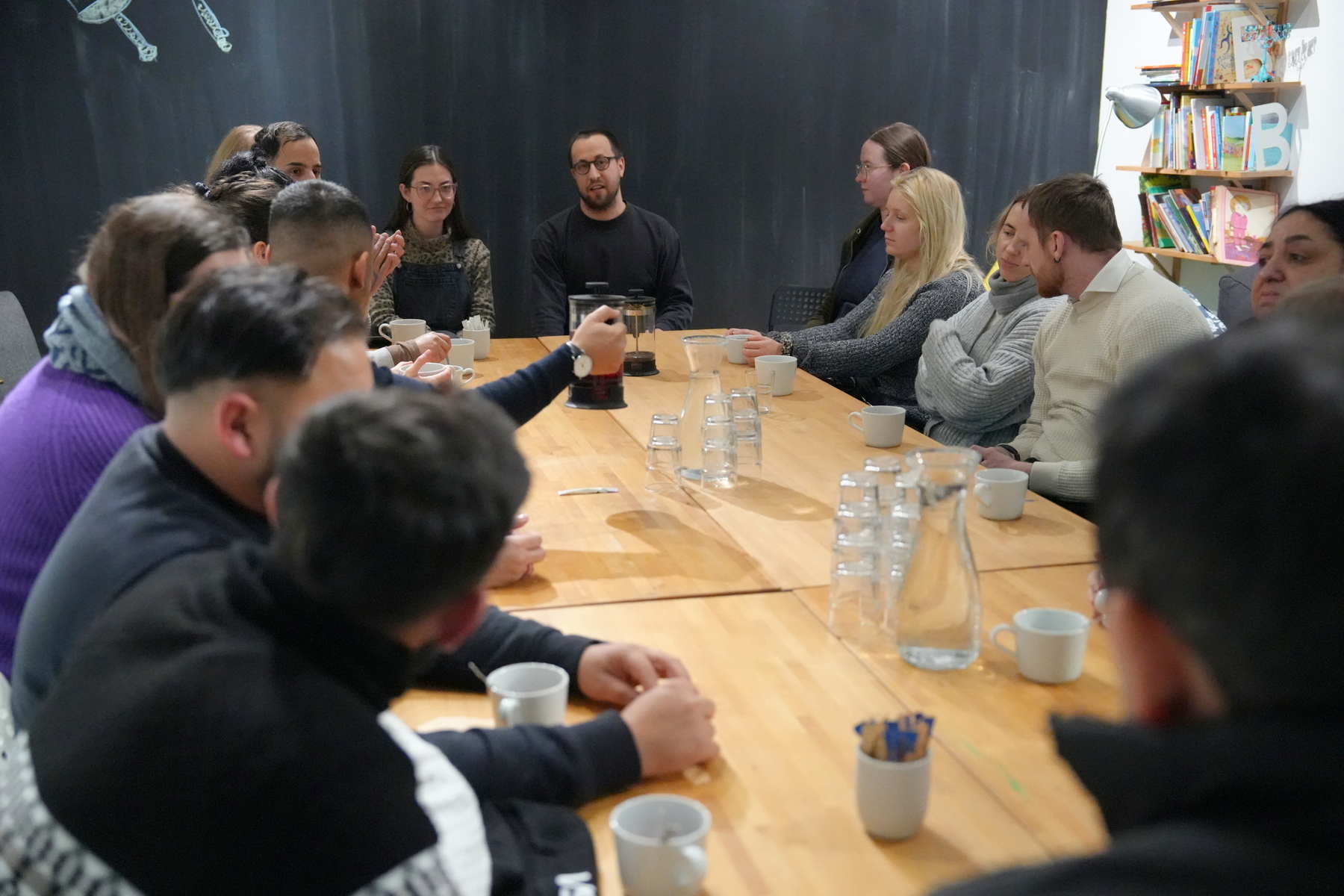


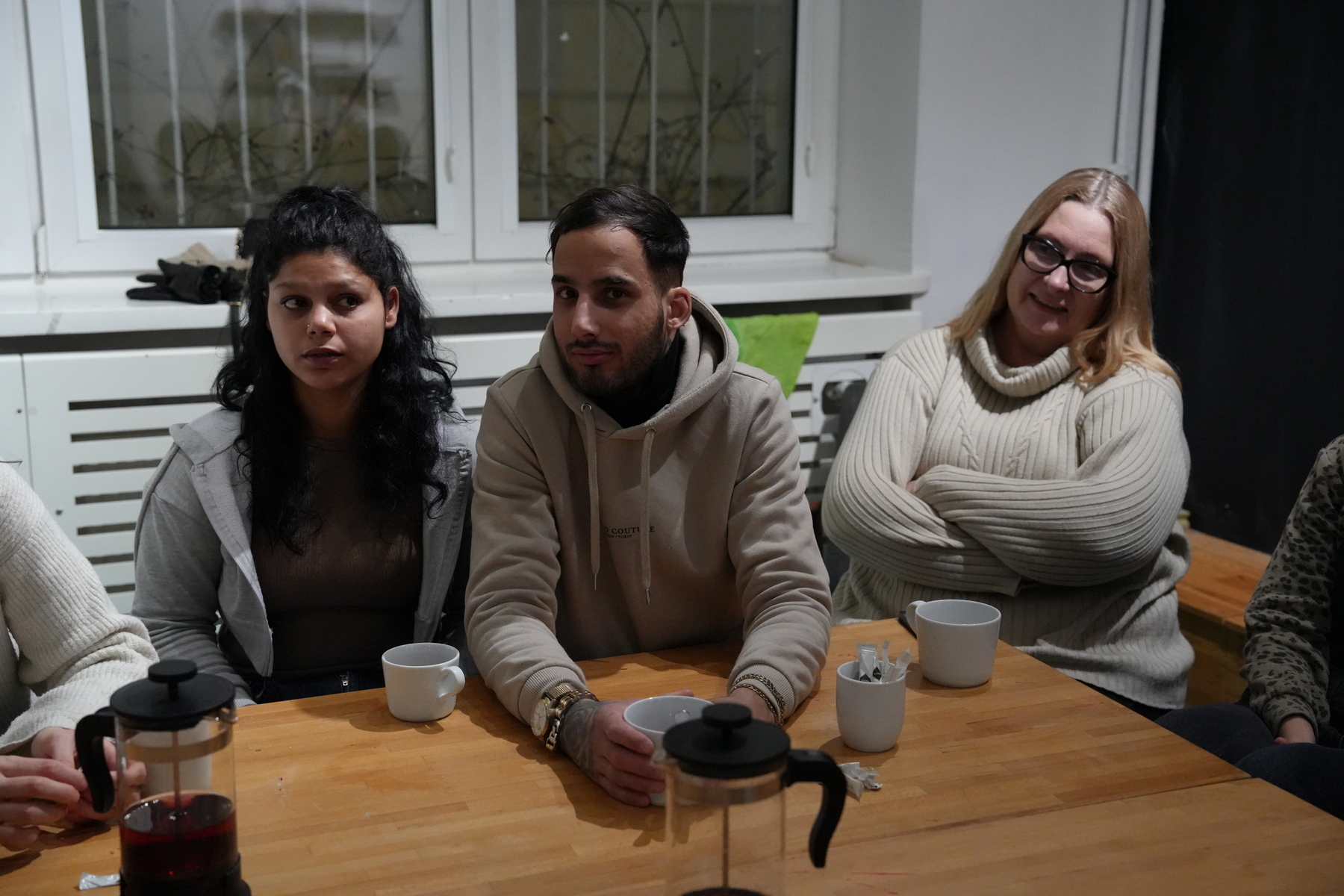
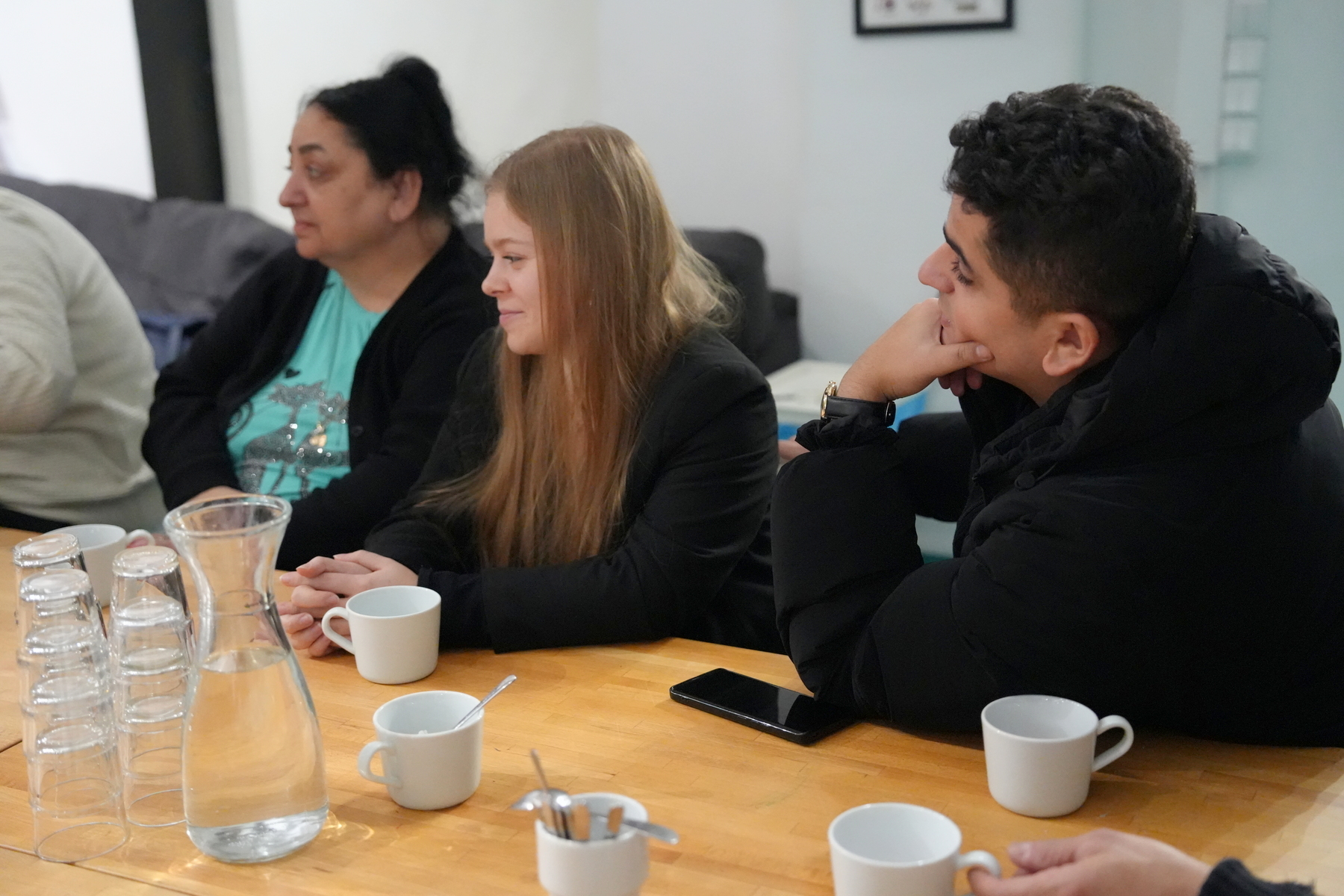
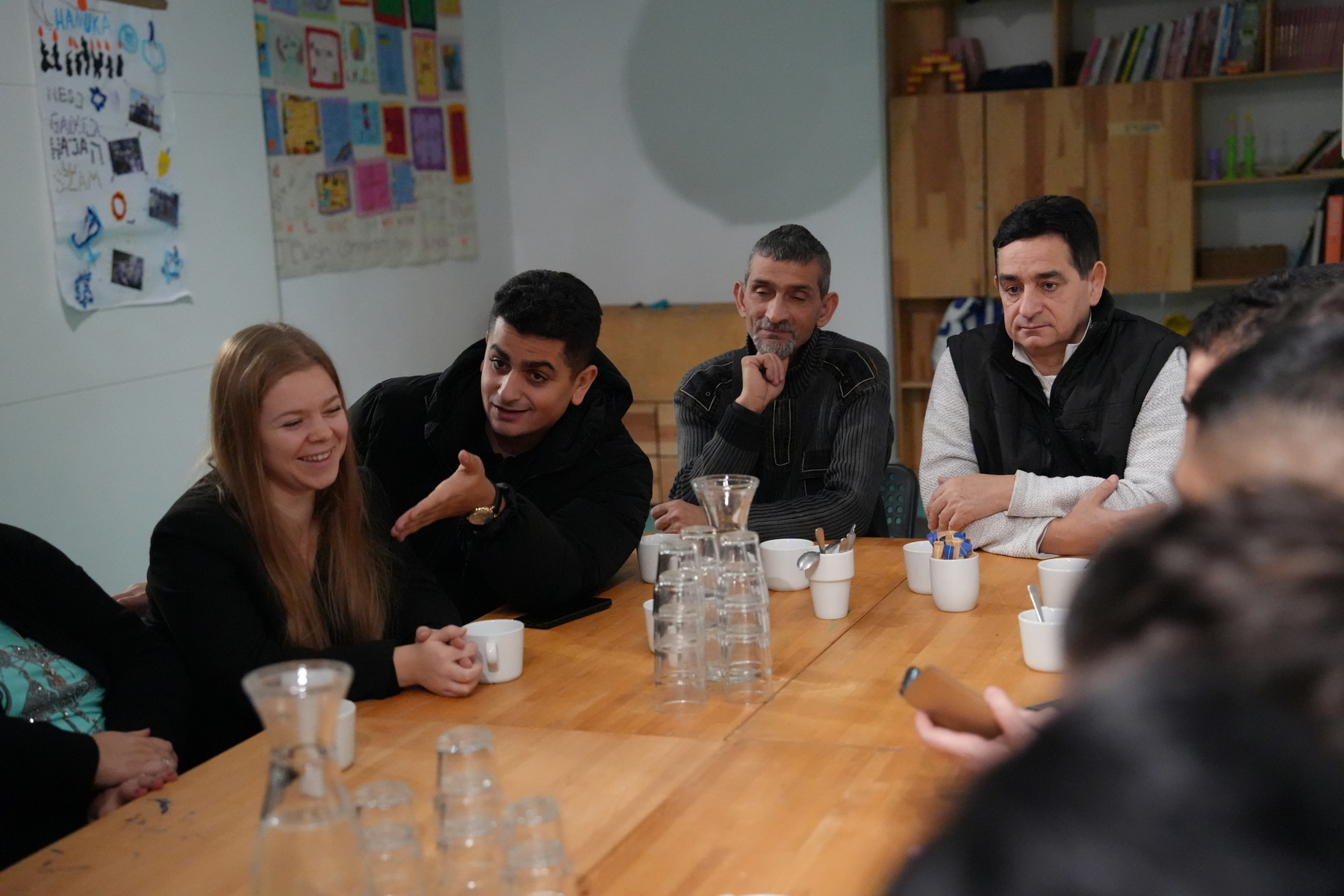

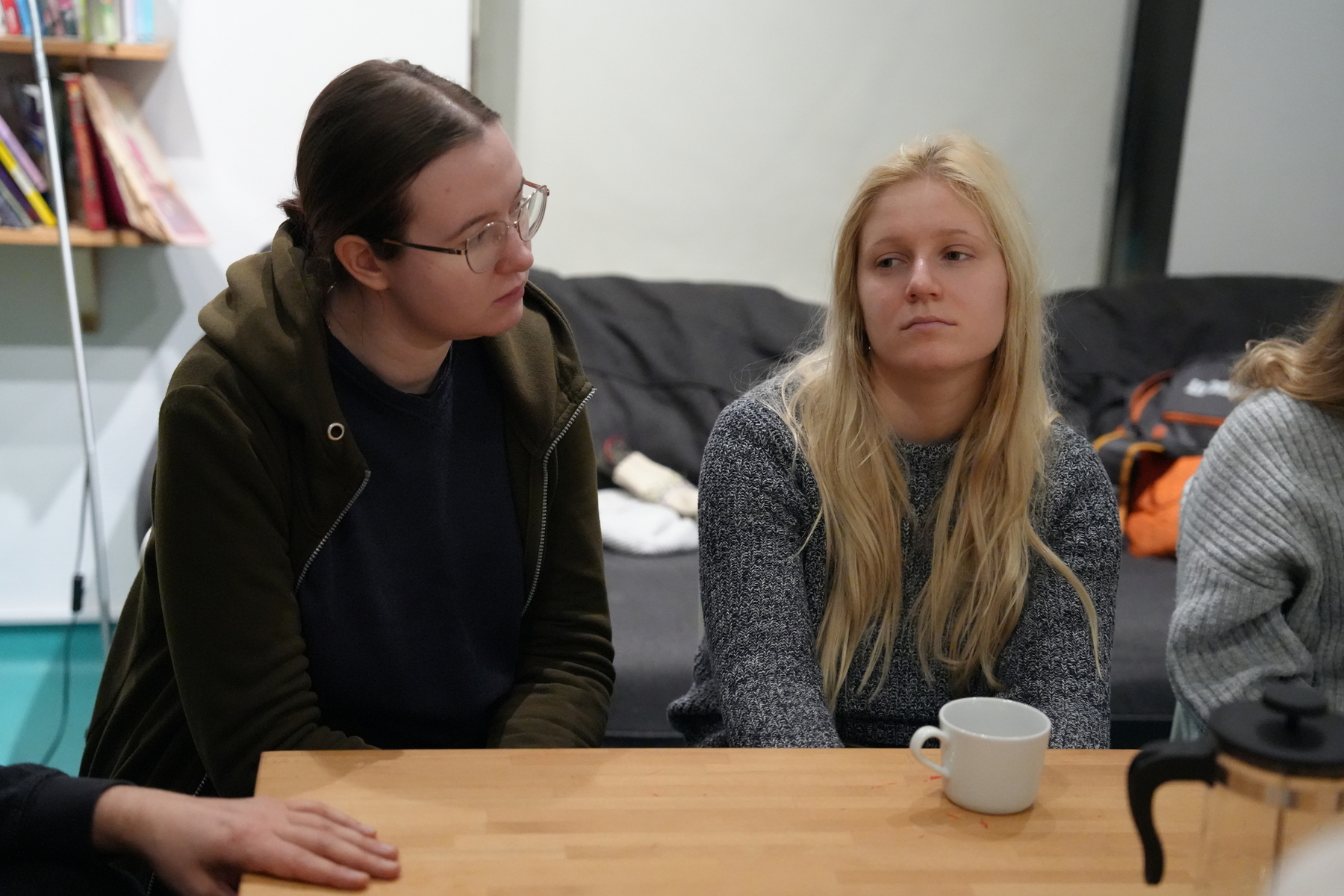
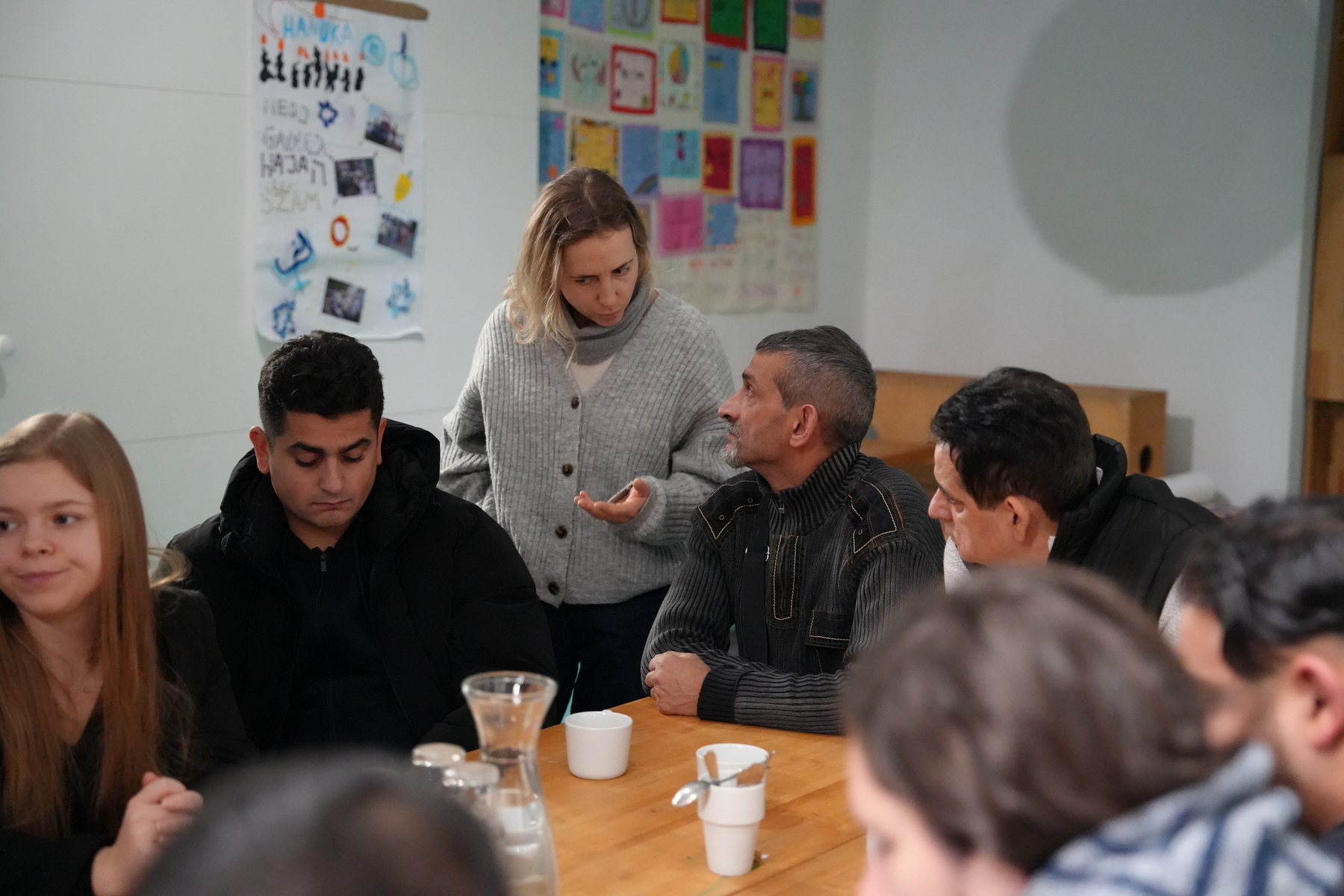
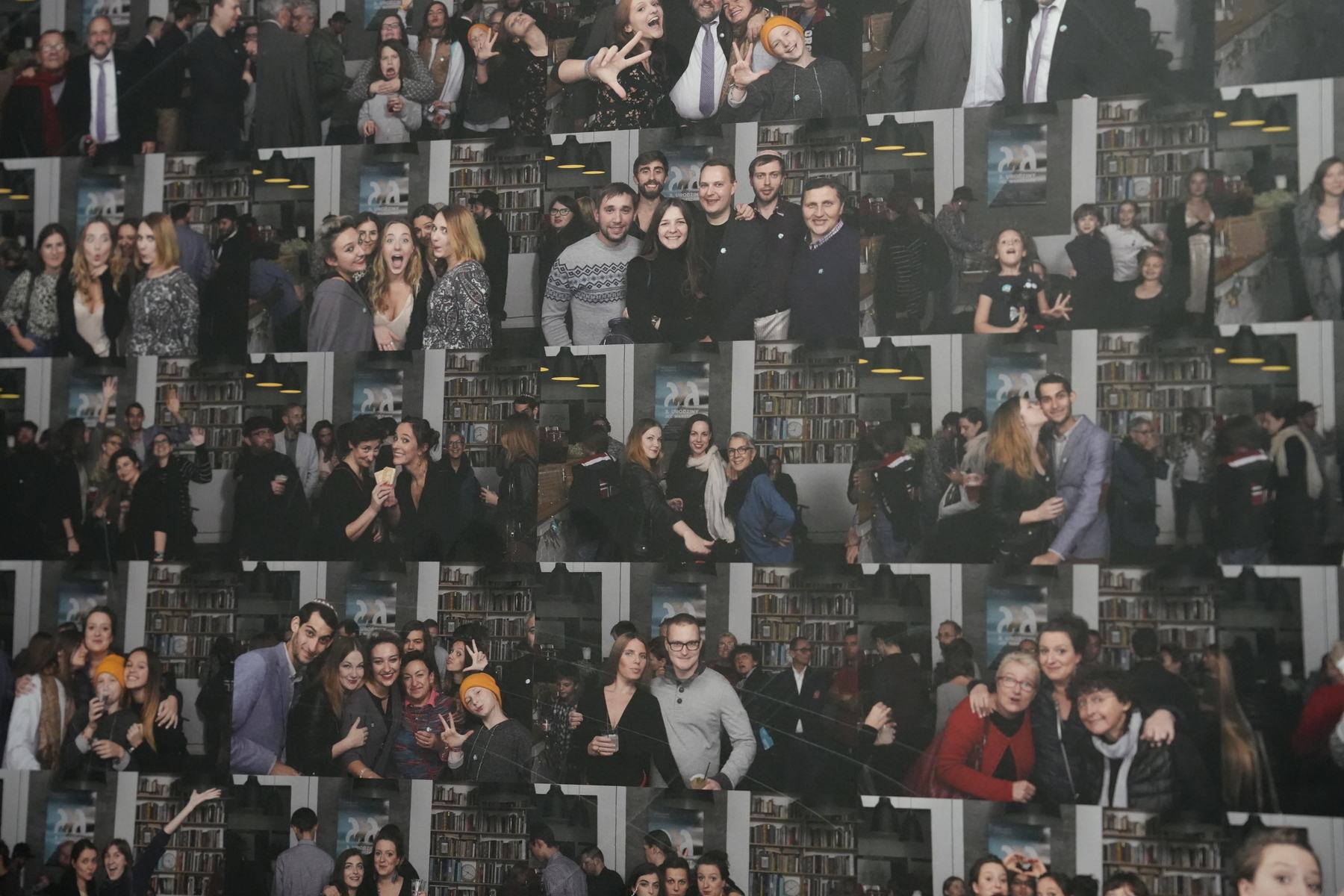
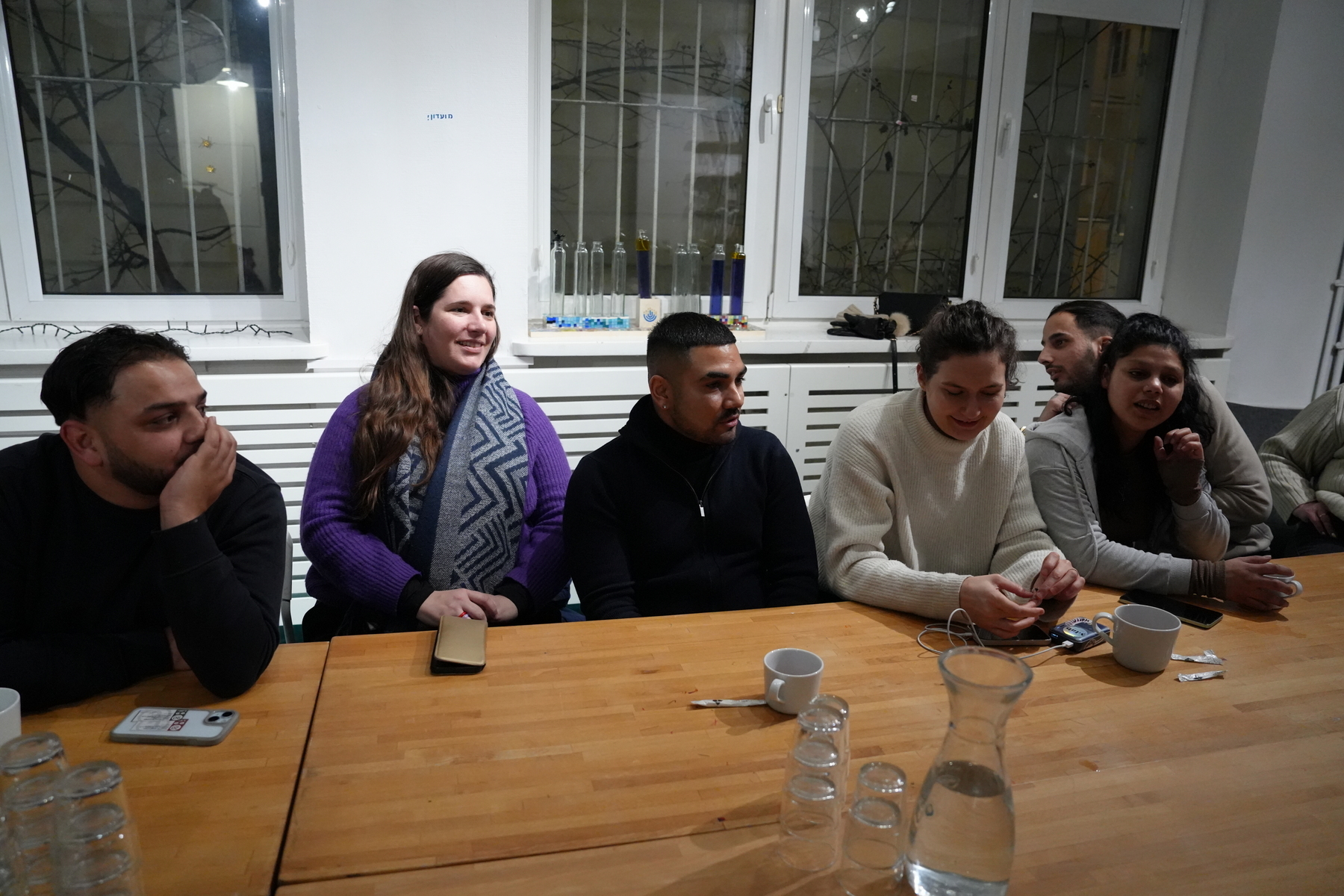
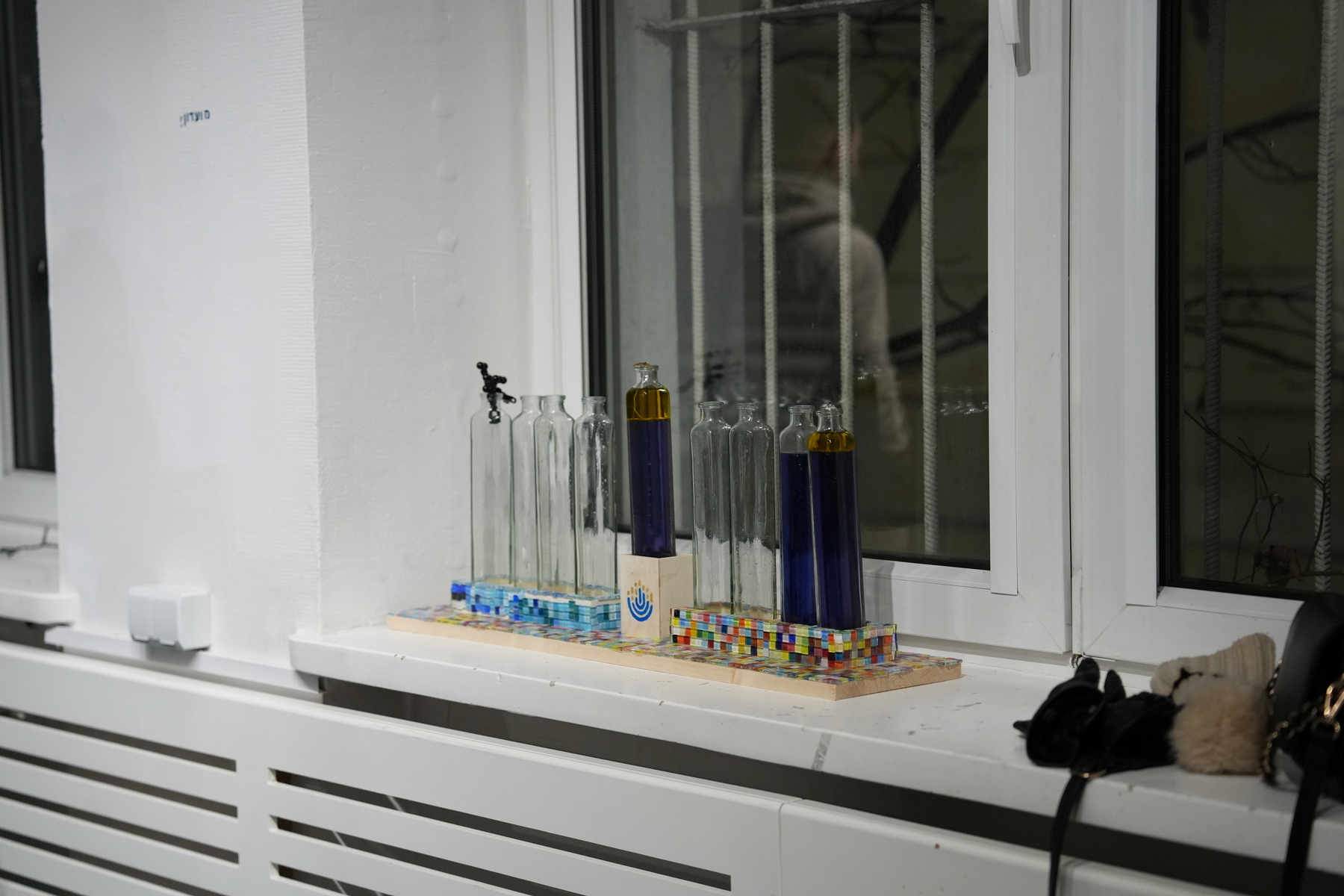
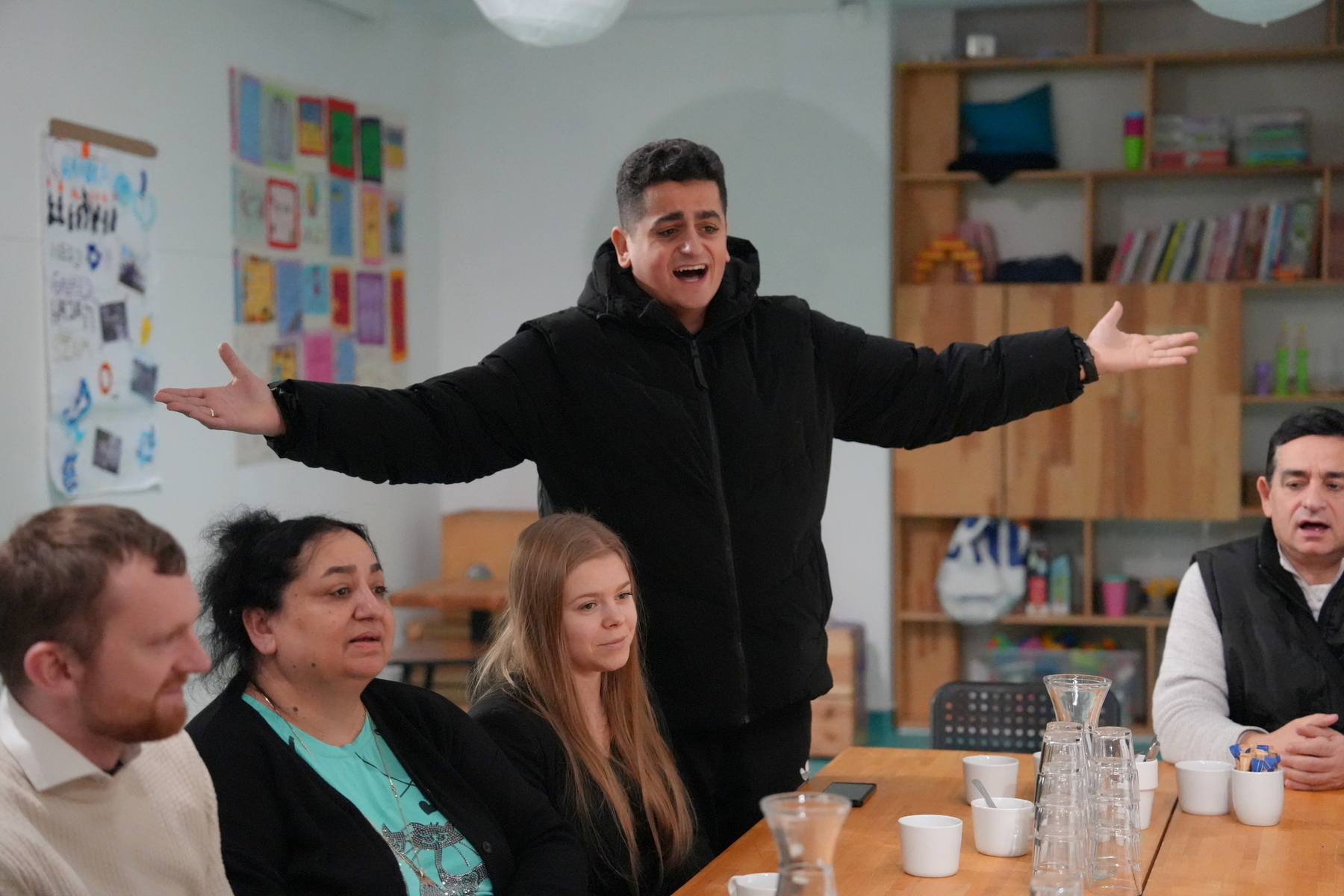


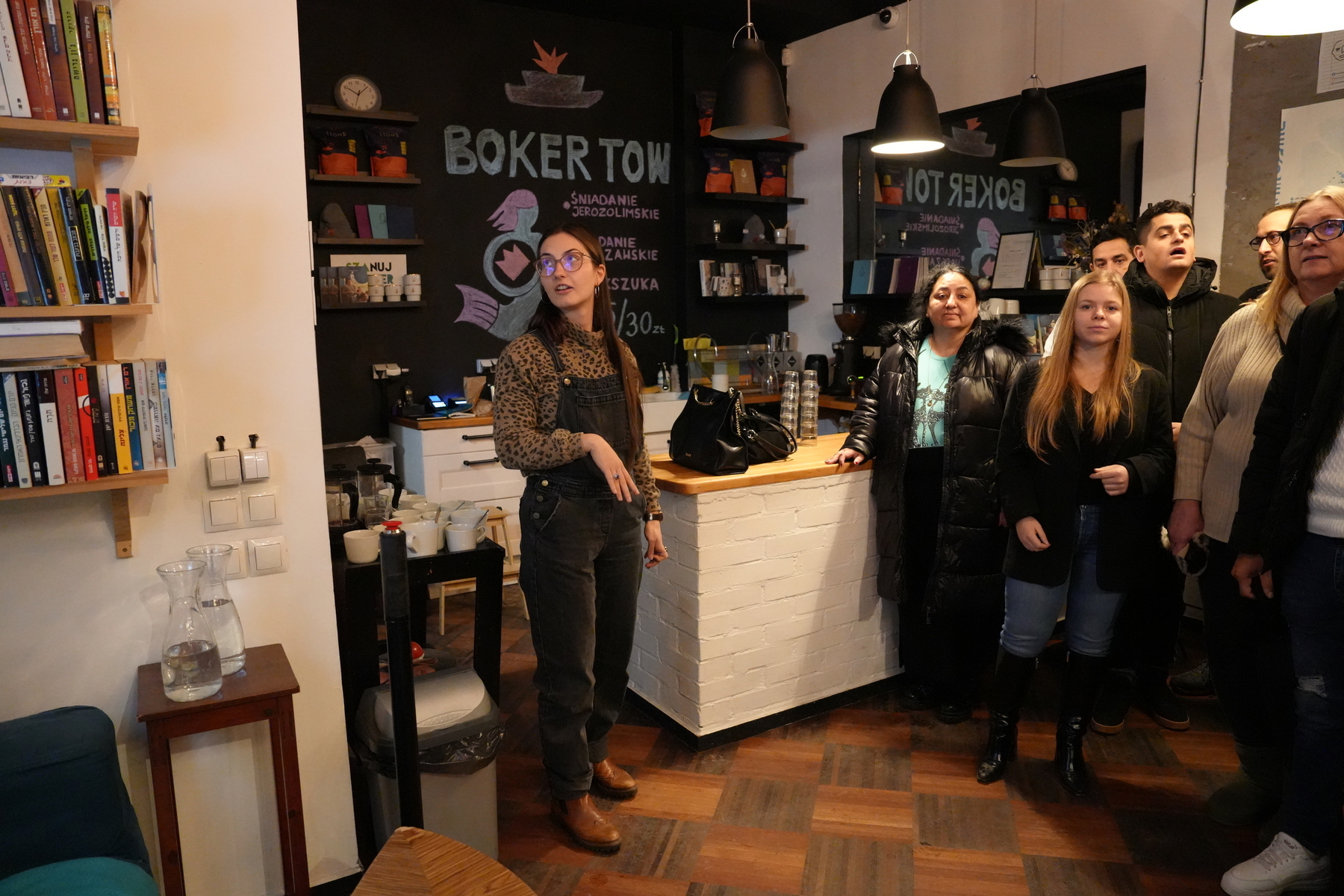
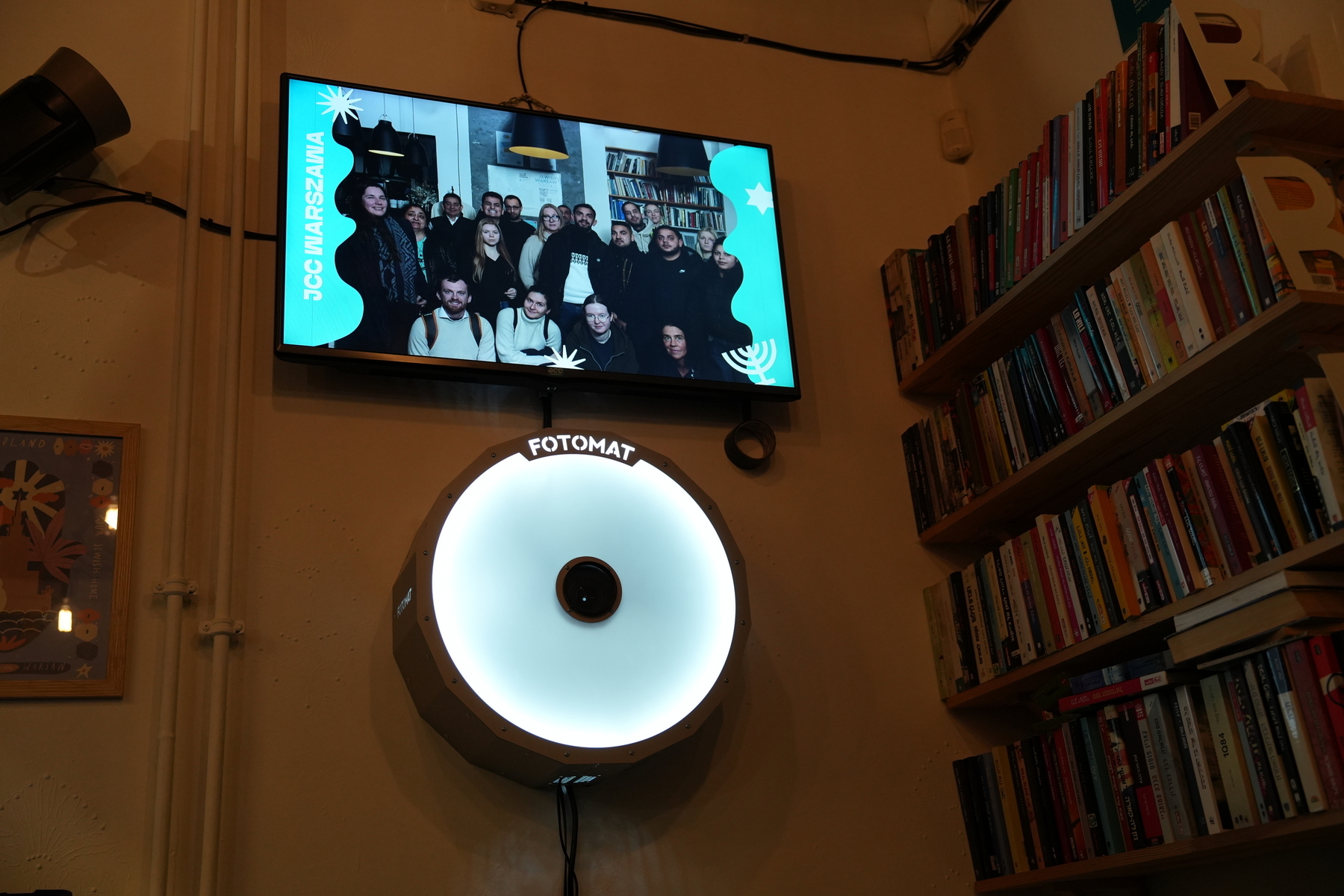
These experiences became a starting point for discussions on memory, identity, intercultural dialogue, openness to otherness, and mutual support in educational work.
Day 4 – Thursday, 15 January 2026
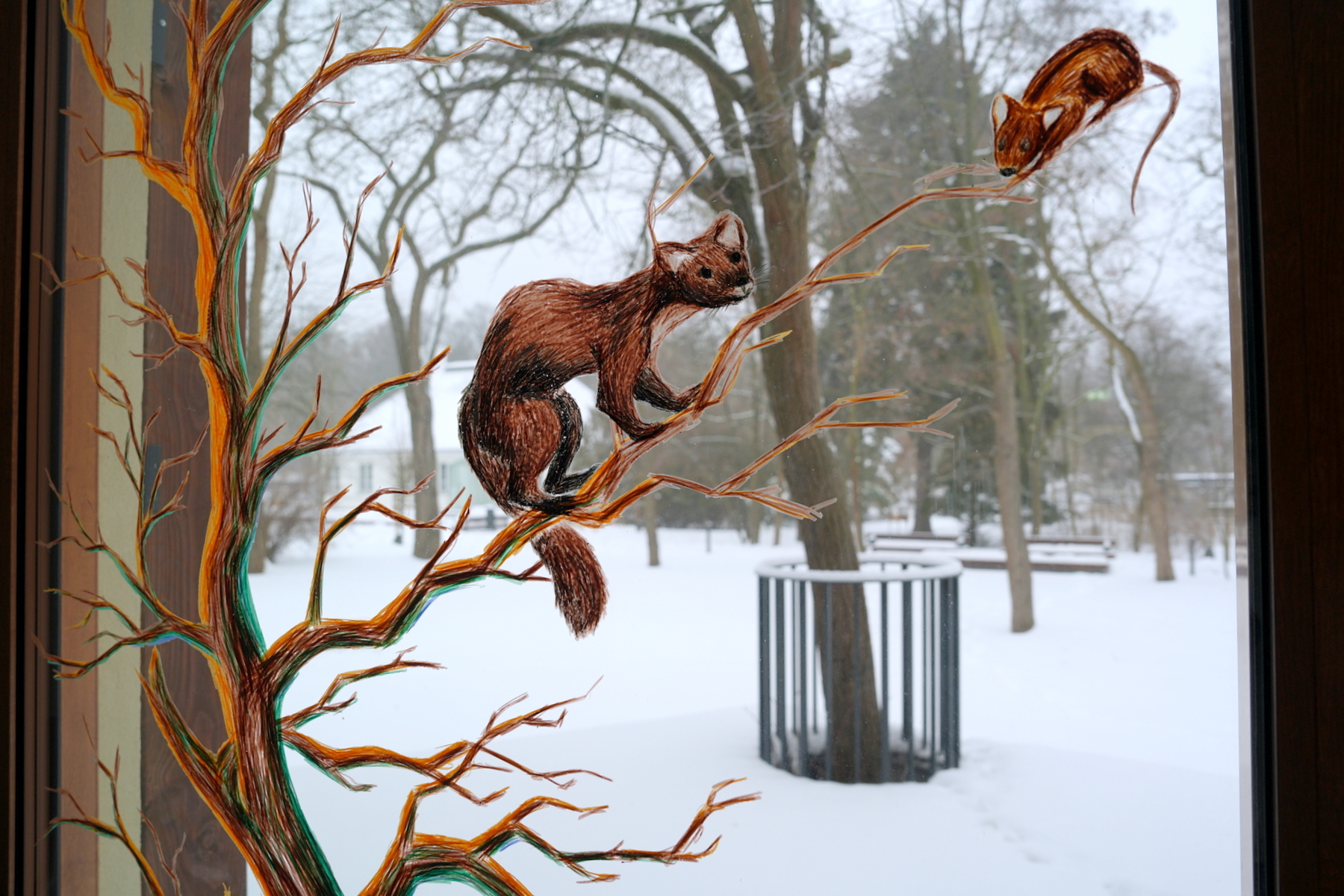
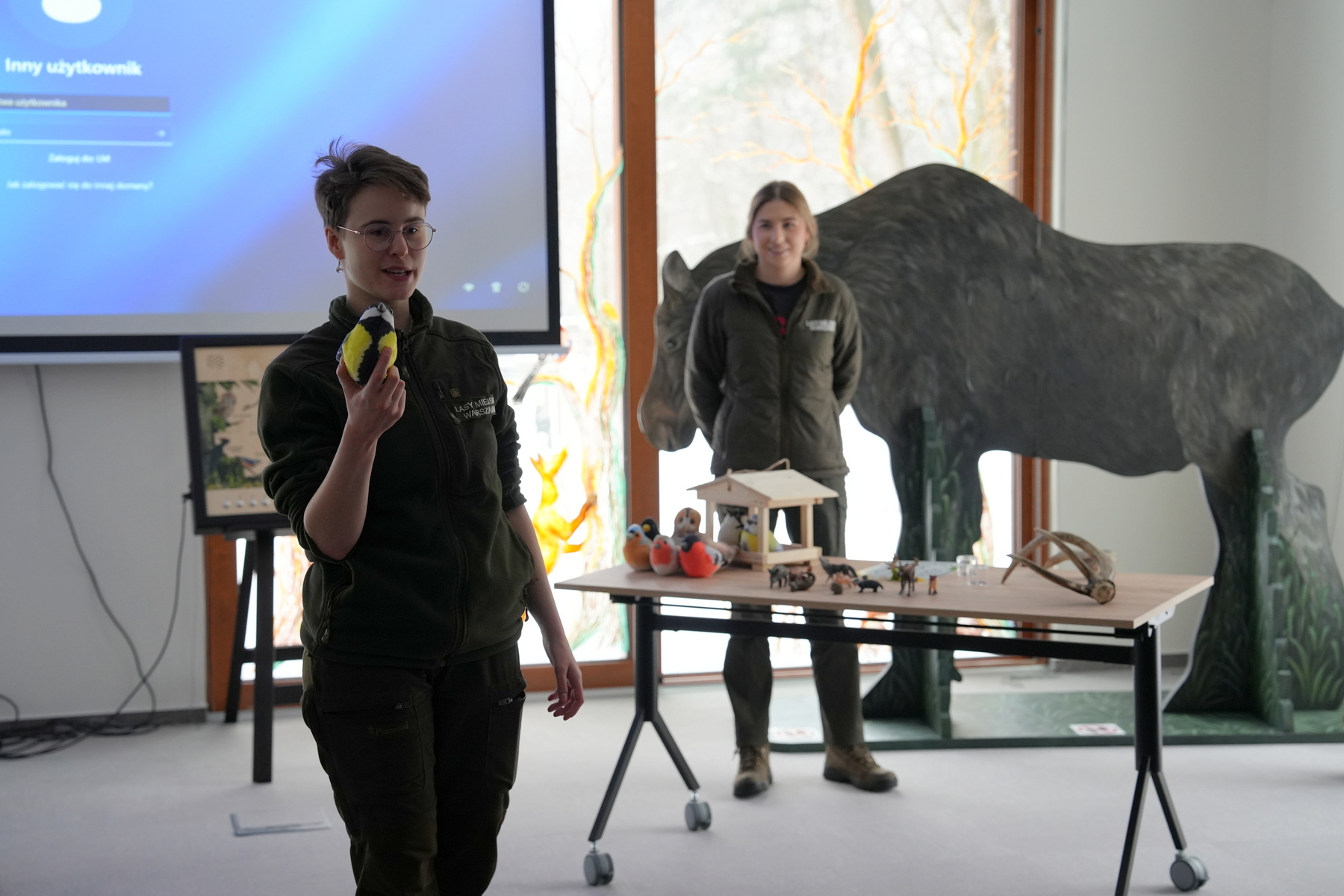
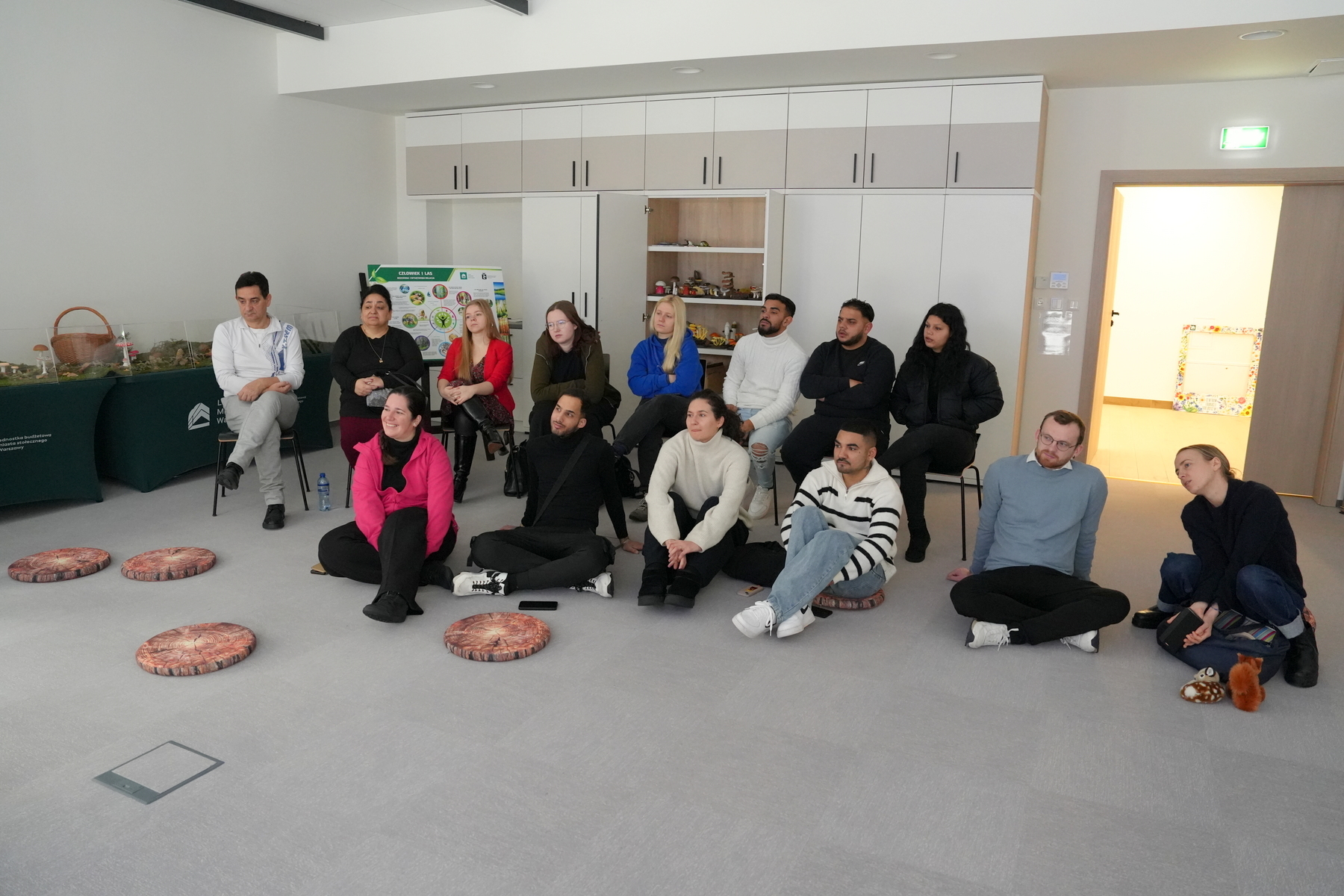
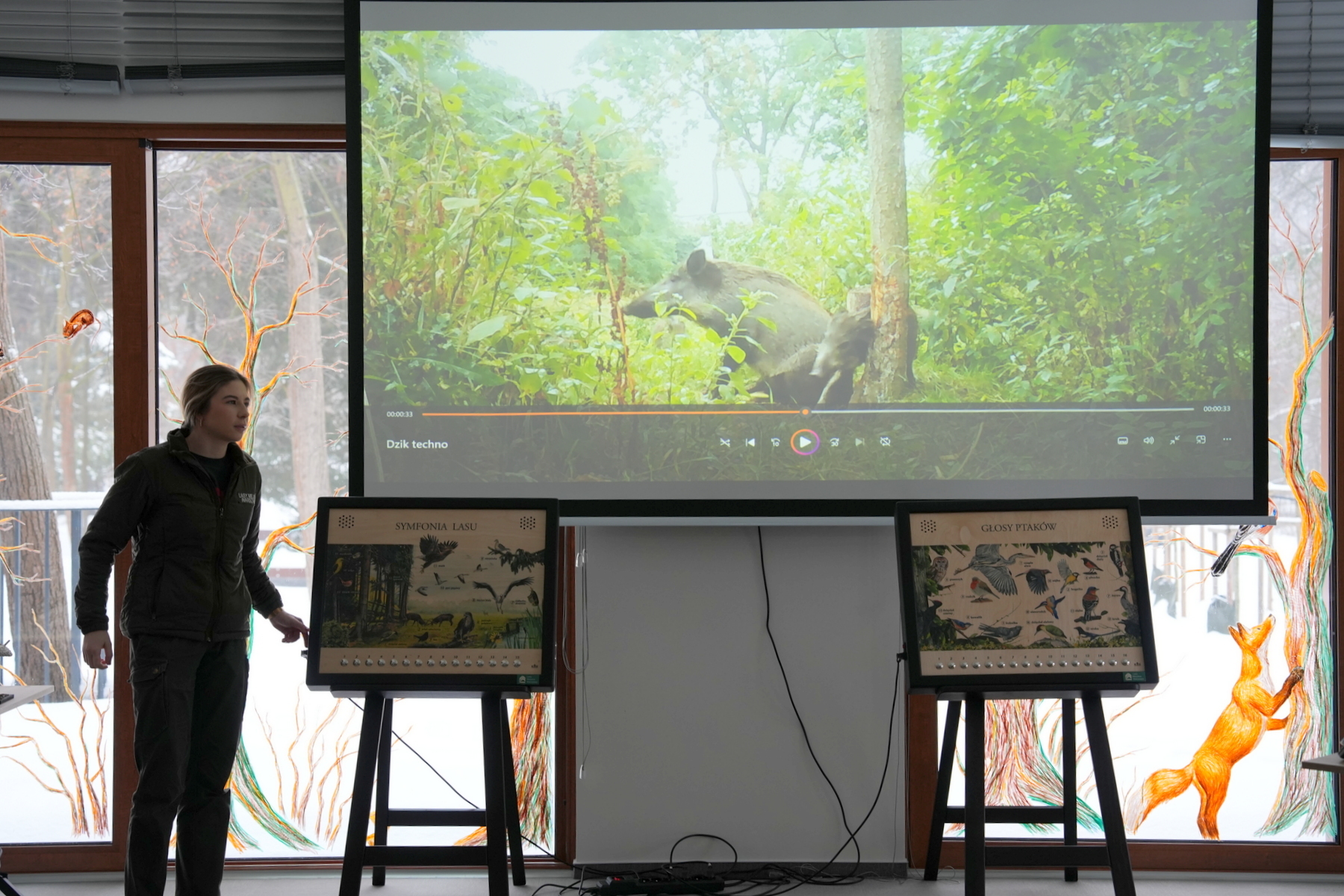
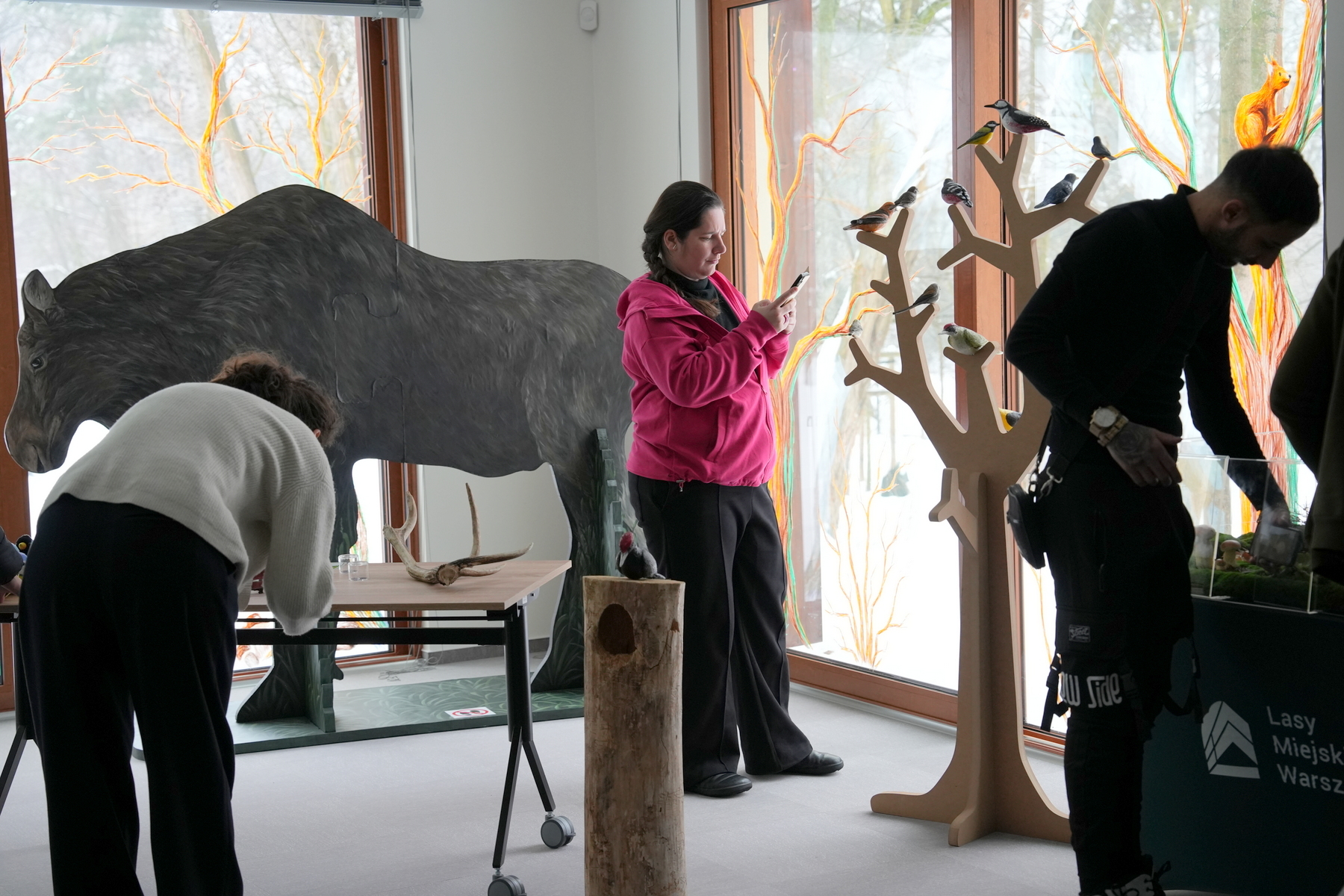
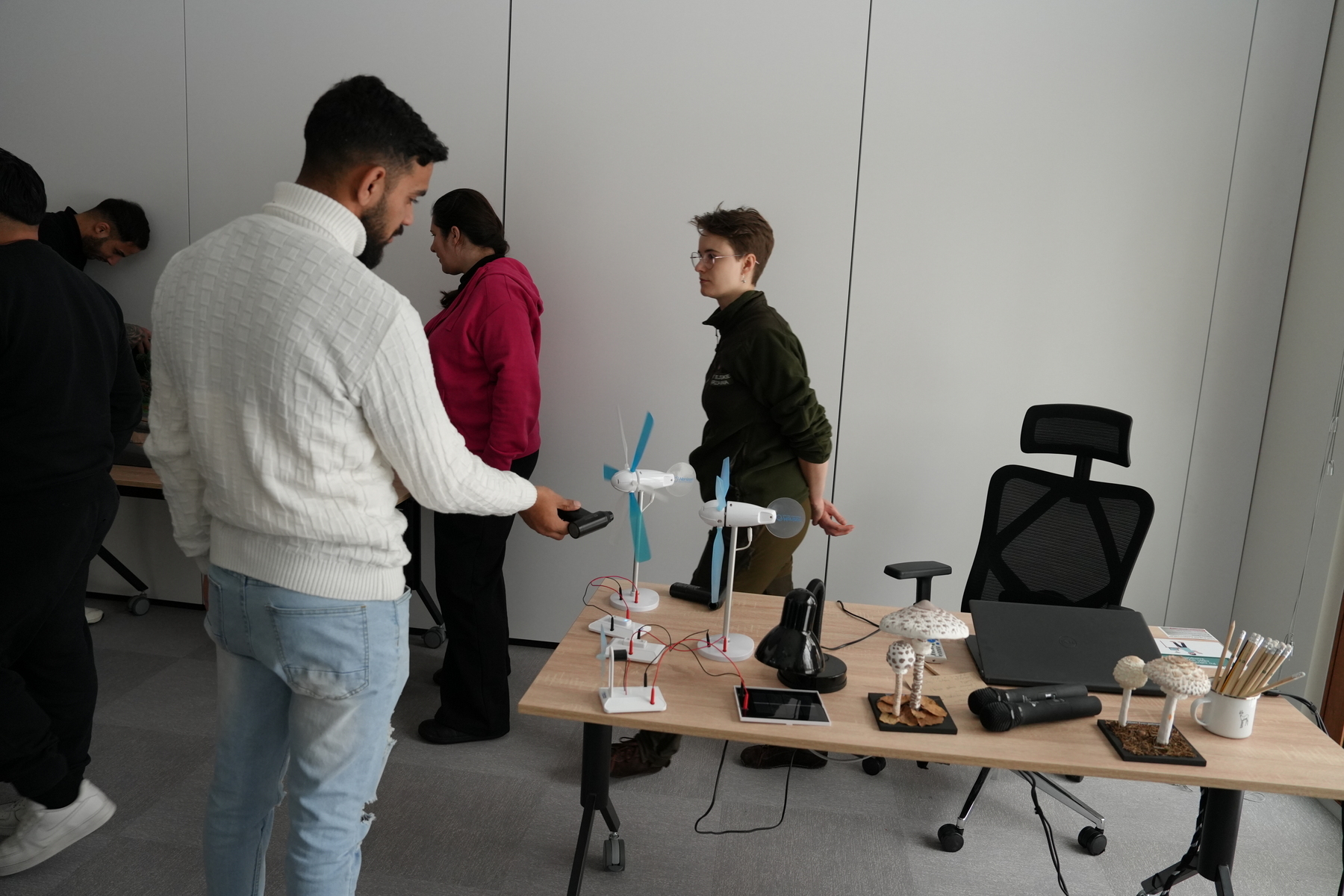
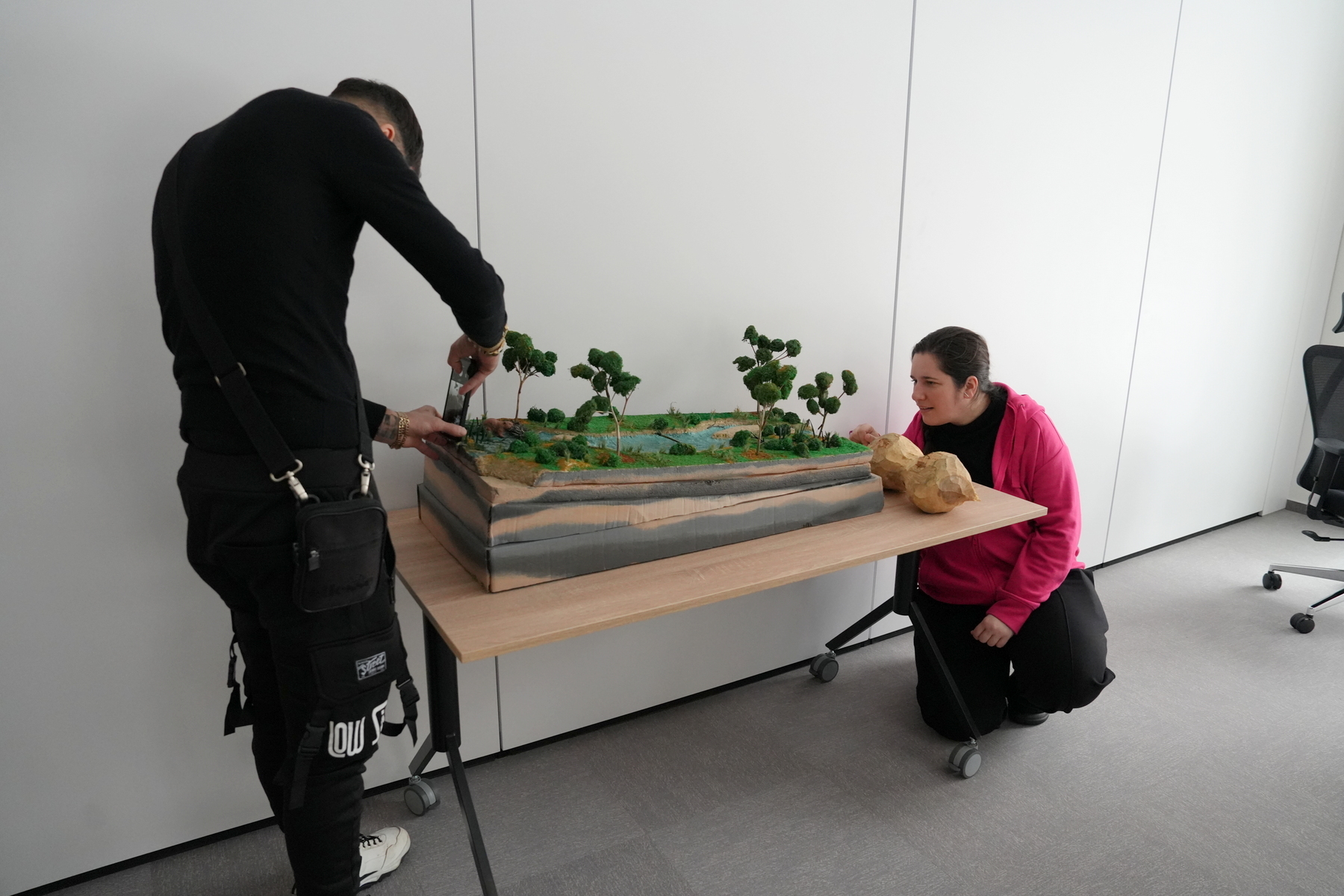
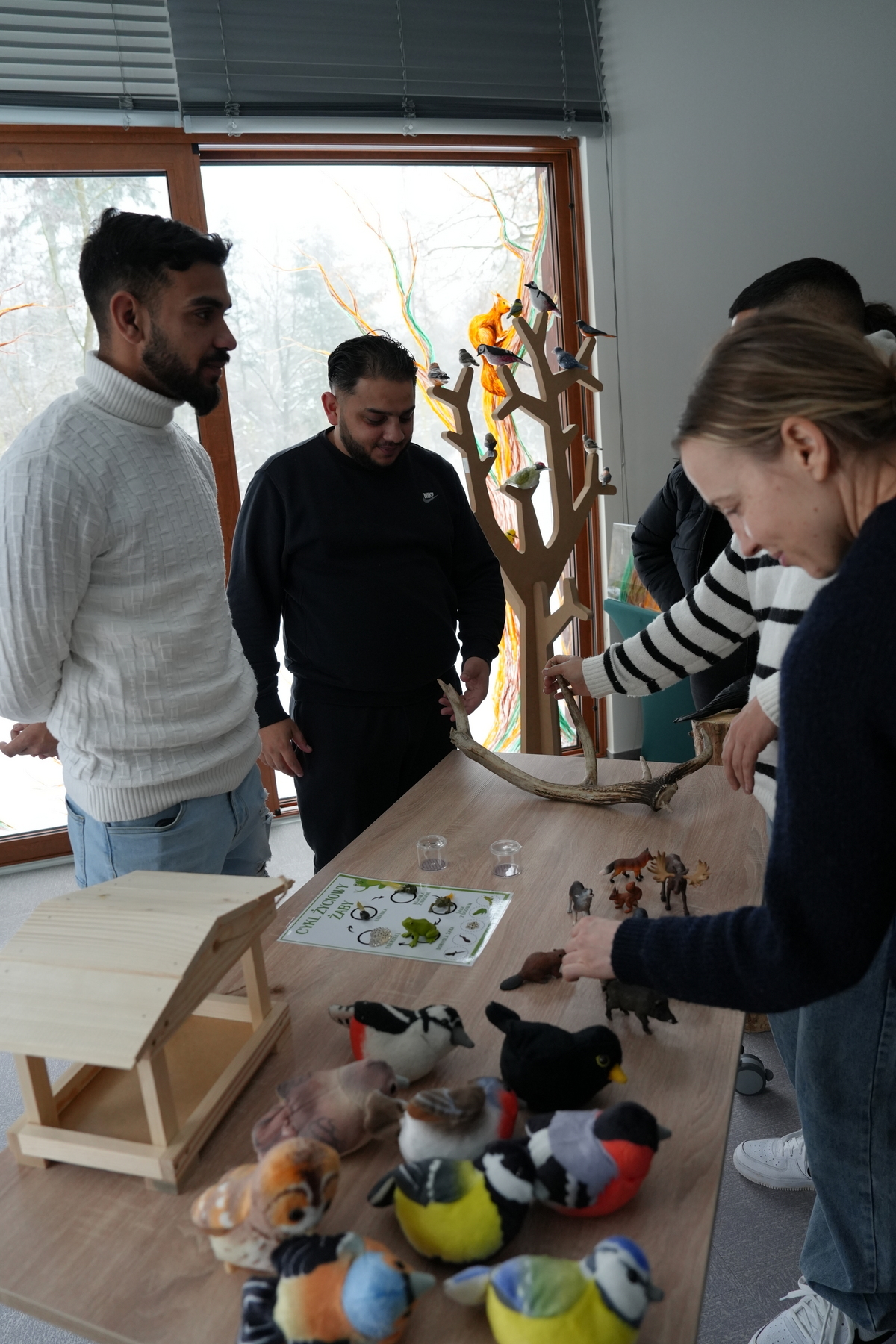
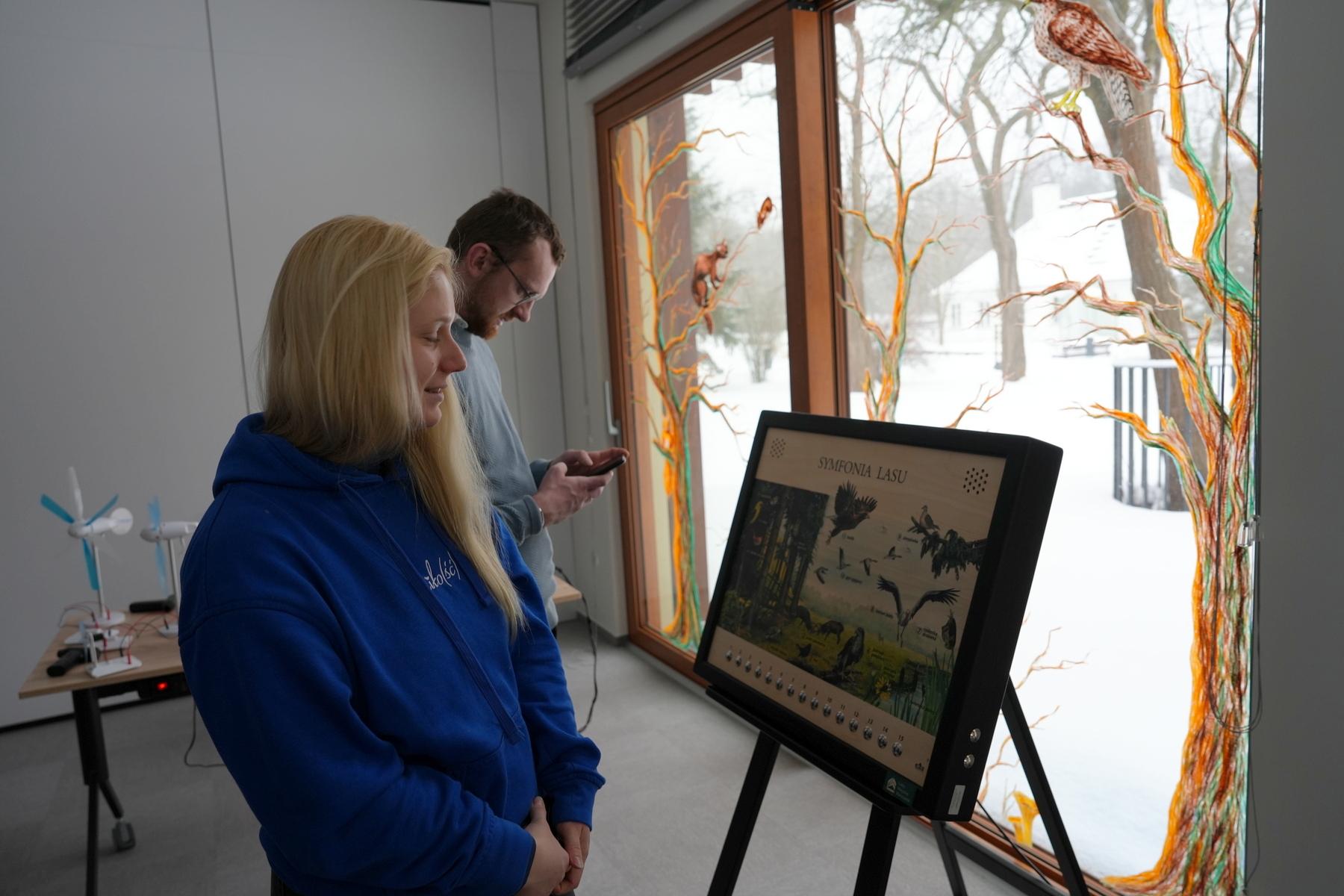
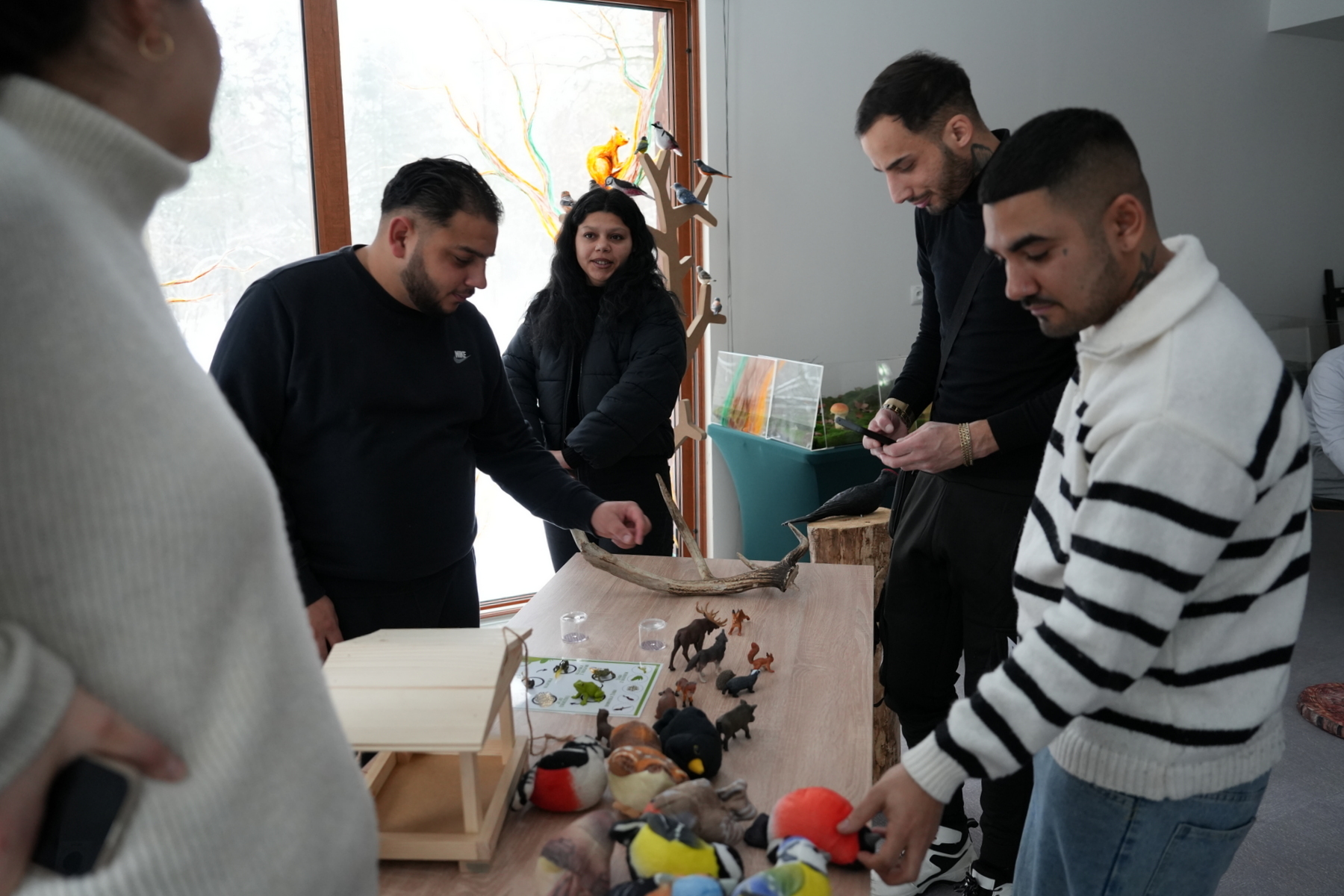
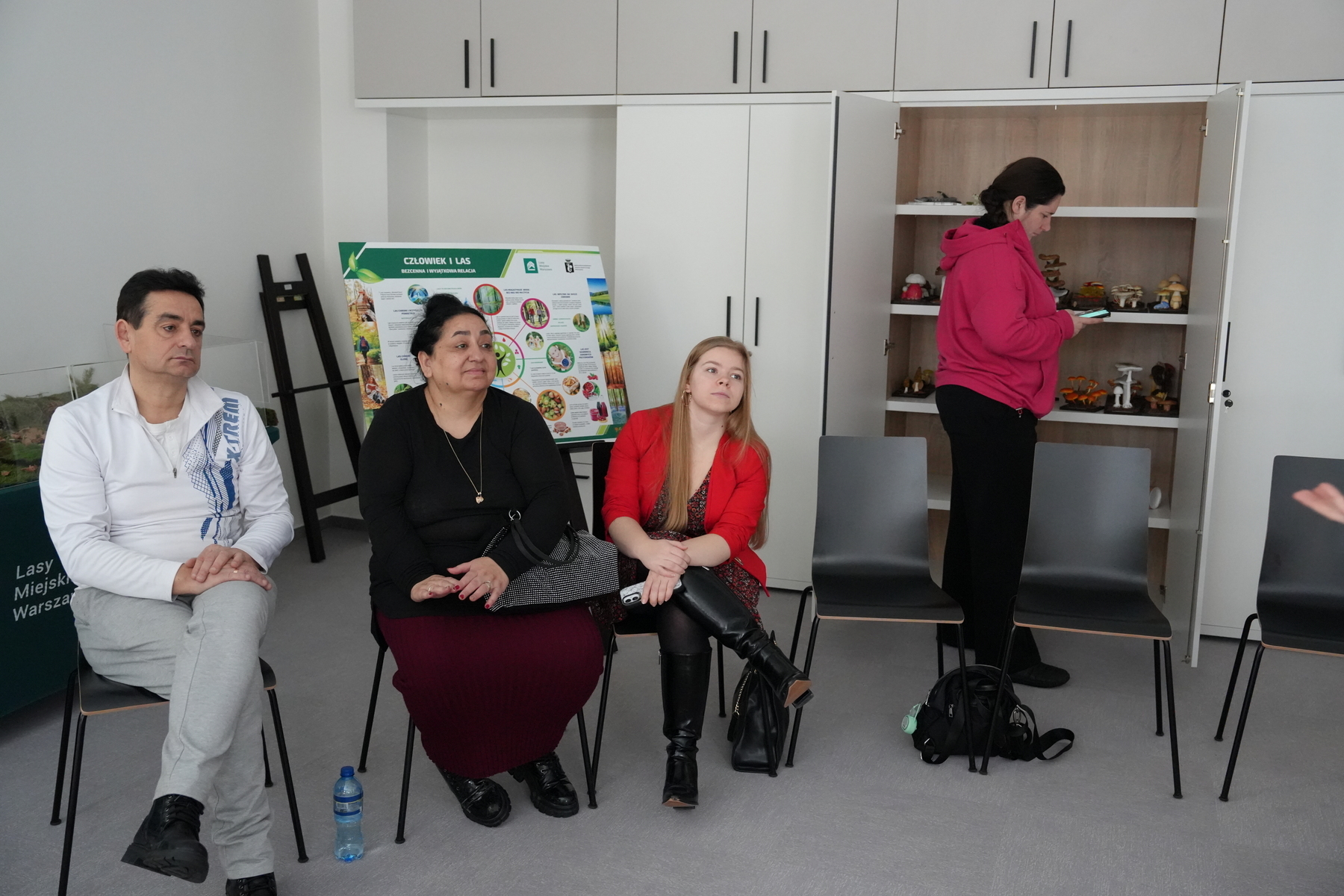
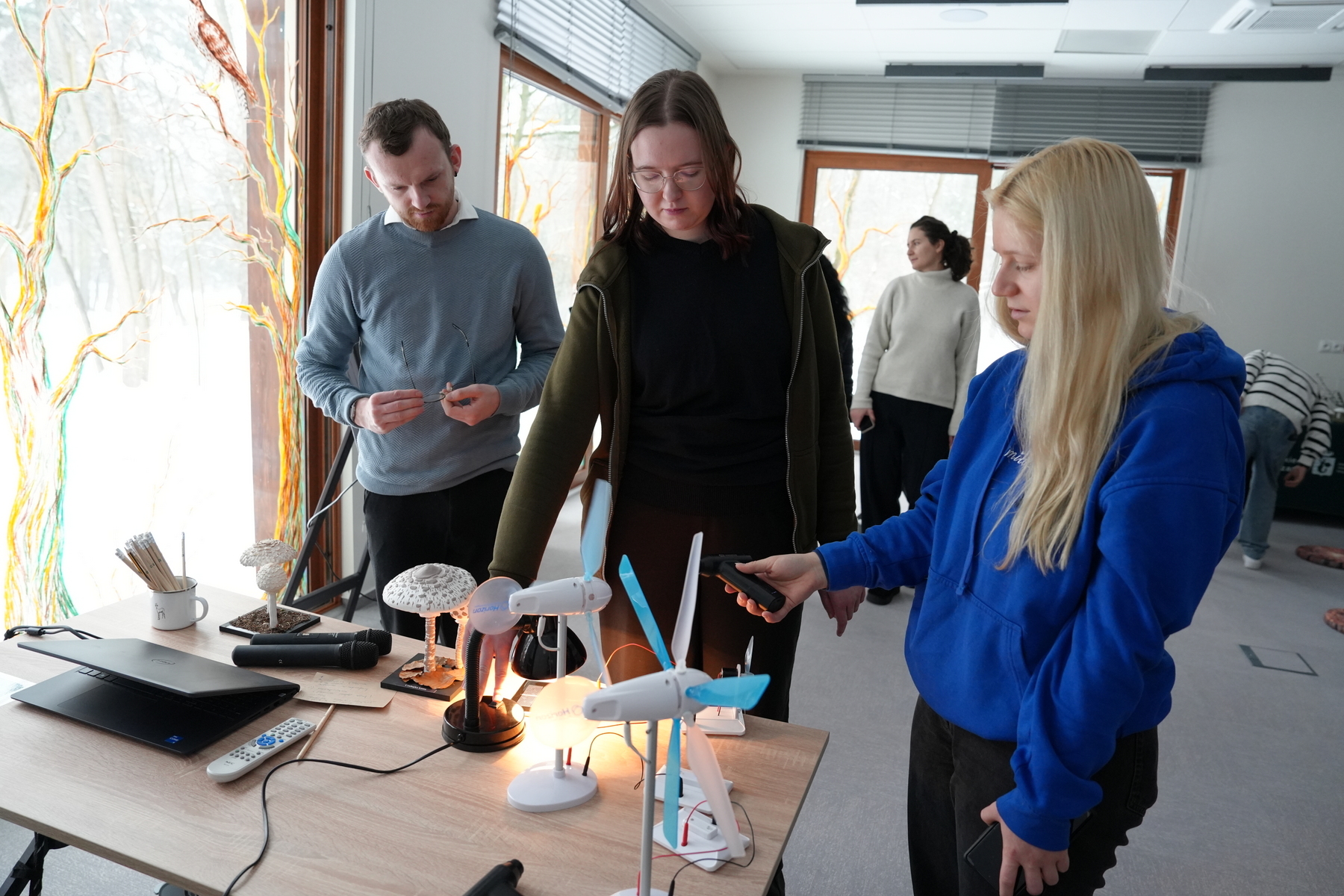
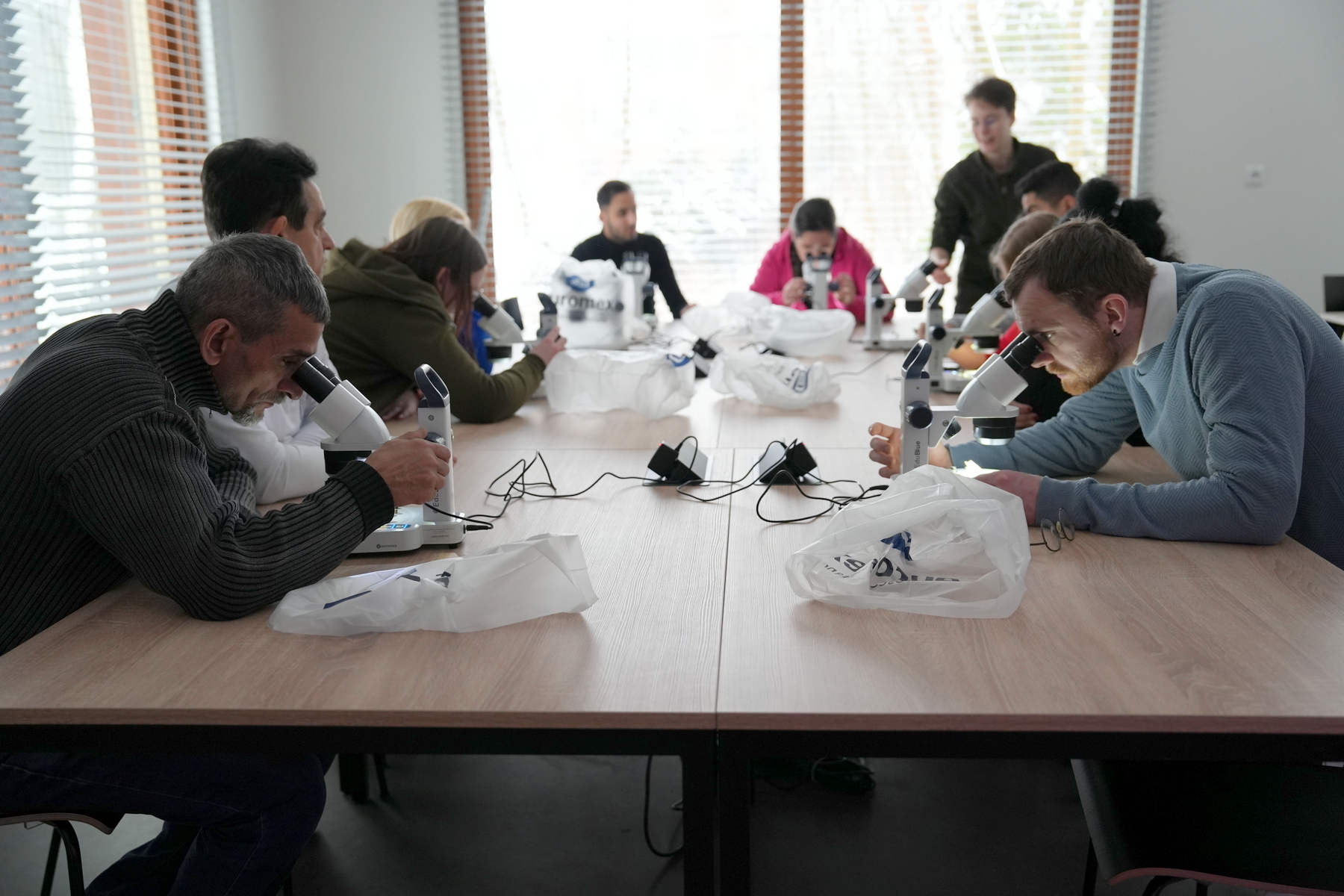
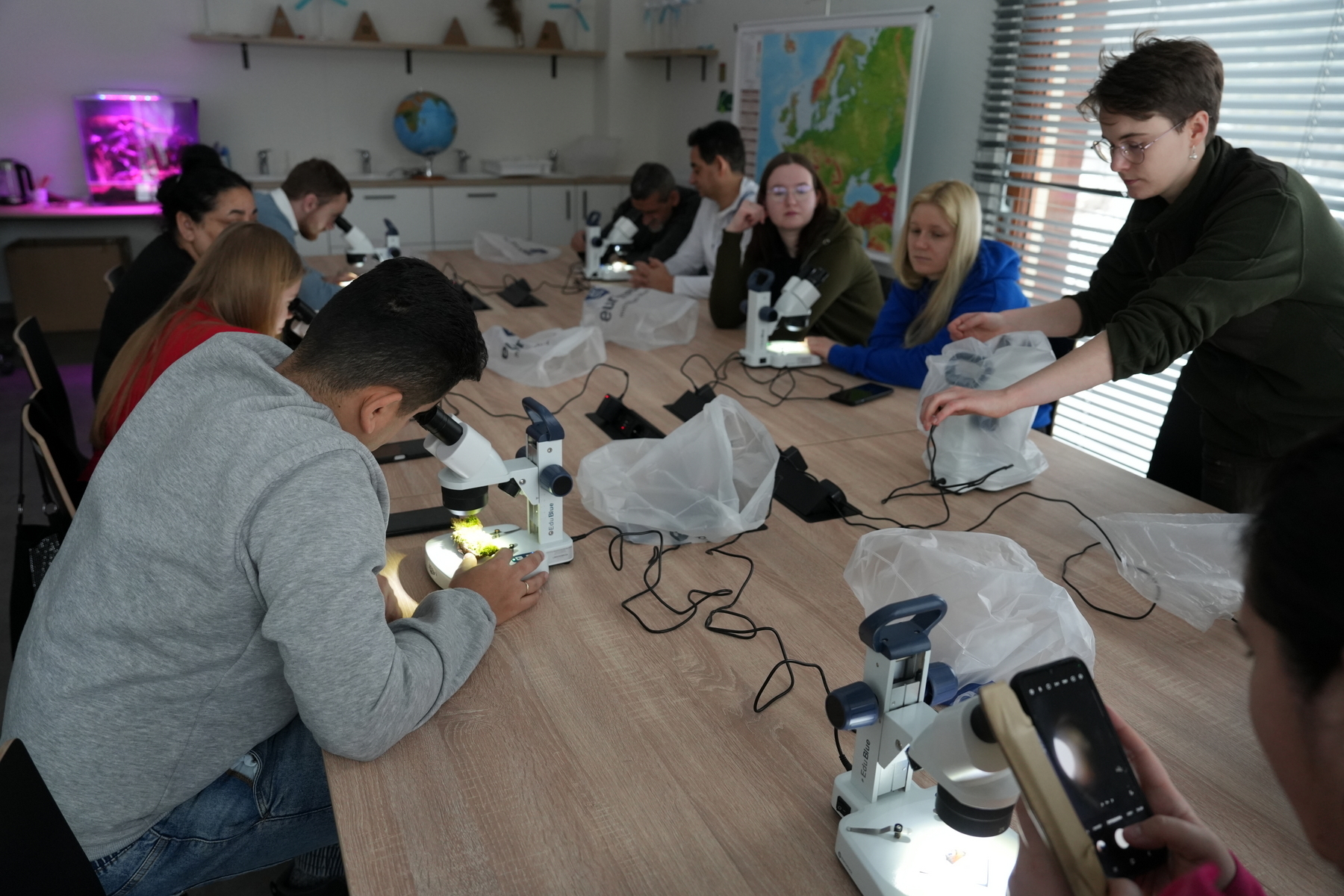
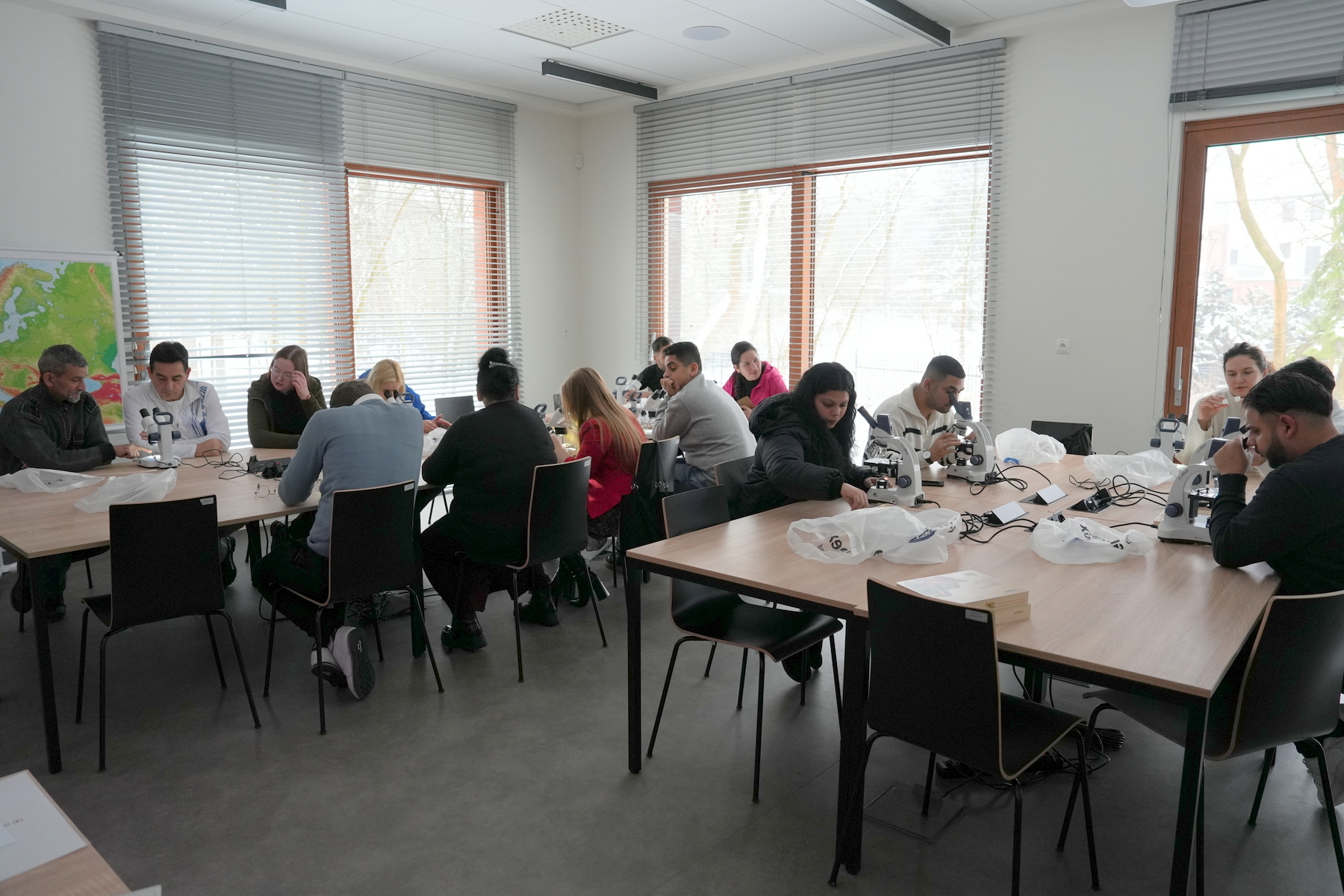
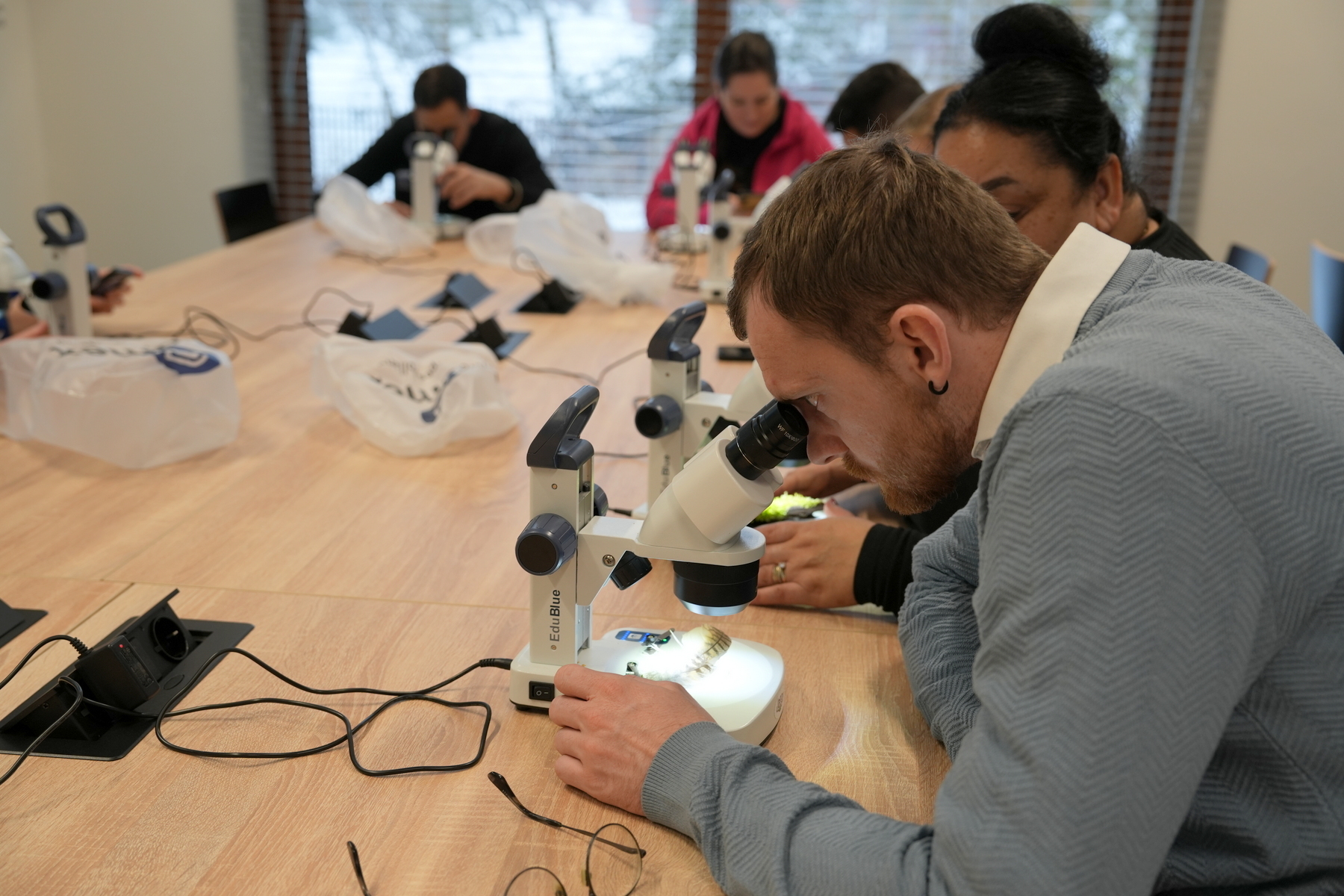
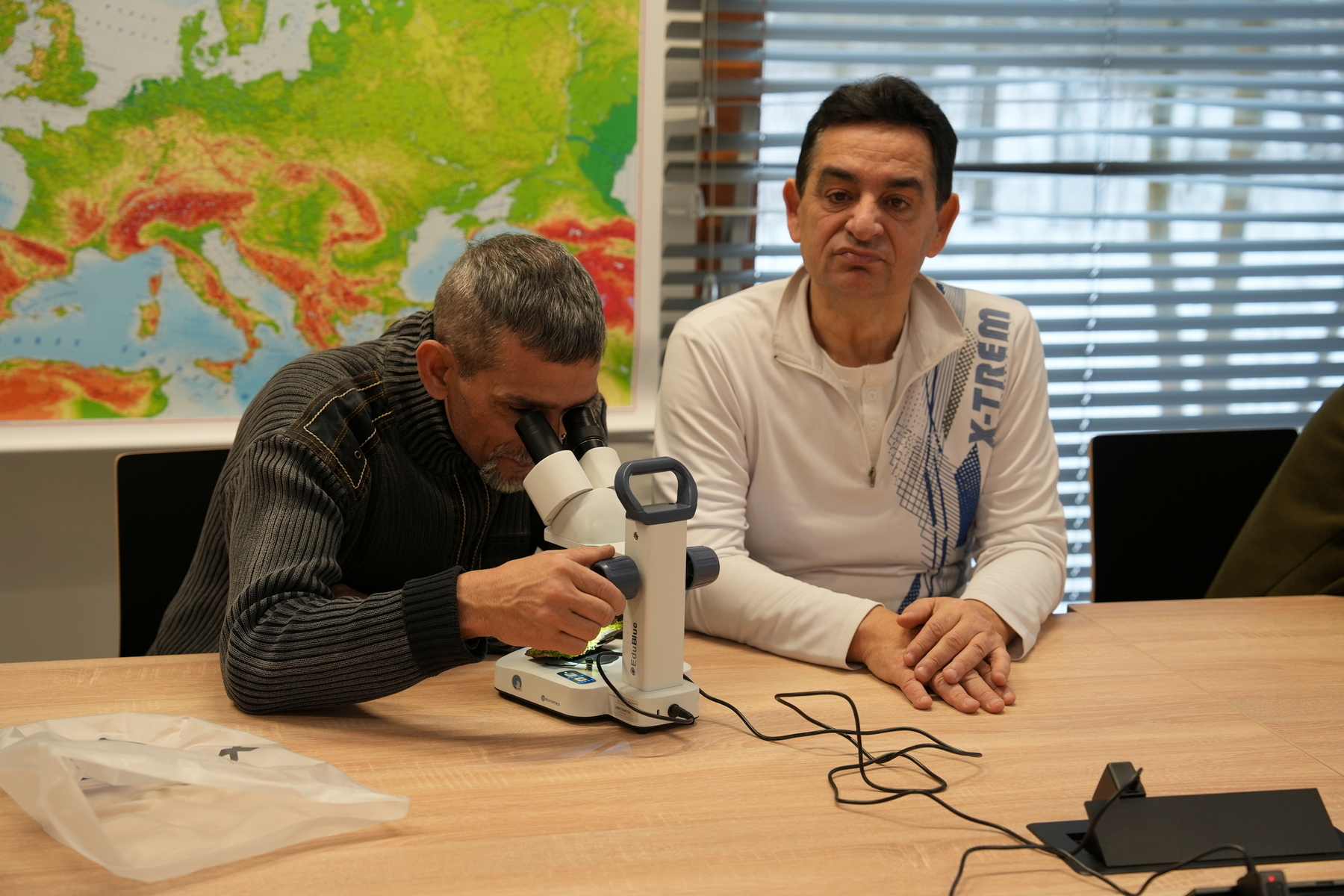
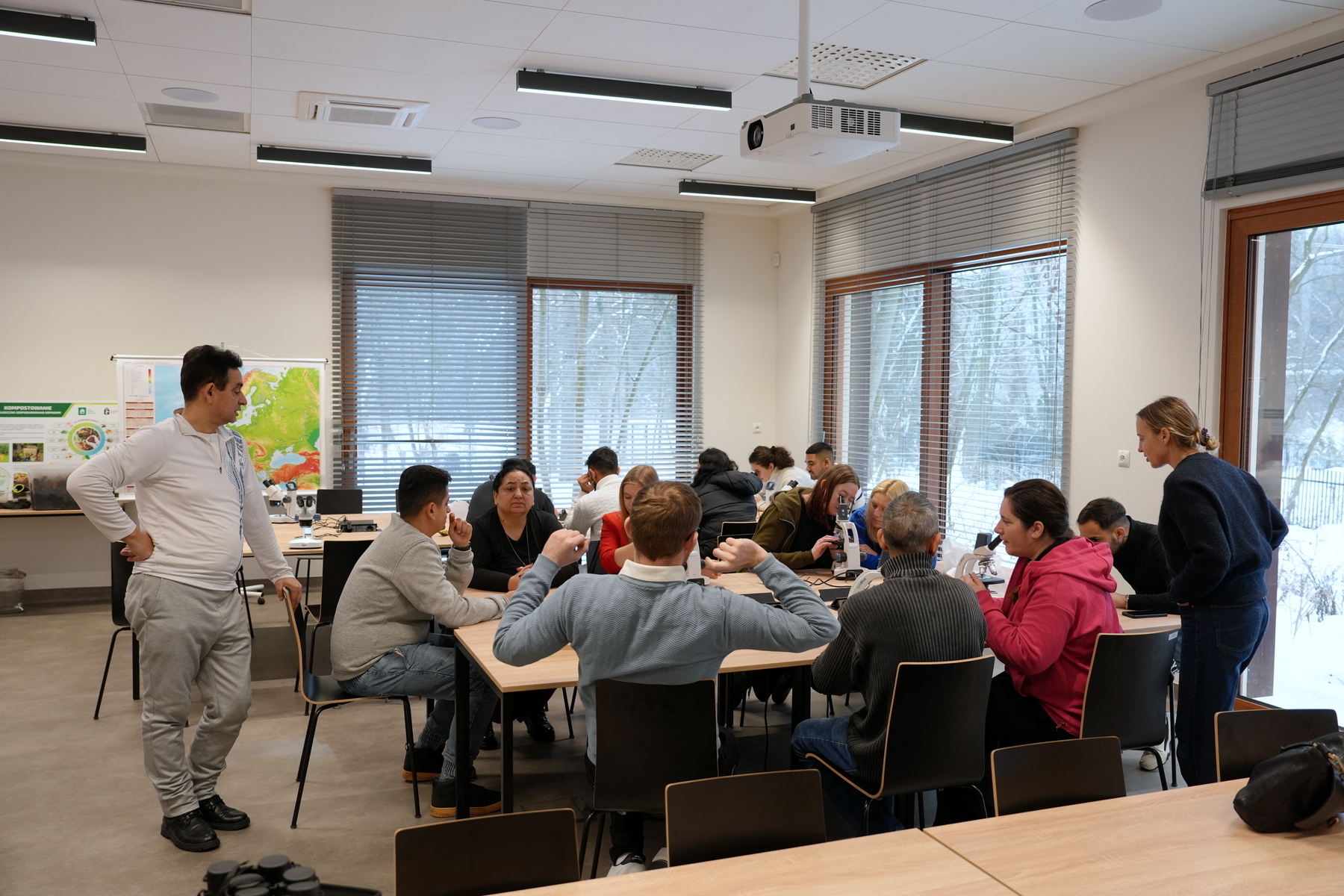
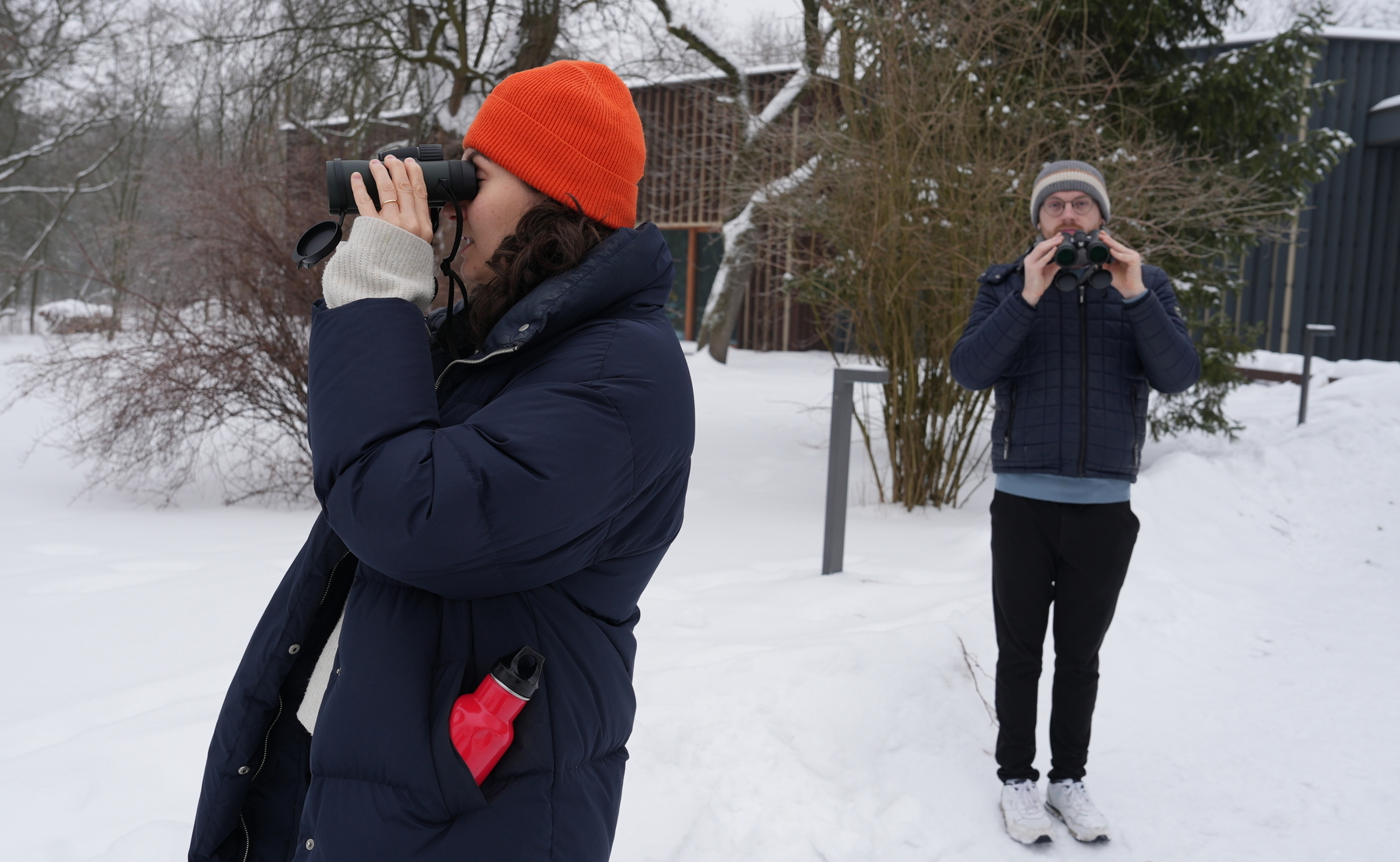
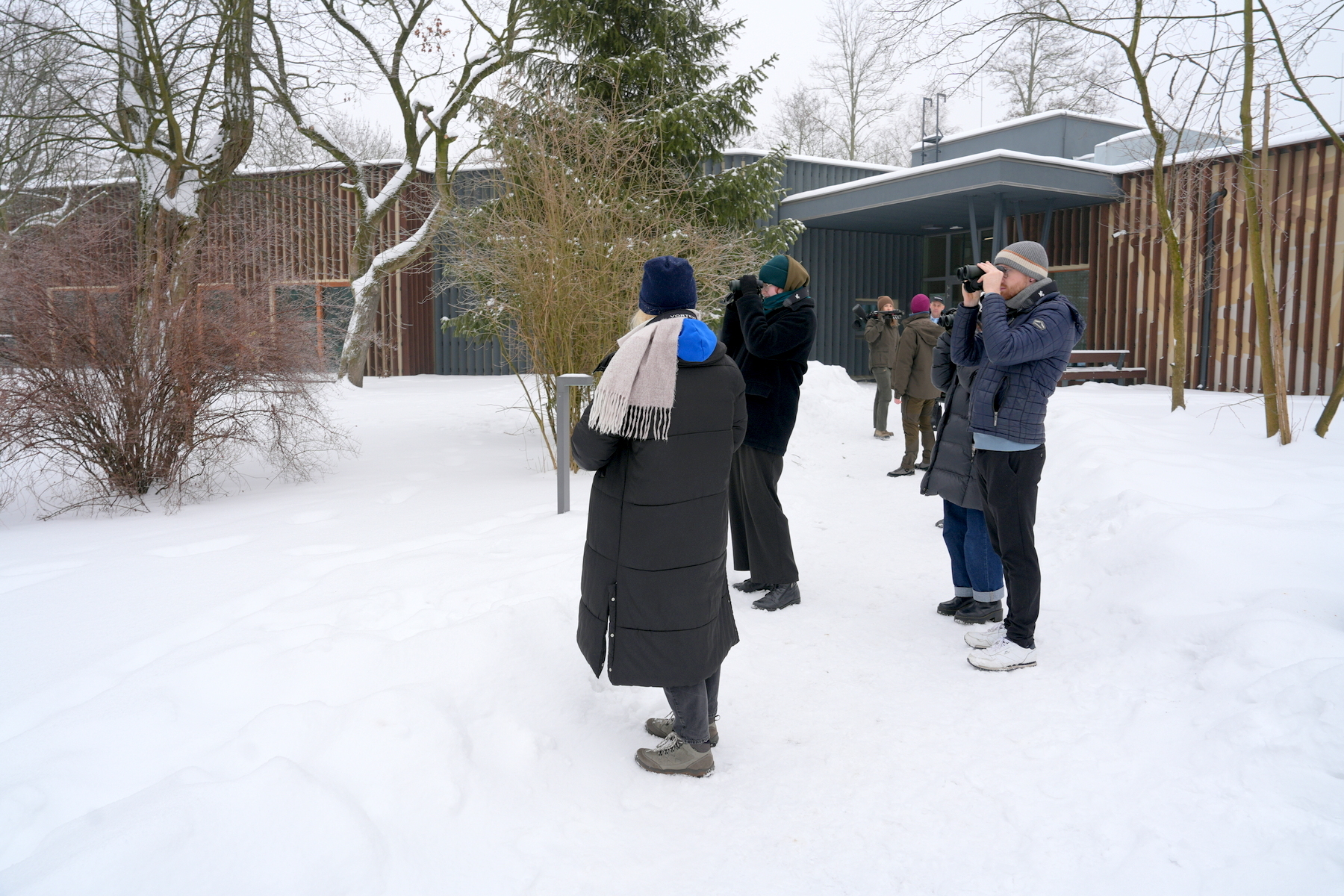
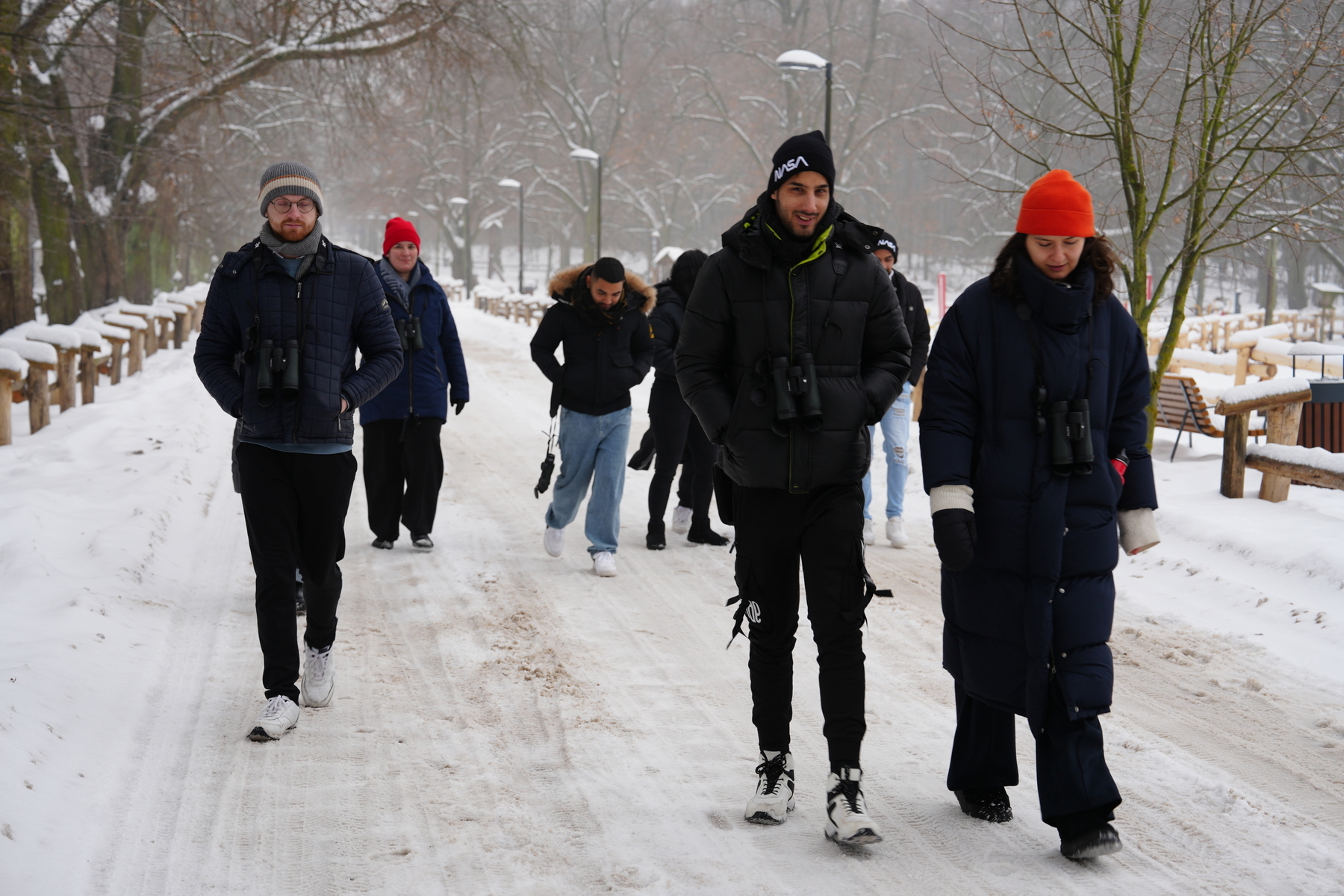
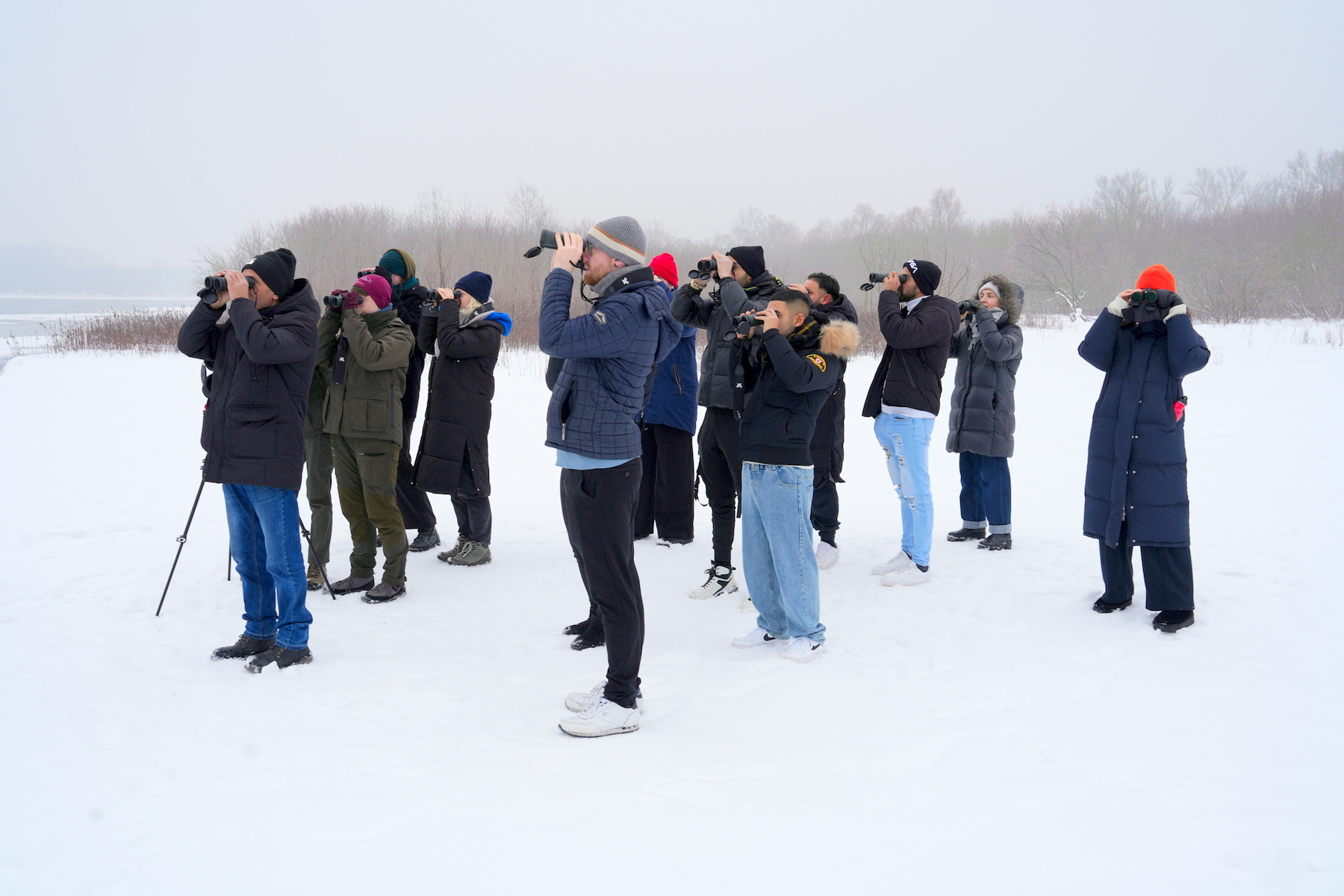
The final day of the training took place at the Centre for Ecological Education,
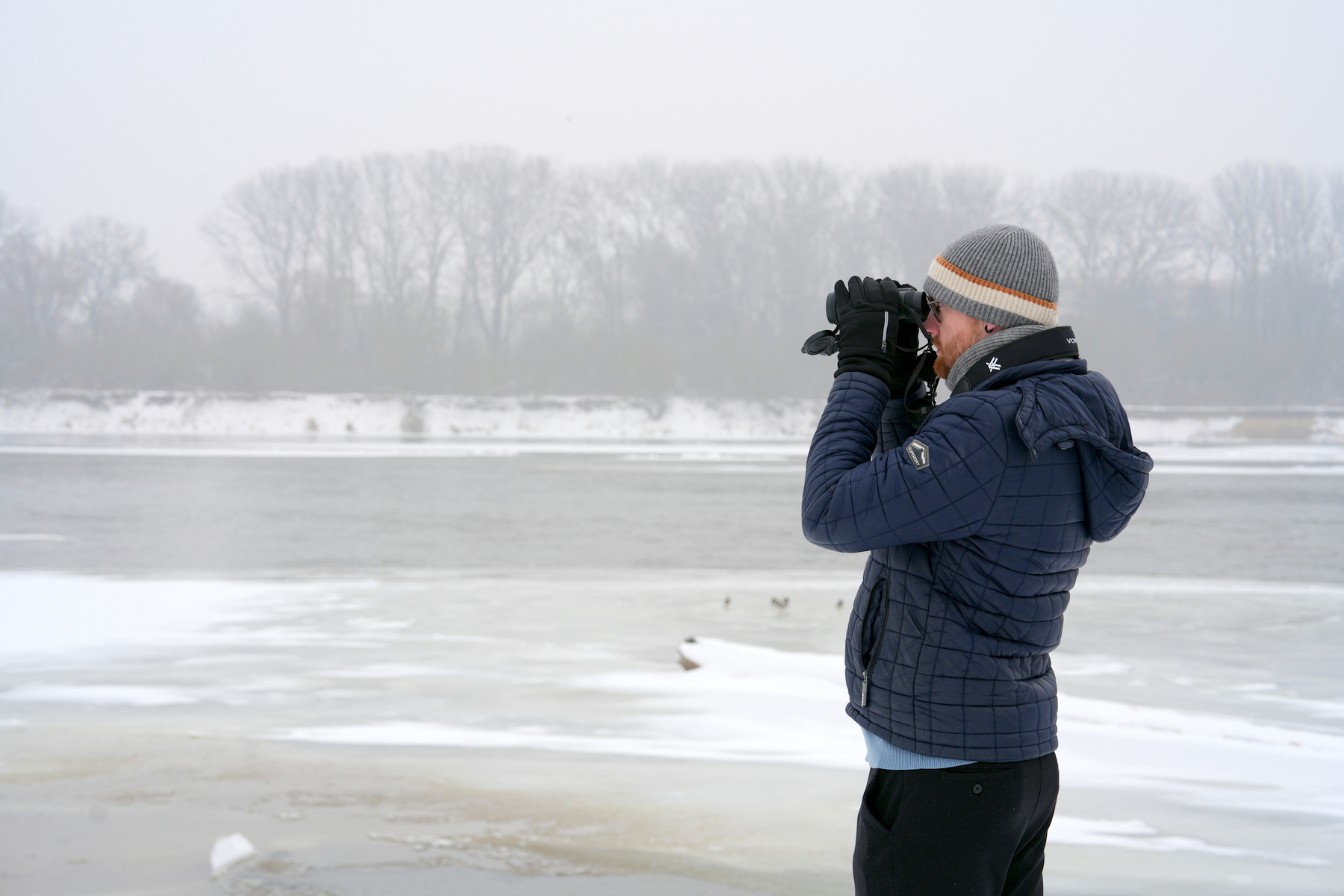
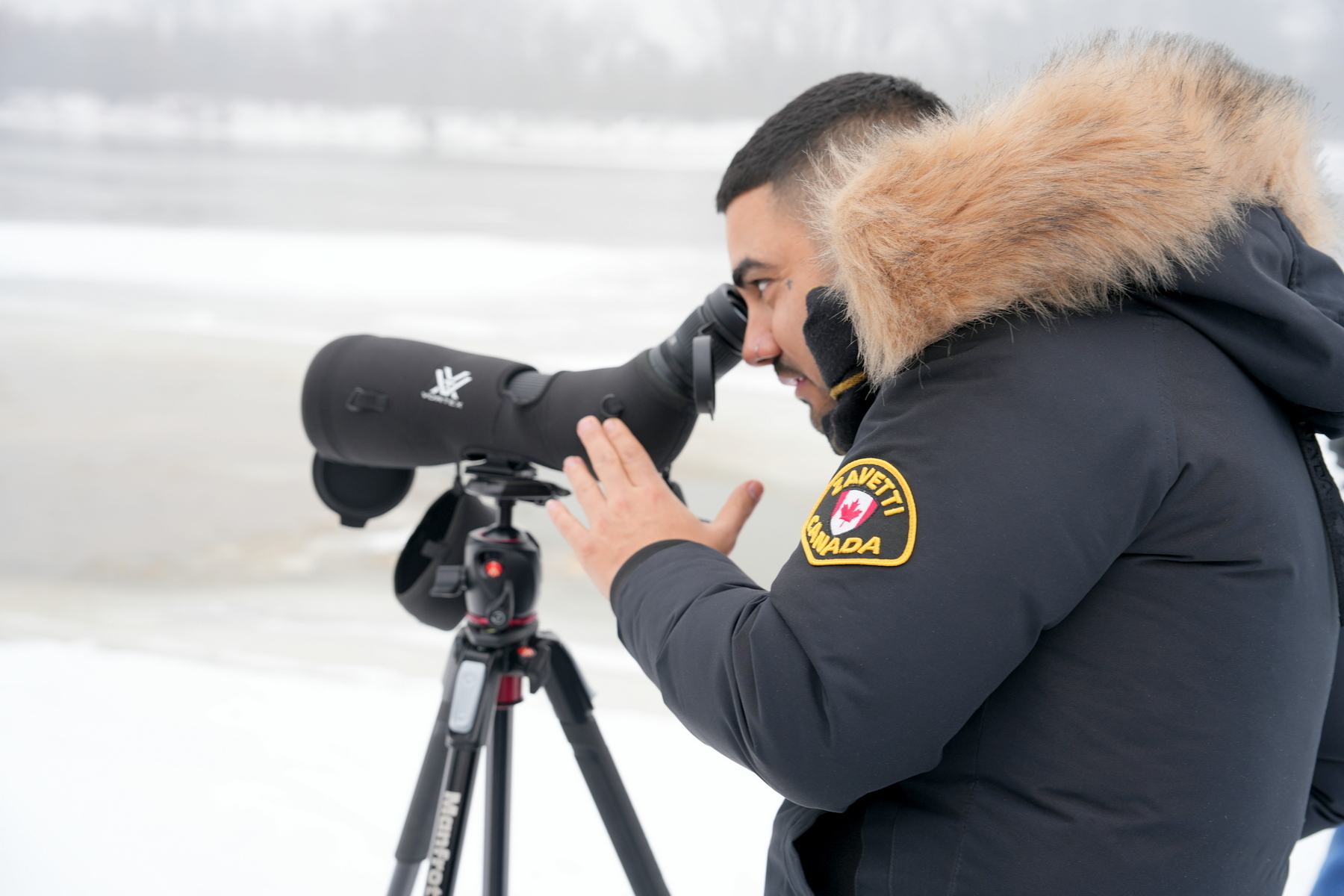
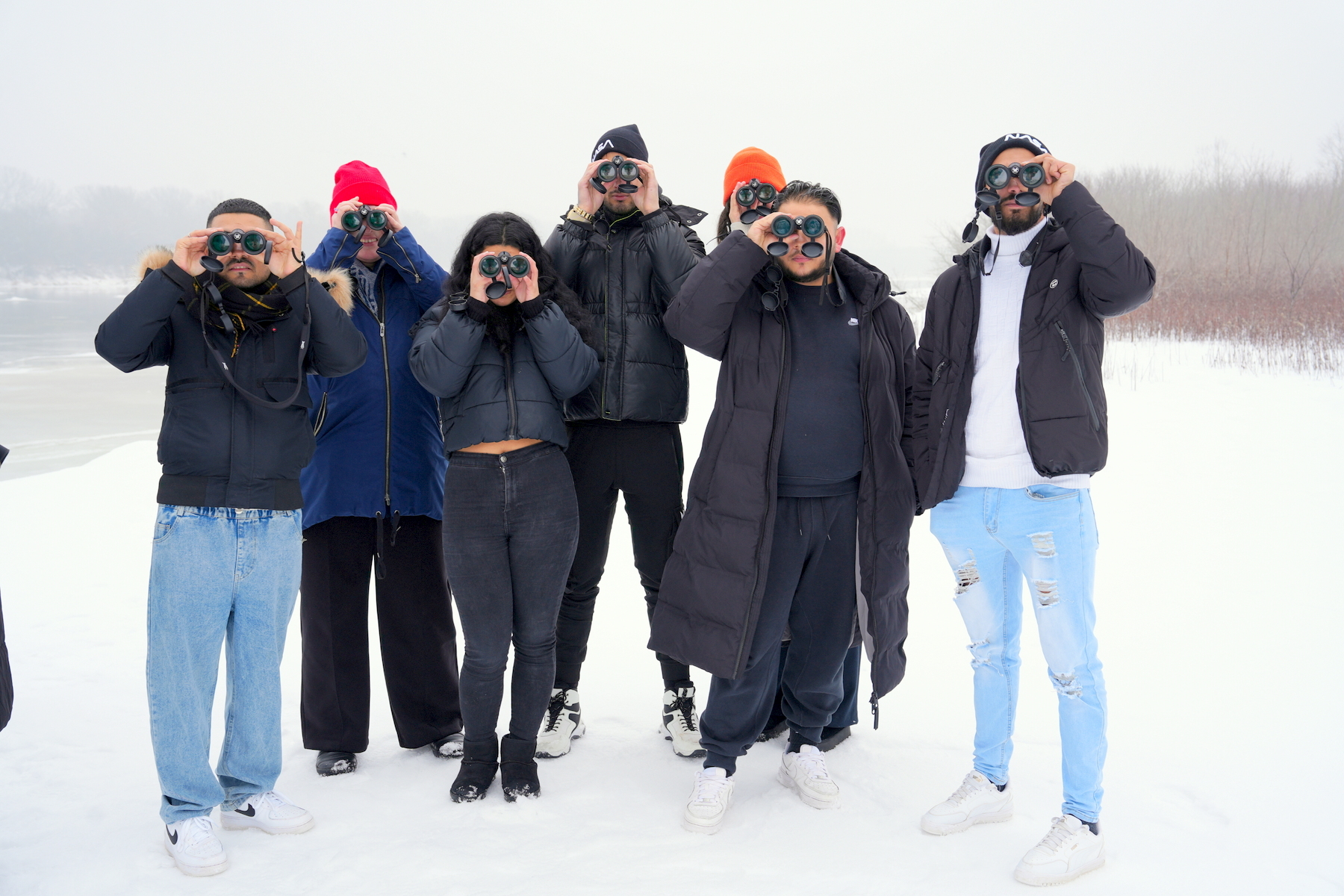
which operates within the structures of Warsaw Municipal Forests, near the Młociński Forest. Outdoor activities demonstrated the enormous educational potential of nature and how effectively it can be used in work with young people.
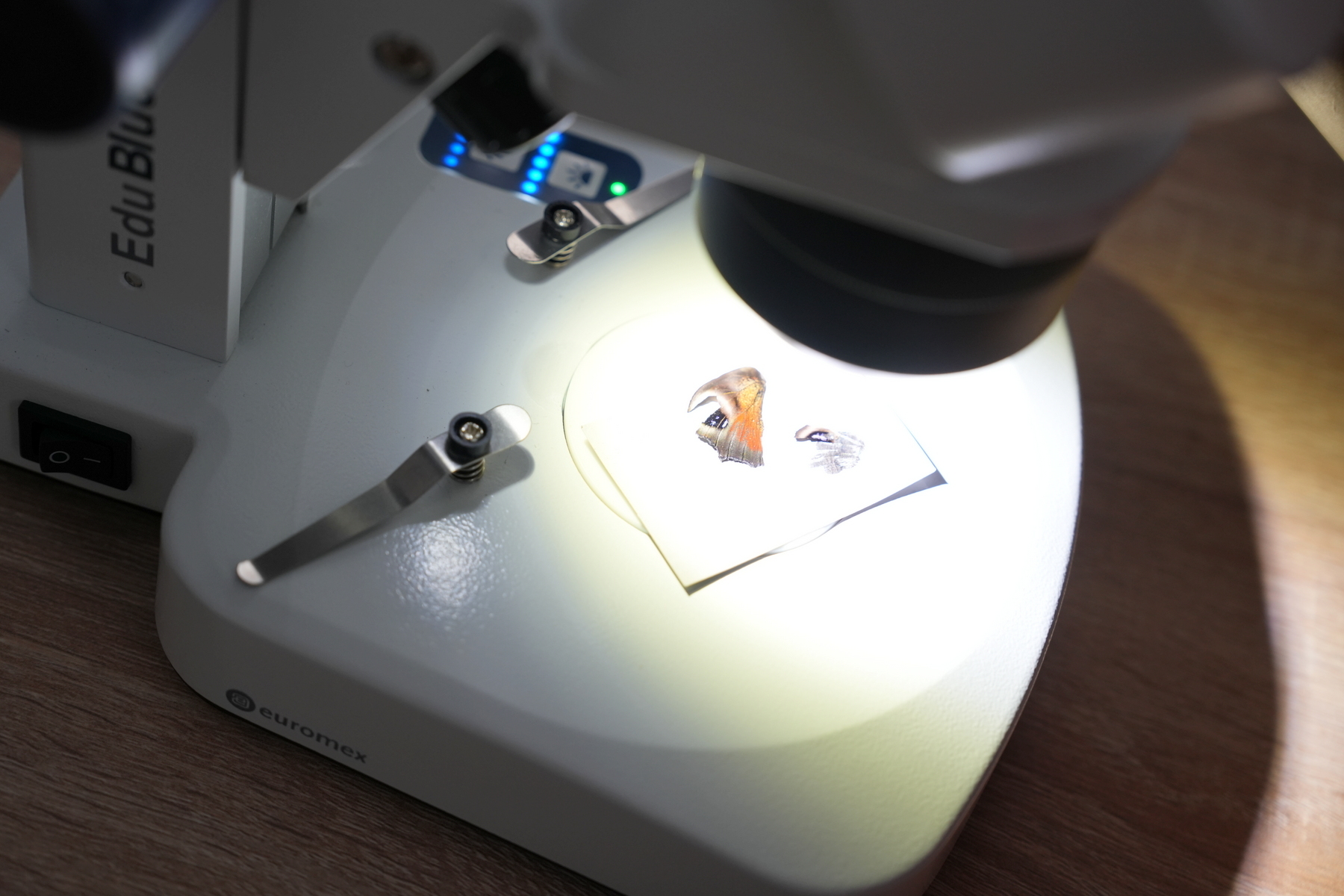
Observing nature, carrying out independent activities using specialist equipment, and learning about local fauna and flora—despite the cold, wintry weather—became an important part of the learning process. It was also a time for calmly closing the entire training process through conversations, summaries, and sharing what each participant would take forward into their future work.








From the outset, we were guided by one main goal: to inspire. To show that working with young people can—and should—be diverse, flexible, and based on relationships. We wanted to encourage participants to experiment, search for their own methods, and have the courage to step beyond familiar patterns.
The aim was not to “teach everything”, but rather to spark curiosity, provide impulses for further development, and demonstrate that non-formal education truly works when it is grounded in experience, dialogue, observation, and mutual trust.

The project was implemented thanks to funding from the European Union under the Erasmus+ KA153-YOU programme, which supports initiatives aimed at improving the quality of youth work and developing educators’ competences.
Finally, we would like to sincerely thank the following venues for providing delicious meals at affordable prices: Bar MiR,
Bar Studio, the Palace Restaurant at Jabłonna Palace,
and Bistro u Lekarzy.
Photo: Archive Fundacja Dom Kultury


How to work effectively with young people in an unusual way? – 2025