Interview with Ewa Pawłowska
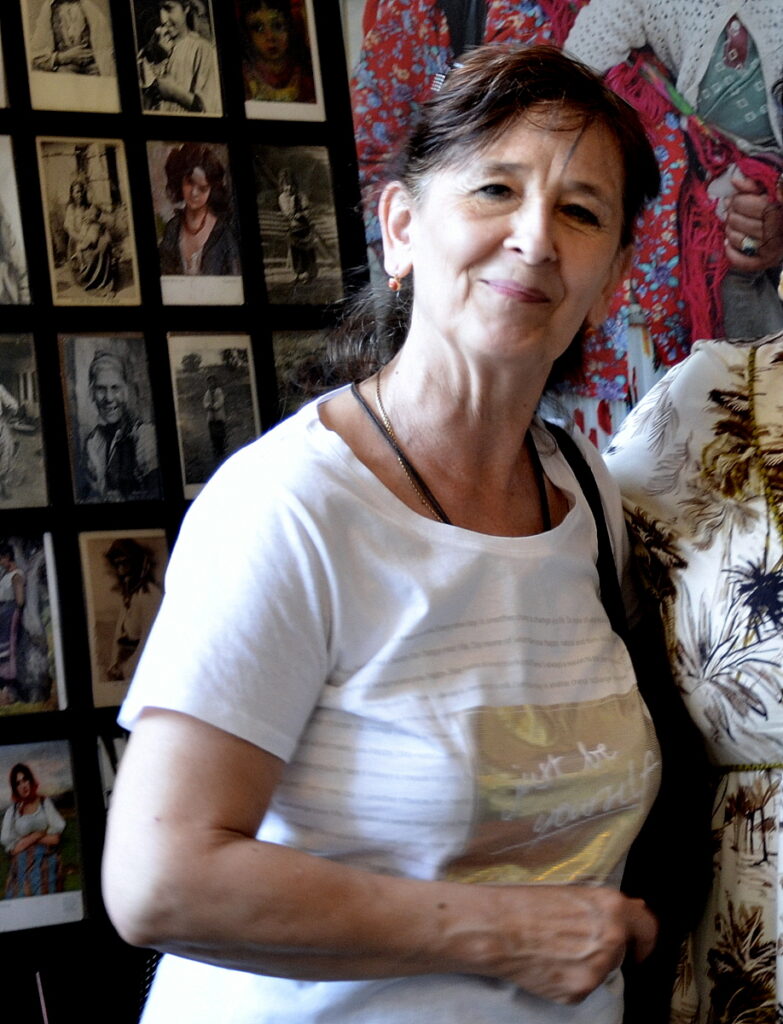
How would you characterise Warsaw’s Roma community?
I’ve been in the Roma community for about 40 years, professionally for about 20 years. The Roma community is very cooperative. Education used to be a big problem. I was working in schools where Roma children were doing their compulsory schooling. Of course, at the very beginning, children who start education have problems with reading and writing, because in their homes, they only speak Romani. At our Social Welfare Centre in Praga Południe, projects were implemented which, among other things, provided children with the opportunity to learn using a community nursery school on the Centre’s premises, where there were Roma and Polish children. Playing with Polish children had a very good impact on the future and intellectual development of Roma children, because they acquired the ability to pronounce Polish words, they knew the concept of a word, which paid off later at school.
What was your job at the Social Welfare Centre in Praga Południe?
I’ve been working at the Centre in Praga Południe as a Roma community assistant since 2004. For many years, there were projects there that united the Roma, even Roma minorities from other groups – Polish Roma, Kalderash, Lovara… And this diversity also allowed for joint activities, closer contacts. There were out-of-town trips, there were vocational projects, adult literacy projects, summer in the city, the “Aladdin” kindergarten. Today this would probably be unnecessary, because times have changed and these skills are acquired by children through technological innovations. Mobile phones, smartphones, computers have appeared, so children themselves are interested in interacting with others. It has helped them in life. In order to contact someone they had to text and for that you need to know the letters. Working in schools, I had more than once such alarms about lack of homework, so there were also female teachers from schools who were willing, or female students who helped children with tutoring in a home environment.
Do you think that such meetings, festivals, such as the Wandering Festival “Romani Culture”, are important and why?
Very important, because associations and foundations working for the Roma present traditions, customs, habits to non-Roma.
Interviewed by Ada Szulc from the “Dom Kultury” Foundation.
We would like to thank Magdalena Wychowska for her help in transcribing the interviews.
Interview with Andrzej Pawłowski
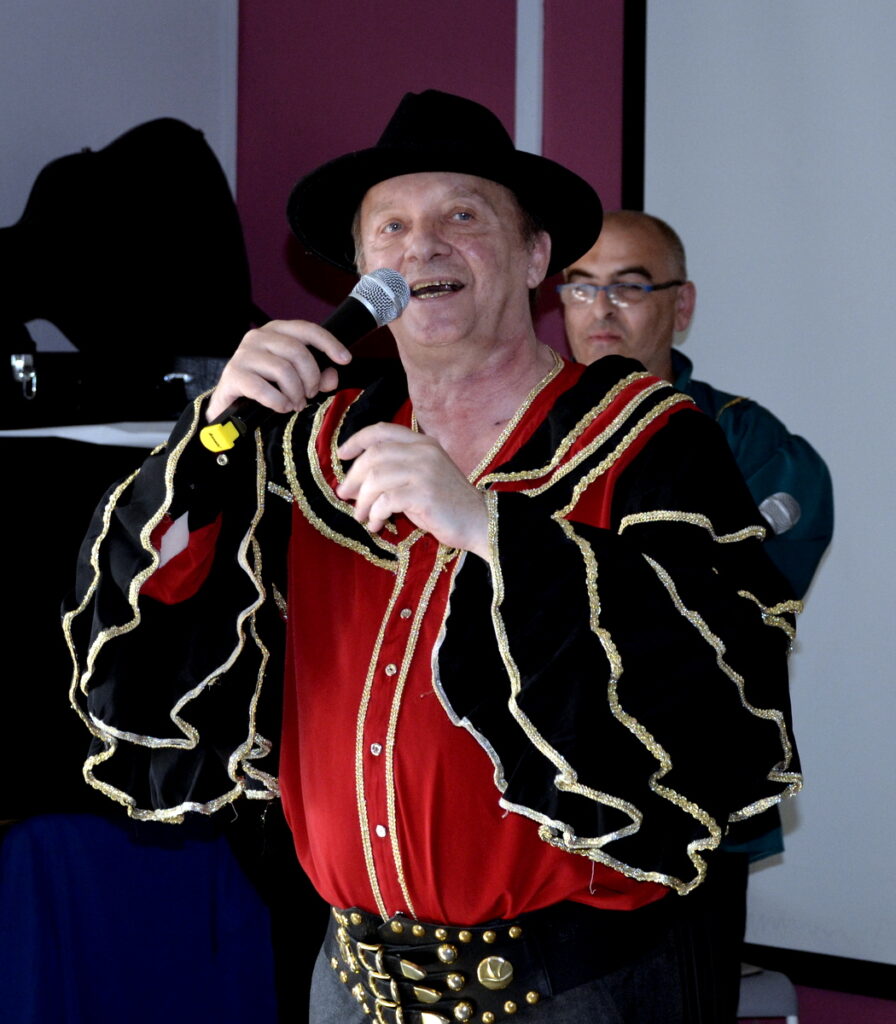
You are a Warsaw Roma, do you know when your family settled in Warsaw?
In the 1950s. I think it was ‘56, my father claimed to be Bulgarian, he was introduced to my mother then. My mother was of French origin, that’s why I’m a white Gypsy… We lived in terrible conditions, in barracks. It was the 1960s, I remember I was four years old. Then we lived in Wawer, now we live in Praga Południe on Grochowska Street. So I have a lot of good and bad memories from that time.
When did you get involved in music? Were musical traditions present in your family?
Of course they were. I’ve been singing since I was a kid, at the age of 6 or 7 I think I started singing. At the moment I’m leading a Roma band called Rat Romano, which gives concerts. I’ve been singing since I was a child.
Do you create your own compositions, or are they rather arrangements of well-known hits and traditional music?
I’m registered with the Authors’ Association ZAiKS as an artist. I also sometimes write myself, or I borrow melodies from other performers and make a different arrangement out of it.
What do you consider to be your greatest achievement?
Performing on The Voice Senior in 2021.
What are your dreams and plans for the future?
At this age you don’t want to have any plans. You know, I’m getting close to old age. So my career has already gone, it’s gone away from me, I can’t achieve anything anymore…
But you will continue to give concerts?
Yes, yes… Of course.
Interviewed by Ada Szulc from the “Dom Kultury” Foundation.
We would like to thank Magdalena Wychowska for her help in transcribing the interviews.
