

Volunteering Donations of goods Student internships Donate 23 pln for our activitiesAccount number: 28 1600 1462 1821 2325 1000 0001 CloseWe raise funds to carry out our statutory activities on an ongoing basis, including resocialisation activities in prisons, educational activities in Youth Centres and running the eWKartke.pl blog.
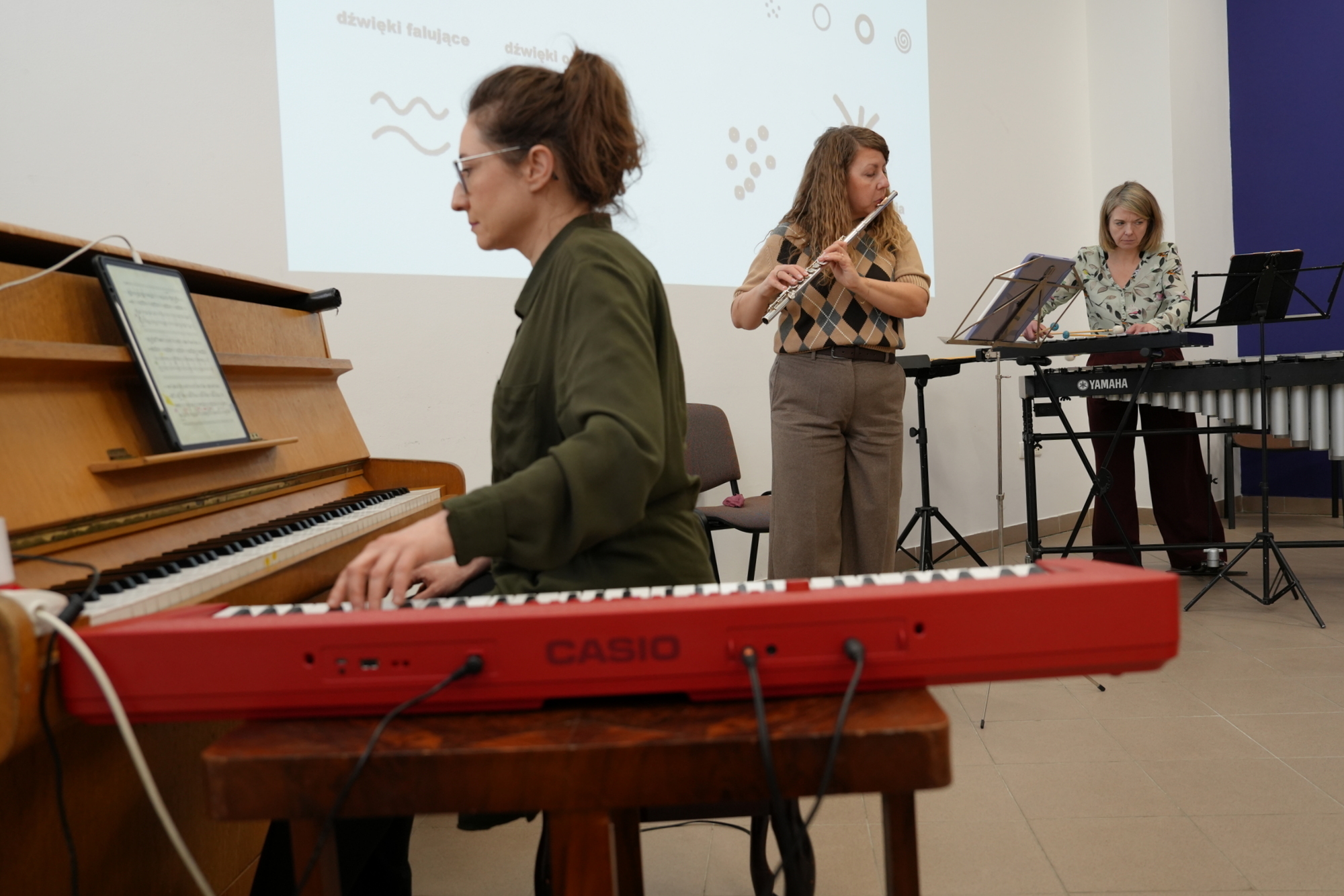
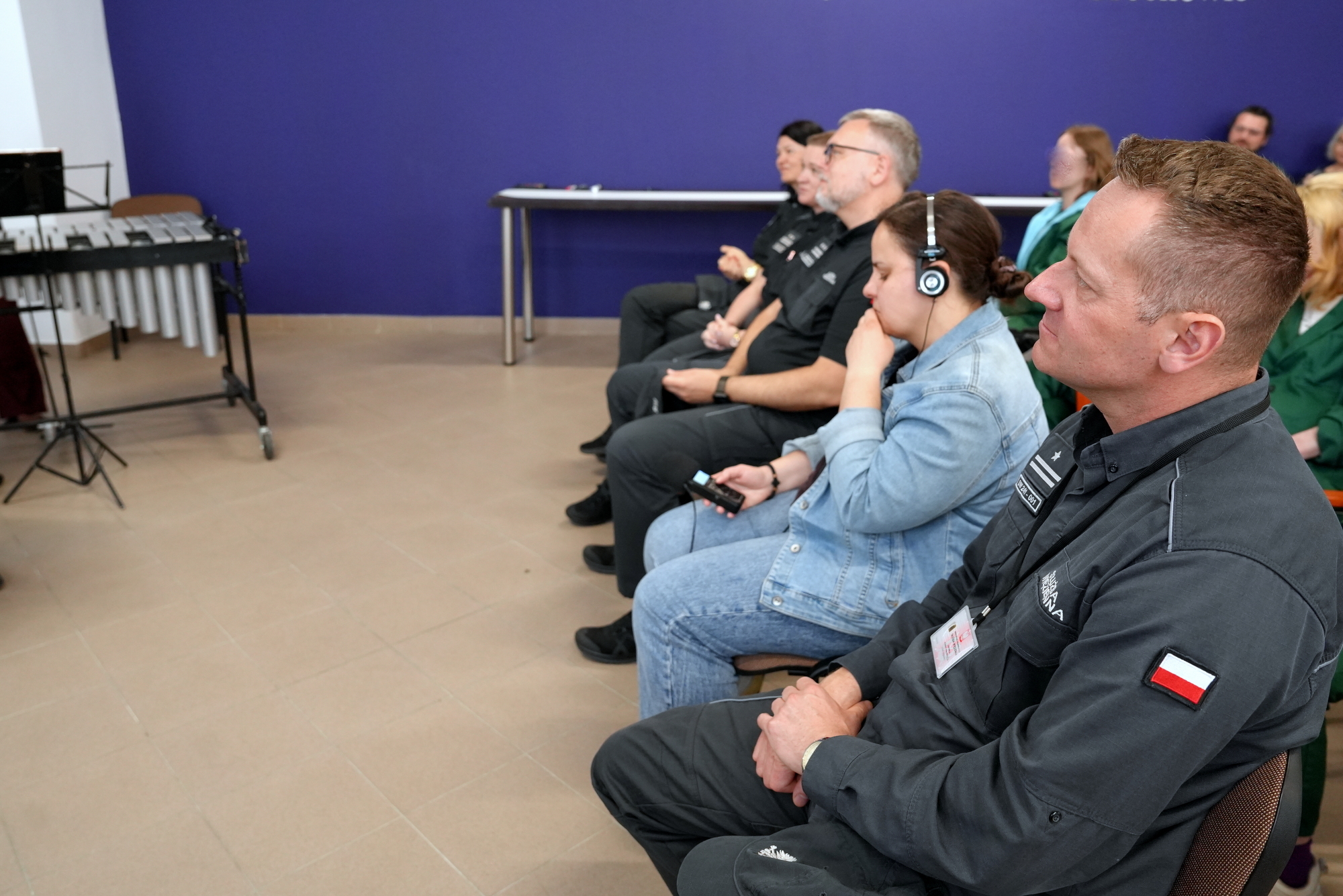

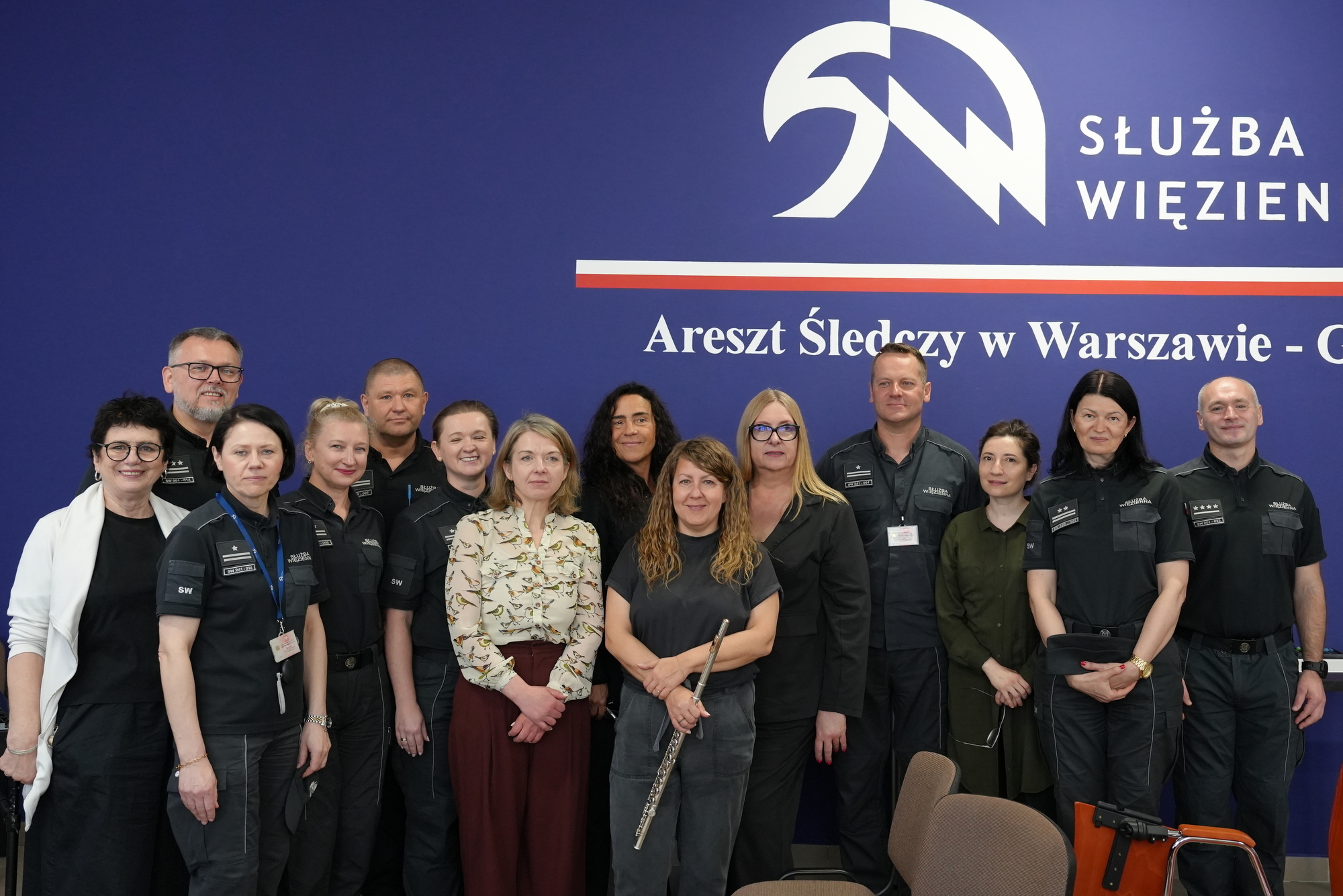

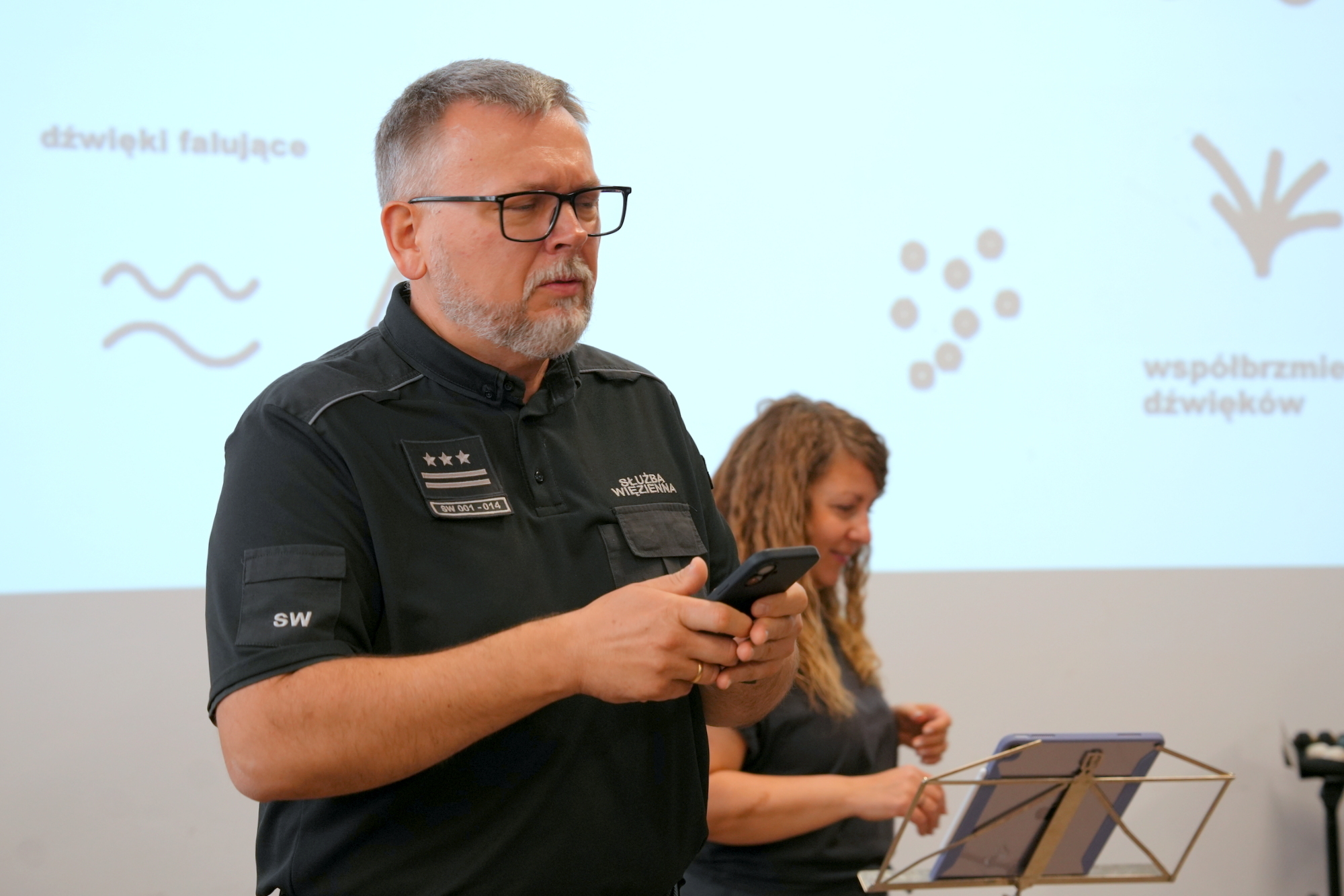
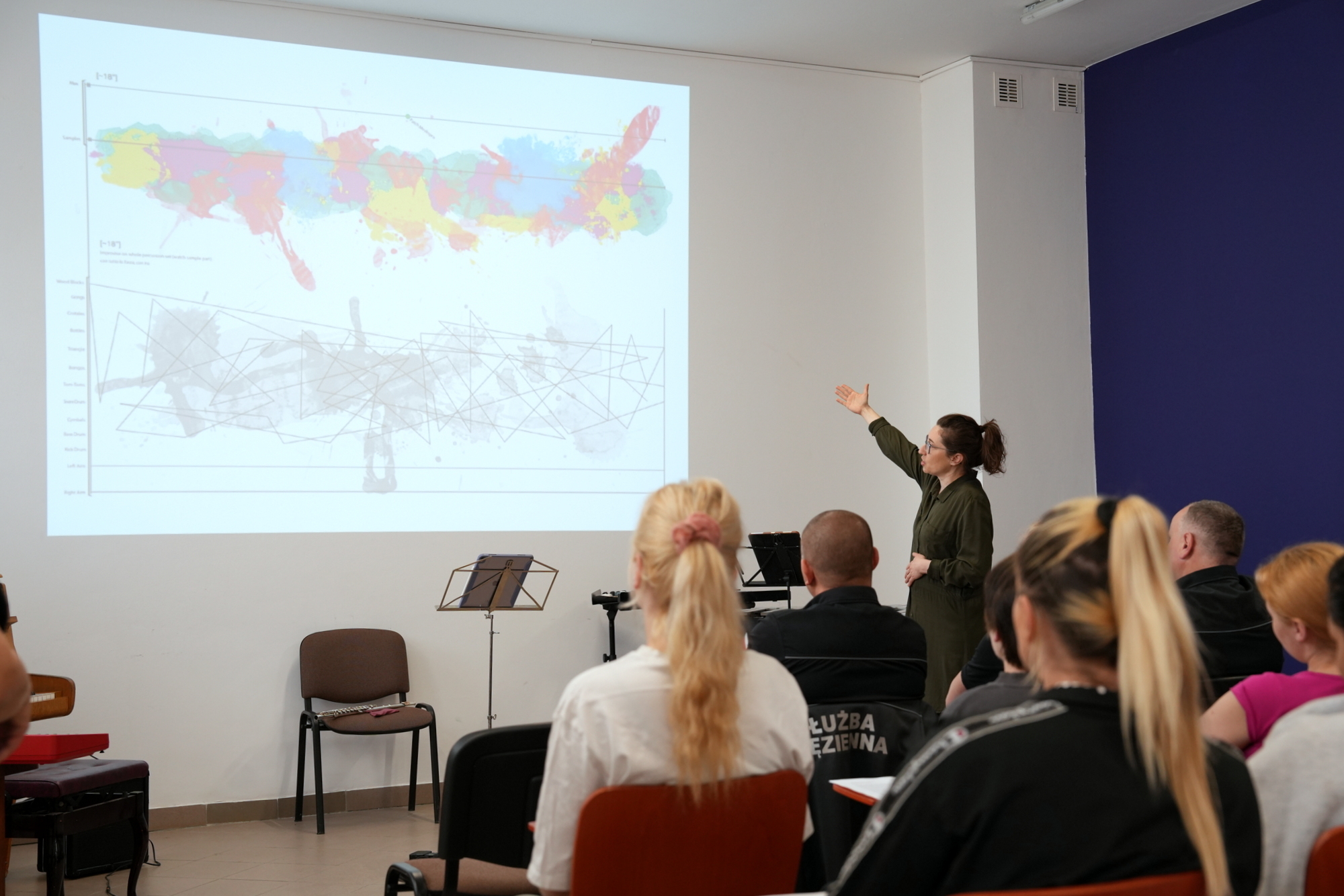

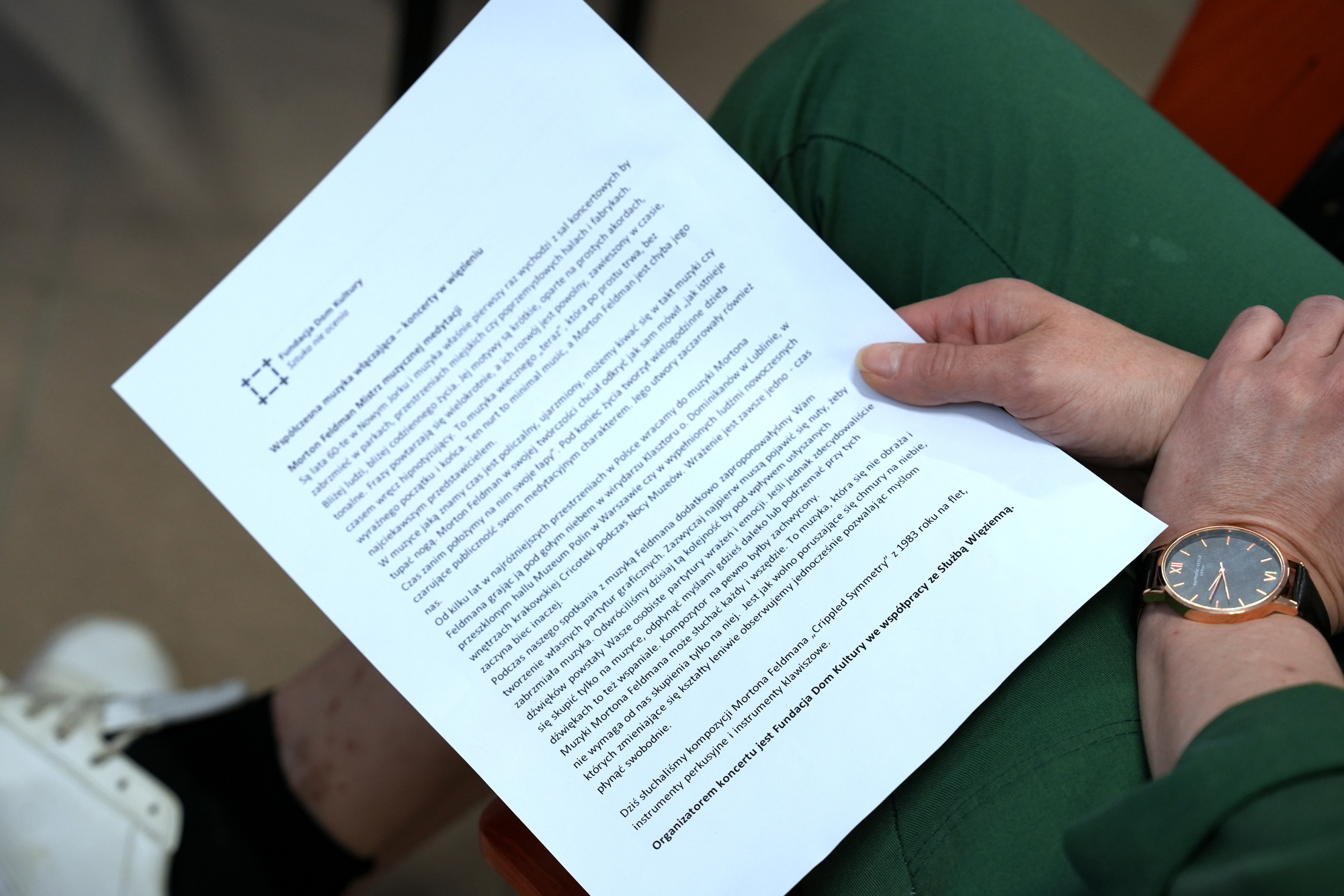


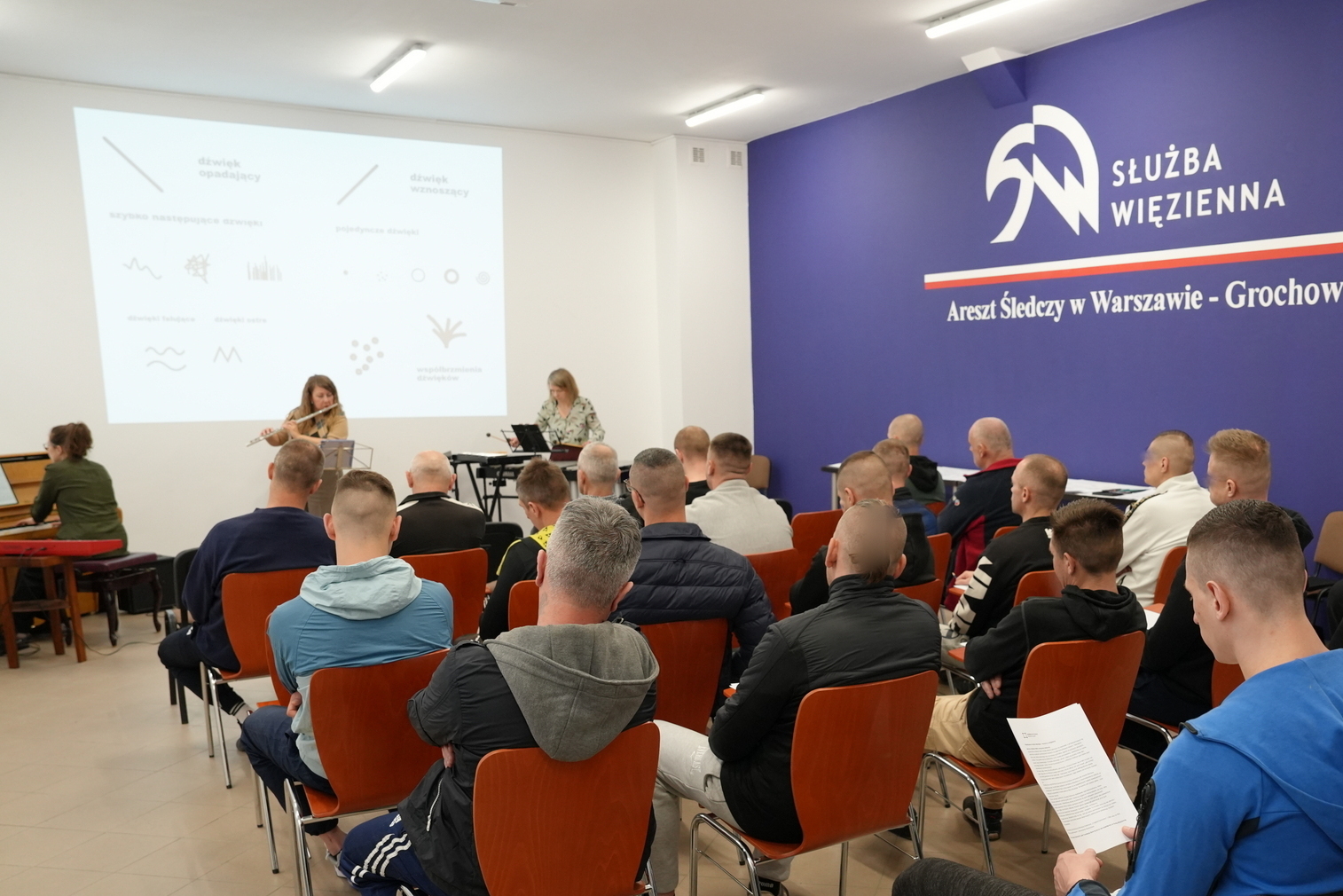
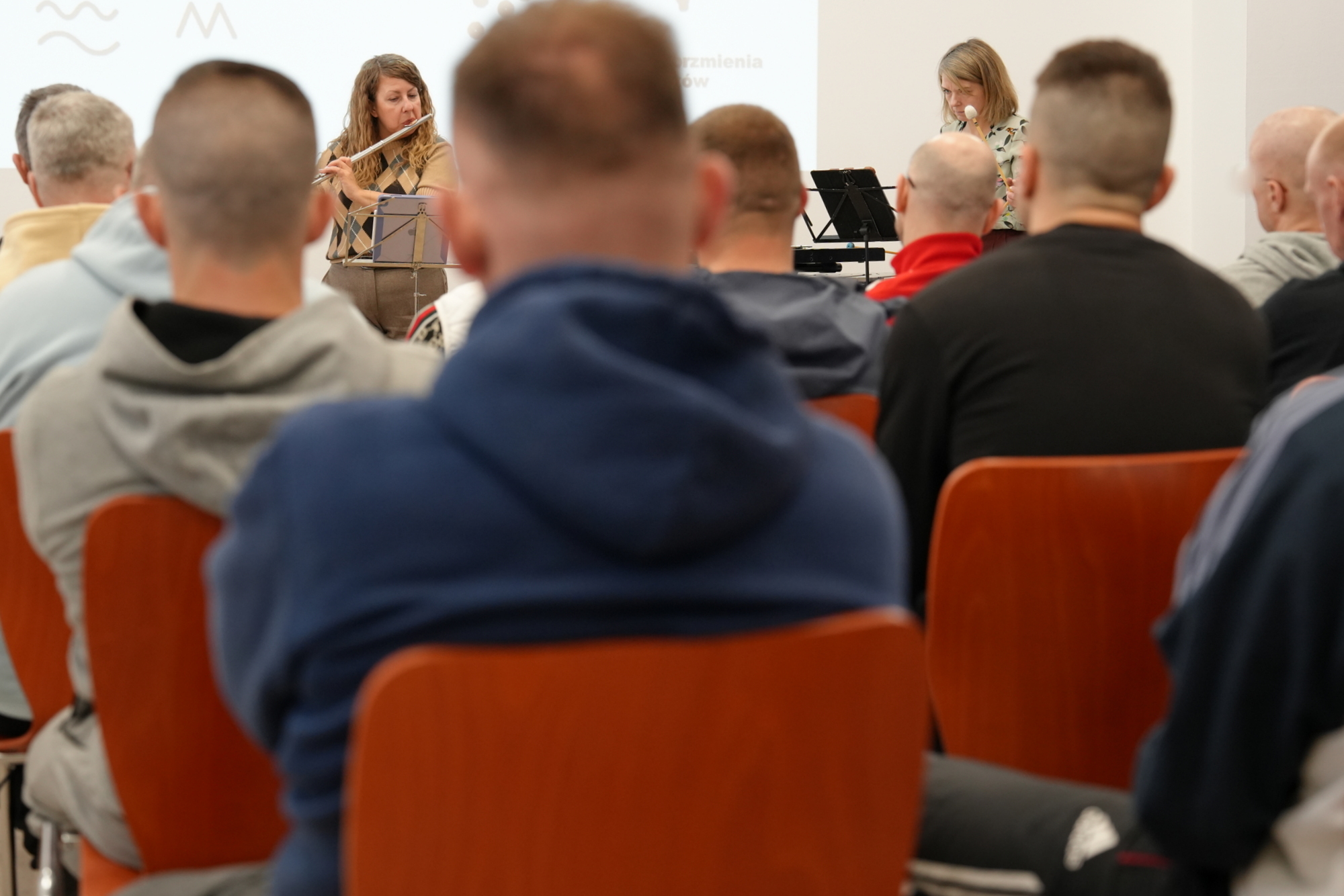
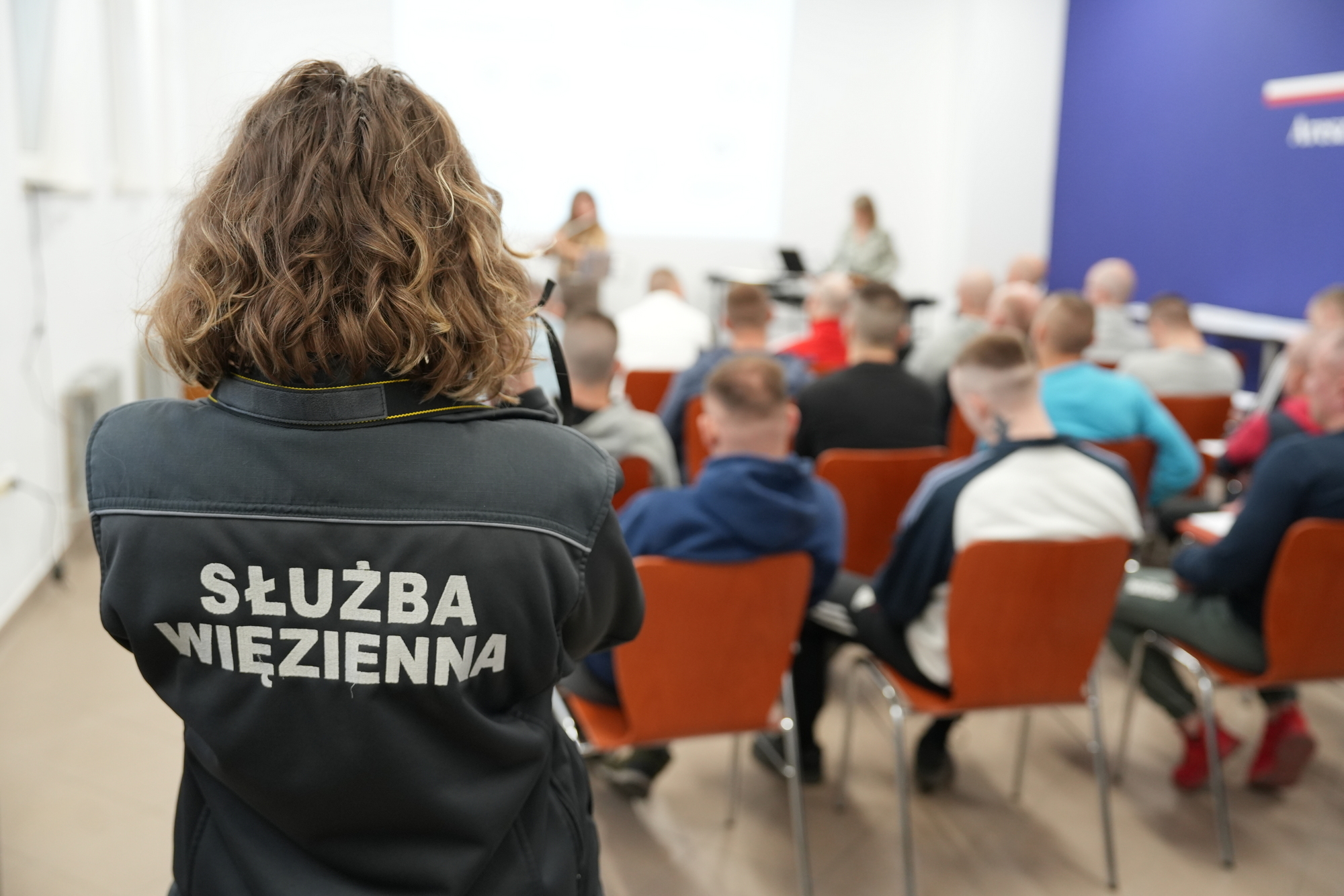
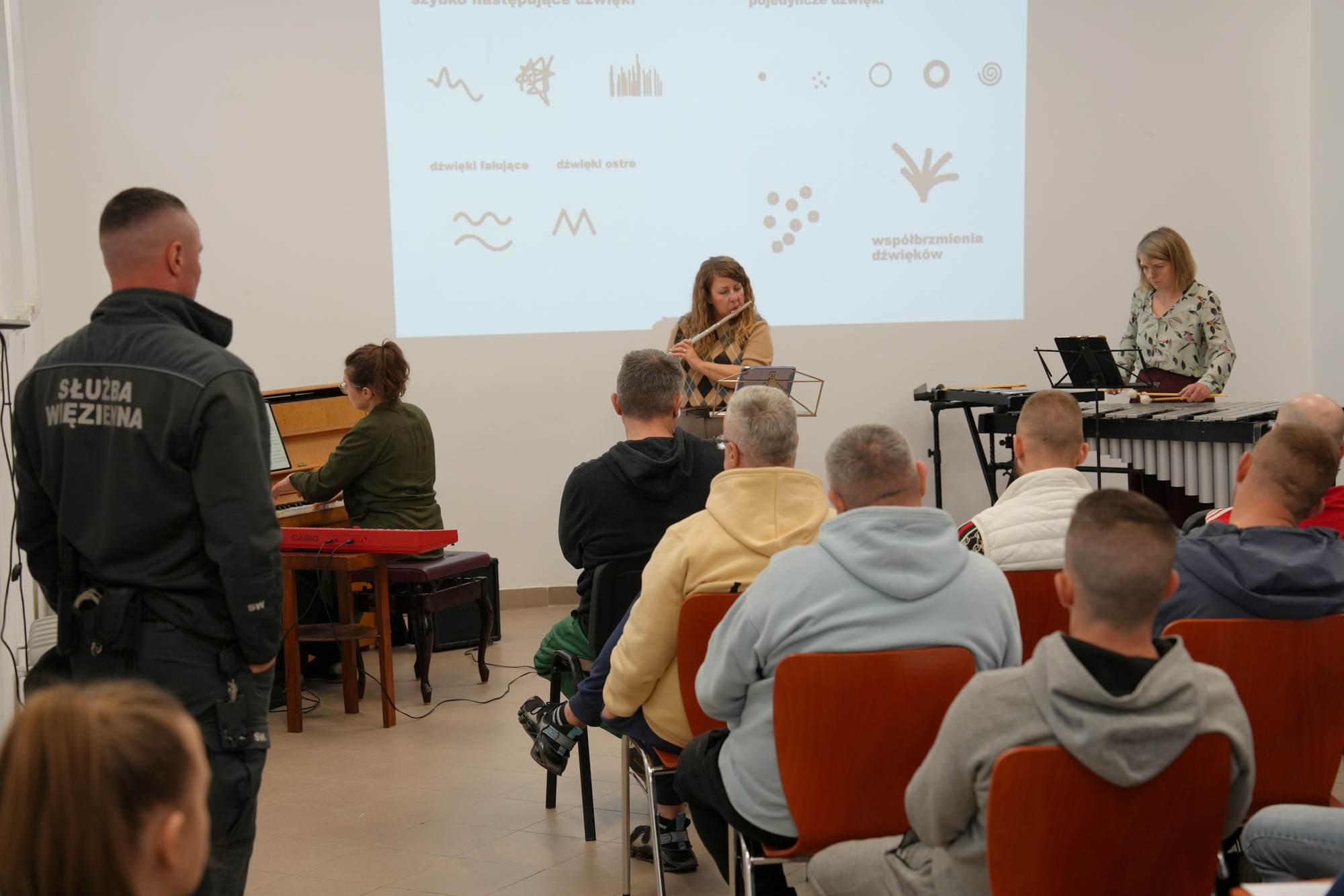
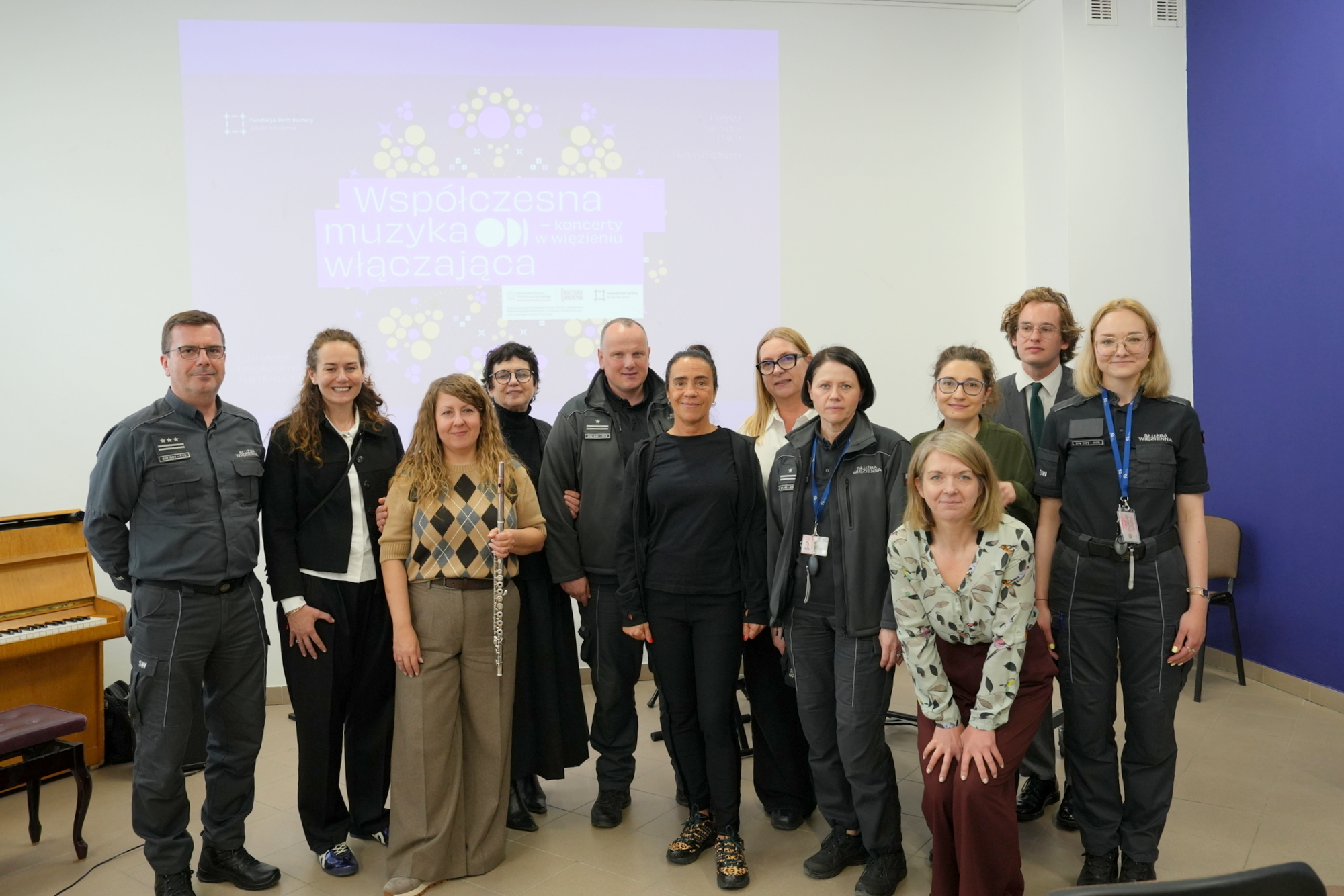
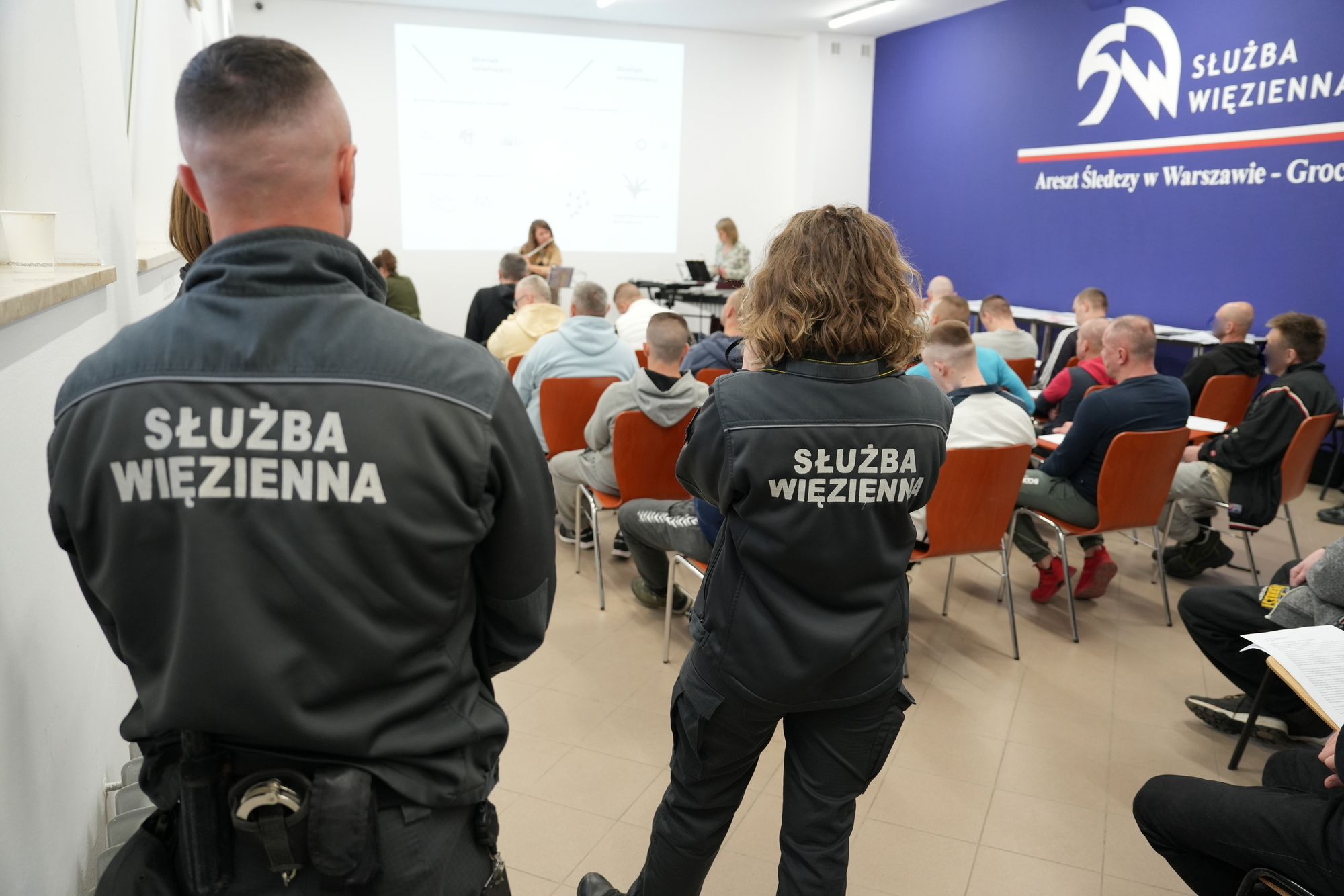



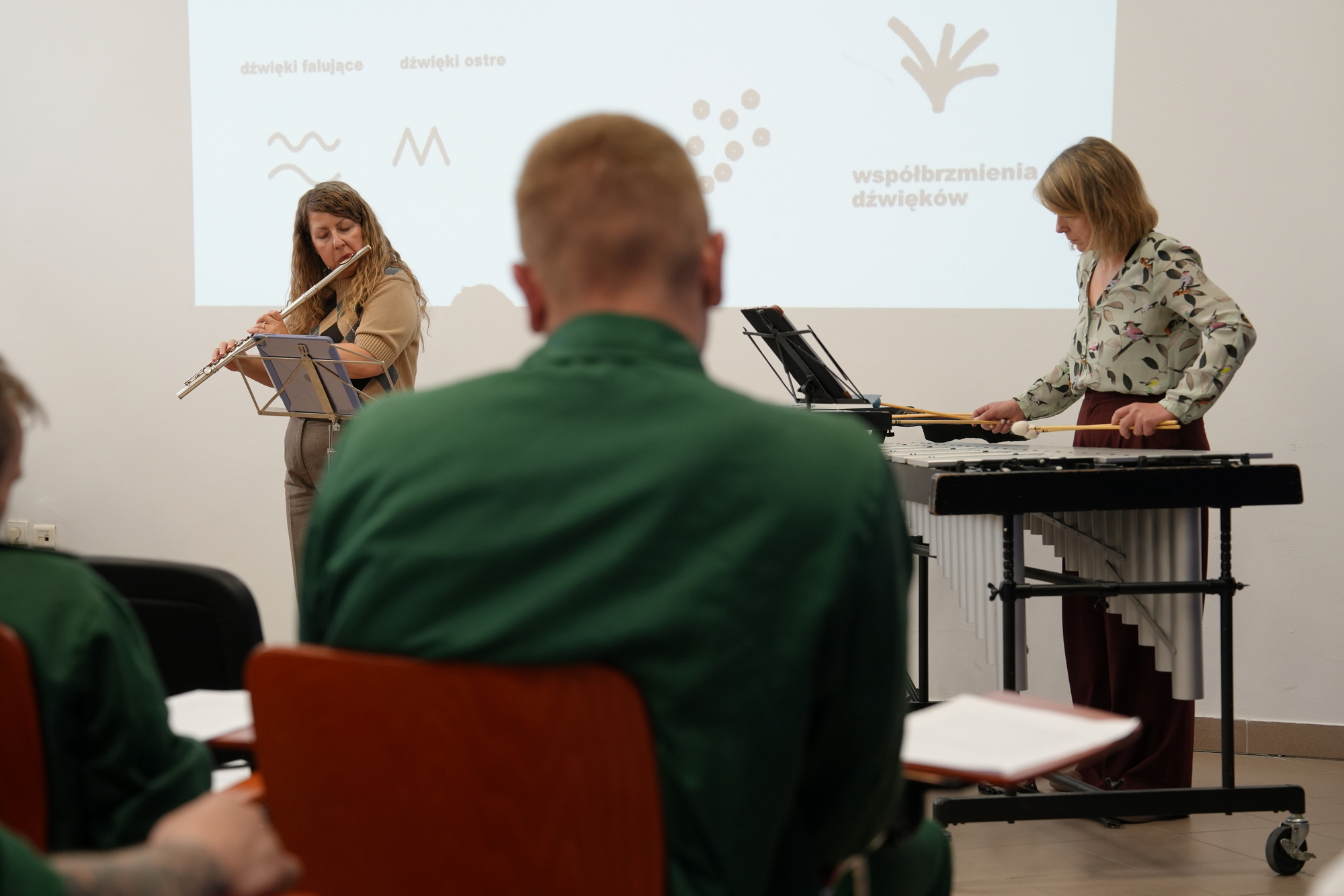

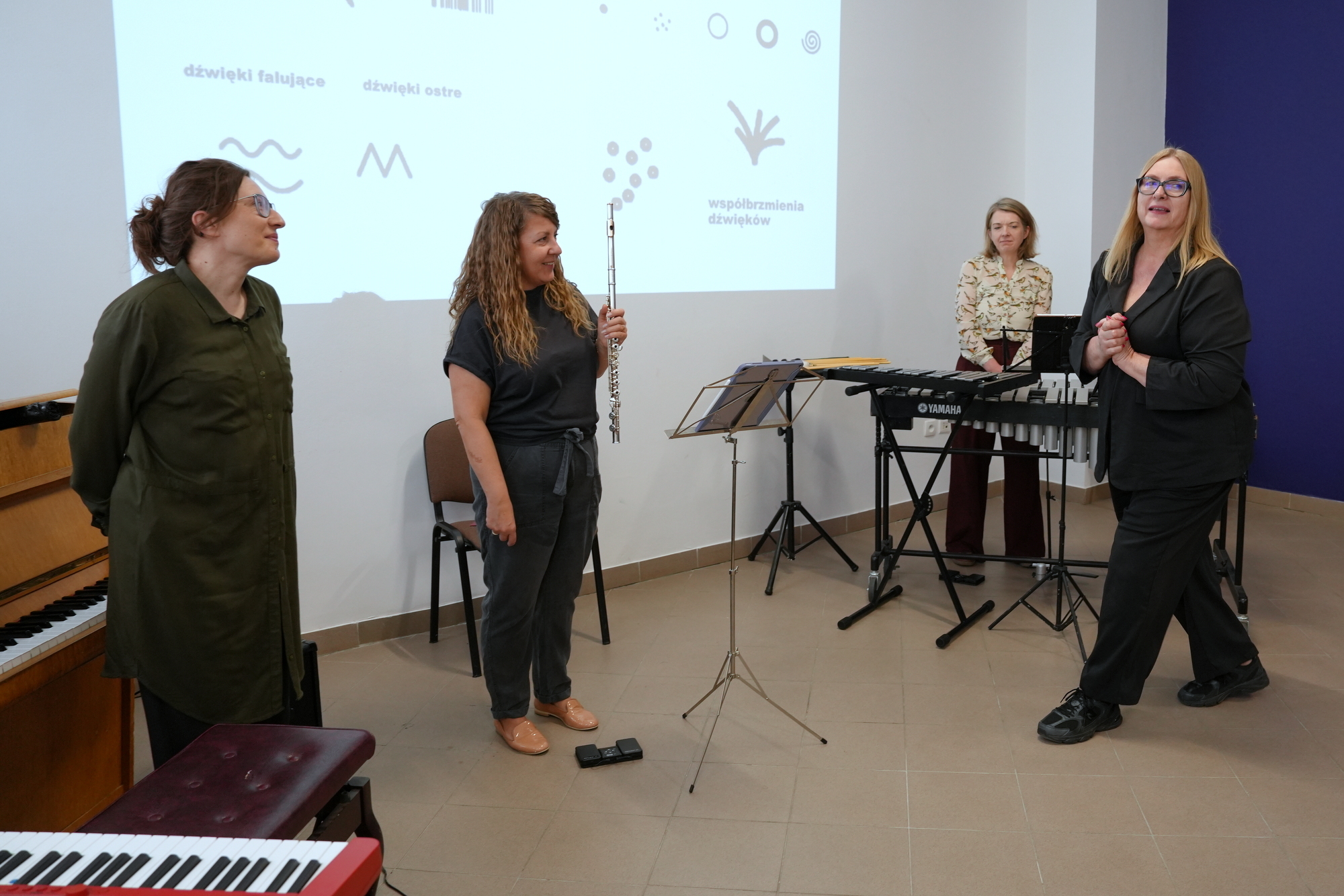
Photo: Archive Fundacja Dom Kultury
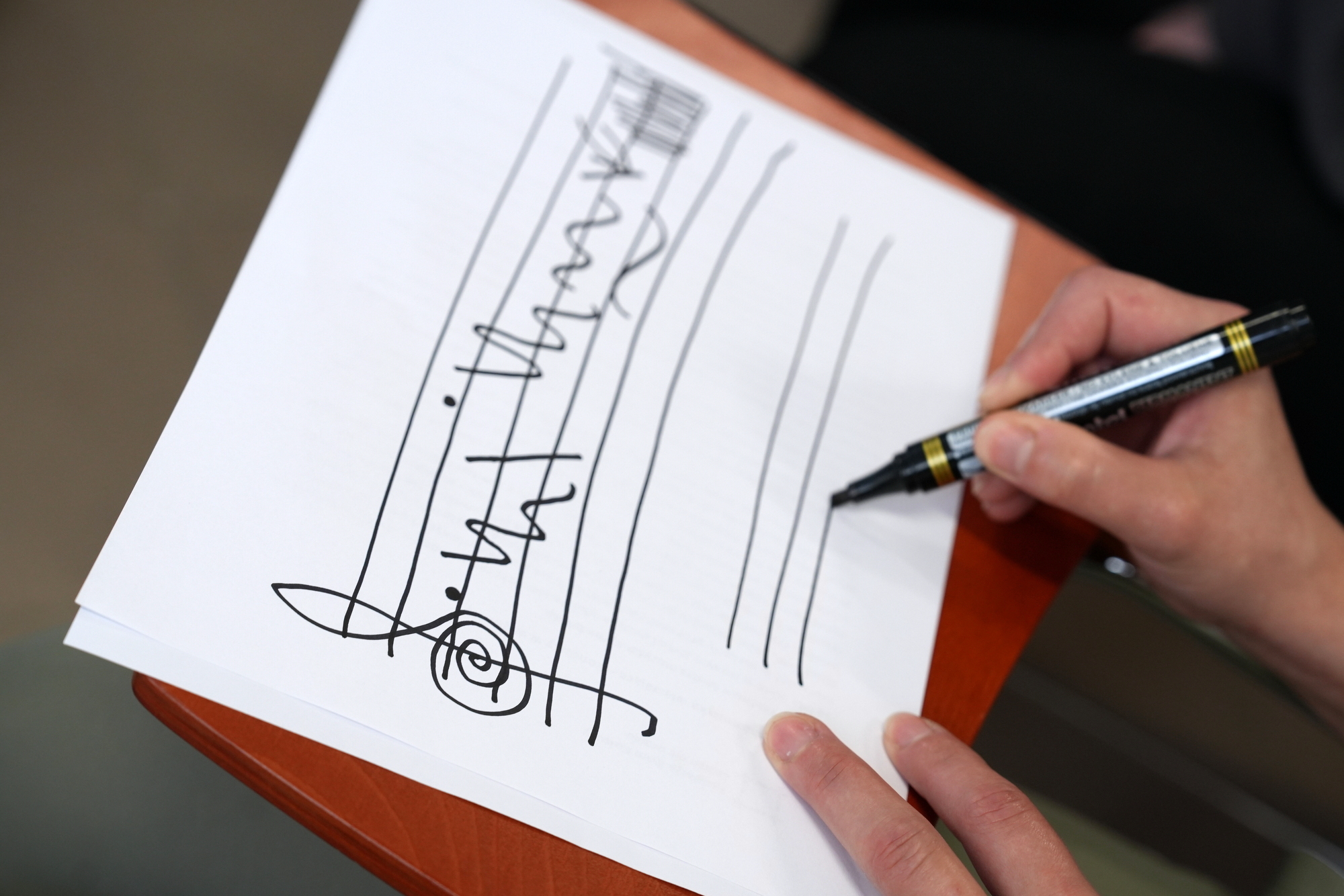
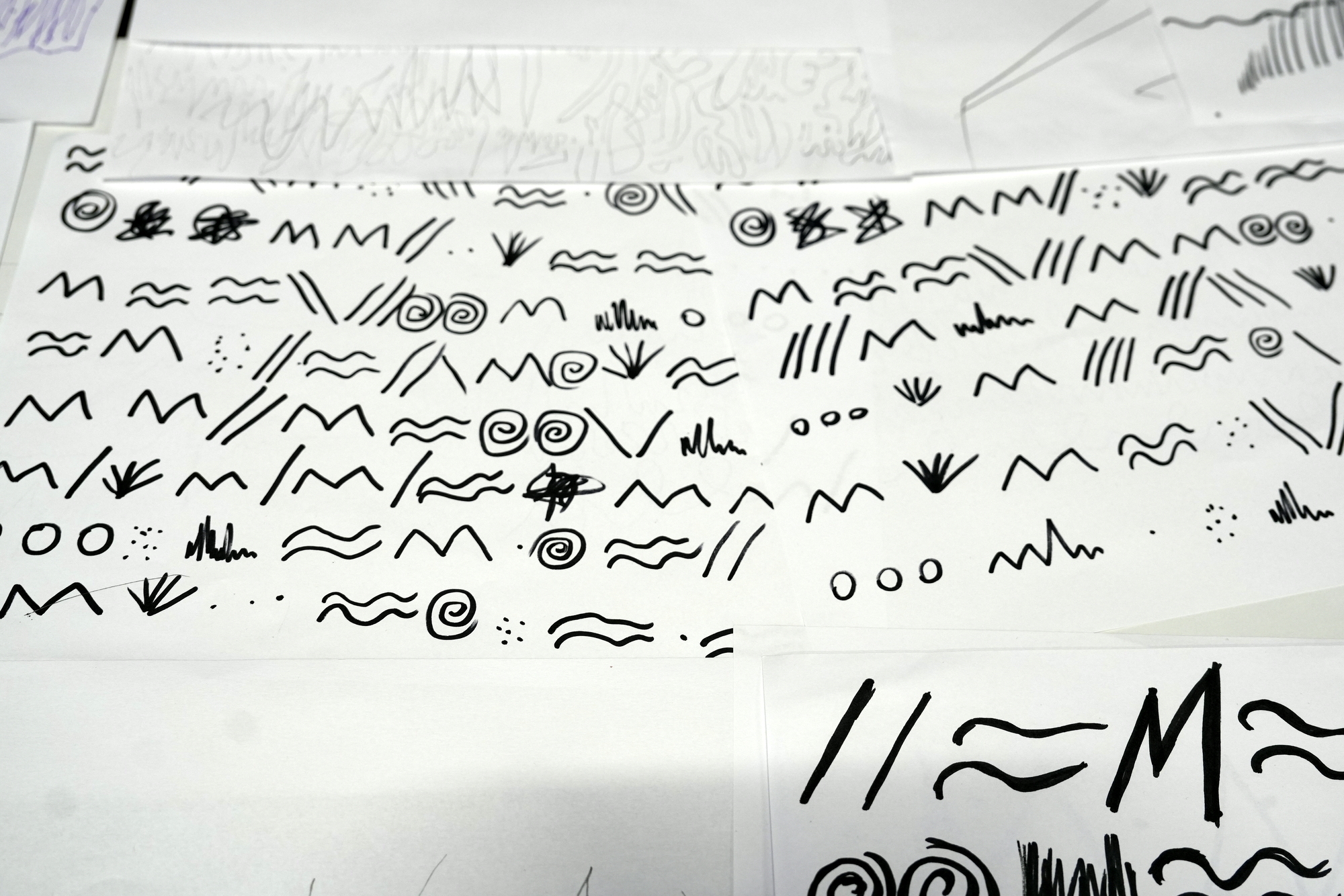

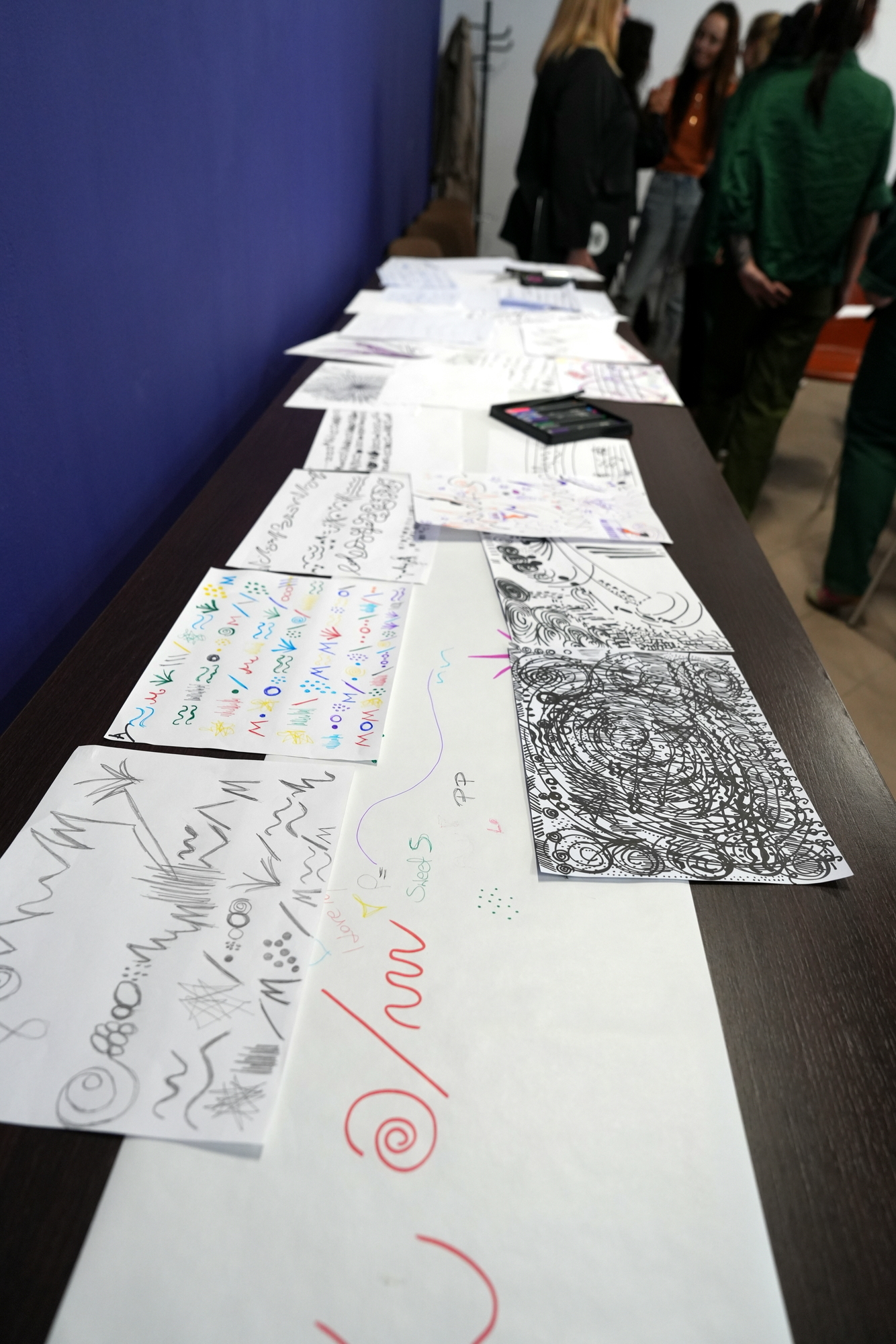
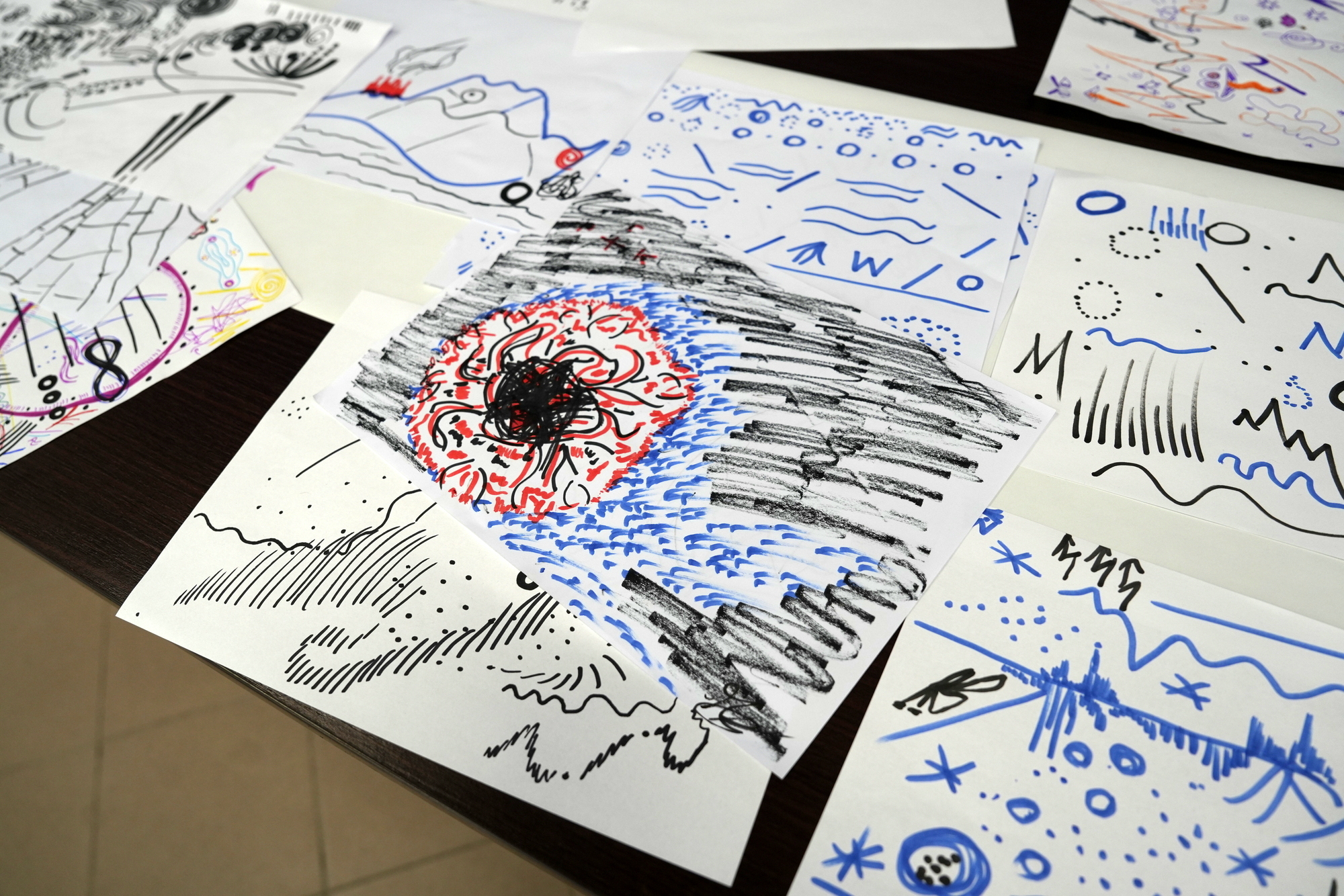

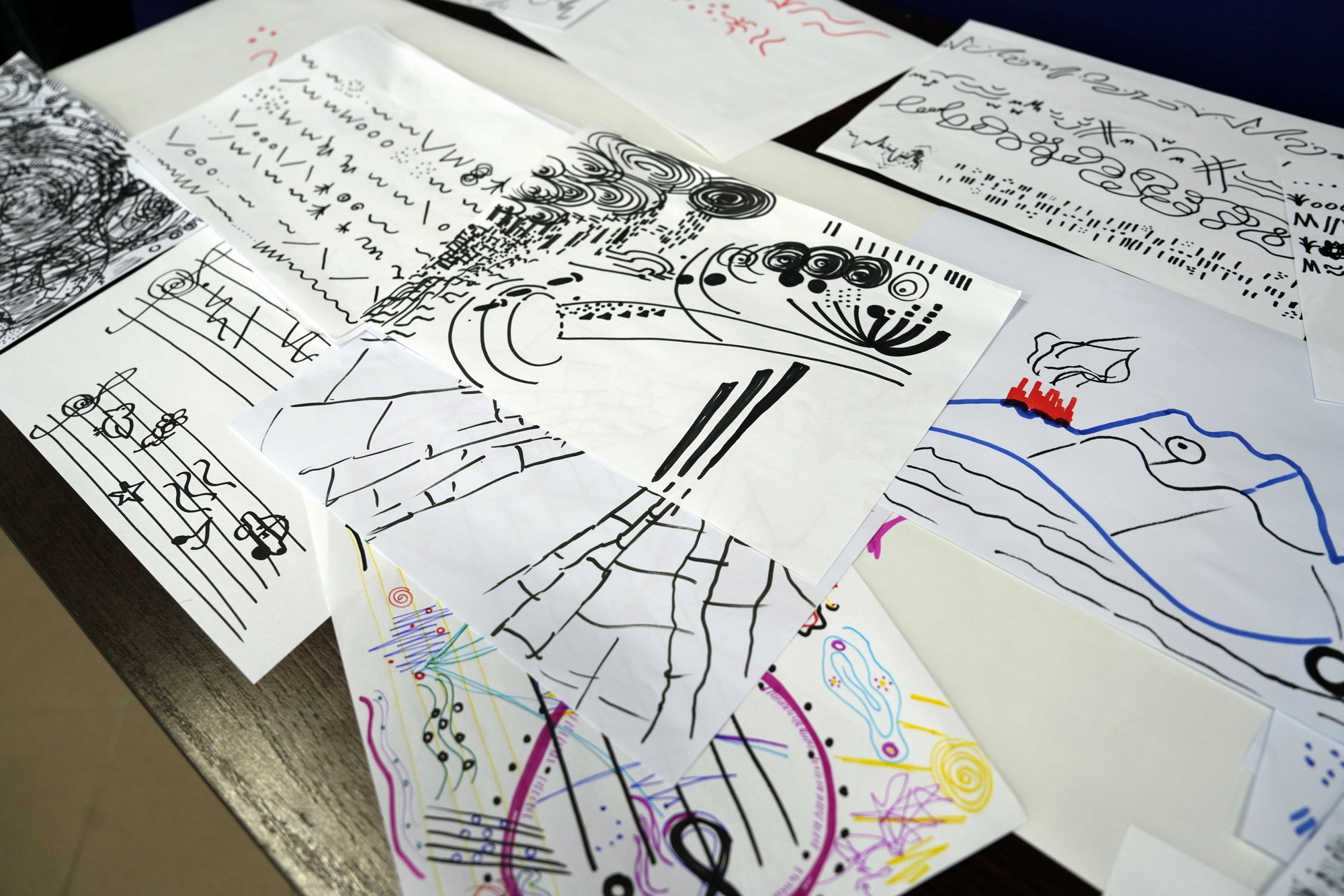
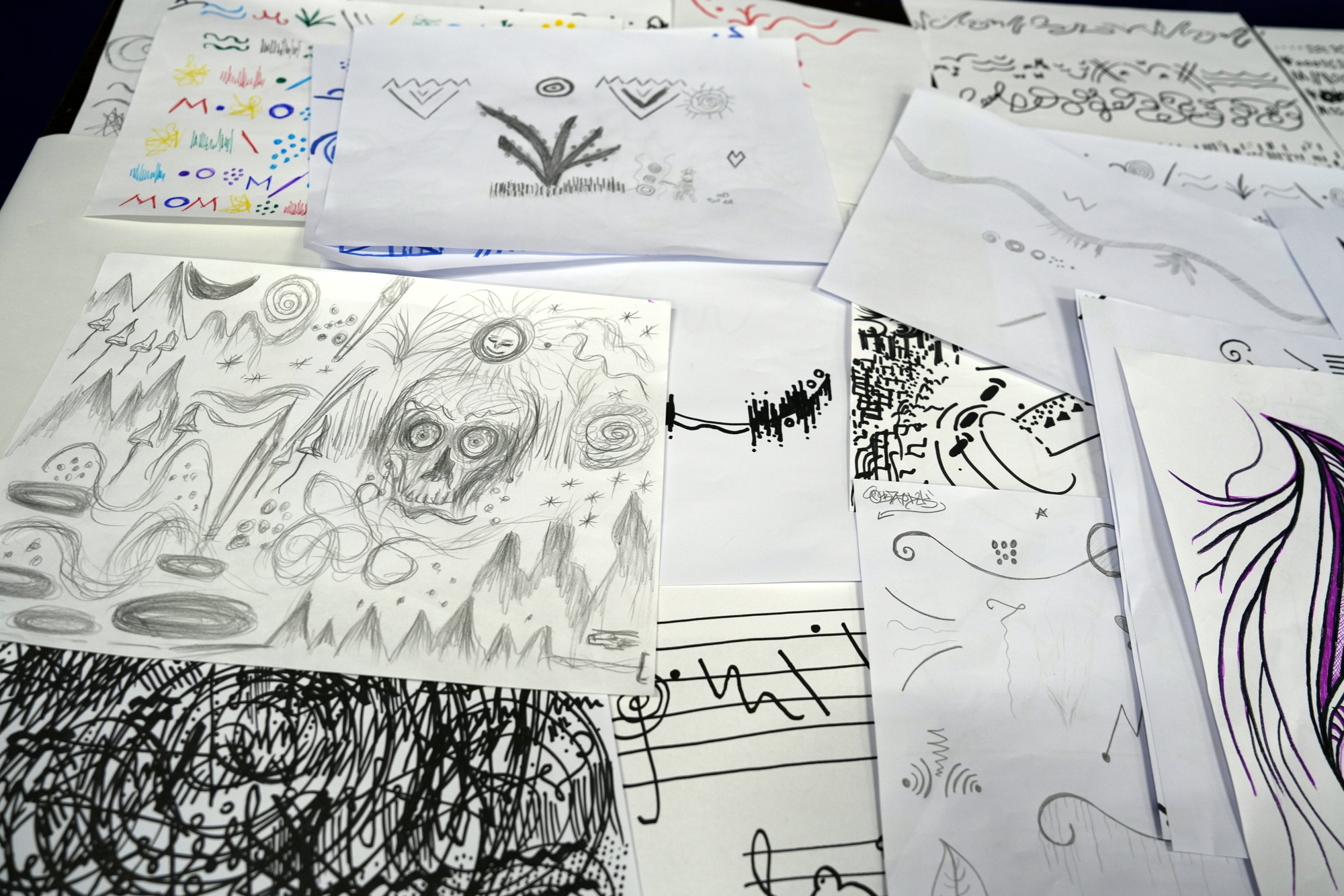
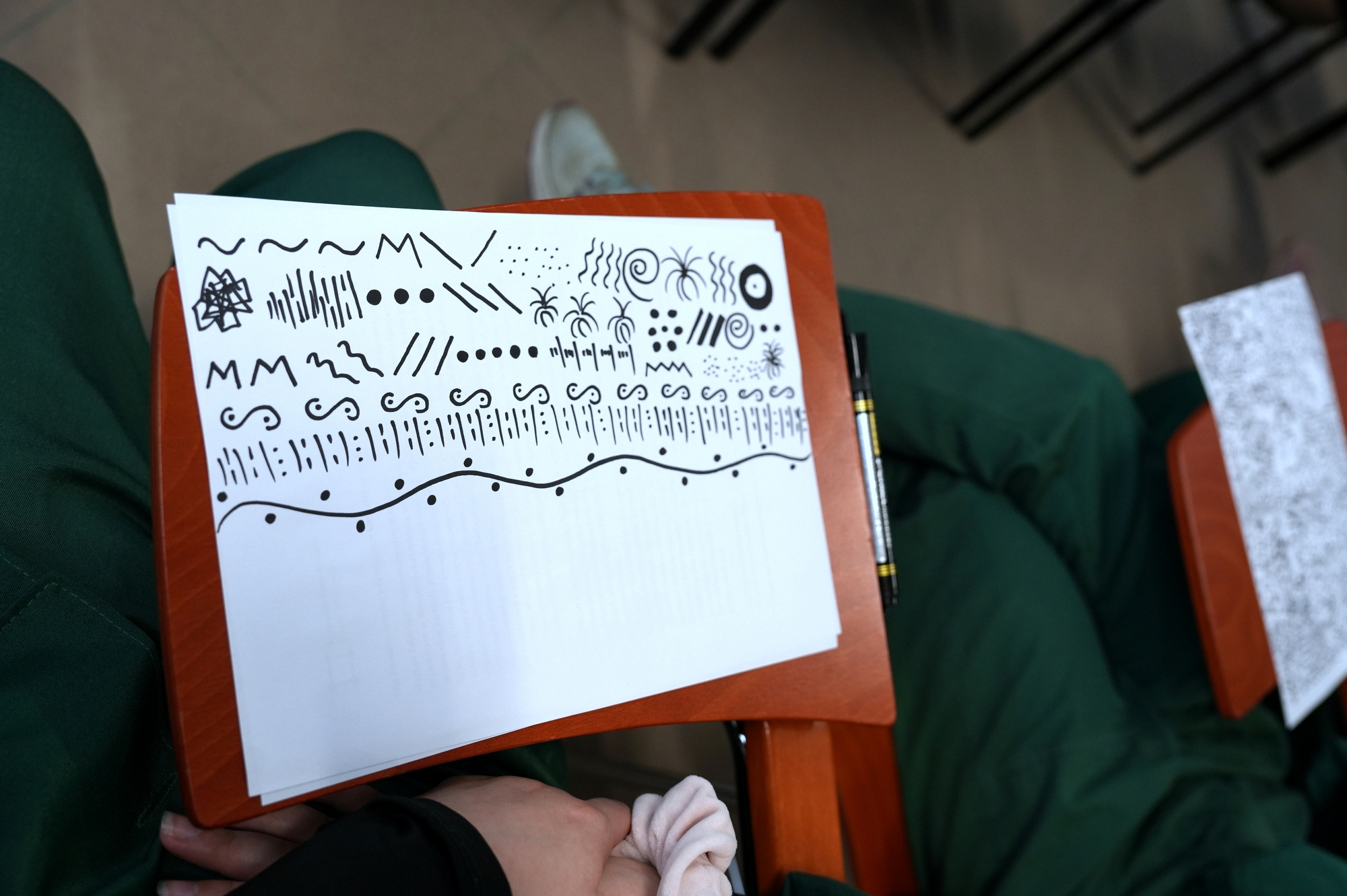
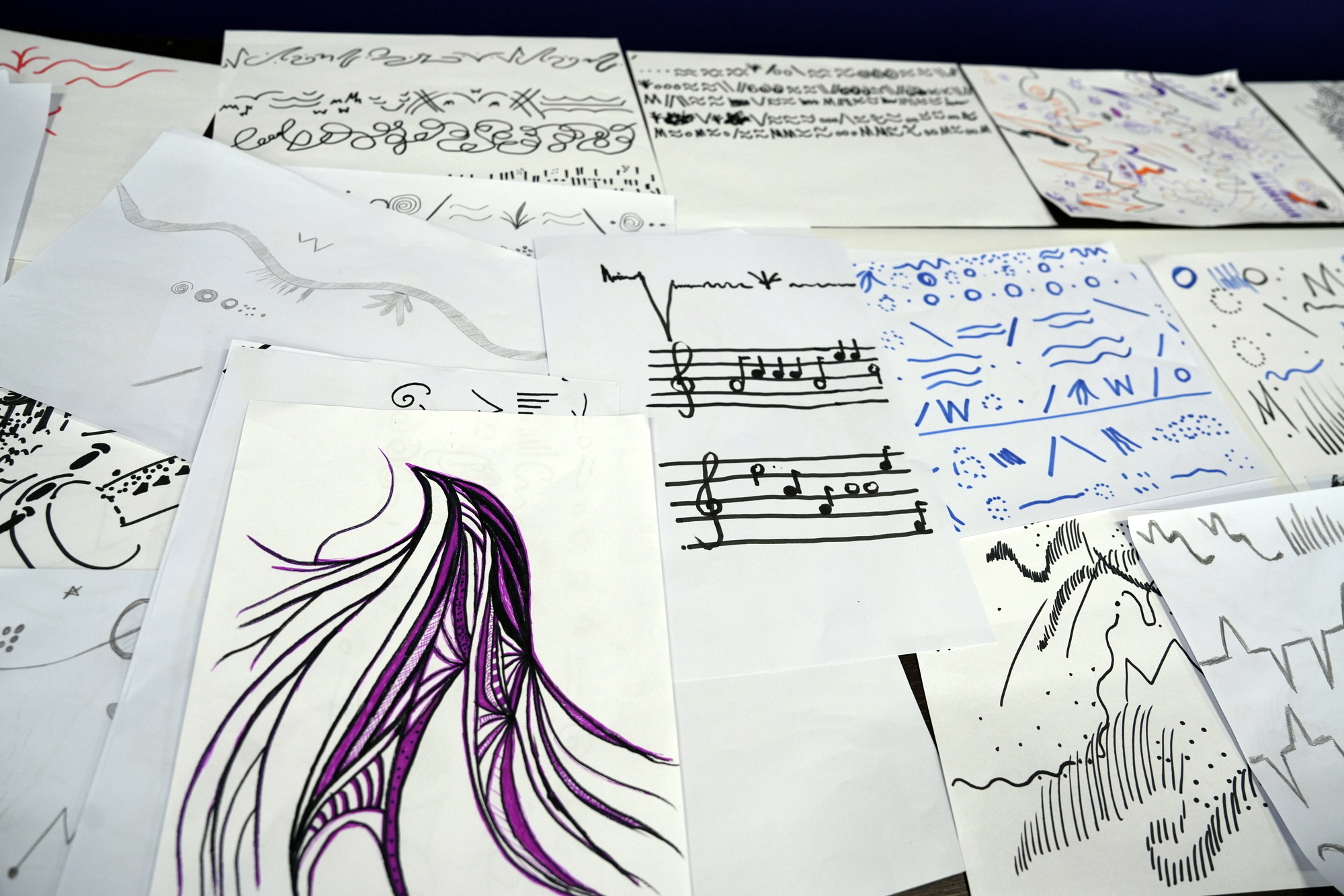
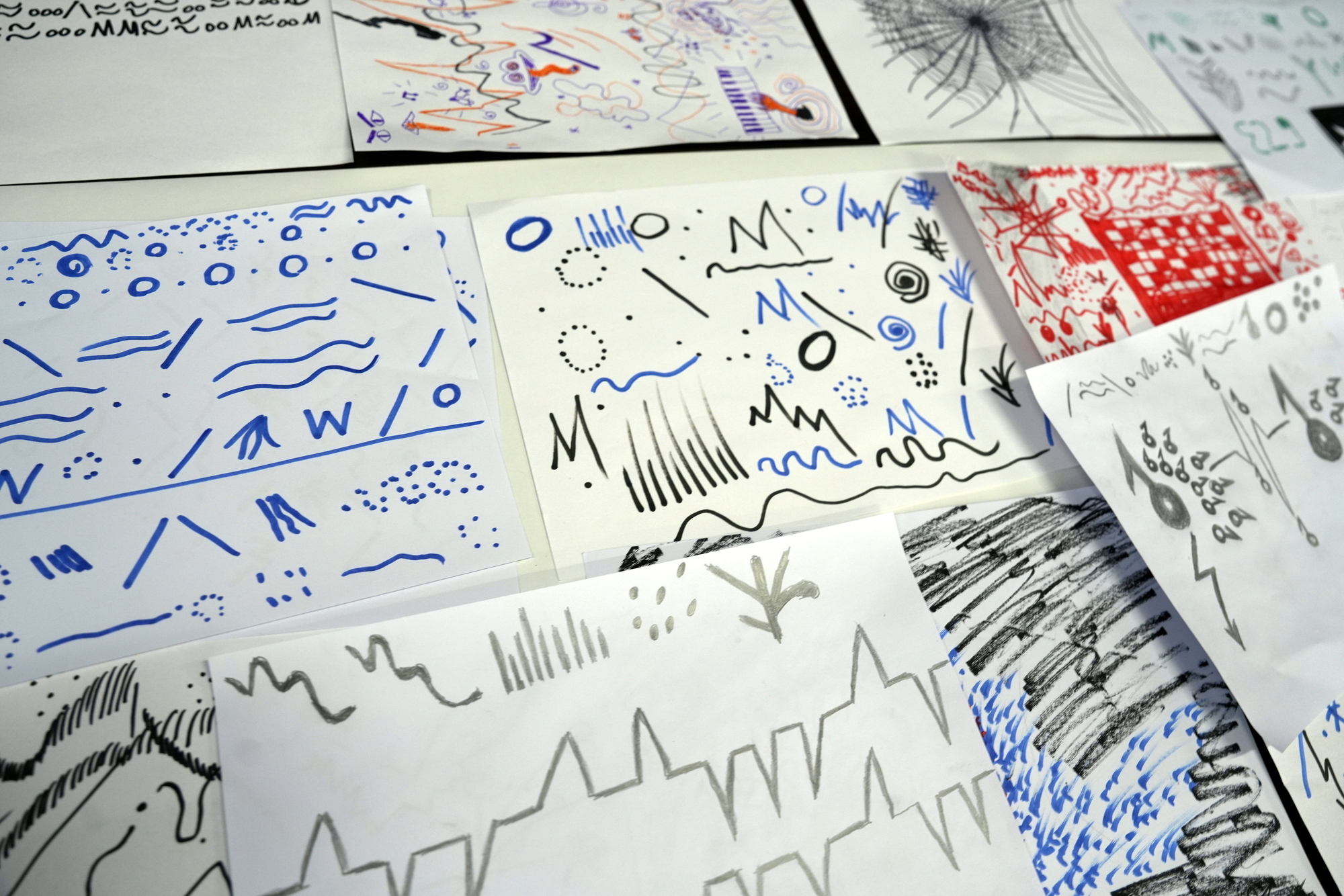
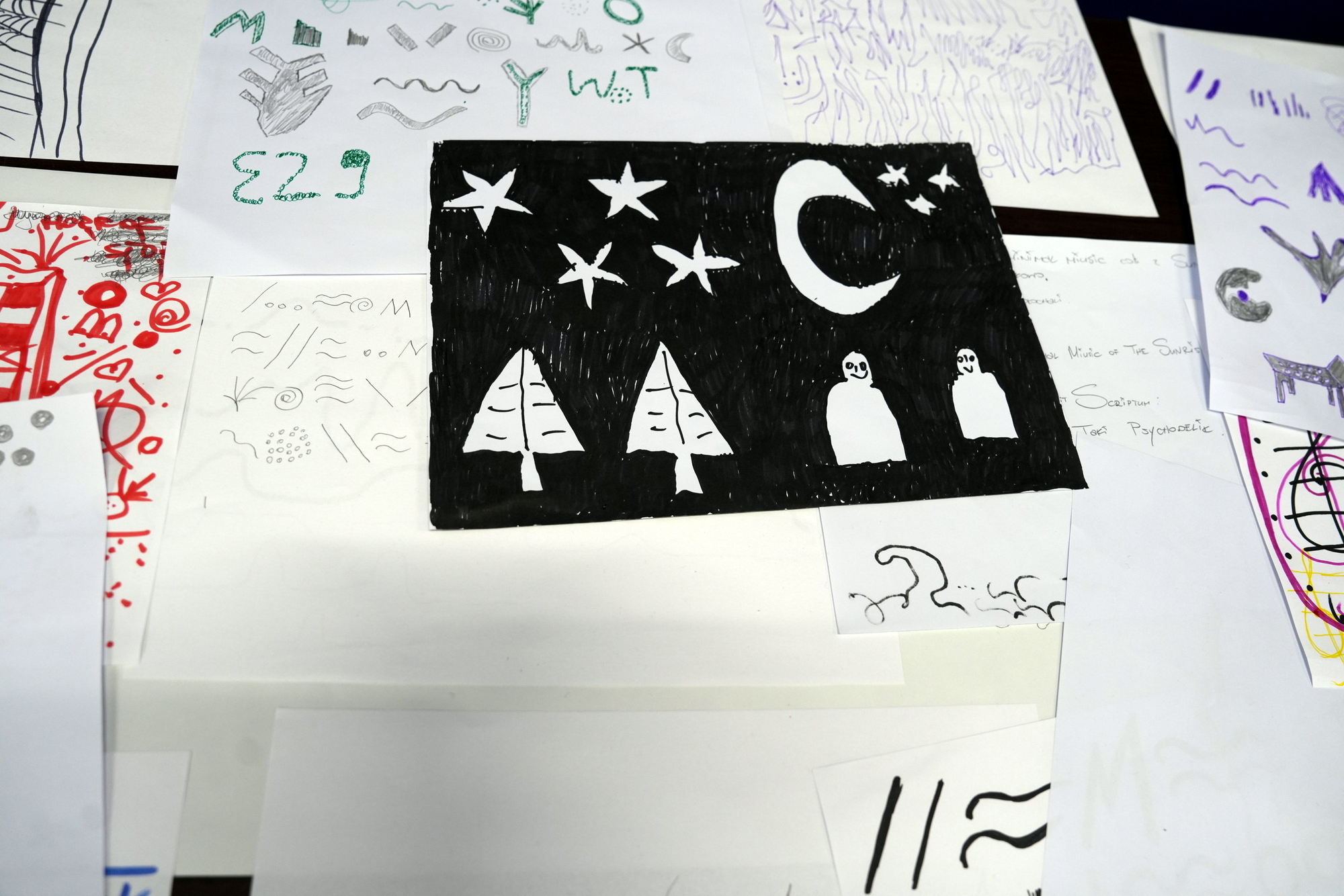
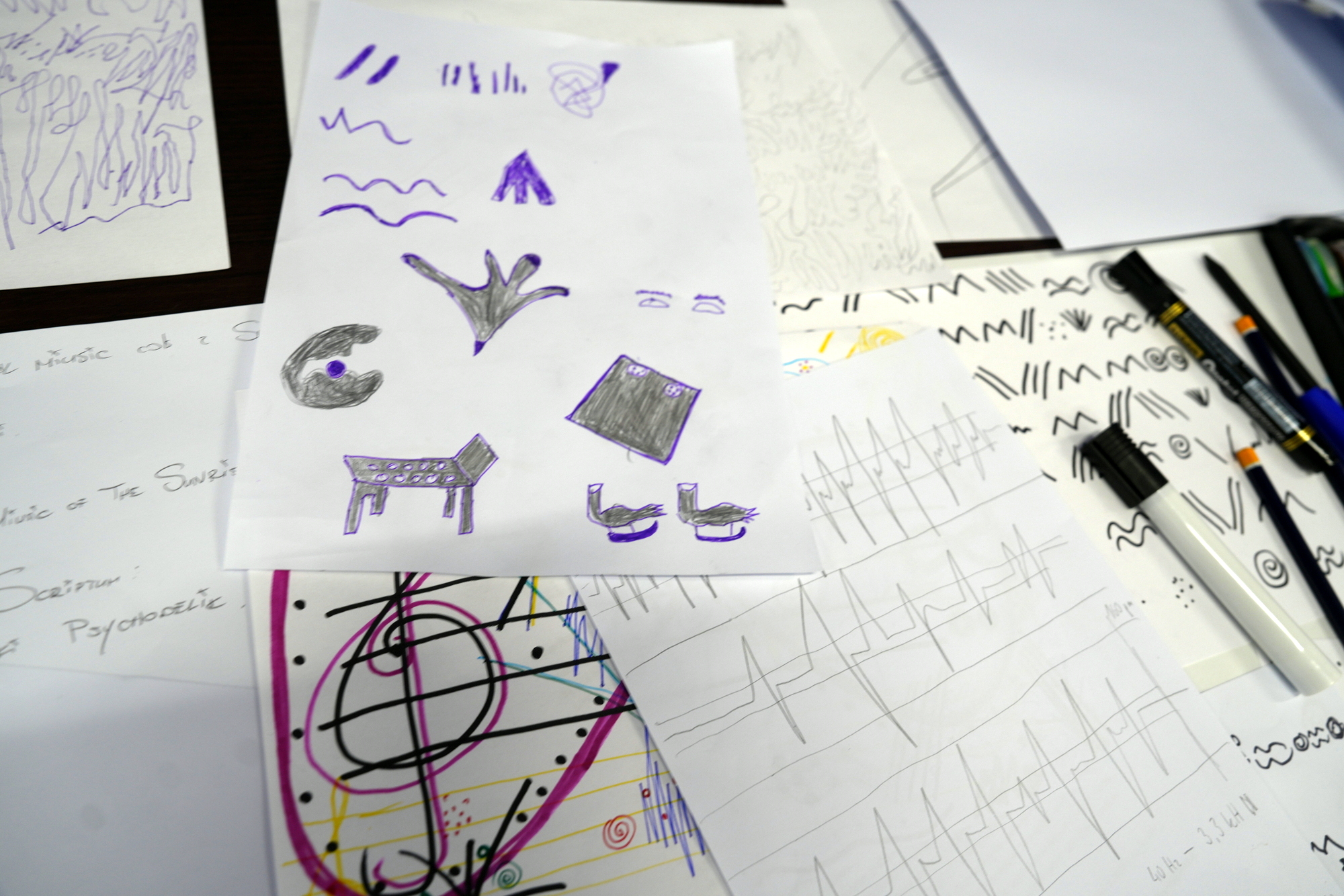

Photo: Archive Fundacja Dom Kultury

Graphics: Aleksandra Głowacka
Can history become a tool for education, creativity and social change? At Fundacja Dom Kultury, we believe it can. That is why we are launching “The Battle of Grunwald – A Prison Strategy Game”, a project that combines history education, art history, model-making, creative arts activities and strategy games with the social reintegration of people serving prison sentences.
The project is being carried out simultaneously in the Warsaw-Białołęka and Warsaw-Służewiec Remand Centres. It involves 40 men serving prison sentences.
The project begins with an introduction to the history of the Battle of Grunwald and the world of strategy games. The first workshop will be led by Grażyna Bastek – art historian, curator at the National Museum in Warsaw and one of Poland’s leading popularisers of art history. The starting point will be an analysis of Jan Matejko’s famous painting The Battle of Grunwald, which for more than a century has shaped Polish perceptions of one of the most important events in the history of Central Europe.
Participants will then work with artist Waldemar Petryk to create three-dimensional models of the battlefield. These will not be traditional historical reconstructions. Instead, the models will be designed as game boards inspired by the structure of a chessboard, enabling strategic gameplay.
The next stage will involve creating miniature figures representing the Polish-Lithuanian and Teutonic armies and developing the rules of an original strategy game inspired by tabletop wargaming mechanics. The workshops will be led by Krzysztof Nessel, who holds a Master’s degree in Social Rehabilitation and has long been involved in model-making and strategy games. Participants will learn the fundamentals of tabletop wargames, jointly develop the game rules and create cards describing the capabilities of individual military units.
The project will culminate in an online game between the two institutions. Immediately before the battle begins, participants will draw lots to determine whether they will fight on the side of the Polish-Lithuanian forces or the Teutonic Knights. As a result, the outcome of the battle will remain uncertain until the very last move. The finale will also include a lecture by Marcin Miros entitled “What If the Teutonic Knights Had Won?”, exploring the possible consequences of a Teutonic victory for the history of Poland and Europe.
People in prison belong to groups particularly vulnerable to social and cultural exclusion. Long-term isolation limits access to culture, education and contemporary social developments. It also makes it more difficult to develop interests, acquire new skills and maintain connections with social life outside prison.
This is why initiatives that enable active participation in culture are so important. The project is not limited to teaching historical facts. Participants become co-creators of the creative process – designing, building, painting, planning and making decisions. They learn cooperation, responsibility for a shared task and long-term planning.
The project also helps counteract the effects of social and digital exclusion that often accompany long-term imprisonment. Participants are introduced to contemporary forms of activity enjoyed by millions of people around the world, including model-making, strategy games, historical re-enactment and project-based creative work. They gain new skills and knowledge about cultural phenomena that are widely accessible outside prison but often remain beyond reach within it.
Throughout our work, we have repeatedly observed that contact with culture can become the beginning of lasting change. For some participants, this will be their first encounter with art history. For others, it may be the beginning of an interest in history, model-making, miniature painting or strategy games.
“The Battle of Grunwald – A Prison Strategy Game” demonstrates that history education does not have to be confined to textbooks and that culture can provide a space for developing new interests, strengthening skills and rebuilding a sense of agency. It is another project by Fundacja Dom Kultury that uses art, education and creativity as tools for the social inclusion of people serving prison sentences.
The project is implemented by Fundacja Dom Kultury thanks to funding provided by the Minister of Culture and National Heritage under the National Centre for Culture programme “Culture Interventions 2026.”


Fundacja Dom Kultury is preparing an exhibition summarising ten years of W Kratkę magazine, created since 2013 by women incarcerated in the Warsaw-Grochów Remand Centre in collaboration with visual artists.
At the end of 2026, Fundacja Dom Kultury will present an exhibition marking the tenth anniversary of W Kratkę – a unique project that has been developed since 2013 in the Warsaw-Grochów Remand Centre.
W Kratkę is one of the most interesting initiatives combining contemporary art, cultural education and socially engaged activities carried out in Polish prisons. The magazine is created by women serving prison sentences in collaboration with visual artists, designers, educators and editors. Each issue brings together two worlds: the experiences of incarcerated people and the language of contemporary culture and art.
In 2026, the tenth anniversary issue of the magazine will be published. To celebrate this occasion, we are preparing an exhibition presenting the achievements of the project and the story of a collaboration that, for more than a decade, has connected incarcerated people with renowned contemporary artists and a younger generation of creators.
The exhibition will feature original artworks published in W Kratkę, including drawings, prints, illustrations, objects and projects created specifically for individual issues of the magazine. These will be accompanied by selected editorial materials, photographs and documentation of the magazine’s development.
The exhibition will present not only finished artworks but also the collaborative process between incarcerated participants and artists. Visitors will be able to see how successive issues of the magazine were created, how relationships developed between participants, and what role art played in fostering dialogue, agency and participation.
Over the past ten years, the magazine has brought together both established figures of Polish contemporary art and emerging artists. The exhibition may include works by Paweł Althamer, Artur Żmijewski, Daniel Rycharski, Małgorzata Jabłońska, Piotr Szewczyk, Dorota Podlaska, Dariusz Vasina, Beata Sosnowska, Agnieszka Dybowska, Agnieszka Gójska, Magda Byczewska, Anna Tyczyńska, Agnieszka Semaniszyn-Konat, Justyna Kabala, Darren Kruk and Paweł Dunal.
An important part of the exhibition will also be works by students of the Graphic Design Department at SWPS University, who have contributed illustrations and graphic designs to the magazine for several years.
The exhibition will be presented in the foyer of Komuna Warszawa Theatre, one of Poland’s leading independent cultural institutions. The open nature of the foyer will make the exhibition accessible both to visitors coming specifically to see it and to audiences attending performances and other events organised by the theatre.
An integral part of the project will be a publication containing a curatorial text and a selection of materials documenting the history of W Kratkę and the activities developed around it since 2013. The publication will serve as a lasting record of the project and a tool for disseminating its results.
W Kratkę is more than a magazine. It is a long-term process of cultural education, empowerment, self-advocacy and increasing the visibility of incarcerated people in public life. The project demonstrates that culture can be a tool for communication, cooperation and social inclusion, while art can create a space for encounters between people who normally live on opposite sides of prison walls.
The exhibition will provide an opportunity to look back at ten years of this extraordinary collaboration and at art created in places where it is not usually expected to be found.
The project is co-financed by the Ministry of Culture and National Heritage from the Culture Promotion Fund – a state special-purpose fund, under the Cultural Education Programme