Volunteering Donations of goods  Student internships Donate 23 pln for our activities
We raise funds to carry out our statutory activities on an ongoing basis, including resocialisation activities in prisons, educational activities in Youth Centres and running the eWKartke.pl blog.
Account number: 28 1600 1462 1821 2325 1000 0001 Close

Summer Workshop Camp


Photo: Ada Szulc


The first edition of Summer Worshop Camp, or a summer of excitement!

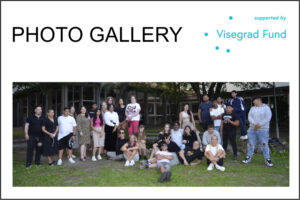
The Summer Worshop Camp was designed so that young people from most of the Visegrad countries would have the opportunity to learn about some of the important history that just happens to have left a significant mark in our part of Europe. This year, this history was followed by young people, participants and participants of the summer workshops, which were organized by the Dom Kultury (Culture House) Foundation in partnership with the organizations: Vzájemné soužití o.p.s. from the Czech Republic and ETP Slovakia and cooperation with the Cultural and Educational Association "Ros Harangos" from Krakow. Young Roma and Roma women from Poland, the Czech Republic and Slovakia met from July 29 to August 4 at the International Youth Meeting Center in Oświęcim (Auchwitz), to spend a week not only getting to know each other and integrating, but also to look back at the 79-year history of the extermination of the Roma people during World War II.

When carrying out such projects, the question always arises: how to convey to young people the knowledge of the tragic past that affected previous generations, and often people from their family? How to tell teenagers, about the fact that their ancestors were doomed to total annihilation, so as not to traumatize them once again? Finally, how do we commemorate the murdered, listen to the speeches of the survivors, so that at the same time we can get to know each other better, spend our free time having fun and integrating? These topics, despite the passing of almost eight decades after the war, will all the time appear among those involved in the historical education of children and young people. New generations come and right at the start they receive knowledge, about the past, which is actually a baggage of tragic experiences. For how to talk about the past of a nation that was doomed by the Nazis to total annihilation for its ethnicity alone? Therefore, the program of the summer camp was prepared for education, reflection, but also for joint educational and integrative games that helped to better understand the difficult history, but also to focus attention on the future. This future can be created by the next generation of young social activists and activists, just entering adulthood.

High on the camp's agenda, therefore, were presentations of the activities of each of the organizations and opportunities to look at how the Roma community is supported in neighboring countries, including mainly what is organized for children and young people. Learning about educational methods, interesting solutions from different countries, i.e. integration day care centers, workshops, cultural and sports activities, supporting children and youth in difficult family situations, refugees from Ukraine, as well as the opportunity to get to know activists and social activists from different experiences, their history and achievements

In turn, other parts of the workshop asked about identity, both individual and social. Who am I? How do others see me? What is important to me? Who do I want to be? These are probably the questions most often asked in the teenage years, and we wanted to answer this question together, together with our participants and participants, to learn about their way of looking at history and the present and, in the process, support the development of social competence. Agnieszka Caban and Iza Jaskowiak, trainers and long-time social activists, were helpful in this.

The strategic point of the program, however, was to prepare for a visit to the former Auchwitz-Birkenau concentration camp and to participate in events commemorating the 79th anniversary of the extermination of Roma and Sinti on August 2. A trainer from the International Youth Meeting Center prepared for this event.

On the penultimate day of the workshop, we found ourselves in Krakow, where we were guided by male and female guides, but we also went to Nowa Huta, where a painting workshop for young people led by one of the most interesting artists of the younger generation, Marcin Janusz, took place at Utopia Home - International Empathy Center. On the other hand, at the end of our meeting, a music workshop was conducted by Sinto Valentin, a musician and composer, and unofficially the best uncle to the participants and participants of the camp.

All the activities were led by an experienced team: female trainers and coaches, as well as artists, whose knowledge and expertise brought out important reflections, but also spent time in a safe, almost family atmosphere. This year's Summer Wokshop Camp brought a lot of emotions, both difficult ones that brought sadness, but also positive ones, in which joy prevailed with mutual curiosity and ideas for the future. We will share them in the next installment of our Summer Workshop Camp news!

Agnieszka Caban

Agnieszka Caban: cultural studies scholar, doctoral student at the University of Warsaw at the Doctoral School of Cultural and Religious Studies, researcher of national and ethnic minority cultures, specialist in multiculturalism. Lecturer and trainer in intercultural communication, anti-discrimination, self-advocacy and others. Social activist and human rights defender. President of the Dom na Pograniczu Foundation, member of the Programme Council of the Dom Kultury Foundation.


The International Visegrad Fund is a donor organization established in 2000 by the governments of the Visegrad Group countries – Czechia, Hungary, Poland and Slovakia. 


The project is co-financed by the Governments of Czechia, Hungary, Poland and Slovakia through Visegrad Grants from International Visegrad Fund. The mission of the fund is to advance ideas for sustainable regional cooperation in Central Europe.


More about the Grantor

Fundacja Dom Kultury

Vzájemné soužití

ETP Slovensko

My place on Earth

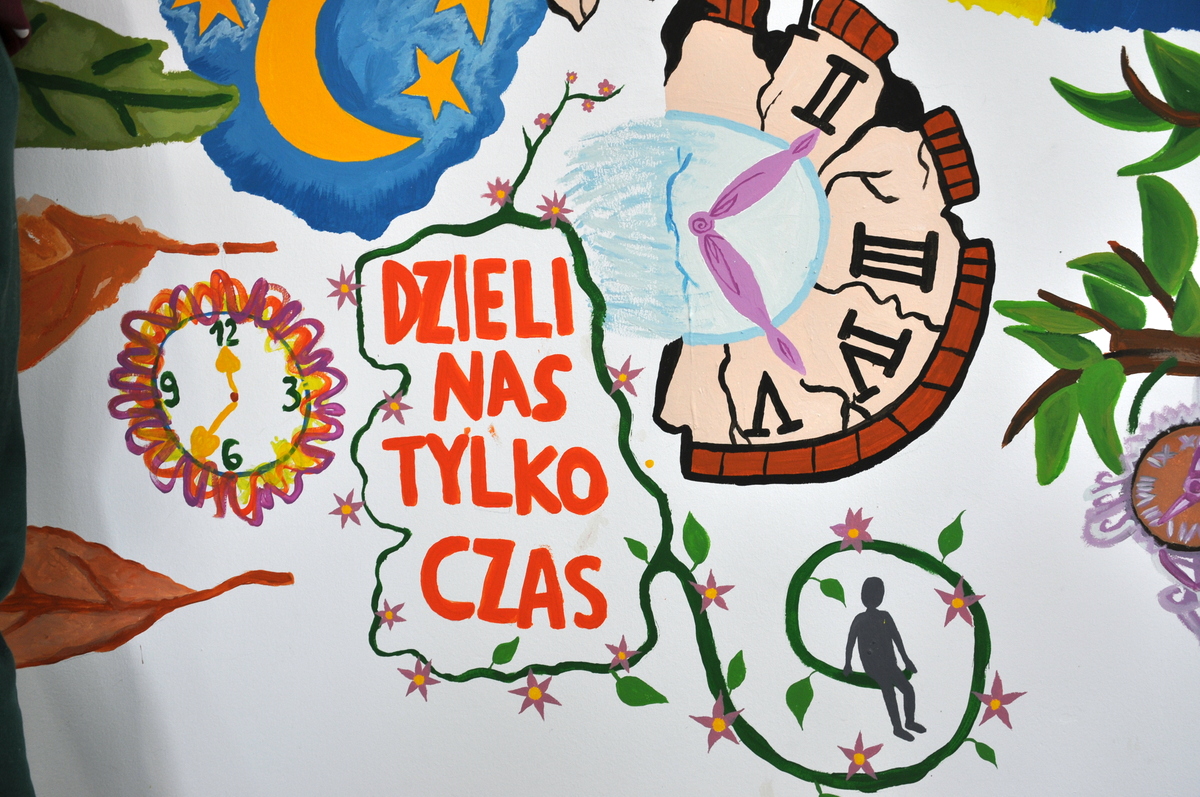
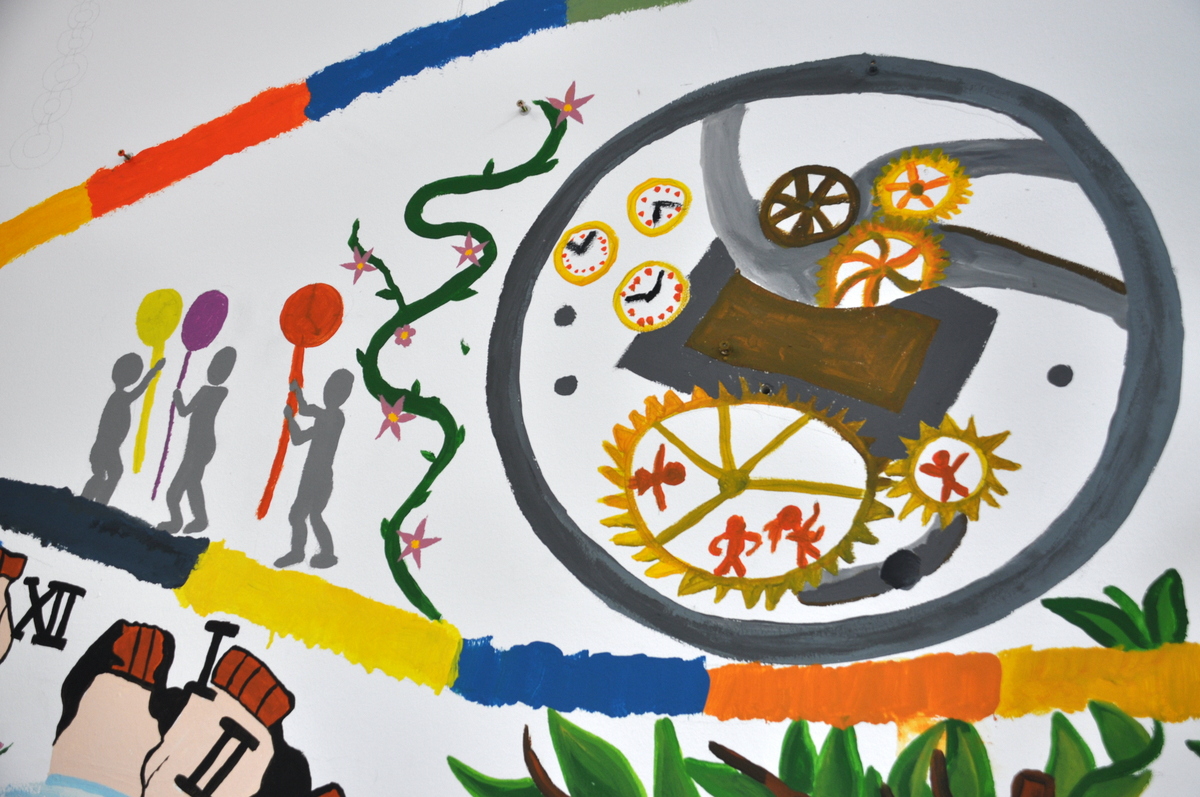
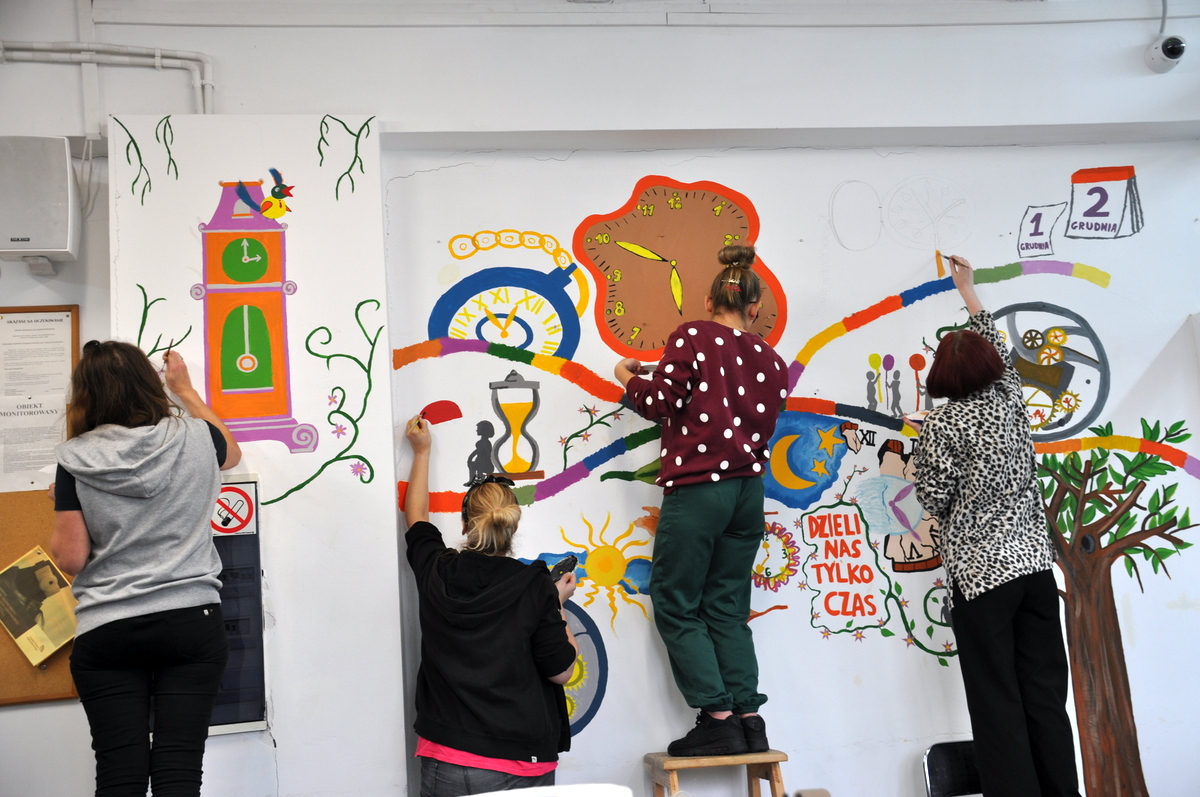
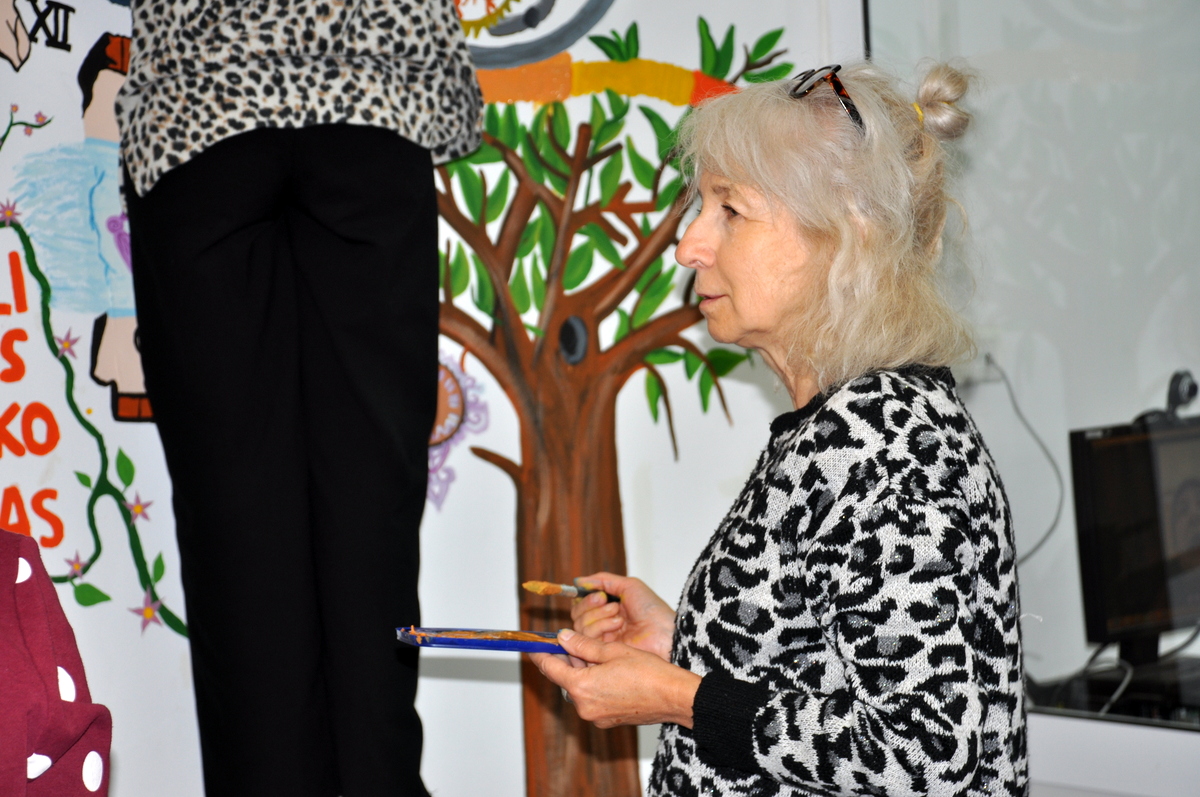
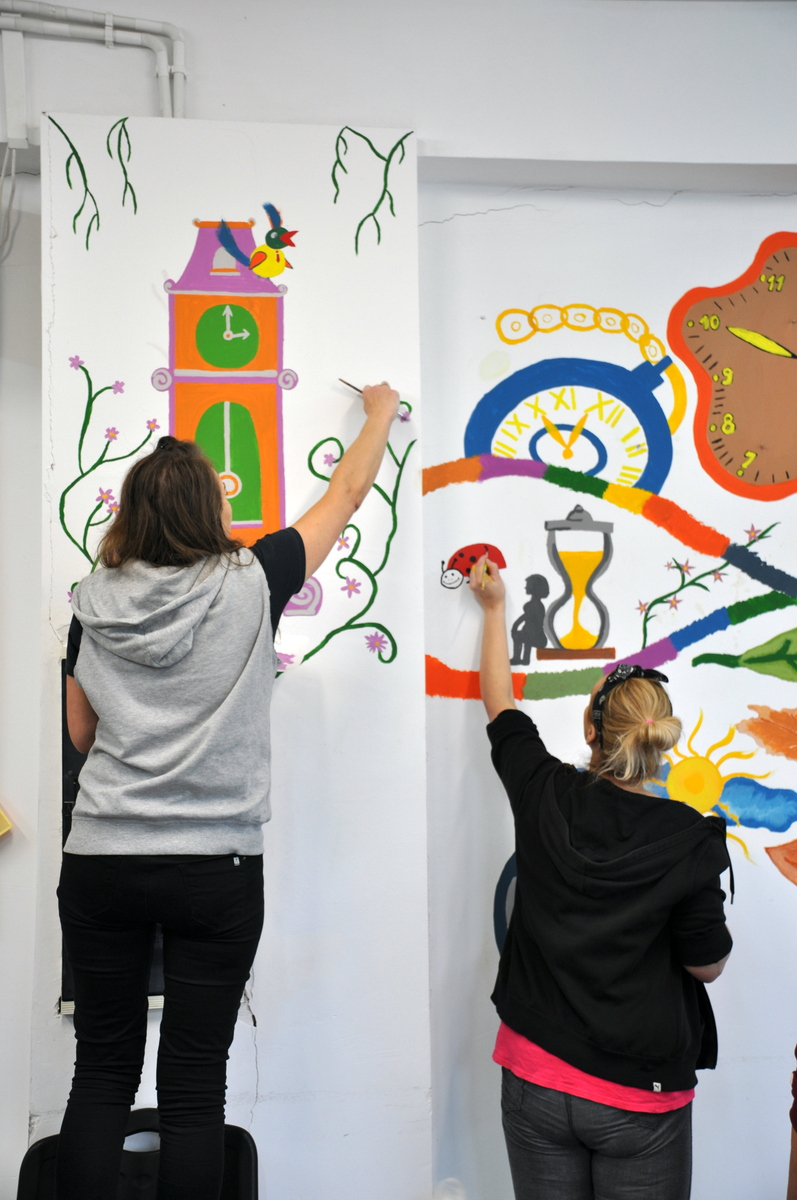
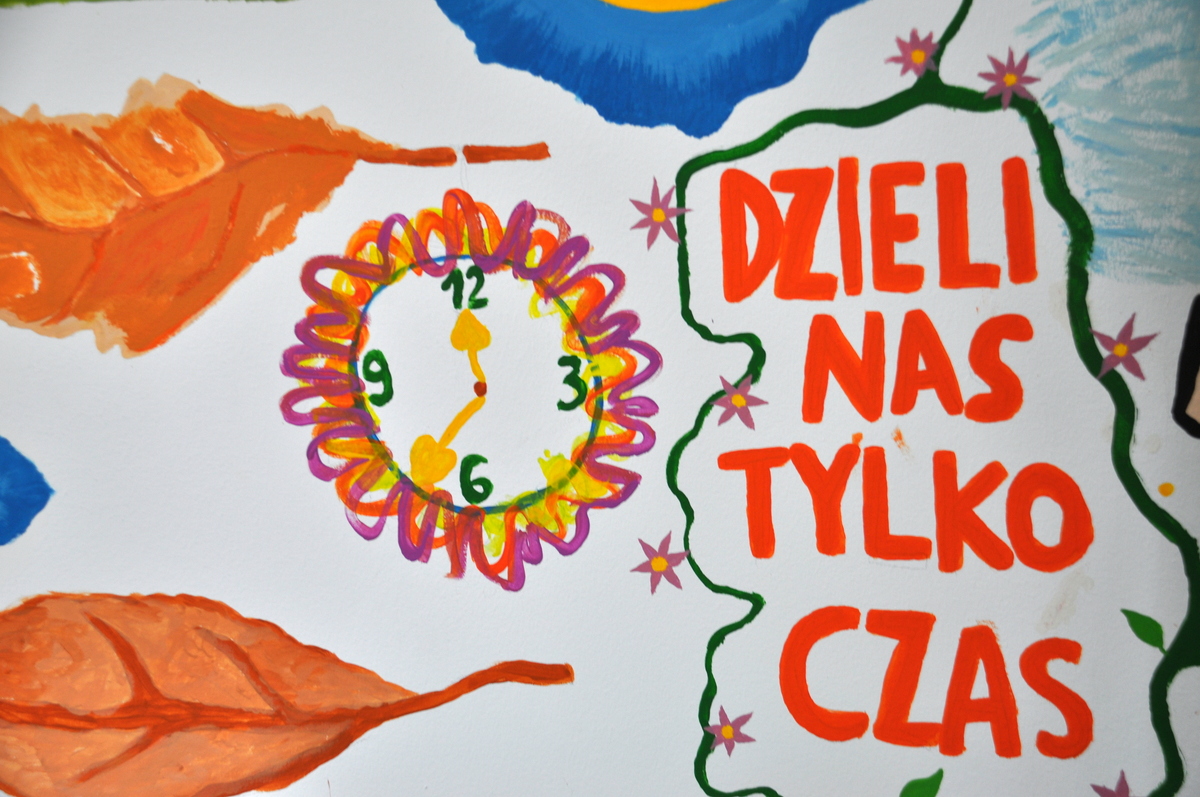
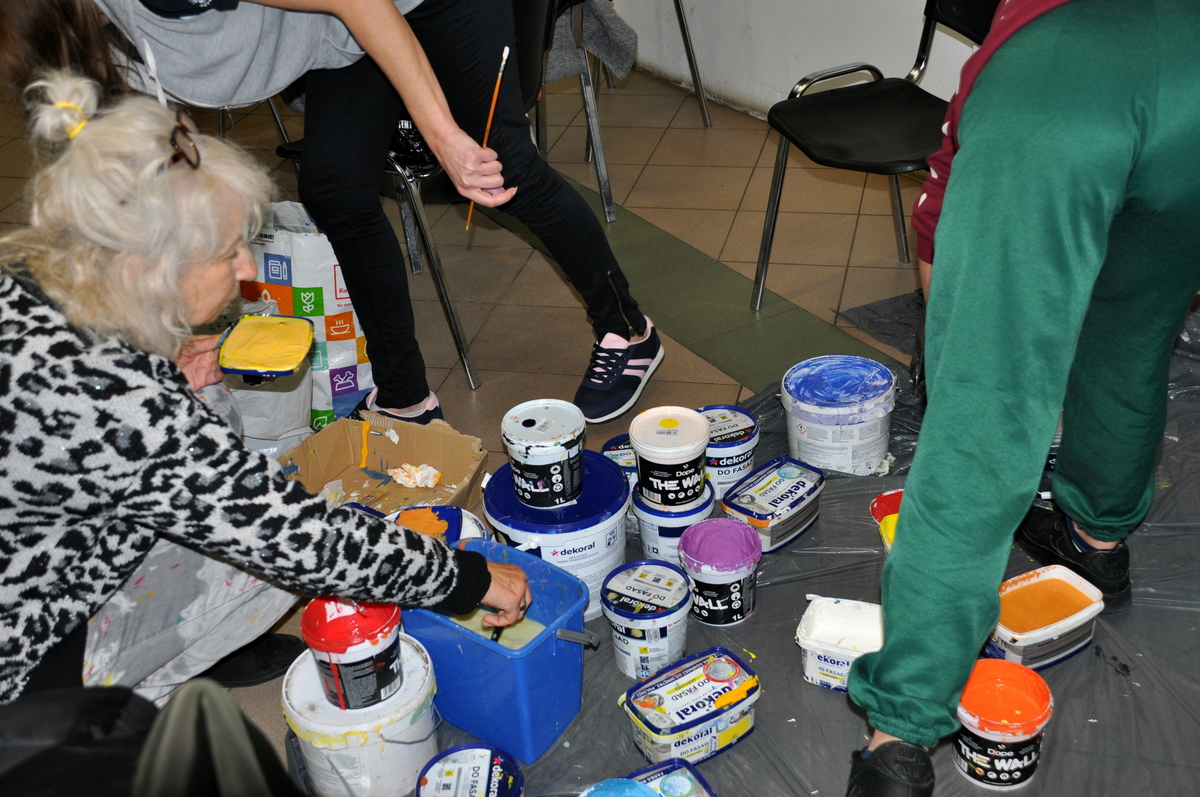
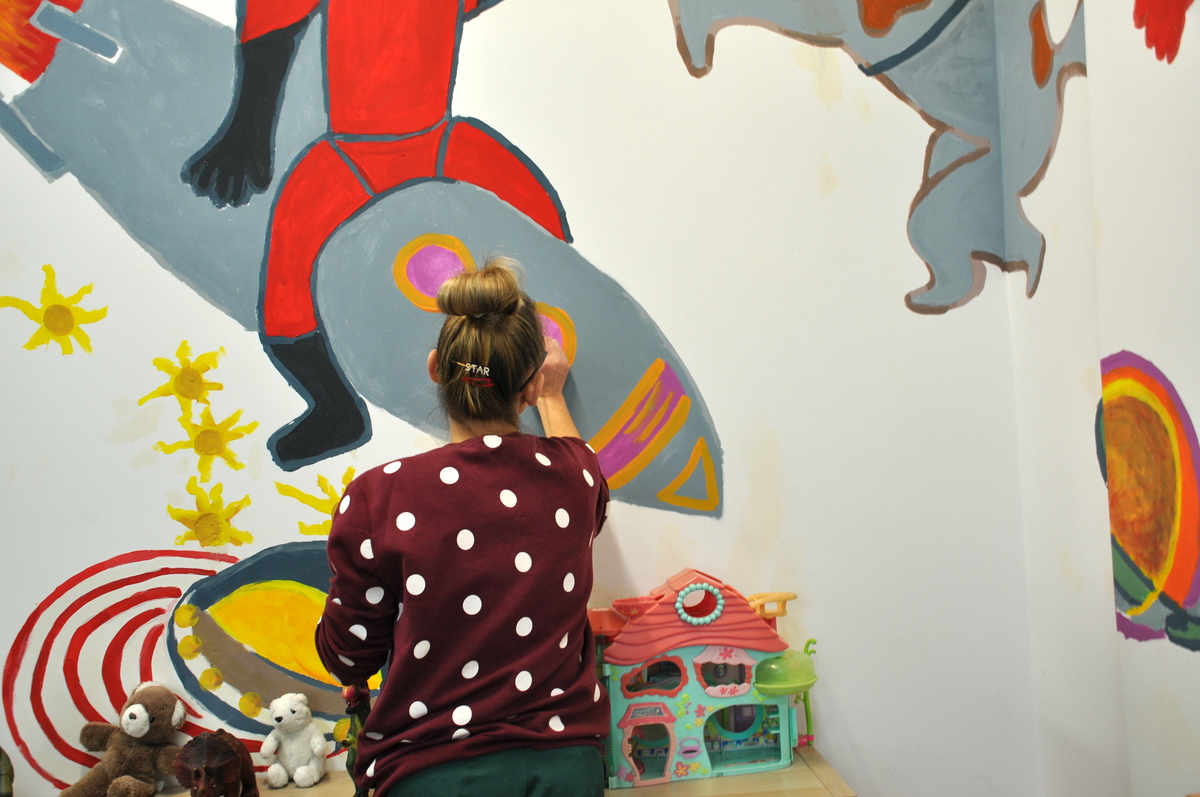
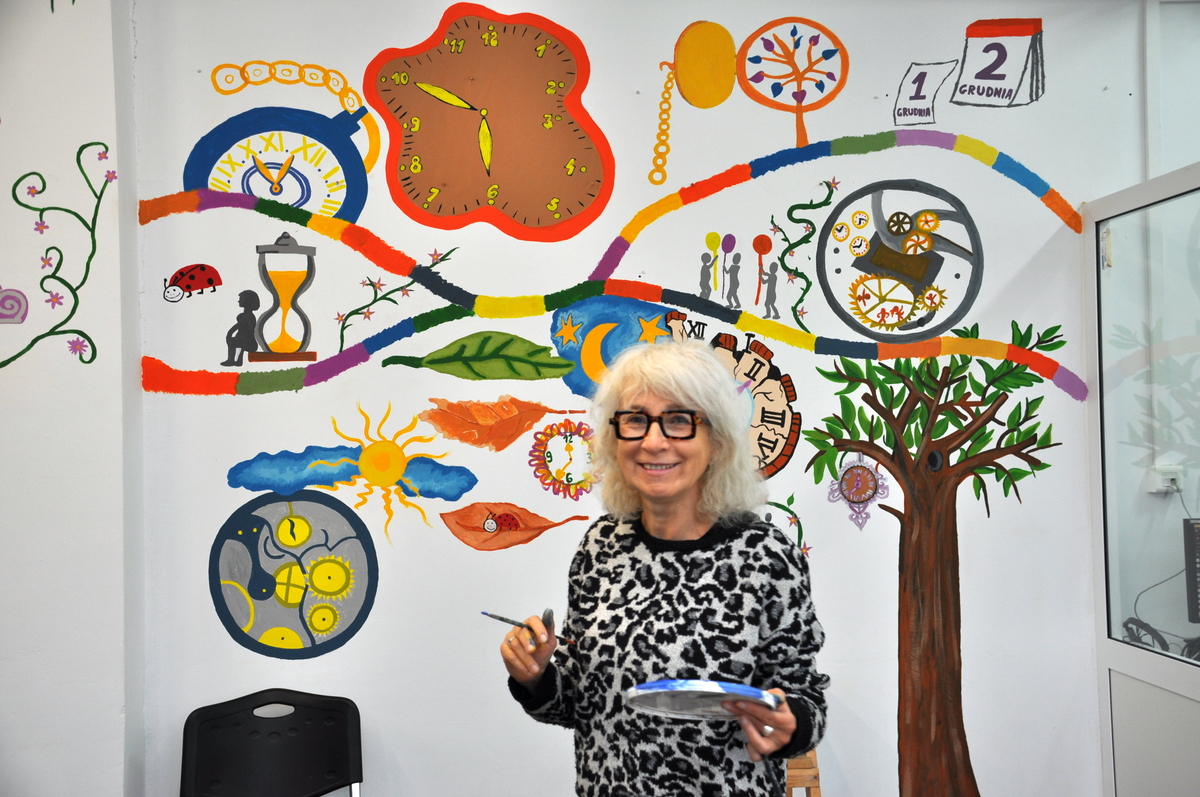
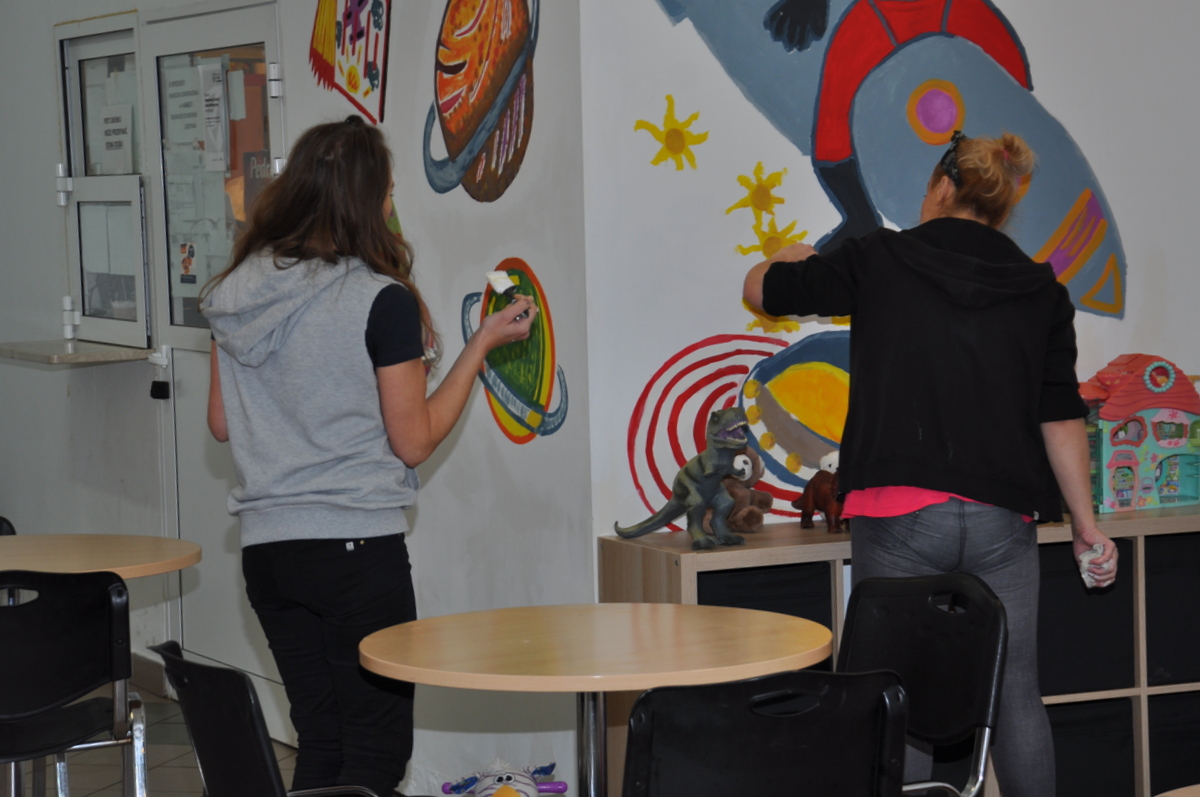
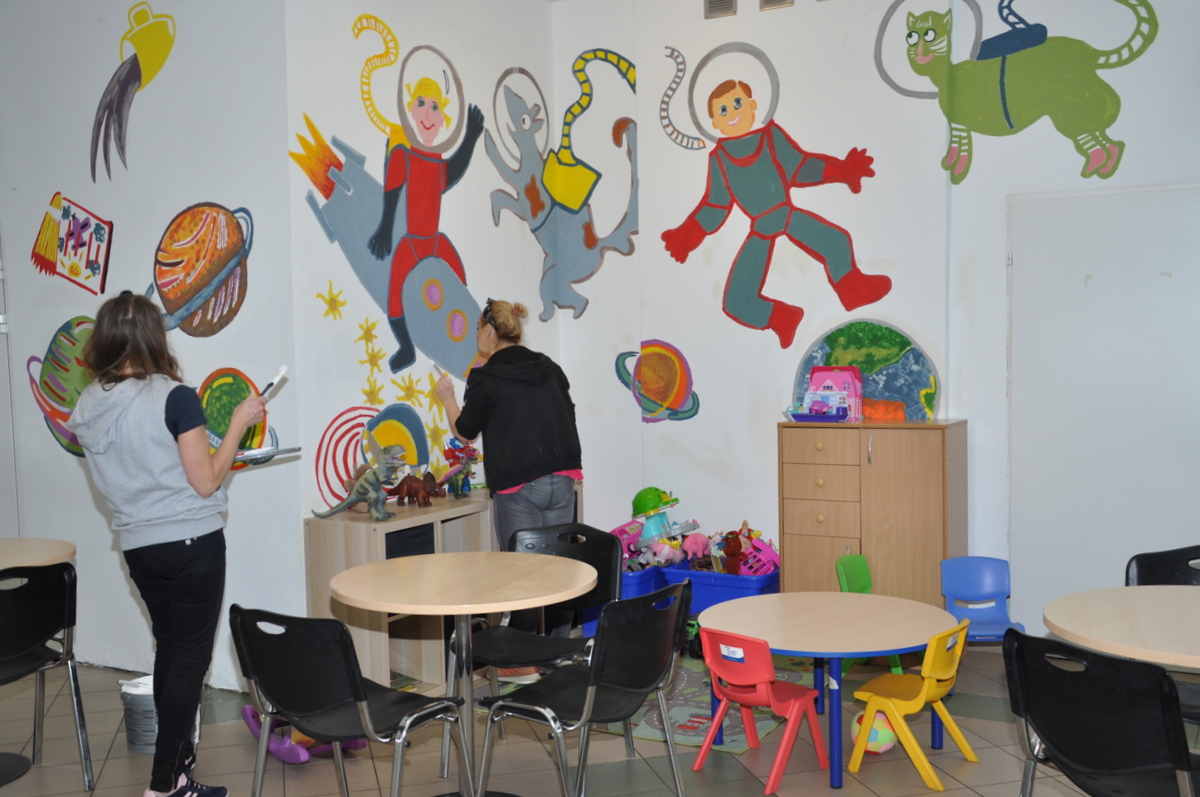
A part of a larger project, by Zuzia We are painting the children’s corner in

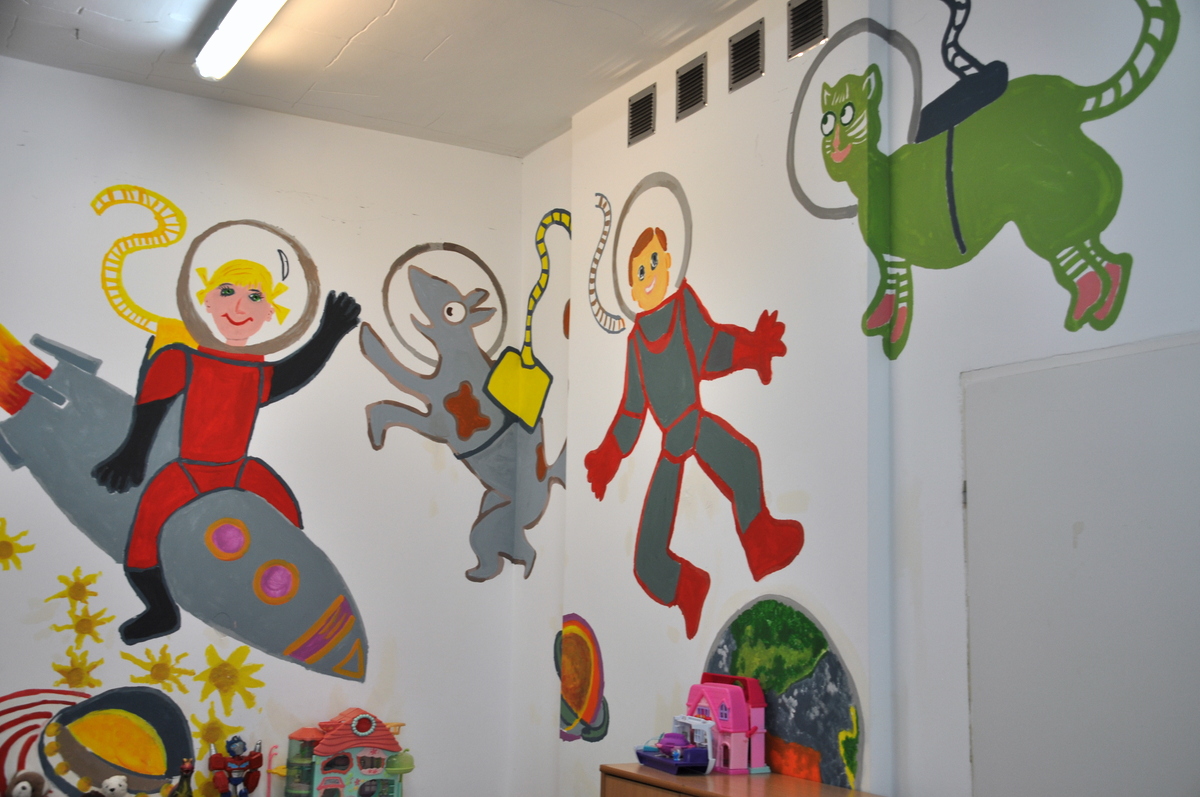
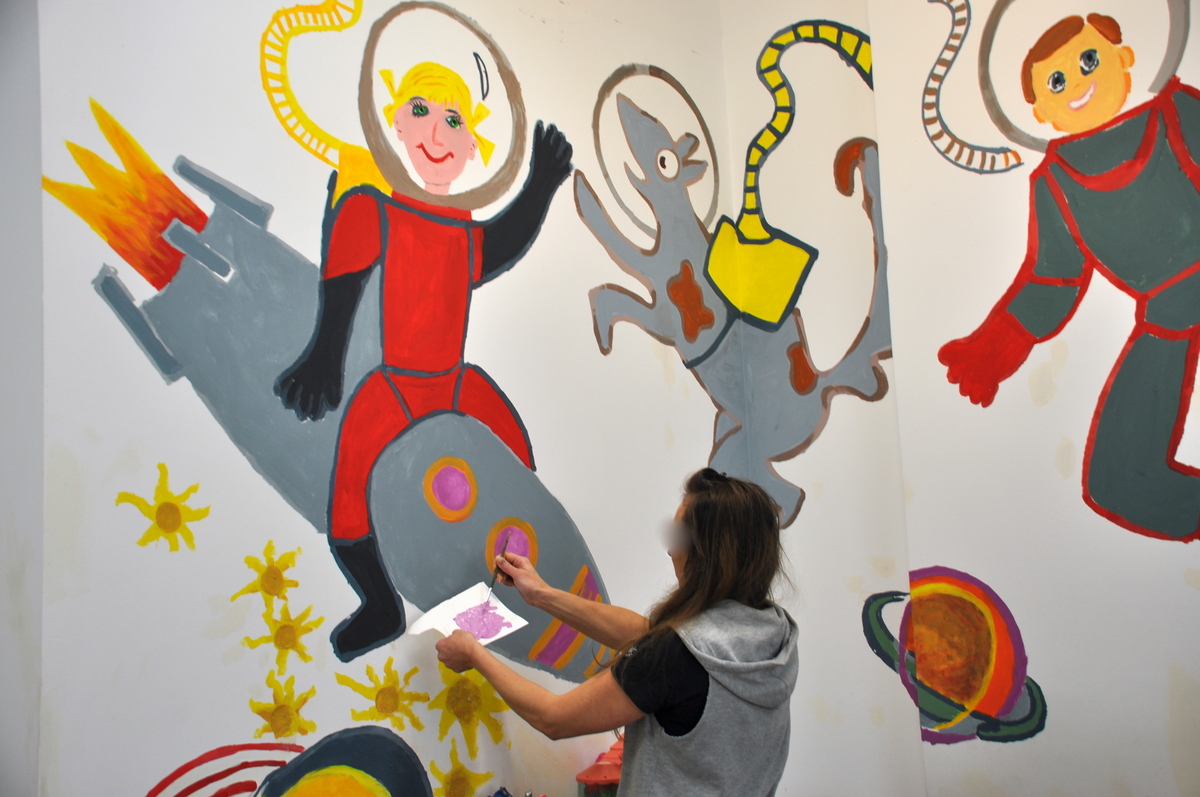
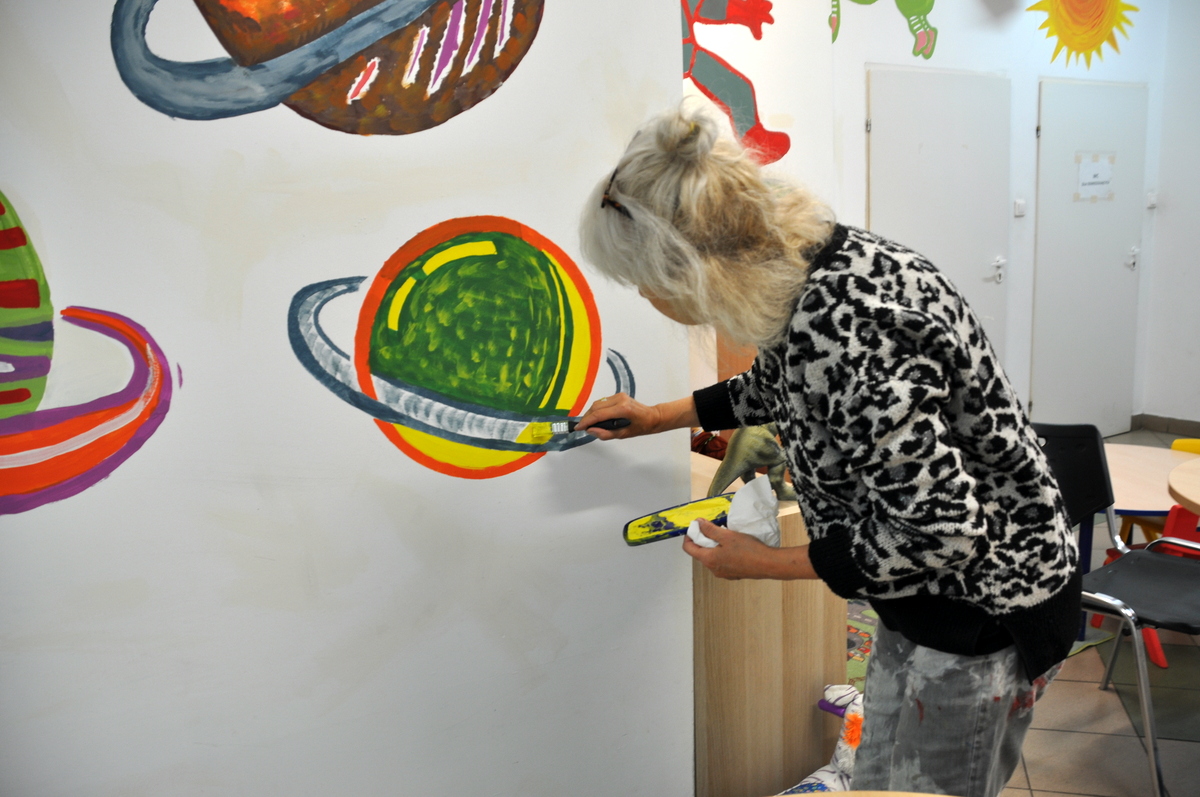
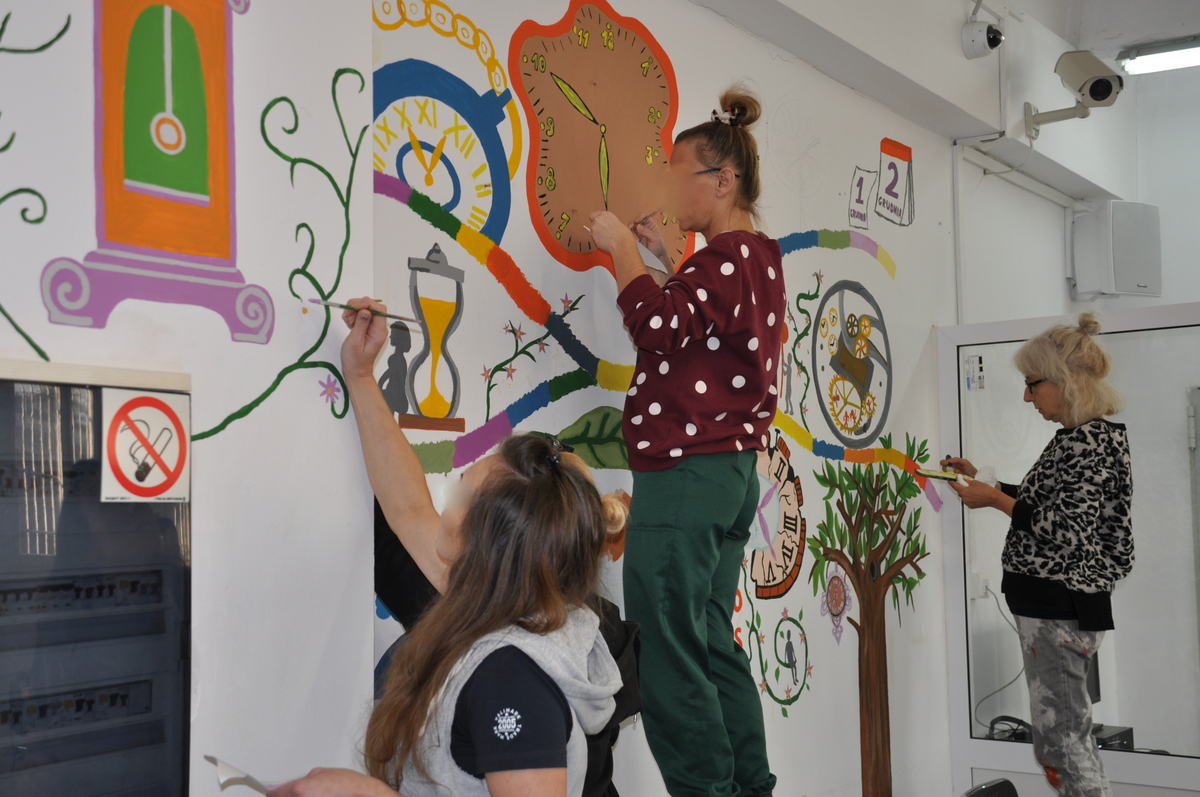
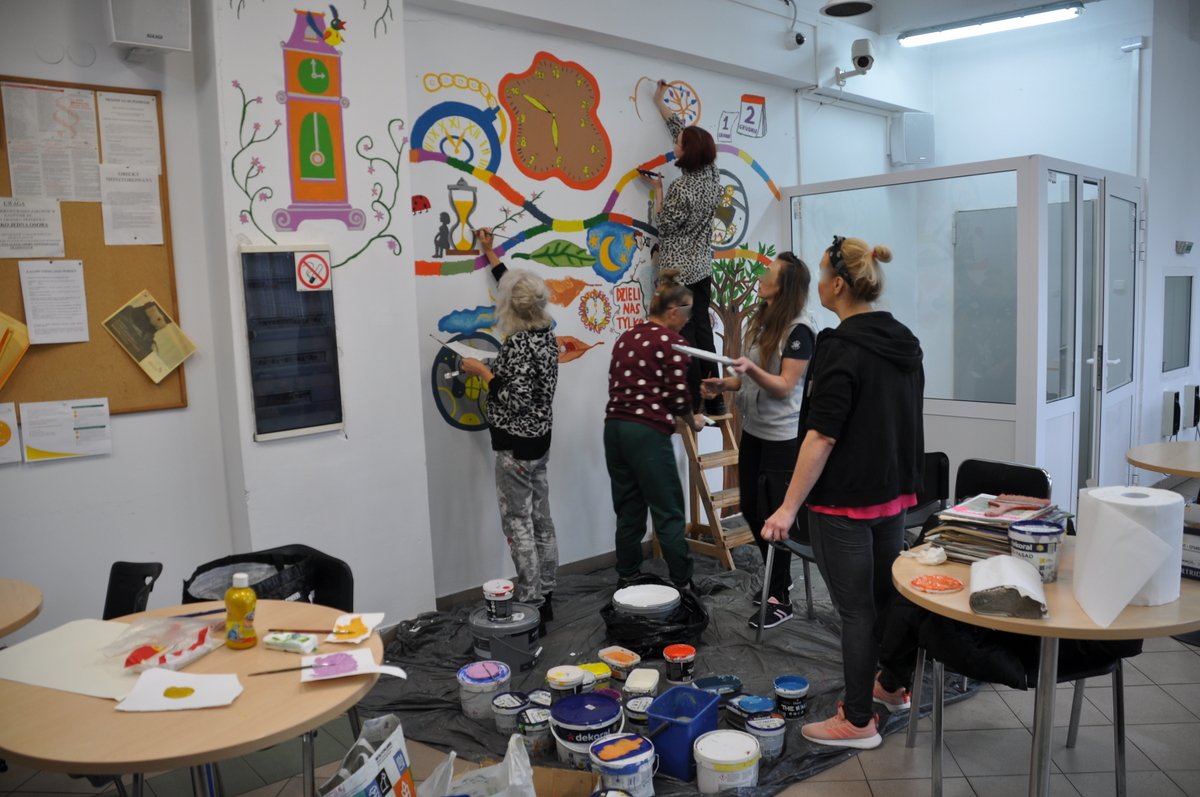
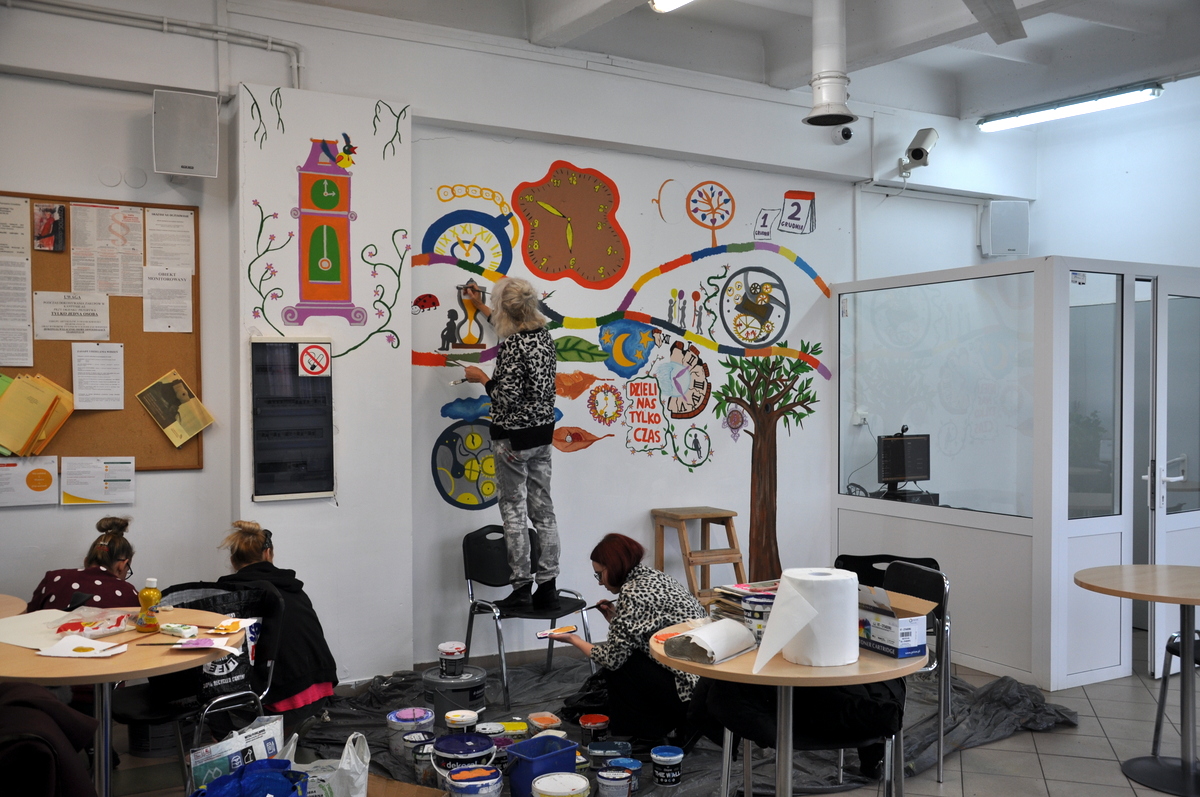
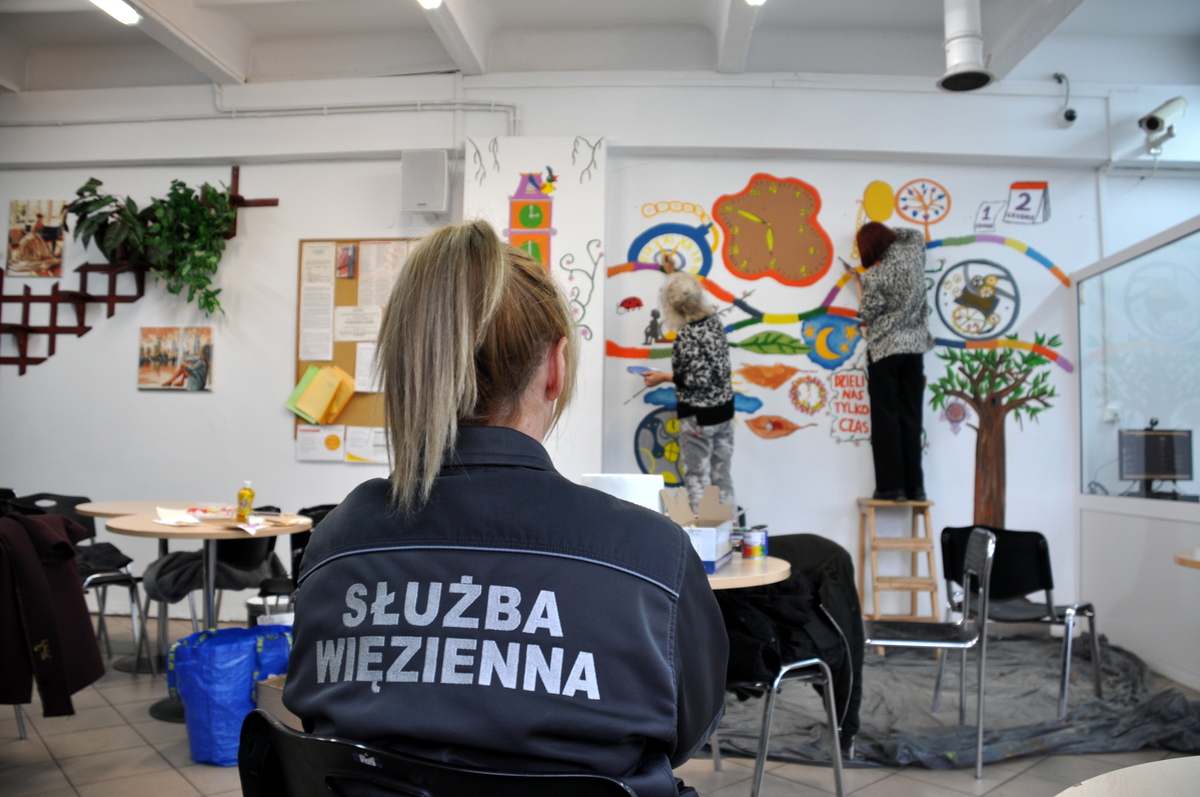
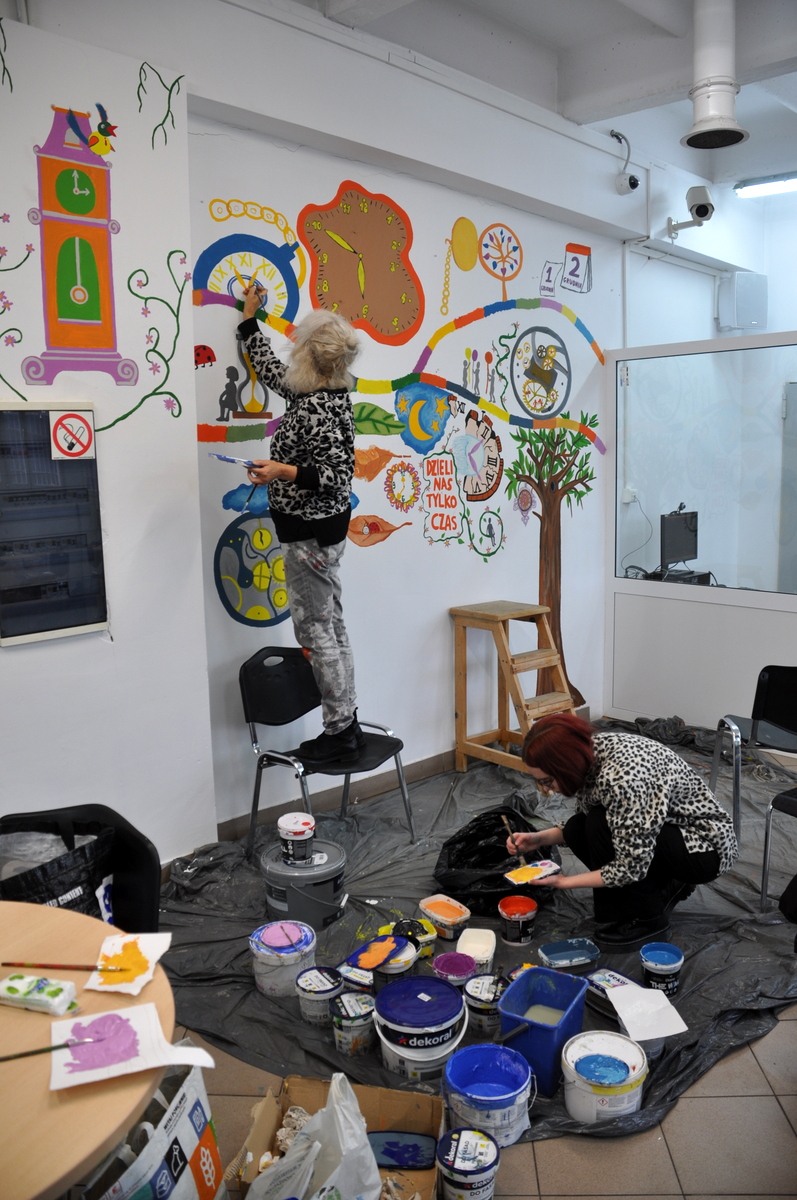
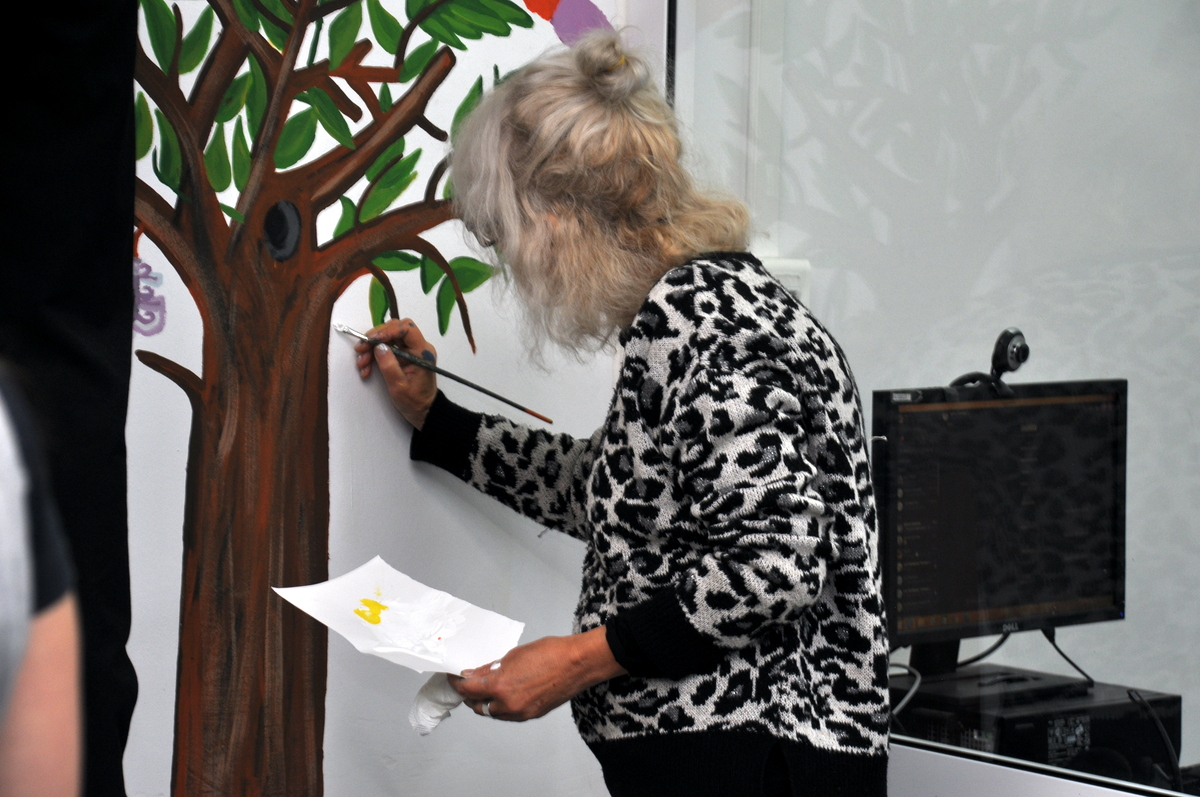
We are painting the children’s corner in the visitors’ room at the Grochów prison…
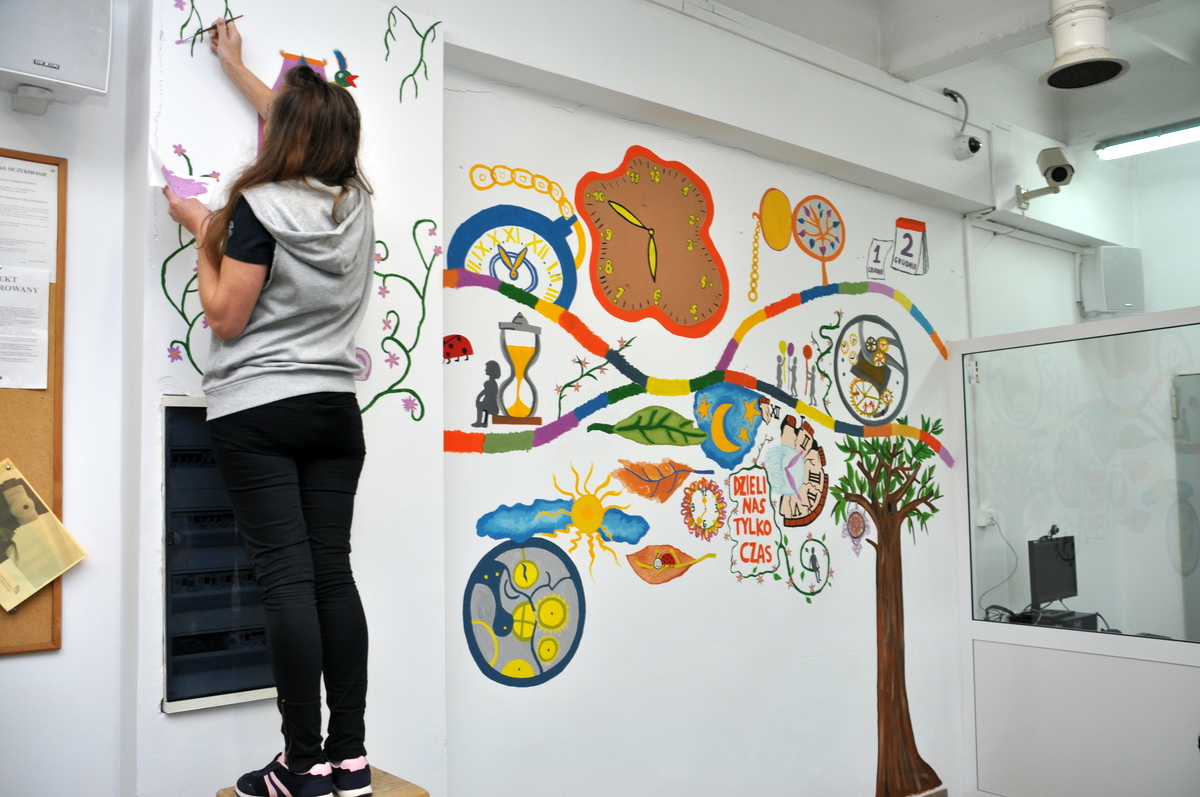
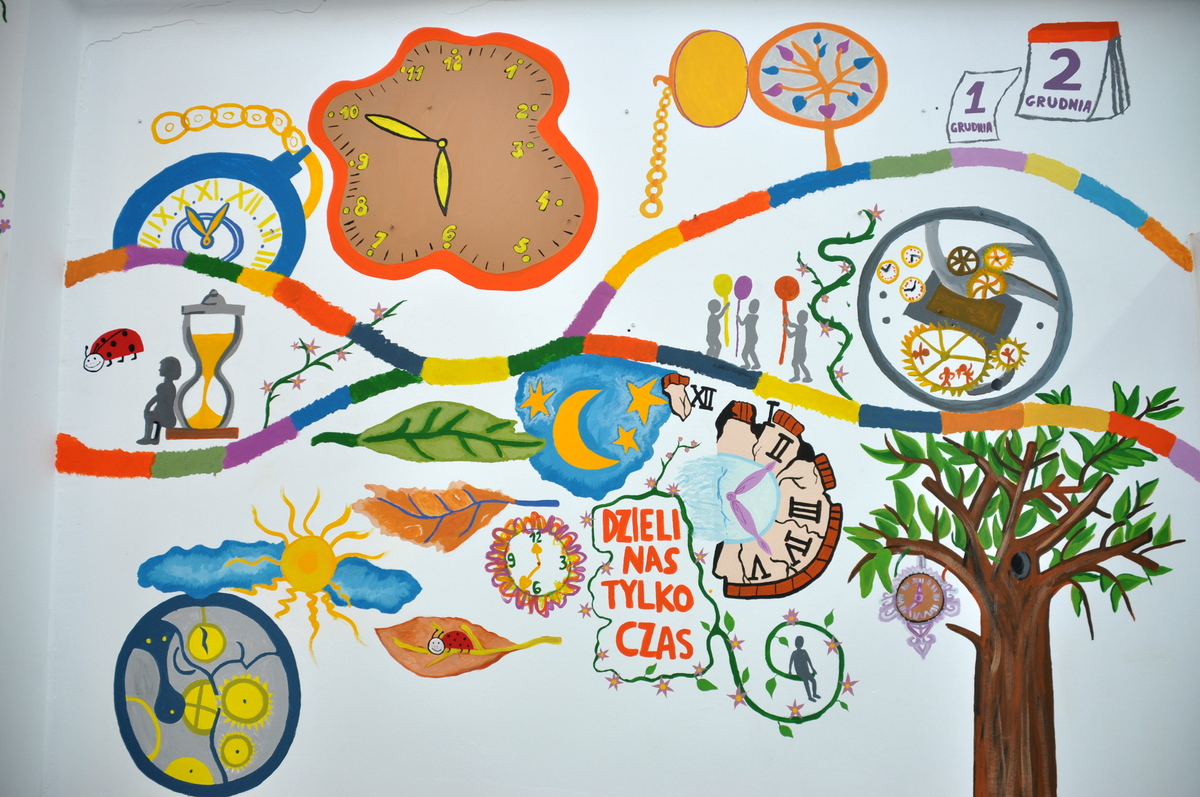
Thanks to funding from the Orlen Foundation we will paint the children’s corner in the visitors’room at the Warsaw Grochów detention centre, as part of the 'My Place on Earth’ programme. The
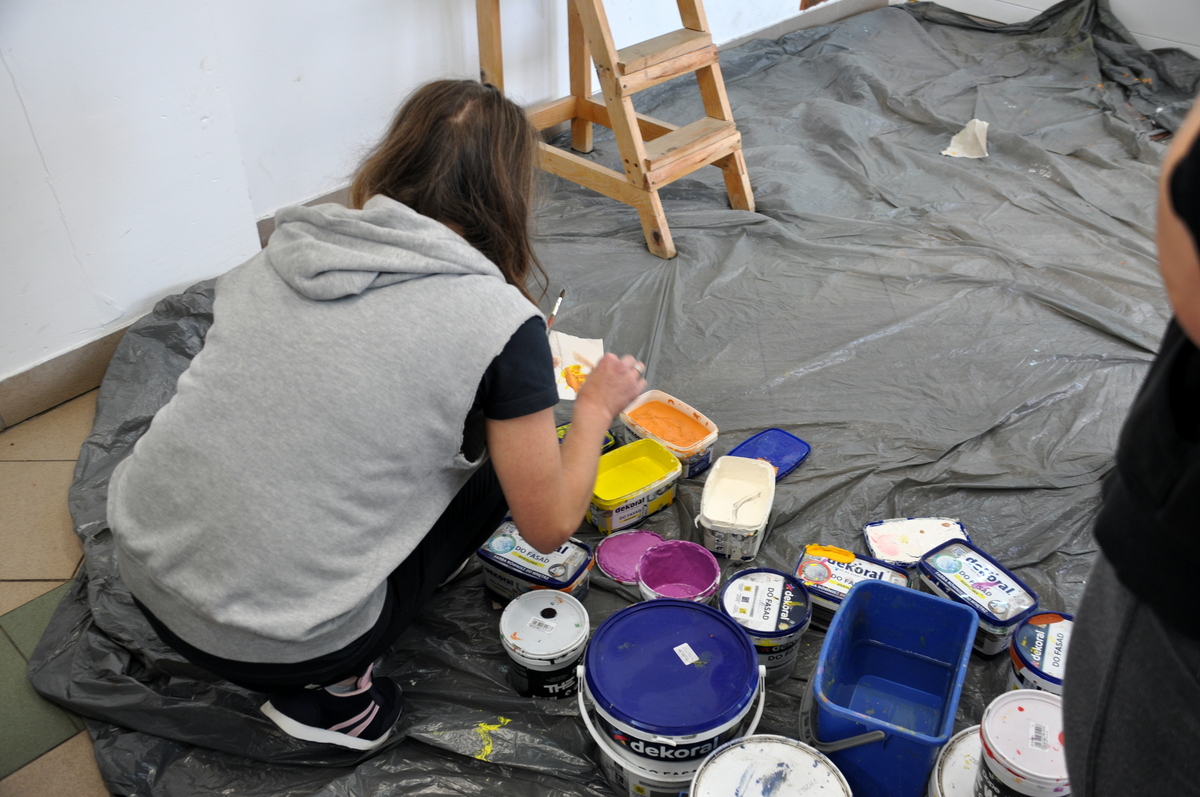
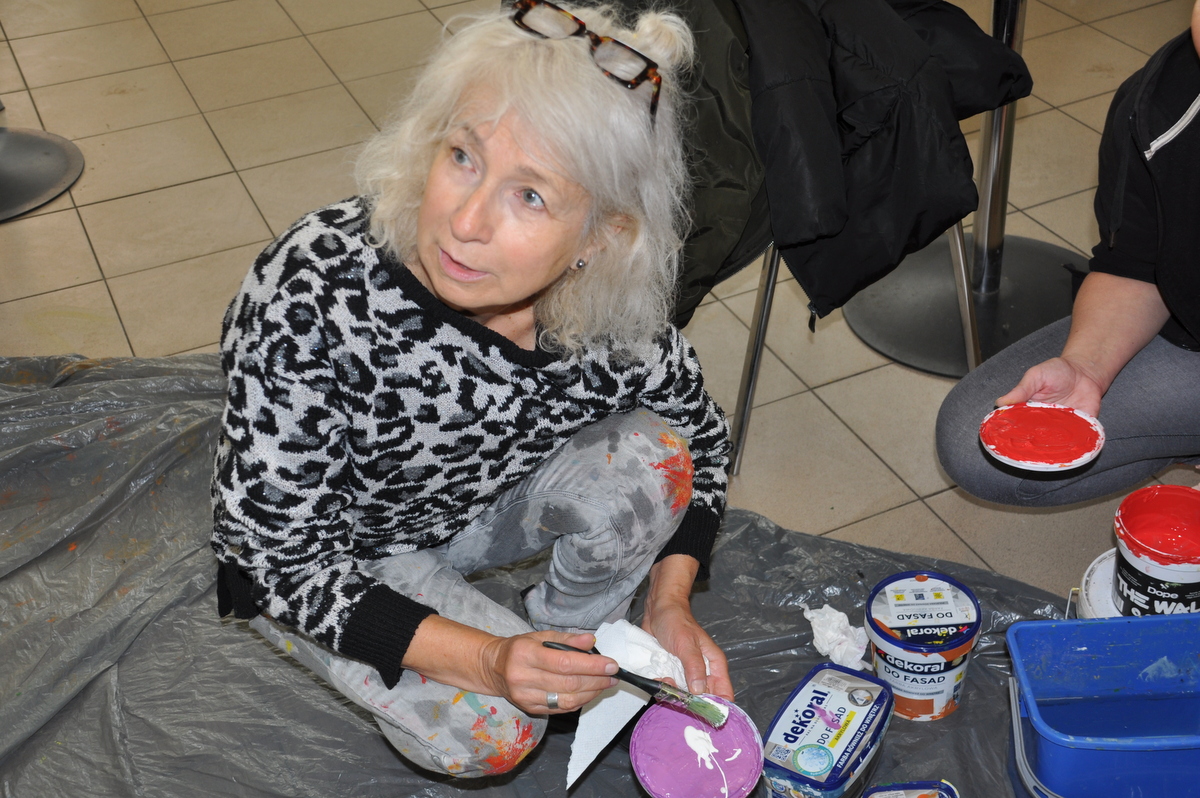
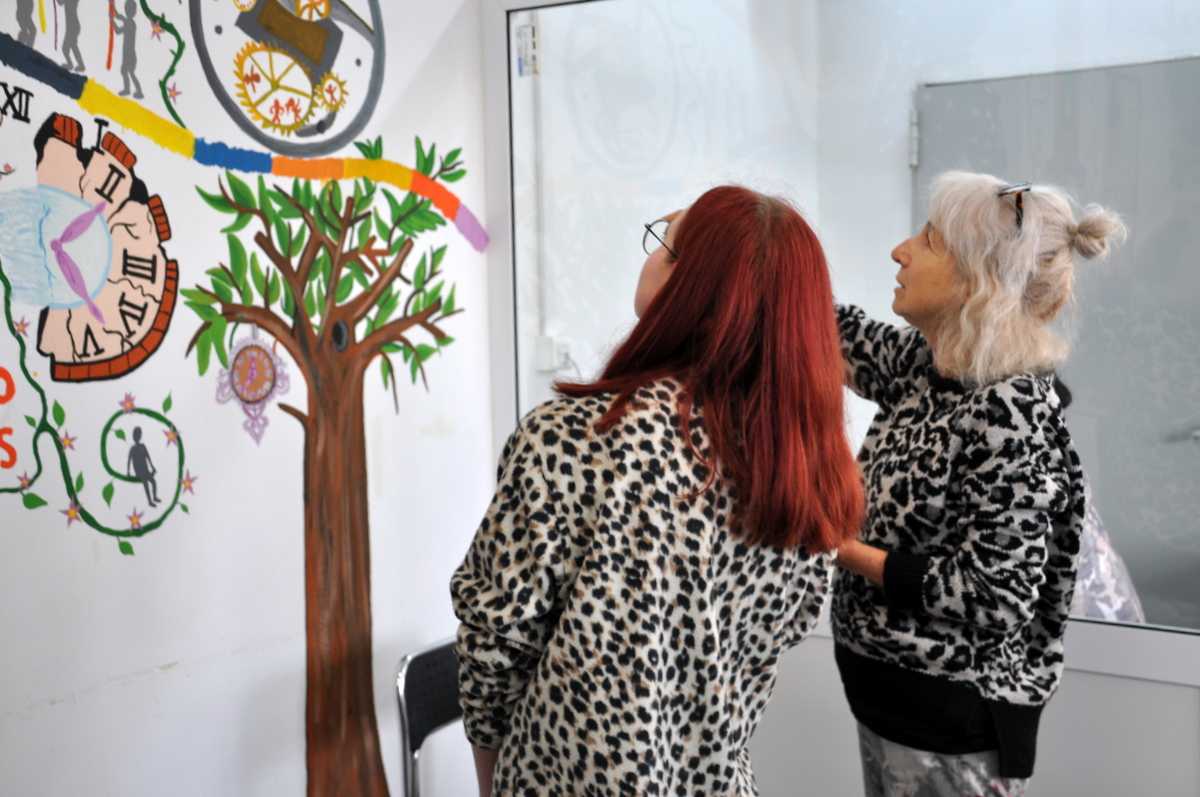
project involves women prisoners who will first create a draft for the mural and then paint itthemselves. The participants will work under the guidance of an artist, painter and art therapist Joasia Świerczyńska. The painting will add warmth and colour to the raw interior of the visiting room. We believe it will reduce children’s stress associated with visiting a parent in prison.


#documenta


We present you with a very interesting publication - “Bypass” by Jenny Brockmann, presenting the realisation of her project of the same title. In the book, the artist devoted attention to, among other things, our “In a Grid” initiative, for which we are grateful to her. On pages 220 - 243 you will find a description of our participation in Jenny Brockmann's project Entanglement 2 in Kassel and in the event within the documenta 15 festival, Kassel 2022.
 

W Kratkę magazine and Fundacja Dom Kultury took part in an amazing artistic event by Jenny Brockman: Entanglement 4 #Melody that tool place in Kassel as part of #documenta 15.
We were accompanied by artists taking part in our foundation's activities in prisons, including Małgorzata Jabłońska and Piotr Szewczyk from the Wrocław Department of Graphics at SWPS University and Józek Gałązka.

Jenny Brockman Entanglement 4 #Melody

documenta 15

Kassel 2022

The artistic activities with the project participants were prepared to be performed in a circle, within an installation created by Jenny Brockmann. The activities were participatory but artist-initiated. The activities metaphorically alluded to the situation of imprisonment, and had sound-making potential - the objects prepared by the artists could be used as specific musical instruments. The objects, thanks to the interaction of the users, also changed and enriched their visual layer and were art works in progress.

Małgorzata Jabłońska

Małgorzata Jabłońska's objects consisted of large sieves (which are usually used for sifting flour). They functioned as a substrate for building a joint composition from the artist's original pictograms, available to participants in the form of foil stickers.

Together, the participants created a visual composition from the 'prison' pictograms: figures, abstract shapes and objects. It was a time of reflection through action.

The imposed working space, selecting only from a range of available elements, the necessity to adapt to the existing surface (pre-made by the artist) as well as to other people working together on the composition, corresponded to the limited possibilities of arranging the world inside prisons.

Some of the pictograms came from Małgorzata Jabłońska's illustrations for the 'W Kratkę' magazine, while others were designed specifically for the activity.

The pictograms of objects with which the participants worked were things neglected in life at large, which become important only in the prison reality, ensuring easier functioning or survival - mentally and physically.

Technically, the pictograms were applied to a surface - the net of the sieves. Later, after Entanglement #4 had already been completed, the objects were covered with paint and the stickers were removed, ensuring that, thanks to the translucency of the sieve, all the elements penetrated into the structure of the 'grids'. During the performance, it was possible to generate sound with the sieves.

Piotr Szewczyk

In Piotr Szewczyk's performance, participants worked with his original drums, which were made up of customised metal basins (the basin is an important part of everyday prison life!) and a canvas covered with a painting surface. Through the use of unusual sticks with abrasive tips, people taking part in the activity made sounds and, at the same time, interfered with the surface of the painting. The final painting was a product of movement, force of abrasion, the amount and involvement of the participants.

Józek Gałązka

The work entitled 'Strings', which I presented during Jenny Brookman's discursive performance, was a continuation of the object/sculpture structure prepared by the artist as part of her 'Bypass' project. I prepared simple harnesses connected by nylon strings that paired participants together. I wanted to create a situation in which the participants in the project are entangled with each other, but can produce a common melody by working together. By appropriately tightening or loosening the title strings, the participants combined with Jenny Brookman's object to create a living instrument.

During the meeting, we also shared the experience of working and running workshops in prisons. The musical improvisation we found ourselves in brought the participants closer to the group workshop method.

The activities were curated by Antek Burzyński.

Photos: Justyna Domasłowska Szulc, Ada Szulc

In a Grid no.6


„In a Gris no. 6” is a magazine created by women serving prison sentences in the Warsaw Grochów Detention Centre as well as various visual artists. We have been publishing this unique irregular
magazine since 2013.

In 2022, we prepared issue no.6 in cooperation with artists from the Department of Graphics at the SWPS University of Humanities and Social Sciences in Wrocław. In addition to 20 ladies from the Grochów prison, the project was joined by a group of men from the Penitentiary Institution in Wołów and ladies from the Remand Prisons in Goleniów and Opole as well as the Penitentiary Institution in Lubliniec.

The editor-in-chief of the 6th issue is Ewa Frączek-Biłat. The authors and contributors are:
Alicja, Bebe, Bonita, Dawid, Eveline, Fruzia, Helenka, Iza-Iwi, KŻ, Majka, Malina, Małgosia, Miszania, Monika, Pełnoletnia, Siemion, Świeżynka, Wiewióra, Zołza, Zośka.

The authors of the illustrations are: Paulina Adamczyk, Anna Birecka, Julia Gwacka, Małgorzata Jabłońska, Darren Kruk, Oliwia Macińska, Weronika Naskręt, Justyna Przybylska, Małgorzata
Raczyńska, Oleksandra Savkina, Agnieszka Semaniszyn-Konat, Piotr Szewczyk, Ewa Tomaszkiewicz, Anastasiya Tupik, Paulina Węgrzyn, Kaja Wojciechowska.

The artistic director is Małgorzata Jabłońska. The author of the graphic design and layout is Piotr Szewczyk.
Programmatic supervision over the preparation of the issue was provided by Lt. Ewa Smolińska from the Detention Centre in Warsaw Grochów, as well as by guest contributors – Lt. Mariusz
Hawrot (Penal Institution in Goleniów), Lt. Iwona Bawolska (Penal Institution in Wołów) and Pvt. Wioletta Szczęśniak (Detention Centre in Opole).

Issue no.6 of „W Kratkę” was printed by MuruGumbel Printing House.
Courtesy of the Central Board of Prison Service, printed copies of the magazine are available in all prisons in Poland. The digital version of issue 6 as well as previous issues are available
HERE.

” W Kratkę” no. 6. was financed by the Ministry of Culture and National Heritage from the Cultural Promotion Fund.

I Live in MOW, You Have to Understand This

Author: Karolina Paź


I know everyone hurts, but it’s not my fault

Even some Tuwim was hurt

But in my life, I’m the king

So I’ll tell you what hurts me and what my pain is

Seba


Those who won’t be able to come can watch it online :).]

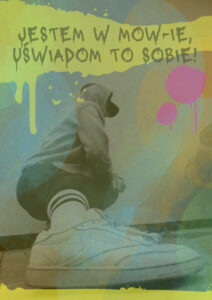
I live in MOW, you have to understand this

I know everyone hurts, but it’s not my fault

Even some Tuwim was hurt

But in my life, I’m the king

So I’ll tell you what hurts me and what my pain is

Seba


“I live in MOW, you have to understand this” is an unusual project: language competence workshops conducted for boys from the Orionist Priests’ Youth Education Centre in Warsaw, finished with a rap concert.

We ran a series of Polish language classes which resulted in a rapped performance – a concert. About what? About the lives of the boys living in a Youth Centre. Their stories, their pains, their desires. Sounds cliché? It’s a very deep story, full of pain and hope, which was put into rhymes and presented to a wide audience on stage of the Comedy Club in Warsaw. It was a little bit recited, a little bit improvised.

Polish language teacher and poet Ewa Frączek-Biłat conducted Polish language classes, during which the young people learned about the classical writers’ works, as well as literary means, which they later used to write their own texts.

Rapper and radio journalist Mateusz Fuczyło led workshops sessions on creating rhymes and rapping.

Actress, trainer and improviser Kinga Kosik Burzyńska directed the concert, which was the finale of the entire project.

At the final phase of the work, the boys from the Barska Youth Centre were joined by girls from the Youth Centre on Strażacka Street. The girls presented their own lyrics, which they had written one year earlier, as part of the ’12 stories about ME’ project.

A lot of great lyrics were created, which allowed the young people to talk about themselves. A lot of rehearsals are behind us, and the concert, which took place on 22 October 2022 at the Comedy Club in Warsaw, was the culmination of the hard work of all the people involved in the project: artists, performers, the centres’ alumni and their tutors.

The texts were presented by:

Kuba, Wiki, Sabina, Turek, Mateusz/Jasin, Kamil, Paula, Dima, Kasia, Dorota, Jasmina.

The 'I live in MOW, you have to understand it’ concert was recorded by Robert Olszański.

The project was implemented by us, Fundacja Dom Kultury, in cooperation with the Comedy Club, the Orionist Priests’ Youth Education Centre, and Youth Education Centre No. 2.

It was an extraordinary event preceded by extraordinary preparations.

2022 r.

'I live in MOW, you have to understand it’ was co-financed by the Ministry of Culture and National Heritage within the framework of the programme 'Ojczysty – dodaj do ulubionych. Edition 2022′.

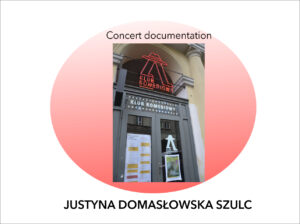
Concert documentation Justyna Domasłowska Szulc

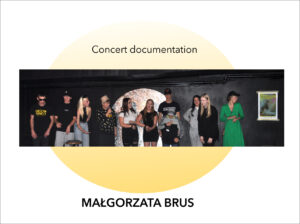
Concert documentation Małgorzata Brus

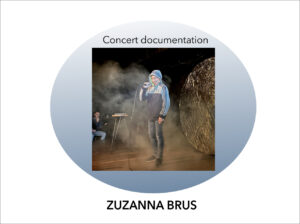
Concert documentation Zuzanna Brus

Photos: Małgorzata Brus


Partners


Wandering Festival Łódź 2022

Graphic design: Marcin Tas

„Romani Kultura” is a travelling festival of contemporary Roma art and culture. In 2022, we visited Łódź in order to present the works of the Roma community from the Łódź area to a wider audience.


Wandering with culture around Poland!

When the question is asked about Roma traditions and culture, what comes to our minds most often? If we were to survey the people of our country, a very popular answer would probably be music and dance! I state this with confidence, having worked among the Roma, Roma artists, and the Polish public for almost 20 years.
Almost two years ago in Radom, Małgorzata Brus from Fundacja Dom Kultury and I were having a nice chat during a film animation workshop for Roma children. In these interesting circumstances, it occurred to us that we should organise a festival of Roma culture in the near future and present authentic, but also the most characteristic, well-known elements of Roma culture. But to do this in a less obvious way so as not to create further stereotypes.
This is not an easy task. The schematic image of Roma life is so vivid in the imaginations of many audiences that it is sometimes difficult to present something quite different, but just as true. Generations born in the 1980s and 1990s, not to mention older ones, know what I mean. The famous „colourful carts” roamed Poland practically until the mid-1970s, also the colourful dresses were present on Polish stages, more or less a decade earlier. This distinctive image, present and popular in our country, made its way into the domestic mainstream and became almost the flagship image of Roma communities at least in this part of Europe.
Particular credit for this goes to the musical events of the 1990s, which created and, I would venture to say, even sharpened the image of the Roma artist and the Roma dancer. Practically at festivals, audiences even demand the „ore, ore” songs and dances with frilly skirts, which is what the true Romani musical tradition means to some people.
And returning to our intentions, a short time after the aforementioned and fruitful chat, in the summer of 2021 a festival was created and held. 'Kłodzka Roma’ took place in the picturesque open air in Kudowa-Zdrój, at the Art-Dworek guesthouse at the foot of Stołowe Mountains.
Great artists were invited. Krzysztof Gil, now a world-renowned, award-winning artist with Roma roots, led an open-air painting workshop, which was mainly attended by the adult part of the event’s participants. At the same time, the children, under the guidance of Roma artist Róża Łakatosz, prepared artworks. At the same time, they received a solid portion of knowledge about Roma culture, which they would certainly not have received as part of their education in Polish schools.
One of the inseparable elements of peoples’ culture is cuisine, and in the context of Roma cuisine, many interesting associations have been made, but also many questions. How did the Roma prepare their meals during their wanderings? What are the typical ingredients of Roma cuisine? These questions and many more were answered by Krystyna „Perła” Markowska during a cooking workshop. In the evening, the same artist performed a repertoire of traditional Roma songs together with her husband, Michał, who accompanied her on guitar. Those were not well-known songs from the radio or television, but the audience had a great time.
A year later, the Kłodzka Roma Festival was transformed into the Wandering Roma Culture Festival „Romani Kultura”, which took place at the Marek Edelman Dialogue Centre in Łódź. The idea behind the Festival is to reach the widest possible audience in various places in Poland and to present the cultural achievements of Roma artists and creators living in selected regions.
On 5 June 2022, from the early morning hours, kids and adults of Łódź came to paint a mural with artists Krzysztof Gil and Marcin Janusz. A young Roma artist, Noemi Łakatosz, was working at a stand next to them, conducting art classes with the youngest children to create a modern tabor. Throughout the Festival, it was possible to watch short films made by Delfin Łakatosz, a young Roma director specialising in short documentary and feature films. In front of the Dialogue Centre, an authentic Roma wagon of the Ostrowski type from the collection of Andrzej Grzymała Kazłowski’s Museum of Roma Culture in Warsaw could be viewed up close.
In the afternoon, we had a meeting with poet Róża Łakatosz (there is no coincidence of names, the Łakatoszes are a family), during which the author read her poetry from her latest volume.
And so the festival moved on to its climax, a concert by artist Zdzisław Markowski and his friends. The musician is known for his traditional musical inspirations and for playing exclusively live. It was a real musical feast.
Where will 'Romani Kultura’ go next year? That we don’t know yet, but therein lies the greatest surprise and power!
Follow the website and social media of Fundacja Dom Kultury, including E-Drom.pl, and perhaps your next holiday will be an unforgettable adventure.

Agnieszka Caban


The festival took place on 5 June 2022 at the Marek Edelman Dialogue Centre, 83 Wojska Polskiego Street.


Programme

  • Intergenerational painting workshops: we have invited a special guest, artist Krzysztof Gil, to run painting workshops. According to his original idea, we will all create a large-format painted patchwork. The multitude of expressions will be connected by a coherent concept of this international artist with Roma roots.
  • Camp: arrangement and presentation of an antique Roma wagon (of the Ostrów type). The vehicle, fully equipped and open to the public, will be located in the park by the Centre. There will be a camp set up around the wagon and an animator will be guiding visitors around it.
  • Short film projection: we will arrange a stand with a show of video clips by a young Roma artist, Delfin Łakatosz in the foyer of the Centre. Delfin’s short films depict the contemporary world of Roma youth. They are a great document, a testimony of our times, full of colour and fast narration.
  • All-day artistic workshops for children: led by young painter Noemi Łakatosz in the park next to the Centre. We will build a cardboard wagon and decorate it with motifs typical of Roma culture. The workshop is intended for children of all ages, the youngest ones will be assisted by animators.
  • Poetic afternoon: Róża Łakatosz is a contemporary Roma artist and poet. Her poems illustrate Roma contemporary life, they are a record of everyday life, the changing seasons, but also a testimony of the current situation, including the pandemic. The author’s reading of her poetry will be accompanied by artistic visualisations by Delfin Łakatosz.
  • Dance workshops: participants of all ages will be led by Grażyna Markowska, a choreographer, dance instructor and dancer from the „Patria” and „Perła i Bracia” ensembles.
  • Musical feast: musical workshops with a final concert will be performed by Zdzisław Markowski, a guitarist, instrumentalist, certified instructor of music and traditional dance, choreographer and dancer. He will be accompanied by local musicians.


Wandering Festival „Romani Kultura”: Łódź 2022 has been co-funded by the Ministry of Culture and National Heritage, National Centre for Culture in the Programme EtnoPolska 2022.’


Honorary patronage

Partners


Media patronage

Painted Ramp

Author: Katarzyna Witt

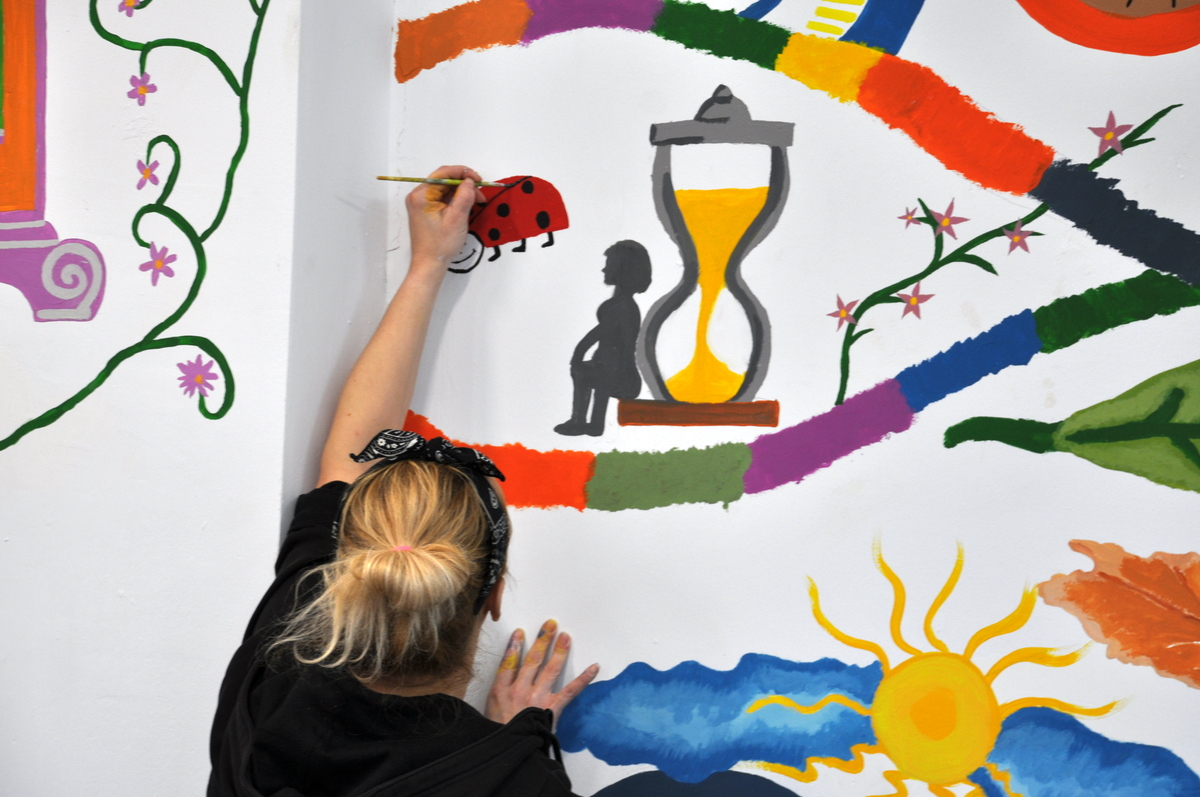
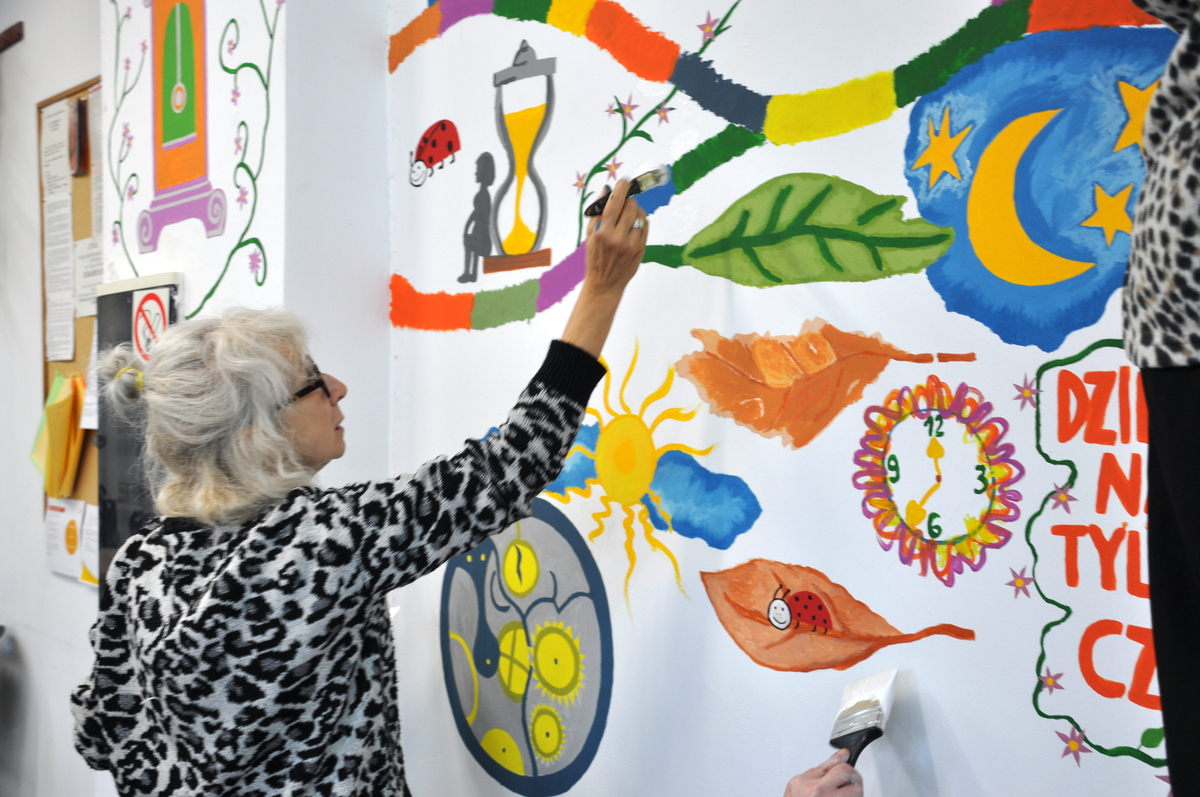
We’re painting the ramp at the Multicultural Centre!

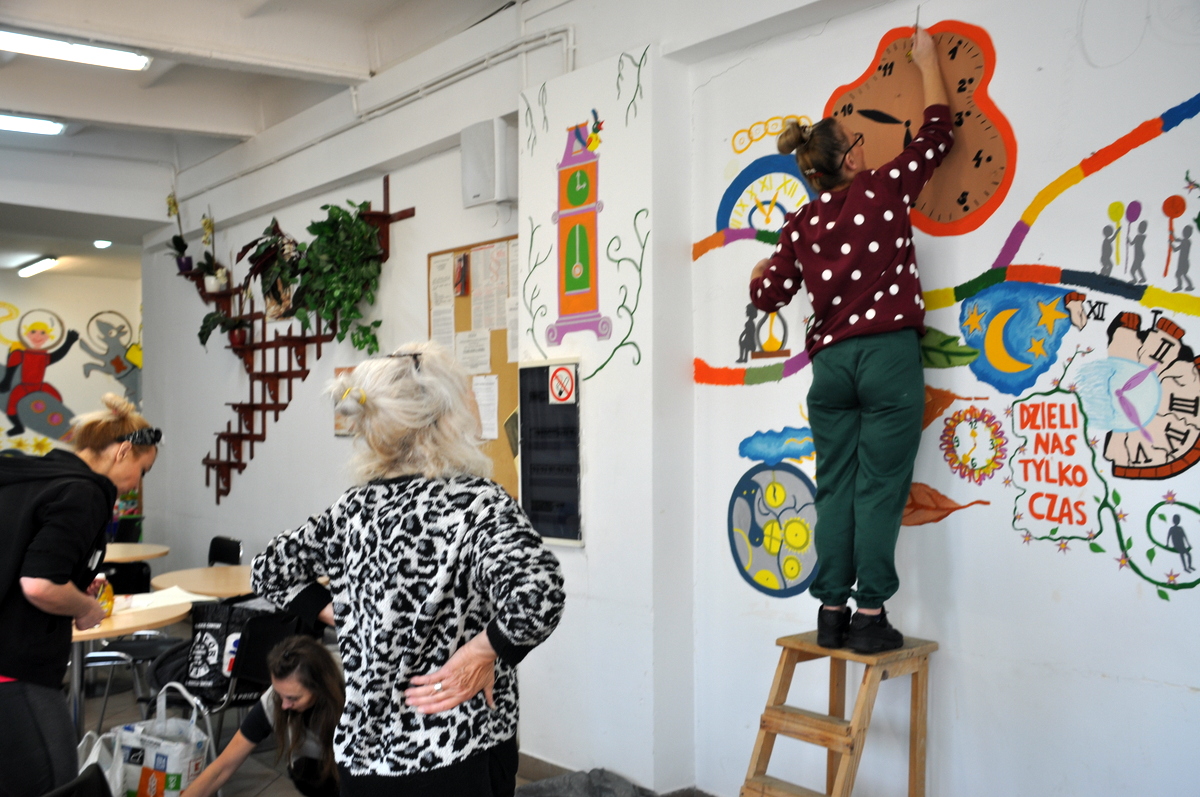
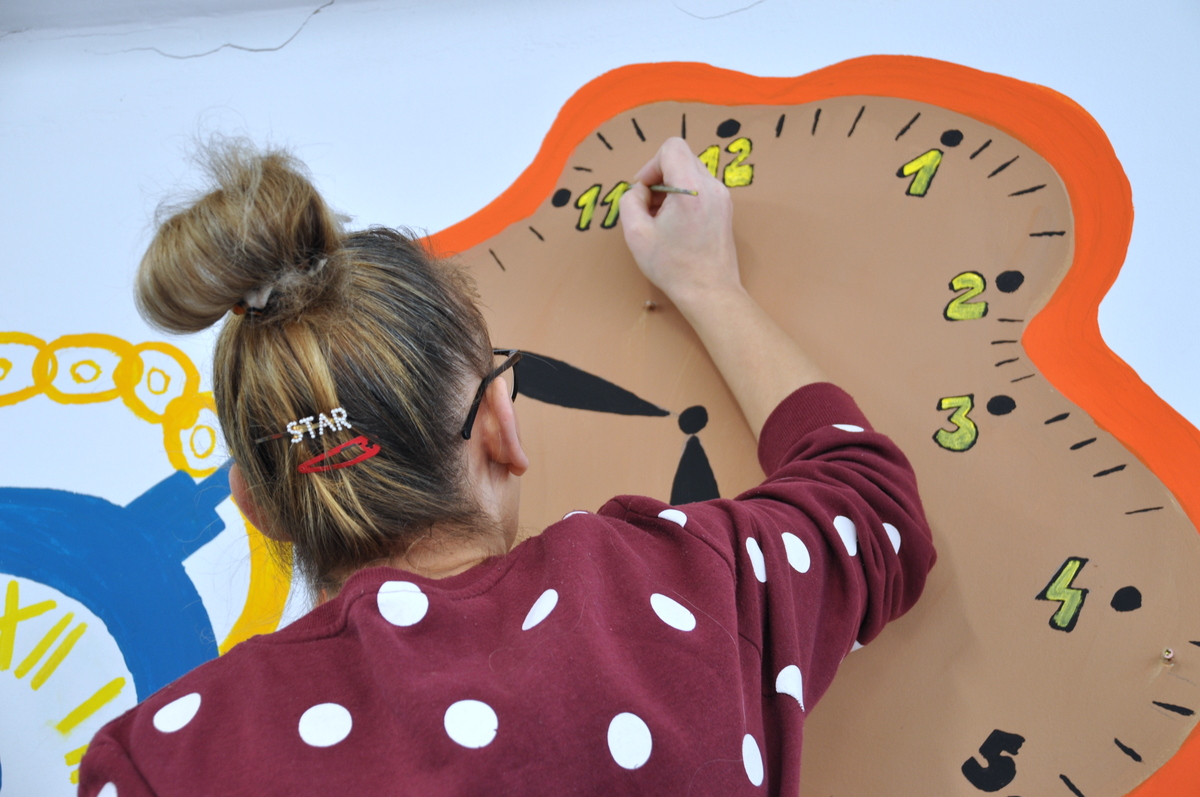
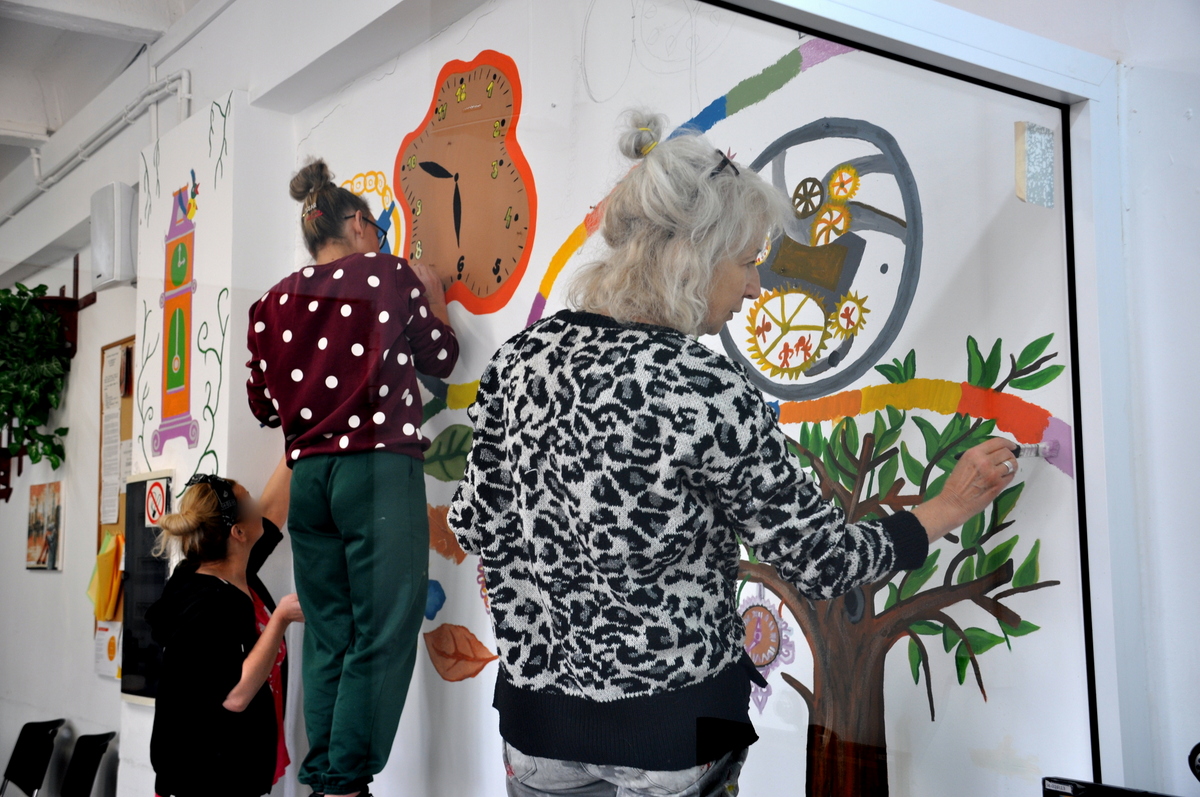
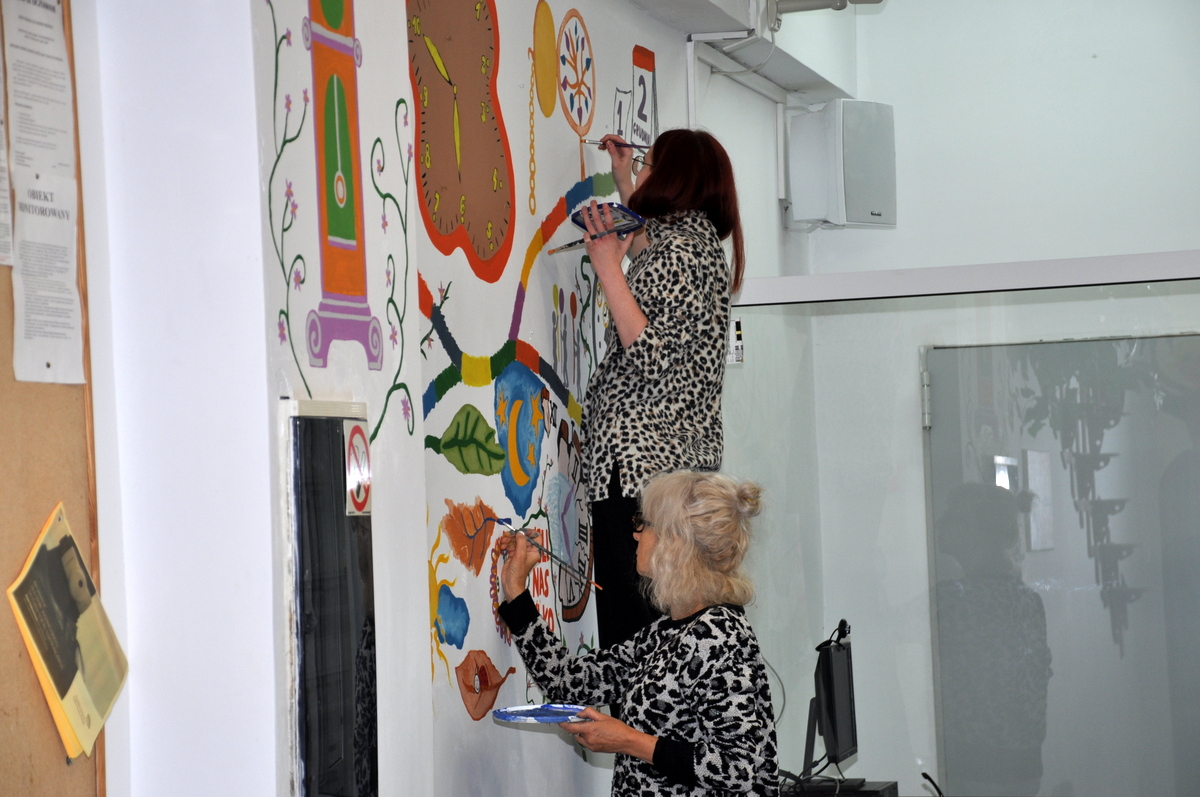
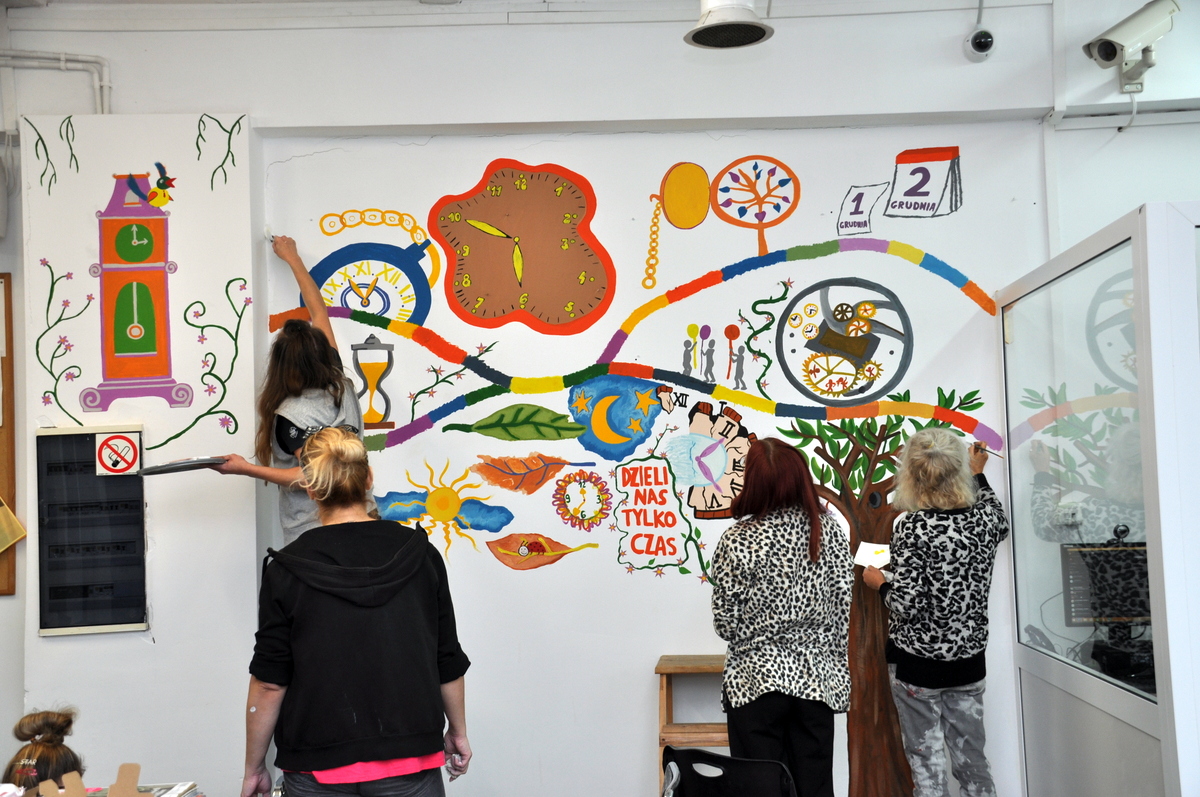
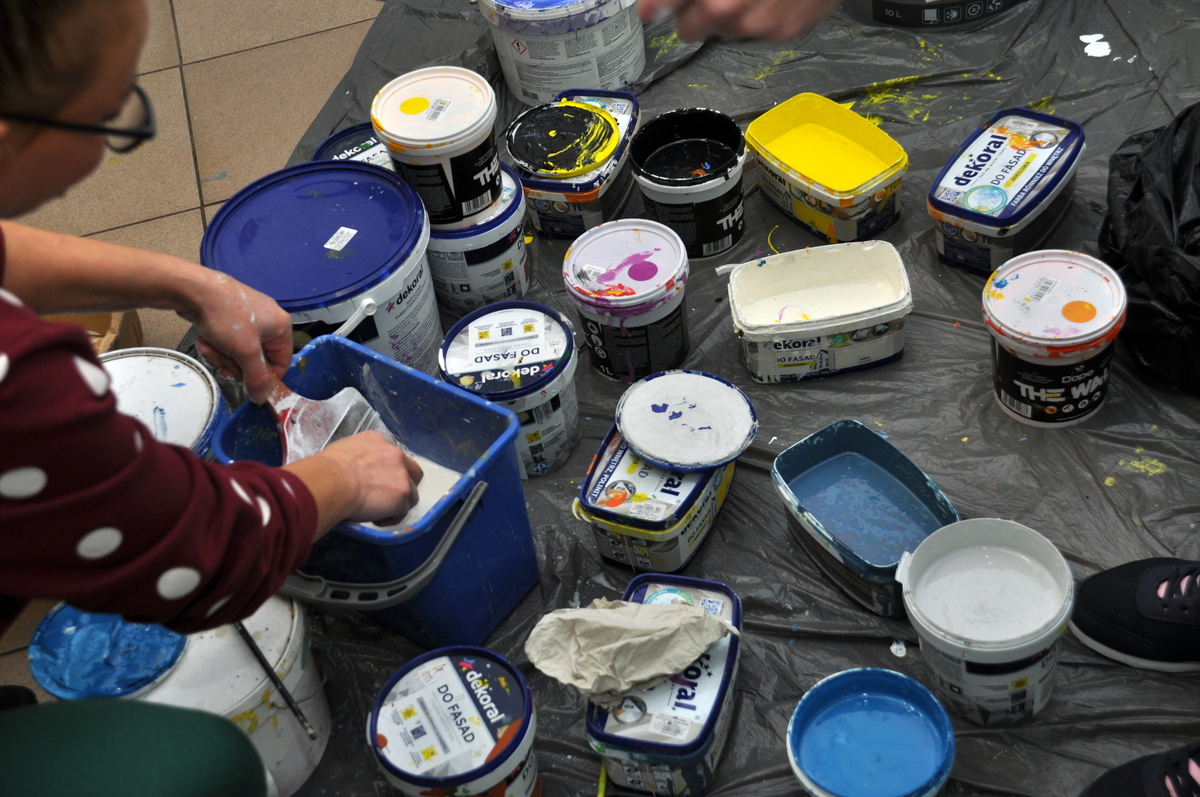
A mural is a favourite form of collective expression among Varsovians. Invited groups and random passers-by willingly try their hand at painting and join the process enthusiastically. The open formula of the mural allows everyone to join in without trepidation, at any time and is not based on possessed skills. This year, we are planning the third edition of creating an inclusive mural illustrating the diversity of Warsaw residents. This time, we want to design and paint a ramp for wheelchair users next to the Multicultural Centre. 

Within the framework of this task, we will conduct design workshops for foreign children, as part of which the mural design will be created. Next, we will organise an event during which Warsaw residents will paint a mural according to the design. However, the project will be only a concept, more a form to be creatively filled in by the participants than a finished artistic product.  Organised groups of participants with difficult access to the cultural offer as well as random passers-by, Varsovians and tourists will be encouraged to join the creative process. The activities will be led by animators under the direction of artist Katarzyna Witt and animator Małgorzata Brus.

As a result, a colourful visual story about the diversity of Warsaw’s inhabitants, created by the inhabitants themselves, will emerge in a public and busy place – Haller Square. 

Partners


Ballads and Romances

Title page from „Poezye” by Adam Mickiewicz, vol. 1., 1822, Vilnius, photo: Biblioteka Narodowa Polona


„Ballads and Romances” – prison artbook to mark the 200th anniversary of the first edition of the collection

A review of Adam Mickiewicz’s works, familiarisation with Polish and global Romanticism, creative poetry reading, creating ballads and handwriting a collection of „Ballads and Romances” – such activities are to be provided for the women of the Detention Centre in Warsaw Grochów in 2022.

The series of classes was prepared in cooperation with the Adam Mickiewicz Museum of Literature in Warsaw, a poet and polonist Dr Ewa Fączak-Biłat, an actress Kinga Kosik-Burzyńska, an artist Dr Małgorzata Jabłońska and a calligraphy specialist Małgorzata Brus.

The activities in the prison will last from April to July. At the end of the project, inmates will hand-write all pieces from the collection, illustrate them, create calligraphed and decorated covers, title and inter-title pages, and tables of contents. The hand-made artbook created during the workshops will be gifted to the Adam Mickiewicz Museum of Literature in Warsaw. 

In this way, socially and culturally excluded people will participate in the commemoration of the 200th anniversary of the first edition of „Ballads and Romances”.

The project was co-financed by the Ministry of Culture and National Heritage from the Cultural Promotion Fund. 

The project has been granted patronage by the 'Forum of the Prison Service’.

Accessible House


Author: Józek Gałązka


As part of this project, the residents of the Orionist Fathers’ Youth Education Centre in Warsaw, together with guests, artists and accessibility activists, designed their home – space friendly to all.

After a series of workshops on life with various limitations for different reasons, the boys created a model of a house – according to the rules of universal design and art. The creative activities were led by artists Michał Slezkin and Józek Gałązka.

During the project, Fundacja Dom Kultury worked with, among others, the Invisible Exhibition, the Kulawa Warszawa Foundation, the Culture Without Barriers Foundation and, of course, the Youth Education Centre. Accessibility classes were conducted by: Ola Petrus, Małgorzata Szumowska and Sebastian Grzywacz, Alaksandra Szorc, Iza Sopalska-Rubak.


Below you can find a video in which the authors of the model talk about the project. We also included some photos from the workshops and a graphic by Małgorzata Brus.


The task „Accessibility classes for boys in Youth Education Centres ” was co-financed by the Ministry of Culture and National Heritage from the Cultural Promotion Fund.


Author: Małgorzata Brus


The task was co-financed from the funds of the Ministry of Culture, National Heritage and Sport from the Fund for the Promotion of Culture, obtained from subsidies established in games covered by the state monopoly, in accordance with Article 80(1) of the Act of 19 November 2009 on games of chance.


Partners

Nowy wpis- Main Page

BALLADS AND ROMANCES

„Ballads and Romances” – prison artbook to mark the 200th anniversary of the first edition of the collection. more


WANDERING FESTIVAL ŁÓDŹ 2022


„Romani Kultura”, a travelling festival of contemporary Roma art and culture.

more

I LIVE IN MOW, YOU HAVE TO…

A project addressed to boys from the Orionist Fathers’ Youth Centre in Warsaw.

more

W KRATKĘ NO. 5

„W Kratkę” is a magazine created by Polish artists and women serving prison sentences in the Warsaw Grochów Detention Centre.

more


ŁAĆHES, ROMA CUISINE

Łaćhes, a Roma culinary artbook, documents and archives the culinary cultural heritage of the Polish Roma.

more

THE PAINTED RAMP

A mural portraying the diversity of Warsaw’s residents will be painted on the ramp in front of the Multicultural Centre.

more

ROMA CULTURE MUSEUM

A project promoting reliable knowledge about the Roma. Gallery of Roma art and photography.

more

LAUGHTER IN PRISON

Comedy as self-therapy in prison. Aleksandra Petrus leads stand-up workshops for women in prison.

more

ACCESSIBLE HOUSE

Accessibility classes for the boys from one of the Warsaw Youth Education Centres. A model of an accessible house has been created.

more

OUR DIVERSITY MURAL

Our Diversity Mural was created in September at the Multicultural Centre by Warsaw’s inhabitants. 

more

E-DROM

E-Drom Roma Culture Site features a collection of unique Romani items and films about the history and culture of the Roma.

more

OBSERVING AND DRAWING

Cultural education for girls and boys from two Warsaw Youth Education Centres.

more

ROMANO HIP-HOPO

“Mekh man daje” is a traditional song performed by Roma youth.

more

PARAMISIA/FAIRYTALE

Paramisia „The Creation of the World” is an animated film based on J. Ficowski’s fairy tale from „A Twig from the Sun Tree”.

more

KŁODZKA ROMA

On 24th July 2021, the „Kłodzka Roma 2021” Roma Culture Festival took place in Brzozów in Kotlina Kłodzka.  

more