Volunteering Donations of goods Student internships Donate 23 pln for our activitiesAccount number: 28 1600 1462 1821 2325 1000 0001 CloseWe raise funds to carry out our statutory activities on an ongoing basis, including resocialisation activities in prisons, educational activities in Youth Centres and running the eWKartke.pl blog.
The main question of the interviews is: Why do you think such educational camps and meetings are important? (for Roma youth)
ETP SLOVENSKO
Antoine De Hertogh
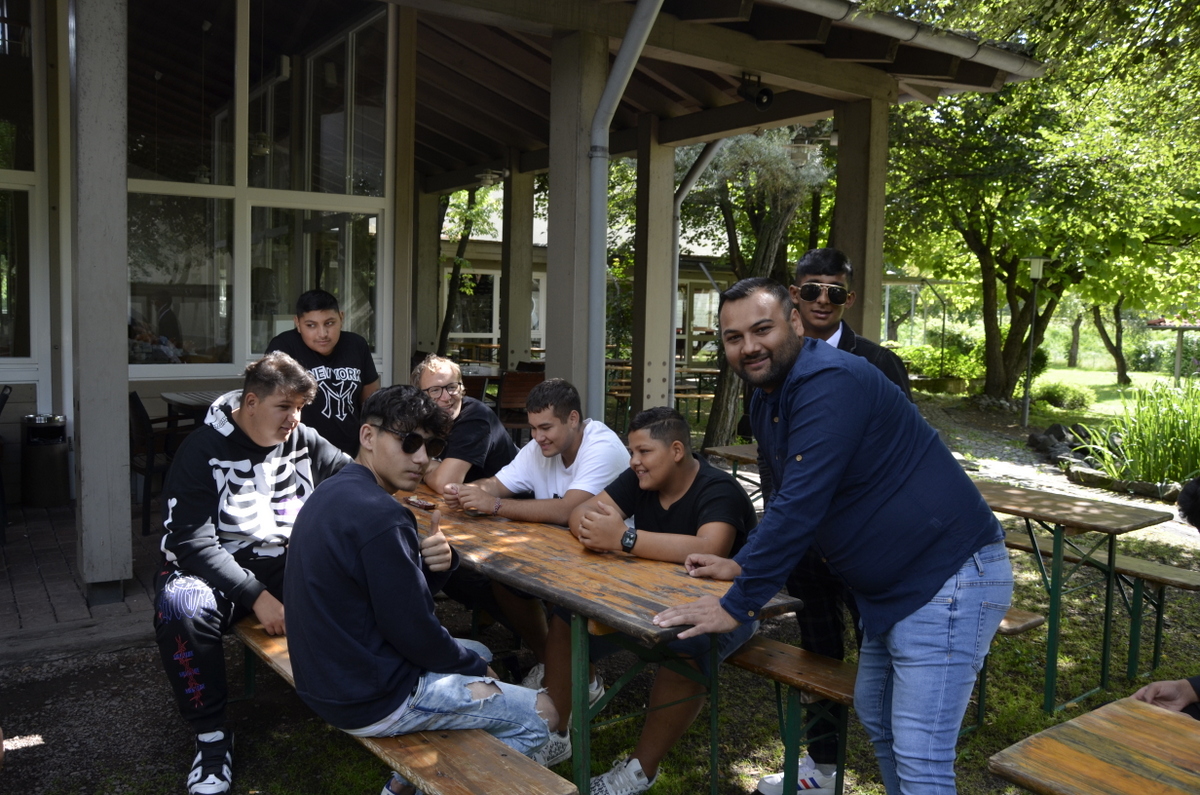
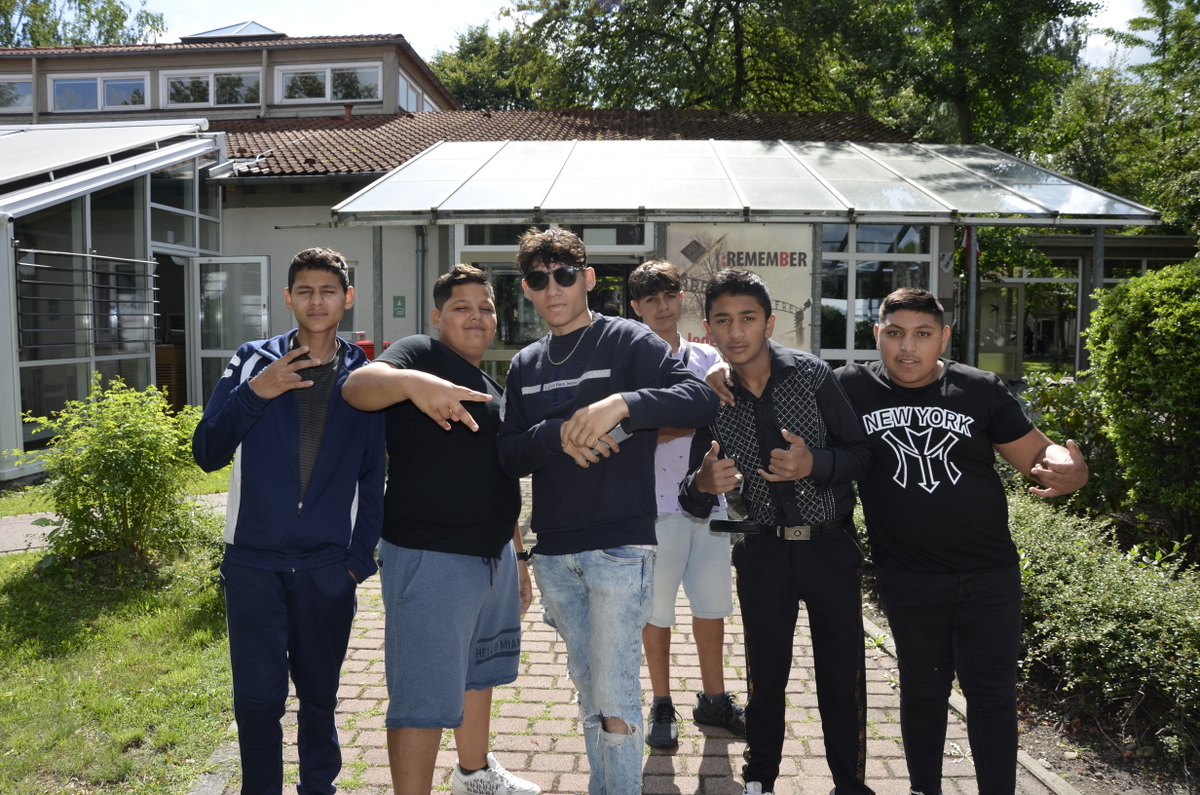
Transcription: Hello, I’m Antoine De Hertogh. I’m working as a social worker here in Lunik IX. I participated at the Summer Workshop Camp in Poland in Oświęcim with the boys from the locality. I think this project was very interesting for us, but mainly for the kids to meet each other and to create contacts with people from other countries and to develop themselves. Also I really believe that they took a lot from the workshops we made there. The workshops helped them to know better each other and also to know better themselves.
Dávid Korčkovský
Transcription: I think it is very beneficial that young people meet each other at such workshops. It is important that these are international meetings of young people from different countries, as it offers new perspectives. When I talked to our group, they said it was an inspiration to them in many ways, because they learned how the Roma from other countries live, how they work, and what are their traditions. Our young people have already discovered that the Roma in Poland live a different way of life than in Slovakia. They are going home inspired and they aspire to get a better standard of living as they saw here in Poland. Because in Slovakia the housing for some Roma is not of the same quality as in Poland.
Fundacja Dom Kultury
Agnieszka Caban
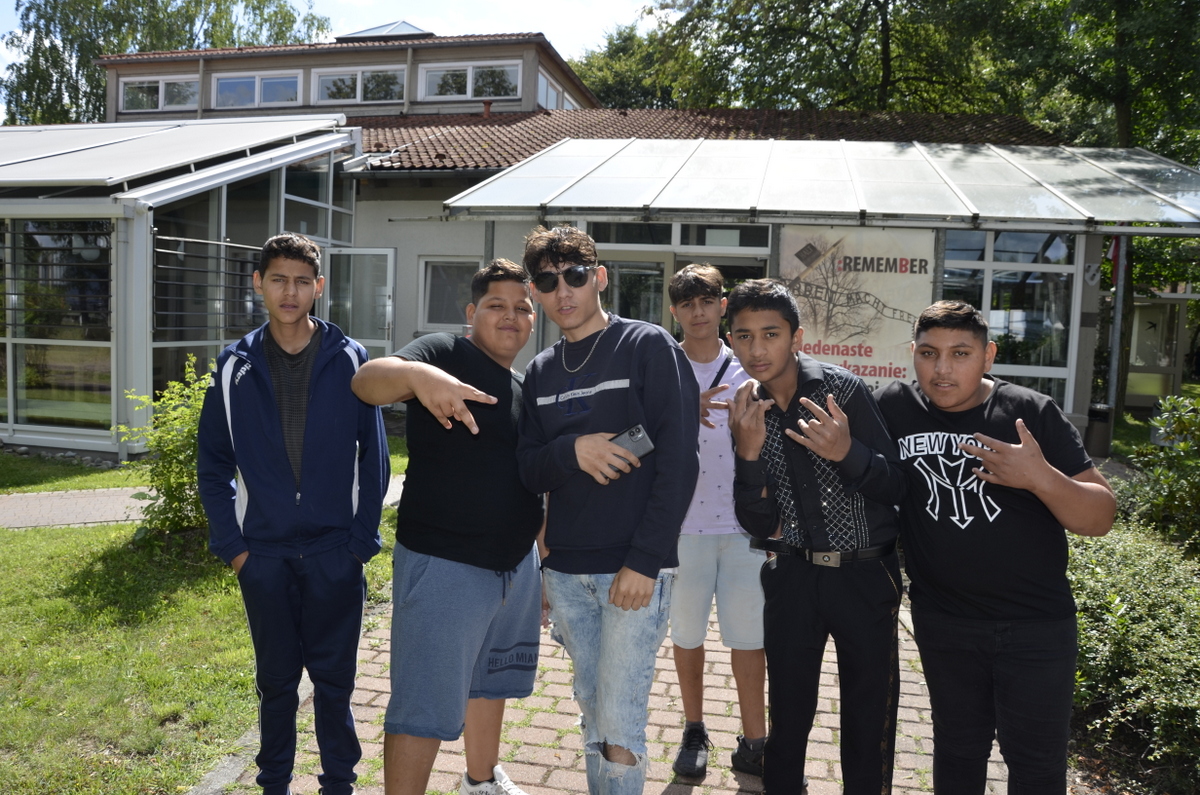
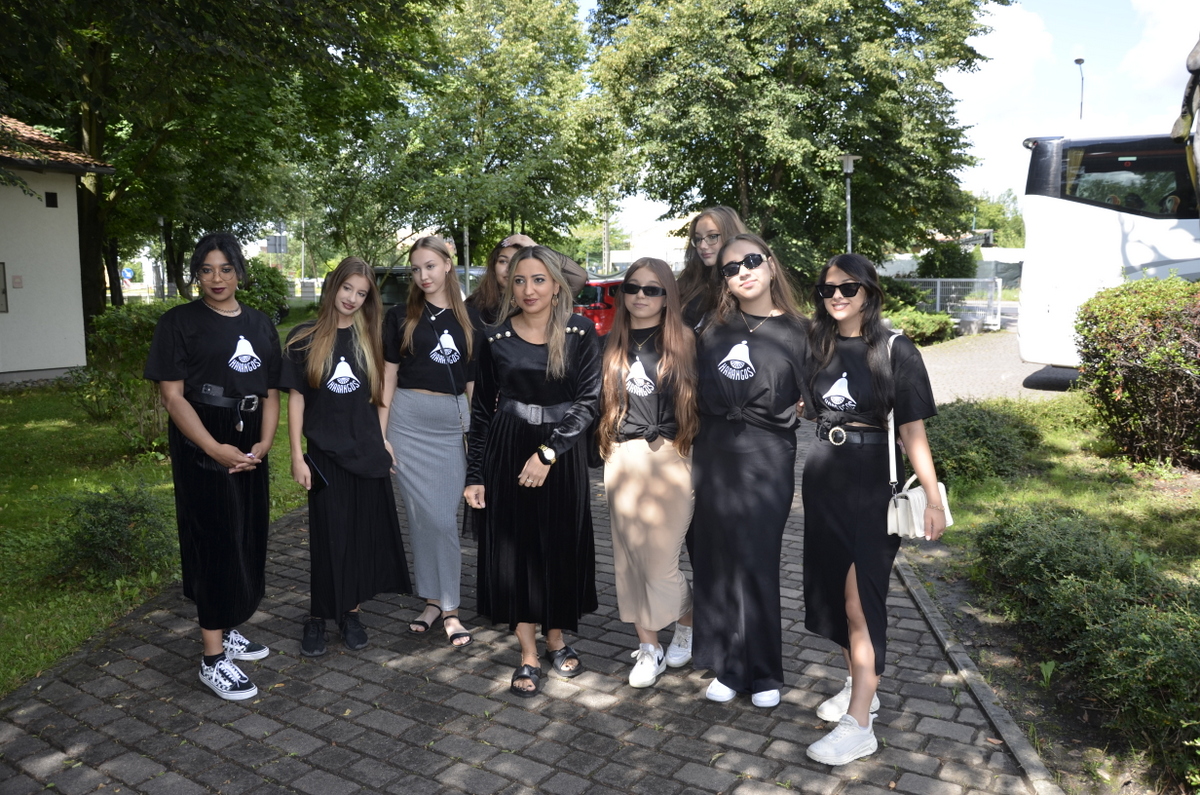
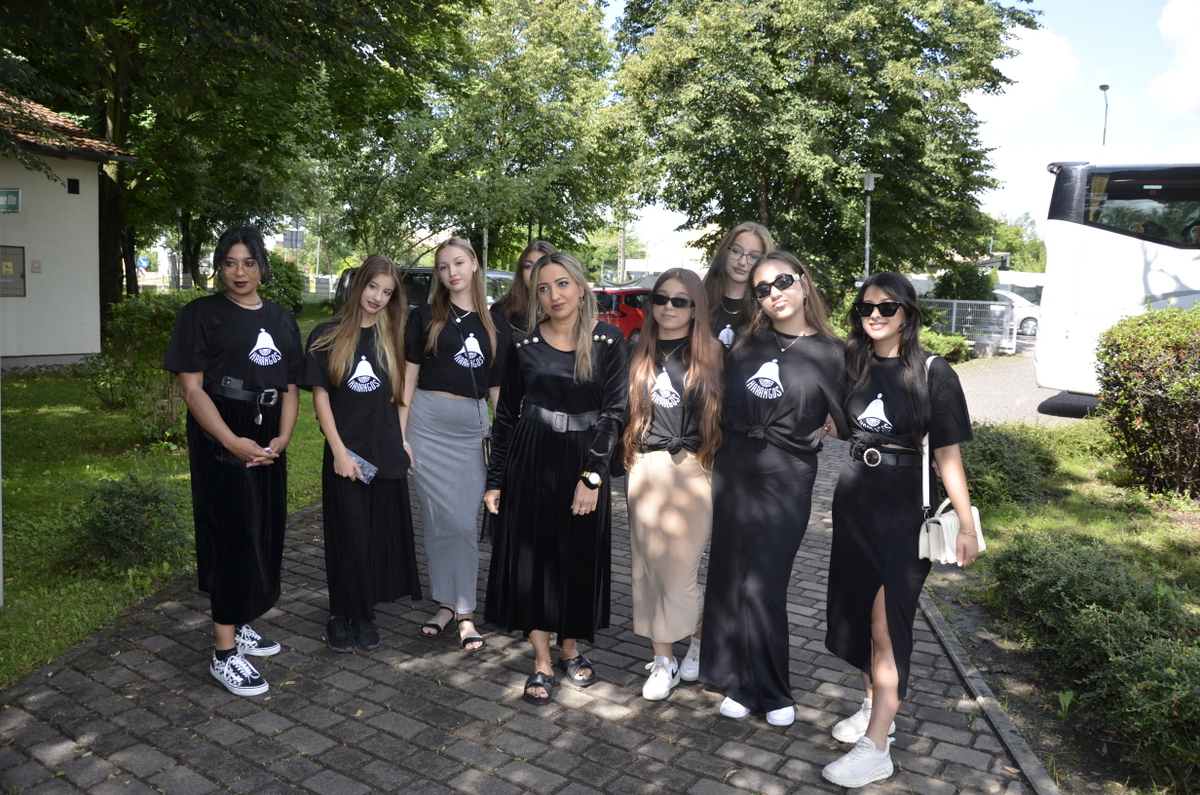
Translation: My name is Agnieszka Caban and I am a trainer and educator at this year’s Summer Workshop Camp in Oświęcim. I believe that such initiatives are very necessary and very important. Mainly due to the fact that during this year’s camp there were about 20 male and female participants from different countries. These include Roma youth from Poland, Czech Republic and Slovakia. Apart from the fact that we had a great number of different educational workshops, a very important initiative of this camp was mutual integration. This is because Roma young people have had, I think, a unique opportunity to meet and get to know their peers from different countries. And I think this initiative will also be at the heart of next year’s Summer Workshop Camp.
Vzájemné soužití
Zuzana Janeczková
Transcription: My name is Zuzana Janeczková and I’m a social worker in Vzájemné soužití. I think this project is very important for young people because they should meet with other children from other countries. And it’s especially important for them to know their history.
Simona Reichlová
Transcription: Ibelieve it’s very important for them because they (Roma youth from Czechia) don’t have such chances as their peers. And I think it’s going to give them a lot of useful things for their life.
Univercity of Ostrava
Zuzana Stanková
Transcription: My name is Zuzana Stanková, I work at the University of Ostrava Faculty of Social Studies as an academician. I teach community work and I also have been a community worker in socially excluded localities. I think these initiatives or these camps for young people are really important for their connection and for knowing some new…, not just the people and places of course, but I think it’s very important to know new contexts and knowledge from another communities or young groups. It can improve them and their seeing of the context of our lives.
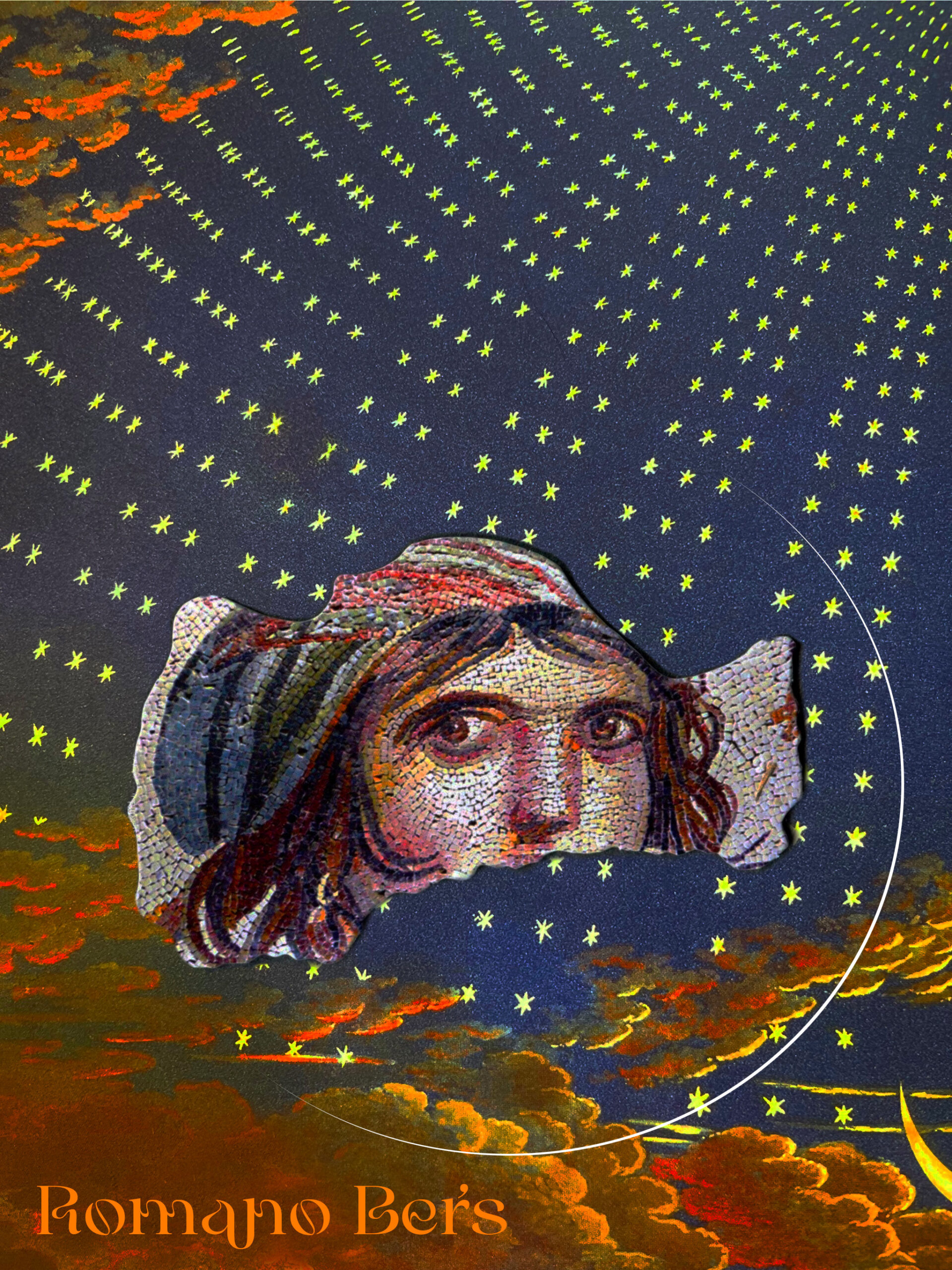
„Roma culture is one of the Polish traditional cultures most at risk of disappearing. The Roma culture varies in different corners of Poland, because of the fact that groups with a different history, with a different route of wandering before settlement, live there. Its common feature, on the other hand, is that it’s passed down orally from generation to generation. Oral transmission is forgotten or transformed in the next generation, so it is important to save it, to document both tradition and modernity.”
Perła Krystyna Markowska, Center for Advice and Information for Roma in Poland.
„Romano kalendarzo” is a record of Roma culture and provides education about this traditional culture in a modern and accessible way – through an online calendar based on the most popular calendar in the world, the Gregorian calendar. In practice, the calendar is the first ever calendar for Polish Roma: a record of important dates. At the same time, it describes and explains issues related to Roma traditions of interest to both Roma and non-Roma.
The Calendar, which is in the process of being created, includes all Christian holidays and anniversaries of events, mostly tragic, related to the Holocaust. There are also joyful holidays, such as International Roma Language Day and International Roma Day.
The goal of „Kalendarzo Romano” is to collect and document information about important events and holidays celebrated by Polish Roma, also in a worldwide context, documenting them and describing them in a way that is clear to the average audience, Roma and non-Roma. A one-of-a-kind document will be created, an artefact and source of reliable information about the Roma and their contemporary culture and heritage, told by the Roma themselves.
Written and edited by Roma, it will be published already in the fall of 2023 in a beautiful layout, with illustrations by one of the most interesting artists of the younger generation, Krzysztof Gil. It will be a unique documentation of Roma tradition, so far unrecorded. Thanks to its digital form, the calendar will be able to accommodate an almost infinite number of links and be developed from year to year.
The editor-in-chief of „Romano kalendarzo” is Agnieszka Caban, a cultural studies scholar, a doctoral student at the University of Warsaw’s Doctoral School of Cultural and Religious Studies, a researcher of the culture of national and ethnic minorities, a specialist in multiculturalism, a long-time activist for the Roma community. Lecturer and trainer in the field of national and ethnic minorities, especially history, Roma culture, intercultural communication, anti-discrimination, Self-Advocacy and others. Winner of the Helena Radlinska award for social animators (special award in 2014). Author of numerous articles, reports, editor of books and magazines. Vice president of the Radom Roma Association „Romano Waśt” (2009 – 2020).
Head of the branch of the Museum of Dialogue of Cultures at the National Museum in Kielce (2017 – 2019). Currently associated with the “Dom Kultury” Foundation (member of the Program Council) and head of Bluebell Lab. Education and Development.
The project was co-financed by funds from the Ministry of Culture and National Heritage’s Cultural Promotion Fund.



In a Grid is a magazine created by women serving prison sentences in the Warsaw Detention Center - Grochów, as well as artists. We have been publishing a unique irregular magazine since 2013.
In 2023, we’re working on the 7th issue together with artists from the Department of Graphic Arts at Wrocław's SWPS University. In addition to 20 women from the prison in Grochów, men from the Penitentiary Institution in Wołów participate in the work on the texts.
The editor-in-chief of the 7th issue is writer, poet, writing coach Mateusz Marczewski (Course ‘Writing as a Process’ LINK: https://mateuszmarczewski.pl/pisanie-jako-proces/).
The artistic director is Dr. Małgorzata Jabłońska. The author of the graphic design and typesetting is Dr. Piotr Szewczyk.
Program supervision of the work on the preparation of the issue is provided by 2nd Lt. Ewa Smolińska from the Detention Center in Warsaw - Grochów and guest 2nd Lt. Iwona Bawolska from the Penitentiary Institution in Wołów.

Co-financed by funds from the Ministry of Culture and National Heritage from the Fund for Promotion of Culture - state purpose fund.

“W Kratkę – a magazine of women from prison and artists” at the XII National Project Exchange of the National Center for Culture.
XII National Project Exchange
“W Kratkę – a magazine of women from prison and artists” was presented at the XII National Project Exchange of the National Center for Culture, which took place in Toruń.
This is an honor for us and a great opportunity to present good practices, network, and gather new inspiration.
We invite you to view the wonderful photo report on the NCK website.


W Kratkę magazine and Fundacja Dom Kultury took part in an amazing artistic event by Jenny Brockman: Entanglement 4 #Melody that tool place in Kassel as part of #documenta 15.
We were accompanied by artists taking part in our foundation’s activities in prisons, including Małgorzata Jabłońska and Piotr Szewczyk from the Wrocław Department of Graphics at SWPS University and Józek Gałązka.

Jenny Brockman Entanglement 4 #Melody
documenta 15
Kassel 2022
The artistic activities with the project participants were prepared to be performed in a circle, within an installation created by Jenny Brockmann. The activities were participatory but artist-initiated. The activities metaphorically alluded to the situation of imprisonment, and had sound-making potential – the objects prepared by the artists could be used as specific musical instruments. The objects, thanks to the interaction of the users, also changed and enriched their visual layer and were art works in progress.

Małgorzata Jabłońska
Małgorzata Jabłońska’s objects consisted of large sieves (which are usually used for sifting flour). They functioned as a substrate for building a joint composition from the artist’s original pictograms, available to participants in the form of foil stickers.
Together, the participants created a visual composition from the 'prison’ pictograms: figures, abstract shapes and objects. It was a time of reflection through action.
The imposed working space, selecting only from a range of available elements, the necessity to adapt to the existing surface (pre-made by the artist) as well as to other people working together on the composition, corresponded to the limited possibilities of arranging the world inside prisons.
Some of the pictograms came from Małgorzata Jabłońska’s illustrations for the 'W Kratkę’ magazine, while others were designed specifically for the activity.
The pictograms of objects with which the participants worked were things neglected in life at large, which become important only in the prison reality, ensuring easier functioning or survival – mentally and physically.
Technically, the pictograms were applied to a surface – the net of the sieves. Later, after Entanglement #4 had already been completed, the objects were covered with paint and the stickers were removed, ensuring that, thanks to the translucency of the sieve, all the elements penetrated into the structure of the 'grids’. During the performance, it was possible to generate sound with the sieves.

Piotr Szewczyk
In Piotr Szewczyk’s performance, participants worked with his original drums, which were made up of customised metal basins (the basin is an important part of everyday prison life!) and a canvas covered with a painting surface. Through the use of unusual sticks with abrasive tips, people taking part in the activity made sounds and, at the same time, interfered with the surface of the painting. The final painting was a product of movement, force of abrasion, the amount and involvement of the participants.

Józek Gałązka
The work entitled 'Strings’, which I presented during Jenny Brookman’s discursive performance, was a continuation of the object/sculpture structure prepared by the artist as part of her 'Bypass’ project. I prepared simple harnesses connected by nylon strings that paired participants together. I wanted to create a situation in which the participants in the project are entangled with each other, but can produce a common melody by working together. By appropriately tightening or loosening the title strings, the participants combined with Jenny Brookman’s object to create a living instrument.
During the meeting, we also shared the experience of working and running workshops in prisons. The musical improvisation we found ourselves in brought the participants closer to the group workshop method.

The activities were curated by Antek Burzyński.
Photos: Justyna Domasłowska Szulc, Ada Szulc
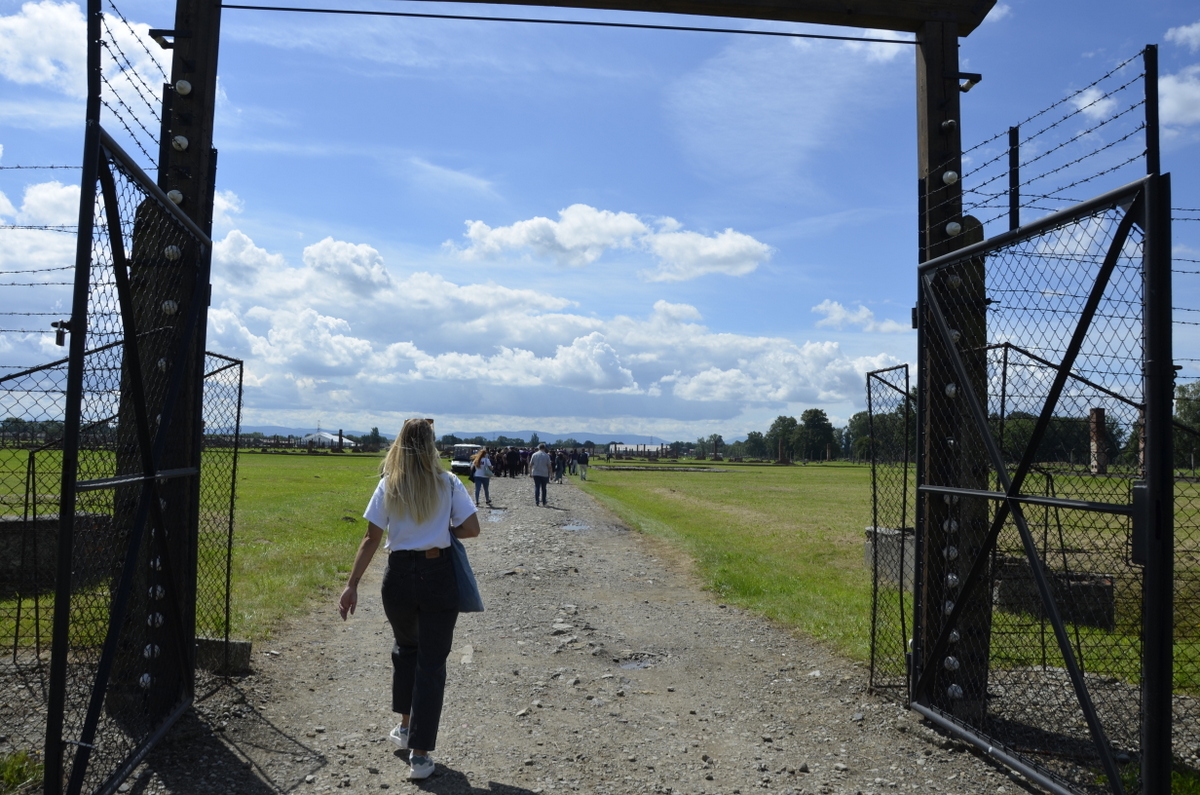
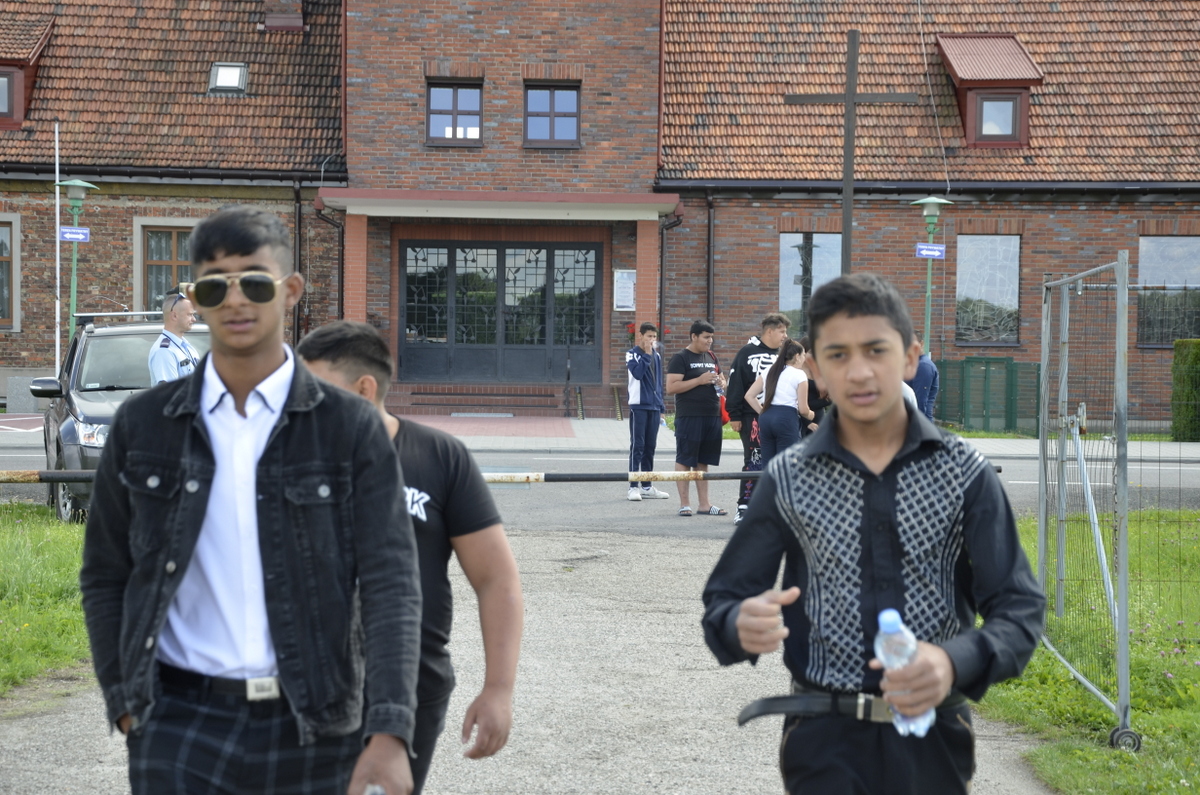
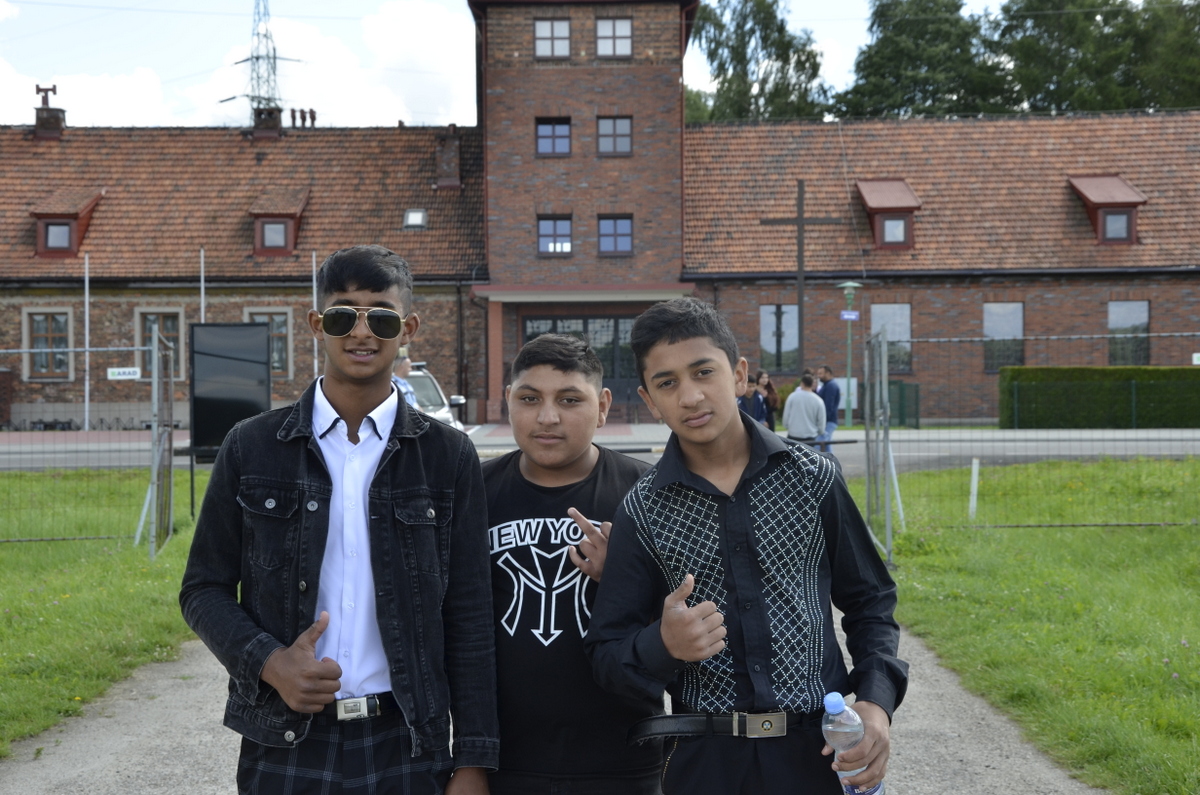
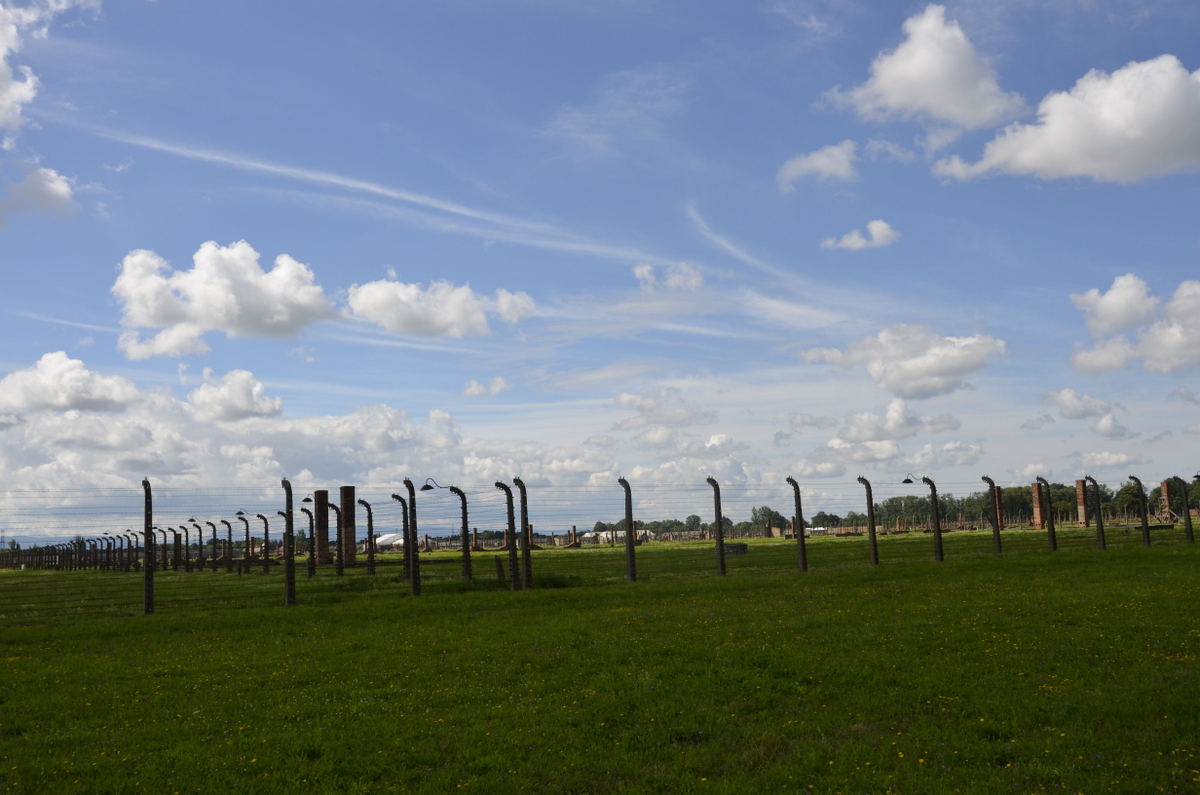
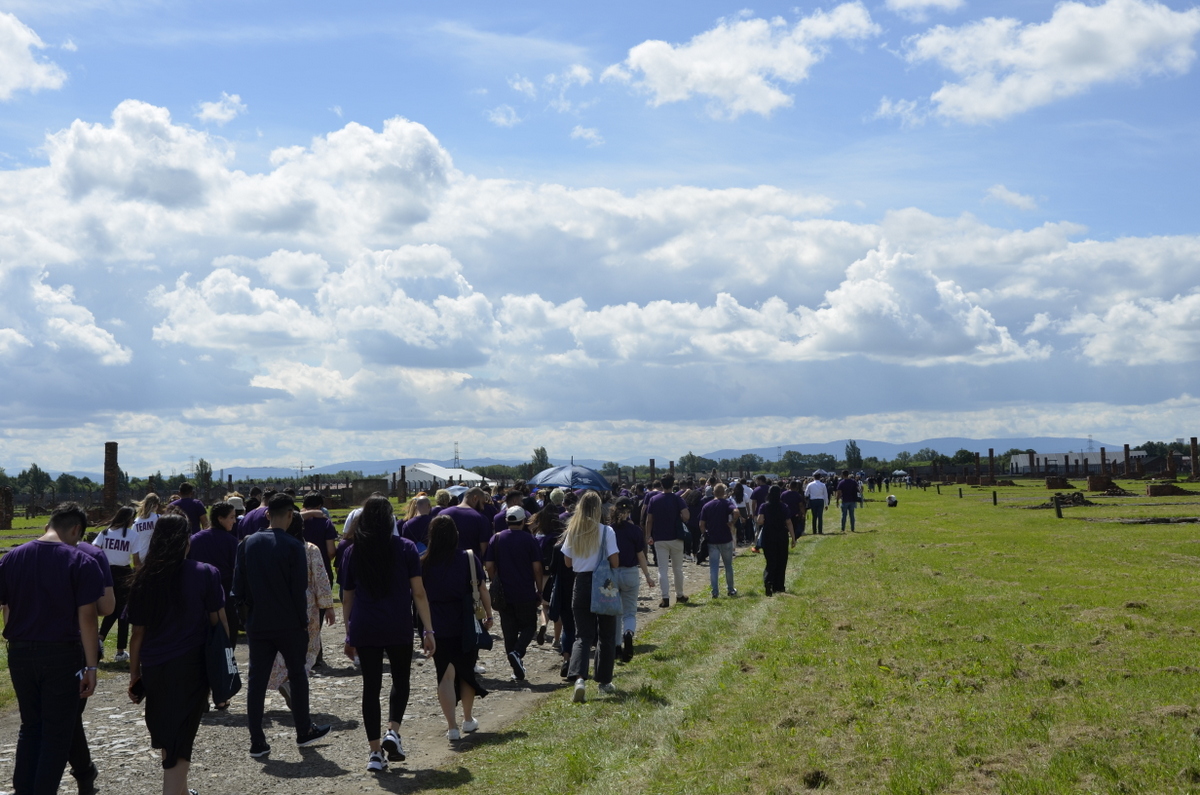
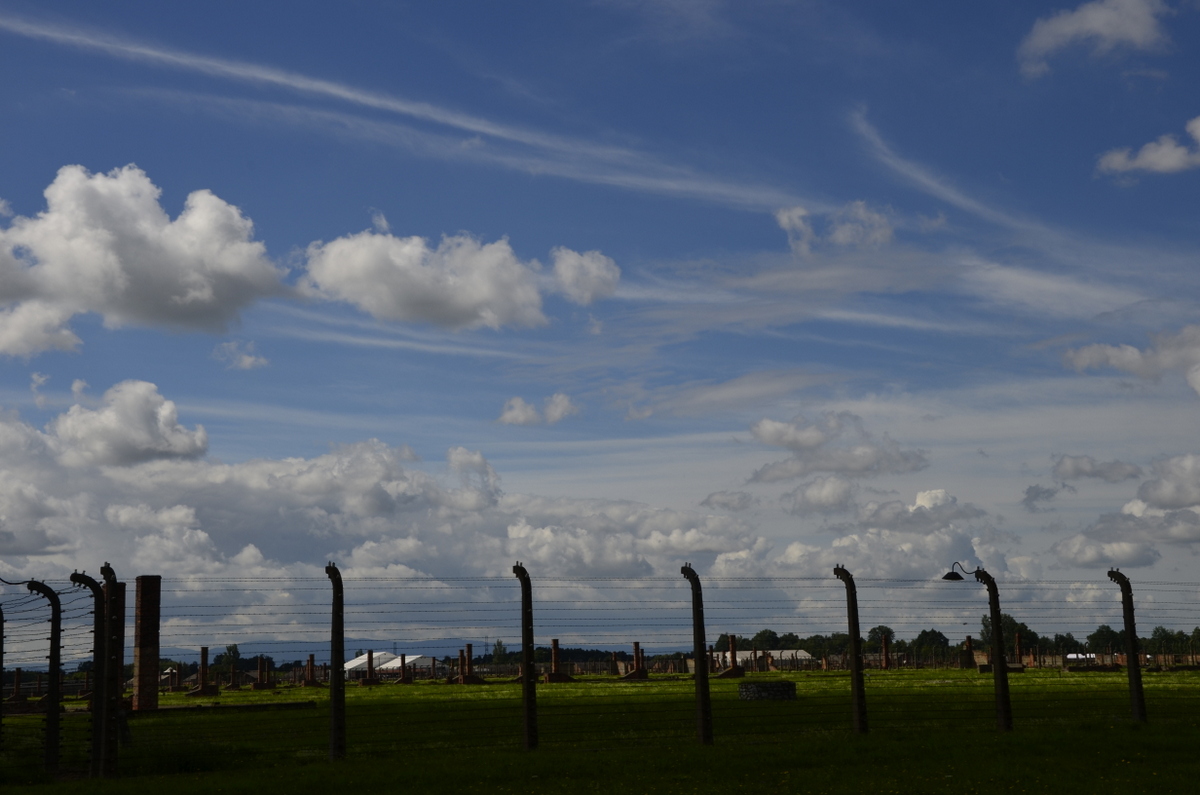
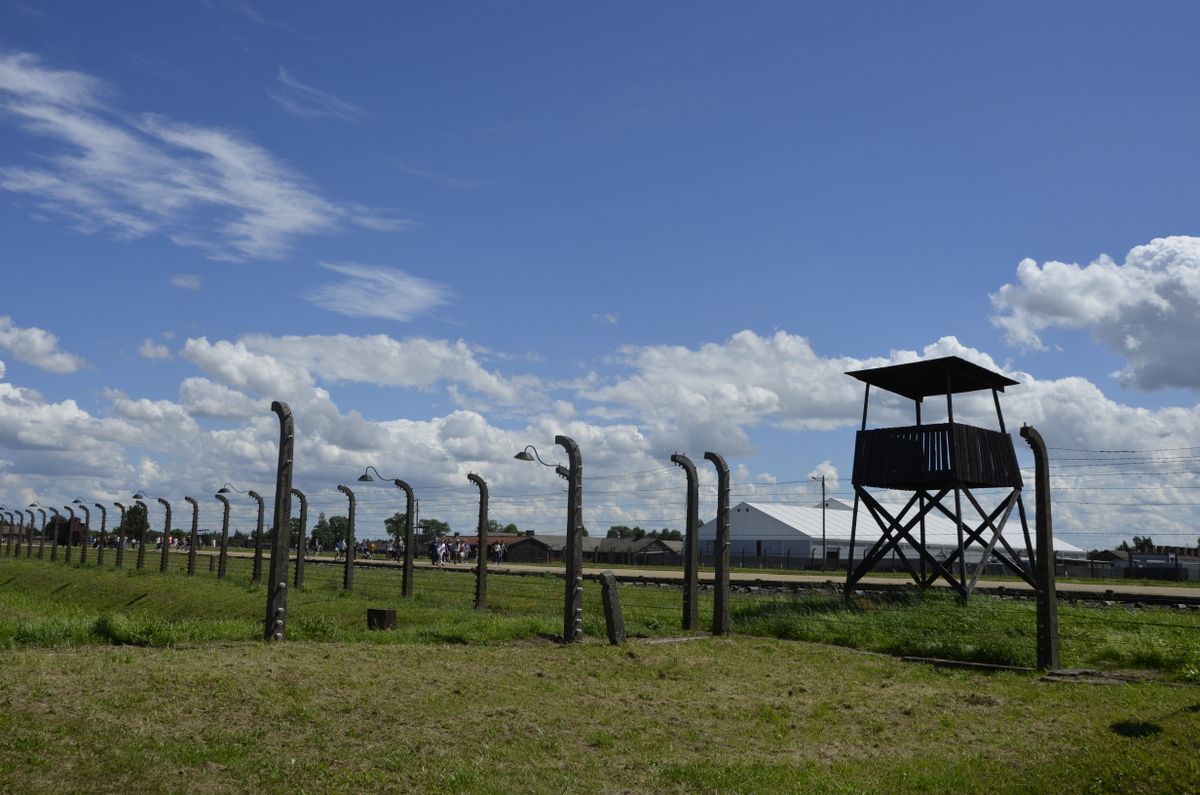
As part of the Summer Workshop Camp, we visited the Auschwitz – Birkenau Museum and Memorial. Beforehand, we took part in a workshop led by Judith Hoehne – Krawczyk from the International Youth Meeting Center in Oświęcim.
After visiting the Museum, we took part in a workshop where we talked about our emotions and expressed them through words and artwork.
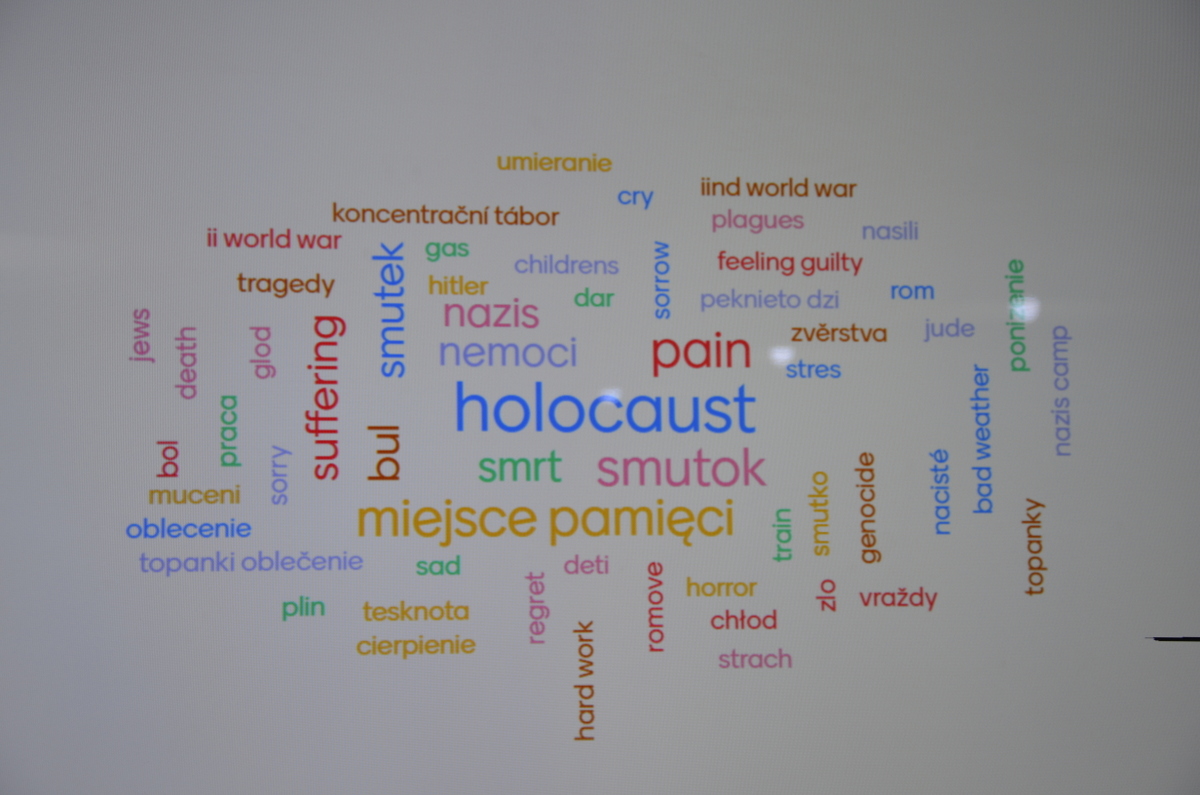
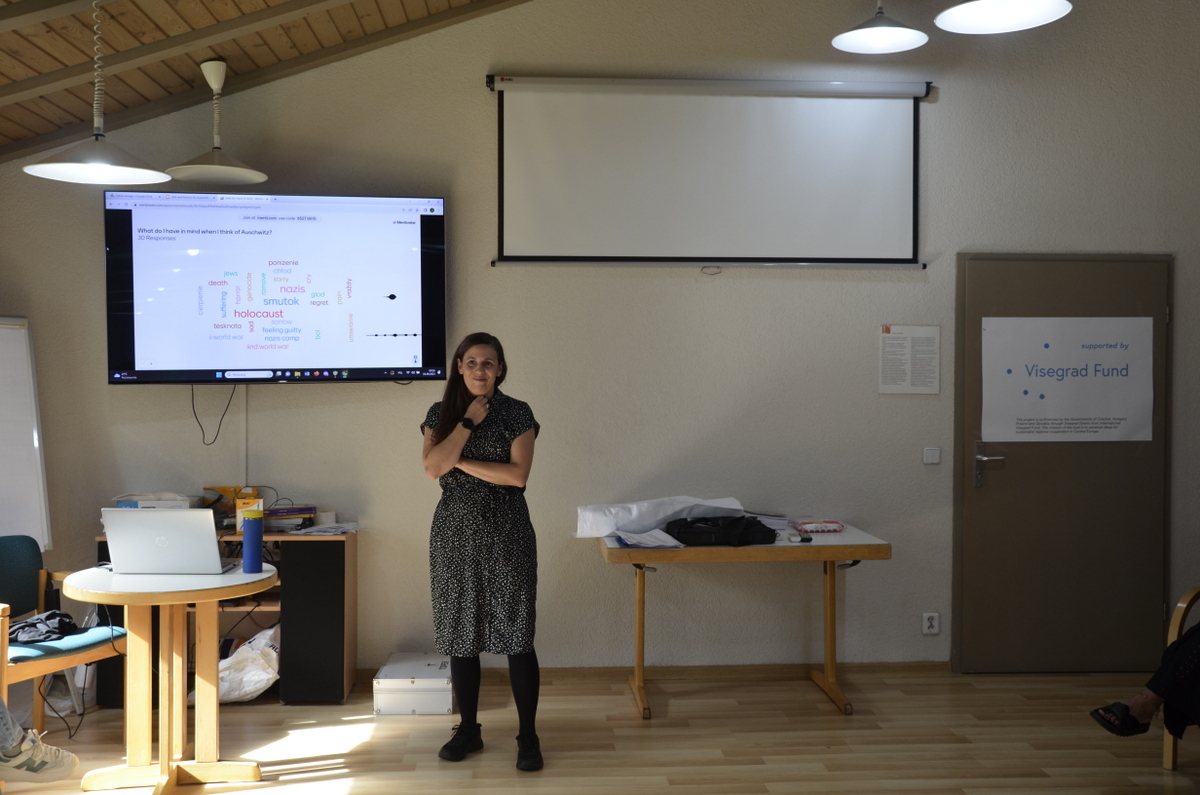
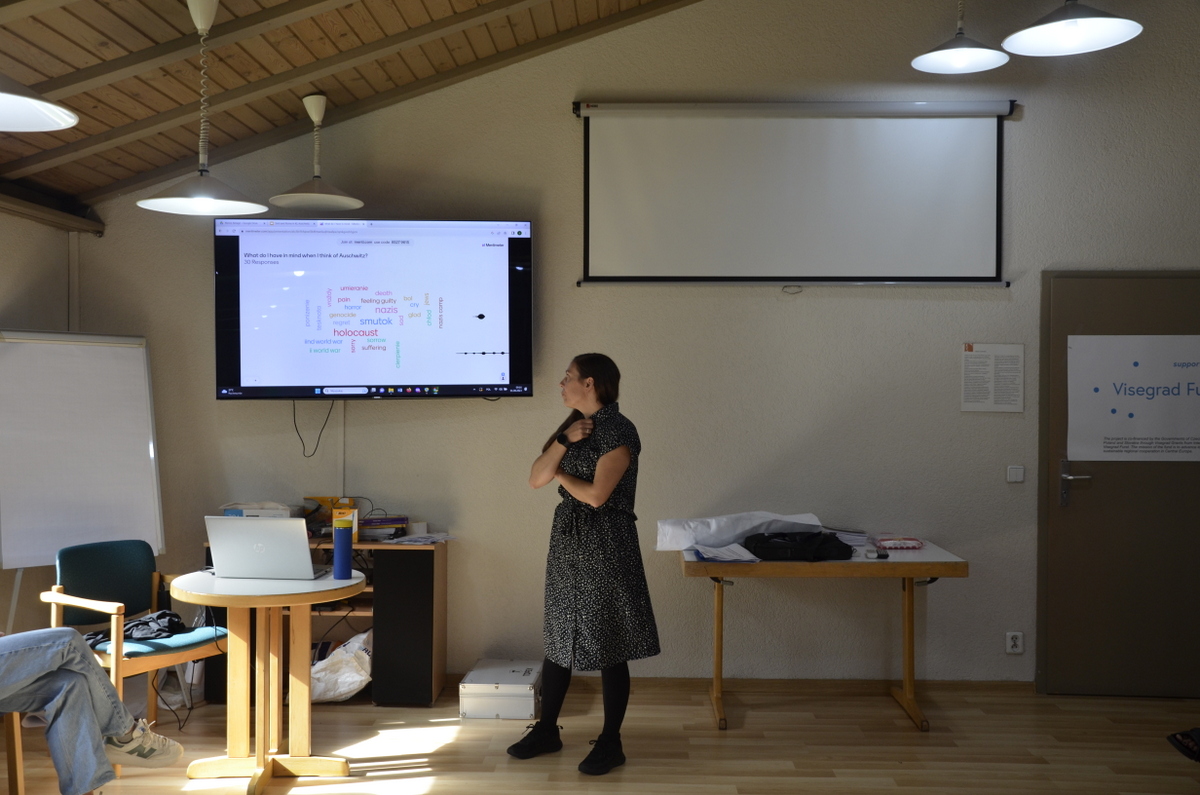
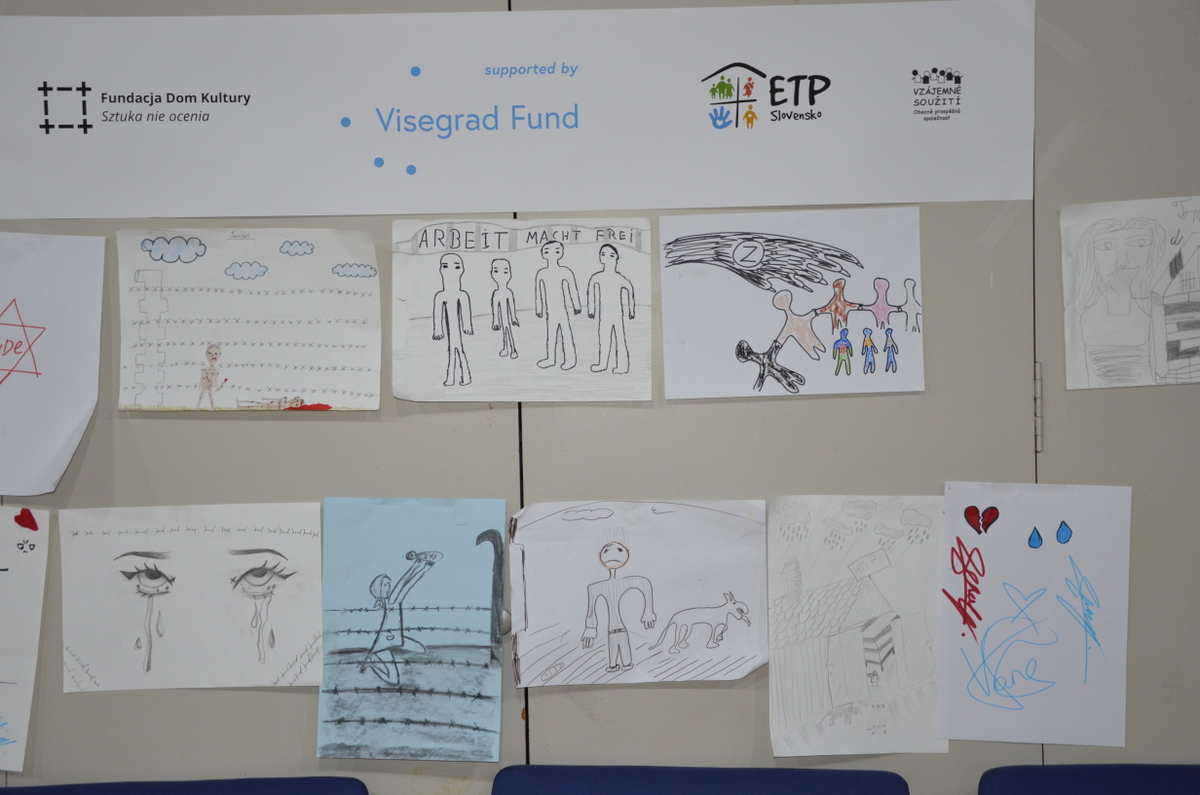

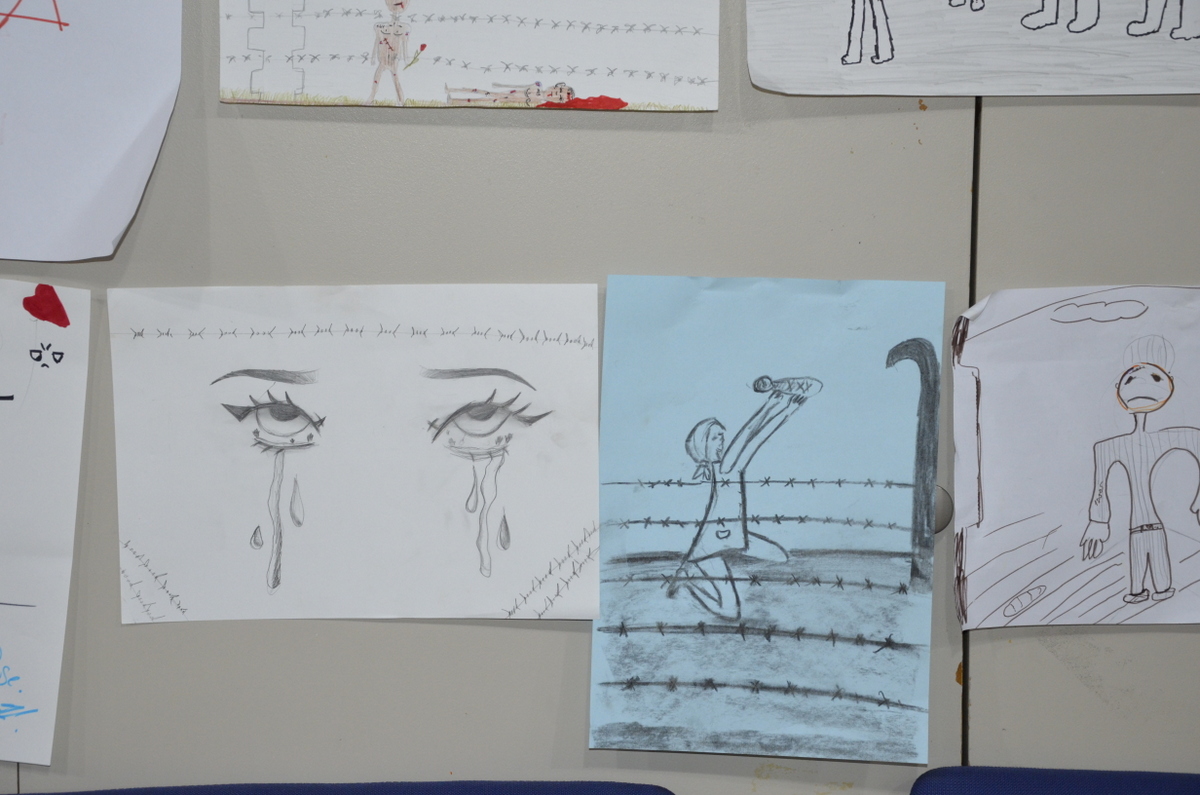
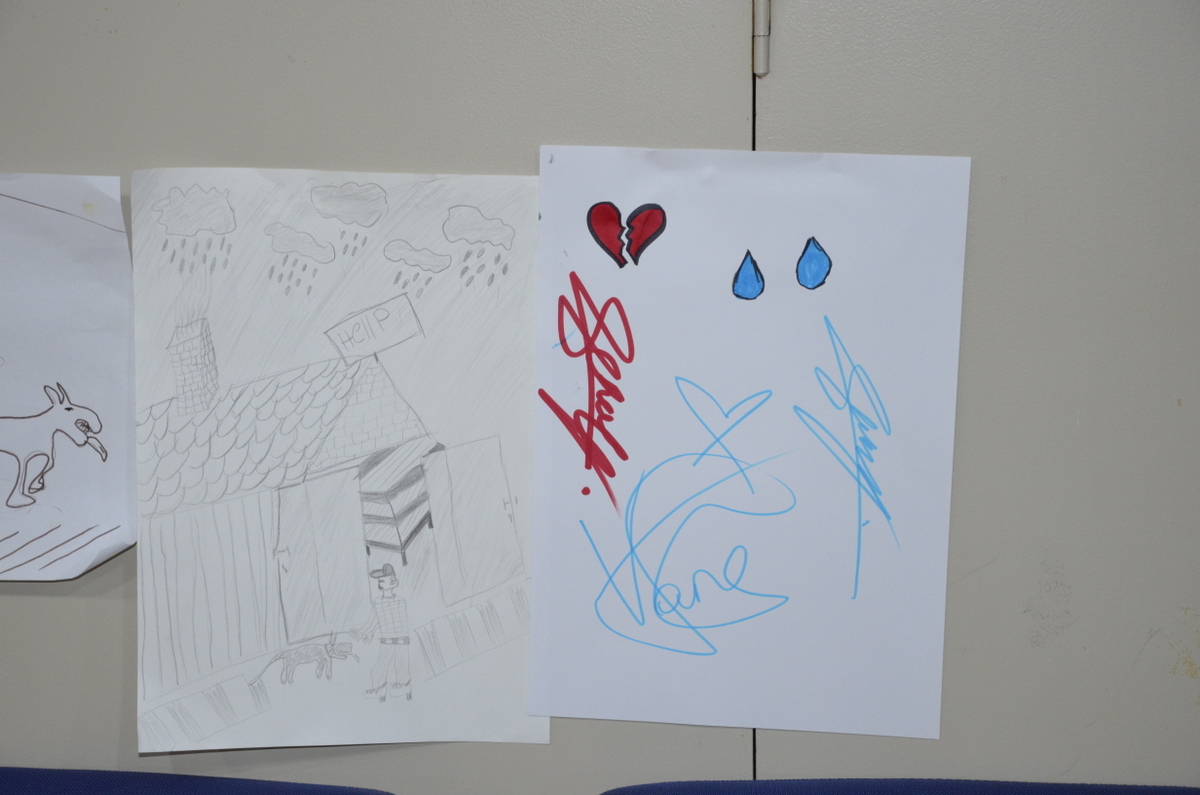


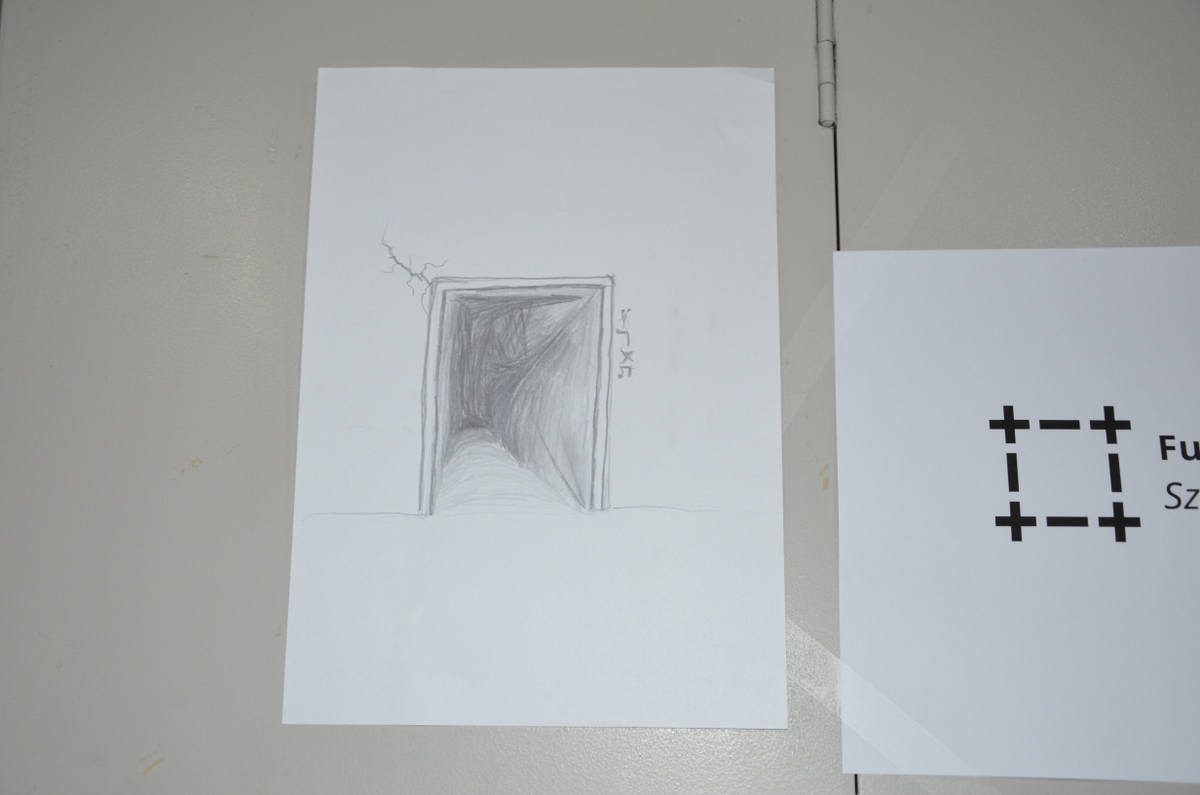
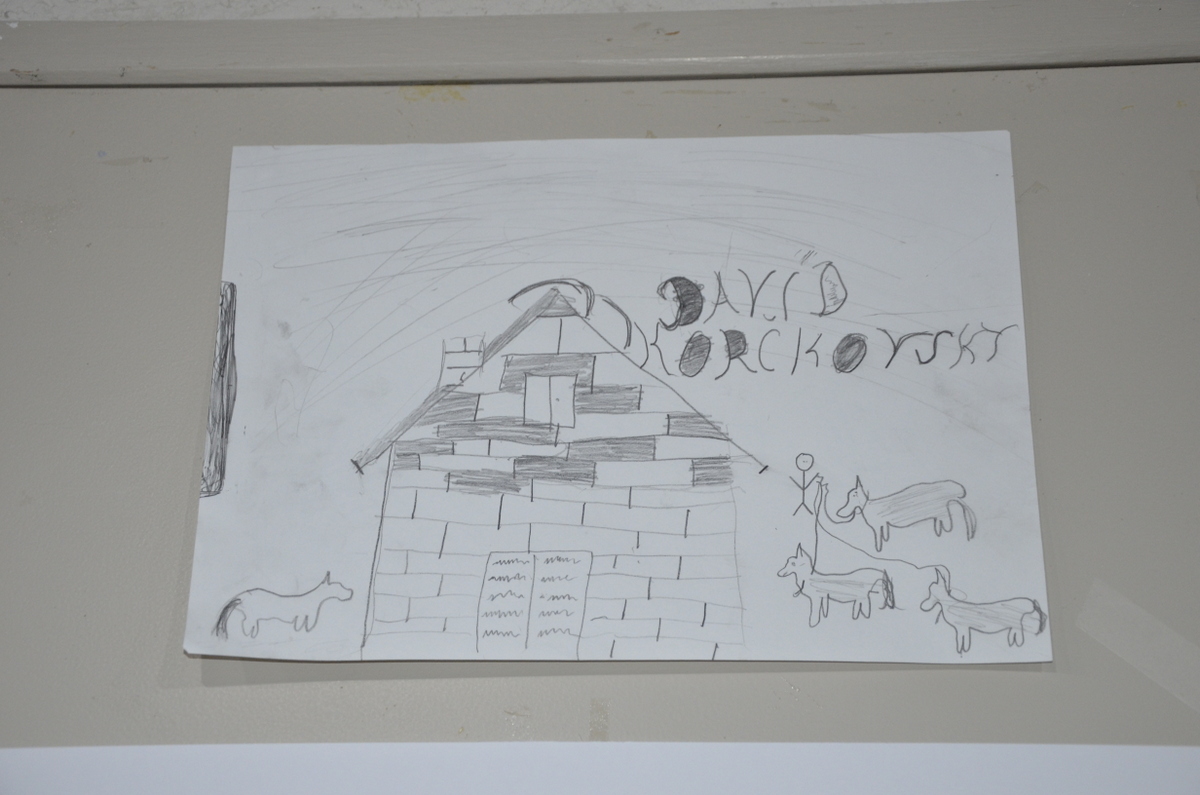
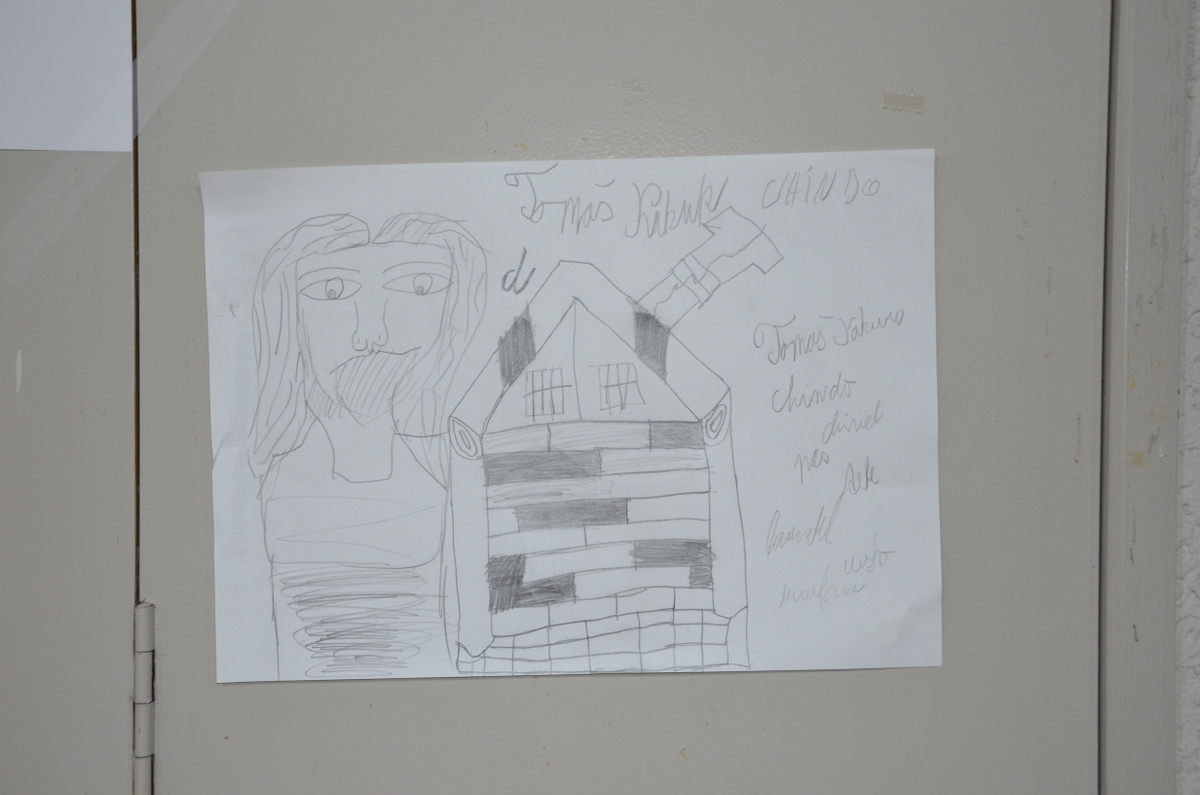
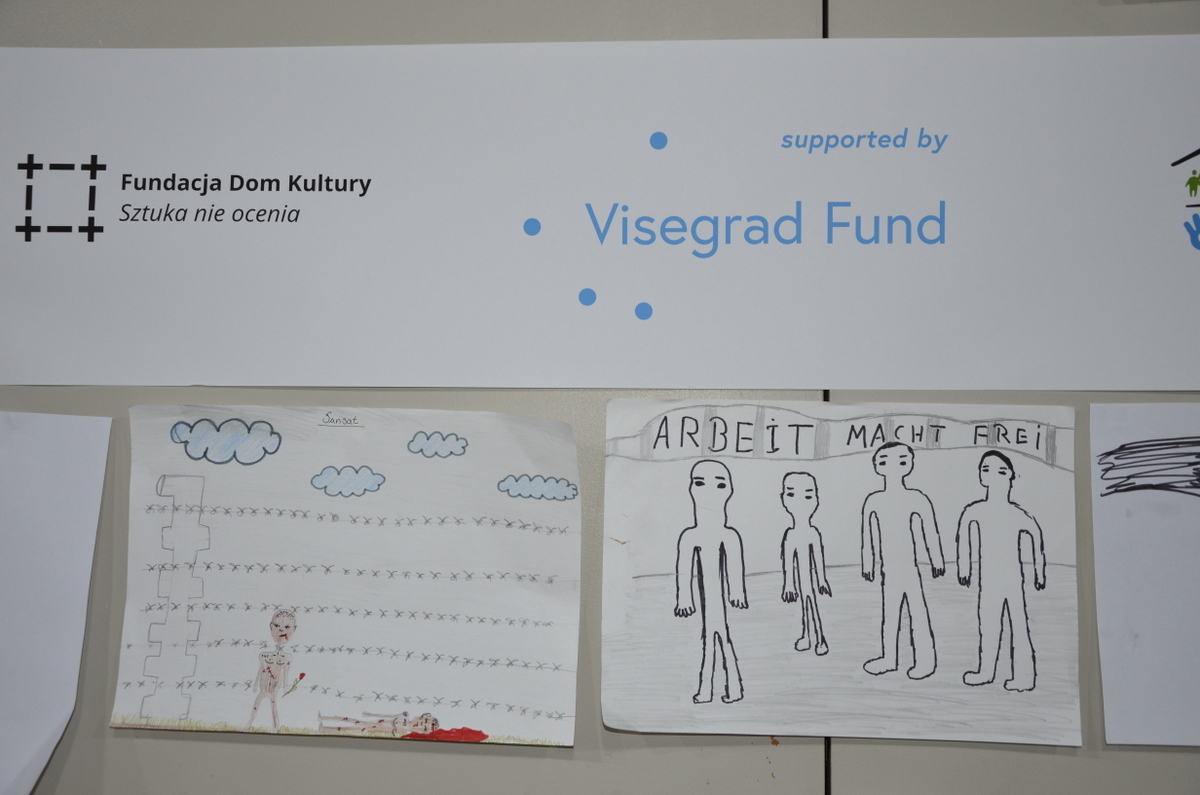
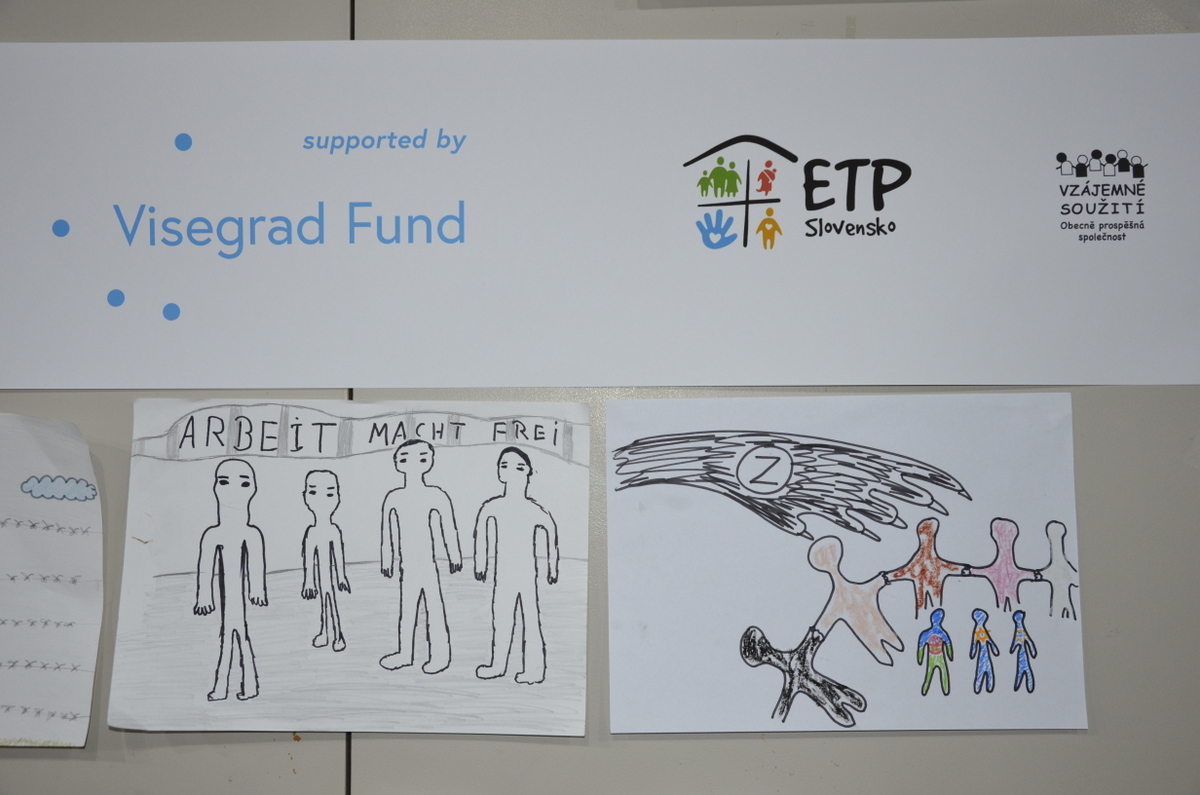
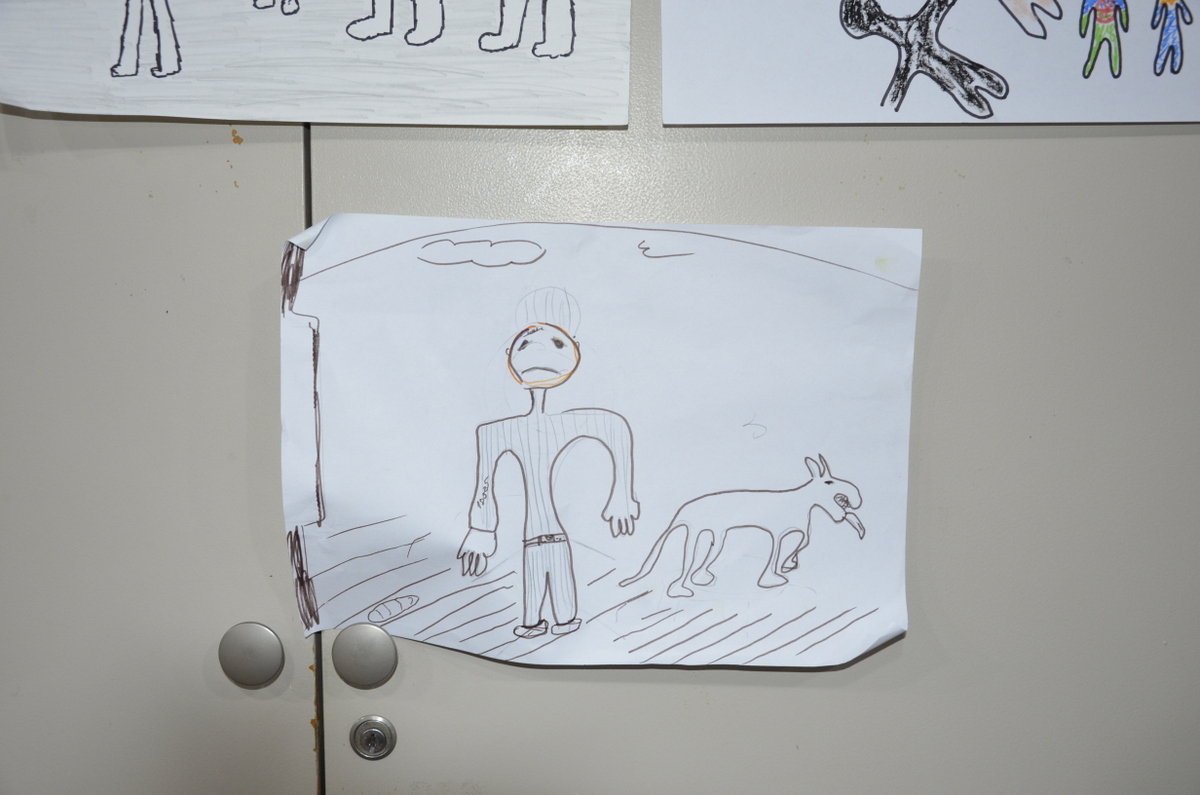


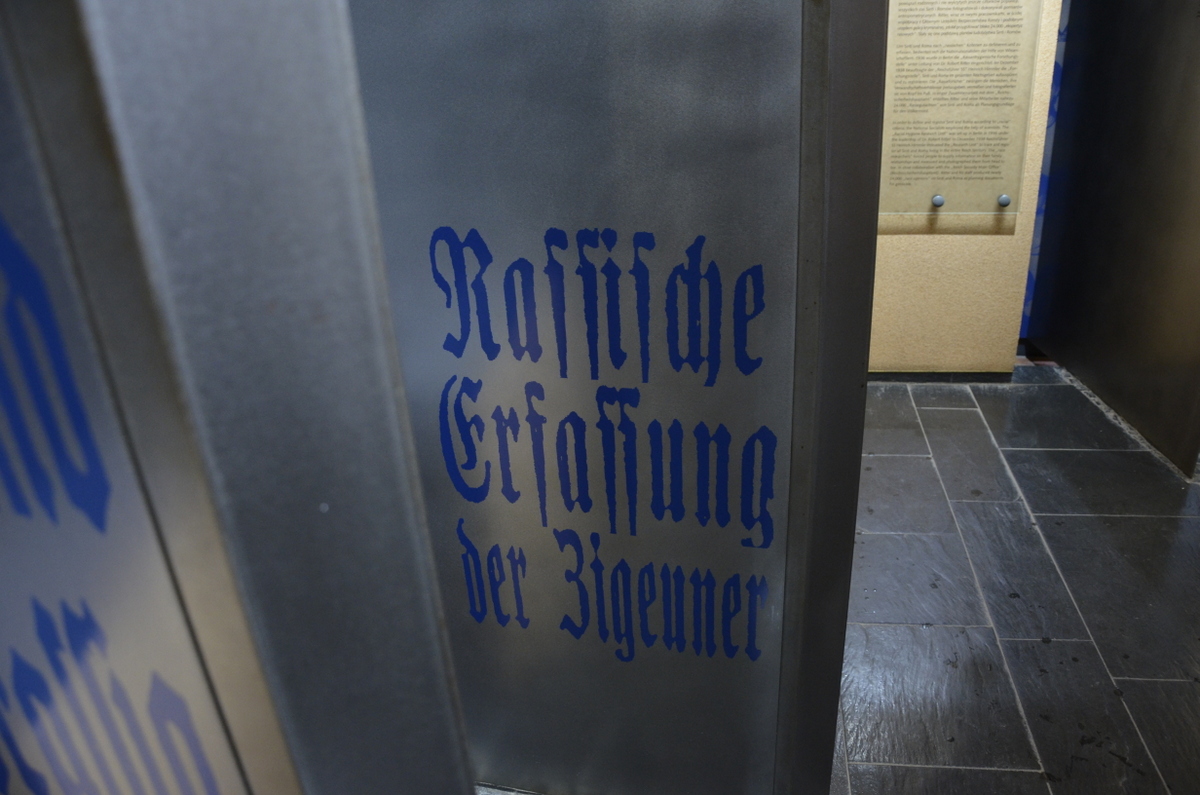
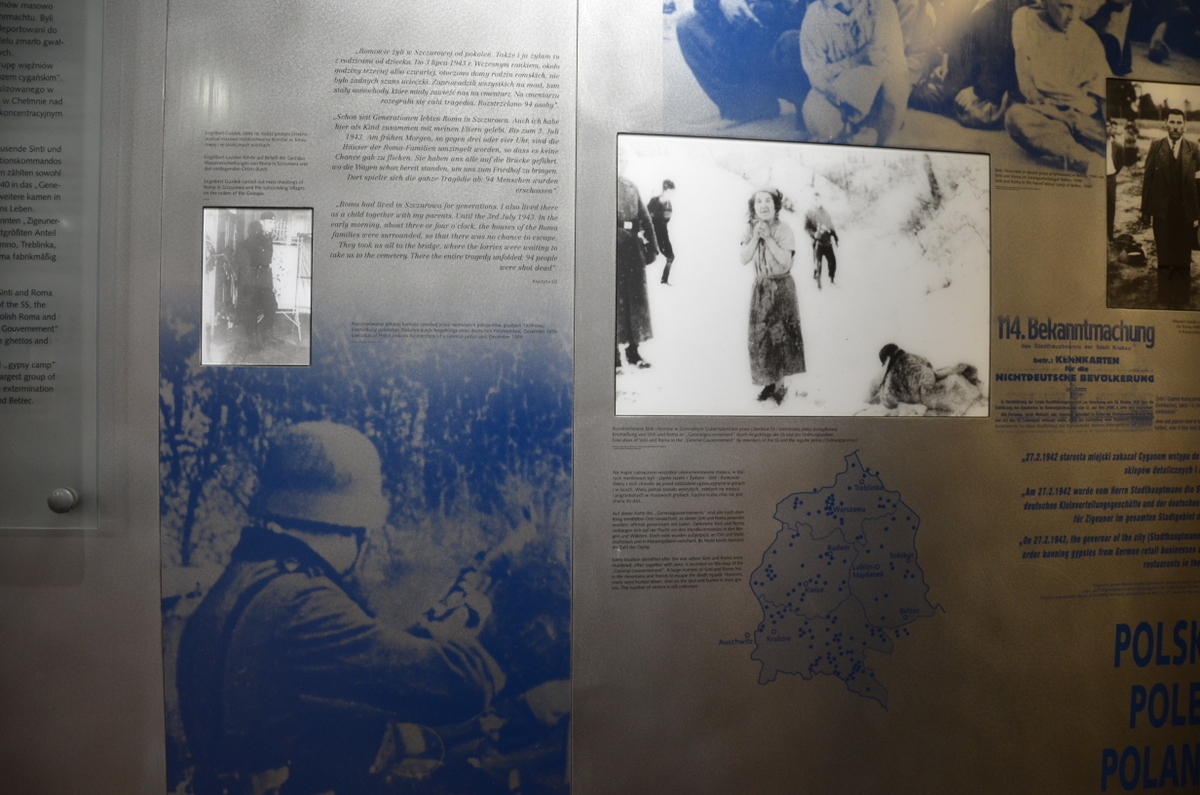
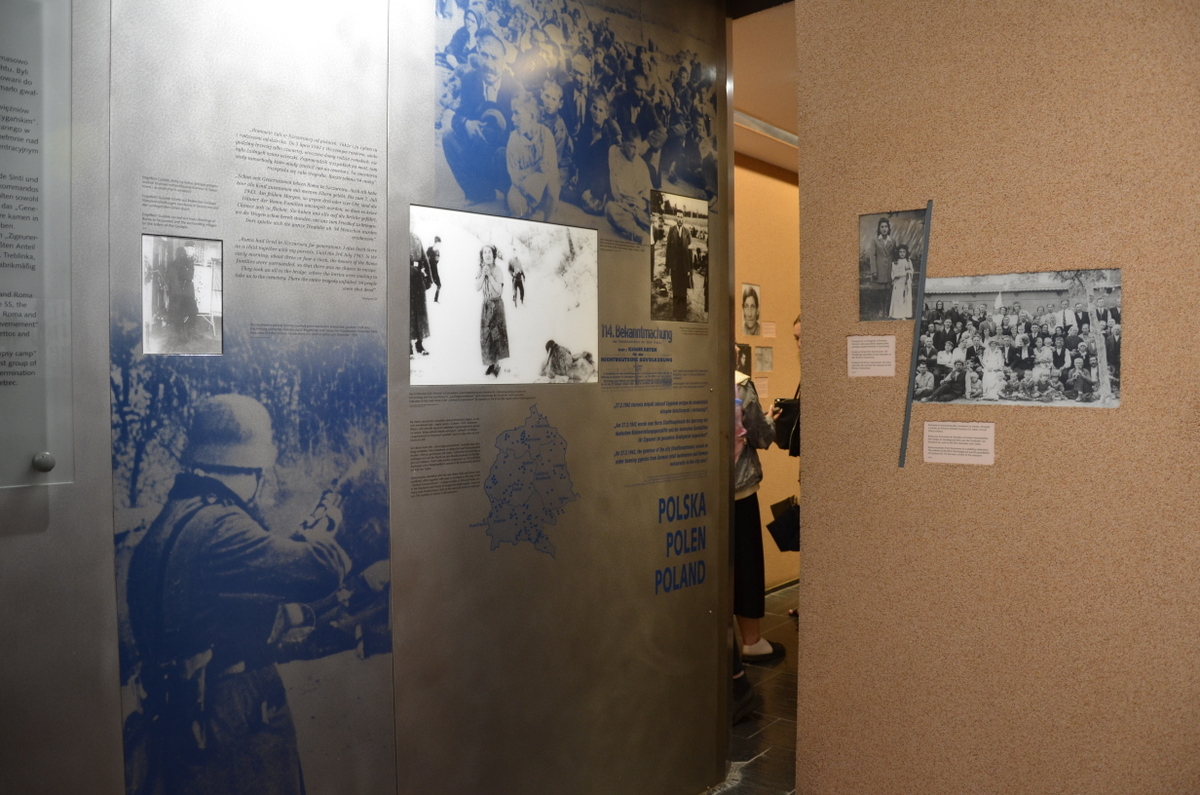

Photo: Ada
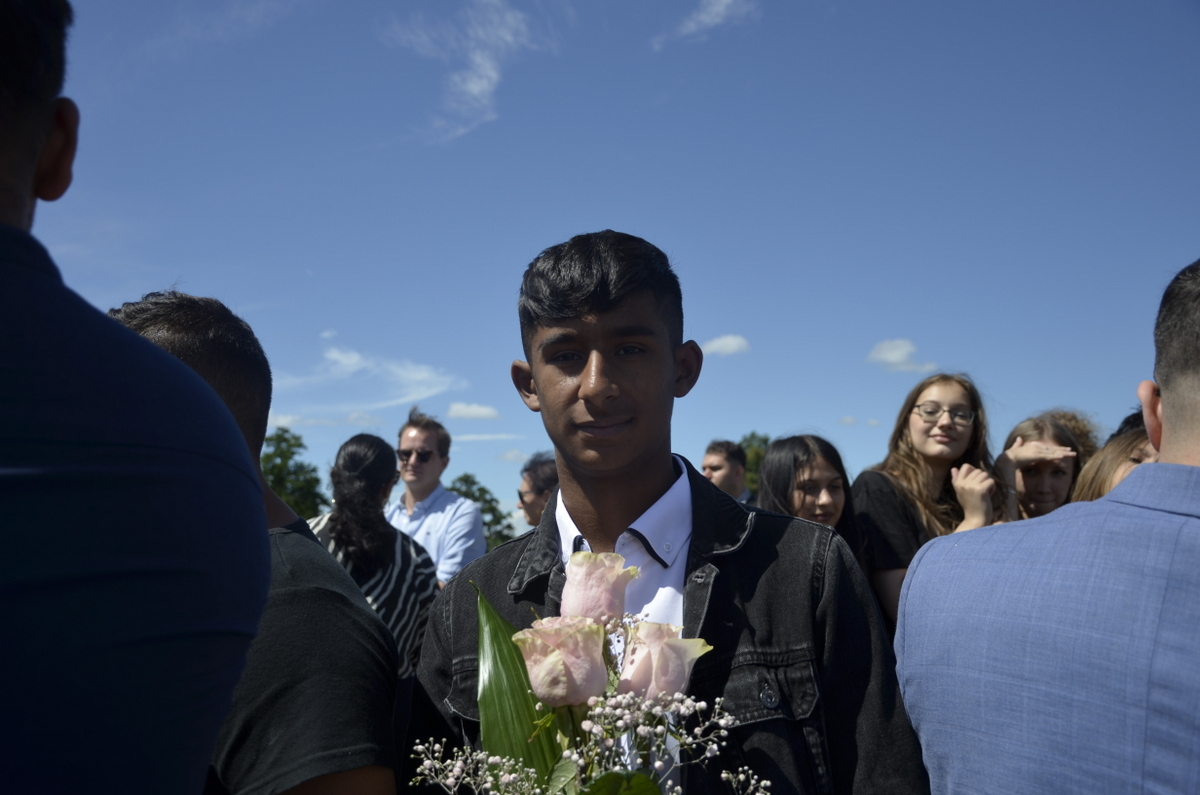
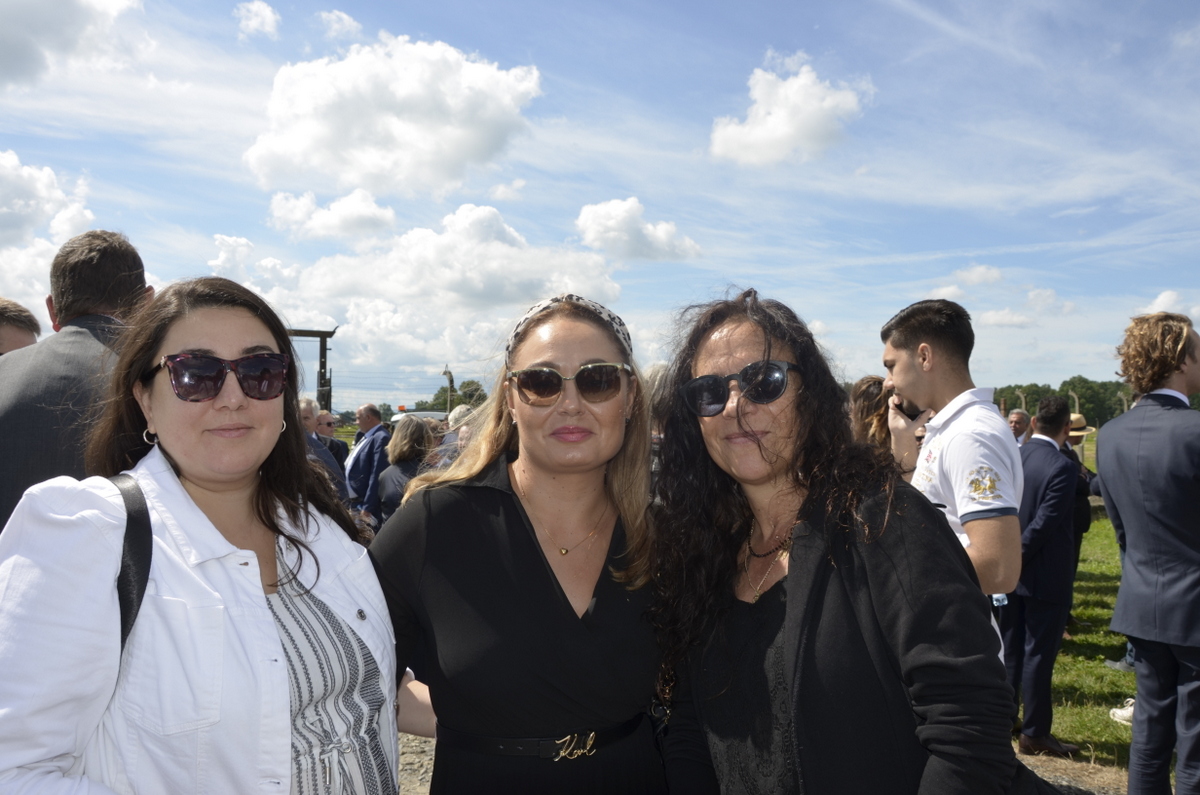
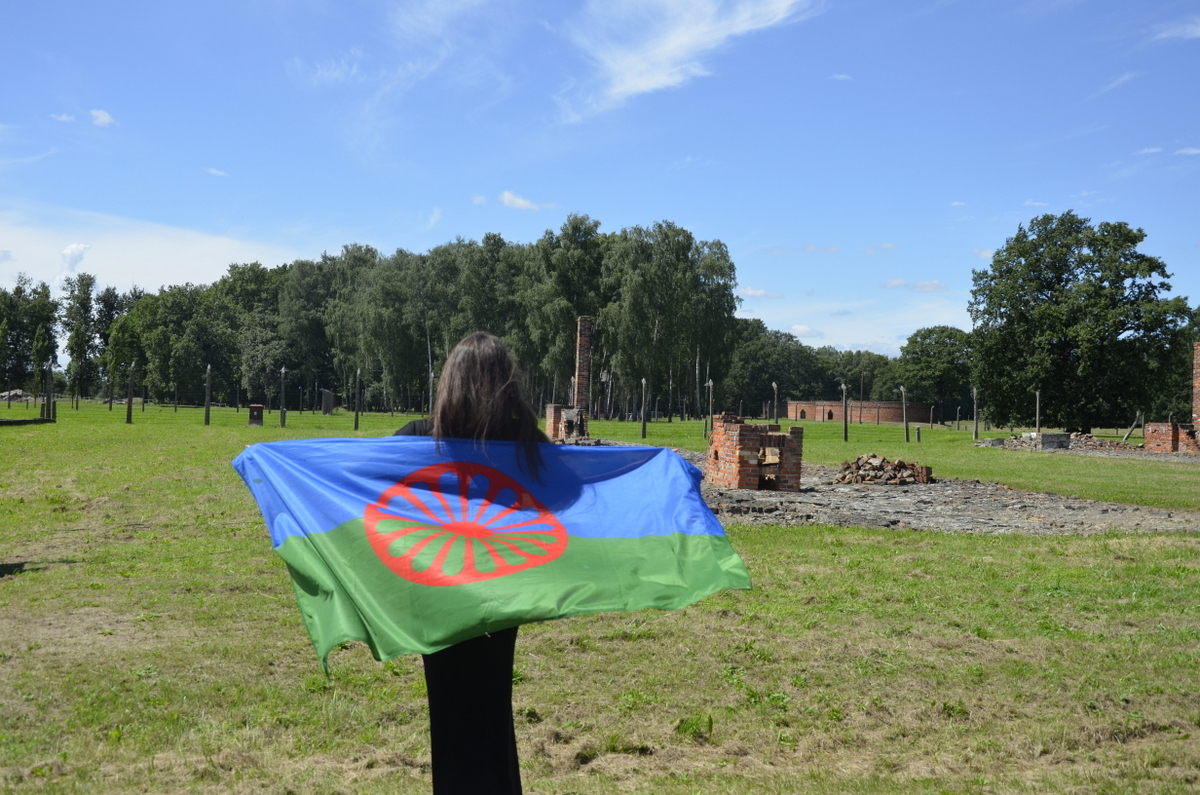
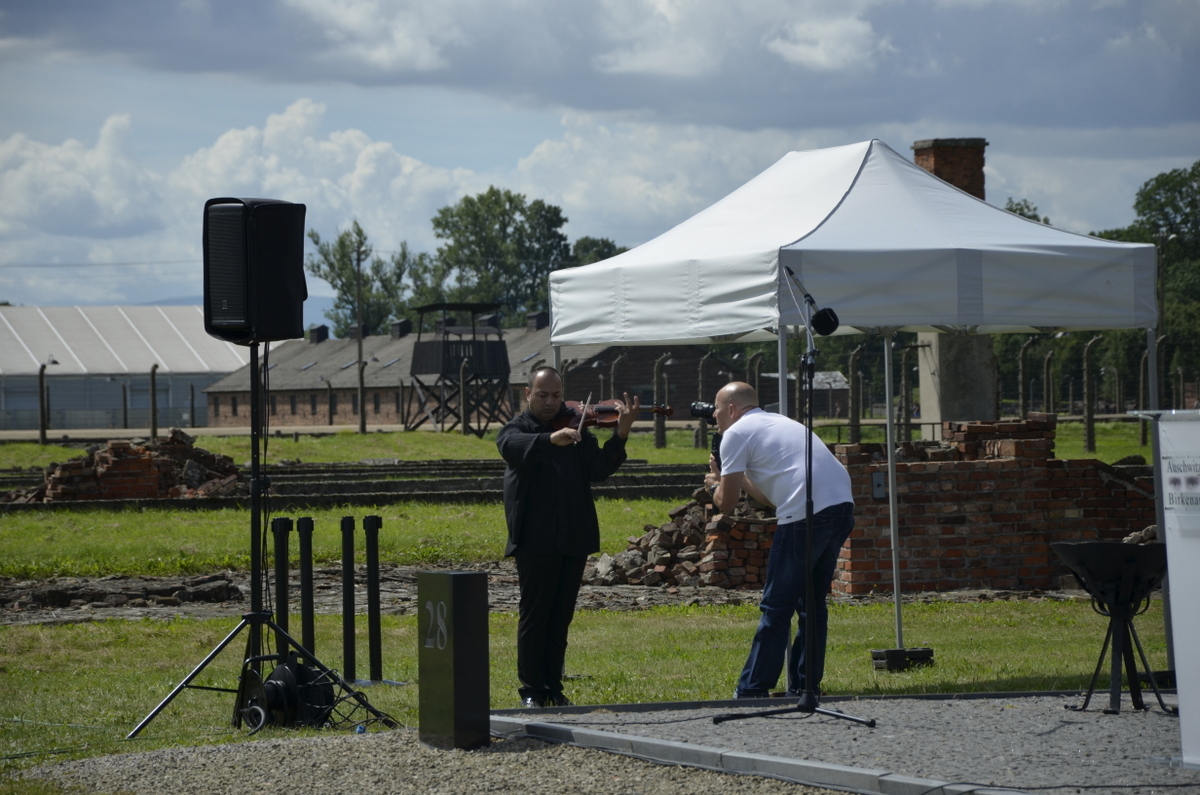
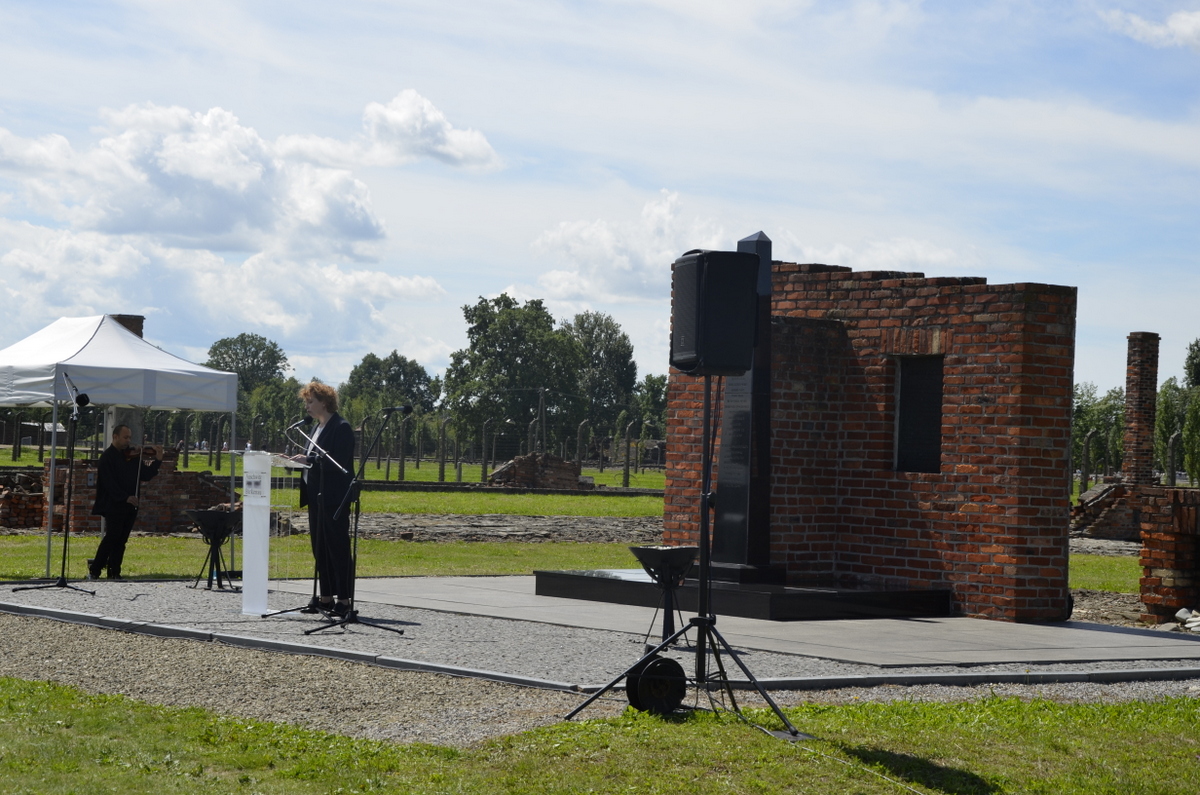
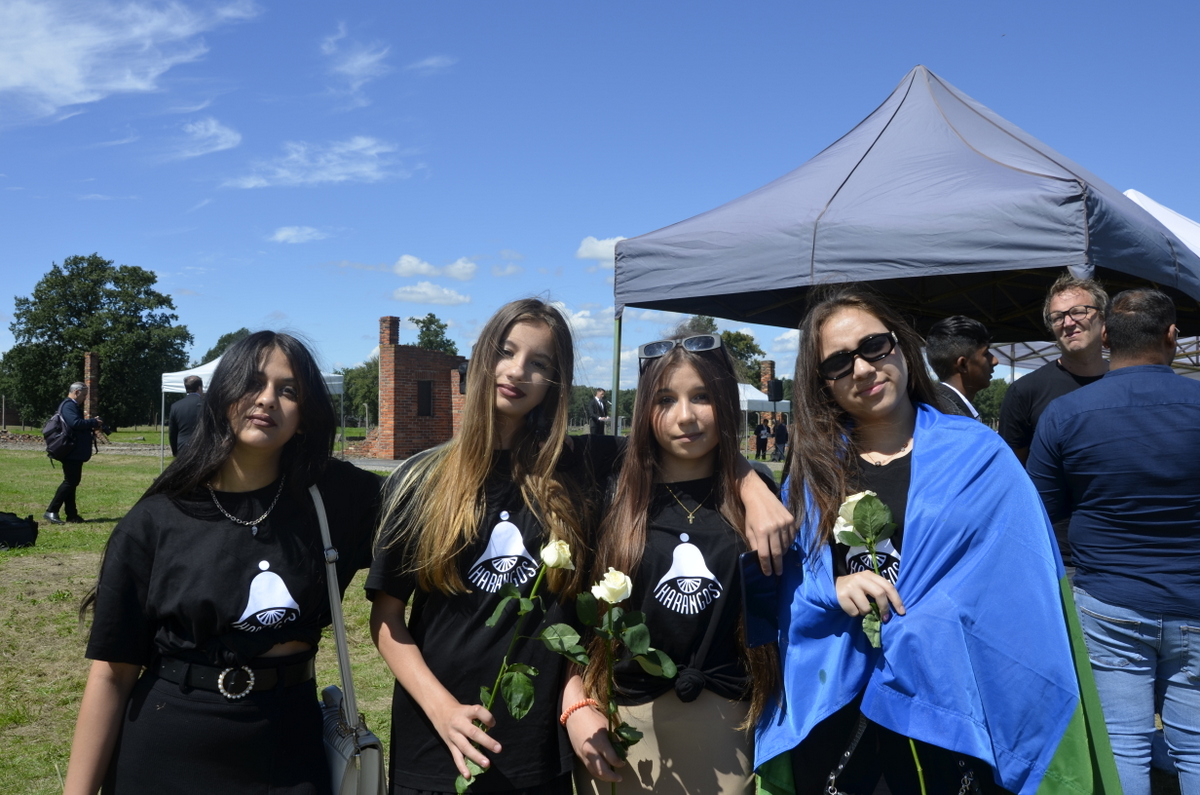
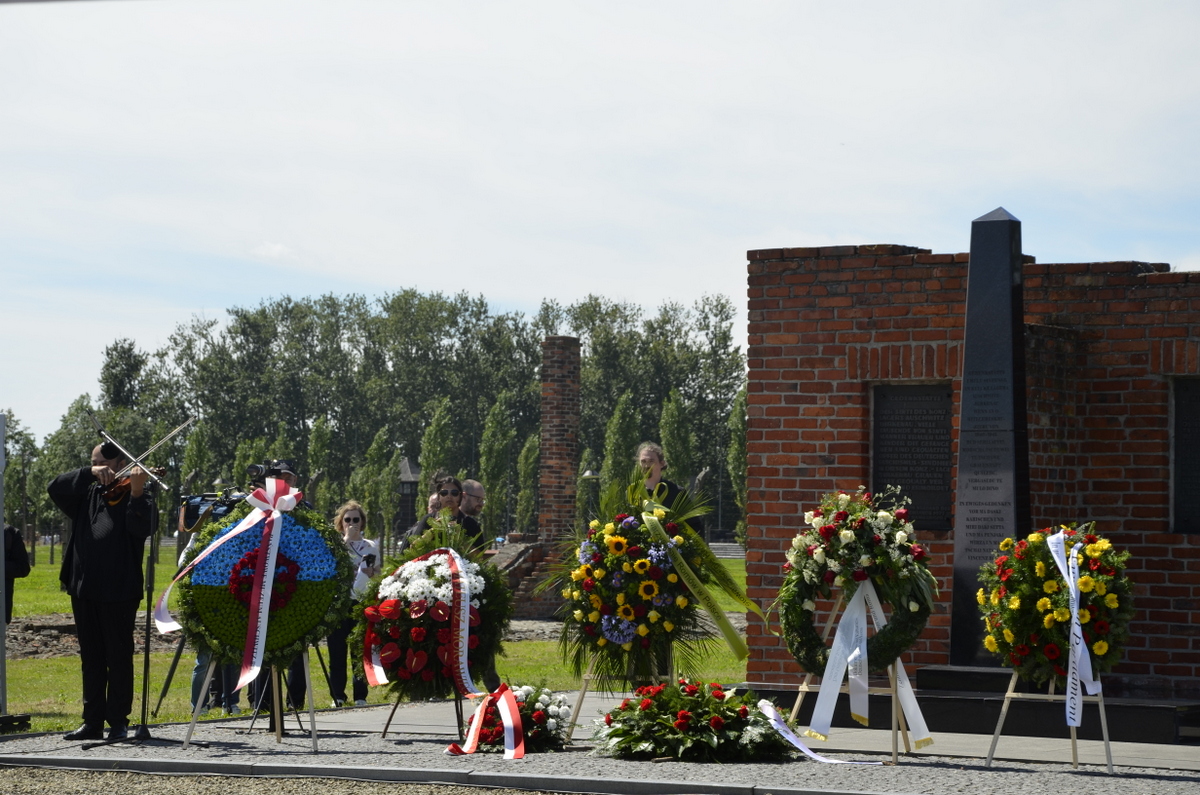
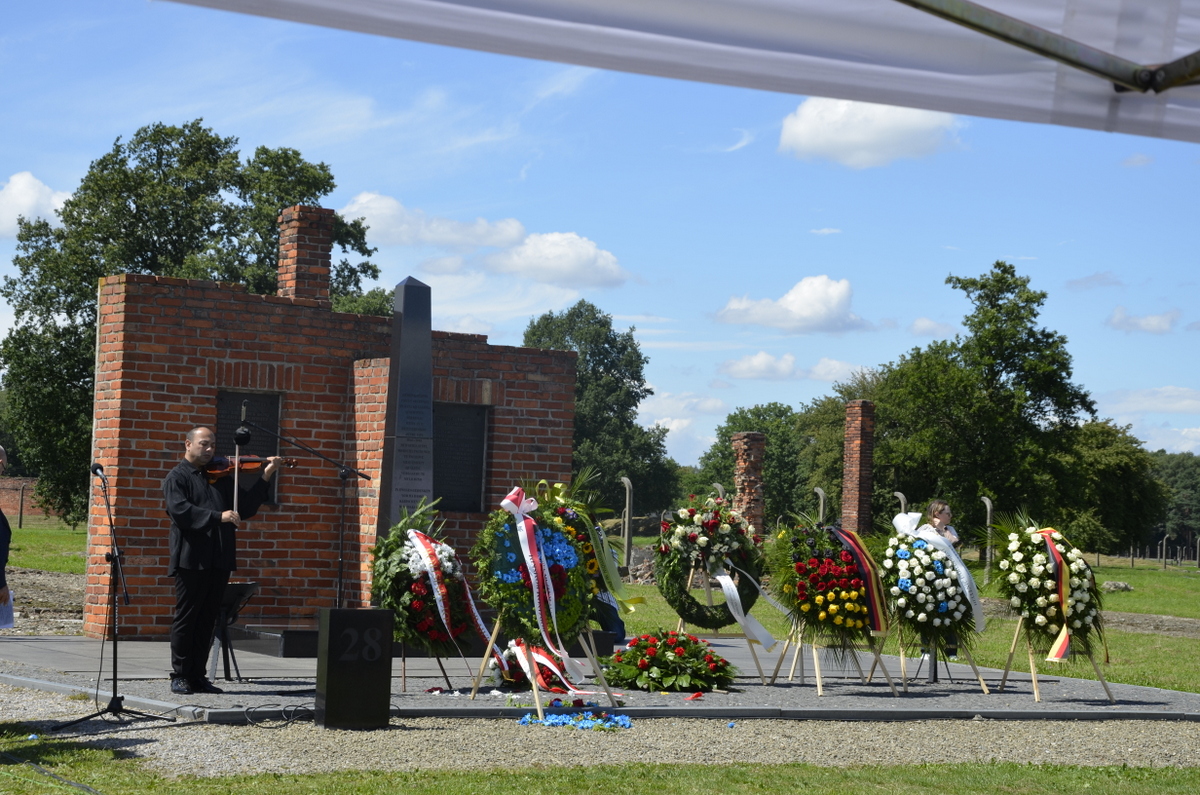
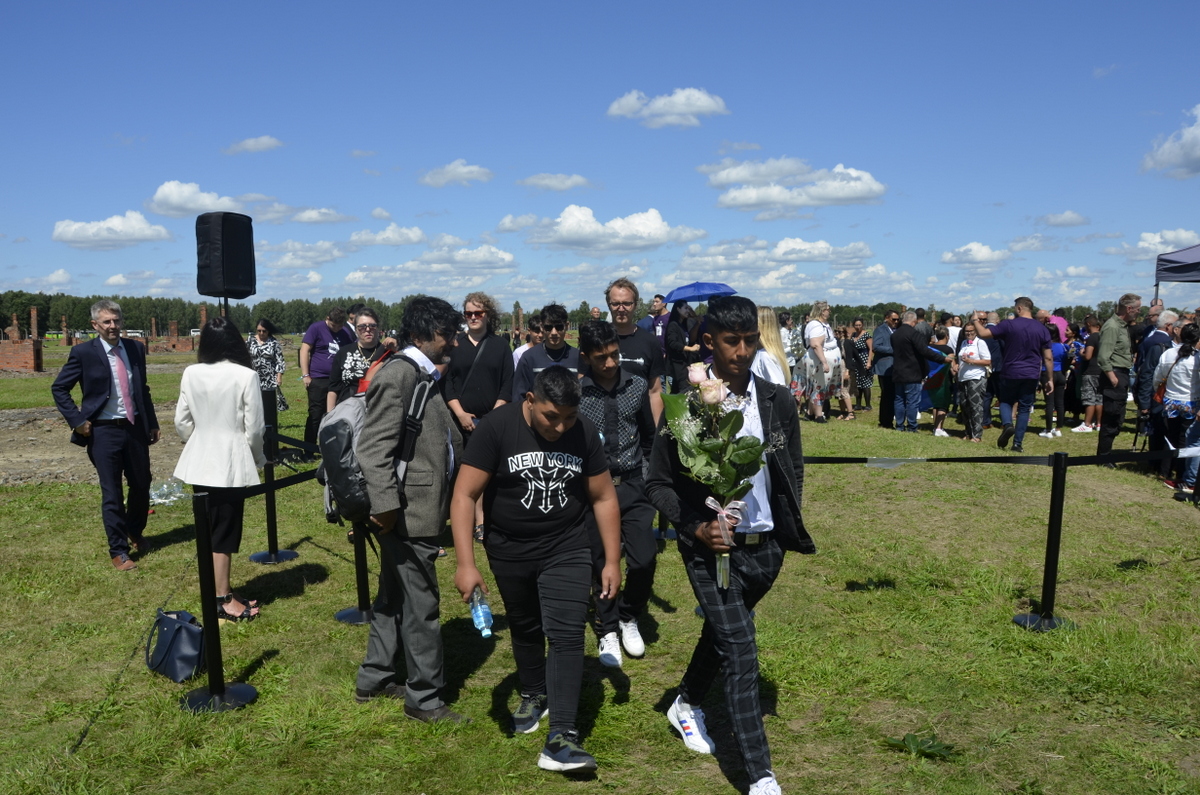
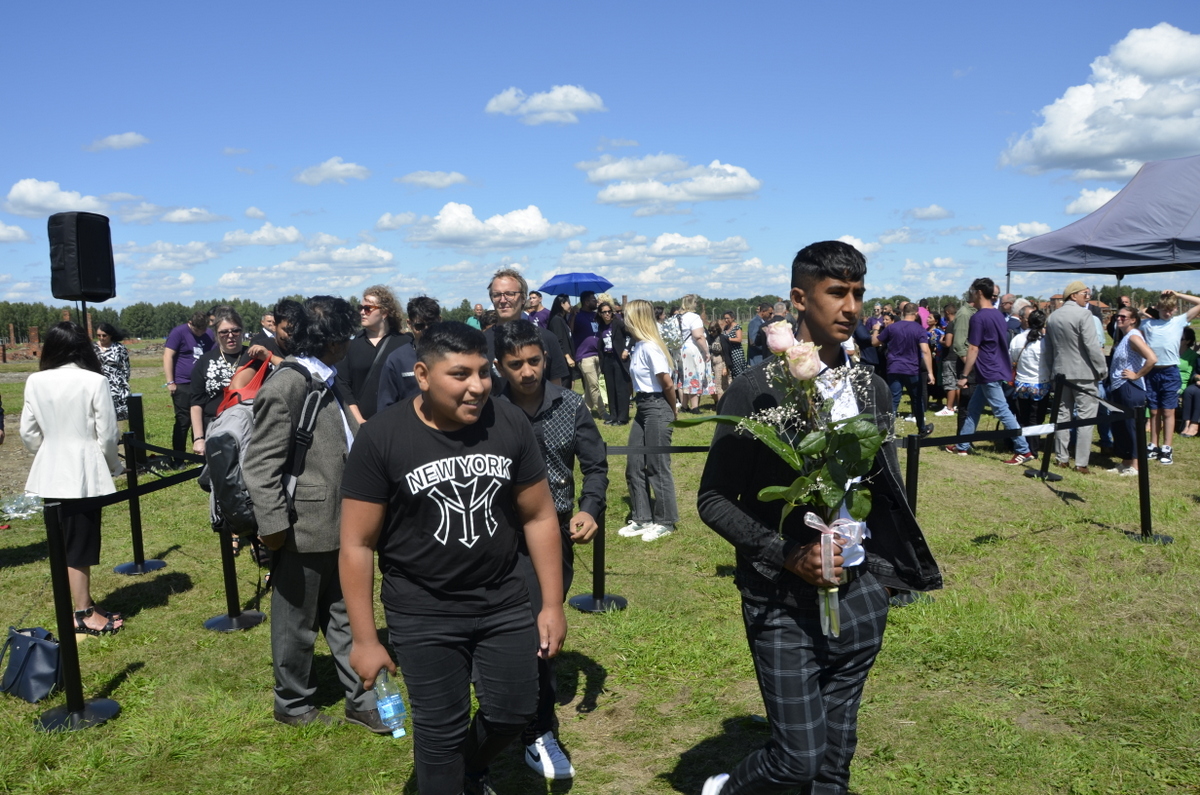
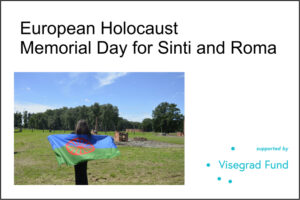
On August 2, 2023, as part of the Summer Workshop Camp, we took part in the commemoration of the Roma and Sinti Genocide Remembrance Day at the site of the former Birkenau Concentration Camp.